

















What Lens Is Inside Vintage Photobooths? The Real Gear Behind the Classic Look
Jan 21, 2026
Anzalna Siddiqui
A psychology major in her third year of Bachelor’s, Anzalna Siddiqui has endless curiosity for the human mind and a deep love for storytelling – both through words and visuals. Though she hasn’t taken up photography as a profession, her Instagram is where her passion finds its home. In addition to this, she’s a travel enthusiast who never travels without her camera because every place has a story waiting to be captured.
Share:
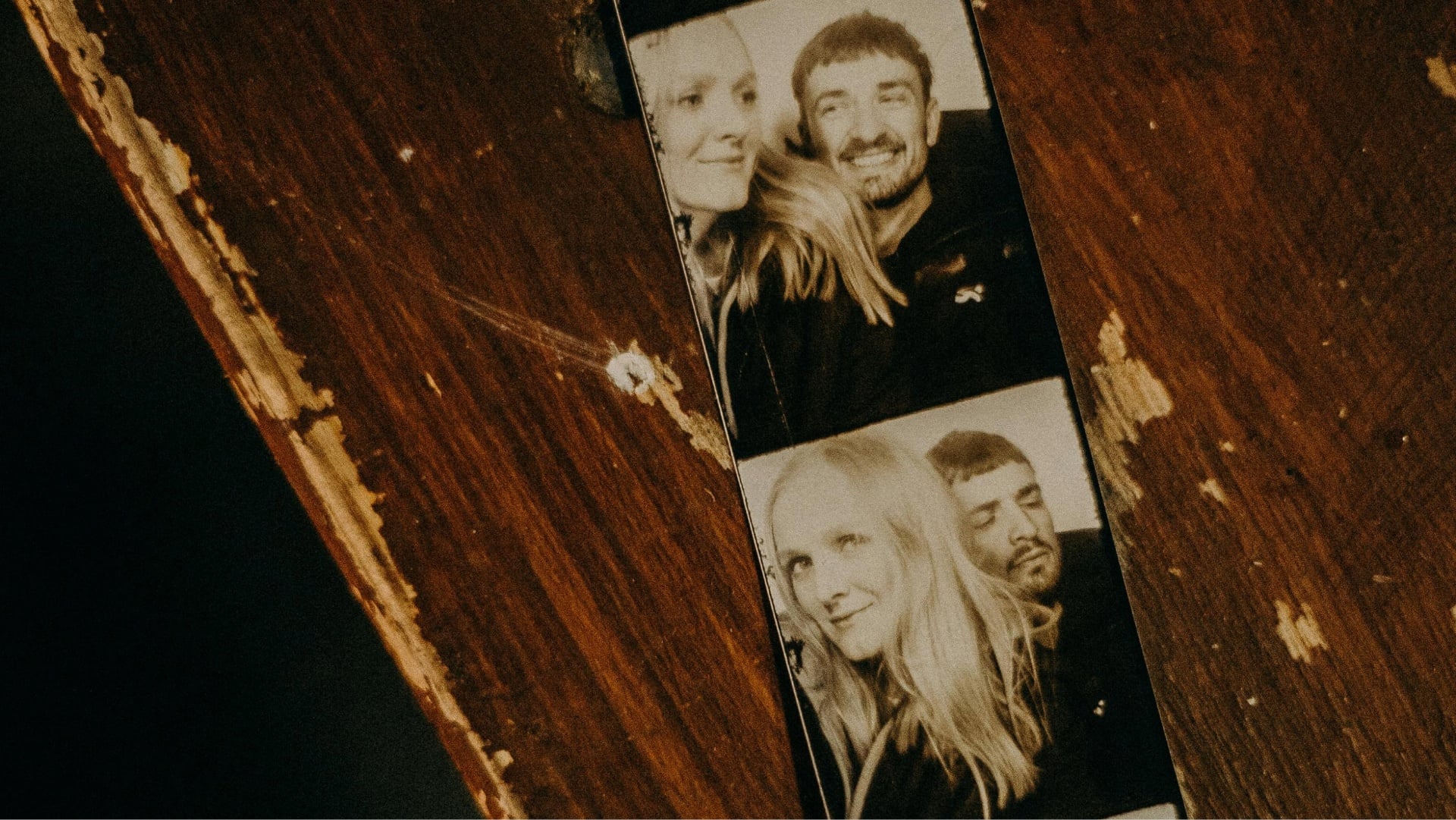
We seek out the newest mirrorless cameras with 60-megapixel precision, yet we often spend hours in Lightroom trying to recreate that vintage look of a photo taken in a damp basement in 1974. It’s that high-contrast, slightly off feel from old photobooths. I’ve often been curious about the lens hidden behind that dark curtain, and I’m not alone in this thought.
In his latest exploration, Mathieu Stern leads us on a quest to discover the secret vintage photobooth lens. He begins his adventure in a café in Nantes, France, looking at an old booth and realizing its lens is quite shy, only revealing itself when the shutter snaps. It feels like the equipment’s hidden nature adds to its charm. It’s a sort of black box that transforms an ordinary day into a collection of memorable portraits.
The Man Who Put A Darkroom In A Box
Before stepping into the booth, it’s important to know the machine’s significance. Mathieu shares that the “Photomaton” was designed by Anatol Josepho in 1925. It was more than just a camera. It made taking portraits accessible to everyone. You no longer needed to wear fancy clothes or sit stiffly for a serious photographer. Instead, you could simply enter, pull the curtain, and have fun making faces.
Mathieu suggests that this element of privacy is likely why photo booths became so influential in culture. He points out that famous figures like John Lennon and Andy Warhol used these booths to capture genuine, spontaneous moments. Personally, I find something really freeing about being alone with a camera. You’re not acting for another person. You’re just expressing yourself. That unique feeling helps keep the analog experience alive, even in a world where digital is easier to use.
The Secret Lens Inside Vintage Photobooths
What’s inside those booths? Mathieu struggled to find technical information online, so he did some hands-on research. Eventually, he uncovered a 1947 patent indicating that some older booths used a 75mm f/2 Wollensak portrait lens. That’s quite impressive glass for a machine that smells like vinegar and old paper.
Now here’s where it gets interesting for gear enthusiasts. Mathieu discovered that a Dallmeyer 75mm f/4.5 enlarging lens was used in some restorations. This suggests that the manufacturers weren’t necessarily using unique photobooth lenses but instead repurposing high-quality lenses that fit the required focal lengths for compact cabinets.
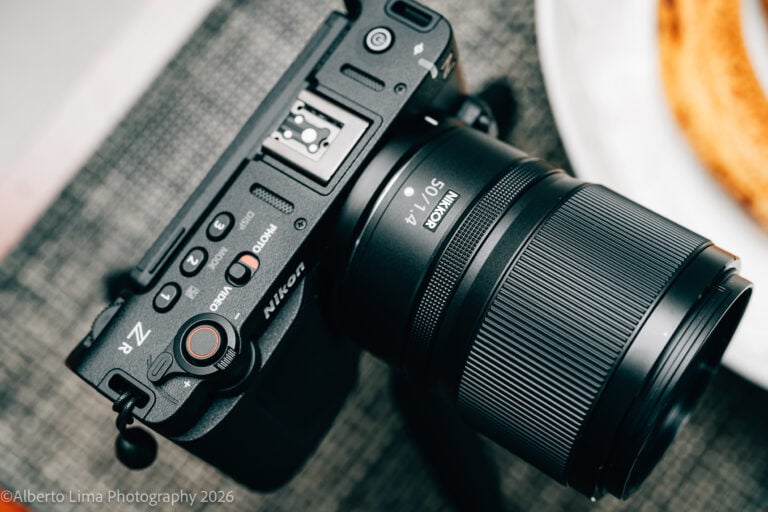
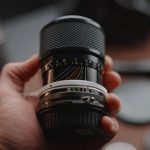
When he continued his search in modern-day Paris, he found something even more surprising. In one booth, he spotted a vintage photobooth lens with rabbit ears and the signature prongs seen on older Nikon manual-focus lenses. He says that many contemporary French analog booths actually use a vintage Nikon 35mm f/2.8 lens.
How Photobooth Engineering Changed the Look
I was curious about the switch from a 75mm lens to a 35mm lens. Mathieu clarifies that this change is related to a problem he calls the periscope issue. The older cameras were impressive engineering feats that used 75mm lenses and prisms to redirect light. This setup allowed the booth to remain slim while still using a longer focal length, which tends to flatter faces.
He explains that the shift to 35mm lenses in newer booths simplifies the process. With a wider lens, the camera can be placed closer to the subject, eliminating the need for complex prisms to redirect the image. This makes it cheaper and easier to build and maintain the booth. However, it slightly alters the portrait’s look by adding a bit more background or making the space feel less cramped.
How You Can Recreate the Vintage Photobooth Look
Don’t worry if you don’t have a massive 1,000-pound chemical machine. Mathieu explains how to create a similar look using your existing equipment. He tests two setups to replicate both the old and new photobooth styles.
For the classic pre-war vibe, he uses a Schneider Kreuznach 75mm f/4.5 lens. To achieve a more contemporary analog style, he opts for a Canon FD 35mm f/2 lens. If you’re working in a small space like a bedroom, the 35mm might be your best choice as it produces an intimate, slightly distorted effect.
He gives a simple guide for your home studio:
- Lighting: Use a strong flash and position it as close to the lens as possible. This will give you that flat, “deer-in-the-headlights” look typical of photobooths, contrasting with usual studio lighting, which is why it’s effective.
- Distance: Stand about 80-150cm from the camera to create a feeling of being “crowded” by the lens.
- Settings: Adjust your camera to a high-contrast black-and-white setting.
Post-Processing For That Silver Light Paper Vibe
Vintage photobooth lens is just part of the process. According to Mathieu, the real magic lies in how the paper interacts with the chemicals. To achieve this effect digitally, he recommends crushing the blacks in your editing program, making the dark areas of your photo richer and deeper.
He also suggests adding a touch of green or yellow to the highlights. This gives an effect similar to old silver light paper that has aged or been treated with worn-out chemicals. Don’t hesitate to wash out the whites. You want a high contrast look. If your forehead stands out too bright in the image, you’re on the right track. The aim here is not to capture a wide dynamic range, but to create drama.
Is The Magic In The Lens Or The Memory?
After all his searching, Mathieu realizes that vintage photobooth lenses aren’t really magical or rare holy grails. Most of them are just reliable lenses from Nikon or Wollensak. He believes the true magic lies in the experience itself. You get a piece of paper to hold, smell, and even stick on your fridge.
I think he’s on to something. With so much time spent staring at screens, having a physical item feels special. It reminds us that photography was once a hands-on, chemical process, not just digital files floating in the cloud.
It’s really interesting to see how Mathieu breaks down something we often overlook. I’ve passed many of these booths without ever considering the Nikon lenses inside. It makes me curious about what other unseen lenses we encounter every day.
Personally, I think that to enhance your photography, exploring unusual sources like photo booths could be a great way to spark your creativity. You don’t always need perfect bokeh or sharp edges. Sometimes, all it takes is a 35mm lens, a bright flash, and the courage to act a bit silly in front of the camera.
[The Secret Lens Inside Vintage Photobooths I Mathieu Stern; Image credits: Pexels]
See more from DIYPhotography.net on Google
Add DIYPhotography.net as a trusted source. This makes
our stories more likely to appear in your Google Search results.
 Add as a preferred source on Google

Anzalna Siddiqui
A psychology major in her third year of Bachelor’s, Anzalna Siddiqui has endless curiosity for the human mind and a deep love for storytelling – both through words and visuals. Though she hasn’t taken up photography as a profession, her Instagram is where her passion finds its home. In addition to this, she’s a travel enthusiast who never travels without her camera because every place has a story waiting to be captured.


Join the Discussion
DIYP Comment Policy
Be nice, be on-topic, no personal information or flames.