


















The Uncomfortable Trick That Could Make You a Better Photographer
Sep 2, 2026
Alysa Gavilan
Alysa Gavilan has spent years exploring photography through photojournalism and street scenes. She enjoys working with both film and mirrorless cameras, and her fascination with the craft has grown over the decades. Inspired by Vivian Maier, she is drawn to capturing everyday moments that often go unnoticed.
Share:
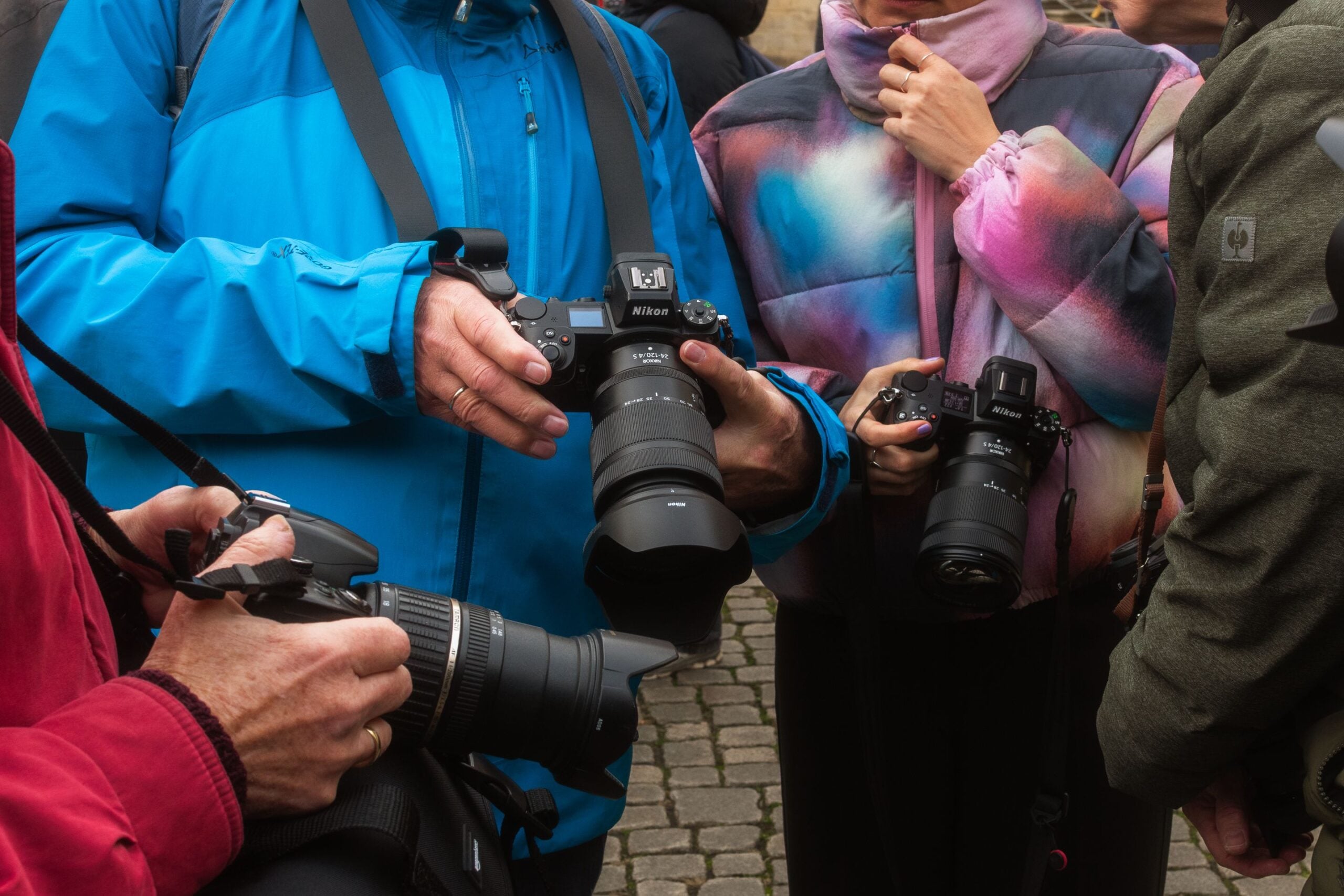
Getting better at photography does not always mean buying a better camera, watching another tutorial or spending hours adjusting sliders in Lightroom. Sometimes, the fastest way to improve is to make photography a little more difficult.
Photographer Chris Tellez suggests spending the next 10 days doing things that force you to slow down, pay closer attention and make deliberate choices, from printing your photographs to shooting unfamiliar subjects and imposing creative restrictions.
Tellez, a photographer and videographer based in Ontario, Canada, primarily works in portraits, events and weddings. In a recent video, he outlined seven exercises designed to help photographers improve their skills in a short period of time.
The common thread is simple: change how you approach making photographs.
Look at Your Work With Fresh Eyes
One of Tellez’s first suggestions is also one of the simplest: print your work.
Looking at a photograph as a physical print can reveal details that are easy to overlook on a computer or phone screen. Tellez says printing can help photographers assess color and tonal differences, but it can also make composition easier to evaluate because the image is separated from the editing interface and other distractions.
He recommends trying different versions of the same photograph, including color and black and white prints, different sizes and prints with borders. Putting the photographs somewhere visible and leaving them there can also give photographers an opportunity to notice things they missed during the initial edit.
Getting outside feedback is another way to see familiar photographs differently. Tellez suggests asking non photographers questions about how an image makes them feel rather than asking simply if they like it. A portrait photographer could ask which photograph makes the subject look happiest or which one someone would choose as a profile picture.
Photographers can provide more technical feedback. They can comment on composition, camera settings, editing choices, and how the photographer might approach a similar scene differently.
Tellez also recommends organizing a shoot with a specific goal. It could involve photographing a friend, creating images for a local business or simply working on a project that requires more preparation than usual. Creating a shot list, deciding what equipment is needed, and setting a timeline can make the exercise feel more like a real assignment.
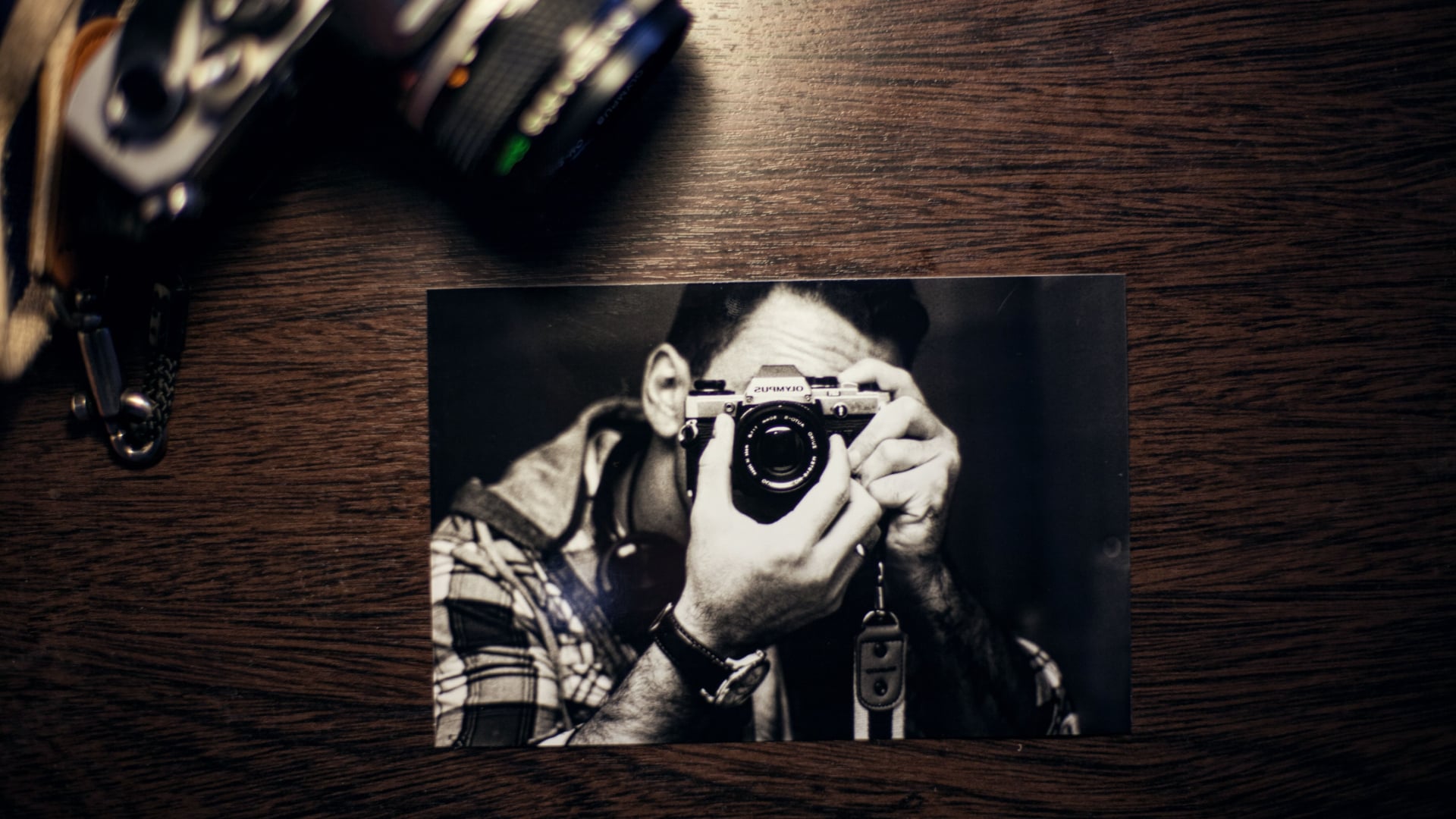
Change What You Shoot and How You Shoot It
Tellez’s next group of exercises involves disrupting familiar routines.
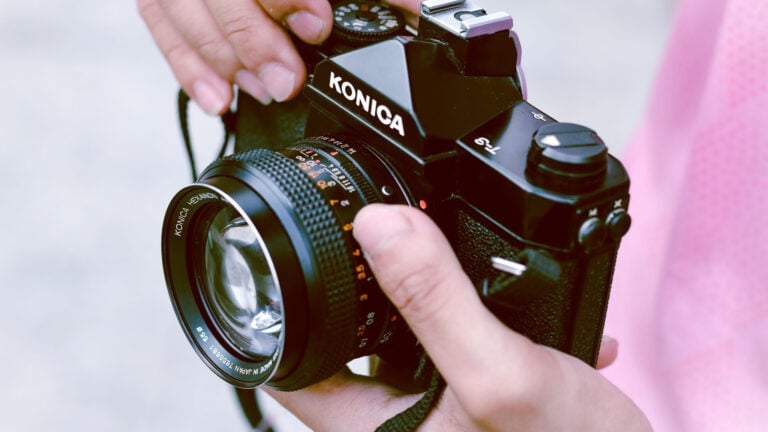
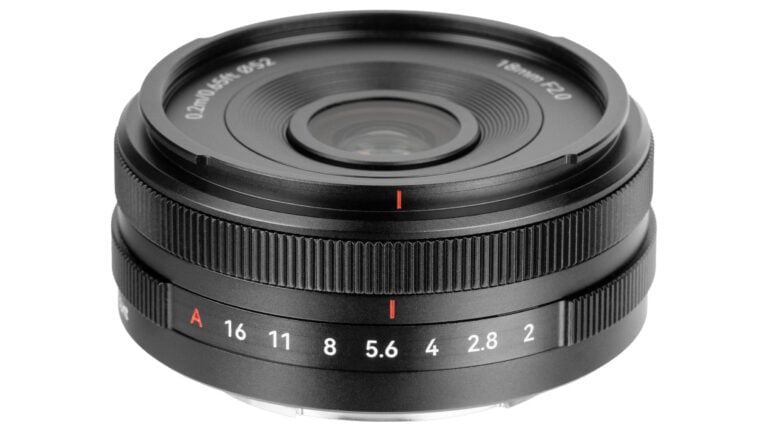
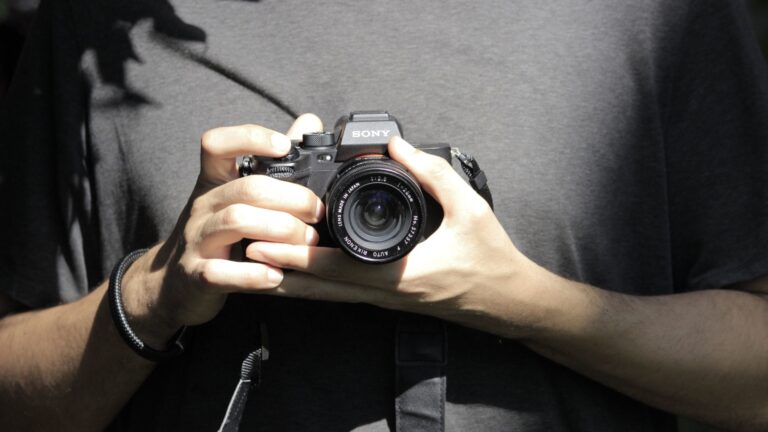
One suggestion is to use an unfamiliar piece of equipment. That does not mean buying an expensive new camera. A cheap filter, prism or adapted vintage lens can be enough to change how someone photographs. Borrowing equipment can achieve the same result without adding to the cost.
The purpose is to make the photographer pay closer attention. A diffusion filter, for example, might encourage someone to seek out interesting light sources that they would normally overlook. A manual vintage lens can similarly force a photographer to slow down and think more carefully about focus and composition.
Tellez also recommends photographing a subject completely different from the genre a photographer normally shoots. He uses car photography as an example, explaining that studying reflections, shapes and frames within a frame can provide ideas that later translate to portrait or wedding photography.
Photo books offer another way to study photography outside a photographer’s usual environment. Tellez suggests visiting a bookstore or used bookstore, finding work by photographers unfamiliar to you and examining how their images were made.
Rather than simply looking at the photographs, photographers can try to work out how they were created. What lens might have been used? Where was the light coming from? What camera settings could have produced the result? Recreating an image can turn passive viewing into a practical photography exercise.
Give Yourself Constraints
Tellez’s final suggestion is to deliberately limit your choices.
A photographer might spend a day photographing only green subjects, buildings or people in a particular pose. Technical restrictions can work too, such as using only one aperture or experimenting with multiple exposures, panning or shutter drag.
A restriction can make an ordinary environment feel different because the photographer has a specific problem to solve. Instead of photographing whatever happens to catch the eye, the photographer has to actively search for something that fits the chosen rule.
That same idea applies to the other exercises. Printing photographs changes how they are evaluated. Feedback introduces perspectives that the photographer cannot get alone. Unfamiliar equipment changes the shooting process. New subjects require different ways of seeing. Photo books provide examples to study, while constraints limit the easiest choices.
The goal is not to become a better photographer simply by completing a checklist. It is to become more deliberate about why a photograph is being made and how its different elements work together.
For photographers feeling stuck in a familiar routine, Tellez’s 10 day challenge offers a simple place to start: change one thing, pick up your camera and see what you notice that you missed before.
See more from DIYPhotography.net on Google
Add DIYPhotography.net as a trusted source. This makes
our stories more likely to appear in your Google Search results.
 Add as a preferred source on Google

Alysa Gavilan
Alysa Gavilan has spent years exploring photography through photojournalism and street scenes. She enjoys working with both film and mirrorless cameras, and her fascination with the craft has grown over the decades. Inspired by Vivian Maier, she is drawn to capturing everyday moments that often go unnoticed.



Join the Discussion
DIYP Comment Policy
Be nice, be on-topic, no personal information or flames.