























Rare Seven-Arm Octopus Captured on MBARI Underwater Camera
Dec 10, 2025
Alysa Gavilan
Alysa Gavilan has spent years exploring photography through photojournalism and street scenes. She enjoys working with both film and mirrorless cameras, and her fascination with the craft has grown over the decades. Inspired by Vivian Maier, she is drawn to capturing everyday moments that often go unnoticed.
Share:
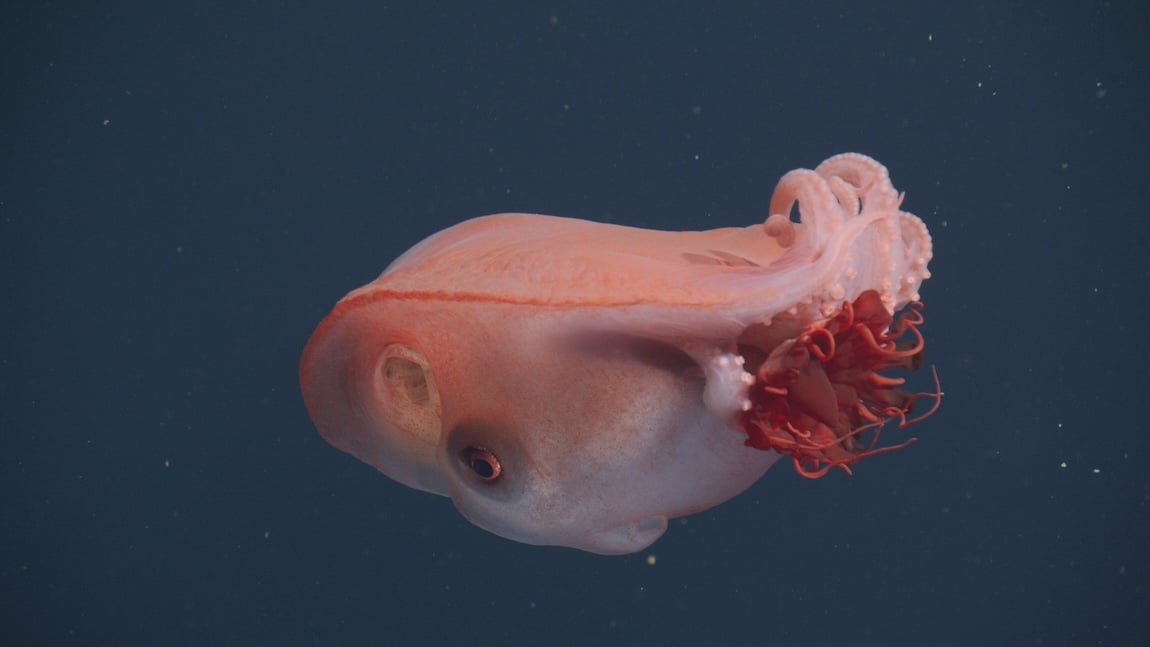
A rare seven-arm octopus (Haliphron atlanticus) was recently documented in the deep waters of Monterey Bay using a specialized underwater camera developed by the Monterey Bay Aquarium Research Institute (MBARI).
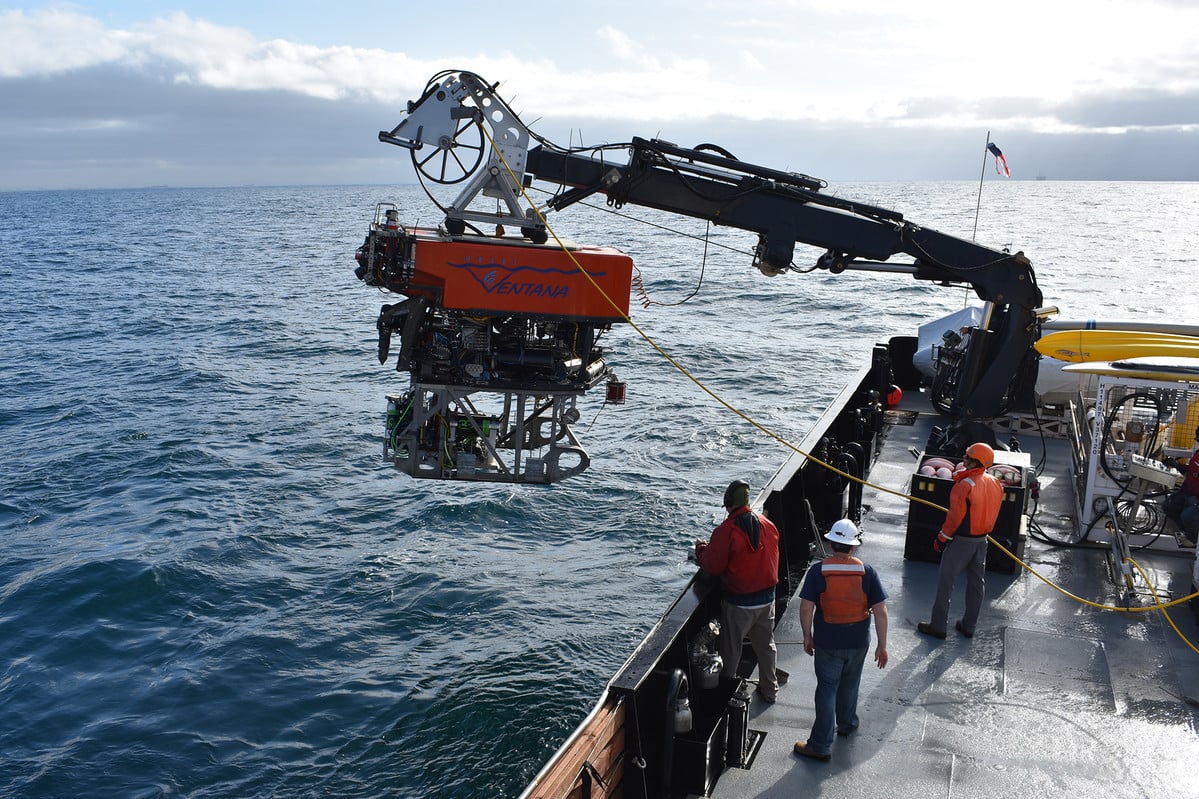
During a research expedition last month with the remotely operated vehicle (ROV) Ventana, Senior Scientist Steven Haddock and the MBARI Biodiversity and Biooptics Team encountered the elusive giant approximately 700 meters below the ocean’s surface.
This sighting represents just the fourth time this species has been observed in nearly four decades of deep-sea research.
The octopus was filmed clutching a crimson red helmet jelly (Periphylla periphylla), offering valuable insight into the feeding habits of a species rarely encountered by scientists. Using a 4K camera specifically engineered for deep-sea exploration, the team was able to capture detailed footage of the animal’s behavior and appearance, highlighting both its immense size and delicate interactions with its prey.
The Seven-Arm Octopus
Despite its name, the seven-arm octopus actually has eight arms. Male Haliphron atlanticus possess a specialized hectocotylus arm used for transferring sperm during mating. This arm is typically tucked into a sac beneath the right eye, giving the appearance of only seven limbs. Females can reach enormous sizes, weighing up to 75 kilograms, while males are much smaller, generally measuring around 21 centimeters in length.
The species inhabits the ocean’s twilight zone, between 200 and 1,200 meters below the surface. Over decades of deep-sea exploration with MBARI’s ROVs, encounters with this octopus have remained extremely rare.
Previous observations, including a 2017 sighting of a female with an egg-yolk jelly (Phacellophora camtschatica), revealed its diet is heavily reliant on gelatinous animals. MBARI researchers have also confirmed these feeding habits through the analysis of museum specimens.
Ecological Importance
In this latest observation, the seven-arm octopus was feeding on a helmet jelly, consuming the tissues within the bell while trailing the stinging tentacles behind it. This strategy may provide both nutrition and a defensive benefit, as the tentacles could deter potential predators. While jellies are not highly nutritious, their abundance makes them a reliable food source for a variety of oceanic animals.
Understanding the octopus’s diet helps researchers map out the complex connections of deep-sea food webs. Haliphron atlanticus itself serves as prey for large predators, including sperm whales, blue sharks, and swordfish. These interactions demonstrate the surprising ecological linkages between the deep sea and surface waters, emphasizing how changes in one layer of the ocean can impact the entire ecosystem.
MBARI’s Underwater Camera and Research
The ROV Ventana was equipped with a 4K camera developed by MBARI engineers specifically for deep-sea research.
The system allows scientists to observe and document the behaviors of deep-sea organisms in high resolution, providing crucial data on species that are otherwise inaccessible. Footage of the seven-arm octopus not only contributes to our understanding of this rare species but also demonstrates the capabilities of advanced underwater imaging technology for marine biology.
MBARI’s work extends beyond documenting individual species. Researchers are studying how human activities, including overfishing, pollution, habitat destruction, and climate change, can influence deep-sea ecosystems. The organization emphasizes that understanding these fragile environments is essential for developing strategies to protect oceanic biodiversity.
Encounters like this highlight how much remains unknown about life in the deep ocean. Each rare sighting provides scientists with new data that can improve our understanding of ecological interactions, feeding strategies, and population dynamics.
For photographers and scientists alike, MBARI’s underwater camera technology continues to reveal the beauty and complexity of the ocean’s hidden depths!
See more from DIYPhotography.net on Google
Add DIYPhotography.net as a trusted source. This makes
our stories more likely to appear in your Google Search results.
 Add as a preferred source on Google

Alysa Gavilan
Alysa Gavilan has spent years exploring photography through photojournalism and street scenes. She enjoys working with both film and mirrorless cameras, and her fascination with the craft has grown over the decades. Inspired by Vivian Maier, she is drawn to capturing everyday moments that often go unnoticed.
Related Posts
 The OS-ARM is a 3D printed open source multi-axis robot arm designed for use with cameras
 Watch: Don’t Miss This Rare Footage of an Octopus Casually Surfing on a Shark
 Close-up of octopus mom and her babies win 2022 Ocean Art underwater photo contest
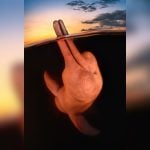 Photo of rare pink river dolphin wins Underwater Photographer of the Year
Join the Discussion
DIYP Comment Policy
Be nice, be on-topic, no personal information or flames.