
























ProGrade Raises Prices as AI-Driven Shortage Pushes Memory Card Costs Higher
Apr 16, 2026
Alysa Gavilan
Alysa Gavilan has spent years exploring photography through photojournalism and street scenes. She enjoys working with both film and mirrorless cameras, and her fascination with the craft has grown over the decades. Inspired by Vivian Maier, she is drawn to capturing everyday moments that often go unnoticed.
Share:
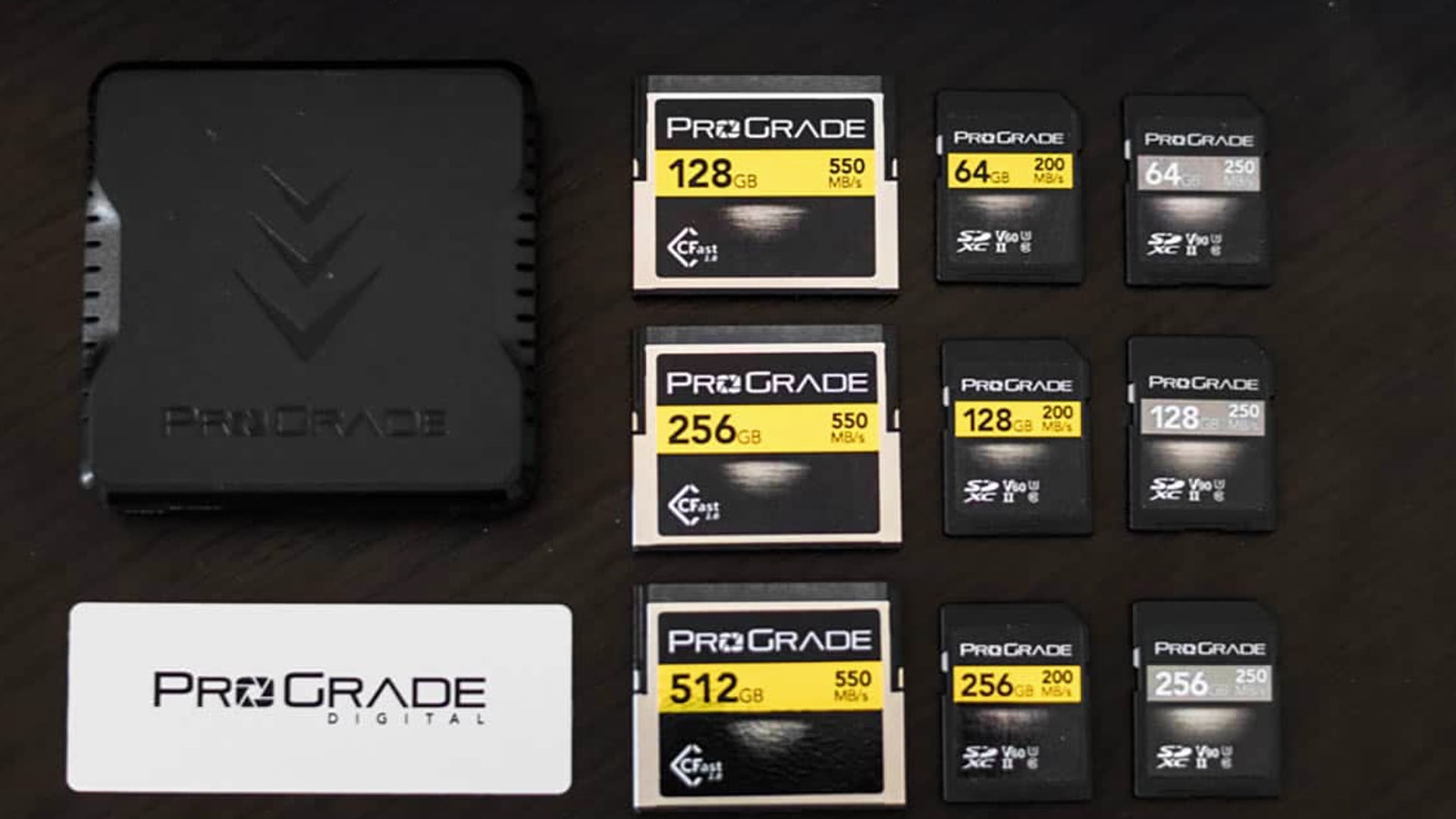
Memory card prices are climbing again as a global flash memory shortage tied to AI demand tightens supply, pushing companies to warn photographers and videographers to prepare for higher costs and limited availability.
ProGrade Digital said the situation has worsened in recent months, with no clear relief in sight for 2026. In a letter to customers, Mark Lewis, Chief Marketing Officer and Co-Founder of ProGrade Digital, said “the situation has intensified rather than stabilized,” pointing to continued pressure across the industry as AI data centers consume large volumes of memory components.
For photographers who rely on fast and reliable storage, this means planning purchases more carefully as prices rise and stock becomes less predictable.

AI demand reshapes the memory market
Although ProGrade held off on raising prices in April, it confirmed that increases are coming. “Our costs are increasing significantly, and we will have to increase prices in May,” Lewis said.
The message signals that current pricing may not hold for long. For working photographers, this creates a narrow window to secure gear before costs rise further.
At the same time, Lewis emphasized that the issue is not limited to one brand. “These cost increases are industry-wide, not specific to ProGrade Digital,” he said, underscoring that the entire memory card market is affected.
The shortage is largely being driven by the rapid expansion of artificial intelligence infrastructure. Training and running AI systems requires massive data processing capacity, which depends heavily on flash memory and related semiconductor components.
Lewis said the impact is already visible across pricing. “Prices continue to rise, and we don’t expect memory prices to go down in 2026,” he said, adding that some analysts believe the pressure could extend even further.
This shift highlights a growing tension between consumer and professional hardware needs on one side and large-scale AI development on the other. While photographers use memory cards for image capture and video workflows, tech companies are purchasing memory at a scale that reshapes supply chains.
What this means for photographers
For creators, the impact is practical and immediate. Memory cards are not optional tools. They are essential to every shoot, especially for high-resolution photography and video production.
Rising prices can affect how you budget for projects, upgrade gear, or expand storage capacity. Professionals shooting in high-resolution formats or using fast burst modes may feel the pressure more acutely due to their reliance on high-performance cards such as CFexpress.
Lewis acknowledged this strain directly. “We recognize these increases create real budget pressures, especially for independent creators and small production companies,” he said.
In response, some photographers may delay upgrades, reuse older cards longer, or adjust workflows to manage storage more efficiently.
Sony’s move signals deeper supply issues
The broader impact of the shortage is already visible across the industry. Sony recently suspended orders for several CFexpress and SD memory cards, citing supply constraints linked to semiconductor shortages.
That move shows how even major manufacturers are struggling to secure enough components. When a company like Sony pauses orders, it suggests that supply chain disruptions are not short term but part of a deeper imbalance between supply and demand.
Together with ProGrade’s warning, it paints a consistent picture of a market under sustained pressure.
Lewis said the company aims to remain transparent as conditions evolve. “We’re sharing this now not to drive urgency, but to give you the information you need to plan your own equipment decisions,” he said.
That emphasis on planning reflects the reality many photographers now face. Instead of reacting to sudden shortages, you may need to anticipate your storage needs months in advance.
He also reaffirmed the company’s approach. “Our approach hasn’t changed: we build the same quality into every product, and we communicate openly about market conditions,” Lewis said.
For now, the outlook remains uncertain. With AI continuing to drive demand and no immediate increase in supply, memory cards are becoming another piece of gear affected by larger shifts in the tech industry.
See more from DIYPhotography.net on Google
Add DIYPhotography.net as a trusted source. This makes
our stories more likely to appear in your Google Search results.
 Add as a preferred source on Google

Alysa Gavilan
Alysa Gavilan has spent years exploring photography through photojournalism and street scenes. She enjoys working with both film and mirrorless cameras, and her fascination with the craft has grown over the decades. Inspired by Vivian Maier, she is drawn to capturing everyday moments that often go unnoticed.
Related Posts
 Sony Temporarily Suspends Memory Card Orders Amid Global Semiconductor Shortage
 DJI raises prices in the US due to Trump’s tariffs on Chinese goods
 Chip supply shortage causes chaos in the photo industry: High prices, fake parts, gear delays
 ProGrade is the memory cards company that Lexar could have been
Join the Discussion
DIYP Comment Policy
Be nice, be on-topic, no personal information or flames.