
















Make Large Format Negatives from Ordinary Paper…and They Smell Good, Too!
Jul 3, 2026
David Prochnow
Our resident “how-to” project editor, David Prochnow, lives on the Gulf Coast of the United States in Ocean Springs, Mississippi. He brings his expertise at making our photography projects accessible to everyone, from a lengthy stint acting as the Contributing How-To Editor with Popular Science magazine. While you don’t have to actually build each of his projects, reading about these adventures will contribute to your continued overall appreciation of do-it-yourself photography. A collection of David’s best Popular Science projects can be found in the book, “The Big Book of Hacks,” Edited by Doug Cantor.
Share:

Say good-bye to overhead projector transparencies and magazine lifts, when making alternative process prints, forever. Yes, there’s a new sheriff in town for making gorgeous cyanotypes.
How does using a paper-based photo-copier or a laser printer for printing large format negatives or transparencies sound to you? Sounds unbelievable, right? Well, it’s so simple that a baby could do it.
[Related Reading: A Bolt Outta da Blue; Leave ’em in Stitches with Fabric Photographs]
The Paper Negative Rub Down
The secret ingredient in making ordinary paper negatives or transparencies is baby oil. Yes, baby oil can painlessly transform ANY electro-statically-charged toner-fused paper print into a negative or transparency. Here’s how…
First off, you might be able to more quickly grasp this concept the next time you go to lunch. Huh? Sure, have you ever ordered french fries, fried chicken, fish ‘n chips or any other type of deep-fried food?
Once your yummy morsels are purchased, you should notice the paper wrapper holding these goodies becomes shiny and greasy. This effect is the basis for transforming paper-printed photographs into viable alternative process negatives or transparencies.
[Related Reading: How to Make Cyanotypes: A Step-by-Step Guide to Sun-Printed Magic]
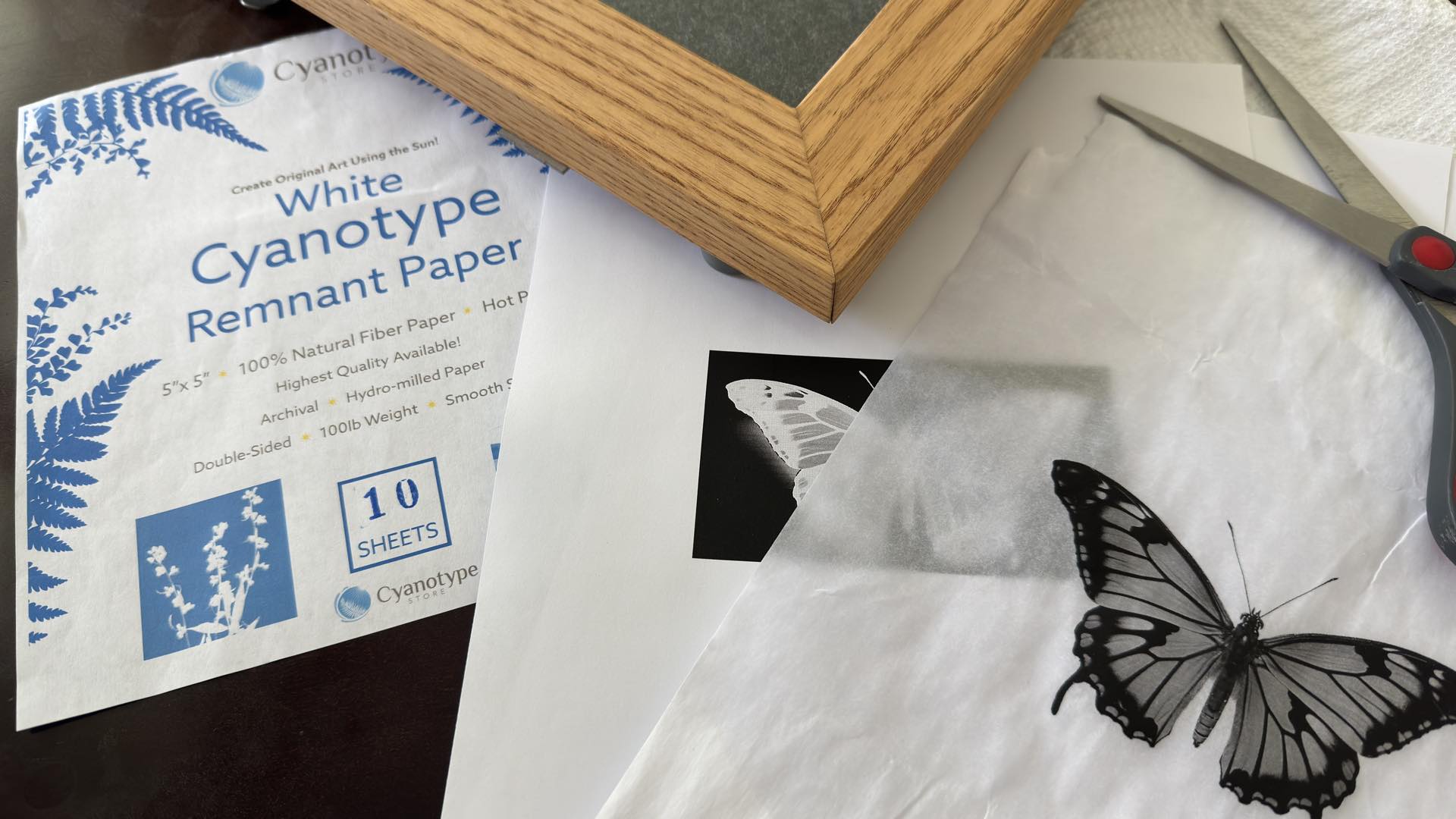
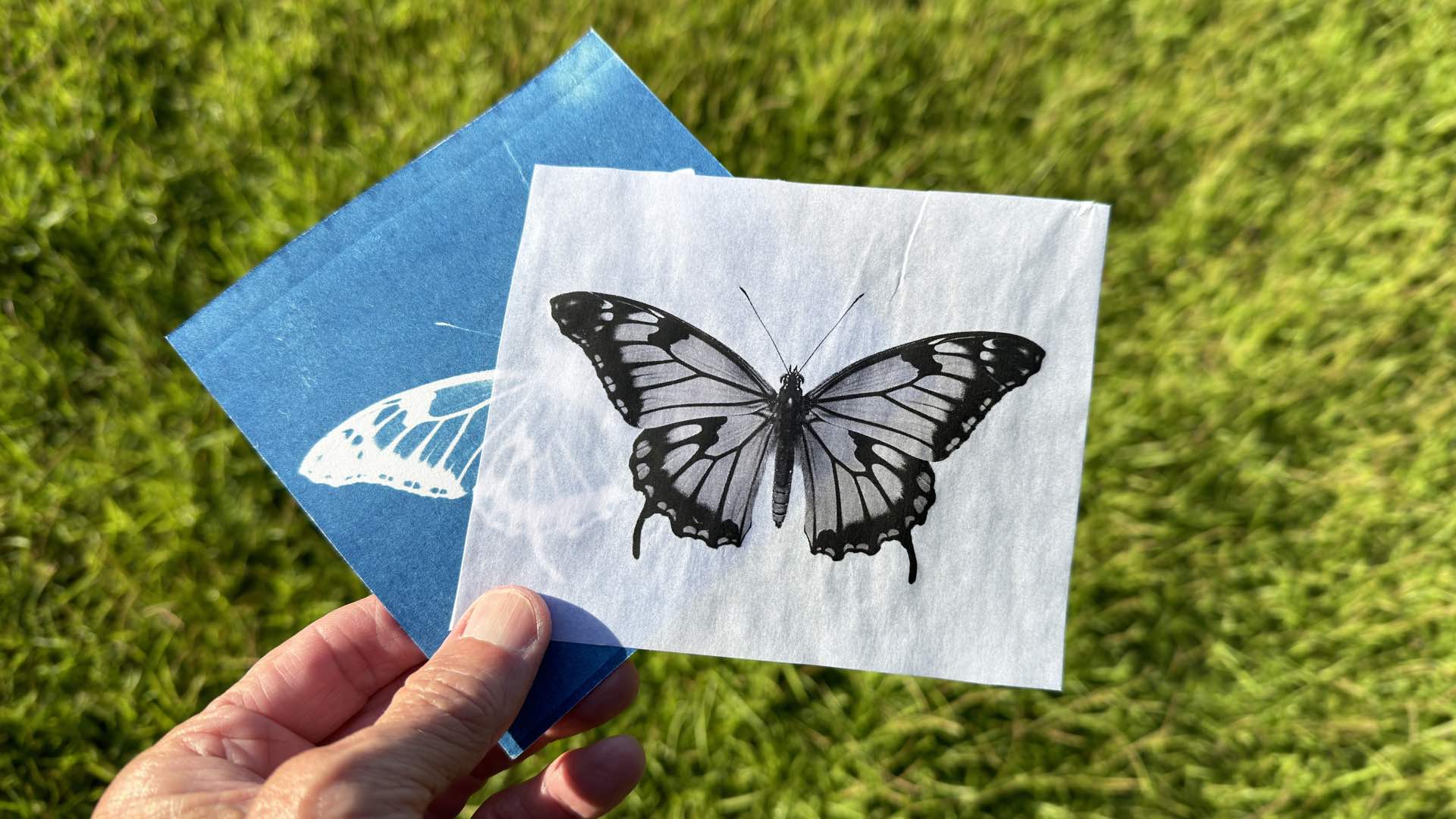
In this photographic process, simply take the paper print of your subject, flood the paper with baby oil, rub the oil into the paper’s fibers, rinse this oil off the paper with water, then blot the paper dry. And that’s it! You now have a translucent paper negative or transparency that is perfect for making an alternative photographic process print.
For example, sandwich this paper negative with a piece of cyanotype paper and you can produce perfect prints. Remember, however, that you will need to increase the exposure time with paper negatives/transparencies. As a starting point, a 30-minute exposure should produce a perfect print.
[Related Reading: Anthotypes for Beginners: Create Prints Without a Darkroom; Just Turmeric, Alcohol, and Sunshine]
Now a Word About Some Technical Details
Negative: Only paper negatives or transparencies are needed. If your paper print is a positive image (transparency) and you want to make a negative, instead, use the “Invert” command in your fave photo editor. Alternatively, you can use any image viewer that displays a histogram for your photograph. In this case, just slide the furthest right marker to the extreme left and slide the furthest left marker to the extreme right. Either way, you now have a negative for printing on a laser printer.
Paper: What about an inkjet print? Yes, color inkjet prints will work with this technique provided a plain, uncoated paper is used. Optimal results, however, will be obtained using either a copying machine or a laser printer with plain, uncoated premium matte paper.
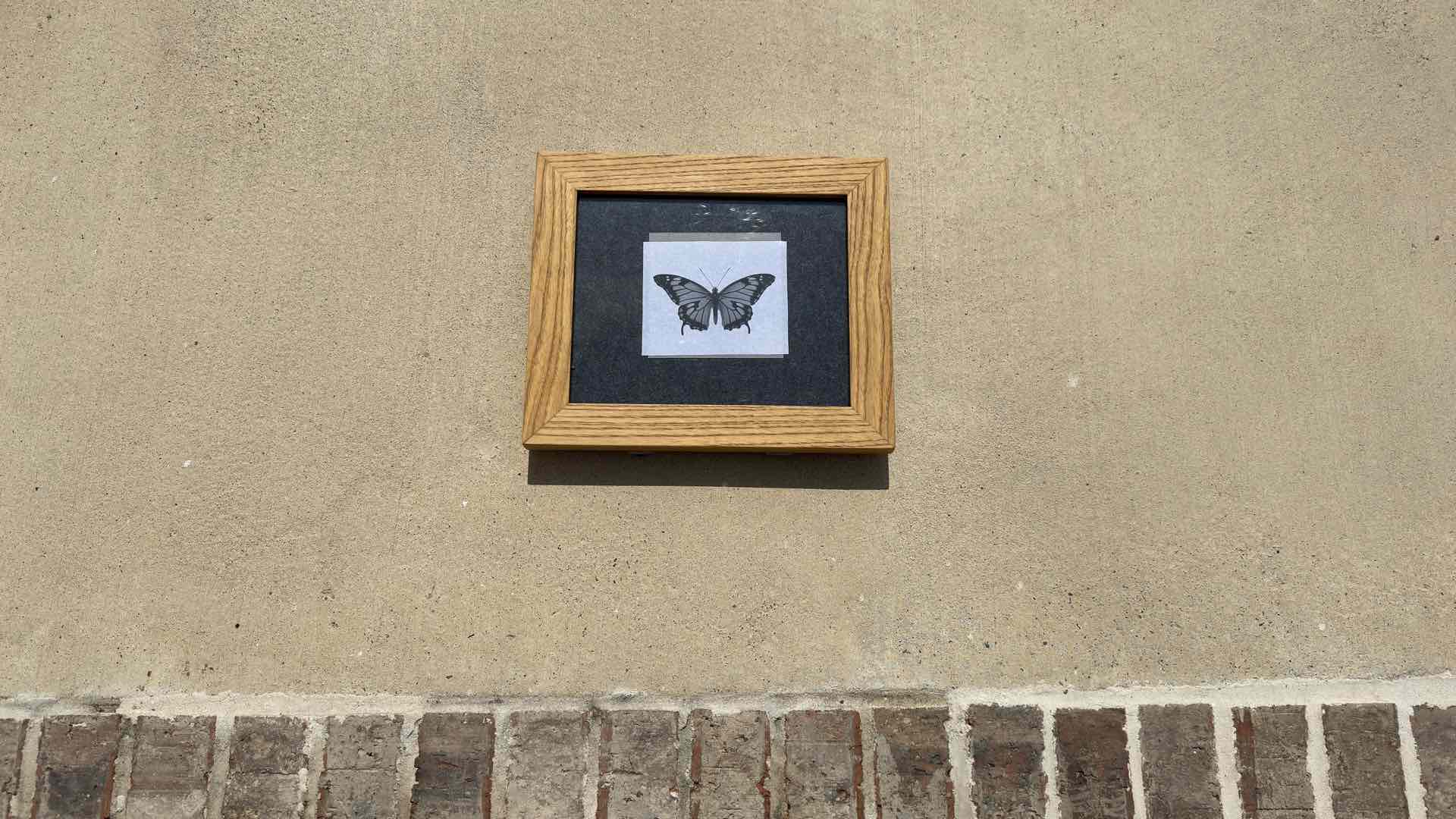
Exposure: When properly saturated with baby oil, a paper print will become translucent, but not transparent. Therefore, you will need to extend your exposure time for creating a cyanotype print. A 30-minute exposure is a great starting point to print a cyanotype.
Development: No special development is necessary with products from Cyanotype Store. An ordinary water rinse for approximately 3-5 minutes should be sufficient for removing any leftover undeveloped sensitizer from the paper.
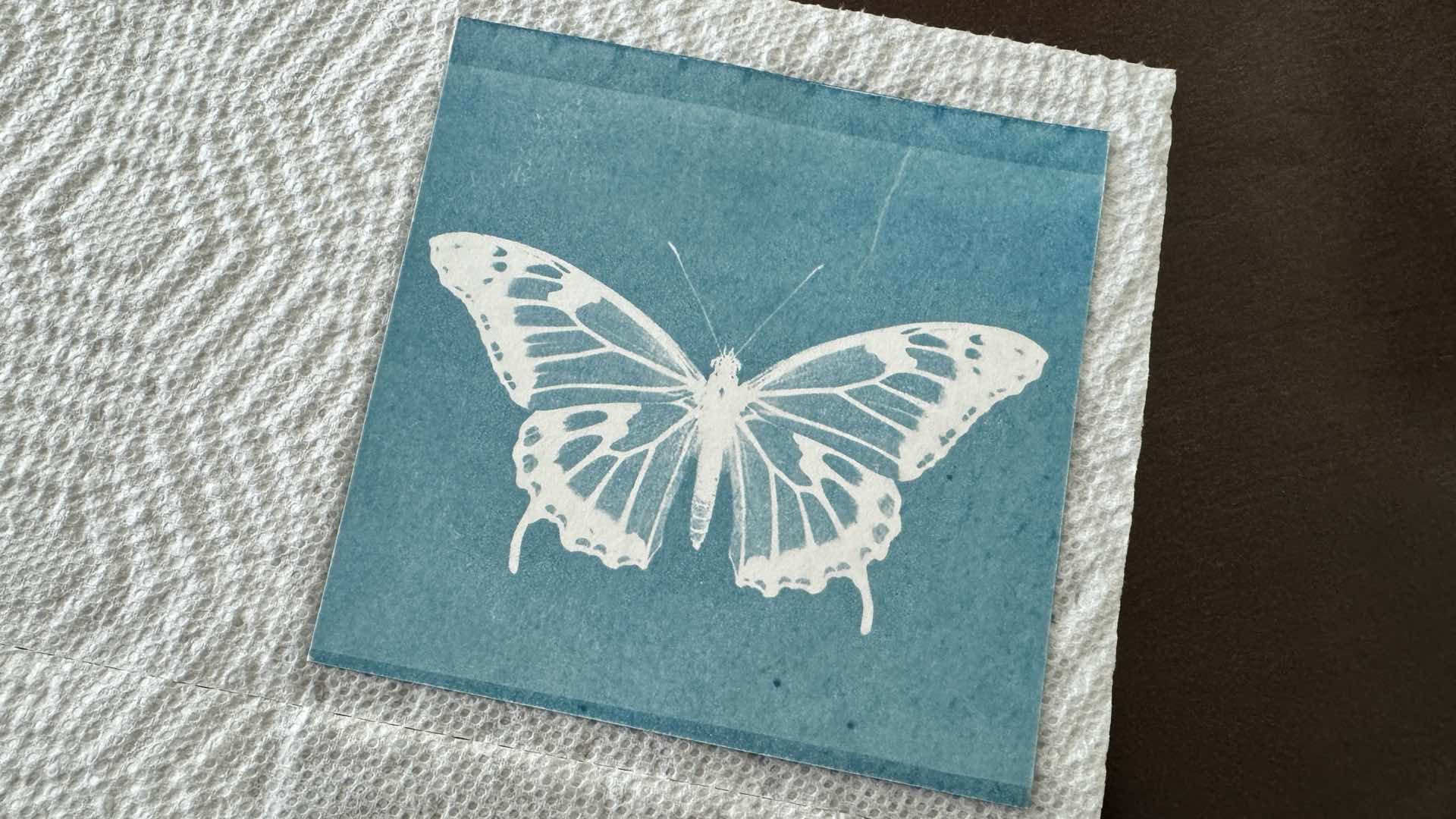
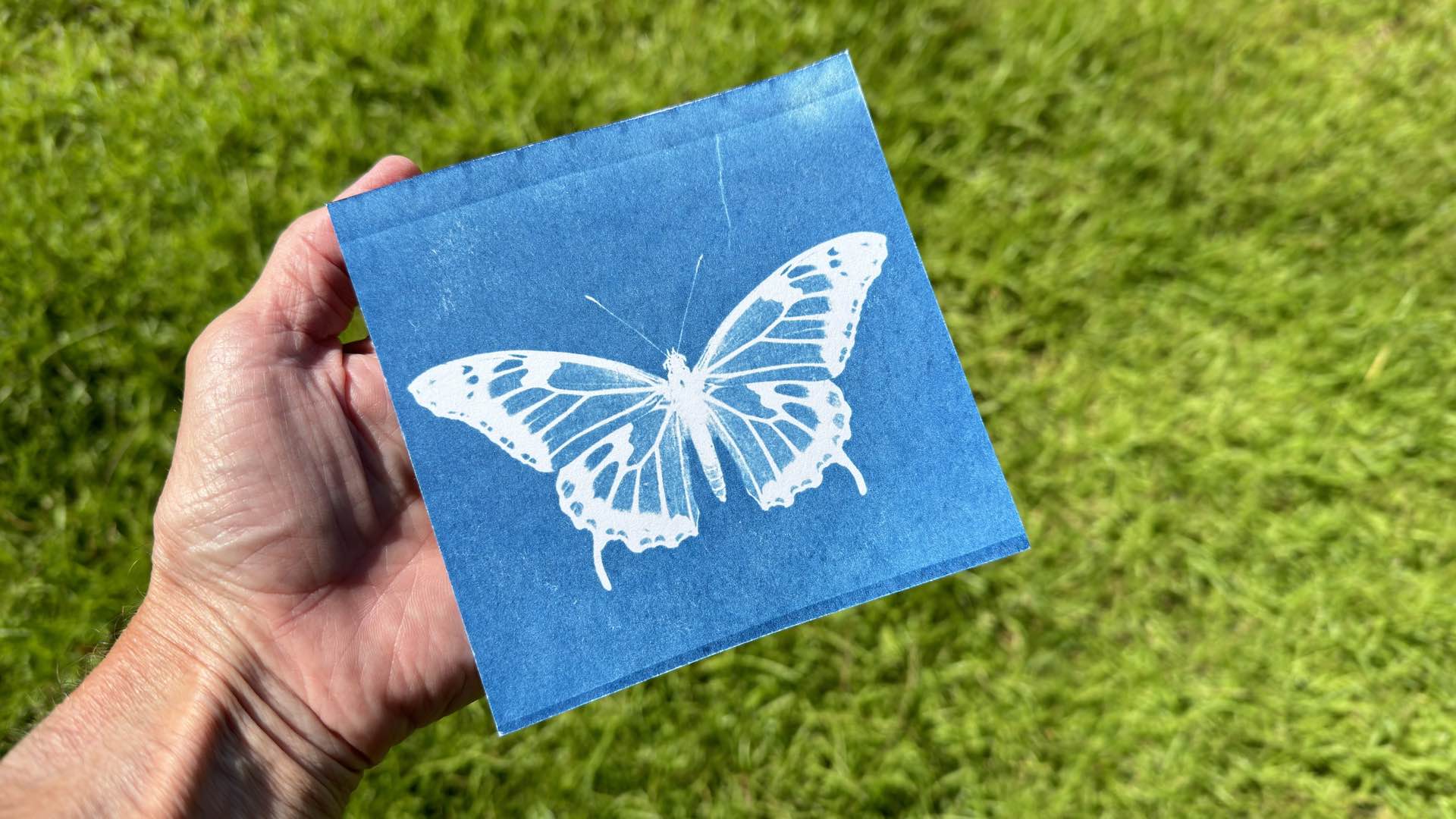
As a footnote to this process, young photographers love using this technique to make big negatives and transparencies. There are three reasons why youngsters enjoy creating paper negatives:
1. It’s messy. Imagine the fun of smearing baby oil all over a sheet of paper!
2. It’s easy. Anyone can see fantastic results with this technique.
3. It smells great. You’d be hard-pressed to think of another photographic process that smells as good as making baby oil negatives and transparencies.
Enjoy.
See more from DIYPhotography.net on Google
Add DIYPhotography.net as a trusted source. This makes
our stories more likely to appear in your Google Search results.
 Add as a preferred source on Google
Filed Under:
Tagged With:

David Prochnow
Our resident “how-to” project editor, David Prochnow, lives on the Gulf Coast of the United States in Ocean Springs, Mississippi. He brings his expertise at making our photography projects accessible to everyone, from a lengthy stint acting as the Contributing How-To Editor with Popular Science magazine. While you don’t have to actually build each of his projects, reading about these adventures will contribute to your continued overall appreciation of do-it-yourself photography. A collection of David’s best Popular Science projects can be found in the book, “The Big Book of Hacks,” Edited by Doug Cantor.


Join the Discussion
DIYP Comment Policy
Be nice, be on-topic, no personal information or flames.
One response to “Make Large Format Negatives from Ordinary Paper…and They Smell Good, Too!”
I did this recently with flaxseed oil + a tad of beeswax (some “serum” my husband made for protecting wooden surfaces). Turned out quite good! Gotta try baby oil too.