






















Rare Humpback Whale Birth Filmed by Scientists Shows New Life in Hawaiian Waters
Dec 1, 2025
Darlene Lleno
Darlene Lleno brings a unique perspective to DIY Photography as someone who grew up surrounded by camera gear but chose words over lenses. With five years of writing experience, she specializes in photography content that’s both technically informed and genuinely passionate. Growing up with a photographer twin brother meant camera talk was everyday conversation in her household. While he mastered capturing moments, Darlene discovered she preferred being the subject and the storyteller behind the scenes. As a travel enthusiast and mother of two, she understands the importance of preserving life’s precious moments. When not exploring new destinations or writing for DIY Photography, you’ll find her reading or tending to her garden. Her approach to photography writing is refreshingly authentic, she may not be behind the camera, but she knows exactly what it takes to help others capture the shots that matter most.
Share:
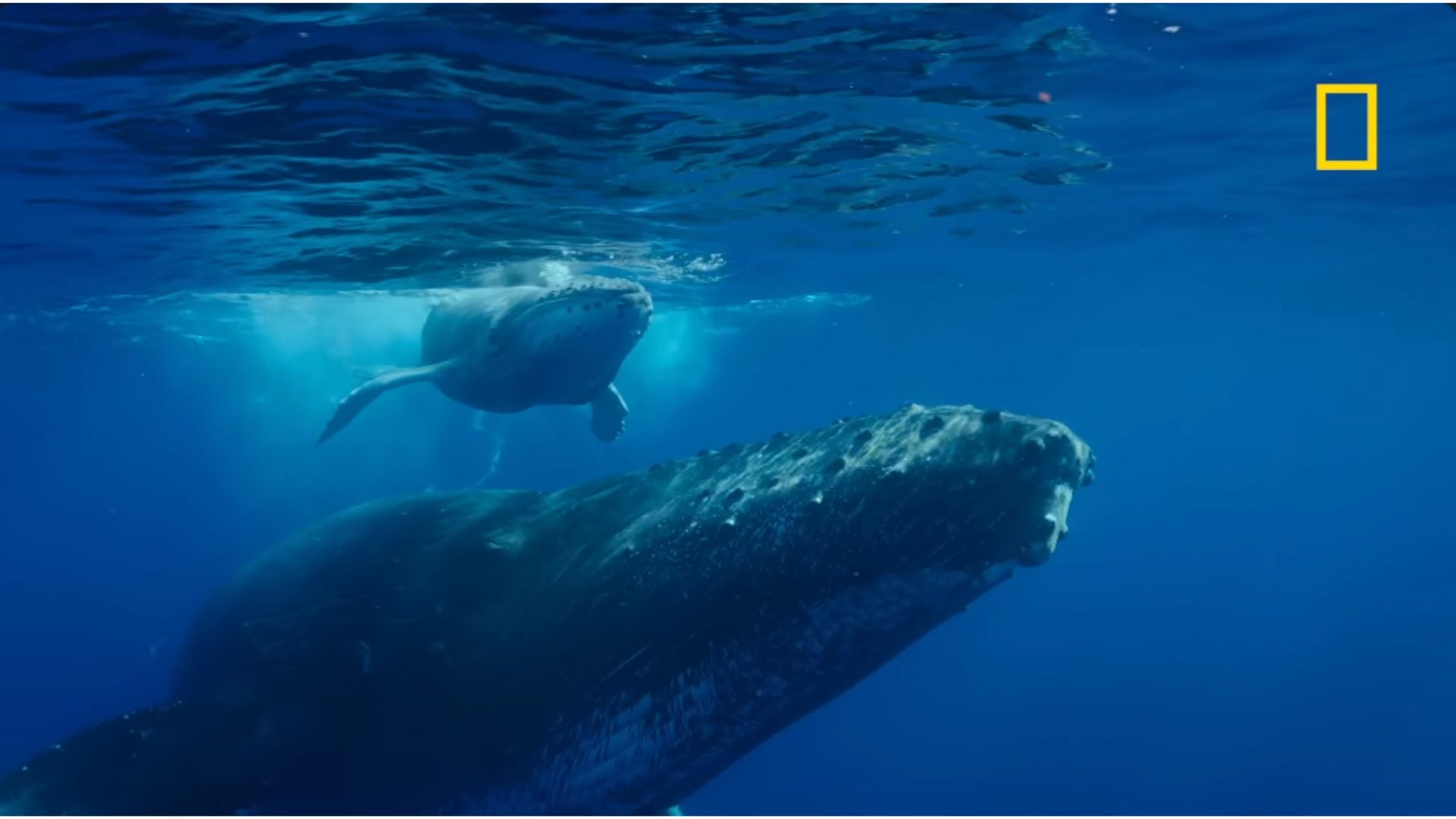
A humpback whale birth is a truly special moment rarely seen by humans. National Geographic filmed this extraordinary event for the first time ever. Now that it has entered the world, this humpback calf will spend the next several years growing to its full adult size.
First Complete Birth Ever Witnessed
Scientists and National Geographic filmmakers witnessed something no one had seen before on March 5, 2021. They watched the complete birth of a humpback whale off Lahaina, Hawaii. The crew had been searching for this moment for 25 years.
Rachel Cartwright leads the Keiki Kohola Project, a Maui-based nonprofit that protects humpback whale mothers and calves. Her team spotted a pod of male humpbacks near a female whale around 3 p.m. that day. At first, they thought the males were trying to mate. A crew member dove into the water to film the group.
That’s when they saw a small fluke peeking out from the female. The team knew they had a possible birth happening. Cartwright quickly deployed research drones to record the moment. The footage revealed a big burst of blood followed by the appearance of a male calf just two seconds later.
Historic Moment for Marine Science
Scientists had never witnessed a full humpback whale birth before this. They had seen glimpses of births in progress. Some researchers spotted females with calf flukes protruding. But no one had filmed the entire process from start to finish.
The footage appears in National Geographic’s series Incredible Animal Journeys. The show premiered on November 19, 2023, and streams on Disney+ and Hulu. This wildlife photography milestone provides scientists with valuable data about humpback whale reproduction.
Stephanie Stack serves as chief research biologist at the Pacific Whale Foundation in Maui. She told National Geographic that many people claim to have seen a whale being born. After investigating these claims, researchers found people usually saw a whale resting or hanging out with its calf.
Stack was really surprised when she watched the footage. She called it amazing.
Mysterious Male Behavior
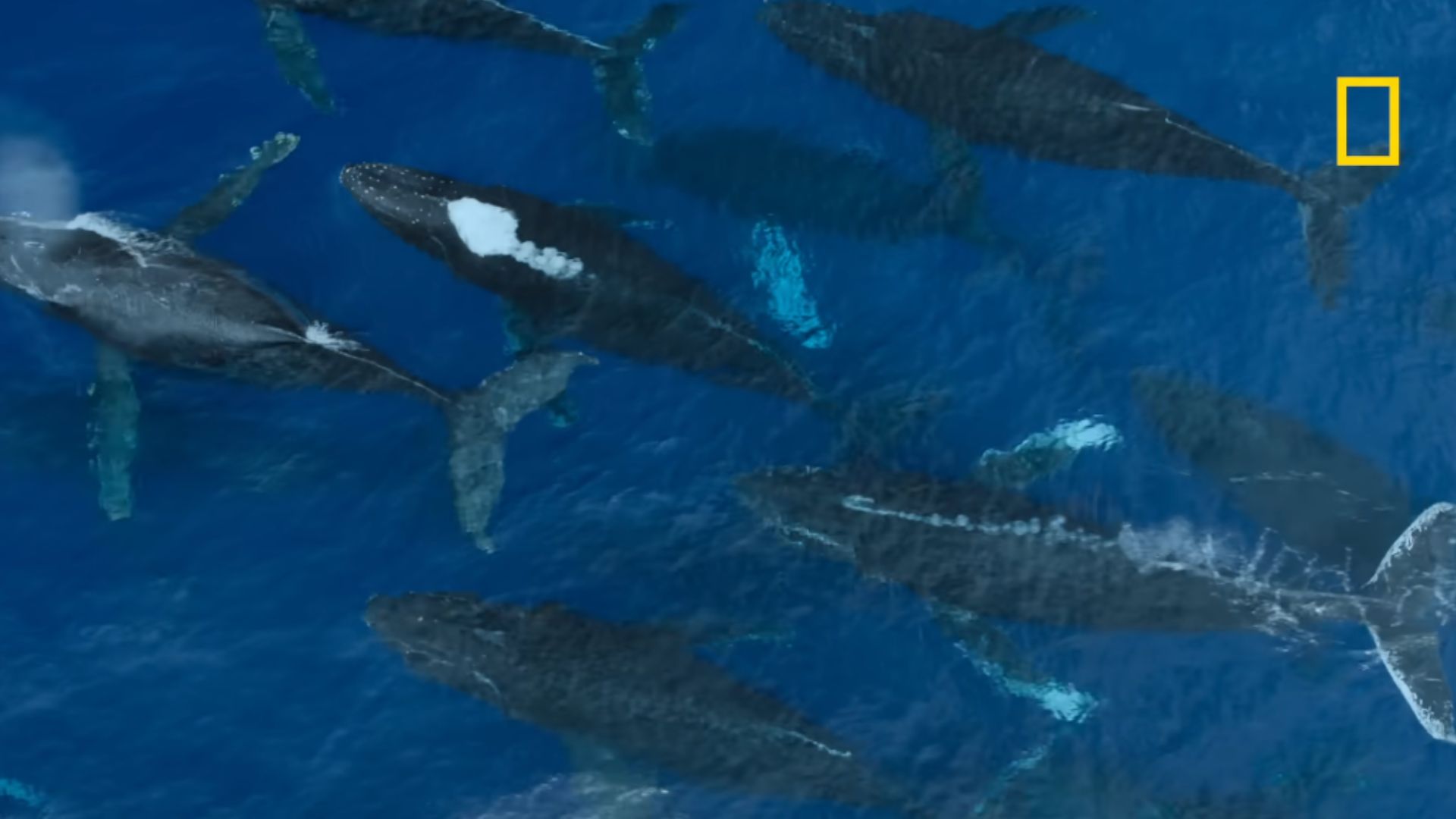
The males’ presence during the birth surprised scientists. They didn’t expect a collection of males around the female during delivery. The footage shows something even more fascinating. The males swam underneath the birthing mother and blew bubbles around her.
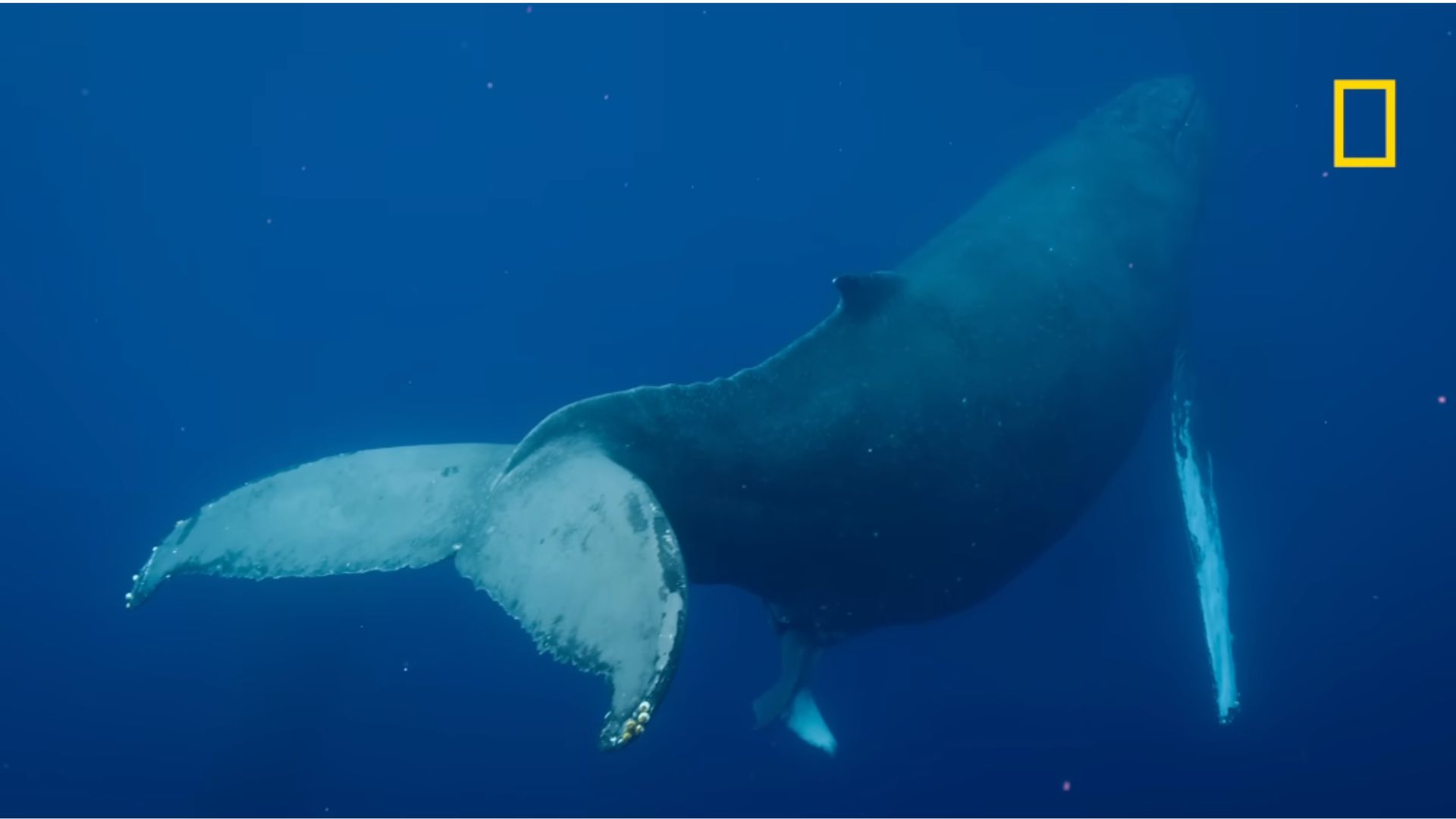
One beautiful sequence shows the mom with her tail up. The little baby’s tail is sticking out. The males go underneath blowing bubbles.
Humpbacks release strings of bubbles for hunting and courtship. Some researchers believe bubbles might trigger feel-good hormones like oxytocin as they move across a whale’s skin. Cartwright described how the female swam through the bubble train. She compared it to getting a little spa or massage.
Early Life of a Humpback Calf
Newborn humpback calves measure 10 to 15 feet long at birth. They can weigh up to 1.5 tons. The calf immediately bonds with its mother. She nurses it with milk that contains 45 to 60 percent fat.
This incredibly rich milk helps the calf gain up to 100 pounds per day. The mother doesn’t feed during this time. She relies solely on fat reserves built during feeding season. The calf stays close to its mother throughout these early weeks.
Mother humpbacks are very protective. They swim closely with their calves and often touch them with their flippers. The mothers teach critical survival skills like breathing at the surface. Calves need to develop strength for their first migration.
Growing Up Takes Years
Calves stay with their mothers for up to one year before weaning NOAA Fisheries. During their first year, they experience rapid growth. They gain several feet in length and hundreds of pounds in weight.
The calves begin feeding independently on krill and small fish. This happens in cold, nutrient-rich waters. Within months of birth, humpback calves become strong enough for their first migration. They travel thousands of miles alongside their mothers to polar feeding grounds.
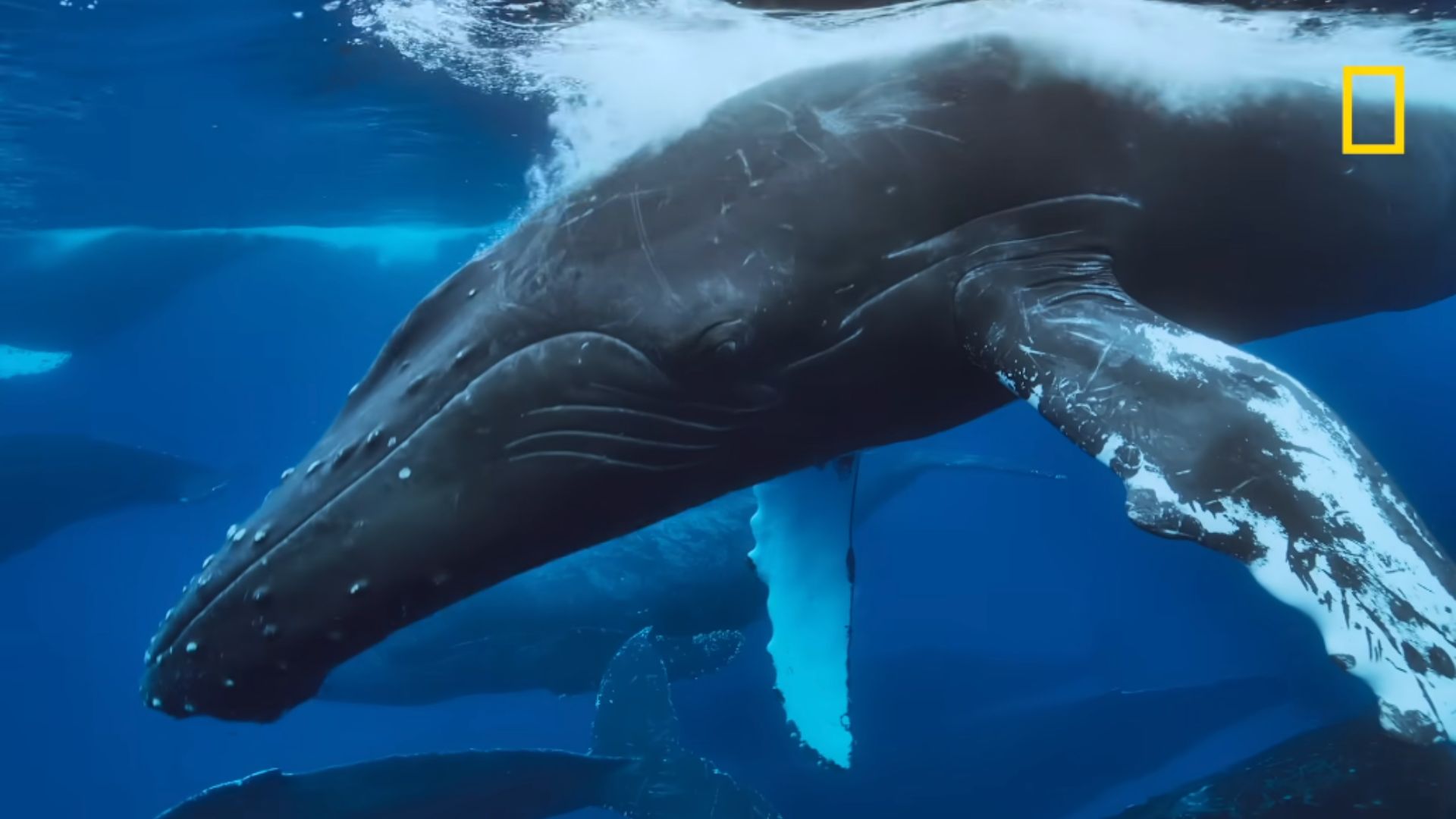
Young calves display active behaviors like breaching, tail slapping, and pectoral fin slapping. These behaviors help build muscle strength and improve coordination. They also aid in communication and help shed parasites.
Humpback whales reach sexual maturity between the ages of 4 and 10 years NOAA Fisheries. Females produce a single calf every two to three years on average. Some individuals have been documented calving annually.
Hawaii’s Role as a Nursery
Female humpback whales travel to the Hawaiian Islands each year. They give birth in these warm, predator-free waters. The calm tropical environment provides ideal conditions for newborn calves. These calves are born without thick blubber needed to survive colder regions.
Scientists study these animals closely. They identify them by unique patterns on the underside of their tails, or flukes. More than half of the North Pacific humpback whale population uses these waters. Hawaiian Islands serve as their principal breeding and calving ground.
The whales undergo one of the longest migrations in the world. They make this journey each year to ensure their calves’ survival. The Hawaiian Islands Humpback Whale National Marine Sanctuary was established 25 years ago. It plays a critical role in protecting these magnificent creatures.
Documenting Ocean Life
The divers got back in the water to gather more footage. They used low-light cameras to film the newborn male calf. Field director Paul Satchell said they knew this was a rare opportunity. The team worked tirelessly to follow and film the group.
This type of underwater photography requires special permits and strict guidelines. Stack cautioned that swimming with whales is illegal anywhere in the United States. Scientists and documentary filmmakers must acquire permits and follow regulations.
Ocean photography continues to reveal new insights about marine life. Recent contests have showcased stunning images of underwater creatures. These photographs help raise awareness about ocean conservation.
Conservation Challenges Ahead
Humpback whale populations were severely reduced by commercial whaling. Widespread hunting in the 1970s and 1980s placed them on a collision course with extinction. Then, a global moratorium on commercial whaling in 1985 brought about one of conservation’s greatest comeback stories.
Even so, things are much more fragile than we might realize. A strange warm water blob hovering around the Gulf of Alaska killed large amounts of krill. North Pacific humpbacks rely on this small crustacean as food.
The area where Cartwright witnessed the whale birth is off Lahaina. This location experienced the deadliest wildfires in Hawaii’s history during summer 2023. Lahaina Harbor, where the scientists would launch their boats, is gone.
Cleanup efforts have reduced the amount of ash and debris washing into the ocean. However, Cartwright worries mother humpbacks and their calves may still be affected when winter rains come. She hopes to see the whales come back. For the island, seeing them return would lift everybody’s spirits.
Recording History for Future Generations
This historic footage will help scientists better understand humpback whale reproduction. The nature photography shows details never seen before. It reveals how calves enter the world and the mysterious behaviors of male whales during birth.
Wildlife photographers face unique challenges when documenting animal behavior. They must balance getting close enough for good shots while respecting the animals’ space. This footage demonstrates how modern technology like drones helps capture moments previously impossible to film.
The birth of this humpback calf represents hope for the species. It shows that protected waters make a difference. Every new calf born in Hawaiian waters contributes to the population’s recovery. As scientists continue studying these magnificent creatures, footage like this becomes invaluable for conservation efforts.
Close-up photography of marine life helps us appreciate the beauty of ocean ecosystems. Whether filming whales or capturing macro shots of smaller creatures, photographers play a vital role in conservation. Their work brings distant wildlife into our homes and hearts.
See more from DIYPhotography.net on Google
Add DIYPhotography.net as a trusted source. This makes
our stories more likely to appear in your Google Search results.
 Add as a preferred source on Google

Darlene Lleno
Darlene Lleno brings a unique perspective to DIY Photography as someone who grew up surrounded by camera gear but chose words over lenses. With five years of writing experience, she specializes in photography content that’s both technically informed and genuinely passionate. Growing up with a photographer twin brother meant camera talk was everyday conversation in her household. While he mastered capturing moments, Darlene discovered she preferred being the subject and the storyteller behind the scenes. As a travel enthusiast and mother of two, she understands the importance of preserving life’s precious moments. When not exploring new destinations or writing for DIY Photography, you’ll find her reading or tending to her garden. Her approach to photography writing is refreshingly authentic, she may not be behind the camera, but she knows exactly what it takes to help others capture the shots that matter most.



Join the Discussion
DIYP Comment Policy
Be nice, be on-topic, no personal information or flames.