




















Does Kodak Still Exist? The Story of Photography’s Most Famous Company
Jul 9, 2026
Leonard Skapp

Alex Baker is a portrait and lifestyle driven photographer based in Valencia, Spain. She works on a range of projects from commercial to fine art and has had work featured in publications such as The Daily Mail, Conde Nast Traveller and El Mundo, and has exhibited work across Europe
Share:
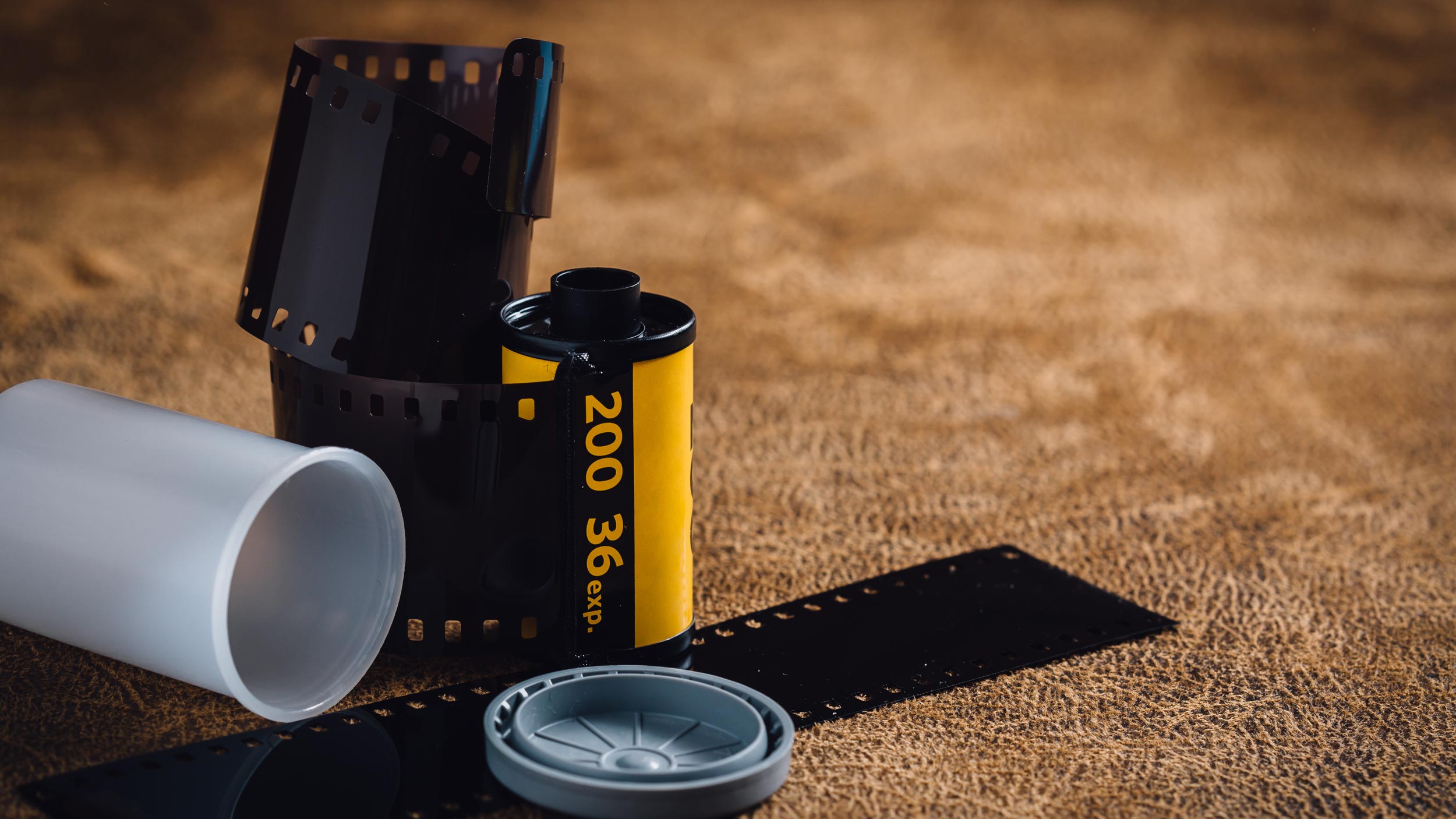
For more than a century, Kodak was almost synonymous with photography. The company’s famous slogan, “You press the button, we do the rest,” helped make photography accessible to millions of people, and for decades, Kodak film was found in cameras all over the world. But what’s happened to Kodak now that we aren’t all shooting film anymore? Does Kodak still exist?
The answer is yes, but the company looks very different today than it used to. While Kodak no longer dominates consumer photography, it continues to operate in several industries and remains one of the most recognisable names in photographic history.
How Kodak began
Kodak was founded in 1888 by George Eastman, who wanted to make photography simpler and more accessible. At a time when photography required bulky equipment and complicated chemical processes, Eastman introduced a camera that came preloaded with enough film for 100 photographs.
Once the roll was finished, customers simply returned the camera to Kodak, where the film was developed, printed, and the camera was reloaded. This approach transformed photography from a specialist hobby into something almost anyone could enjoy.
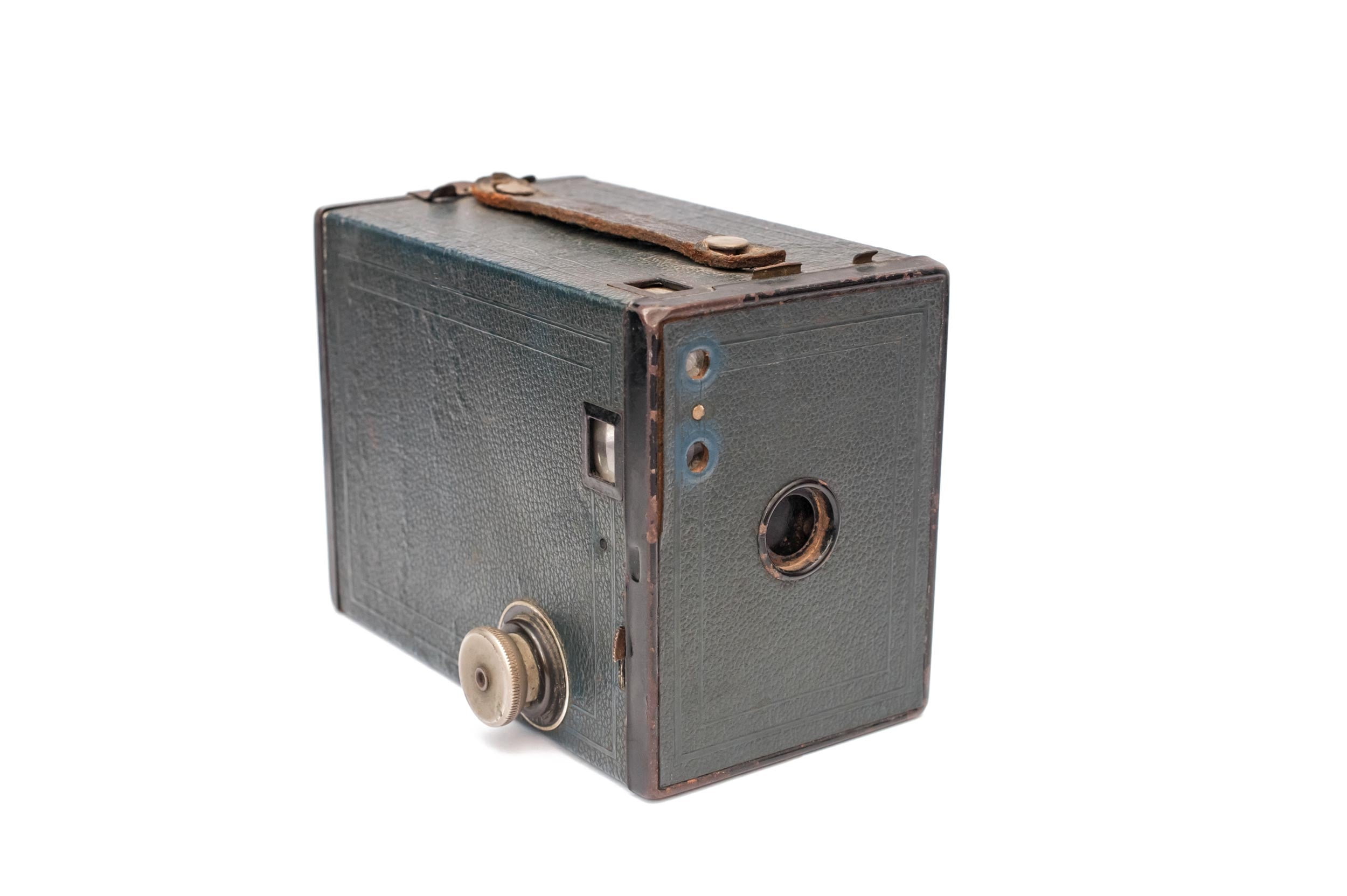
The company that changed photography
Kodak continued to innovate throughout the twentieth century. The introduction of the Kodak Brownie camera in 1900 made photography affordable for ordinary families, while Kodak’s roll film became the standard for generations of photographers.
As photography grew in popularity, Kodak expanded into colour film, movie film, photographic paper, chemicals, and professional imaging products. For much of the twentieth century, it was one of the largest and most successful photography companies in the world.
Kodak helped invent digital photography
One of the biggest surprises in Kodak’s history is that the company helped create the technology that would eventually disrupt its own business. In 1975, Kodak engineer Steven Sasson built the first digital camera prototype. It recorded black-and-white images at just 0.01 megapixels and stored them on a cassette tape.
Although Kodak recognised the technology’s potential, the company remained heavily invested in its hugely profitable film business. As digital cameras became more popular during the 1990s and 2000s, Kodak struggled to adapt as quickly as newer competitors.
Bankruptcy and a new direction
After years of declining film sales and increasing competition, Kodak filed for bankruptcy protection in 2012. However, rather than disappearing completely, the company restructured its business and shifted its focus away from consumer cameras and film processing.
It sold many parts of its consumer business and concentrated on commercial printing, industrial imaging, advanced materials, and licensing the Kodak brand.
Does Kodak still make film?
Kodak does still make film, and it’s one reason the Kodak name remains so important to photographers today. Kodak still manufactures many of its best-known photographic films, including colour negative, black-and-white, and motion picture film.
Thanks to the recent resurgence in analogue photography, film has become an increasingly important part of Kodak’s identity once again. If you’re shooting film, whatever the format, there’s a good chance you’ve come across Kodak film.
What does Kodak do today?
Today’s Kodak is much smaller than the company that once dominated photography, but it remains active in several industries. Alongside manufacturing photographic film, Kodak develops products for commercial printing, packaging, advanced materials, and industrial imaging. The Kodak name also continues to appear on a range of consumer products through licensing agreements with other manufacturers.
While it may no longer be the household giant it once was, Kodak remains an important part of the photographic industry. Few companies have had a greater influence on photography. Even though the industry has changed beyond recognition since Kodak’s early days, its legacy can still be seen every time someone loads a roll of film or studies the history of modern photography.
See more from DIYPhotography.net on Google
Add DIYPhotography.net as a trusted source. This makes
our stories more likely to appear in your Google Search results.
 Add as a preferred source on Google

About Leonard Skapp
Leonard “Len” Skapp is a photographer with a particular interest in cameras, lenses, accessories, camera bags, lens filters, tripods, camera straps, and, on rare occasions, photography itself. Equal parts reviewer and enthusiast, he enjoys digging into the technical details behind the latest gear and translating them into plain English for fellow photographers. He maintains that every purchase is a carefully considered investment, although his bank account and overflowing camera cupboard continue to dispute this claim.
We love it when our readers get in touch with us to share their stories. This article was contributed to DIYP by a member of our community. If you would like to contribute an article, please contact us here.



Join the Discussion
DIYP Comment Policy
Be nice, be on-topic, no personal information or flames.