







How Leaving Details Out Can Make Your Photos More Powerful
Nov 18, 2026
Alysa Gavilan
Alysa Gavilan has spent years exploring photography through photojournalism and street scenes. She enjoys working with both film and mirrorless cameras, and her fascination with the craft has grown over the decades. Inspired by Vivian Maier, she is drawn to capturing everyday moments that often go unnoticed.
Share:

A beautiful photo can make someone stop scrolling, but an intriguing one might make them look twice and wonder what is happening outside the frame.
In a recent video, photographer Max Kent argues that curiosity is one of the things separating an ordinary photograph from an image that stays with a viewer. His advice is simple: stop showing everything and give people something to think about.
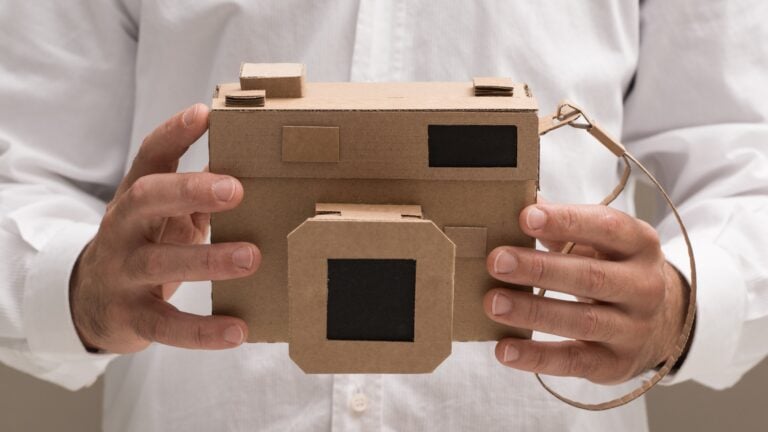
Kent uses a seemingly ordinary box as an example. He keeps its contents hidden throughout much of the video, encouraging viewers to wonder what might be inside. When he finally opens it, the box is empty. The reveal is deliberately anticlimactic, but it illustrates his point: the anticipation was more interesting than the answer.
Give viewers a reason to look closer
Kent says some of his favorite photographs create questions that do not necessarily need answers. He points to the work of photographer Sam Stone, whose images often include details that invite viewers to imagine what happened before or after the moment captured.
A photograph might show footprints without revealing who made them, a shadow without showing the person casting it, or a hand pressed against a window. These details introduce a story without spelling it out.
That sense of mystery gives viewers room to interpret an image. Instead of simply recognizing a subject, they start imagining the circumstances around it. The photograph becomes an invitation to explore, rather than a complete explanation of a scene.
Kent compares this to a magic trick. Knowing exactly how it works can take away some of its appeal. In photography, explaining every detail can have a similar effect.
Stop photographing everything you see
The approach also challenges a familiar habit among photographers, particularly when visiting somewhere new. It is tempting to photograph the most obvious attractions, such as a famous tower, a picturesque street, or a sweeping landscape.
There is nothing inherently wrong with these pictures, Kent acknowledges. They can be beautiful, and photographers should still take them if they enjoy doing so. But an image that simply shows a recognizable place may give viewers little reason to spend time with it.
Instead, he encourages photographers to look for smaller details, unusual compositions, and moments that suggest a story. A person looking beyond the edge of the frame, for instance, can make viewers wonder what has caught their attention. The answer does not need to appear in the photograph.
Leave a little room for imagination
This does not mean making photographs confusing for the sake of it. Kent’s point is to create images that engage viewers by giving them something to interpret.
One useful exercise is to look through photography books and pay attention to the images that make you pause. Ask yourself what questions they raise and which details encourage you to imagine a story.
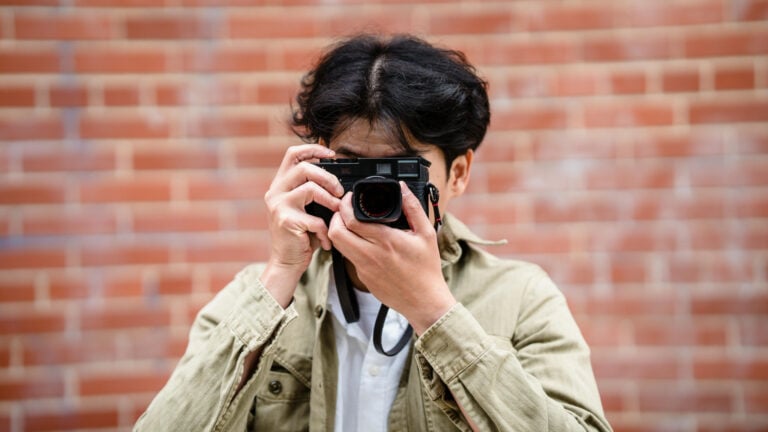
A photograph does not always need to explain itself. Sometimes, the most memorable image is the one that leaves a little space for the viewer’s imagination. The next time you lift your camera, consider what you can leave outside the frame.
See more from DIYPhotography.net on Google
Add DIYPhotography.net as a trusted source. This makes
our stories more likely to appear in your Google Search results.
 Add as a preferred source on Google

Alysa Gavilan
Alysa Gavilan has spent years exploring photography through photojournalism and street scenes. She enjoys working with both film and mirrorless cameras, and her fascination with the craft has grown over the decades. Inspired by Vivian Maier, she is drawn to capturing everyday moments that often go unnoticed.
Related Posts
 This photographer creates wildlife and underwater photos without leaving his studio
 “Agoraphobic Traveller” takes photos all over the world without leaving her home
 Wedding Photographer Faces Lawsuit After Leaving Couples Without Photos or Refunds
 Beyond the obvious: How to capture unnoticed details and make striking photos
Join the Discussion
DIYP Comment Policy
Be nice, be on-topic, no personal information or flames.