


















Where and How to Practice Photography: Practical Ways to Get Better
Aug 25, 2026
Leonard Skapp
Alex Baker is a portrait and lifestyle driven photographer based in Valencia, Spain. She works on a range of projects from commercial to fine art and has had work featured in publications such as The Daily Mail, Conde Nast Traveller and El Mundo, and has exhibited work across Europe
Share:
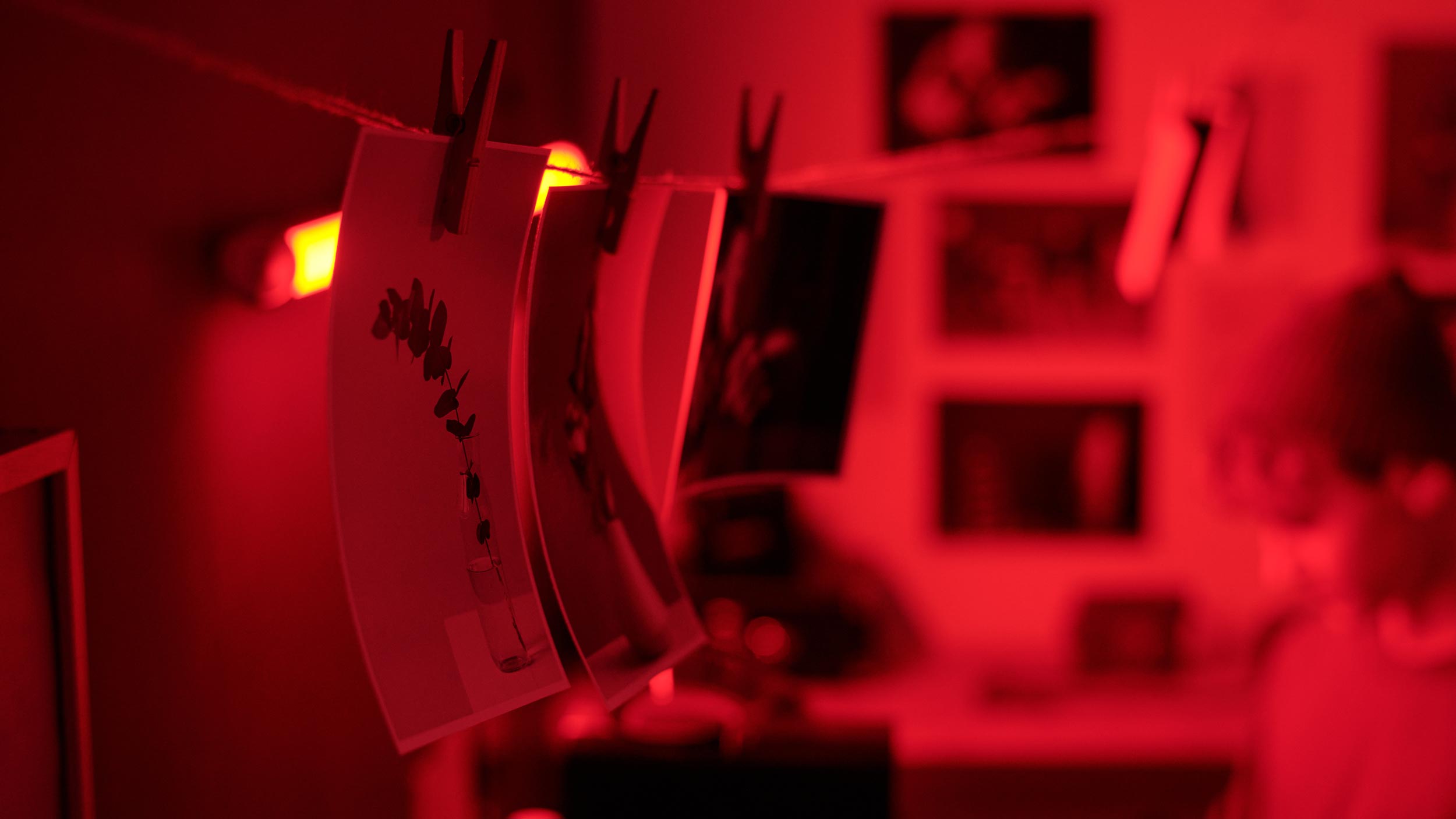
If you want to get better at photography, the obvious answer is to take more photographs. Unfortunately, “take more photographs” isn’t particularly helpful advice when you’re standing in your kitchen wondering what on earth you’re supposed to photograph.
The good news is that you don’t need exotic locations, expensive equipment or dramatic landscapes to practise photography. In fact, some of the best practice can happen in places you walk past every day.
Practise at home
Your home is actually a surprisingly good photography studio. Try photographing everyday objects using different lighting, angles and compositions. A cup of coffee, a houseplant or whatever happens to be sitting on your desk can become a useful exercise in seeing light and composition.
Try photographing the same object next to a window, under artificial light and with a small lamp. Move the light around and see how the shadows change. You can also practise with food, still life, product photography or portraits of willing family members. The subject isn’t particularly important. You’re practising your ability to control and recognise what the light is doing.
Go for a photo walk
You don’t need to travel somewhere photogenic. Take your camera for a walk around your own neighbourhood and give yourself a specific assignment.
Photograph interesting shadows. Look for reflections. Shoot only in black and white. Use one focal length. Photograph strangers from a distance, where appropriate and legal. Find repeating patterns or interesting architecture.
Giving yourself a limitation makes you pay more attention to what’s around you instead of simply wandering around hoping something interesting happens.
Practise in different lighting conditions
If you only photograph during golden hour, you’re going to become very good at photographing during golden hour. Try shooting at midday when the sun is harsh. Go out on an overcast day. Photograph at night. Experiment with backlighting and side lighting.
Bad light is often where you learn the most because it forces you to find solutions rather than simply relying on beautiful conditions to do the work for you.
Photograph people
Portrait photography is a fantastic way to practise because you’re dealing with both a technical and a human subject. Ask friends or family if you can photograph them. Try different locations, poses, focal lengths and lighting. Learn how small changes in the position of the subject or camera can completely change a portrait.
You don’t need a professional model or studio. A friend sitting next to a window can give you an excellent opportunity to practise. Just don’t spend the entire session making them stand awkwardly against a wall while you fiddle with your camera settings. They have feelings too.
Try different genres
One of the best ways to improve is to photograph things you wouldn’t normally photograph. If you’re a landscape photographer, try portraits. If you mostly shoot people, try architecture. Give wildlife, macro, food, street, sports or still life a go.
You don’t have to become an expert in every genre. The point is to develop skills that transfer between them. Photographing sports can teach you about timing and autofocus. Portraits can teach you about communication and lighting. Landscapes can teach you about composition. Street photography can teach you to anticipate moments. You may also discover that you’re unexpectedly good at something you never thought you’d enjoy.
Practise with the equipment you already own
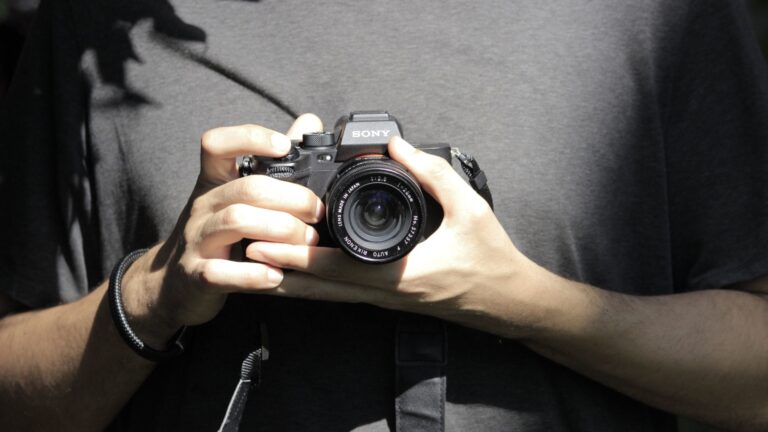
You don’t need to buy anything new to practise photography. In fact, limiting yourself to one camera and one lens can be a very useful exercise. It forces you to think about your position and composition rather than immediately solving every problem by changing lenses.
Try using your phone too. If you can make an interesting photograph with a device that fits in your pocket, you clearly understand something about photography that isn’t dependent on expensive equipment.
Give yourself photography assignments
Intentional practice is much more useful than simply taking hundreds of random photographs. Set yourself a challenge for the day or week. Photograph ten different examples of leading lines. Make five photographs using only shadows. Tell a story in three images. Shoot an entire day using manual exposure.
You could even recreate photographs you admire. Don’t copy them and pretend they’re your own, obviously, but use them as exercises to understand how the photographer achieved the result.
Review your photographs
This is one of the most important parts of practising photography, and it’s also the bit people tend to skip. After a shoot, look through your photographs critically. Don’t just pick your favourites. Ask yourself why some images work and others don’t.
Is the composition too cluttered? Is the subject poorly positioned? Is the light flat? Did you use the wrong shutter speed? Is there something distracting in the background? Then think about what you could have done differently. Looking at your own work critically can be uncomfortable, but it’s one of the fastest ways to improve.
Enter competitions and ask for feedback
Photography competitions can give you a reason to shoot and a deadline to work towards. They also force you to make decisions about which images are actually your strongest rather than keeping everything because you happen to like it.
Constructive criticism from other photographers can be useful too. Just remember that photography is subjective. If somebody doesn’t like your photograph, it doesn’t necessarily mean they’re right. The trick is to listen for useful criticism without allowing every opinion on the internet to destroy your confidence.
Practise with a purpose
If you want to improve quickly, identify something you aren’t good at and deliberately practise it. If your photographs are technically good but boring, work on composition. If your portraits look flat, study lighting. If you constantly miss action, practise shutter speed and autofocus.
This is much more effective than simply taking 5,000 photographs and hoping that photographic enlightenment eventually arrives.
So where should you practise photography?
Pretty much anywhere. Your home, local park, city centre, workplace, garden or even the supermarket can provide opportunities to practise. You don’t need a famous landscape or exotic holiday destination. What matters is having something specific to work on.
Take your camera with you, experiment, deliberately put yourself in unfamiliar situations, review what you’ve made and try again. The more thoughtfully you practise, the faster you’ll improve. And if you occasionally produce a truly terrible photograph in the process, congratulations. That’s part of the curriculum.
Key takeaways
You can practise photography almost anywhere, and you don’t need expensive equipment or spectacular subjects. Your home and local neighbourhood are perfectly good places to start.
Try different genres, lighting conditions, focal lengths and shooting situations. Give yourself specific assignments rather than simply taking random photographs, and spend time reviewing your work afterwards.
Most importantly, practise deliberately. Identify what you’re struggling with, work on it repeatedly and learn from the results. That’s how taking photographs turns into actually getting better at photography.
See more from DIYPhotography.net on Google
Add DIYPhotography.net as a trusted source. This makes
our stories more likely to appear in your Google Search results.
 Add as a preferred source on Google

About Leonard Skapp
Leonard “Len” Skapp is a photographer with a particular interest in cameras, lenses, accessories, camera bags, lens filters, tripods, camera straps, and, on rare occasions, photography itself. Equal parts reviewer and enthusiast, he enjoys digging into the technical details behind the latest gear and translating them into plain English for fellow photographers. He maintains that every purchase is a carefully considered investment, although his bank account and overflowing camera cupboard continue to dispute this claim.
We love it when our readers get in touch with us to share their stories. This article was contributed to DIYP by a member of our community. If you would like to contribute an article, please contact us here.



Join the Discussion
DIYP Comment Policy
Be nice, be on-topic, no personal information or flames.