










Why Is Photography So Expensive? (And Does It Have to Be?)
Aug 5, 2026
Leonard Skapp

Alex Baker is a portrait and lifestyle driven photographer based in Valencia, Spain. She works on a range of projects from commercial to fine art and has had work featured in publications such as The Daily Mail, Conde Nast Traveller and El Mundo, and has exhibited work across Europe
Share:
Photography has a reputation for being an expensive hobby, and for good reason. Camera bodies can cost thousands, lenses often cost even more, and that’s before you start looking at tripods, filters, memory cards, editing software, and camera bags. Throw film photography into the mix, and the costs can quickly add up.
The good news is that photography doesn’t have to drain your bank account. While there’s no denying that some equipment comes with eye-watering price tags, there are plenty of ways to enjoy photography on a budget. Understanding where those costs come from can also help you decide where your money is best spent, and help prevent a bad case of G.A.S.
Why are cameras so expensive?
Modern cameras are incredibly sophisticated pieces of technology. Inside every camera is a high-resolution sensor, a powerful image processor, advanced autofocus systems capable of tracking people, animals, and vehicles, along with image stabilisation, weather sealing, and high-speed burst shooting. Developing those technologies takes years of research and millions of dollars in investment.
Unlike smartphones, which sell in the hundreds of millions each year, dedicated cameras are a much smaller market. Manufacturers have fewer sales to spread their development costs over, so each camera inevitably costs more.
Professional cameras are also built to survive demanding conditions. Many are designed to withstand rain, dust, freezing temperatures, and hundreds of thousands of shutter actuations, making them tools that can last for years.
AI is also pushing up the cost of electronics
Another factor affecting camera prices is the cost of computer chips and memory. Modern cameras rely on powerful processors and fast memory to handle high-resolution sensors, rapid burst shooting, advanced autofocus, and increasingly demanding video features such as 8K recording.
In recent years, growing demand for AI hardware has placed additional pressure on the global semiconductor industry, particularly for memory chips, as manufacturers prioritise production for data centres and AI systems.
While AI isn’t the only reason camera prices have increased, higher component costs have affected many consumer electronics, from smartphones and graphics cards to cameras. As manufacturers continue adding more processing power and AI-assisted features to their products, those costs inevitably become part of the final price you pay.
Why are camera lenses so expensive?
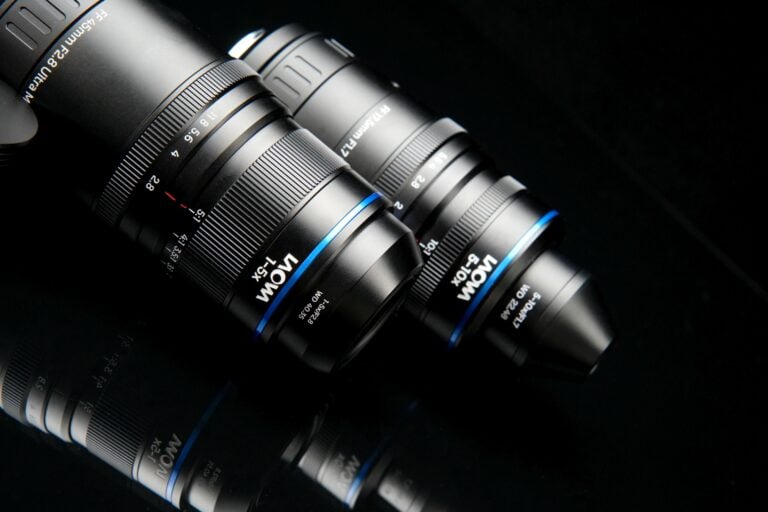
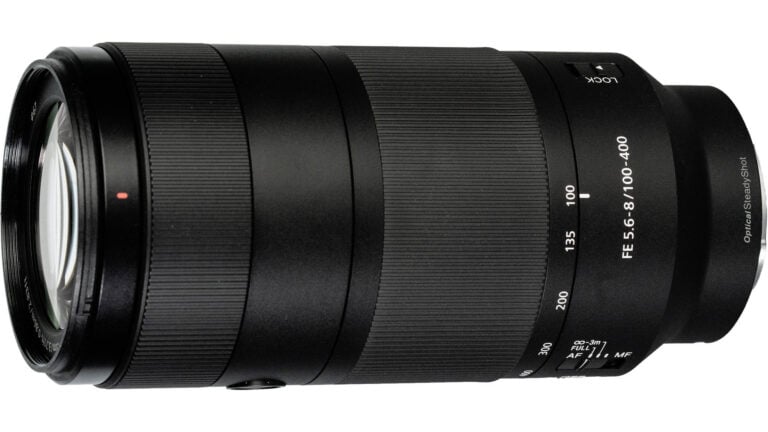
If cameras are computers with a lens attached, the lens itself is often the real investment. High-quality lenses contain multiple precision-ground glass elements, specialised optical coatings, sophisticated autofocus motors, and, in many cases, built-in image stabilisation. Every element has to be manufactured and aligned with incredible accuracy, and even tiny imperfections can affect image quality.
The good news is that lenses also tend to hold their value much better than camera bodies. While cameras are replaced every few years, a great lens can stay in your bag for decades.
Why is film photography so expensive?
Film photography has become significantly more expensive over the past decade. Part of the reason is simple economics. Fewer companies manufacture photographic film today than they did during its heyday, which means smaller production runs and higher costs per roll. At the same time, the price of raw materials, including silver used in many black-and-white films, has increased.
Then there are the ongoing costs. Unlike digital photography, where you can take thousands of images without spending anything extra, every roll of film has to be purchased, developed, and often scanned before you even see the results.
Vintage film cameras have also become increasingly collectable. Popular models from Canon, Nikon, Pentax, Olympus, and Leica often sell for far more than they did just a few years ago, driven by renewed interest in analogue photography.
Is photography an expensive hobby?
It certainly can be, but it doesn’t have to be. It’s easy to fall into the trap of thinking you need the latest flagship camera and a bag full of professional lenses before you can take great photographs. In reality, many award-winning images have been captured with entry-level cameras—or even smartphones.
Photography is one of those hobbies where it’s possible to spend almost any amount of money. Some people are perfectly happy with a second-hand DSLR and a single prime lens, while others invest in medium format cameras, exotic telephoto lenses, drones, underwater housings, or studio lighting.
The important thing is to buy equipment that suits the type of photography you enjoy, not the gear someone else tells you to own.
Beware of “Gear Acquisition Syndrome”
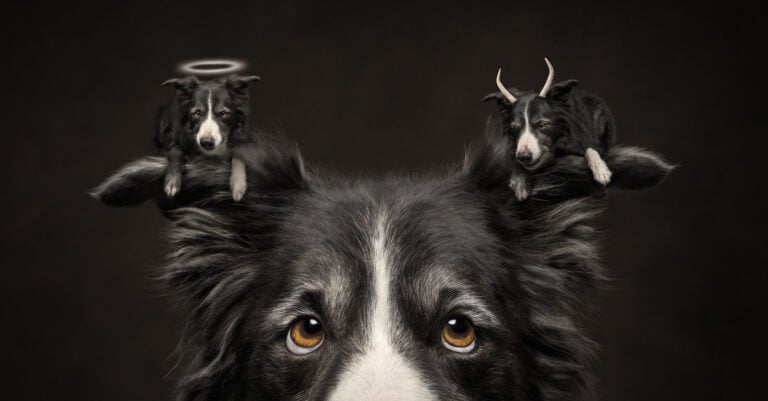
Photography has a bit of a reputation for encouraging people to buy more gear than they really need. There’s even a nickname for it: Gear Acquisition Syndrome, or GAS.
It’s easy to convince yourself that your photography would improve if only you had the latest camera body, a sharper lens, or a new gadget. Camera manufacturers are constantly releasing new products with exciting features, and YouTube reviews don’t exactly help. Before long, you’re eyeing up an expensive upgrade when the gear you already own is perfectly capable of taking fantastic photographs.
The truth is that new equipment can solve certain problems. A faster lens can help in low light, a longer telephoto lens can bring distant wildlife closer, and better autofocus can make action photography easier. But no camera can replace good composition, interesting light, or an understanding of your subject.
Before buying your next piece of gear, ask yourself one simple question: Will this help me take photographs I genuinely can’t take now, or do I simply want something new?
More often than not, spending time practising your skills will have a far greater impact on your photography than buying the latest camera.
How to keep photography affordable
You don’t need the newest equipment to enjoy photography. Buying used gear is one of the easiest ways to save money, especially as camera bodies tend to depreciate much faster than lenses. Older DSLRs from Canon and Nikon are still capable of producing beautiful images, and many photographers continue to use them professionally.
If you’re just getting started, resist the temptation to buy everything at once. A single camera and one versatile lens will teach you far more than a bag full of equipment you barely use. Renting specialist lenses for wildlife or sports photography can also be far cheaper than buying them outright, especially if you only need them occasionally.
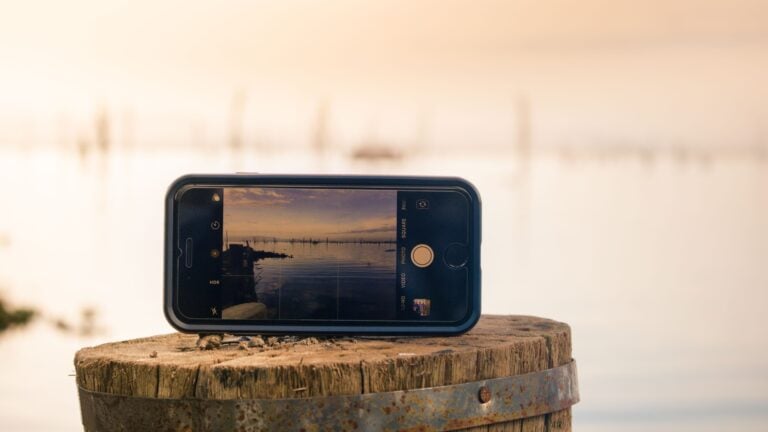
And don’t overlook the camera that’s already in your pocket. Modern smartphones can produce remarkable photographs and are often the best way to develop your eye for composition and storytelling before investing in more expensive gear.
It’s the photographer who makes the image
The internet has a habit of convincing us that better equipment automatically means better photographs. In reality, understanding light, composition, timing, and storytelling will have a much greater impact on your images than owning the latest camera. Expensive gear can certainly make some photographs easier to capture, but it can’t replace creativity or experience.
Photography is one of the few hobbies where you can start with almost nothing and grow your kit over time. The best camera isn’t always the most expensive one, it’s the one that encourages you to get out and take photographs.
Key takeaways
Photography has earned a reputation as an expensive hobby, and there’s no denying that professional cameras, lenses, and film can cost a lot of money. But that doesn’t mean you need to spend thousands to enjoy it.
Start with the gear you can afford, buy used when it makes sense, and invest in equipment that matches the way you like to shoot. Great photographs come from curiosity, practice, and creativity, not simply from having the biggest camera bag.
See more from DIYPhotography.net on Google
Add DIYPhotography.net as a trusted source. This makes
our stories more likely to appear in your Google Search results.
 Add as a preferred source on Google

About Leonard Skapp
Leonard “Len” Skapp is a photographer with a particular interest in cameras, lenses, accessories, camera bags, lens filters, tripods, camera straps, and, on rare occasions, photography itself. Equal parts reviewer and enthusiast, he enjoys digging into the technical details behind the latest gear and translating them into plain English for fellow photographers. He maintains that every purchase is a carefully considered investment, although his bank account and overflowing camera cupboard continue to dispute this claim.
We love it when our readers get in touch with us to share their stories. This article was contributed to DIYP by a member of our community. If you would like to contribute an article, please contact us here.




Join the Discussion
DIYP Comment Policy
Be nice, be on-topic, no personal information or flames.