



















Will AI Take Over Photography? Here’s What Every Photographer Should Know
Jul 7, 2026
Alysa Gavilan
Alysa Gavilan has spent years exploring photography through photojournalism and street scenes. She enjoys working with both film and mirrorless cameras, and her fascination with the craft has grown over the decades. Inspired by Vivian Maier, she is drawn to capturing everyday moments that often go unnoticed.
Share:
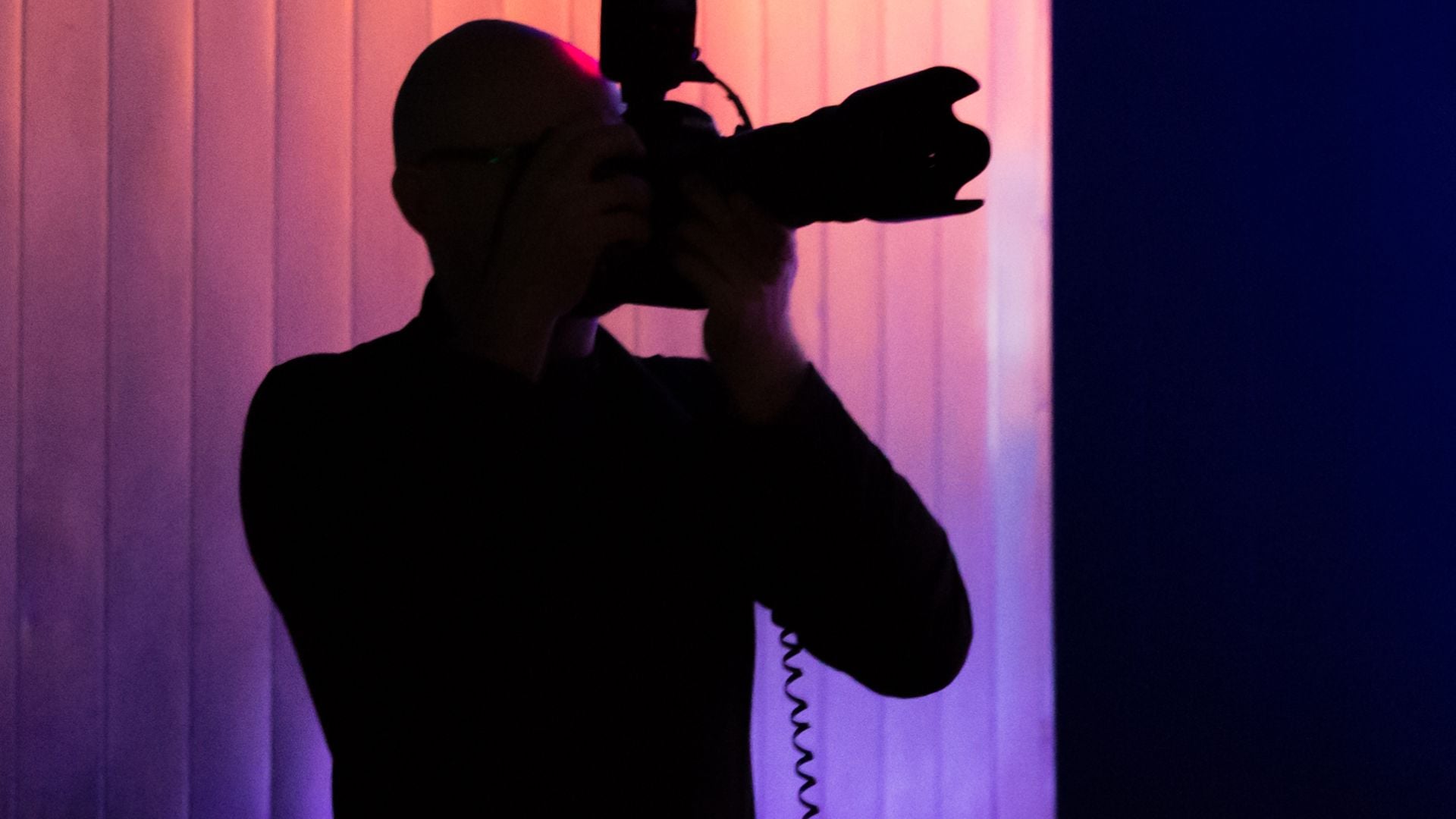
Artificial intelligence has transformed photography faster than almost any technology in recent memory. AI can now remove unwanted objects, sharpen blurry images, generate entirely new scenes from text, and even create portraits of people who never existed.
With these rapid advances, many photographers are asking the same question: will AI take over photography?
The short answer is no. AI is changing how photographs are created, edited, and shared, but it is not replacing photography itself. Instead, it is becoming another tool that photographers can use alongside traditional cameras and editing software.
While some areas of the industry may change significantly, the demand for authentic images, creative vision, and real human experiences remains strong.
AI Is Changing Photography, Not Replacing It
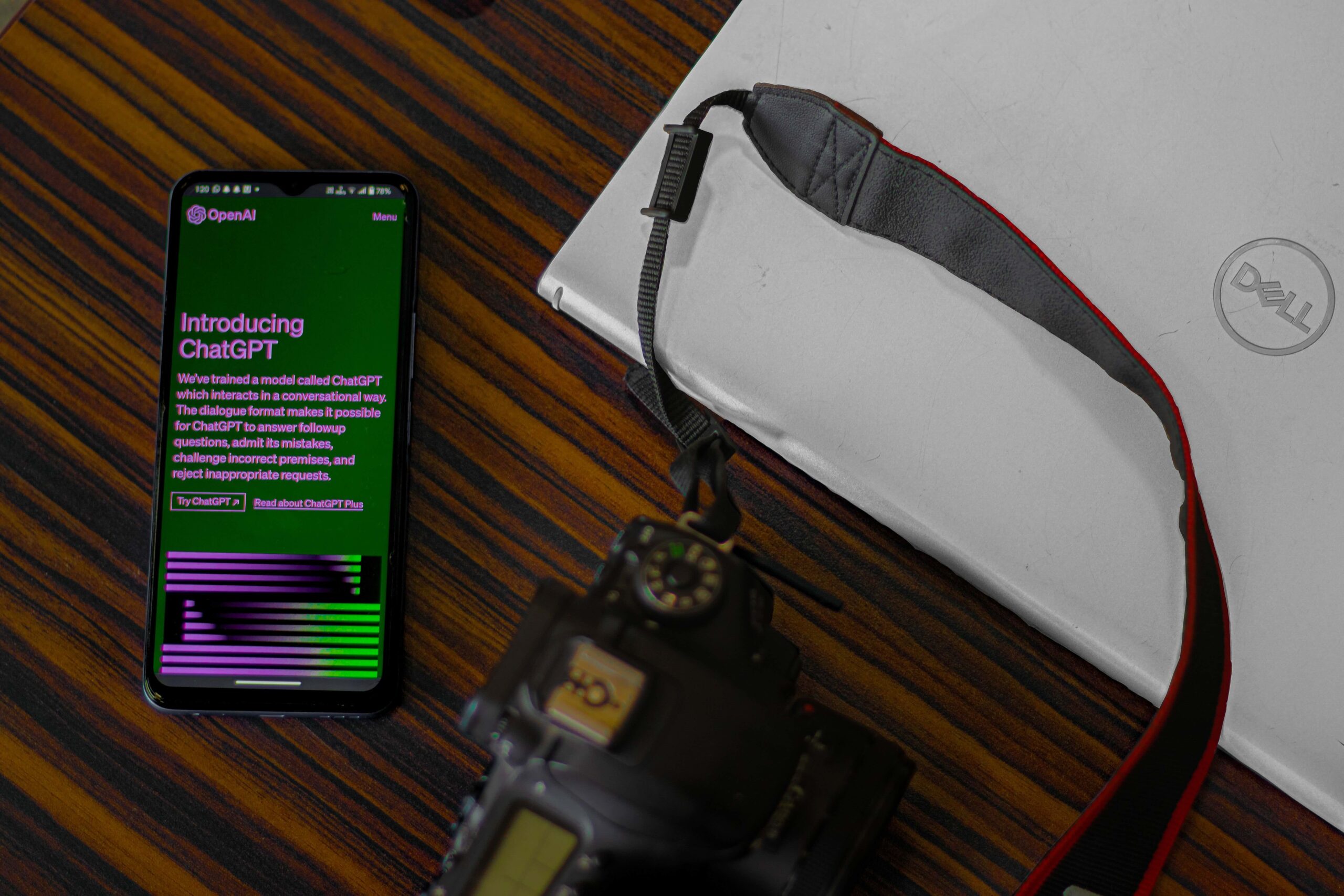
AI has already become part of everyday photography. Modern smartphones use AI to improve exposure, reduce noise, enhance portraits, and combine multiple images into a single photo with better dynamic range.
Editing software has also embraced AI features. Applications such as Adobe Photoshop, Lightroom, Luminar Neo, and Topaz Photo AI can automatically remove distractions, recover detail, upscale images, and speed up repetitive editing tasks.
These tools reduce the time spent on technical work, allowing photographers to focus more on composition, storytelling, and creativity.
Some Photography Jobs Will Be Affected
Although photography itself is unlikely to disappear, certain types of commercial work are already changing.
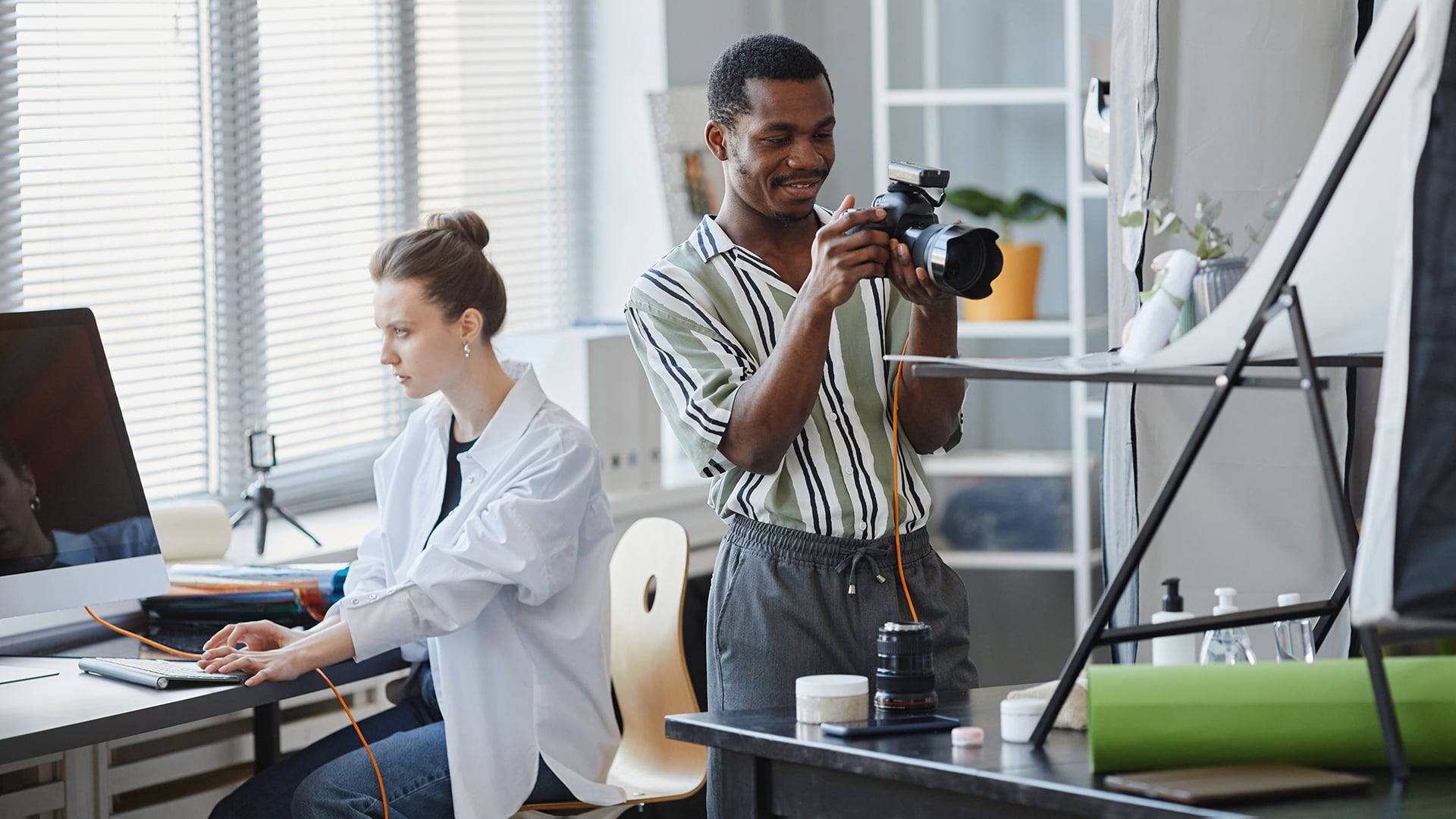
Businesses can now create simple product illustrations, conceptual artwork, and advertising visuals using AI image generators. Stock photography has also been affected, particularly for generic subjects like office workers, abstract backgrounds, and lifestyle concepts.
Sadly, companies looking for quick marketing images may choose AI generated content instead of commissioning traditional photo shoots for some projects.
This does not mean photographers are no longer needed. Many commercial assignments still require real products, real people, accurate documentation, and consistent branding that AI cannot always deliver reliably.
Authentic Photography Still Matters
Many types of photography depend on capturing real moments that cannot be recreated with artificial intelligence.
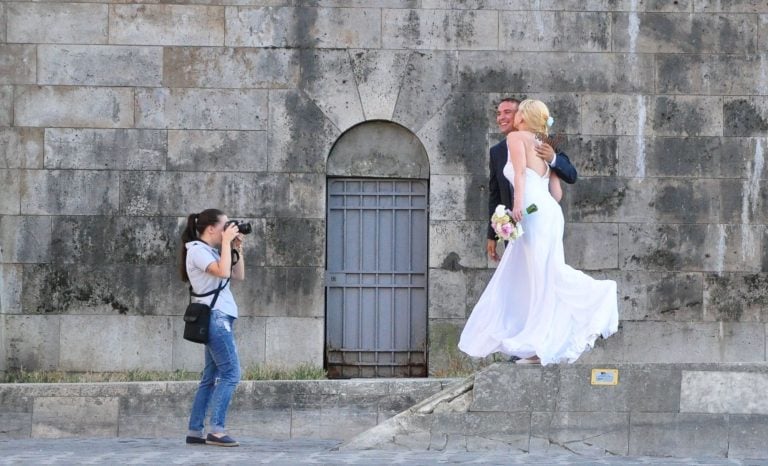
Wedding photography is one example. Couples hire photographers to document genuine emotions, family interactions, and memories from an actual day. News photography relies on accurate visual reporting of events as they happen. Sports photographers capture split second moments that cannot simply be invented later.
Wildlife, documentary, travel, and street photography also depend on patience, timing, and being present in the right place at the right moment.
In these fields, authenticity is often as valuable as technical quality.
Creativity Goes Beyond Technology
Photography has never been defined only by camera specifications.
Two photographers standing in the same location with identical equipment can produce completely different images because they make different creative decisions. Lens choice, composition, lighting, timing, perspective, and personal style all shape the final photograph.
AI can generate impressive visuals, but it does not replace the experiences, relationships, and artistic choices that influence how photographers see the world.
That creative perspective remains one of photography’s greatest strengths.
Trust Still Matters
Rather than competing with AI, many photographers are incorporating it into their workflows.
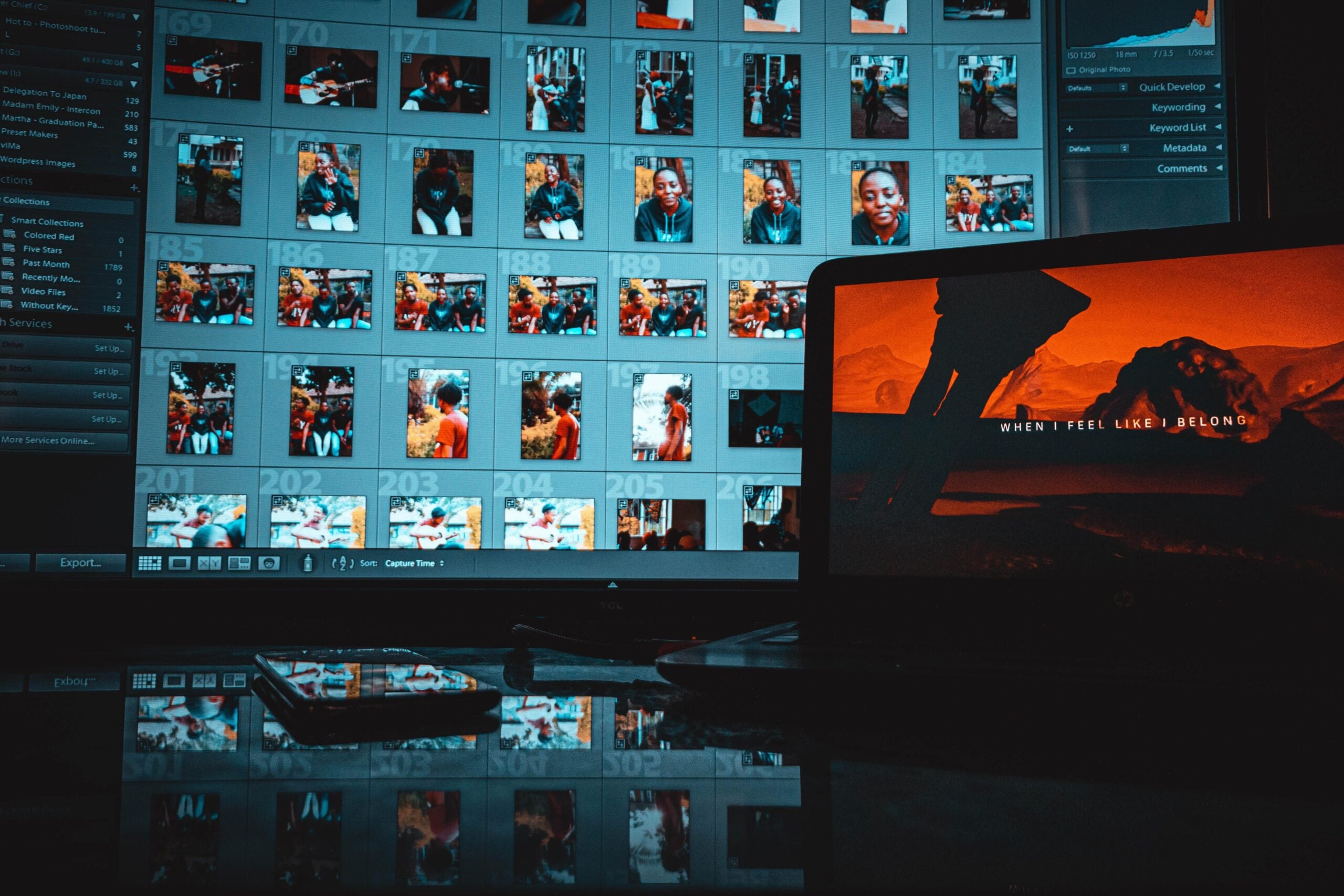
AI tools now help organize photo libraries, select the sharpest images, remove noise from high ISO files, improve subject masking, and accelerate editing. These features can significantly reduce the time spent on repetitive tasks without changing the photographer’s creative intent.
For professionals working with thousands of images after weddings, sporting events, or commercial shoots, these time savings can be substantial. In many cases, AI functions more like an assistant than a replacement.
But as AI generated images become increasingly realistic, audiences are placing greater value on photographs that can be verified as authentic.
This has led camera manufacturers and software companies to develop content authentication systems that help preserve information about when and how an image was created. News organizations are also adopting standards designed to verify image provenance and reduce the spread of manipulated content.
As synthetic images become more common online, photographs that accurately document real events may become even more important.
The Future of Photography
Photography has adapted to major technological changes before. Digital cameras replaced film for many photographers. Smartphones made photography more accessible than ever. Editing software transformed post processing.
Each innovation changed the industry, but none eliminated the need for photographers.
AI represents another major shift. It will automate some tasks, create new opportunities, and reshape parts of the market. At the same time, it is unlikely to replace the human ability to recognize meaningful moments, build trust with subjects, and tell visual stories grounded in reality.
The future of photography will likely combine traditional camera skills with AI assisted tools rather than choosing one over the other. Photographers who understand both creative storytelling and emerging technology will be well positioned as the industry continues to evolve.
After all, the camera has always been just one part of making a memorable photograph.
See more from DIYPhotography.net on Google
Add DIYPhotography.net as a trusted source. This makes
our stories more likely to appear in your Google Search results.
 Add as a preferred source on Google

Alysa Gavilan
Alysa Gavilan has spent years exploring photography through photojournalism and street scenes. She enjoys working with both film and mirrorless cameras, and her fascination with the craft has grown over the decades. Inspired by Vivian Maier, she is drawn to capturing everyday moments that often go unnoticed.
Related Posts
 Photographer Spotlight: Q&A With Micky Wiswedel – Outdoor Adventure Photographer
 Photographer Spotlight: Q&A With Magdalena M – Editorial and Commercial Portraiture Photographer
 Now you don’t even have to be a professional photographer to be a certified professional photographer
 First-Ever Greek Photographer Wins Travel Photographer Of The Year 2025
Join the Discussion
DIYP Comment Policy
Be nice, be on-topic, no personal information or flames.