
















Do You Need a License for Photography? Rules Explained for 2026
Jun 12, 2026
Alysa Gavilan
Alysa Gavilan has spent years exploring photography through photojournalism and street scenes. She enjoys working with both film and mirrorless cameras, and her fascination with the craft has grown over the decades. Inspired by Vivian Maier, she is drawn to capturing everyday moments that often go unnoticed.
Share:

Walking through a city with a camera often brings up a practical question that appears simple at first but becomes more layered the longer you work with photography.
Many people wonder if taking photos requires official permission or a formal license. The answer depends on where the photography happens, how the images are used, and if the activity is personal or commercial in nature.
In most countries, photography itself does not require a general license. People are usually allowed to take photos in public spaces without needing approval from government agencies for personal, artistic, or editorial use. This includes street photography, travel images, and casual shooting in publicly accessible areas.
There is generally no requirement to register as a photographer simply to operate a camera or publish images for non commercial purposes. Photography as a creative activity is not typically regulated in the same way as professions like medicine or engineering.
When Permits Or Permissions Are Required
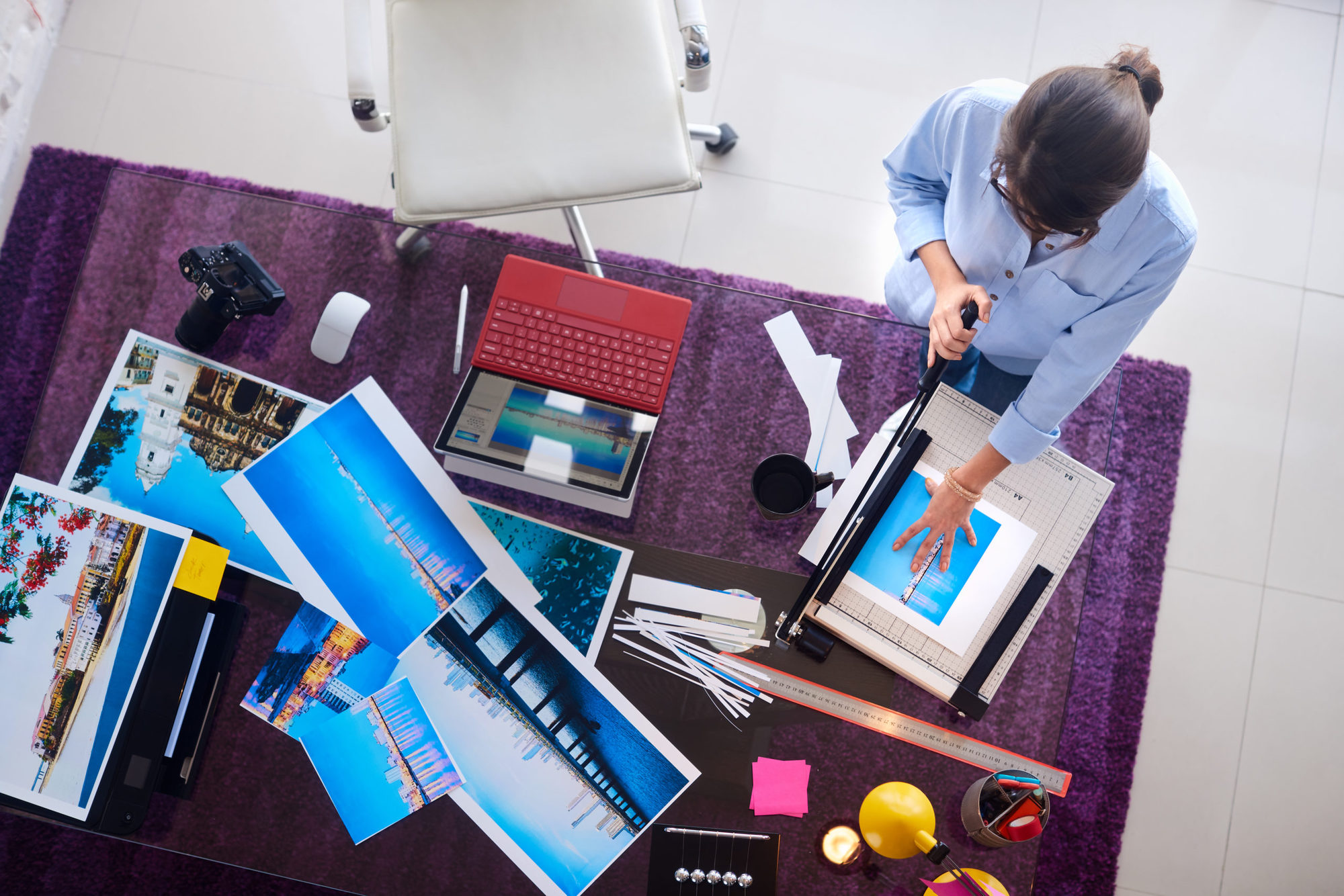
While a photography license is rarely required, certain situations call for permits or formal permission. Public locations that are managed by local authorities often regulate commercial photography. Parks, heritage sites, and government-owned spaces may require a shooting permit if equipment such as tripods, lighting setups, or crew members are involved.
These permits are often used to manage safety, crowd control, and access to public areas. Even small scale professional shoots may fall under these rules depending on local regulations.
Drone photography is another area where rules are more structured. Many countries require drone registration, pilot certification, or flight permissions. Requirements often depend on drone weight, altitude limits, and whether the footage is used commercially or recreationally.
Photography As A Business
The question changes once photography becomes a business. In many jurisdictions, there is no specific “photography license,” but there are legal requirements tied to running a business.
Photographers who earn income from their work are often required to register their business with local authorities. This may involve choosing a business structure such as sole proprietorship or company registration, obtaining a business permit or mayor’s permit, and registering for tax purposes.
These requirements are not unique to photography. They apply to most income generating activities. However, they become relevant once photography shifts from hobby to professional service.
In some areas, additional local permits may apply if photographers regularly operate paid shoots in public spaces or maintain a physical studio. These rules vary widely depending on city or municipal regulations.
Even without a dedicated photography license, business registration is important because it establishes legal recognition and ensures compliance with taxation rules.
Public Space Versus Private Property
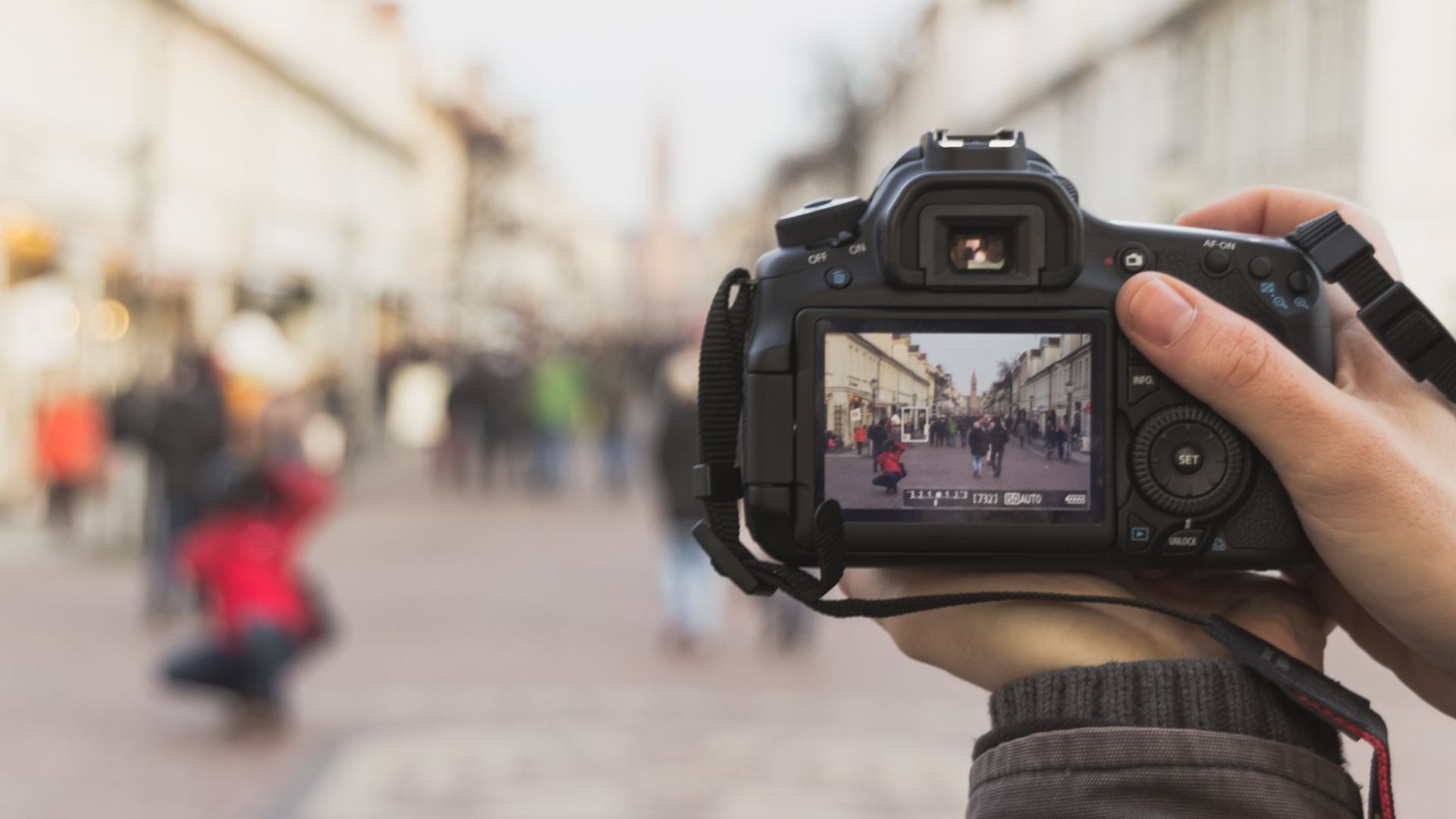
Location plays a major role in what is allowed. Public spaces generally permit photography, but private property owners can set restrictions. This includes malls, restaurants, offices, hotels, and residential buildings.
Even when a place is open to the public, such as a shopping center, it is still privately owned. Management can prohibit photography or require permission before shooting. Signs or staff instructions usually define what is allowed.
Photographing from public property is often permitted even when private buildings are in frame, as long as the photographer remains in a legal public area. However, this does not override privacy or commercial use restrictions.
People And Privacy Considerations
Photographing individuals introduces additional legal and ethical considerations. In many jurisdictions, people can be photographed in public spaces without consent for personal or editorial use.
However, using someone’s likeness for commercial purposes usually requires a model release. This includes advertising, marketing materials, or promotional campaigns.
Privacy laws also restrict photography in places where individuals expect privacy, such as inside homes, restrooms, dressing rooms, or private offices. These protections vary by country but are widely recognized in legal systems.
Editorial, Commercial, and Practical Distinctions
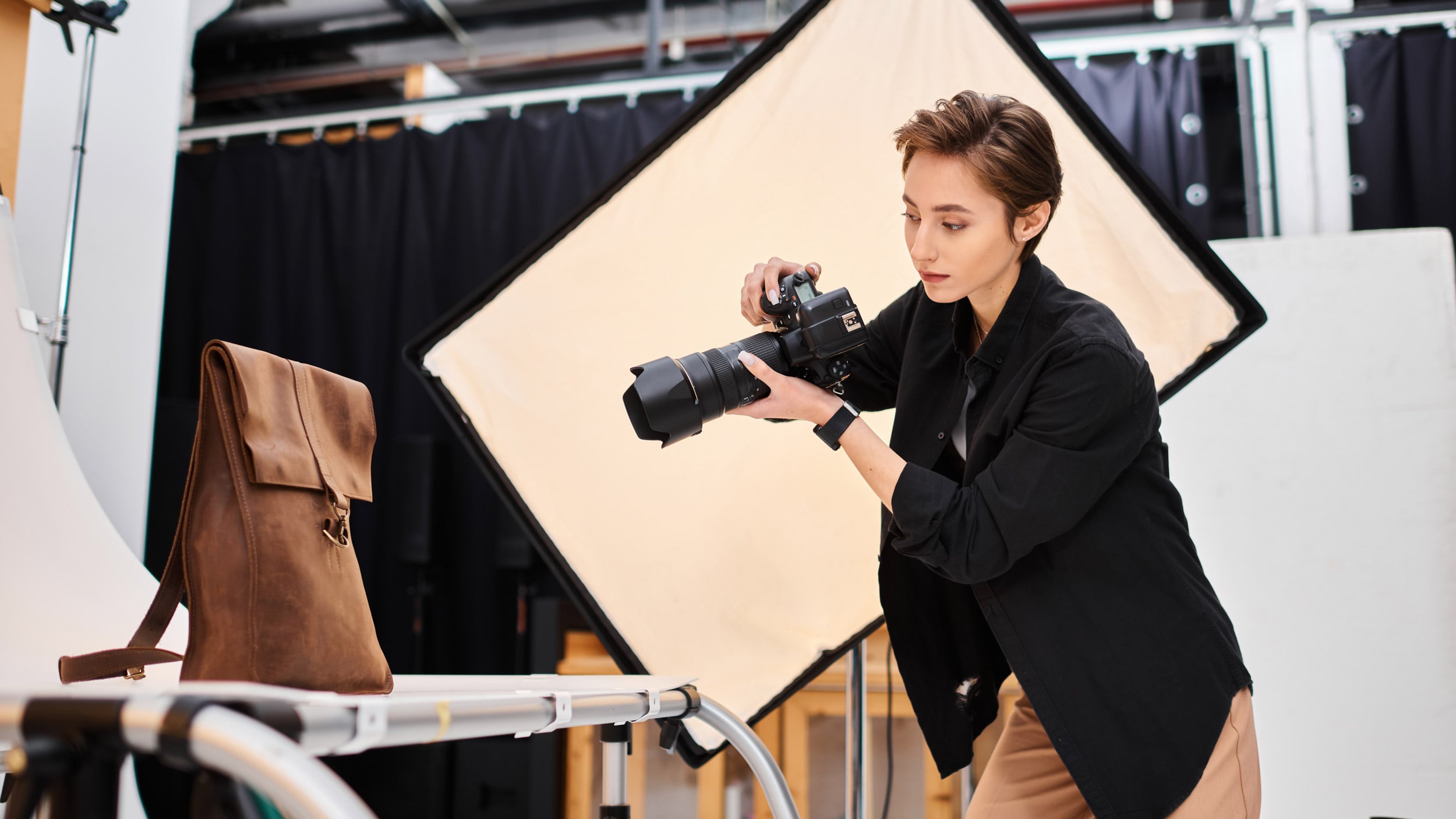
A key factor in photography regulation is how the image is used. Editorial use, such as journalism or documentation, is often treated differently from commercial use, which involves advertising or profit driven campaigns.
This distinction affects whether consent, permits, or releases are required. It also influences how strictly rules are enforced in public spaces.
Photography is generally not a licensed profession in the traditional sense, but it is shaped by rules tied to location, usage, and business activity. While no universal photography license exists, permits and business registration become important once work turns commercial or involves regulated spaces.
Understanding these differences helps photographers navigate both creative freedom and legal responsibility. At what point do you think photography stops being a personal activity and starts becoming a regulated profession?
See more from DIYPhotography.net on Google
Add DIYPhotography.net as a trusted source. This makes
our stories more likely to appear in your Google Search results.
 Add as a preferred source on Google

Alysa Gavilan
Alysa Gavilan has spent years exploring photography through photojournalism and street scenes. She enjoys working with both film and mirrorless cameras, and her fascination with the craft has grown over the decades. Inspired by Vivian Maier, she is drawn to capturing everyday moments that often go unnoticed.



Join the Discussion
DIYP Comment Policy
Be nice, be on-topic, no personal information or flames.