

















Fisheye Lens Photography: When and How to Use Them
Nov 7, 2025
Darlene Lleno
Darlene Lleno brings a unique perspective to DIY Photography as someone who grew up surrounded by camera gear but chose words over lenses. With five years of writing experience, she specializes in photography content that’s both technically informed and genuinely passionate. Growing up with a photographer twin brother meant camera talk was everyday conversation in her household. While he mastered capturing moments, Darlene discovered she preferred being the subject and the storyteller behind the scenes. As a travel enthusiast and mother of two, she understands the importance of preserving life’s precious moments. When not exploring new destinations or writing for DIY Photography, you’ll find her reading or tending to her garden. Her approach to photography writing is refreshingly authentic, she may not be behind the camera, but she knows exactly what it takes to help others capture the shots that matter most.
Share:
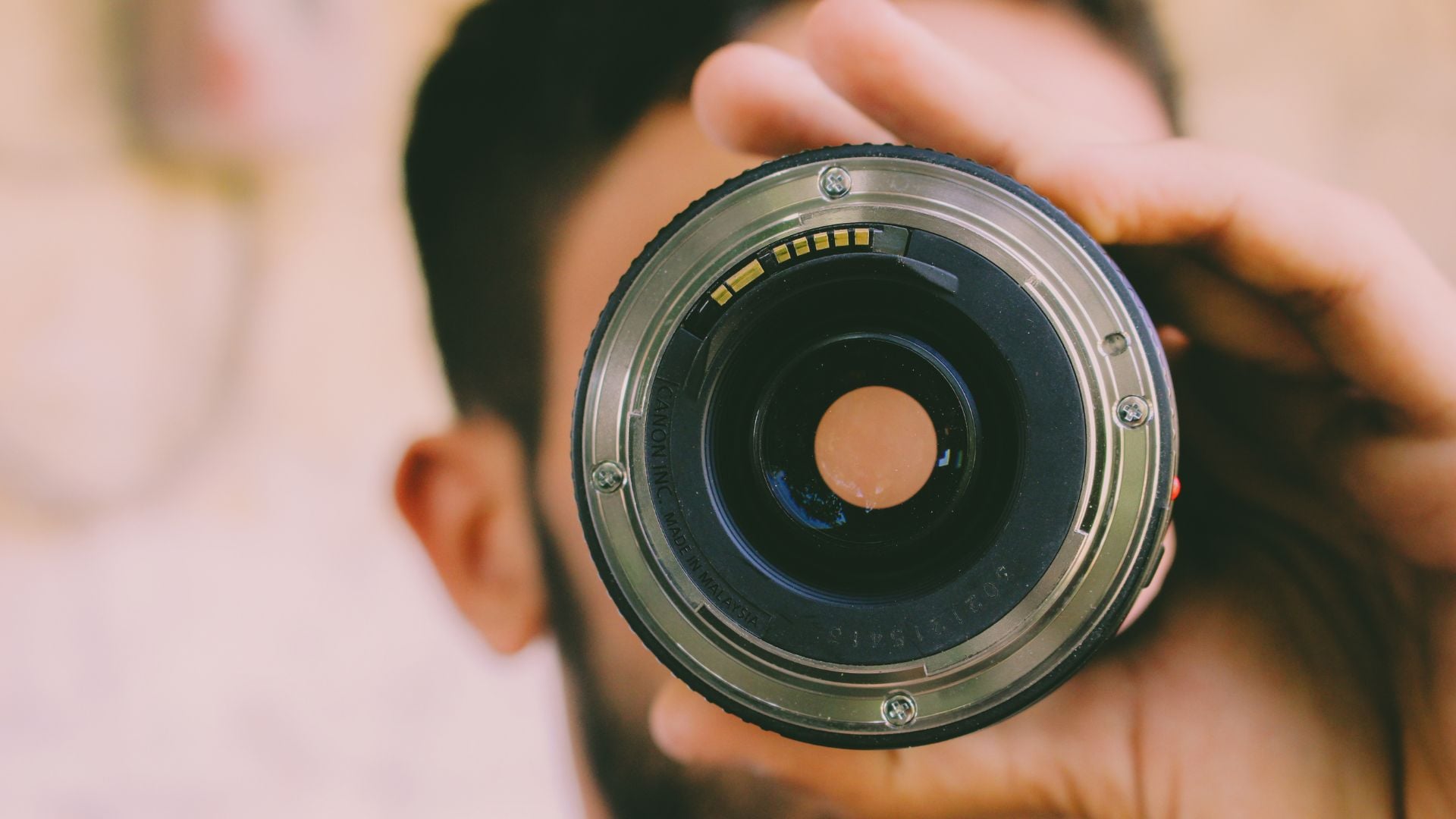
Fisheye lens photography gives you creative options that regular lenses can’t match. These ultra-wide lenses grab a wild 180-degree view with curved distortion. The look either excites you or frustrates you. Your experience depends on knowing when to use it right.
Most people buy a fisheye and wonder what to do with it. The lens sits in their bag collecting dust. They grab their usual lenses instead. Photographers who understand fisheye capabilities use it more than expected.
Fisheye Lenses 101
A fisheye lens bends straight lines into curves on purpose. This happens because the lens captures such a huge view. The non-rectilinear design creates barrel distortion that defines the fisheye look.
Regular wide-angle lenses try keeping lines straight. Fisheye lenses embrace the curve completely. The glass elements project a hemispherical view onto your sensor.
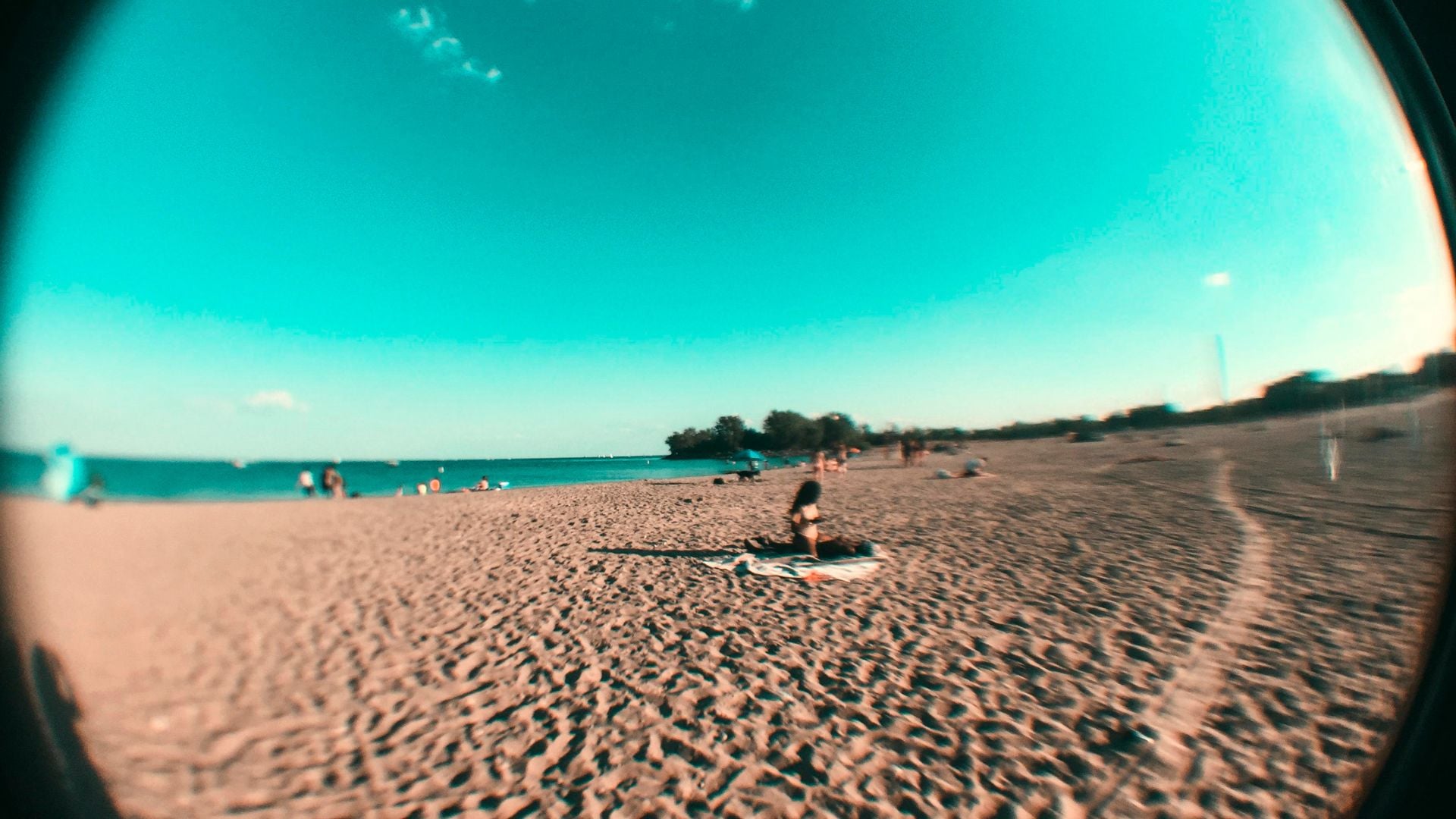
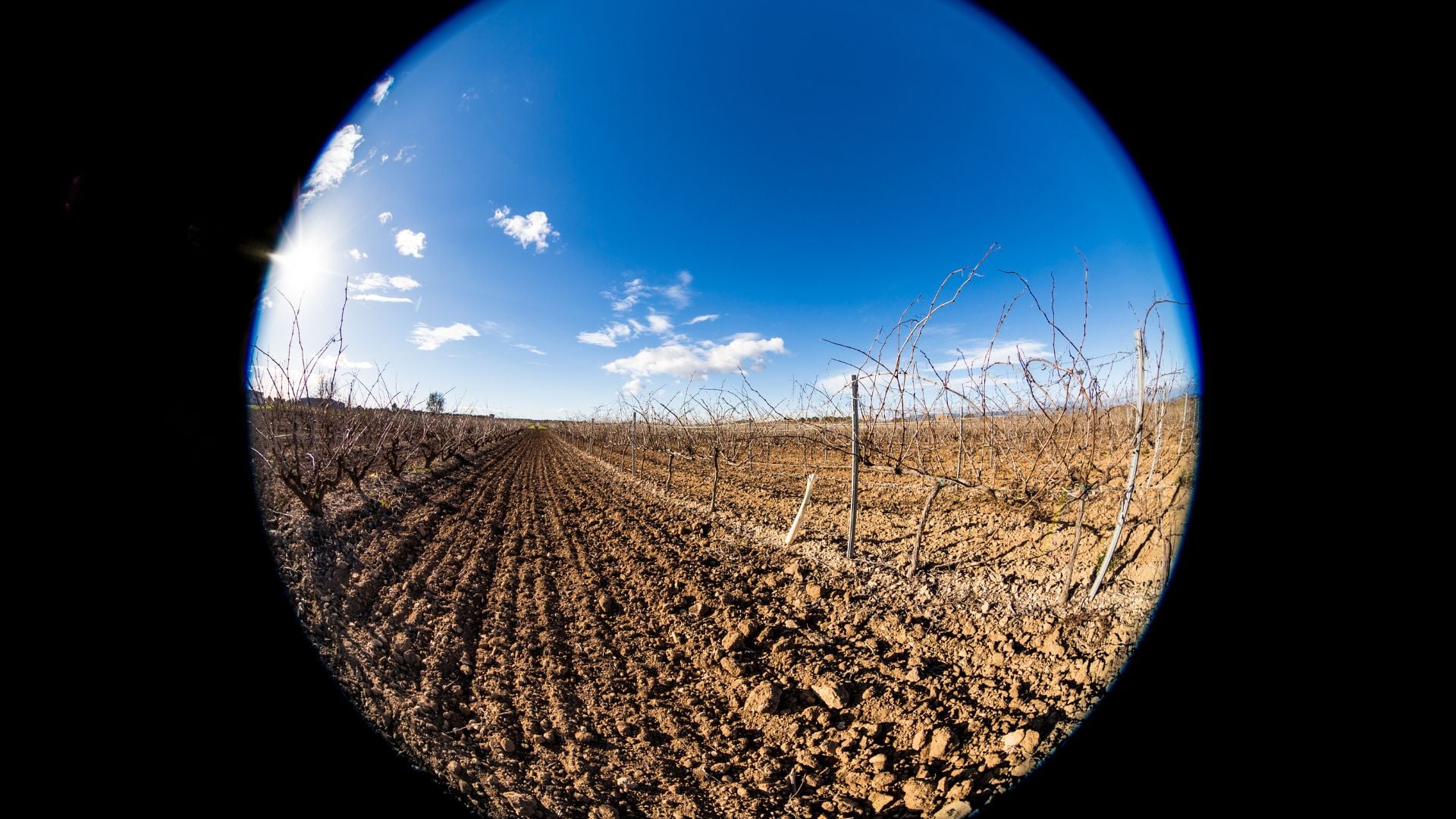
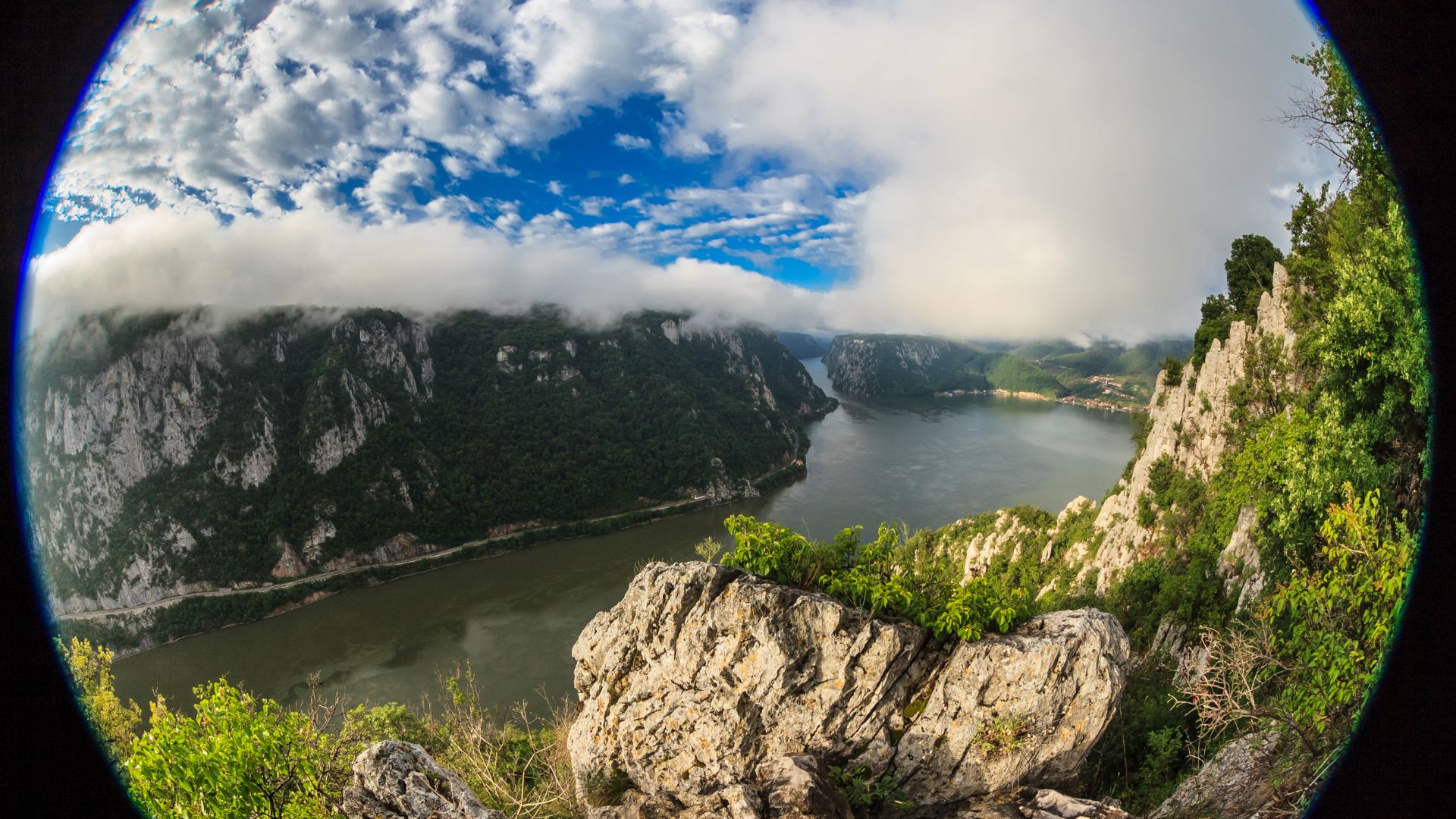
Two main types exist in the fisheye world. Circular fisheyes produce round images with black borders. Full-frame fisheyes fill your whole sensor with rectangular distorted images.
Circular Fisheye Characteristics
Circular fisheyes capture 180 degrees in every direction. An 8mm focal length on full-frame cameras creates these distinctive round images. Your photo shows the full bubble view with black corners.
These work great for specific creative projects. Night sky photographers use them to capture entire sky domes. Scientists document weather patterns with the full spherical view.
You lose resolution though. Only a small part of your sensor gets used. The rest displays black borders around your circular shot.
Full-Frame Fisheye Features
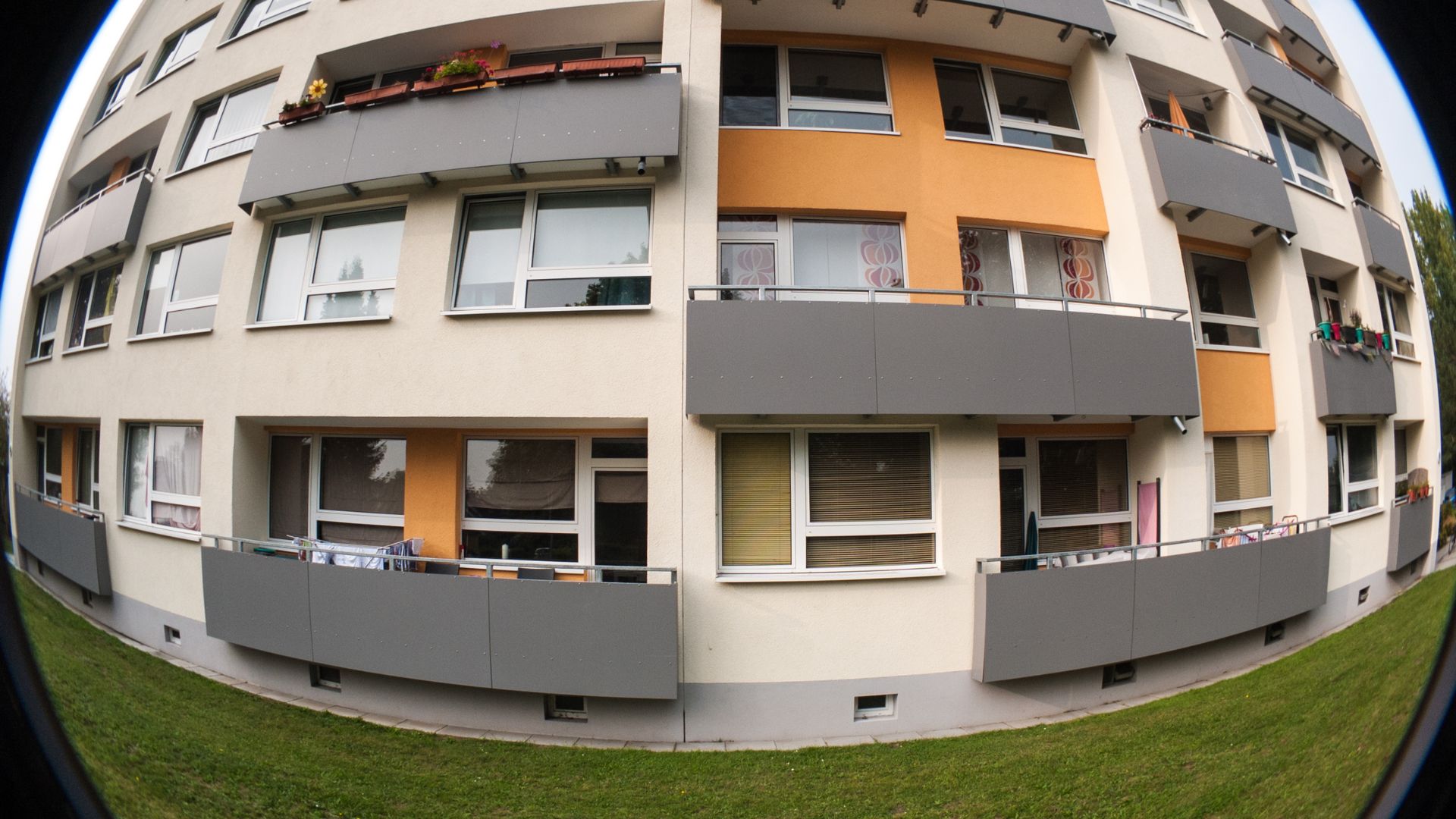
Full-frame fisheyes fill your entire sensor completely. They typically use 15-16mm focal lengths on full-frame cameras. Crop sensors need 10mm for similar coverage. Images stay rectangular while showing strong distortion.
This style proves more practical for everyday shooting. You use all your sensor pixels. The distortion stays pronounced but feels less extreme than circular versions.
Modern zoom fisheyes like 8-15mm models let you switch between styles. You adjust focal length to change from circular to full-frame coverage.
Best Subjects for Fisheye Lens Photography
Fisheye lenses excel with certain subjects and situations. Knowing what works saves you from disappointing shots.
Architecture and Interior Spaces
Architecture photography benefits enormously from fisheye perspectives. Big spaces like cathedrals and museums show their full scale. The curves actually enhance the sense of grandeur.
You can fit entire rooms in single shots. Small apartments look more spacious. Historic buildings show off soaring ceilings and details all at once.
Position yourself carefully though. Keep important elements near the center. Things near frame edges get heavily warped.
Action Sports and Extreme Activities
Portrait photographers usually avoid fisheye lenses. Action sports shooters embrace them completely. Skateboarding, BMX, and surfing look dynamic through fisheye glass.
Getting close while capturing full scenes creates immersive images. A skater doing tricks overhead fills the frame. You see the entire park context simultaneously.
You need to get uncomfortably close to subjects. This proximity creates exaggerated perspectives that make action pop. Stay safe when shooting extreme sports this way.
Creative Portraits and Group Shots
Most people assume fisheye ruins portraits completely. Used carelessly, it absolutely does. Creative photographers find interesting ways to incorporate distortion effectively.
Keep subjects away from frame edges to minimize unflattering distortion. Center composition works better with fisheye than normal lenses. Group shots benefit from wide coverage without bizarre faces.
Environmental portraits gain extra impact this way. Subjects stay relatively normal near the center. Their surroundings show dramatic scale around them. This technique works great for lifestyle photography emphasizing both person and place.
Technical Approaches to Fisheye Photography
Mastering fisheye lens photography requires different thinking than regular shooting. These technical points help you get better results.
Depth of Field Management
Fisheye lenses offer incredible depth of field naturally. Even at f/2.8, nearly everything stays sharp. This happens because of extremely short focal lengths.
You rarely need to stop down past f/8. Smaller apertures don’t gain much additional sharpness. They reveal every speck of dust though. Keep your front element spotless when shooting fisheye.
Focus becomes almost automatic with these lenses. Set your lens to a few feet away. The massive depth keeps everything acceptably sharp. Manual focus works fine since precision matters less.
Exposure Considerations
The huge field of view creates exposure challenges. Your frame includes everything from bright skies to dark shadows. Meters struggle with such extreme dynamic range.
Center-weighted or spot metering works better than evaluative modes. Decide which part of your scene matters most. Expose for that specifically and adjust later.
Shooting RAW format becomes critical with fisheye work. The extreme angles and distortion benefit from flexible post-processing. You want maximum latitude for adjustments.
Composition Strategies
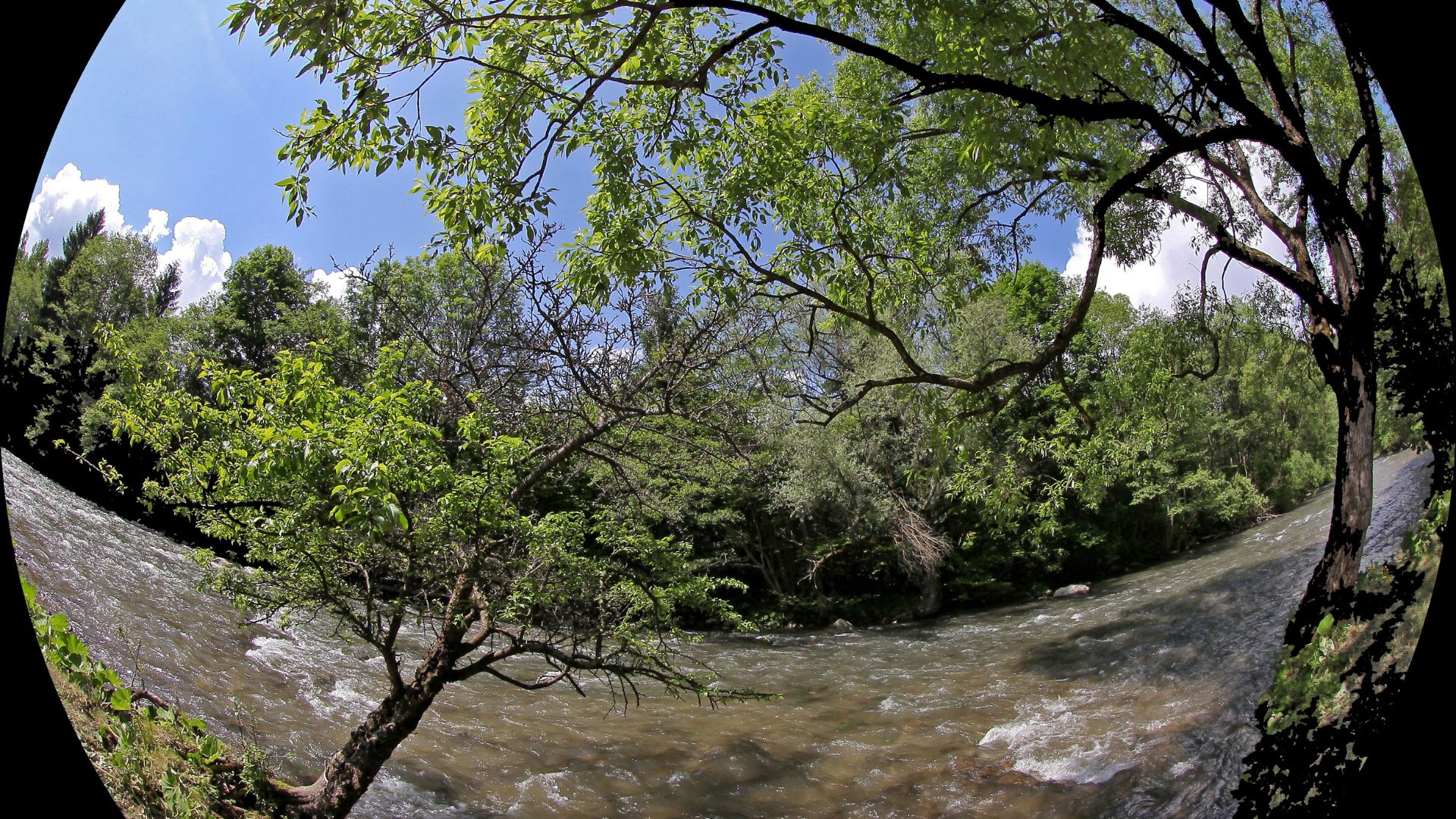
Standard composition rules need modification for fisheye photography. The rule of thirds still applies but works differently. Leading lines curve dramatically instead of staying straight.
Place your main subject near frame center always. This minimizes distortion on important elements. Background elements can embrace the warped perspective freely.
Symmetry works beautifully with fisheye lenses naturally. The curved distortion affects both sides equally. Centered compositions gain energy through fisheye warping.
Common Mistakes to Avoid
New fisheye users make predictable errors regularly. Learning from these mistakes speeds up your progress.
Watch out for these common problems:
- Getting too close to subjects and creating grotesque distortion
- Letting your feet or hands creep into the frame
- Using fisheye for every single shot until it loses impact
- Forgetting to clean the front element before shooting
Getting Too Close to Everything
Everyone’s first reaction involves shooting everything super close. Yes, fisheye lenses focus incredibly near subjects. That doesn’t mean you should always.
Extreme close-ups distort faces and objects beyond recognition. What seems fun initially gets old quickly. Step back to find where distortion adds interest.
Experiment with different distances from identical subjects. You’ll quickly learn which working distances produce appealing images.
Ignoring Your Feet and Hands
Fisheye lenses capture 180 degrees horizontally and vertically. Your body parts creep into frame constantly. Feet, fingers, camera straps appear where you don’t want them.
Check your frame edges obsessively before shooting. A protruding finger ruins otherwise great shots. Your shadow stretching across the foreground distracts viewers.
Some photographers embrace this quirk intentionally. Including feet or hands adds first-person perspective. Make it purposeful rather than accidental.
Overusing the Effect
Fisheye distortion grabs attention immediately every time. That impact fades when every image shows warped perspectives. Using fisheye for everything diminishes its special quality.
Treat fisheye photography as seasoning not the main ingredient. Mix fisheye shots into your portfolio sparingly. The dramatic effect carries more weight when used selectively.
Consider which specific scenes actually benefit from ultra-wide views. Not every situation needs or deserves fisheye treatment.
Practical Fisheye Applications
Understanding specific use cases helps you decide when deploying fisheye lenses makes sense.
Astrophotography Projects
The night sky demands fisheye coverage for full effect. Capturing the complete Milky Way arc requires ultra-wide glass. Standard landscape photography lenses can’t encompass the full celestial display.
Full-frame fisheyes work perfectly for this application specifically. The 180-degree diagonal coverage captures horizon to horizon. You see the galactic center rising while the opposite sky remains visible.
Circular fisheyes create incredible all-sky images effectively. These shots document meteor showers and auroras in single exposures. Scientific applications use this perspective for sky surveys.
Real Estate and Property Photography
Real estate agents frequently request fisheye shots for small rooms. The distortion makes cramped spaces appear more open. Buyers get better room layout understanding from ultra-wide views.
Professional real estate photographers use fisheye lenses strategically always. They shoot corners to maximize perceived space. Standard lenses handle detail shots while fisheye captures overall feel.
Be honest about the distortion with clients though. Buyers visiting after seeing fisheye images may feel misled. Balance your fisheye shots with standard perspectives for accuracy.
Event and Concert Photography
Music venues and event spaces benefit from fisheye coverage. You capture entire crowds, stages, and lighting in single frames. The energy of packed venues comes through clearly.
Fisheye lenses help when you’re stuck in tight spaces. Press photographers squeezed between stage and barricade use fisheye glass. The distortion adds to chaotic live event energy.
Mix fisheye shots with standard focal lengths for better stories. Use an ultra-wide view for establishing shots only. Switch to normal lenses for moments requiring less distortion.
Creative Techniques Worth Trying
Advanced fisheye users develop specialized techniques that maximize unique qualities.
Intentional Camera Movement
Rotating your camera during exposure creates wild radial blur effects. The fisheye distortion amplifies this motion dramatically. Set your shutter speed around 1/15 second and spin smoothly.
This technique works brilliantly at night with city lights. The circular blur pattern draws viewers to the frame center. Colors streak outward in mesmerizing patterns naturally.
Practice your rotation technique repeatedly before important shoots. Smooth, centered spins produce better results than wobbly movement.
Low Angle Perspectives
Getting your fisheye lens near ground level creates dramatic perspectives. Buildings tower overhead with exaggerated converging lines. Foreground elements dominate while backgrounds recede dramatically.
This technique emphasizes scale brilliantly in photos. Small subjects appear massive against distorted backgrounds. Flowers, rocks, or other details gain prominence through this approach.
Protect your lens while shooting low angles always. Grass, dirt, and moisture threaten your front element. Use a UV filter or keep cleaning supplies handy.
Post-Processing Fisheye Images
Fisheye photographs always require special consideration during editing. The extreme distortion presents unique challenges and opportunities.
To Defish or Not to Defish
Software can remove fisheye distortion and straighten lines. This “defishing” process creates ultra-wide rectilinear images. Some photographers prefer this approach for architecture work specifically.
The trade-off involves cropping and loss of field. Correcting the distortion requires cutting away frame edges. Your 180-degree view becomes approximately 130 degrees after correction.
Consider your end goal before removing distortion completely. The curved lines define fisheye photography fundamentally. Eliminating them removes what makes these images special.
Color Correction Challenges
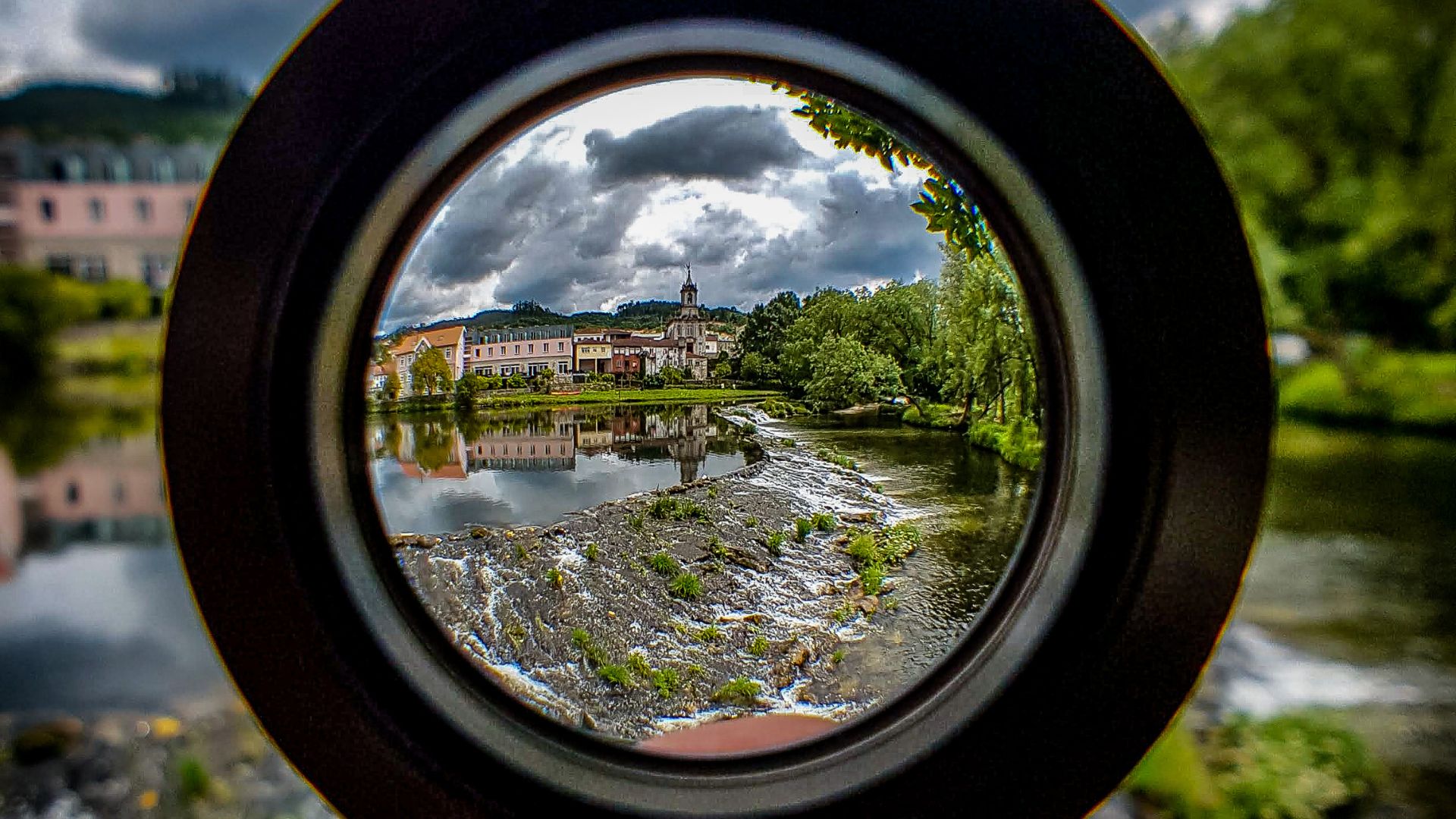
Circular fisheyes often show color fringing around black borders. This chromatic aberration becomes especially visible with high-contrast edges. The issue proves difficult to eliminate completely.
Accept this as part of the circular fisheye aesthetic. Minor color fringing rarely ruins good images. Focus on the main subject rather than obsessing over technical imperfections.
Full-frame fisheyes typically perform better regarding color fringing. The lack of black borders means less opportunity for edge aberrations.
Choosing Your First Fisheye Lens
Budget and intended use determine which fisheye option makes sense for your photography needs.
Manual vs Autofocus Options
Many fisheye lenses use manual focus only still. The extensive depth of field makes precise focusing less critical. Manual lenses cost significantly less than autofocus versions.
Third-party manufacturers like Samyang and Rokinon offer affordable manual fisheyes. These lenses deliver surprisingly good image quality. The money saved versus brand-name options funds other gear.
Autofocus fisheyes cost substantially more but add convenience. Professional photographers shooting fast-paced events benefit from AF capabilities. Casual users probably don’t need the extra expense.
Focal Length Decisions
Choose your focal length based on camera sensor size. Full-frame cameras need 15-16mm for full-frame fisheye coverage. Crop sensors require 10mm for similar results effectively.
Circular fisheyes typically use 8mm on full-frame bodies. Crop sensor options run around 4-5mm focal lengths. These specialized focal lengths exist primarily for circular fisheye effects.
Zoom fisheyes offer maximum flexibility for photographers. An 8-15mm lens provides both circular and full-frame options. This versatility justifies the higher cost for photographers wanting both styles.
Start Your Fisheye Journey Today
The fisheye lens market continues evolving with new innovations. Manufacturers focus on improved image quality and reduced distortion. Affordable options make fisheye photography more accessible than ever.
Social media platforms increasingly feature fisheye content now. The distinctive look stands out in crowded feeds. Creative photographers use fisheye to grab viewer attention immediately.
Virtual reality and 360-degree video production drive fisheye demand. These applications require an extreme field of view. Professional VR creators rely on fisheye lenses for immersive content.
Fisheye lens photography rewards experimentation and creative risk-taking. The distinctive look either works brilliantly or fails spectacularly. Success comes from understanding when to use these specialized tools. Start slowly, learn from mistakes, and gradually expand your fisheye vocabulary.
See more from DIYPhotography.net on Google
Add DIYPhotography.net as a trusted source. This makes
our stories more likely to appear in your Google Search results.
 Add as a preferred source on Google

Darlene Lleno
Darlene Lleno brings a unique perspective to DIY Photography as someone who grew up surrounded by camera gear but chose words over lenses. With five years of writing experience, she specializes in photography content that’s both technically informed and genuinely passionate. Growing up with a photographer twin brother meant camera talk was everyday conversation in her household. While he mastered capturing moments, Darlene discovered she preferred being the subject and the storyteller behind the scenes. As a travel enthusiast and mother of two, she understands the importance of preserving life’s precious moments. When not exploring new destinations or writing for DIY Photography, you’ll find her reading or tending to her garden. Her approach to photography writing is refreshingly authentic, she may not be behind the camera, but she knows exactly what it takes to help others capture the shots that matter most.
Related Posts
 Nikon announces new 28mm f/1.4E wide lens, 8-15mm full frame Fisheye and budget friendly 10-20mm DX lens
 Preparing for a VR 180 video shoot with the Canon R5C and Dual Fisheye Lens
 How to shoot a 180 VR video with the Canon EOS R5C and 5.2mm Dual Fisheye Lens
 Post-processing a VR 180 video with the Canon R5C and Dual Fisheye lens
Join the Discussion
DIYP Comment Policy
Be nice, be on-topic, no personal information or flames.
One response to “Fisheye Lens Photography: When and How to Use Them”
Really enjoyed this breakdown on fisheye techniques it does a great job showing how distortion isn’t just technical, but actually a creative tool. Lately, we’ve seen more and more photographers leaning into fisheye effects to inject a bit of energy and drama into portraits or event shots. It’s wild how just switching up the lens can flip the whole mood of an image, We’ve noticed similar patterns artists using wide perspectives to break the mold and make their portfolios pop. Love seeing this kind of conversation; it keeps the creative gears turning in the community.