























Canon EOS C50 Cinema Camera: The Lightest Professional Video Solution Yet
Sep 24, 2025
Darlene Lleno
Darlene Lleno brings a unique perspective to DIY Photography as someone who grew up surrounded by camera gear but chose words over lenses. With five years of writing experience, she specializes in photography content that’s both technically informed and genuinely passionate. Growing up with a photographer twin brother meant camera talk was everyday conversation in her household. While he mastered capturing moments, Darlene discovered she preferred being the subject and the storyteller behind the scenes. As a travel enthusiast and mother of two, she understands the importance of preserving life’s precious moments. When not exploring new destinations or writing for DIY Photography, you’ll find her reading or tending to her garden. Her approach to photography writing is refreshingly authentic, she may not be behind the camera, but she knows exactly what it takes to help others capture the shots that matter most.
Share:
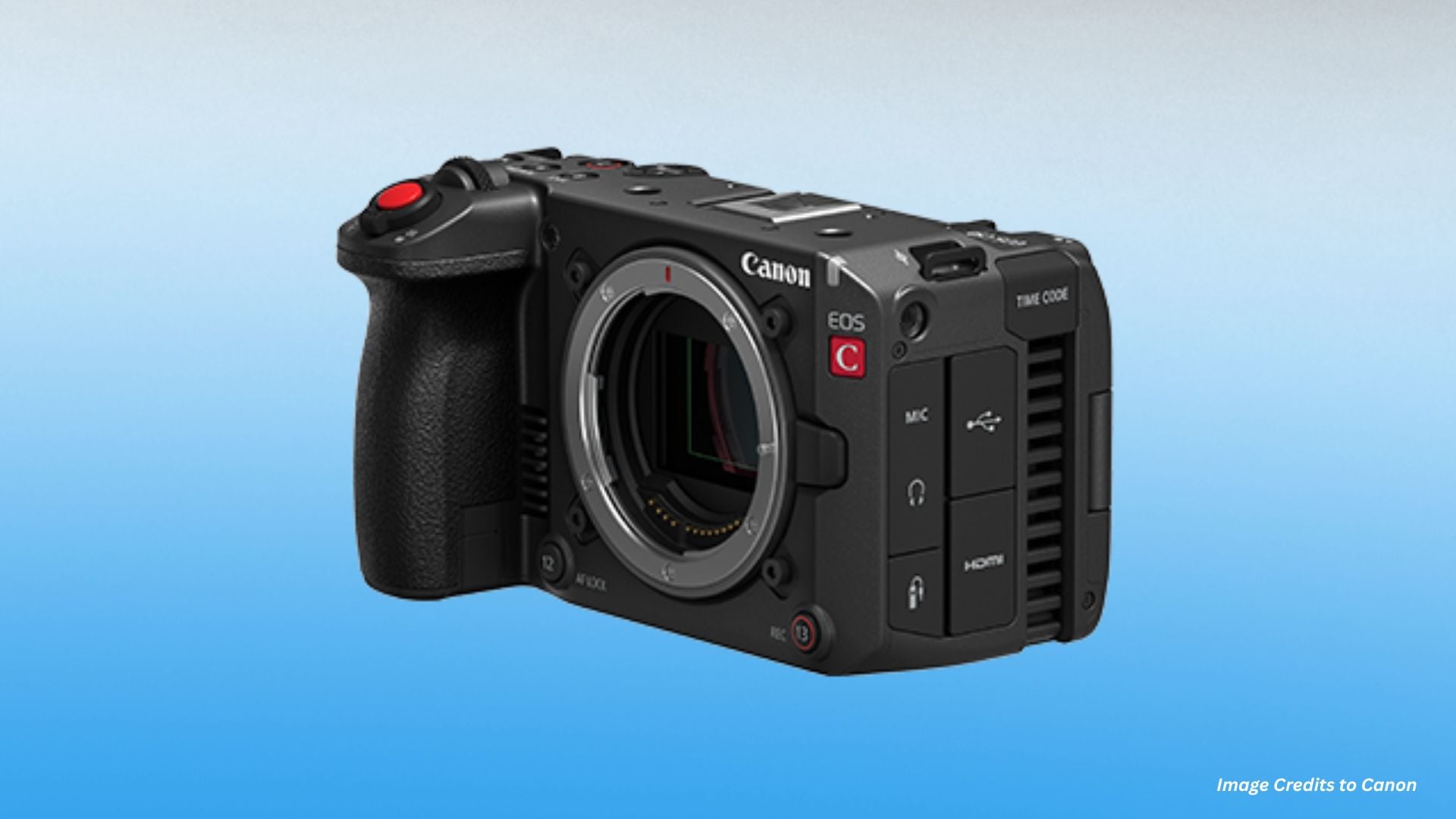
The Canon EOS C50 Cinema Camera is Canon’s smallest and lightest professional cinema camera ever made. This 7K full-frame camera was announced at IBC 2025 and targets content creators, commercial producers, and documentary filmmakers who need cinema-quality footage in a portable package.
Canon built the EOS C50 Cinema Camera to fill a specific gap in their camera lineup. Content creators wanted professional video quality without the bulk of traditional professional cameras. The C50 delivers exactly that by combining lightweight design with features you’d typically find in much larger and expensive cinema systems.
Professional video production usually means choosing between portability and quality. The Canon EOS C50 Cinema Camera eliminates this compromise. It packs advanced recording features into Canon’s most compact cinema body ever created. This represents a big step forward for solo operators and small production teams.
Read more: Canon EOS C50 Cinema Camera: The Lightest Professional Video Solution YetBreaking Down the Canon EOS C50 Cinema Camera Specifications
The Canon EOS C50 Cinema Camera has impressive specs that explain why this camera creates so much industry buzz. Canon engineers fit serious recording capabilities into a surprisingly small body. They did this without sacrificing professional features that real filmmakers actually need.
Recording capabilities separate the Canon EOS C50 Cinema Camera from regular mirrorless cameras and entry-level cinema systems. The 7K full-frame sensor provides exceptional detail and flexibility for post-production work. Internal raw recording eliminates the need for external recorders in most shooting situations.
7K Full-Frame Recording Capabilities
The Canon EOS C50 Cinema Camera captures 7K footage using the full sensor area in open gate mode. This approach maximizes the sensor space for ultimate image quality. It also provides flexibility for different aspect ratios in post-production work. Full-frame capture gives you superior low-light performance compared to Super 35 alternatives.
Internal 12-bit raw light recording eliminates the need for external recorders during most shoots. This internal recording capability saves time and reduces equipment needs. It also simplifies workflow for single operators. Professional colorists benefit from the additional color information preserved in 12-bit recording.
Open gate recording uses every pixel on the sensor. This provides maximum resolution for reframing and stabilization in post-production. This feature proves particularly valuable for documentary work where multiple aspect ratios may be required from the same footage.
Hybrid Shooting: 35-Megapixel Stills Integration
Modern content creation often requires both video and still image capabilities from the same camera system. The Canon EOS C50 Cinema Camera includes 35-megapixel still photography capabilities. This makes it suitable for hybrid workflows where photographers need professional video features.
Still image quality from the C50 matches expectations for professional photography work. The 35-megapixel resolution provides sufficient detail for commercial photography applications. It works great for promotional materials and behind-the-scenes documentation during video shoots.
Professional photographers working in commercial and portrait photography can use the C50 as their primary camera. This works for projects requiring both motion and still deliverables. It eliminates the need for separate camera systems and reduces overall equipment costs.
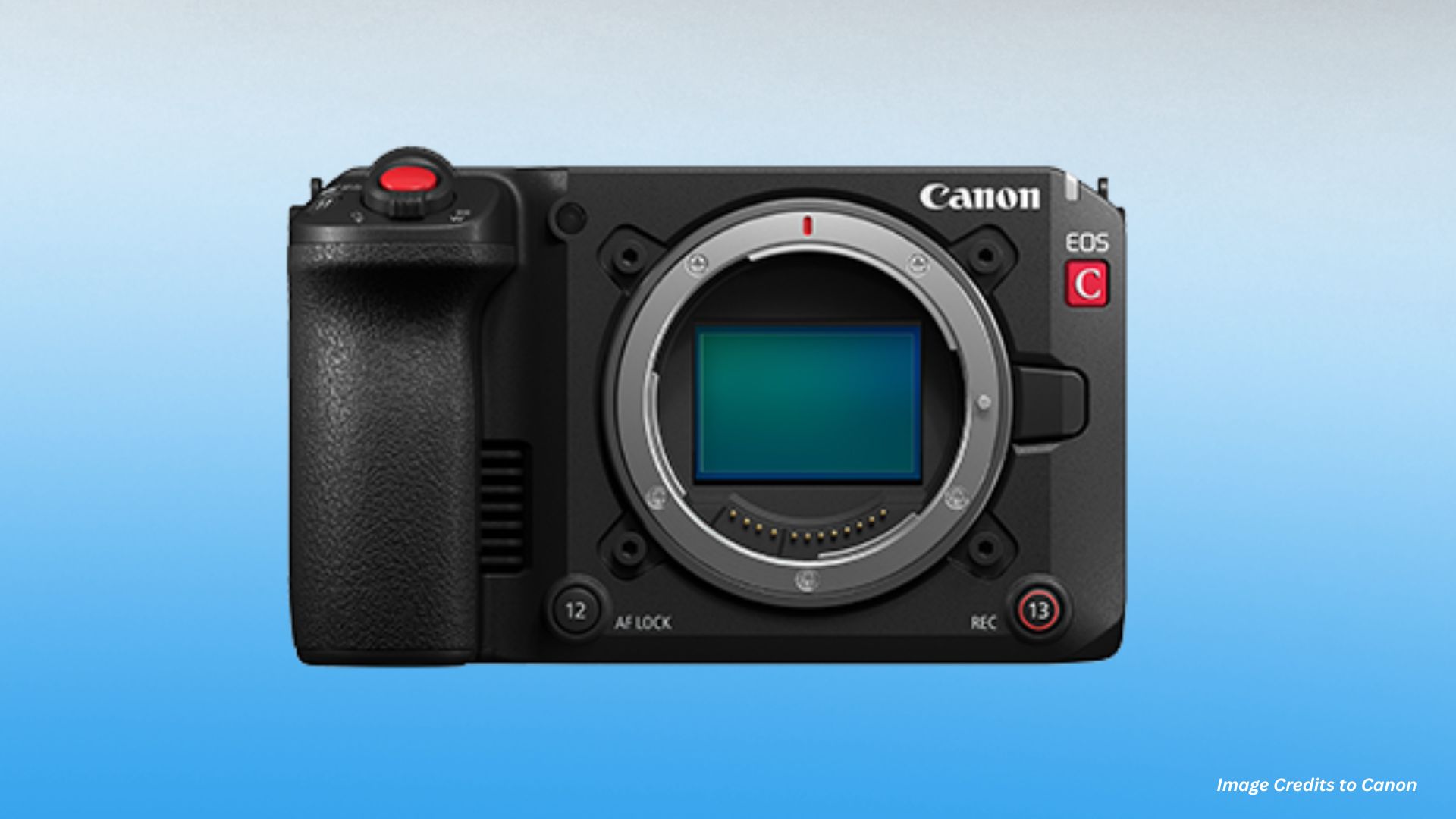
Canon EOS C50 Cinema Camera Design and Ergonomics
The Canon EOS C50 Cinema Camera focuses on usability for handheld operation and small crew productions. Canon includes professional accessories that expand functionality without adding excessive bulk to the basic camera body. The physical design prioritizes comfort and professional features that actually matter during real shoots.
Ergonomic considerations become critical for cameras designed for extended handheld use. The C50’s lightweight construction reduces fatigue during long shooting days. It maintains the professional build quality you expect from Canon’s cinema line.
Integrated Handle System and Audio Features
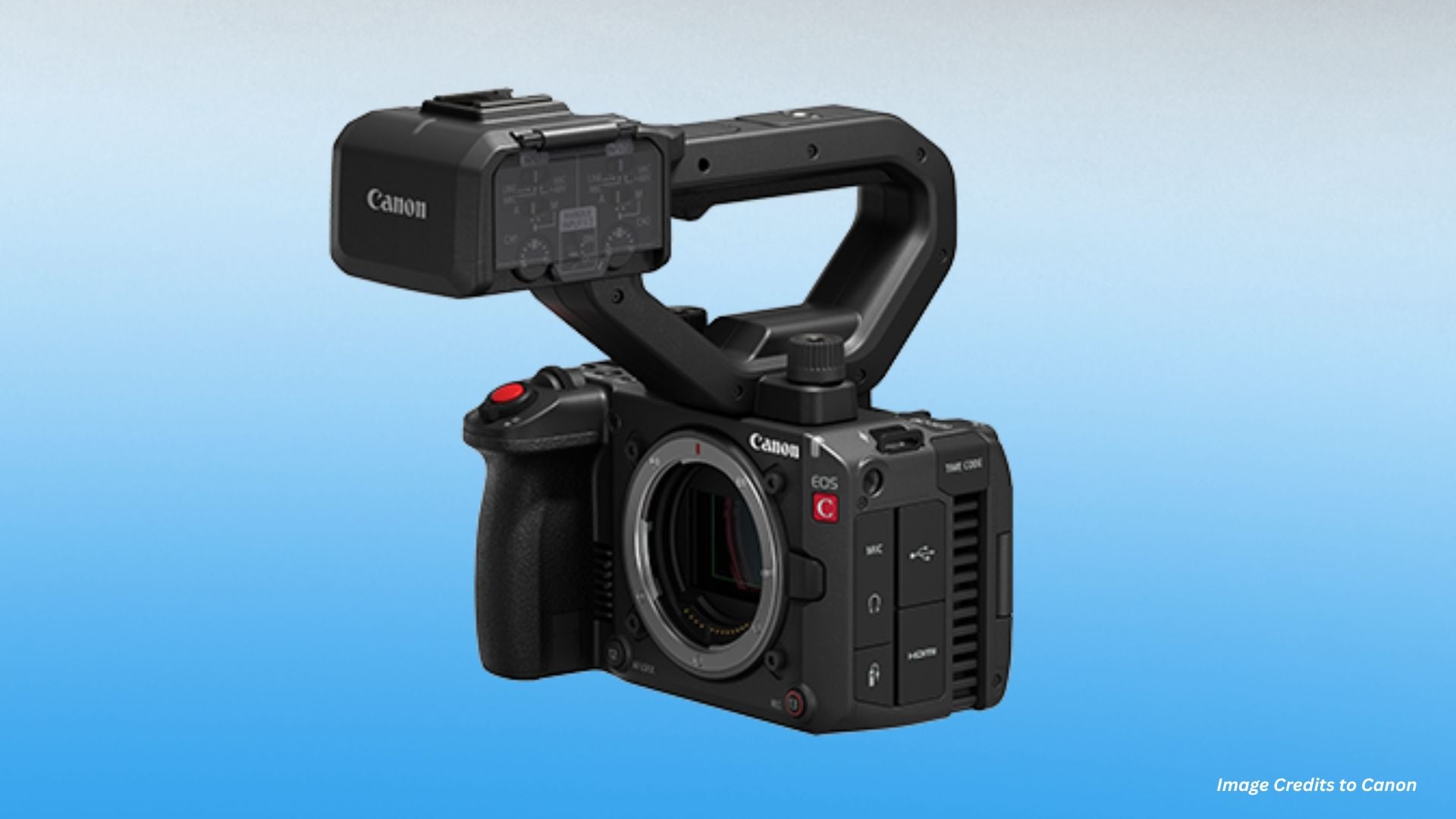
The Canon EOS C50 Cinema Camera ships with an integrated handle that provides essential professional features. This handle includes dual XLR inputs with phantom power. This enables direct connection of professional microphones without additional audio equipment. The handle design integrates seamlessly with the camera body.
Audio recording capabilities through the integrated handle eliminate the need for separate audio recorders in many situations. Professional wireless microphone systems connect directly to the XLR inputs. This simplifies audio workflow for small productions and solo operators.
Zoom rocker controls on the handle work with Canon’s powered lenses. This provides smooth zoom operation for video work. This feature proves particularly valuable for run-and-gun filming where quick focal length changes are necessary.
Compact Form Factor Advantages
The Canon EOS C50 Cinema Camera’s small size opens up shooting possibilities that larger cameras cannot access. Tight spaces, discrete filming situations, and one-person operations benefit from the reduced camera footprint. You don’t sacrifice professional recording quality for this portability.
Weight distribution affects comfort during extended handheld shooting sessions. The C50’s balanced design reduces strain on camera operators during long takes or documentary-style filming situations. This comfort factor directly impacts shot stability and operator endurance during demanding shoots.
Transportation benefits include reduced shipping costs and airline carry-on compatibility. It also means simplified location setup for remote shoots. Professional productions working in remote locations or tight budgets appreciate these practical advantages of the compact design.
Target Market and Professional Applications
Canon positions the EOS C50 Cinema Camera for specific market segments that value portability without compromising professional recording quality. The camera targets professionals who need cinema features but don’t want the bulk of traditional systems. Understanding these target applications helps potential buyers determine if the C50 fits their production needs.
Professional content creation spans multiple industries and production types. The C50’s specifications and price point target specific segments. These segments get maximum value from the camera’s unique combination of features over competing camera systems.
Commercial and Music Video Production
Music video producers benefit from the Canon EOS C50 Cinema Camera’s combination of high-quality recording and portable operation. Quick setup times and minimal crew requirements reduce production costs. You still maintain broadcast-quality results that labels and artists expect from professional productions.
Commercial photography studios expanding into video work find the C50 provides professional results. They don’t need extensive camera department expansion to get started. The hybrid capabilities support workflows where both still images and motion graphics are required for campaigns.
Color grading workflows benefit from the 12-bit internal recording. This provides colorists with sufficient data to match brand requirements and creative vision. This capability separates the C50 from consumer and prosumer cameras that lack professional color depth.
Documentary and Run-and-Gun Filmmaking
Documentary filmmakers working alone or with minimal crews appreciate the Canon EOS C50 Cinema Camera’s balance of quality and portability. You can capture professional footage without extensive rigging. This appeals to documentary producers working in challenging or sensitive environments where large cameras would be disruptive.
Run-and-gun production styles require cameras that can adapt quickly to changing situations. The C50’s fast autofocus systems and intuitive controls reduce the technical burden on operators. This lets them focus on capturing authentic moments rather than fighting with camera settings.
Event documentation benefits from the C50’s discrete profile and professional recording quality. Corporate events, conferences, and private functions often require professional results. The small form factor provides minimal production disruption while delivering broadcast-quality footage.
Canon EOS C50 Cinema Camera Pricing and Availability
The Canon EOS C50 Cinema Camera carries a price point of approximately 4,000 euros according to Canon’s IBC 2025 announcement. This positions it competitively within the professional camera market. This pricing makes advanced cinema features accessible to smaller production companies and individual professionals. These buyers previously couldn’t justify higher-end cinema camera investments due to budget constraints.
Market positioning places the C50 between high-end mirrorless cameras and traditional cinema cameras. This strategic pricing provides upgrade paths for content creators outgrowing consumer equipment. It remains accessible to professionals not requiring the most expensive cinema features available.
Value Proposition Analysis
Professional camera purchases require careful consideration of features versus cost. The Canon EOS C50 Cinema Camera provides cinema-level recording quality at prices typically associated with advanced mirrorless systems. This value proposition appeals to cost-conscious professionals requiring cinema features without breaking their budgets.
Included accessories like the professional handle with XLR inputs add significant value. This compares favorably to competing systems requiring additional purchases to achieve similar functionality. The complete package approach reduces total system cost for buyers starting with basic camera needs.
Long-term investment considerations favor cameras with professional recording formats and extensive codec support. The C50’s professional specifications should maintain relevance longer than consumer-focused alternatives. This matters as industry standards continue to evolve toward higher quality requirements.
Availability Timeline and Pre-Orders
Canon plans Canon EOS C50 Cinema Camera availability for late November 2025. Pre-orders are currently available through authorized dealers worldwide. This timeline is based on Canon’s official announcement at IBC 2025 in September.
Pre-order availability indicates Canon’s confidence in meeting production schedules and market demand. Professional users planning year-end productions can secure cameras ahead of general availability. This ensures equipment access for critical projects and client commitments during busy holiday seasons.
Production planning benefits from confirmed availability dates. This allows professionals to schedule shoots and client work around camera delivery schedules. The November timeline positions the C50 perfectly for holiday season and early 2026 production work cycles.
Professional Video Market Context
The Canon EOS C50 Cinema Camera enters a competitive professional video market in late 2025 where manufacturers fight for mindshare. They compete among content creators and professional filmmakers who have specific needs and budget requirements. Understanding this market context helps explain Canon’s design and pricing decisions for the C50.
Current market trends favor cameras that combine professional features with accessible operation and pricing. The rise of individual content creators and smaller production companies drives demand. These users want capable cameras without the complexity of traditional cinema systems that require large crews to operate effectively.
Comparison with Competing Cinema Cameras
Cinema camera comparisons typically focus on recording formats, sensor size, and professional features. The Canon EOS C50 Cinema Camera competes effectively by offering full-frame 7K recording. It delivers this in a package significantly smaller and lighter than traditional alternatives from other manufacturers.
Price comparisons reveal the C50’s competitive positioning within the professional camera market. Competing cameras with similar recording capabilities typically cost significantly more. Others sacrifice features like internal raw recording to achieve similar pricing points.
Lens compatibility advantages favor Canon users who can leverage existing EF and RF lens investments with the C50. This ecosystem integration provides significant cost advantages for Canon users. Switching camera brands would require substantial additional lens investments for equivalent focal length coverage.
Future-Proofing Professional Investments
Professional camera purchases require consideration of future format requirements and industry standards. The Canon EOS C50 Cinema Camera’s 7K recording capability exceeds current broadcast standards. This provides headroom for future delivery requirements without requiring camera upgrades in the near term.
Codec support and recording format compatibility ensure the C50 remains relevant as post-production workflows evolve. Professional productions benefit from cameras that support current and anticipated future delivery requirements. This avoids requiring early replacement due to format obsolescence issues.
Technology evolution in professional video tends toward higher resolution and better color reproduction capabilities. The C50’s specifications align with these trends perfectly. This suggests good longevity for professional users making equipment investments with multi-year depreciation schedules.
Real-World Performance and User Experience
The Canon EOS C50 Cinema Camera performs well in actual shooting conditions where theoretical specifications meet practical requirements. Professional users care about real-world performance more than spec sheets. The camera delivers consistent results across various shooting scenarios that professionals encounter regularly.
Image stabilization performance matters for handheld operation and run-and-gun shooting styles. The C50 works with Canon’s stabilized RF lenses to provide smooth footage. This reduces the need for additional stabilization equipment in many shooting situations.
Battery Life and Power Management
Battery performance affects professional shoots where reliability matters more than convenience features. The Canon EOS C50 Cinema Camera provides adequate battery life for typical shooting days. Professional users can plan shoots around known battery performance characteristics without unexpected interruptions.
Power management features help extend shooting time during critical moments. The camera includes power-saving modes that don’t compromise recording quality. This proves valuable during documentary work where you might need to wait for important moments without constantly monitoring battery levels.
External power options provide flexibility for extended shoots and studio work. The C50 supports various power accessories that professional users typically already own. This reduces additional equipment requirements for users upgrading from other Canon cinema cameras.
Autofocus Performance for Video
Autofocus systems designed for video work differently than still photography autofocus. The Canon EOS C50 Cinema Camera includes video-optimized autofocus algorithms. These provide smooth focus transitions that work well for professional video applications.
Face and eye detection capabilities help solo operators maintain sharp focus on subjects. This feature proves particularly valuable for interview work and documentary filming. The camera can track subjects automatically while operators focus on framing and composition decisions.
Manual focus override allows professional focus pullers to take control when needed. The camera provides smooth transitions between automatic and manual focus modes. This flexibility supports various crew sizes and production styles from solo operators to traditional film crews.
Canon EOS C50 Cinema Camera: The Professional’s Choice
The Canon EOS C50 Cinema Camera represents Canon’s successful effort to make professional cinema features accessible to more content creators. The combination of compact size, professional recording quality, and competitive pricing addresses real market needs. Competing cameras haven’t fully satisfied these requirements until now.
Professional video production continues evolving toward smaller crews and more flexible equipment requirements. The Canon EOS C50 Cinema Camera fits perfectly into this trend. It provides cinema-quality results without the traditional burden of large camera packages and extensive support equipment requirements.
Content creators upgrading from consumer equipment will find the Canon EOS C50 Cinema Camera provides a clear path to professional-quality results. The camera’s hybrid capabilities support diverse revenue streams. This works well for creative professionals working across multiple media formats and client requirements simultaneously.
See more from DIYPhotography.net on Google
Add DIYPhotography.net as a trusted source. This makes
our stories more likely to appear in your Google Search results.
 Add as a preferred source on Google

Darlene Lleno
Darlene Lleno brings a unique perspective to DIY Photography as someone who grew up surrounded by camera gear but chose words over lenses. With five years of writing experience, she specializes in photography content that’s both technically informed and genuinely passionate. Growing up with a photographer twin brother meant camera talk was everyday conversation in her household. While he mastered capturing moments, Darlene discovered she preferred being the subject and the storyteller behind the scenes. As a travel enthusiast and mother of two, she understands the importance of preserving life’s precious moments. When not exploring new destinations or writing for DIY Photography, you’ll find her reading or tending to her garden. Her approach to photography writing is refreshingly authentic, she may not be behind the camera, but she knows exactly what it takes to help others capture the shots that matter most.




Join the Discussion
DIYP Comment Policy
Be nice, be on-topic, no personal information or flames.
One response to “Canon EOS C50 Cinema Camera: The Lightest Professional Video Solution Yet”
how do I select the right lens for in-the-forest images and vids of toxic waste dumping while I’m sitting in the foreground while toxic wastes are being dumped in the background. I also need to take closeup and macro images of the content of the dumped sludge materials.
richard