


















How to Use a Simple Layering Trick to Make Your Photos Cinematic
Sep 22, 2025
Anzalna Siddiqui
A psychology major in her third year of Bachelor’s, Anzalna Siddiqui has endless curiosity for the human mind and a deep love for storytelling – both through words and visuals. Though she hasn’t taken up photography as a profession, her Instagram is where her passion finds its home. In addition to this, she’s a travel enthusiast who never travels without her camera because every place has a story waiting to be captured.
Share:

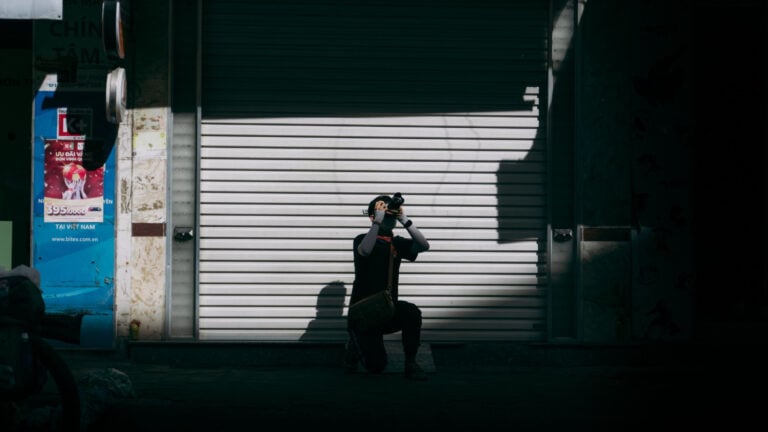
Capturing breathtaking, cinematic photos doesn’t require an expensive camera, fancy lenses, or high-end lighting. The secret might be a simple trick that’s been around for a long time and is right before us. You can add depth to your photos by noticing the space around you.
In his video, Joe Redski of Joe Redski Photography explains a simple layering trick for turning flat pictures into engaging stories. This method helps your photos feel like real moments instead of still images. While you might already know about having a foreground, middleground, and background, the video emphasizes that proper layering involves creating tension between these areas. It’s all about arranging the different elements to give a sense of depth and take the viewer on a visual journey through your photo.
Why Layering Is So Important for Your Photos
Joe explains that strong layers help direct the viewer’s gaze across the image. They provide a journey for the eye, encouraging exploration of the whole scene. This simple layering trick draws people in and makes the moment feel more genuine, keeping their interest longer than a flat photograph.
Joe suggests that layering is a powerful method that adds depth to photos. It also ignites curiosity and rewards those who take the time to look closely at your work. The creator mentions that this technique is everywhere, from beautiful landscape photos to movie scenes and even classic paintings. It appears to be an essential visual storytelling aspect you may not have fully appreciated before.
Finding Your Layers in the World
You might believe that you need to be in a beautiful spot to capture stunning layered photos, but the video shows that’s unnecessary. Joe emphasizes that it’s more about understanding how space works around you. To demonstrate this, he uses a picture taken in Brighton, England.
In the Brighton photo, the first layer is the foreground, which features a curved concrete wall. Joe mentions that this wall frames the scene and draws your attention. The second layer, or middleground, includes a single person walking on the pebbled beach. This individual adds a thoughtful and lonely vibe to the image. The third layer is the Brighton Palace Pier in the background, which appears as a silhouette. This gives the photo context and helps establish the location. According to Joe, these three elements — the wall, the person, and the pier, combine to create a rhythm that makes the photo feel “cinematic.
Making It Happen: Your Camera Settings
You understand the concept well, but what about the technical aspects? Joe emphasizes that layering is more about being aware of your environment than just adjusting settings, although they offer helpful advice. He explains that layering should be a deliberate choice, not something that happens. First, he recommends finding an “anchor” in the foreground, like a post, a street sign, or a doorway.
Joe explains that you must set up the right conditions for your shot. He shares some camera settings that can help you capture depth. He suggests using an aperture between f/5.6 and f/11 to maintain focus across the foreground, middle ground, and background. Joe recommends a range of 100 to 3200 for ISO, which gives you flexibility based on your lighting. Lastly, he advises using a shutter speed of at least 1/250th of a second to freeze any motion and keep your images sharp.
The Art of Fishing for the Perfect Shot
Joe compares this process to “fishing.” You need to select a good location or frame and wait patiently for the right subject to appear. Start by choosing what’s in the foreground, then look for or wait for your subject to come into view in the middle. The background should enhance your subject without taking attention away from it.
When you connect all three parts, Joe says your photo will have a “quiet energy” that feels genuine. It gives off a clear sense of purpose in your work. It’s not just about snapping a picture of a subject; it’s about building a small world within the frame.
Weight, Story, and Context
Joe emphasizes that layering is more than a technical skill. It helps create a strong, cinematic vibe. He explains that each layer has its own role: the foreground adds weight, the middleground tells the story, and the background gives context.
When you adopt this perspective, Joe notes that you move away from seeking simple subjects and begin to “build frames.” You start to view the world as a collection of compositions waiting to be formed. This change in thinking can significantly influence how you observe and photograph your surroundings.
I believe this simple layering trick is a great way to enhance your photography. It encourages you to think carefully about how you arrange your shots. Instead of just snapping photos, you’re creating a scene. Joe mentions they often use this method because it allows them to create “thoughtful, spacious, and cinematic images.” He suggests incorporating depth makes photos feel more organized and purposeful, resembling a movie scene rather than just a regular picture.
If you want to improve your photography skills, I recommend trying this simple layering trick. It could really change your perspective and how you approach your art.
[This Simple Layering Trick Makes Photos Cinematic I Joe Redski Photography; Image credits: Envato]
See more from DIYPhotography.net on Google
Add DIYPhotography.net as a trusted source. This makes
our stories more likely to appear in your Google Search results.
 Add as a preferred source on Google

Anzalna Siddiqui
A psychology major in her third year of Bachelor’s, Anzalna Siddiqui has endless curiosity for the human mind and a deep love for storytelling – both through words and visuals. Though she hasn’t taken up photography as a profession, her Instagram is where her passion finds its home. In addition to this, she’s a travel enthusiast who never travels without her camera because every place has a story waiting to be captured.
Related Posts
 This simple camera strap trick helps you get steadier handheld photos and video
 Simplify Photoshop color matching with this simple Eye Dropper trick
 How We Shot This Photo Of A Floating Woman With A Simple Lighting Trick
 This simple Smart Object trick solves “Blend If” transparency issues in Photoshop
Join the Discussion
DIYP Comment Policy
Be nice, be on-topic, no personal information or flames.