

























How Do the New iPhone 17 Pro Cameras Compare to Pixel 10 Pro XL and Samsung Galaxy S25 Ultra?
Sep 12, 2025
Darlene Lleno
Darlene Lleno brings a unique perspective to DIY Photography as someone who grew up surrounded by camera gear but chose words over lenses. With five years of writing experience, she specializes in photography content that’s both technically informed and genuinely passionate. Growing up with a photographer twin brother meant camera talk was everyday conversation in her household. While he mastered capturing moments, Darlene discovered she preferred being the subject and the storyteller behind the scenes. As a travel enthusiast and mother of two, she understands the importance of preserving life’s precious moments. When not exploring new destinations or writing for DIY Photography, you’ll find her reading or tending to her garden. Her approach to photography writing is refreshingly authentic, she may not be behind the camera, but she knows exactly what it takes to help others capture the shots that matter most.
Share:
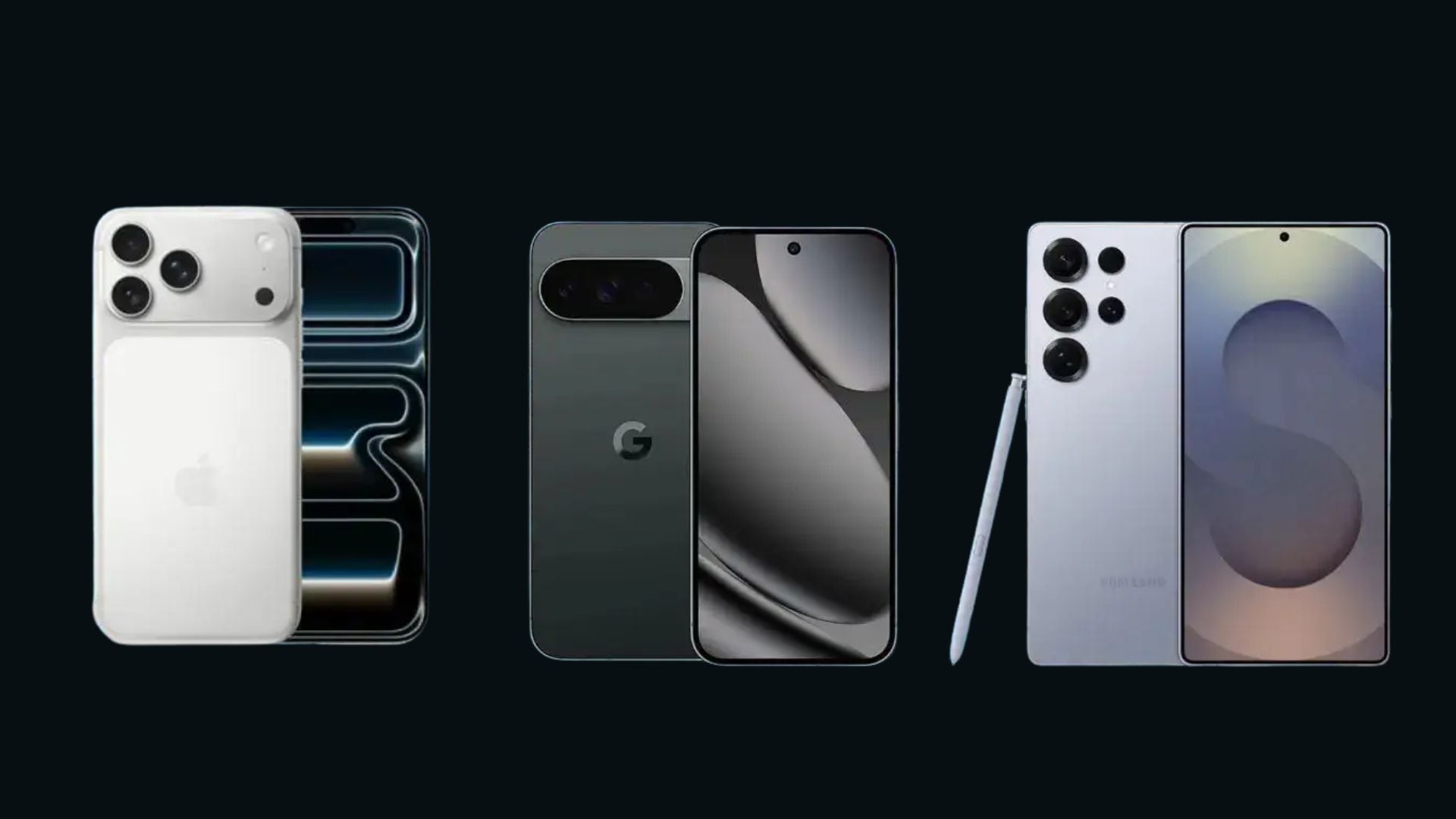
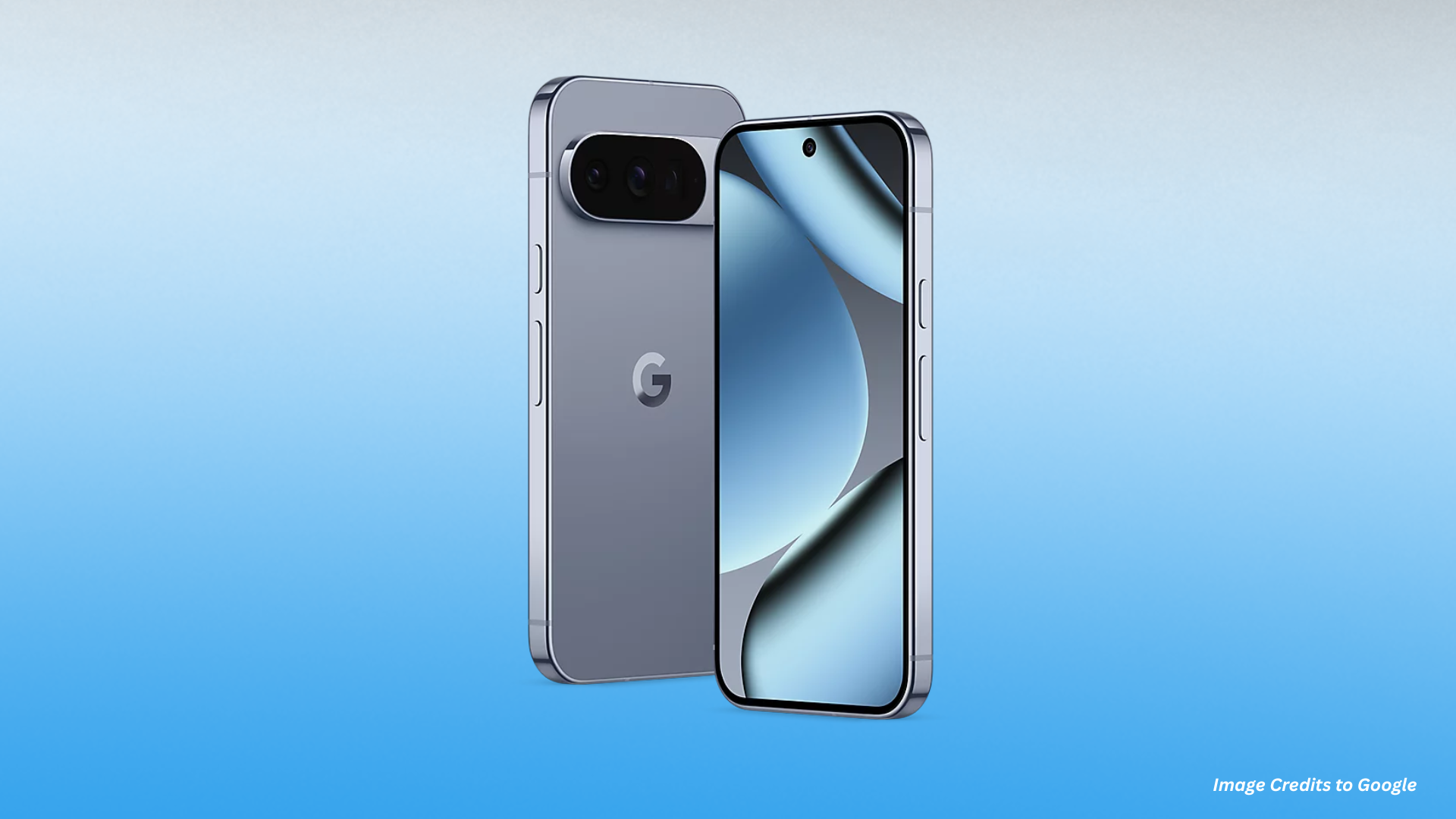
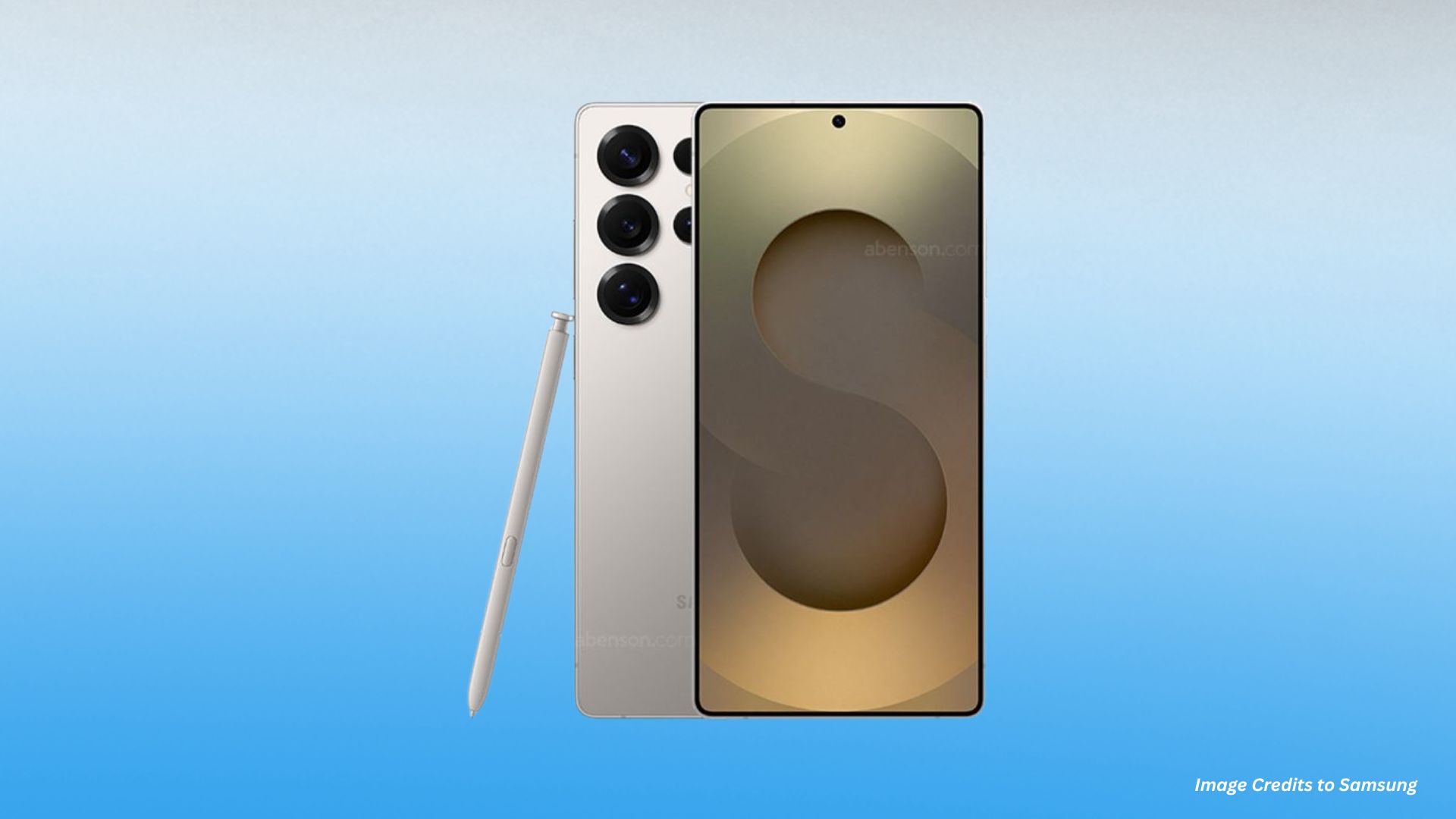
The smartphone camera battle intensifies with three flagship contenders taking distinctly different approaches. Apple prioritizes consistency and professional video, Google pushes AI-powered computational photography to new heights, while Samsung maximizes hardware specifications and zoom capabilities.
Sensor Technology and Resolution
Each manufacturer has developed unique sensor strategies that reflect their overall camera philosophy. The differences in megapixel counts tell only part of the story, as processing power and AI capabilities play increasingly important roles.

| Feature | iPhone 17 Pro | Google Pixel 10 Pro XL | Samsung Galaxy S25 Ultra |
| Main Camera | 48MP, ƒ/1.78 | 50MP, ƒ/1.68 | 200MP, ƒ/1.7 |
| Ultra-Wide | 48MP, ƒ/2.2 | 48MP | 50MP, ƒ/1.9 |
| Telephoto | 48MP, ƒ/2.8 | 48MP, 5x optical | 50MP + 10MP, ƒ/3.4, ƒ/2.4 |
| Front Camera | 18MP, ƒ/1.9 | 42MP | 12MP, ƒ/2.2 |
| Sensor Philosophy | Uniform consistency | AI-enhanced processing | Maximum resolution variety |
| File Management | Balanced sizes | AI-optimized compression | Large file options |
Zoom Capabilities and Performance
Zoom technology represents one of the most competitive aspects of flagship smartphones. Each manufacturer approaches long-range photography differently, combining optical hardware with computational enhancements to achieve impressive results.
| Feature | iPhone 17 Pro | Google Pixel 10 Pro XL | Samsung Galaxy S25 Ultra |
| Optical Zoom | 8x optical-quality | 5x optical, 10x quality | Multiple optical ranges |
| Maximum Digital | 40x digital | 100x Pro Res Zoom | Advanced zoom system |
| Telephoto Design | Tetraprism folded | 5x upgraded telephoto | Multi-focal system |
| Zoom Quality | Consistent optical | AI-enhanced sharpness | Variable by range |
| Video Zoom | 15x during recording | 20x Super Res Video | Professional zoom options |
| Zoom Processing | Hardware-focused | AI computational | Hybrid approach |
Video Recording Standards
Video capabilities showcase each manufacturer’s commitment to content creation. Professional features, resolution options, and stabilization technology vary significantly between these flagship devices.
| Feature | iPhone 17 Pro | Google Pixel 10 Pro XL | Samsung Galaxy S25 Ultra |
| Maximum Resolution | 4K Dolby Vision 120fps | 8K recording capability | UHD 8K @ 30fps |
| Professional Formats | ProRes, ProRes RAW | Standard with AI enhancement | Professional video modes |
| Stabilization | Action mode, sensor-shift | Video Boost stabilization | Advanced OIS system |
| Cinematic Features | 4K Cinematic mode | Night Sight Video | Portrait video modes |
| Special Modes | Spatial video recording | Super steady improvements | Slow motion 240fps |
| Audio Recording | 4 studio mics, spatial | Advanced audio processing | Professional audio capture |
Low Light Photography
Night photography capabilities determine how well cameras perform in challenging conditions. Each manufacturer uses different combinations of hardware improvements and computational processing to capture usable images in darkness.
| Feature | iPhone 17 Pro | Google Pixel 10 Pro XL | Samsung Galaxy S25 Ultra |
| Night Mode | Automatic across all lenses | Night Sight with 8K video | Advanced night photography |
| Aperture Advantage | ƒ/1.78 main camera | ƒ/1.68 wider aperture | ƒ/1.7 main sensor |
| Stabilization | Sensor-shift OIS | Advanced stabilization | Optical image stabilization |
| Processing Power | Photonic Engine | AI-powered enhancement | Multi-frame processing |
| Video Low Light | Night mode video | Night Sight Video glow-up | Night video capabilities |
| Special Features | Night time-lapse | Candlelit dinner quality | Extreme low light capture |
Portrait Photography Excellence
Portrait modes demonstrate how effectively each system can isolate subjects and create professional-looking depth effects. The approaches range from hardware-based solutions to advanced AI-driven processing.
| Feature | iPhone 17 Pro | Google Pixel 10 Pro XL | Samsung Galaxy S25 Ultra |
| Portrait Resolution | 48MP capability | 50MP portrait mode | 200MP detail potential |
| Depth Control | Focus and depth adjustment | Professional editing quality | Natural bokeh effects |
| Subject Detection | People-focused system | Advanced AI recognition | Multi-subject capability |
| Background Effects | 6 lighting modes | AI background replacement | Professional portrait modes |
| Edge Detection | Reliable with people | Best-in-class AI accuracy | Hardware-assisted precision |
| Front Portrait | 18MP front camera | 42MP sharp selfies | 12MP with processing |
Computational Photography Features
AI and machine learning capabilities increasingly define modern smartphone cameras. Each manufacturer leverages artificial intelligence differently to enhance photos and provide unique editing experiences.
| Feature | iPhone 17 Pro | Google Pixel 10 Pro XL | Samsung Galaxy S25 Ultra |
| AI Processing | Deep Fusion, Smart HDR | Gemini-powered coaching | Scene optimization |
| Editing Features | Photographic Styles | Ask Photos editing | Professional editing suite |
| Real-time AI | Live processing | Camera Coach guidance | Scene recognition |
| Object Manipulation | Limited removal | Magic Eraser advanced | Object editing tools |
| Group Photos | Standard processing | Best Take automation | Group optimization |
| Learning Capability | Style preferences | Gemini model integration | Adaptive scene learning |
Ultra-Wide Camera Performance
Ultra-wide cameras handle expansive landscapes and creative compositions. Implementation differences affect image quality, distortion control, and special features like macro photography.
| Feature | iPhone 17 Pro | Google Pixel 10 Pro XL | Samsung Galaxy S25 Ultra |
| Resolution | 48MP ultra-wide | 48MP with macro focus | 50MP ultra-wide |
| Field of View | 120 degrees | Wide imagination capture | Professional wide angles |
| Macro Capability | 48MP macro photography | Super sharp Macro Focus | Close-up photography |
| Distortion Control | Automatic correction | Computational processing | Advanced correction |
| Low Light Ultra | Night mode support | Enhanced processing | Multi-frame capability |
| Special Features | Consistent quality | Landscape optimization | Professional wide shots |
Front-Facing Camera Capabilities
Selfie cameras have evolved beyond basic functionality to include advanced features like autofocus, wide angles, and professional video recording capabilities.
| Feature | iPhone 17 Pro | Google Pixel 10 Pro XL | Samsung Galaxy S25 Ultra |
| Resolution | 18MP Center Stage | 42MP front-facing | 12MP front camera |
| Field of View | Auto-framing | 103-degree wide selfie | Standard selfie angle |
| Autofocus | Focus Pixels system | Advanced autofocus | Standard focusing |
| Video Capability | 4K Dolby Vision | High-quality recording | Professional selfie video |
| Special Features | Center Stage tracking | Sharp in dim light | Portrait selfie modes |
| Group Selfies | Auto-centering | Wide angle inclusion | Group optimization |
Battery Performance During Camera Use
Camera features significantly impact battery life, with different processing approaches and recording modes affecting power consumption across these flagship devices.
| Feature | iPhone 17 Pro | Google Pixel 10 Pro XL | Samsung Galaxy S25 Ultra |
| Video Playback | Up to 31 hours | Extended recording time | Professional usage time |
| Camera Processing | Efficient iOS integration | AI processing intensive | Variable by mode |
| Fast Charging | 50% in 20-30 minutes | Advanced charging system | Rapid charging capability |
| Battery Capacity | Optimized for performance | Enhanced for AI features | 5000mAh capacity |
| Power Management | Hardware-software balance | Adaptive AI management | Professional power options |
| Recording Endurance | Extended video capability | 8K recording support | Professional recording time |
The competition between iPhone 17 Pro cameras, Google Pixel 10 Pro XL, and Samsung Galaxy S25 Ultra showcases three distinct philosophies. Apple delivers consistent professional results with excellent video capabilities, Google pushes AI-powered photography innovation with coaching and editing features, while Samsung provides maximum hardware flexibility with extreme zoom and resolution options.
Each system excels in different areas, making the choice dependent on individual priorities and shooting styles. Professional content creators might prefer iPhone’s video capabilities, AI enthusiasts will gravitate toward Pixel’s computational features, while photography specialists may appreciate Samsung’s hardware versatility and zoom range.
See more from DIYPhotography.net on Google
Add DIYPhotography.net as a trusted source. This makes
our stories more likely to appear in your Google Search results.
 Add as a preferred source on Google

Darlene Lleno
Darlene Lleno brings a unique perspective to DIY Photography as someone who grew up surrounded by camera gear but chose words over lenses. With five years of writing experience, she specializes in photography content that’s both technically informed and genuinely passionate. Growing up with a photographer twin brother meant camera talk was everyday conversation in her household. While he mastered capturing moments, Darlene discovered she preferred being the subject and the storyteller behind the scenes. As a travel enthusiast and mother of two, she understands the importance of preserving life’s precious moments. When not exploring new destinations or writing for DIY Photography, you’ll find her reading or tending to her garden. Her approach to photography writing is refreshingly authentic, she may not be behind the camera, but she knows exactly what it takes to help others capture the shots that matter most.
Related Posts
 The Samsung Galaxy S9+ & Pixel 2 XL cameras go up against each other in this in-depth comparison
 Google goes ultra-wide with the new Pixel 5 and Pixel 4a phones
 Can the 108mp Samsung Galaxy S21 Ultra stand up against a $6,000 pro DSLR?
 Samsung Galaxy S9 Plus camera knocks the Google Pixel 2 off its top spot
Join the Discussion
DIYP Comment Policy
Be nice, be on-topic, no personal information or flames.