





















Best Android Camera Phone Options: Which Flagship Takes the Best Photos?
Sep 3, 2025
Darlene Lleno
Darlene Lleno brings a unique perspective to DIY Photography as someone who grew up surrounded by camera gear but chose words over lenses. With five years of writing experience, she specializes in photography content that’s both technically informed and genuinely passionate. Growing up with a photographer twin brother meant camera talk was everyday conversation in her household. While he mastered capturing moments, Darlene discovered she preferred being the subject and the storyteller behind the scenes. As a travel enthusiast and mother of two, she understands the importance of preserving life’s precious moments. When not exploring new destinations or writing for DIY Photography, you’ll find her reading or tending to her garden. Her approach to photography writing is refreshingly authentic, she may not be behind the camera, but she knows exactly what it takes to help others capture the shots that matter most.
Share:
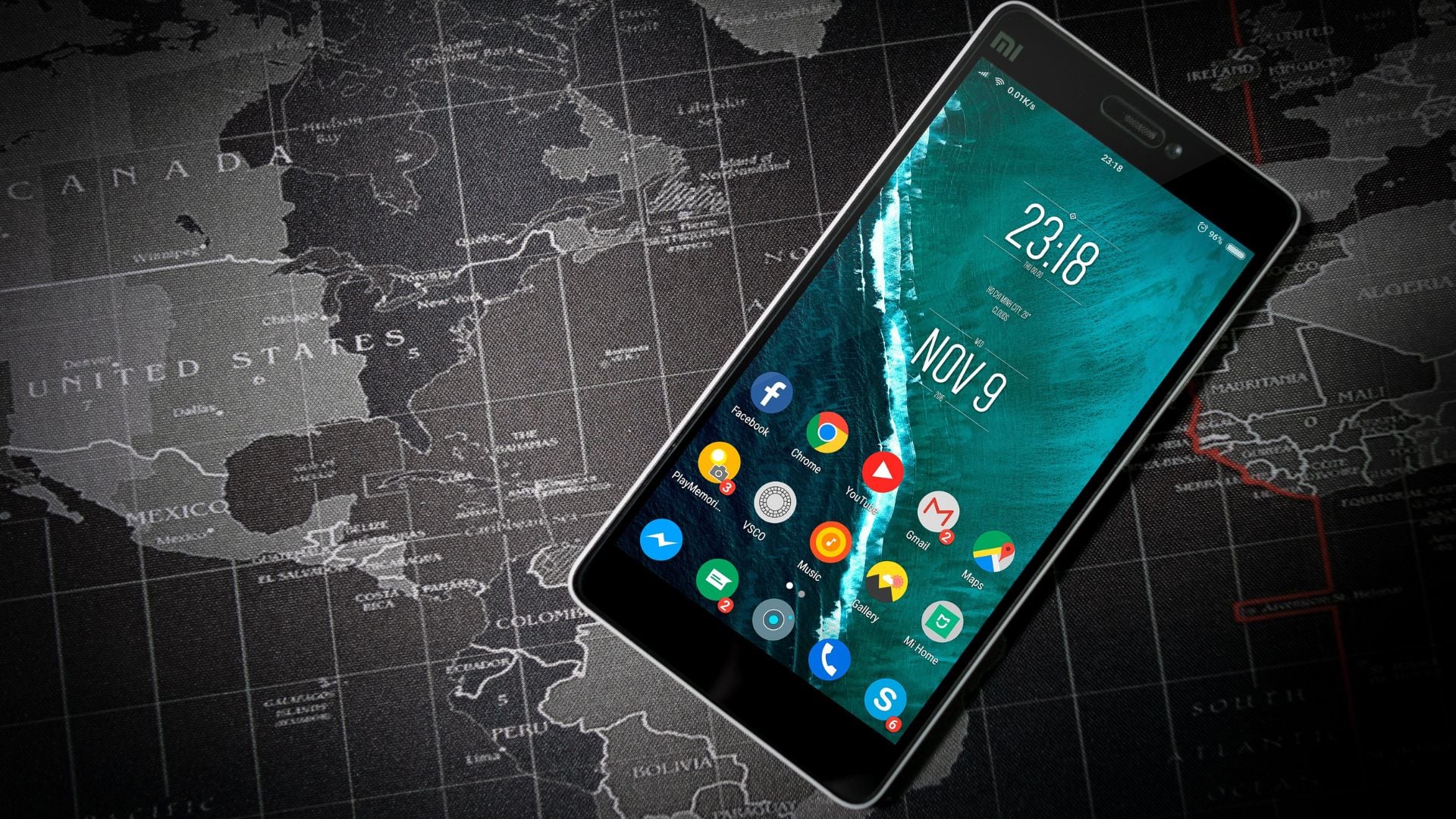
Looking for the best camera android phone? You’re in the right place. Mobile photography has completely changed how we capture memories, and today’s Android phones pack serious camera tech that rivals professional equipment.
Android manufacturers have been pushing camera technology to incredible heights. We’re talking about phones with 200MP sensors, periscope zoom lenses, and AI processing that makes every shot look amazing. The competition between Samsung, Google, Xiaomi, and OnePlus has been fierce, and that’s great news for photographers like us.
The truth is, your phone is probably the camera you use most. So getting one with excellent camera capabilities makes total sense. Whether you’re snapping family photos, creating content for social media, or even doing professional work, the best camera android phone can handle it all.
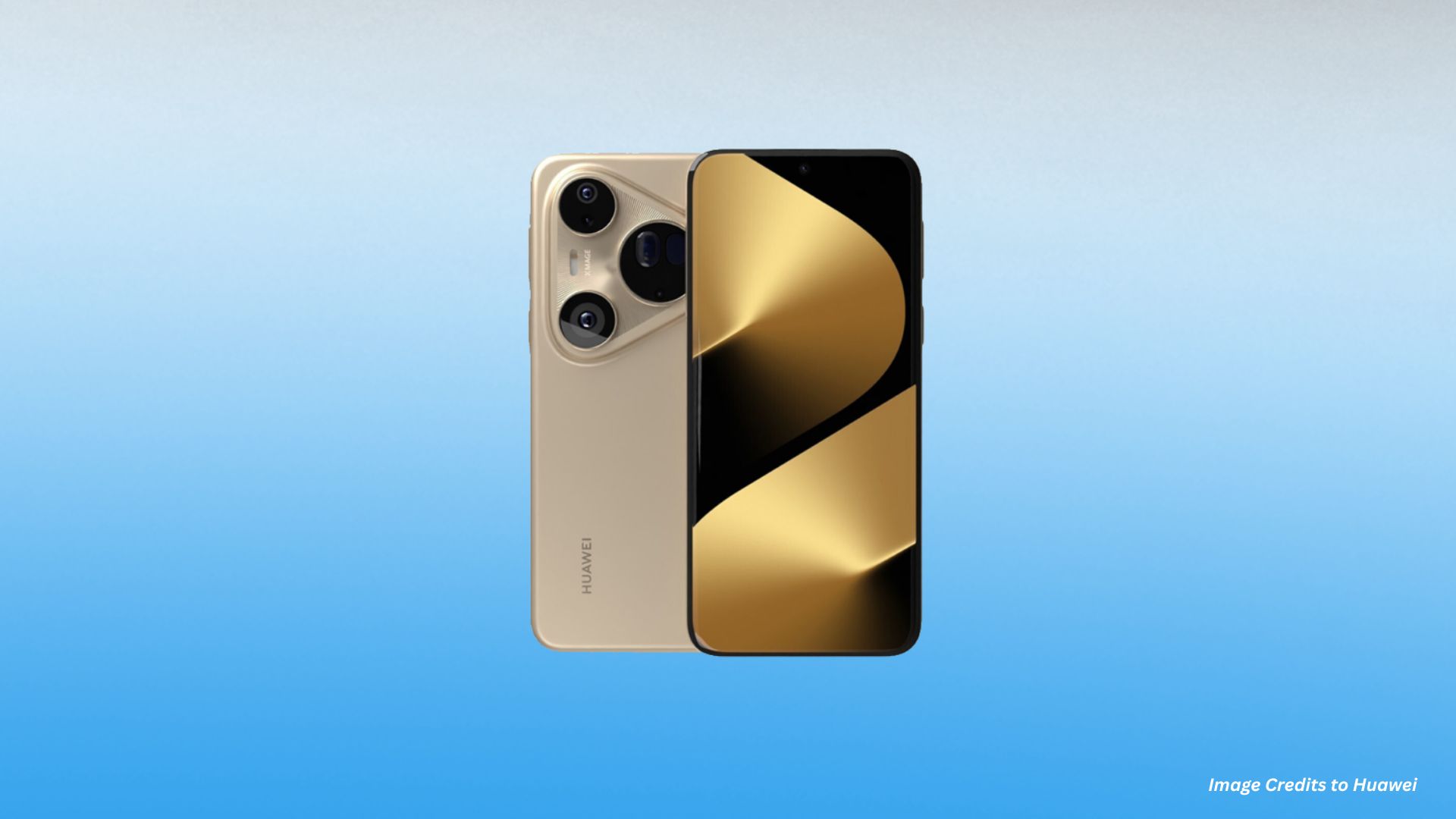
1. Huawei Pura 80 Ultra: The Technical Leader
DXOMARK Score: 175 (Ranked #1 globally – Highest score ever recorded)
The Huawei Pura 80 Ultra has made history by achieving the highest DXOMARK camera score ever recorded, setting new benchmarks across multiple categories. Released in July 2025, this flagship represents the absolute pinnacle of smartphone camera technology, combining groundbreaking hardware innovations with advanced computational photography that surpasses all competitors.
Why It Excels:
- Industry-first Switchable Dual Telephoto Camera system with 3.7x and 9.4x optical zoom using the same large 1/1.28″ sensor
- Revolutionary 1-inch Ultra Lighting HDR main sensor with LOFIC (Lateral OverFlow Integration Capacitor) technology for enhanced dynamic range
- Variable aperture technology (f/1.6-f/4.0) on main sensor provides optimal performance across all lighting conditions
- Record-setting 16EV dynamic range – the highest ever achieved in a smartphone camera system
- Advanced multispectral sensor technology for superior color accuracy and natural skin tone rendering
- Exceptional low-light performance with minimal noise and superior detail retention across all focal lengths
- Outstanding video capabilities with industry-leading stabilization and professional-grade recording features
- Consistent image quality that excels in the most challenging lighting scenarios where other flagship phones struggle
Camera Specs:
- 50MP main sensor (1-inch) with variable aperture (f/1.6-f/4.0), LOFIC technology, RYYB color filter, and OIS
- 40MP ultrawide (f/2.2, 13mm equivalent, 120° FOV) with macro capabilities and autofocus
- 50MP Switchable Dual Telephoto (1/1.28″ sensor – largest telephoto sensor in smartphones):
- Lens 1: 83mm equivalent f/2.4 (3.7x optical zoom) – 50MP output
- Lens 2: 212mm equivalent f/3.6 (9.4x optical zoom) – 12.5MP output
- 13MP selfie camera with autofocus and advanced portrait features
- Advanced Kirin 9020 image signal processor with dedicated NPU for AI processing
The Pura 80 Ultra represents a quantum leap in smartphone photography technology. The innovative dual telephoto system uses a sophisticated motorized light-blocking mechanism to switch between focal lengths while maintaining the largest telephoto sensor ever used in a smartphone. Combined with the record-breaking main sensor featuring LOFIC technology, the device delivers unmatched image quality across all shooting scenarios.
However, the same limitations remain: limited global availability, restricted Google services support, and premium pricing. For those who can access it and are willing to work around these constraints, the Pura 80 Ultra offers absolutely unmatched camera performance that sets a new standard for mobile photography.
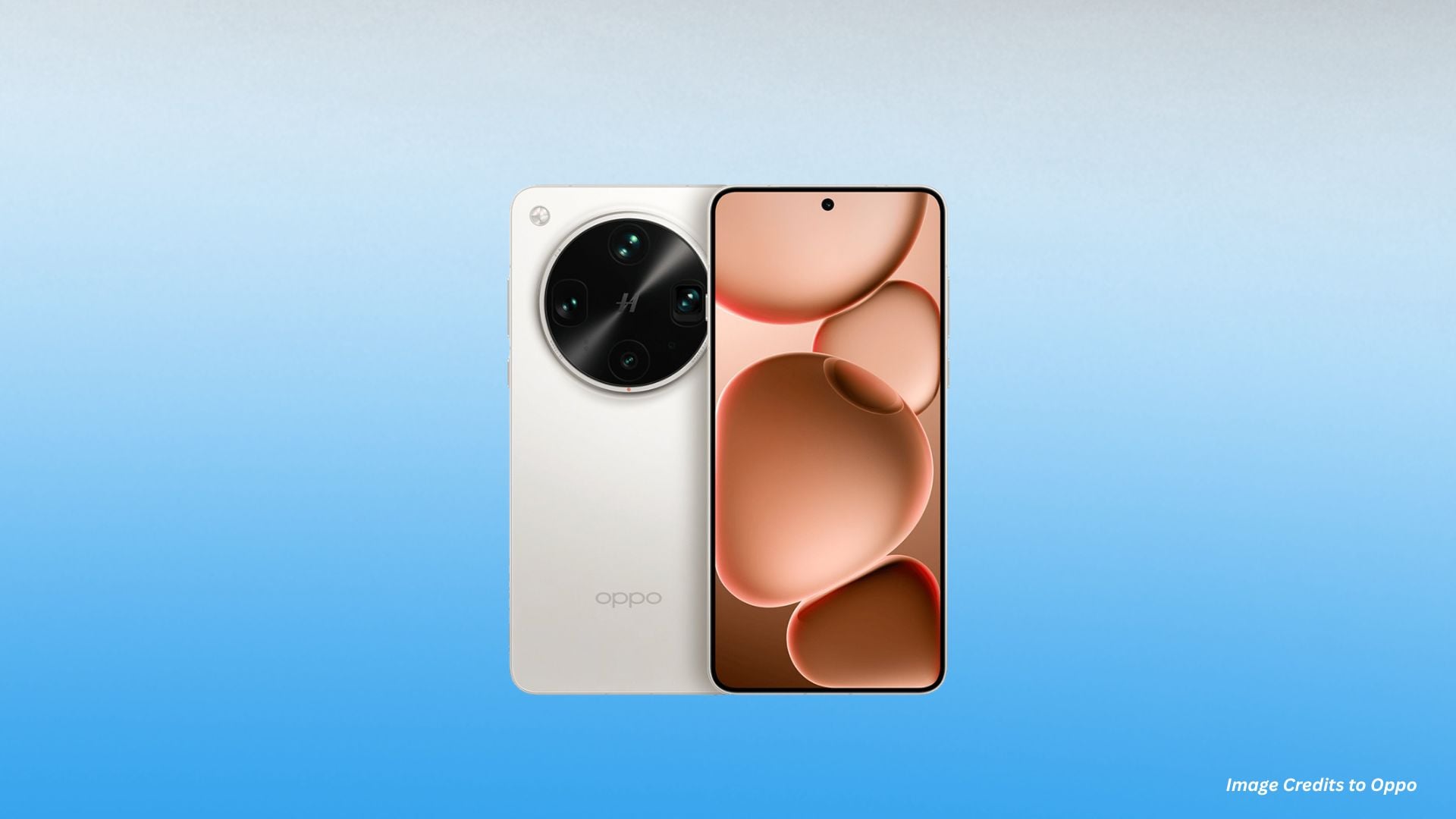
2. Oppo Find X8 Ultra: The Balanced Excellence
DXOMARK Score: 169 (Ranked #2 globally)
The Oppo Find X8 Ultra represents a masterclass in balanced camera engineering, earning the second-highest DXOMARK score ever recorded. This flagship combines cutting-edge hardware with sophisticated computational photography, delivering exceptional performance across all shooting scenarios while maintaining remarkable build quality in an impressively thin design.
Why It Excels:
- Five sensors including a dedicated True Chroma sensor for unprecedented color accuracy
- Currently the best overall performer in DXOMARK’s low-light imaging tests
- Enhanced 3x and 6x telephoto systems with larger sensors and improved optics
- Industry-leading bokeh rendering with natural subject-background separation
- 4K 120fps recording with Dolby Vision HDR and advanced stabilization
- Natural, professional-looking color reproduction without oversaturation
Camera Specs:
- 50MP main sensor (1-inch Sony LYT-900) with f/1.8 aperture, 8-element lens, and OIS
- 50MP ultrawide (Samsung JN5) with f/2.0 aperture, 120° field of view, and PDAF
- 50MP short telephoto (3x periscope) with f/2.1 aperture, 70mm equivalent, and 10cm minimum focus distance
- 50MP long telephoto (6x periscope) with f/3.1 aperture, 135mm equivalent, and OIS
- True Chroma sensor for advanced color temperature measurement and skin tone accuracy
- 32MP selfie camera with PDAF and 4K video recording
- Advanced Snapdragon 8 Elite processor with HyperTone Image Engine
The Oppo Find X8 Ultra represents the perfect balance between innovation and practicality in smartphone photography. While it may not have the absolute cutting-edge sensor technology of the Huawei Pura 80 Ultra, it delivers consistently excellent results across all shooting scenarios with remarkable user-friendliness. The True Chroma sensor technology addresses one of the most persistent issues in smartphone photography – accurate color reproduction – making it ideal for users who want professional-quality results without complex manual controls.
3. Vivo X200 Ultra: The Portrait Photography Specialist
DXOMARK Score: 167 (Ranked #3 globally)
The Vivo X200 Ultra breaks conventional smartphone camera design with its innovative 35mm main camera, creating a device specifically optimized for portrait photography while delivering exceptional overall performance. This Zeiss-powered flagship demonstrates how strategic hardware choices can create unique photographic experiences that set it apart from the competition.

Why It Excels:
- Unique focal length provides natural depth of field and superior portrait perspective
- Large 1/1.28″ sensor delivers exceptional quality across all lighting conditions
- 200MP periscope camera with impressive detail retention up to 10x zoom
- Co-engineered lenses deliver natural color reproduction and minimal distortion
- Revolutionary 8.7x zoom extension lens and professional grip accessories
Advanced Video Capabilities: 4K 120fps recording across all sensors with superior stabilization
Camera Specs:
- 50MP main sensor (1/1.28″ Sony LYT-818) with f/1.7 aperture, 35mm equivalent focal length, and OIS
- 50MP ultrawide (1/1.28″ Sony LYT-818) with f/2.0 aperture, 14mm equivalent, and dual-pixel PDAF
- 200MP telephoto (1/1.4″ Samsung HP9) with f/2.3 aperture, 85mm equivalent, 3.7x optical zoom, and OIS
- 32MP selfie camera with f/2.0 aperture and 4K video recording
- Advanced Snapdragon 8 Elite processor with V3+ and VS1 imaging chips
- Optional Zeiss 2.35x teleconverter extending zoom to 8.7x optical (200mm equivalent)
The Vivo X200 Ultra takes a bold approach to smartphone camera design that pays off handsomely for specific use cases. The 35mm main camera creates a unique shooting experience that’s particularly well-suited to portrait photography, street photography, and situations where natural depth of field matters more than ultra-wide versatility. The Zeiss partnership delivers exceptional optical quality with natural color reproduction that appeals to photography purists.
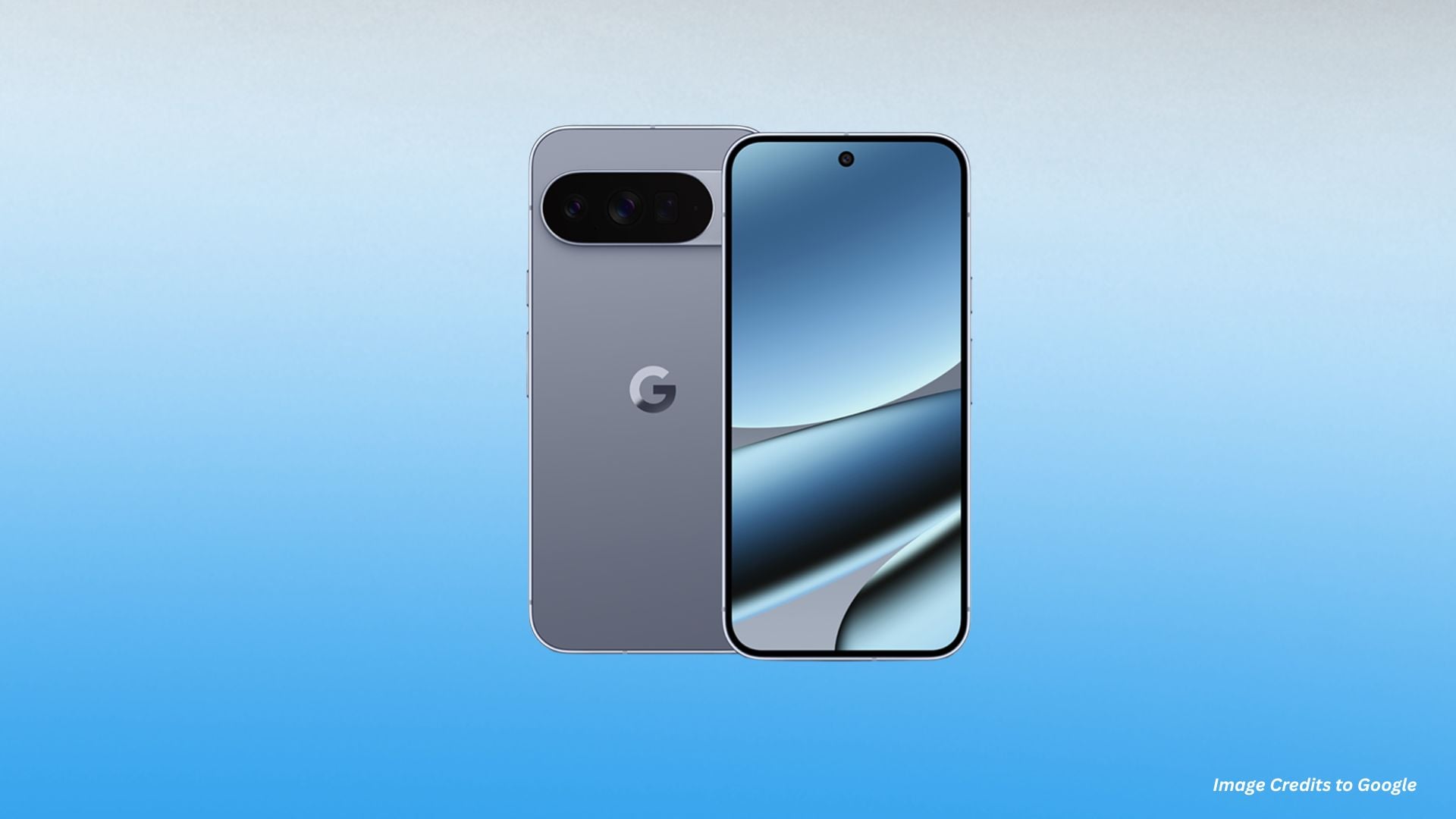
4. Google Pixel 10 Pro XL: The Smart Photography King
DXOMARK Score: 163 (Ranked #4 globally)
The Google Pixel 10 Pro XL represents Google’s latest evolution in computational photography, combining the same proven camera hardware as its predecessor with the revolutionary Tensor G5 chipset. This flagship device demonstrates how advanced AI processing can significantly enhance camera performance without requiring entirely new sensors, earning recognition as a “solid jack of all trades performer” in professional reviews.
Why It Excels:
- Industry-leading 100x zoom capability using advanced generative AI that reconstructs fine details rather than simple digital cropping
- Dramatically improved computational photography performance over the Pixel 9 Pro XL despite using identical camera modules
- Gemini-based intelligent guidance system that provides real-time composition, lighting, and shooting suggestions
- Video Boost delivers cinema-quality stabilization and processing, with the ultra-wide camera achieving the highest video score (145) in DXOMARK testing
- Intelligent object removal, group shot optimization, and conversational photo editing through “Ask Photos”
- Excellent white balance accuracy and pleasing skin tone rendering across various lighting conditions
- Well-balanced exposure, wide dynamic range, and reliable autofocus across all shooting scenarios
Camera Specs:
- 50MP main sensor (1/1.3″) with f/1.68 aperture, Octa PD autofocus, and OIS
- 48MP ultrawide (1/2.55″) with f/1.7 aperture, 123° field of view, Quad PD autofocus, and Macro Focus capability
- 48MP telephoto (1/2.55″) with f/2.8 aperture, 5x optical zoom, Quad PD autofocus, and OIS
- 42MP selfie camera with autofocus and advanced portrait features
- Advanced Tensor G5 image signal processor with dedicated ML processing units
The Pixel 10 Pro XL showcases Google’s philosophy that superior computational photography can overcome hardware limitations. While competitors focus on larger sensors and complex optical systems, Google leverages advanced AI to deliver exceptional results from proven hardware. The Pro Res Zoom feature represents a significant breakthrough in smartphone photography, using generative AI to reconstruct details at extreme zoom levels that would be impossible with traditional digital zoom.
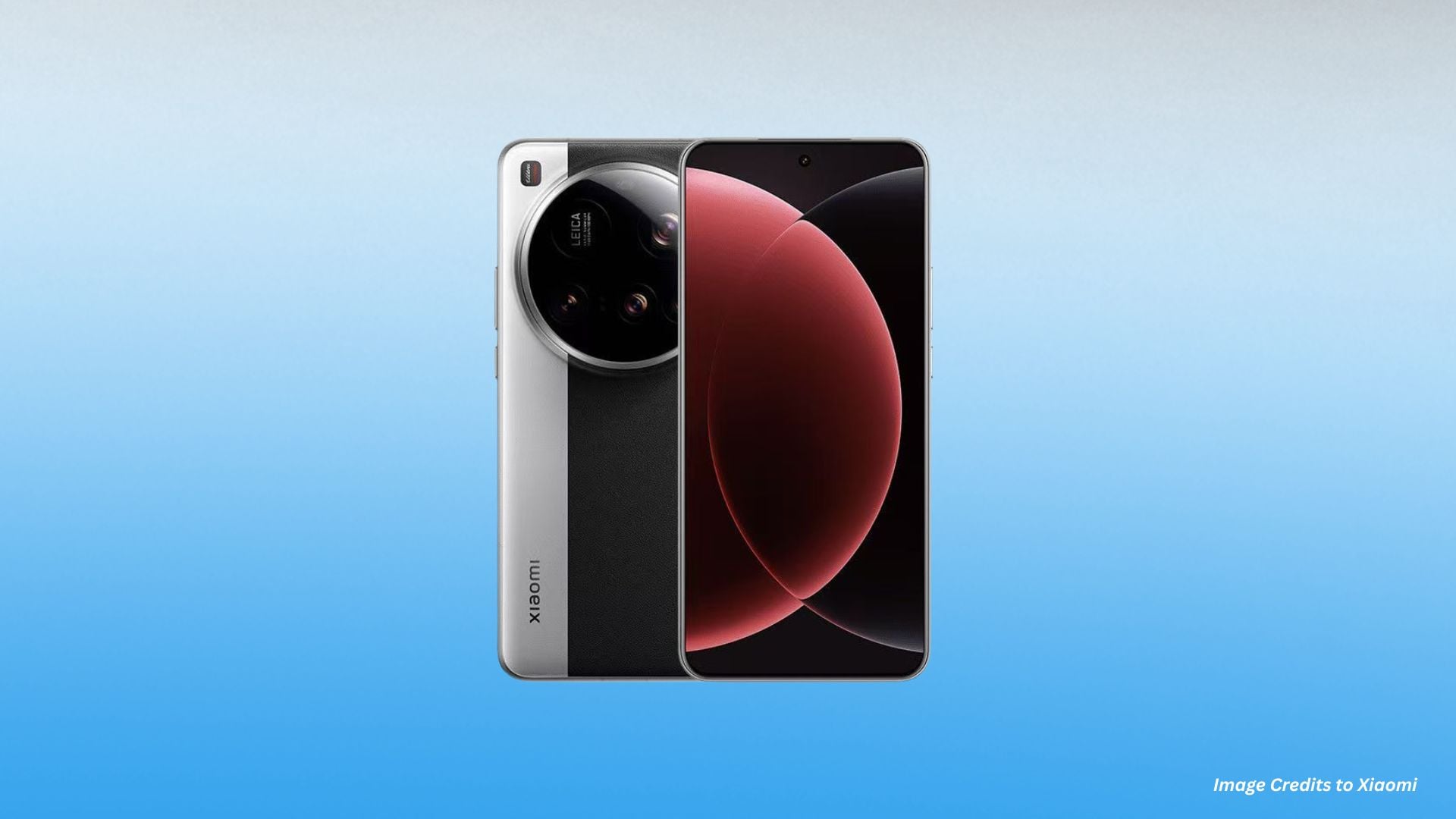
5. Xiaomi 15 Ultra: The Photography Enthusiast’s Dream
DXOMARK Score: 159 (Ranked #8 globally)
For serious mobile photographers, the Xiaomi 15 Ultra deserves attention as it prioritizes absolute image quality over marketing gimmicks. The Leica partnership has created exceptional hardware that focuses on delivering professional-grade results, making it the choice for users who prioritize camera performance above all else.
Why It Excels:
- Largest smartphone sensor available (1-inch main sensor) for superior light gathering and natural depth of field
- Dual telephoto system optimized for different zoom ranges provides exceptional versatility without quality compromise
- Professional-grade video capabilities with advanced features typically found in dedicated cameras
- Leica color science and optics deliver natural, film-like image quality with superior dynamic range
- Superior build quality with aerospace-grade materials and proper weather sealing
- Consistent image quality across all focal lengths without dramatic quality drops
- Advanced manual controls and professional shooting modes
- Excellent low-light performance thanks to large sensor sizes across all cameras
Camera Specs:
- 50MP main sensor (1-inch) with OIS, f/1.63
- 50MP ultrawide (f/1.8, 122° FOV) with macro capabilities and autofocus
- 50MP 3x telephoto (f/2.0, 75mm equivalent) with OIS
- 50MP 5x periscope telephoto (f/3.0, 120mm equivalent) with OIS
- 32MP selfie camera with autofocus
The trade-off is a substantially larger camera bump and higher price point, but the image quality justifies the investment for photography enthusiasts who demand the absolute best. The phone’s size and weight make it less suitable for casual users, but serious photographers will appreciate the uncompromising approach to camera hardware.
6. Samsung Galaxy S25 Ultra: The All-Around Champion
DXOMARK Score: 151 (Ranked #20 globally)
While Samsung markets the S25 Ultra heavily as a camera flagship, professional testing reveals it doesn’t lead the pack. The phone offers impressive versatility with its four-camera system, but faces significant limitations with its 200MP sensor implementation that often prioritizes marketing specs over real-world performance.
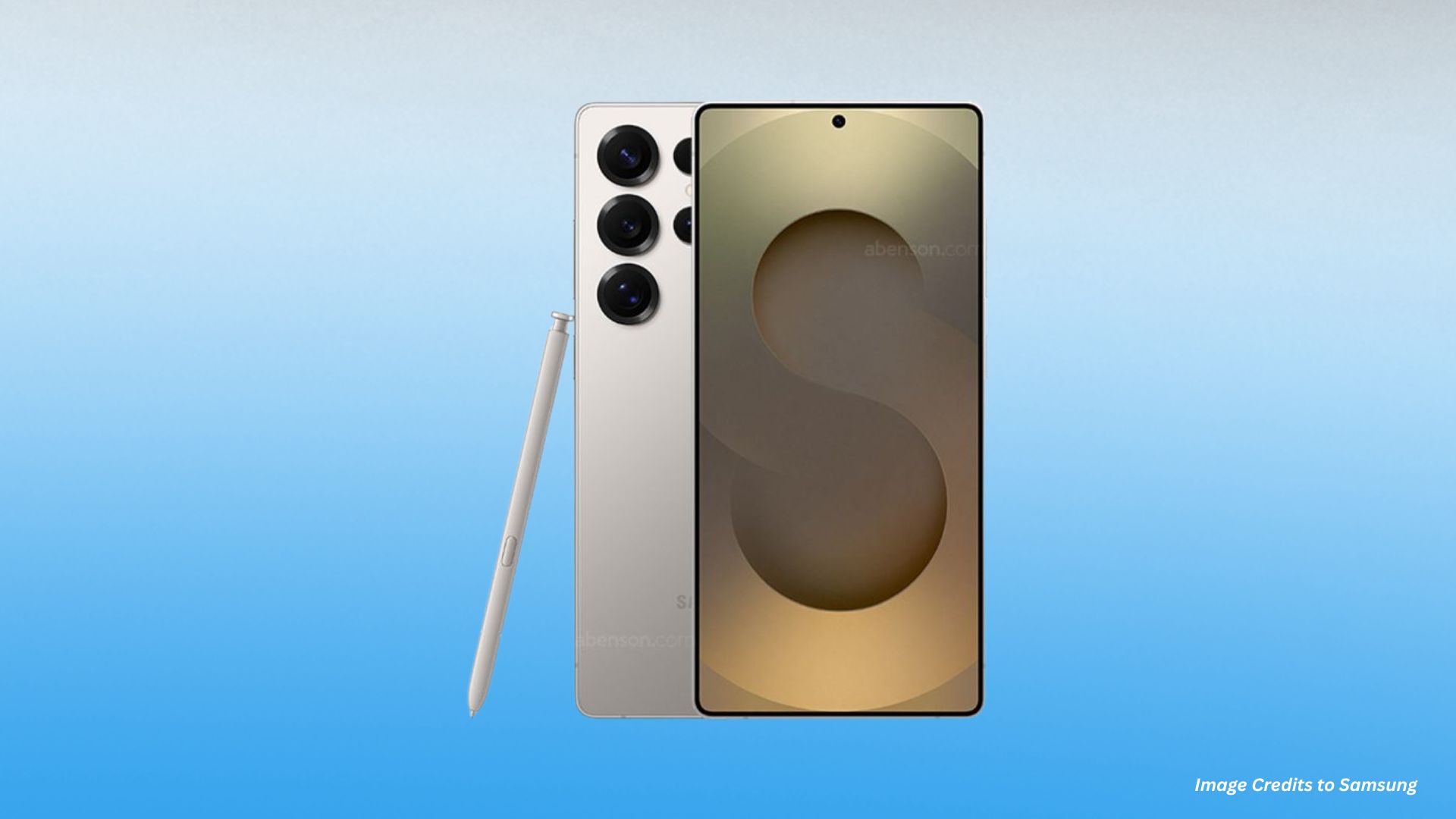
Why It Excels:
- Four-camera system provides extensive focal length versatility (0.6x to 100x)
- Good zoom performance at 3x and 5x optical ranges with dedicated telephoto lenses
- Improved 50MP ultrawide camera delivers better low-light performance than predecessor
- Samsung Expert Raw App (Free) provides professional-grade controls including manual settings, RAW capture, astrophotography, and virtual aperture
- S Pen integration allows for precise framing and remote shooting capabilities
- Excellent video recording with 8K capabilities and professional features like Log recording
- Extensive manual controls in the default camera app for advanced users
- Strong performance in well-lit conditions with vibrant, eye-catching colors
Camera Specs:
- 200MP main sensor (1/1.3″) with OIS, f/1.7
- 50MP ultrawide (f/1.9, 120° FOV) with dual pixel PDAF
- 10MP 3x telephoto (f/2.4, 67mm equivalent) with OIS
- 50MP 5x periscope telephoto (f/3.4, 111mm equivalent) with OIS
- 12MP selfie camera with autofocus
The S25 Ultra‘s 200MP sensor, while impressive on paper, suffers from noise issues at full resolution and poor zoom quality beyond 10x. DXOMARK noted “noise reduction instabilities across consecutive shots” and occasional HDR processing failures. However, the free Expert Raw app significantly enhances capabilities for serious photographers willing to shoot manually.
Understanding What Makes the Best Camera Android Phone
Not all smartphone cameras are created equal, and knowing what to look for can save you from buyer’s remorse. When evaluating mobile cameras, several factors separate the good from the great. Let’s break down what really matters for photography performance.
Sensor Size and Megapixel Count
Bigger sensors generally capture more light, leading to better image quality. The megapixel race has cooled down a bit, with manufacturers focusing more on sensor quality than just raw numbers. That said, high-resolution sensors like Samsung’s 200MP setup offer benefits for cropping and digital zoom.
Modern phones use pixel-binning technology, combining multiple small pixels into larger effective pixels. This improves low-light performance while still maintaining the option for high-resolution capture when needed.
Zoom Capabilities Revolution
Periscope zoom technology has transformed mobile photography. These systems use mirrors and prisms to fit long telephoto lenses inside thin phone bodies. The best camera android phone models now offer 5x, 10x, or even higher optical zoom levels.
The key isn’t just maximum zoom range but image quality across all zoom levels. Phones like the Galaxy S25 Ultra excel because they maintain consistent image quality whether you’re shooting wide or zoomed in tight.
Computational Photography and AI
This is where things get really interesting. Modern smartphones don’t just capture what the sensor sees – they analyze and enhance every image using AI algorithms.
Features like automatic HDR, scene detection, and smart exposure adjustments happen in real-time. The best systems are invisible to the user but dramatically improve the final image quality.
Google leads in this area, but Samsung and other manufacturers are catching up quickly with their own AI implementations.
Video Recording Features
Video capabilities have become just as important as still photography. The best camera android phone models support 4K recording at high frame rates, professional video formats like Log, and advanced stabilization systems.
Features like cinematic mode for shallow depth of field video and professional-grade audio recording make these phones viable tools for content creators and filmmakers.
Best Camera Android Phone for Different Needs
One size definitely doesn’t fit all when it comes to smartphone photography, so let’s break down which phones work best for specific use cases. Your photography goals should drive your phone choice – whether that’s professional work, social media content, or budget-conscious shooting.
Professional Photography Work
For serious photography work, the Xiaomi 15 Ultra and Samsung Galaxy S25 Ultra are your best bets. Both offer manual controls, RAW capture, and the image quality needed for professional applications.
The large sensors and advanced optics in these phones can produce images suitable for print work and commercial applications. The key is understanding the limitations and working within them.
Content Creation and Social Media
If you’re creating content for Instagram, TikTok, or YouTube, the Google Pixel 9 Pro XL might be your perfect match. The automatic processing produces images that look great straight out of the camera, perfect for quick posting.
The consistent color reproduction and excellent video stabilization make content creation workflows much smoother.
Budget-Conscious Photography
You don’t need to spend flagship money to get good camera performance. Phones in the mid-range segment now offer capabilities that were flagship-exclusive just a few years ago.
Look for phones with good main camera sensors and decent low light performance. You might sacrifice some zoom range or ultra-wide quality, but the core photography experience can still be excellent.
Advanced Photography Features Worth Knowing
Modern smartphones pack features that would have been impossible just a few years ago, and understanding them can dramatically improve your photography. These cutting-edge capabilities are what separate today’s best camera android phone models from basic smartphones and even older flagship devices.
Portrait Mode Excellence
Modern portrait modes go far beyond simple background blur. Advanced depth mapping and AI processing create professional-looking results that rival dedicated cameras.
The best systems accurately separate subjects from backgrounds while maintaining natural-looking bokeh. Edge detection has improved dramatically, even handling difficult subjects like hair and glasses.
Night Photography Capabilities
Low-light photography used to be impossible on phones. Modern night modes change that completely, using computational techniques to capture usable images in near-darkness.
These systems work by capturing multiple exposures and combining them intelligently. The processing corrects for camera shake, aligns multiple frames, and enhances details while controlling noise.
Understanding different metering modes becomes crucial in challenging lighting situations. The best camera android phone models give you options beyond simple automatic exposure.
Macro Photography Innovation
Many phones now include dedicated macro capabilities, usually through the ultra-wide camera. While these aren’t replacement for dedicated macro lenses, they open up creative possibilities for close-up photography.
The key is understanding the limitations and working within the optimal focus distance for best results. Proper light metering becomes especially important for macro work where lighting can be tricky.
Camera Controls and Technical Features
Understanding your phone’s camera controls can dramatically improve your results. Modern Android phones offer extensive manual controls that rival dedicated cameras.
The best camera android phone models include features like TTL flash control, manual focus, and comprehensive exposure compensation. Learning to use these features effectively separates casual snapshots from serious photography.
Professional photographers appreciate having access to features like histogram displays, focus peaking, and zebra stripes for exposure monitoring. These tools help ensure technical accuracy while maintaining creative control.
Making Your Choice: Which Best Camera Android Phone is Right for You?
The best camera android phone for you depends on your specific needs and budget. Here’s how to think about your decision:
Choose the Samsung Galaxy S25 Ultra if you want the most versatile camera system with excellent performance across all situations. It’s the safest choice for most people who prioritize camera quality.
Go with the Google Pixel 9 Pro XL if you value ease of use and consistently good results without manual adjustments. The computational photography is unmatched for point-and-shoot excellence.
Pick the Xiaomi 15 Ultra if you’re a photography enthusiast who wants the absolute best image quality and doesn’t mind a larger, more expensive phone. The Leica partnership delivers exceptional results.
Consider the OnePlus 13 if you want flagship camera performance at a more reasonable price point. It offers excellent value without major compromises.
When evaluating options, consider testing the camera performance through reviews from trusted sources and independent testing labs that provide detailed analysis of image quality across different scenarios.
Finding the Best Android Camera Phone
Smartphone cameras continue evolving rapidly. AI processing is getting more sophisticated, sensor technology keeps improving, and new features like computational zoom are pushing boundaries further.
The gap between smartphone cameras and dedicated cameras continues shrinking. For many types of photography, the best camera android phone can already deliver professional-quality results.
The convenience factor can’t be ignored either. Your phone is always with you, ready to capture unexpected moments. Having excellent camera capabilities in your pocket means you’ll never miss that perfect shot.
Whether you’re documenting family memories, building a social media presence, or even doing professional work, today’s best camera android phone models offer capabilities that seemed impossible just a few years ago. The key is understanding what features matter most for your photography style and choosing accordingly.
Remember, the best camera is still the one you have with you. Any of these flagship Android phones will capture amazing images. The choice comes down to which combination of features, price, and user experience fits your photography needs best.
See more from DIYPhotography.net on Google
Add DIYPhotography.net as a trusted source. This makes
our stories more likely to appear in your Google Search results.
 Add as a preferred source on Google

Darlene Lleno
Darlene Lleno brings a unique perspective to DIY Photography as someone who grew up surrounded by camera gear but chose words over lenses. With five years of writing experience, she specializes in photography content that’s both technically informed and genuinely passionate. Growing up with a photographer twin brother meant camera talk was everyday conversation in her household. While he mastered capturing moments, Darlene discovered she preferred being the subject and the storyteller behind the scenes. As a travel enthusiast and mother of two, she understands the importance of preserving life’s precious moments. When not exploring new destinations or writing for DIY Photography, you’ll find her reading or tending to her garden. Her approach to photography writing is refreshingly authentic, she may not be behind the camera, but she knows exactly what it takes to help others capture the shots that matter most.



Join the Discussion
DIYP Comment Policy
Be nice, be on-topic, no personal information or flames.