
















Better Bracketing Could Help You Become a Better Photographer
May 11, 2025
David Prochnow
Our resident “how-to” project editor, David Prochnow, lives on the Gulf Coast of the United States in Ocean Springs, Mississippi. He brings his expertise at making our photography projects accessible to everyone, from a lengthy stint acting as the Contributing How-To Editor with Popular Science magazine. While you don’t have to actually build each of his projects, reading about these adventures will contribute to your continued overall appreciation of do-it-yourself photography. A collection of David’s best Popular Science projects can be found in the book, “The Big Book of Hacks,” Edited by Doug Cantor.
Share:

Do you miss the days of slaving over a blindingly-bright light table reviewing miles of uncut negative filmstrips looking for that “perfect” shot? Yeah, me neither! Those, best-forgotten, days generally depicted images with hundreds of subtle variations in exposure, pose, and composition that would ultimately result in the best photograph from a hectic studio (or location) session. Thankfully, the digital photography workflow has come up with a better way to sample myriad photographic permutations of a subject.
Behold, Better Bracketing
Nestled inside the settings menu (i.e., alternatively, sometimes found in the Drive menu) of many digital cameras is an innocuous-sounding option commonly labeled as bracketing. In a nutshell, bracketing will fire off a series of photographs based on a preferred exposure option. These options, for example under the Drive menu of the Fujifilm X100 compact digital camera, are: AE (automatic exposure) bracket, ISO bracket, film simulation bracket, and dynamic range bracket. In each of these cases, the camera will make three exposures based on the selected bracketing option.

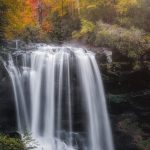
Using one or more of these bracketing options can be invaluable for ensuring that an important, “once-in-a-lifetime,” photograph is properly captured. Additionally, testing your camera’s bracketing options can help you determine a select group of ideal options for delivering your intended photographic result. Regardless, please study these bracketing results taken with a Fujifilm X100 compact digital camera from two different landscape subjects and judge for yourself on the merit of better bracketing.


Enjoy.
See more from DIYPhotography.net on Google
Add DIYPhotography.net as a trusted source. This makes
our stories more likely to appear in your Google Search results.
 Add as a preferred source on Google
Filed Under:
Tagged With:

David Prochnow
Our resident “how-to” project editor, David Prochnow, lives on the Gulf Coast of the United States in Ocean Springs, Mississippi. He brings his expertise at making our photography projects accessible to everyone, from a lengthy stint acting as the Contributing How-To Editor with Popular Science magazine. While you don’t have to actually build each of his projects, reading about these adventures will contribute to your continued overall appreciation of do-it-yourself photography. A collection of David’s best Popular Science projects can be found in the book, “The Big Book of Hacks,” Edited by Doug Cantor.


Join the Discussion
DIYP Comment Policy
Be nice, be on-topic, no personal information or flames.