
















Follow these storytelling rules to improve your photography
Nov 28, 2024
Alex Strohl
Alex Baker is a portrait and lifestyle driven photographer based in Valencia, Spain. She works on a range of projects from commercial to fine art and has had work featured in publications such as The Daily Mail, Conde Nast Traveller and El Mundo, and has exhibited work across Europe
Share:
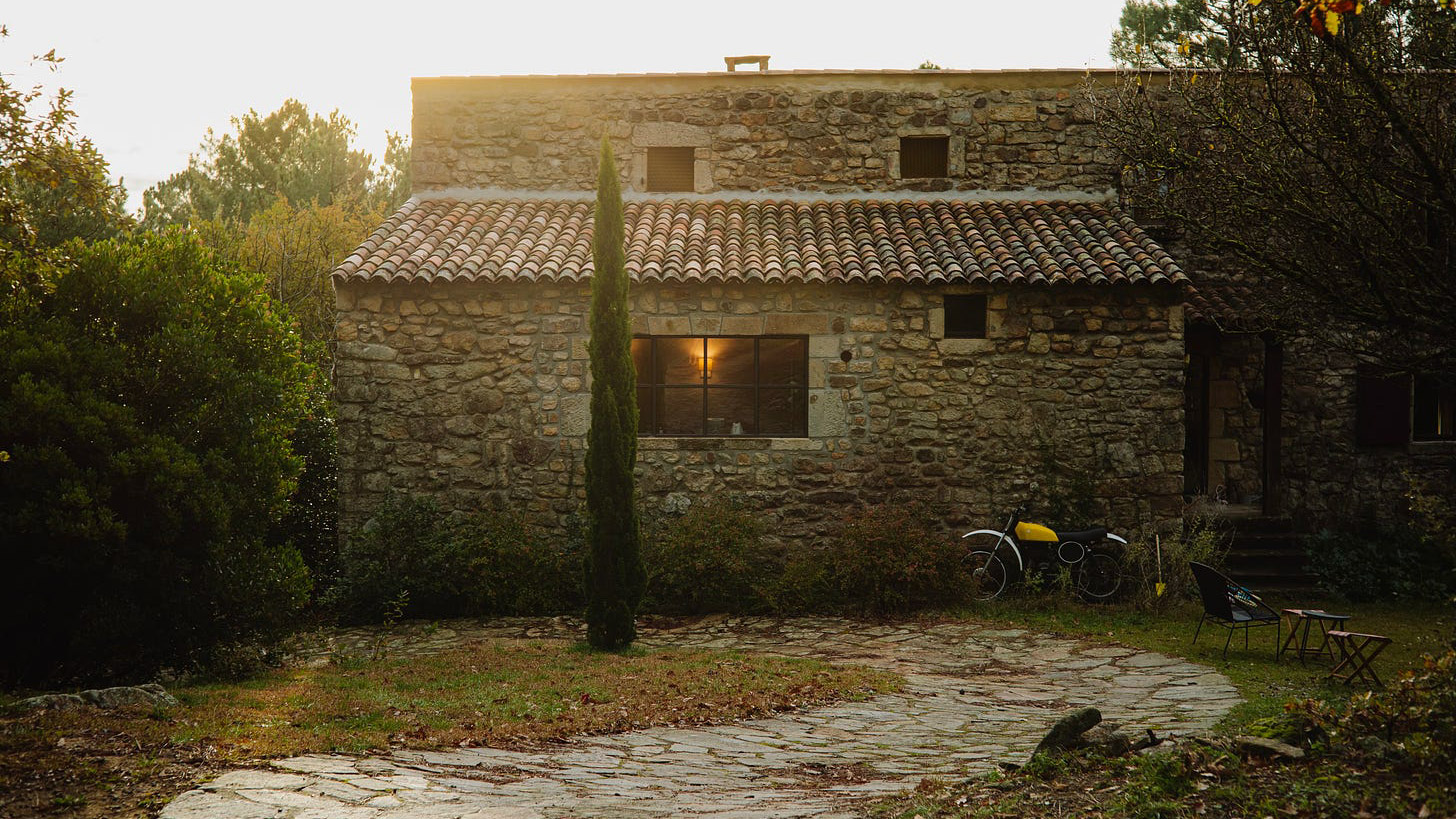
Today I’m discussing my rules for storytelling and how they apply to photography, inspired by empathy and risk. To me, photography has always started with empathy. Why am I making this image? Who will see it?
I like putting myself in the shoes of the end viewer because, to me, the success of an image depends on that final connection with the viewer: Do they see what I saw?
Building a narrative in photography
Steven Pressfield, in his book Nobody Wants to Read Your Sh*t, sums it up in a colorful way:
“When you understand that nobody wants to read your shit, you develop empathy. You acquire the skill that is indispensable to all artists and entrepreneurs — the ability to switch back and forth in your imagination from your own point of view as writer/painter/seller to the point of view of your reader/gallery-goer/customer.”
A lot of photographers will tell you they shoot for themselves only, not for others. I believe it. But I want my work to be seen by others. And when you shoot only for yourself, unless you’re really good — like, top 1% really good — very few people will ever see it… All this takes me to my basic rules, honed and field tested over the last 12 years of my career as a “stand-in-the-cold-waiting-for-the-action-to-happen” photographer.

#1 Play the “What If?” game
This one is inspired by my friend Isaac Johnston — he is always trying to push what’s possible even further. So the “What If?” game is simple. Let’s say you’re going to photograph skiing. You have one or multiple subjects, you know roughly where and when, for example:
”My plan is to head up with Tyler and Oakley to the top of Mount Snowville at 4 pm and shoot some nice ski turns at sunset.’“
Cool, man.
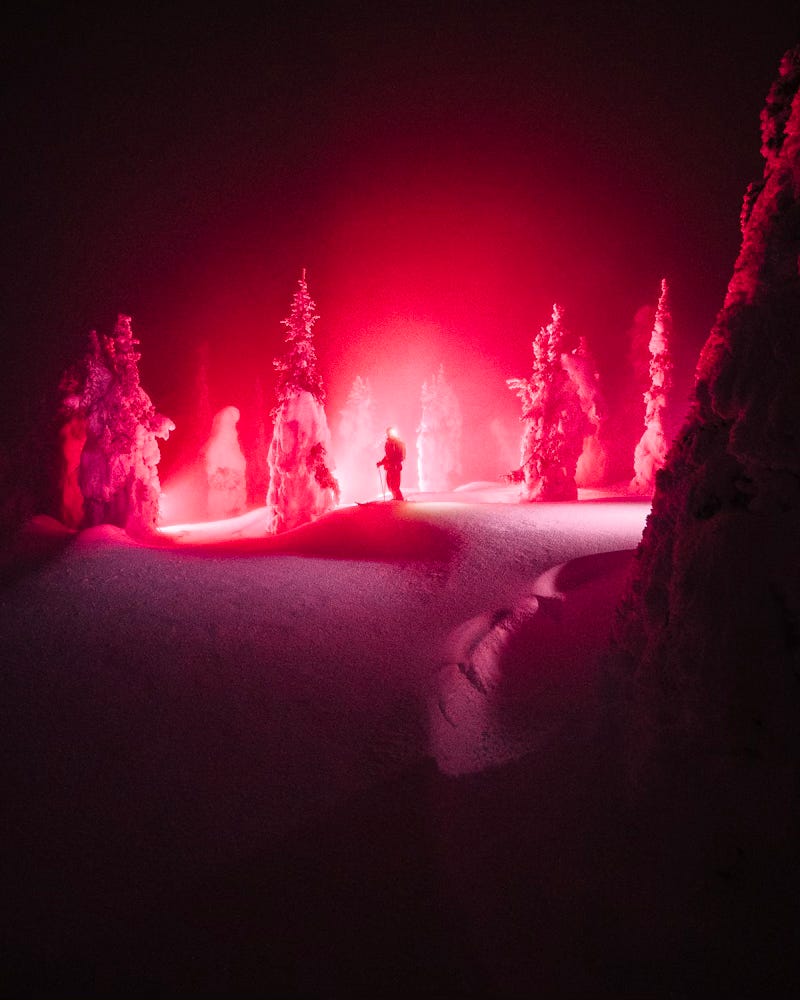
While that’s an acceptable plan, it could use a bit of “what if” magic. So what if, instead of shooting at sunset (predictable), we shot in the middle of the night? What if Tyler and Oakley were lit with weird neons?
What if instead of going for clear skies, we did in the middle of a snowstorm?
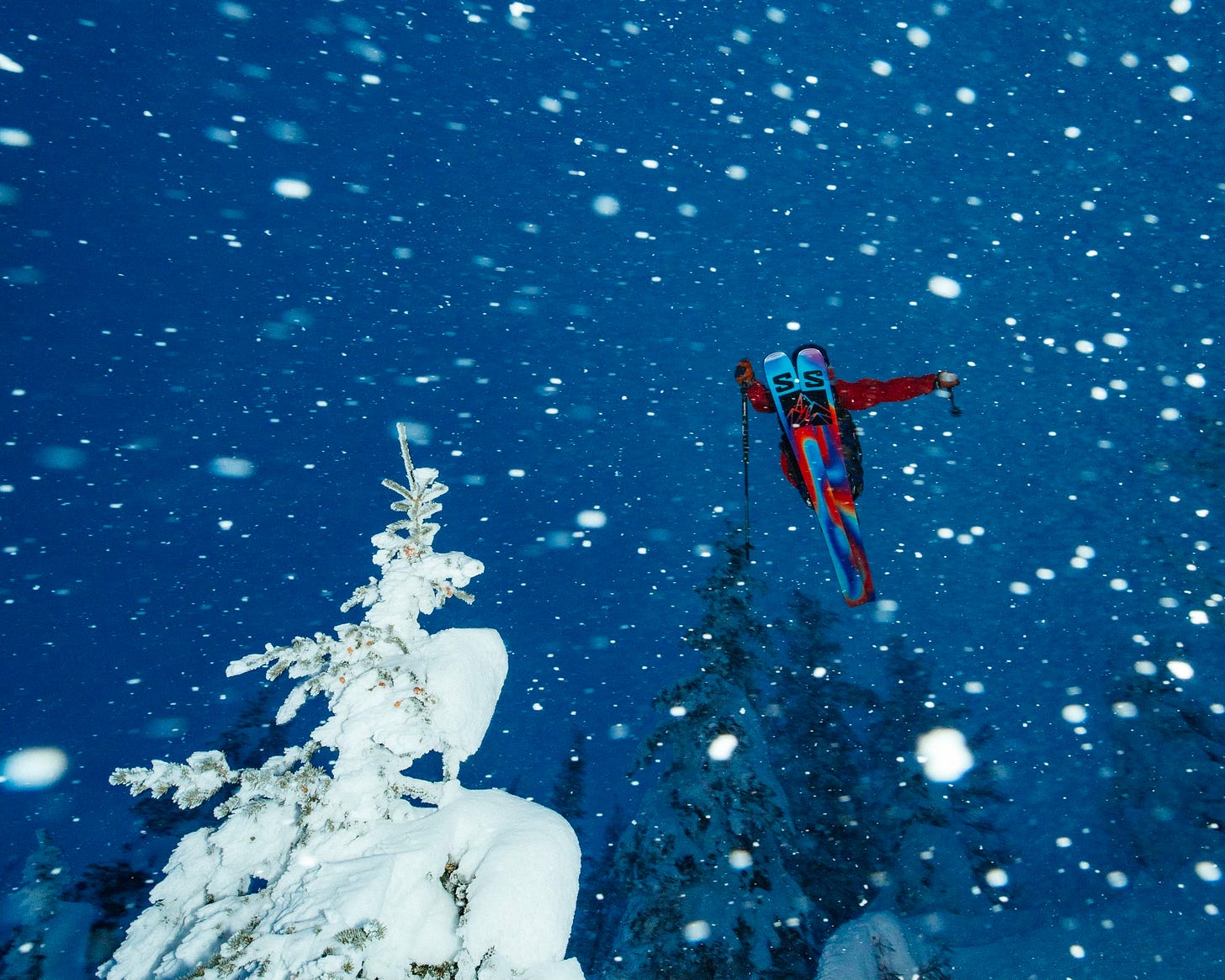
The goal of the “what if” is to get you to break past your comfort zone, to try unexpected combinations, and, in the end, create work that forces people to stop and look. It helps to play this with a friend or creative partner, but if you are alone, just play with ChatGPT. Ask it to create strange scenarios with a handful of prompts. It will be super cheesy (for now), but there could be one fetus of an idea that sparks something within you…
#2 Finish your project and move on, even if it’s not perfect
You’ve probably heard the old Steve Jobs quote, “real artists ship.” I love it because it’s another way of saying ideas are cheap. Everyone has them. Some more than others, but they are not enough. That’s why I force myself to put work out. Even when I’m not sure about it, or it could be better…
But the fact that it’s out there lets me move on. I also get to look back at it and get slightly frustrated with the imperfections (that most people never see), and that motivates me to go out and do better.
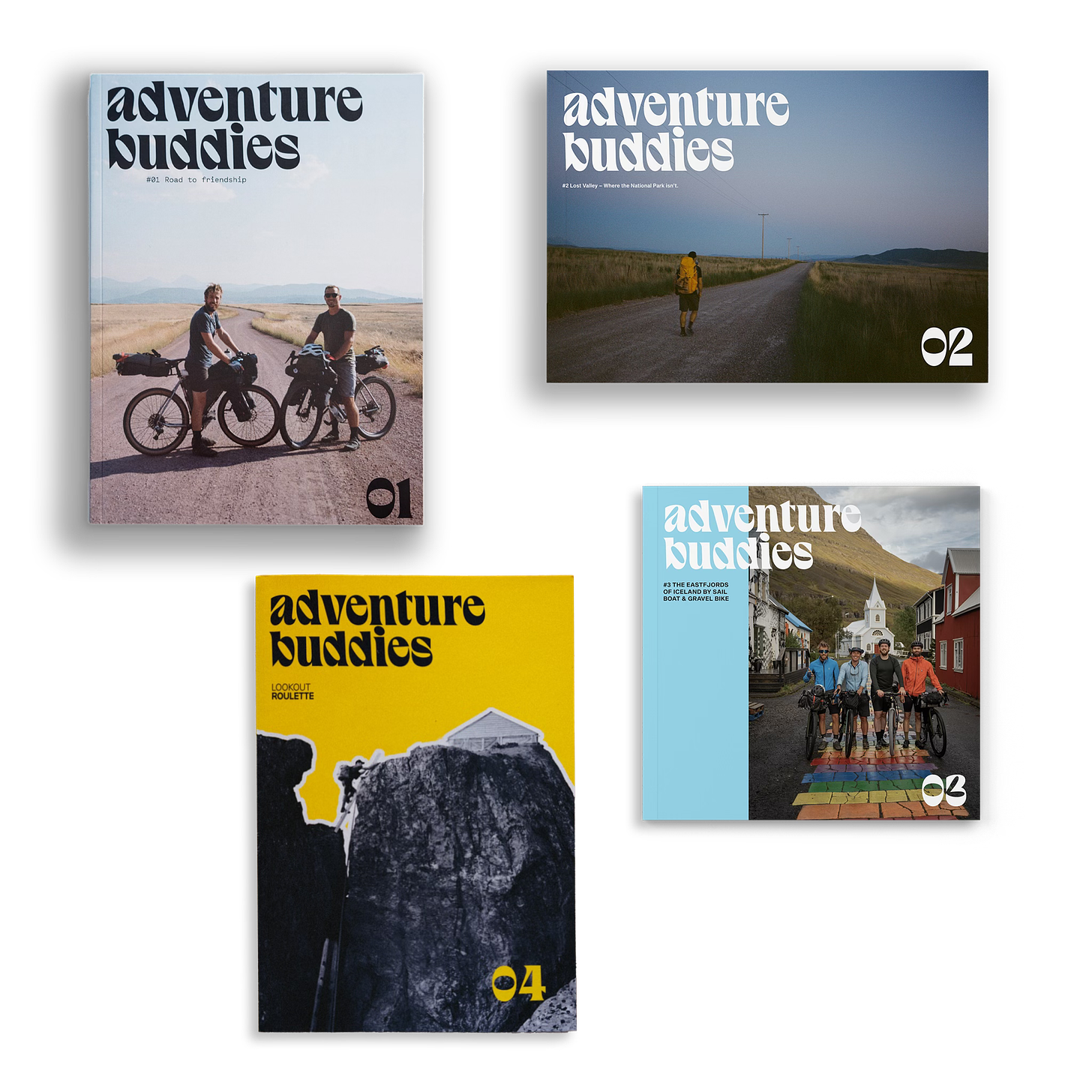
Confession: All of the Adventure Buddies zines I released I felt could be improved. We could do more printing tests, change the paper or layout… Endless modifications costing time, money, and creative energy. So I just shipped them before I started to lose my mind over them.
#3 Make sure your subjects are/look legit
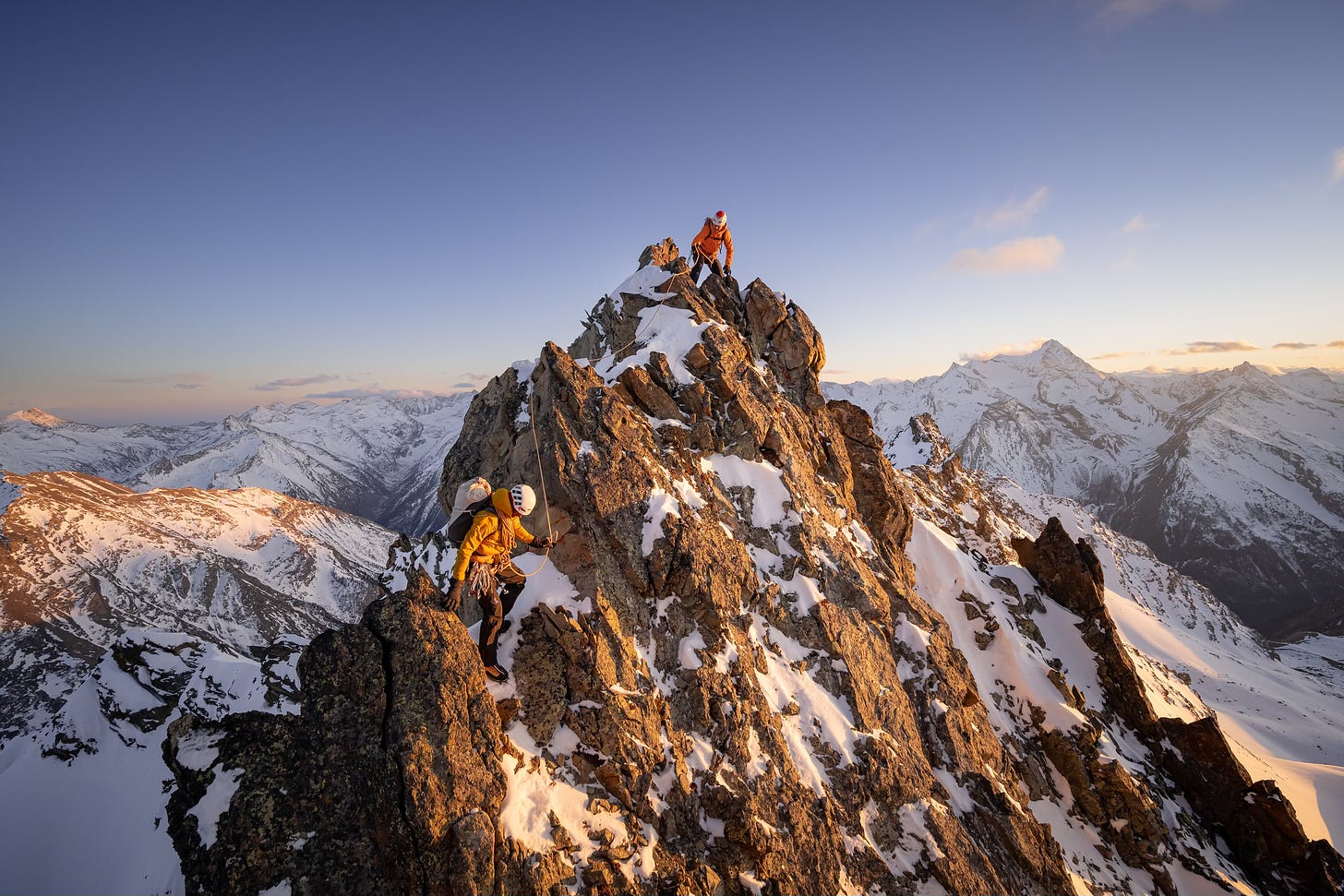
Probably the biggest takeaway from my career. In any photograph, if your subjects are not real or don’t look like they should be doing what they’re pictured doing, then you’re wasting everybody’s time. Either they are themselves in the photograph, and that’s fine — you have minimal input to give — or they pretend to be someone else. That’s when things get tricky. Here, I’m referring to commercial photography, where you get to shape all aspects of the final images.
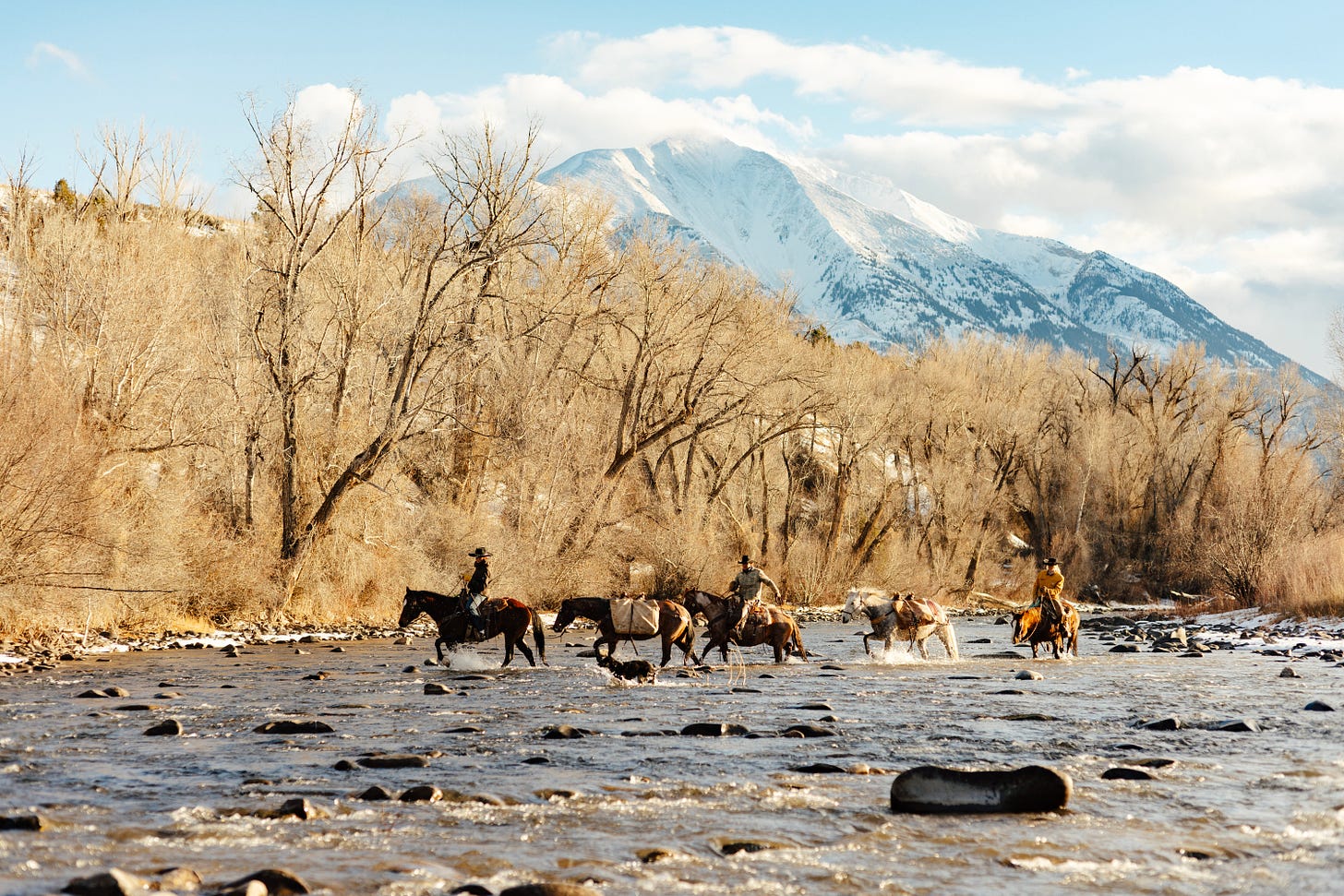
So whenever I hire talent, I go out of my way to determine whether they fit within the aesthetic. If you are shooting cowboys for a western brand, for example, wouldn’t it be easier to just hire proper cowboys for the shoot? It would, but your client may not like their faces or will request a more diverse cast. This is my favorite situation because you really earn your wage.
What I do is hire a “consultant” (not their real job, but that’s their role) to help me prepare for the shoot — in this case, a real cowboy helps me put together the outfits and activities, and on D-day can even disperse some riding lessons, or get specific: “Would you tie the knot like this or like that?”
This applies to any field, whether it’s running, climbing, diving… Always make sure you’re getting real people doing their thing, or surround yourself with experts in the field who can help you make it all look legit. That will set your work apart tremendously.
See more from DIYPhotography.net on Google
Add DIYPhotography.net as a trusted source. This makes
our stories more likely to appear in your Google Search results.
 Add as a preferred source on Google

About Alex Strohl
Alex Strohl is a photographer & filmmaker based between Whitefish, Montana and his home country of France. His work is fueled by his by deep love of adventure sports and true wilderness. Commercial and editorial clients include Apple, Land Rover, Johnnie Walker, National Geographic and Outside Magazine. You can follow Alex on Substack and Instagram. This article was also published here and republished with permission.
We love it when our readers get in touch with us to share their stories. This article was contributed to DIYP by a member of our community. If you would like to contribute an article, please contact us here.

Join the Discussion
DIYP Comment Policy
Be nice, be on-topic, no personal information or flames.