






















The truth about drum scanners – Are they really as good as people say?
Oct 2, 2024
John Aldred
John Aldred is a photographer with over 25 years of experience in the portrait and commercial worlds. He is based in Scotland and has been an early adopter – and occasional beta tester – of almost every digital imaging technology in that time. As well as his creative visual work, John uses 3D printing, electronics and programming to create his own photography and filmmaking tools and consults for a number of brands across the industry.
Share:
When somebody puts the phrase “21-minute unhinged rant” in the description of a video, I’m usually intrigued. In this case, it was a video by Shy at ShyStudios. In it, he discusses the issues surrounding drum scanners and their, perhaps false, legacy.
Are drum scanners really as good as everyone says they are? And if they are, why hasn’t a new one been released in over twenty years? This fairly thoughtful rant, albeit still a rant, looks into the answers to these questions and much more.
Drum scanners don’t really suck, but they still suck
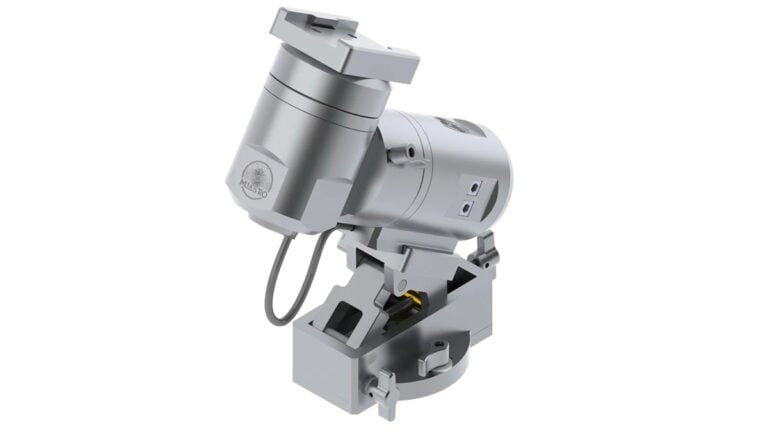
Drum scanners don’t really suck. They’re actually very good. True drum scanners still probably represent the best possible way to digitise an image today, at least in theory. But no new drum scanners have been released in over two decades.
The drum scanners still on the market are designed to work with computers running Windows 95, 98 or XP. They were designed and built when RAM was measured in megabytes, and hard drives were a handful of gigabytes at most.
During the next couple of decades since then, computers have come a very long way. A few gigabytes for an image is no big deal today when we have multi-terabyte hard drives available inexpensively. And our computers now have the RAM to be able to edit those huge scans.
And here’s the problem…
Drum scanners didn’t. And as explained in the video above, all of them suffer from one limitation or another. This is due to the limitations of computers at the time. The drum scanners didn’t need to be any better than they absolutely had to be because the computers couldn’t process them if they were.
But now it does and drum scanners fall way behind. More modern flatbed scanners or even photographing your film with a DSLR or mirrorless camera is a good enough solution for many. But if you want the absolute best source scans you can get for your archives?
Hypothetically, drum scanning technology still reigns supreme. It allows for much better definition scanning than just about any other technique. But in practical terms, it would need a lot of updating to get to a level where it meets today’s standards.
Drum scanners can potentially see beyond even the resolution of film itself. This might sound like overkill, but don’t you want to capture the best possible quality for your digital archive? Don’t you want to edit from a good foundation with the most information?
It’s been a long time since I’ve had anything drum-scanned, personally. But with the amount of people shooting film today, Shy might be right. Maybe drum scanners – or a modern equivalent – are about to make a big comeback!
See more from DIYPhotography.net on Google
Add DIYPhotography.net as a trusted source. This makes
our stories more likely to appear in your Google Search results.
 Add as a preferred source on Google

John Aldred
John Aldred is a photographer with over 25 years of experience in the portrait and commercial worlds. He is based in Scotland and has been an early adopter – and occasional beta tester – of almost every digital imaging technology in that time. As well as his creative visual work, John uses 3D printing, electronics and programming to create his own photography and filmmaking tools and consults for a number of brands across the industry.




Join the Discussion
DIYP Comment Policy
Be nice, be on-topic, no personal information or flames.
One response to “The truth about drum scanners – Are they really as good as people say?”
The drum scanner gives the best result possible. But the price is an insanely laborious process of mounting the slide, oiling, gluing, then cleaning. Then post-processing to remove Newton’s rings. No one is willing to do all that.