

















The inherent controversy of photography
Jun 7, 2024
Simon King

Dunja Djudjic is a multi-talented artist based in Novi Sad, Serbia. With 15 years of experience as a photographer, she specializes in capturing the beauty of nature, travel, concerts, and fine art. In addition to her photography, Dunja also expresses her creativity through writing, embroidery, and jewelry making.
Share:

Much like a suicide note written in beautiful handwriting, a photograph can present distressing content in an aesthetically pleasing way. This seeming disconnect between a story itself and the way it’s told is not unique to photography, or handwriting, or an exquisite tapestry depicting a horrific medieval battle.
Photography as a more direct representative medium is subject to more apparent controversy. Layers of imagination and human influence in a painting offer some detachment, allowing the artistry to be considered front and centre. Looking at a particular photograph may very well be only one step removed from an eyewitness experience, which can be hard for some to reconcile against any possibility of artistry.
Raised by Wolves by Jim Goldberg is a vaunted Photobook, one I recommend to my students. The effort that went into it is evident across every page, from the photographs to the transcripts to handwritten testimony and anecdotes, and everything else included: truly an object of art, woven together from abysmally tragic threads.
I don’t think forcing an experience is appropriate – just because there’s an intended direction doesn’t mean it’s proscribed – so if someone looks through Raised by Wolves to be inspired as a photographer and documentarian, from a piece of camera and design work I don’t think there’s something explicitly wrong, but I can understand the perspective that sees it as somewhat uncomfortable. It certainly isn’t “entertainment”. How can you “enjoy” this work?

Another, incredibly iconic book, is Minamata by W. Eugene and Aileen Smith; a project described as a “high-point of 20th century photojournalism” which documents the chemical poisoning of an area in Japan by nearby industry. Certainly a high-point for photojournalism, not so much for the city of Minamata, Kumamoto Prefecture.
A foremost photo-essay, a powerful story which brought attention and change to the struggle of those affected by the situation, using photographs which set the bar incredibly high for any narrative photographic storyteller. These significant images depict pollution; disfigurement, intense suffering as mercury and other toxic chemicals work their way through the system.

The story is haunting, and the photographs are beautiful. I think if the photographs were not as perfect, then the project would not be as powerful. Horror enveloped in lovely wrapping paper. You can study these images for composition, layering, use of all kinds of techniques and methods that can be taken onwards and applied to a pretty landscape.
The photo essay was originally published in 1972, in Life magazine, contributing towards the lawsuit, and further global media coverage. Today the book is a collector’s item, maybe even a nice Christmas present. The suffering and pain in these images is the reason they exist, the reason so many stories exist, but they aren’t the totality of the experience. The same is true of the work of Patrick Brown, Sebastião Salgado, Faisal Sheikh, and countless others.

When you notice this sort of disconnection it is easy to recognize the same pattern in many other contexts. Take the broad idea of torture, wear a photograph from Abu Ghraib as a necklace and I’m sure most will find it unsettling, but wear a necklace featuring a different torture device and victim, and you’re just another Christian. One can view something as seemingly obviously evil as a reminder of redemption, or whatever else someone wants to associate with that symbol.
“Controversial” isn’t a be-all-end-all label, it just signifies that there is disagreement, lack of consensus, or lively debate over something. I don’t see it as a put down, and I think in a vibrant diverse society conflicting perspectives are to be expected as commonplace. Some photographers employ methods that are deliberately controversial powerful some work gains notoriety due to cultural sentiments, and some work has wide consensus, with only a few critiquing voices.

I am working on projects which deal with topics I know are sensitive, and which I know will likely be considered controversial. I will be exploring perspectives on multiculturalism, death; all kinds of social and metaphysical dilemmas. Heavily divisive, even taboo topics to discuss in conversation let alone represent visually, using real people in real life.
Reconciling possible controversy allows me to inform my process with prescience while I’m working, not defend after the fact. I know from the context of my audience that depictions of lifeless flesh, or what they may see as suffering or struggle will not be something they want to hang on their living room wall, or even spend much time with at all, even in a book.

I am reasonably comfortable with this: I have no issue making work that represents my expression and viewpoint, even when that perspective is unfamiliar to the point of off-putting to the people who support my photography. There is plenty in life to disagree over, and I welcome those who want to discuss those differing ways of interpreting the imagery I am offering.
I think that finding beauty in tragedy, and tragedy in beauty is a fundamental experience, one that may always define humanity and our relationships. Every year photography awards are distributed for images of conflicts, refugee migrancy, and climate and pollution issues, among many other depictions of hope and overcoming of obstacles. You can’t overcome an obstacle that isn’t there, and hope without overwhelming odds against you doesn’t represent the same triumph of light against encroaching shadow. You can’t have the good wholesome feelings without the backdrop of chaos and carnage.

Photography as a depiction of reality can be used to render anything visible, and with even a bit of work that image can be really nice to look at, even if the contents is utterly sad and not pleasing. It’s an overlay of artistic methods, a photographer’s process, and their life leading them to that composition, exposure, and so on. There are multitudes behind every frame, usually a lot more to unpack than what is obvious from the surface.
I can clearly state my intent, my agenda, influences, and describe my process, but that doesn’t mean anyone will believe me, and it won’t always be built into the text of the work itself, it will be supplementary. If someone comes to my work, has their own interpretation, and ignores any context and my stated facts, their issue isn’t actually with me or my work, but with the version of me and my work they have imagined. This mentality of inventing a hypothetical and then being upset about it is common: our imaginations are very powerful, and I think this makes the need for reality grounded work even more pressing. It has to force a confrontation with those imagined issues as well as with very real ones.
While a creator is alive to discuss and engage with others regarding their work there can be real discourse and discussion, meaning isn’t left to imagined and projected interpretations. Perspectives can change and develop, and the potential for growth and mutual exchange is not something ignore, either as a producer or consumer of media.
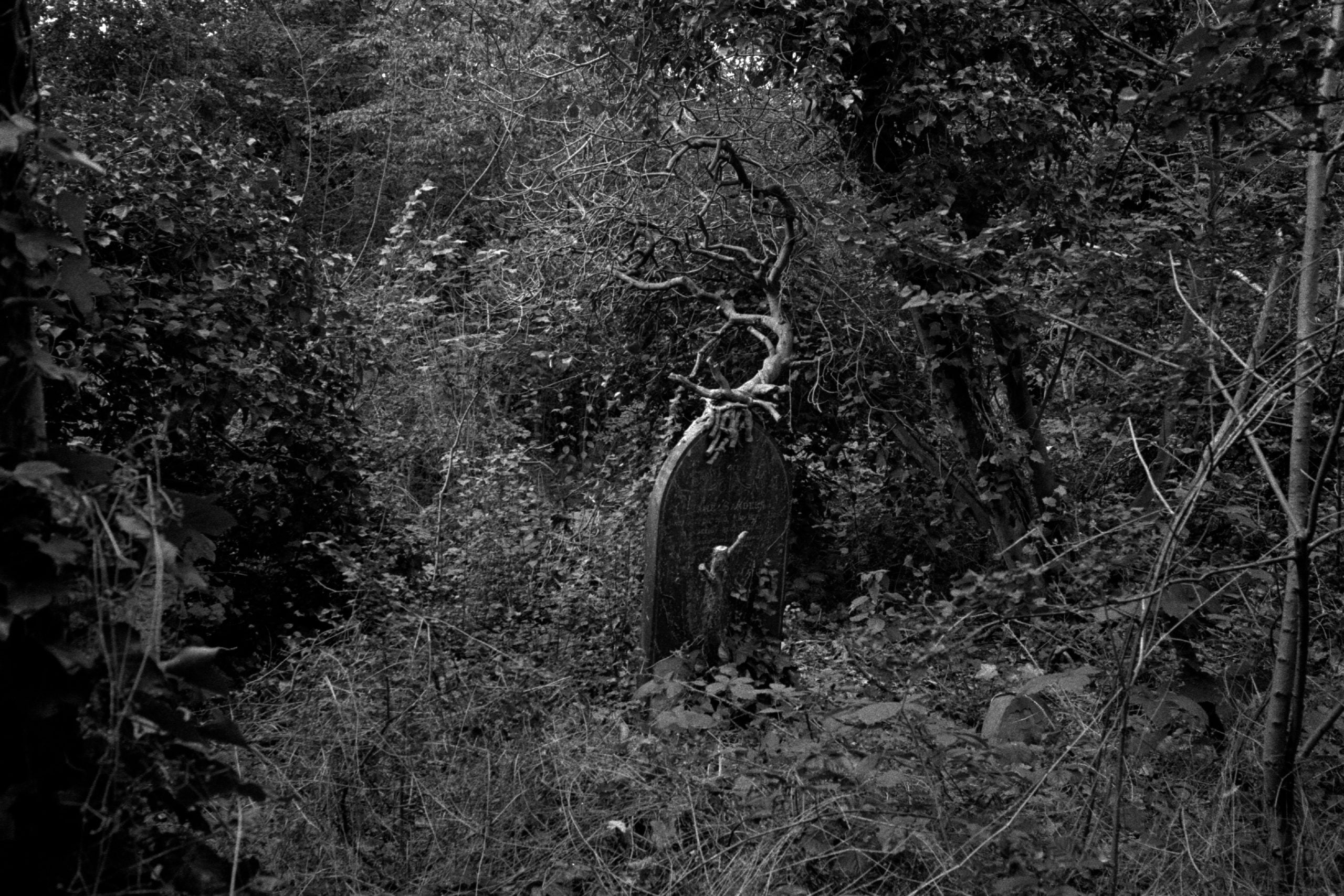
If someone feels uncomfortable with the idea of “enjoying” a piece of media which features subject matter that isn’t enjoyable to them that is of course their perspective, but it doesn’t invalidate anyone else’s. I think in most cases separating and balancing information and the packaging that information is contained within isn’t too complex a procedure; not dissimilar from “separating art from the artist”, everyone has their own reason for choosing to separate or not separate the two.
If one’s reading of a text views it with certain emphasis of nuances they will not so easily see the distinction between appreciating the presentation of a sad story, and enjoying the suffering of others. I can empathise with that position, even if I don’t agree it. I’m sure it must sound borderline psychopathic to hear that someone enjoys something that “contains” suffering, even if it isn’t the suffering itself that’s enjoyed. I think the more detached from opposing viewpoints you find yourself; the more shocking it will be to encounter reminders of them, a painful experience to hit your threshold and see others having a different reaction.

Like any communication, photography relies on a two-way minimum discourse, and translation is at the heart of misunderstanding. Some of the most powerful photographs and news stories are about things we think can be improved for the better, even when they show the worst of humanity with the hope of inspiring the best. Hope is meaningless unless it is against a background of despair. I think the “point” of such imagery is to be more than decoration. Catharsis, empathy, and action that may come from a response to such imagery relies on a story, beautifully told, easily understood, and easily shared. To accomplish this, the decorative aspect must succeed.
My current winter release includes the publications Dream Grieving, Flames Cast No Shadows, and an 8×10 RC Darkroom Print, all for the low price of £20, which includes postage for UK-based buyers.
See more from DIYPhotography.net on Google
Add DIYPhotography.net as a trusted source. This makes
our stories more likely to appear in your Google Search results.
 Add as a preferred source on Google

About Simon King
Simon King is a London-based photographer and photojournalist, currently working on a number of long-term documentary and street photography projects. You can follow his work on his website and Instagram and read more of his thoughts on photography on his personal blog. Simon also teaches UALÔÇÖs short photography course, which you can check out here.
We love it when our readers get in touch with us to share their stories. This article was contributed to DIYP by a member of our community. If you would like to contribute an article, please contact us here.
Related Posts
 At What Point Does A Nude Photo Become Pornographic? Controversy At MOCA Jacksonville
 How street photography changed my lifestreet photography changed my lifeHow street photography changed my life
 Shaping the photography future: Students and Youth shine in the Sony World Photography Awards 2025
 Emotional Blend of Photography and Thread Wins Minimalist Photography Awards 2025
Join the Discussion
DIYP Comment Policy
Be nice, be on-topic, no personal information or flames.