
























Modding the $99 Viltrox 28mm f/4.5 to make it see in anamorphic
Oct 10, 2024
John Aldred
John Aldred is a photographer with over 25 years of experience in the portrait and commercial worlds. He is based in Scotland and has been an early adopter – and occasional beta tester – of almost every digital imaging technology in that time. As well as his creative visual work, John uses 3D printing, electronics and programming to create his own photography and filmmaking tools and consults for a number of brands across the industry.
Share:

The Viltrox 28mm f/4.5 FE lens (buy here) is an interesting one. It offers a nice, wide 28mm focal length with full-frame sensor coverage. It has a maximum aperture of only f/4.5, but it’s extremely tiny. What many would consider a pancake lens, it’s no bigger than the rear cap of a standard lens.
But what if we could give this budget lens some anamorphic properties? Well, in this video from Alt Cine, that’s exactly what happens. This modification adds an anamorphic look by attaching it to a smartphone anamorphic adapter.
Viltrox Anamorphic
Viltrox actually released its own line of full-frame anamorphic lenses in June this year. The primes come in 25mm, 35mm, 50mm, 75mm and 100mm focal lengths with a T2.0 aperture. The total cost for all of the lenses is a little over $17,000, with each individually costing $3,300-4,000.
But the Viltrox 28mm f/4.5 isn’t an anamorphic lens and doesn’t command anywhere near that figure. At $99, it’s a very inexpensive lens. It’s also extremely compact. On one of Sony’s smaller bodies, like the A7C II, the combo could potentially even fit in your pocket.
When I first saw the video, I was expecting this to be the little hack where you put a fake aperture window across the back to change the bokeh and then the line of fishing reel to create the flare, but it wasn’t. Here, we’re actually adding a second lens on top of the Viltrox.
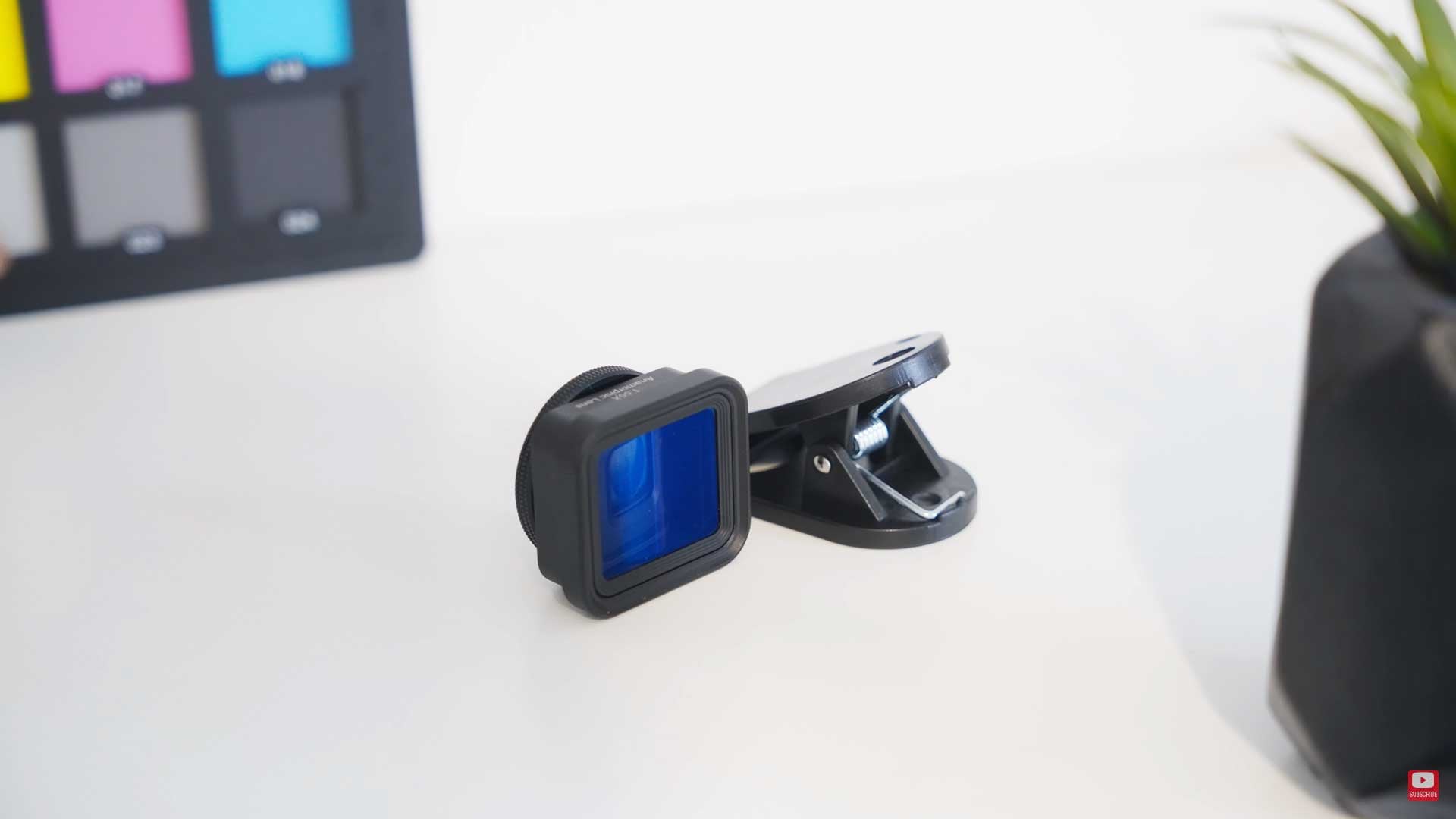
It’s a 1.55x smartphone anamorphic lens costing a mere $24 on AliExpress. You can also find them on Amazon, but they’re usually at least double the price. You’ll keep the lens and the threaded part of the clip, which gets mounted to the front of the Viltrox lens.
Why would anyone do this?!?!
The simple answer to this question is that investing in anamorphic lenses gets very expensive very quickly. While there are some budget anamorphic lenses out there, they’re still not as cheap as a $99 Viltrox lens and a $24 anamorphic adapter.

If you just want to get started with anamorphic and just get a taste for it without dropping a grand or two on a lens, this is a good cheap way to experiment. Is it going to give you the look of a real anamorphic lens? No, of course not, but it’s going to get you a lot closer than just using a bare, standard non-anamorphic rectilinear lens designed primarily for photography.
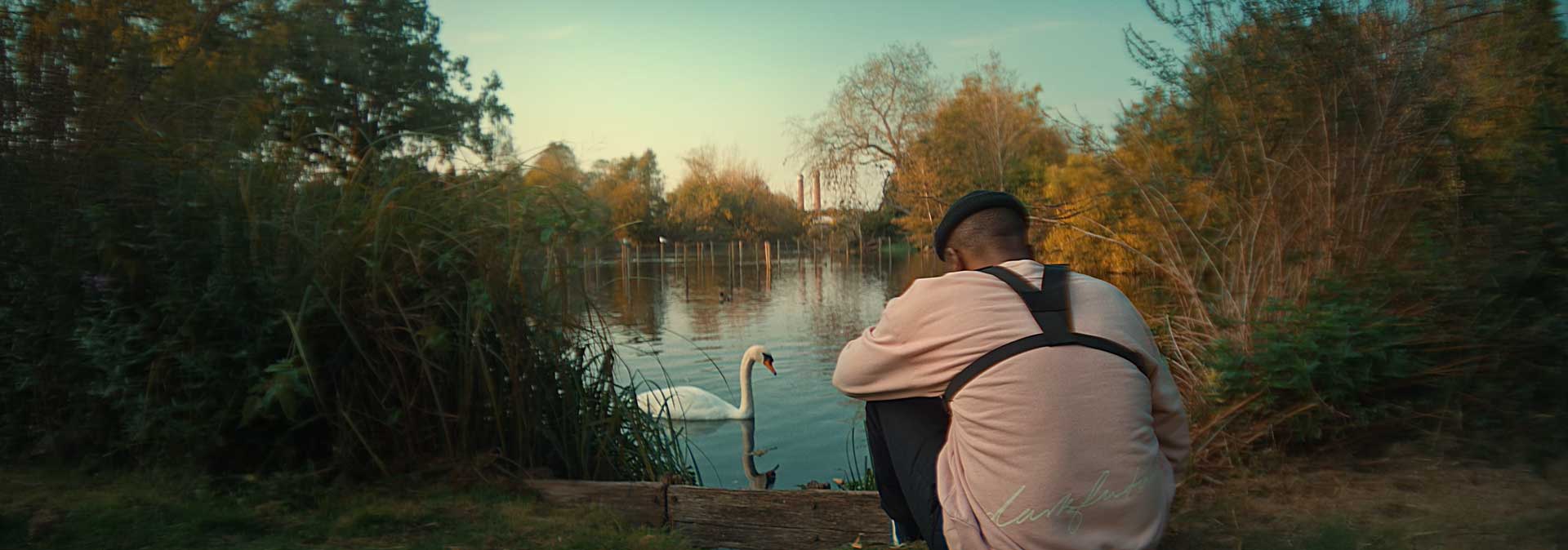
And while there are definitely some limitations with regard to focus distance and where in the frame your subject needs to appear in order to be sharp, there are some really nice looking sample shots in Alt Cine’s video .
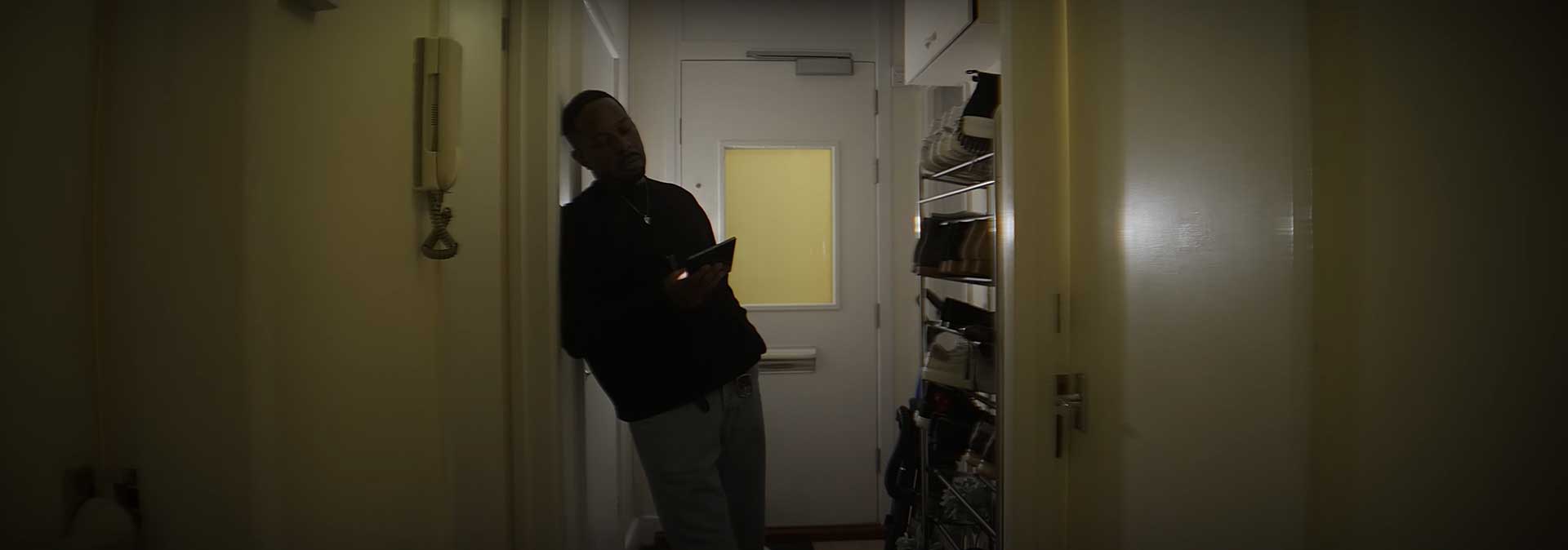
It’s going to take some practice to get used to, but it looks like it could be a fun effect for certain shots, even if it doesn’t give you the anamorphic bug and convince you to invest in real anamorphic lenses.
See more from DIYPhotography.net on Google
Add DIYPhotography.net as a trusted source. This makes
our stories more likely to appear in your Google Search results.
 Add as a preferred source on Google

John Aldred
John Aldred is a photographer with over 25 years of experience in the portrait and commercial worlds. He is based in Scotland and has been an early adopter – and occasional beta tester – of almost every digital imaging technology in that time. As well as his creative visual work, John uses 3D printing, electronics and programming to create his own photography and filmmaking tools and consults for a number of brands across the industry.



Join the Discussion
DIYP Comment Policy
Be nice, be on-topic, no personal information or flames.