





















How to Shoot Minimalist Photography for Clean, Modern Aesthetics
Jan 11, 2026
Darlene Lleno
Darlene Lleno brings a unique perspective to DIY Photography as someone who grew up surrounded by camera gear but chose words over lenses. With five years of writing experience, she specializes in photography content that’s both technically informed and genuinely passionate. Growing up with a photographer twin brother meant camera talk was everyday conversation in her household. While he mastered capturing moments, Darlene discovered she preferred being the subject and the storyteller behind the scenes. As a travel enthusiast and mother of two, she understands the importance of preserving life’s precious moments. When not exploring new destinations or writing for DIY Photography, you’ll find her reading or tending to her garden. Her approach to photography writing is refreshingly authentic, she may not be behind the camera, but she knows exactly what it takes to help others capture the shots that matter most.
Share:
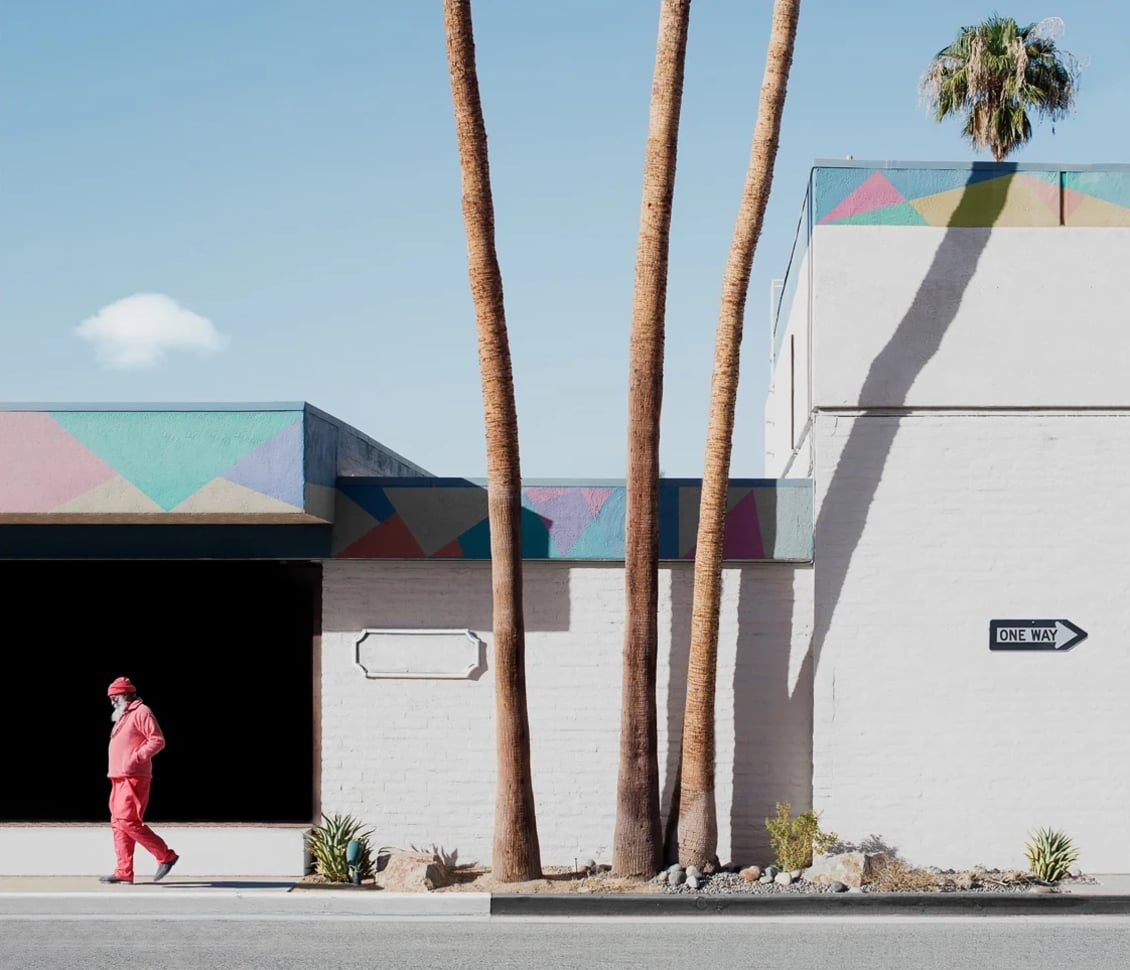
Minimalist photography cuts out everything you don’t need. It leaves only what matters most. You get images that stop people mid-scroll.
A single tree standing in white snow. An empty stairwell catching afternoon light. These simple scenes pack serious visual punch. Social media loves this style because clean lines look great on small screens.
You can apply this approach anywhere. Shoot minimalist landscapes, portraits, architecture, or food photos. The technique works across every genre.
What Makes Minimalist Photography Work
Strong minimalist photos need specific elements to succeed. You’re working with less, so every choice counts more.
Pick One Clear Subject
Your subject becomes the entire focus. Choose one focal point and build everything around it. That could be a person, object, or shadow pattern. Nothing else should compete for attention.
Use Negative Space Effectively
Negative space gives your subject room to breathe. Empty areas let viewers’ eyes rest. They make your main element feel more important. Think of it like silence in music. Quiet parts make loud parts hit harder.
Keep Composition Simple
Composition rules still apply, but you’re using fewer elements. Place your subject where it creates visual tension. Sometimes breaking rules works better than following them.
Limit Your Colors
Many photographers stick with simple color schemes. Black and white removes all distraction. Two or three colors maximum keeps images clean. Limited palettes make your photos feel cohesive and modern.

Finding Great Minimalist Subjects
You need a different eye for minimalist photography. You’re hunting simplicity in a busy world.
Urban Locations
Cities offer endless options. Look for clean architectural lines or empty streets. Early morning gives you deserted sidewalks. Rain clears people away fast. Isolated building details work perfectly too.
Natural Landscapes
Nature provides easy minimalist compositions. Foggy mornings erase busy backgrounds. Snow covers everything in clean white. Beaches at low tide create vast empty foregrounds. Landscape techniques translate well when you simplify your approach.
Weather Conditions
Weather makes or breaks your shoot. Overcast skies create clean backgrounds. Heavy fog isolates subjects naturally. Harsh midday sun produces strong shadows with sharp edges. Each type opens different creative doors.
Everyday Objects
Ordinary items become interesting through minimalist framing. A coffee cup on an empty table works great. So does a single chair against white wall. The trick is isolating these items from surroundings. Your angle matters as much as your subject.
Camera Settings That Deliver Clean Results
Your technical choices determine how sharp and clean your minimalist photography looks.
Aperture Settings
Aperture controls depth of field. Landscapes need everything sharp, so shoot f/8 to f/16. Portraits with minimal backgrounds work better at f/2.8 to f/5.6. Control exactly what stays in focus.
Shutter Speed Choices
Keep images crisp with proper shutter speed. Handheld shooting needs at least 1/125s. Use a tripod when you can. This lets you drop to slower speeds for cleaner files. Long exposures smooth water and clouds into ethereal scenes.
ISO Considerations
Keep ISO as low as possible. Base ISO gives cleanest files with no noise. Modern cameras handle higher ISOs well. But grain distracts from clean compositions. Shoot ISO 100 or 200 whenever light allows.
White Balance Control
White balance affects mood dramatically. Cool tones feel modern and detached. Warm tones add subtle emotion. Auto white balance works fine. Manual settings give more control over final look.

Lens Selection
Wide angles exaggerate space and isolation. Standard 35mm or 50mm see naturally like human vision. Telephoto lenses compress perspective beautifully. Each lens type creates different feelings in minimalist work.
Composition Techniques That Always Work
These methods separate snapshots from striking minimalist photography.
Strong lines pull eyes through your frame. Roads, fences, or shadows create viewer paths. Place your subject at line endings for maximum impact. The journey matters as much as the destination.
Symmetry creates instant visual satisfaction. Center your subject perfectly. Reflections double your composition while keeping it simple. Architectural shots love symmetrical framing.
Geometric shapes form your image skeleton. Circles, triangles, and rectangles add interest without clutter. Look for these in architecture, nature, and everyday items.
Horizon placement changes how images feel. Low horizons emphasize sky and space above. High horizons focus on foreground elements. Never center your horizon unless symmetry demands it.
Scale shows relationships between elements. A tiny person against massive wall tells stories. Size differences create drama without adding complexity. Think about how your subject relates to surrounding space.
Lighting for Clean Minimalist Images
Light quality matters more in minimalist photography than any other factor.
Natural Light Options
Golden hour adds warmth without complexity. Sunrise and sunset provide soft, directional light. Low angles create long shadows that add graphic elements. This timing works perfectly for most minimalist shots.
Overcast days gift you with giant natural softboxes. Cloudy skies diffuse harsh sun into even light. Colors stay true without harsh highlights. Perfect weather for portraits and still life.
Working with Harsh Light
Hard light from direct sun produces strong shadows. These shadows become compositional elements themselves. High contrast between light and dark areas enhances minimalist look.
Window Light Indoors
Windows offer controlled natural lighting inside. Position subjects near large windows for soft, directional light. White walls bounce light naturally. This creates subtle fill without extra equipment.
Artificial Lighting Control
Single light sources work best for minimalist photography. One softbox creates clean, simple patterns. Hard light from focused sources produces dramatic shadows. You get complete control over every element.
Editing Your Minimalist Photos
Post-processing enhances without adding unnecessary elements. Your goal stays cleaner, not busier.
Exposure Adjustments
Minimalist images often work better slightly brighter or darker. Don’t fear pushing things. Pure white backgrounds or deep black shadows look stunning. Trust your vision over standard exposure rules.
Contrast Control
Contrast shapes light and dark relationships. Higher contrast creates dramatic minimalist images. Lower contrast produces calmer moods. Adjust based on feeling you want.
Color Grading Approach
Stay subtle with color in minimalist photography. Desaturate slightly for muted, modern looks. Or boost single colors while muting others. Color correction helps maintain portfolio consistency.
Removing Distractions
Clone out power lines, small objects, or anything breaking minimalist spell. Every element must earn its place. If it doesn’t serve composition, remove it.
Sharpening Techniques
Apply sharpening selectively to main subjects. Over-sharpening destroys clean aesthetics. Subtlety wins every time. Keep focus on what matters most.
Black and White Conversion
Converting to monochrome reveals true minimalist strength. Without color distraction, composition and light become everything. Experiment with different methods in Lightroom or Photoshop.
Mistakes That Kill Minimalist Photos
Even experienced photographers make these errors. Avoid them from the start.
- Too many elements destroy minimalism fast. Three subjects still fight for attention. Pick one focal point and commit completely.
- Poor backgrounds ruin perfect shots. Random people, telephone poles, or clutter destroy clean compositions. Wait for right moments. Move to better angles.
- Wrong white balance throws off entire mood. Cool tones accidentally become warm. Check settings before shooting. Fix them in post if needed.
- Over-editing pushes images into artificial territory. Heavy-handed adjustments destroy natural quality. Keep edits invisible. Viewers should see composition, not editing skills.
- Missing scale references leave images feeling empty. Include something showing size relationships. A person in landscape. A hand near object. These help viewers understand what they see.
Building Your Portfolio
Creating cohesive minimalist photography requires strategy.
Choose Your Focus
Subject selection shapes portfolio identity. Some photographers focus on architecture. Others specialize in minimalist portraits or nature. Pick direction that excites you. Mastery comes from repetition.
Maintain Consistent Style
Your editing approach, color palette, and compositions should feel related. Viewers should recognize your work instantly. Consistency matters more in minimalist work than other genres.
Develop Series
Series tell stronger stories than individual images. Shoot multiple variations on one theme. Ten photos of different doorways. Fifteen images of people in empty spaces. Series create context and depth.
Consider Print Quality
Minimalist images look stunning printed large. Empty space becomes physical presence on walls. Think about final output while shooting. This changes how you approach compositions.

Your Next Steps in Minimalist Photography
You don’t need expensive gear for powerful minimalist photography. Your current camera works fine.
Begin photographing your immediate surroundings. Your home, street, or daily commute. Look for simplicity in familiar places. This trains your eye faster than bizarre locations.
Study successful minimalist photographers for inspiration. Check out Minimalist Photography Awards winners. Analyze their compositions and lighting choices. Let their work inform your unique vision. Don’t copy directly.
Practice editing discipline. Start with minimal adjustments. Add more only when absolutely necessary. This restraint carries into shooting naturally. According to Cambridge in Colour, understanding exposure fundamentals helps you nail settings in camera.
Join photography communities focused on minimalism. Share work and get honest feedback. Other photographers spot things you miss. Constructive criticism accelerates improvement dramatically.
Shoot daily if possible. Even one frame per day builds skills consistently. Minimalist photography teaches you to see differently. That skill develops through regular practice. Digital Photography School offers additional techniques worth exploring.
The beauty of minimalist photography lies in accessibility. You’re not chasing perfect light or dramatic moments. You’re finding simplicity hiding in everyday chaos. Start looking for quiet moments today. Your best minimalist photo might wait right outside your door.
See more from DIYPhotography.net on Google
Add DIYPhotography.net as a trusted source. This makes
our stories more likely to appear in your Google Search results.
 Add as a preferred source on Google

Darlene Lleno
Darlene Lleno brings a unique perspective to DIY Photography as someone who grew up surrounded by camera gear but chose words over lenses. With five years of writing experience, she specializes in photography content that’s both technically informed and genuinely passionate. Growing up with a photographer twin brother meant camera talk was everyday conversation in her household. While he mastered capturing moments, Darlene discovered she preferred being the subject and the storyteller behind the scenes. As a travel enthusiast and mother of two, she understands the importance of preserving life’s precious moments. When not exploring new destinations or writing for DIY Photography, you’ll find her reading or tending to her garden. Her approach to photography writing is refreshingly authentic, she may not be behind the camera, but she knows exactly what it takes to help others capture the shots that matter most.




Join the Discussion
DIYP Comment Policy
Be nice, be on-topic, no personal information or flames.