
















Flawless fire and forget film photographs every time…guaranteed
Sep 9, 2024
David Prochnow
Our resident “how-to” project editor, David Prochnow, lives on the Gulf Coast of the United States in Ocean Springs, Mississippi. He brings his expertise at making our photography projects accessible to everyone, from a lengthy stint acting as the Contributing How-To Editor with Popular Science magazine. While you don’t have to actually build each of his projects, reading about these adventures will contribute to your continued overall appreciation of do-it-yourself photography. A collection of David’s best Popular Science projects can be found in the book, “The Big Book of Hacks,” Edited by Doug Cantor.
Share:

Stop by a cafe for brunch and, if you’re lucky enough, you might be able to sit within earshot of the local film photographer’s coffee clutch. Fueled by excessive amounts of caffeine, these seasoned pros will invariably turn the discussion over to the most common fear among film users: “how do you know?”
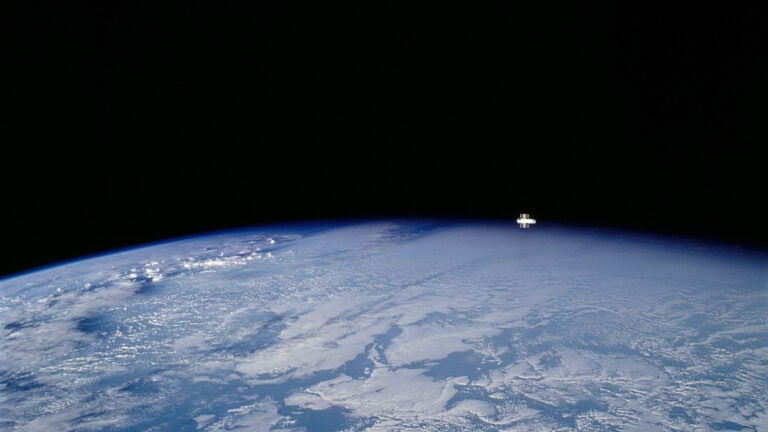
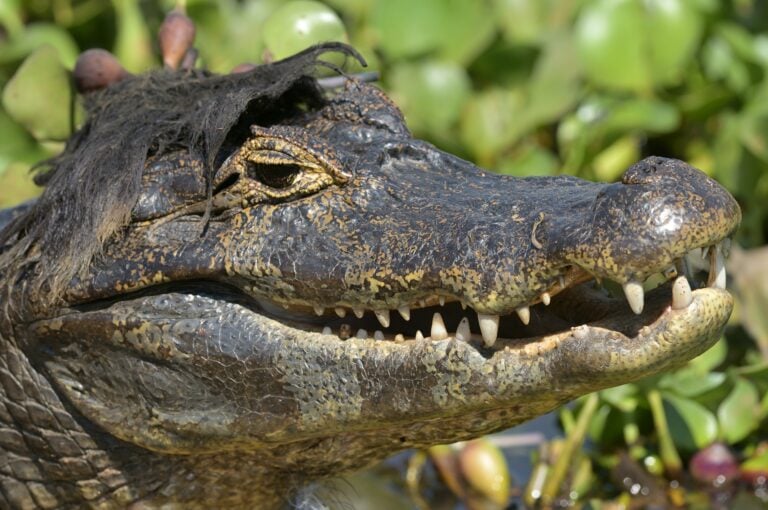
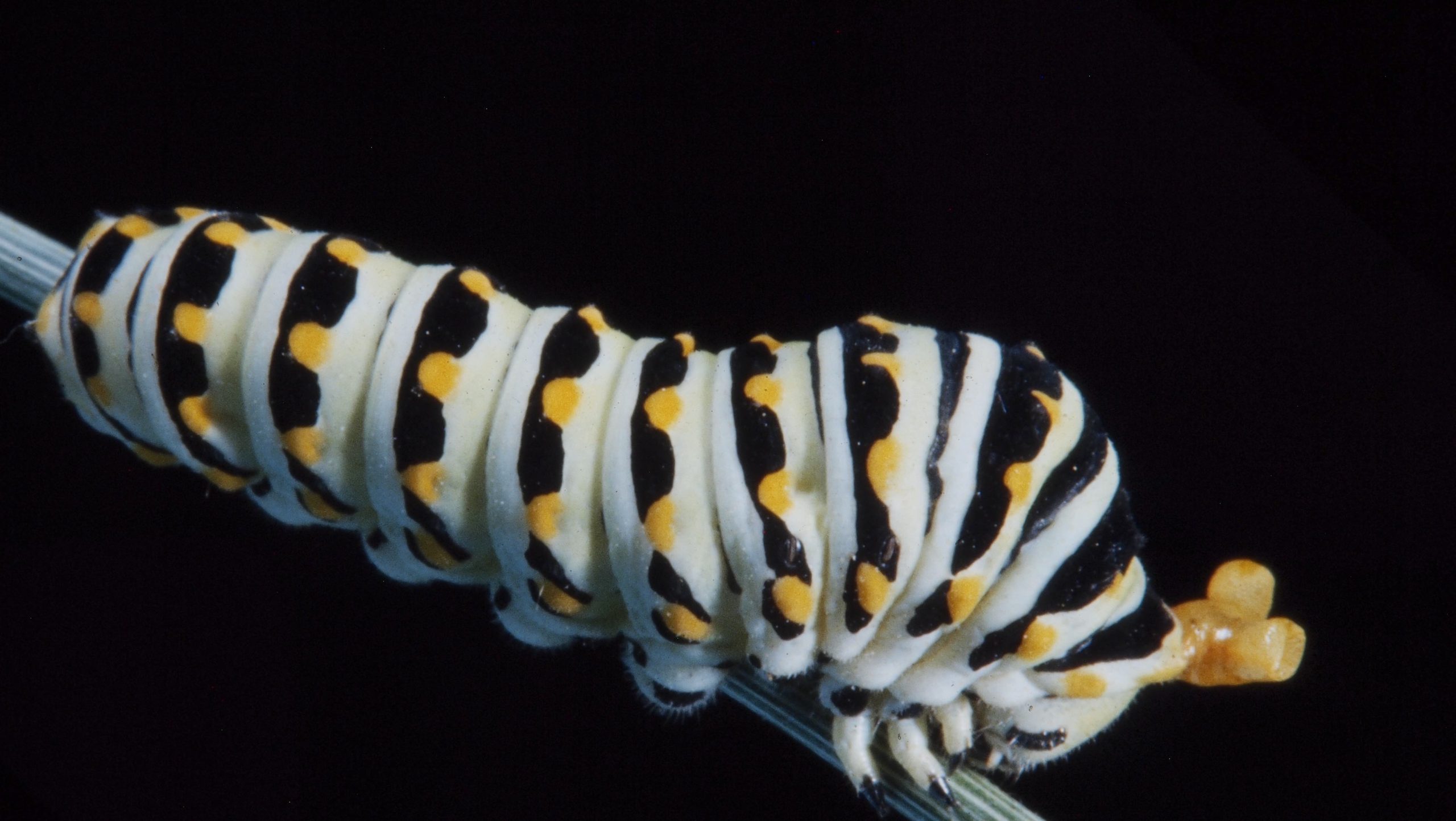
Specifically, ‘how do you know that you’ve taken a successful photograph?’ See below for an example of a successful photograph taken with this technique.
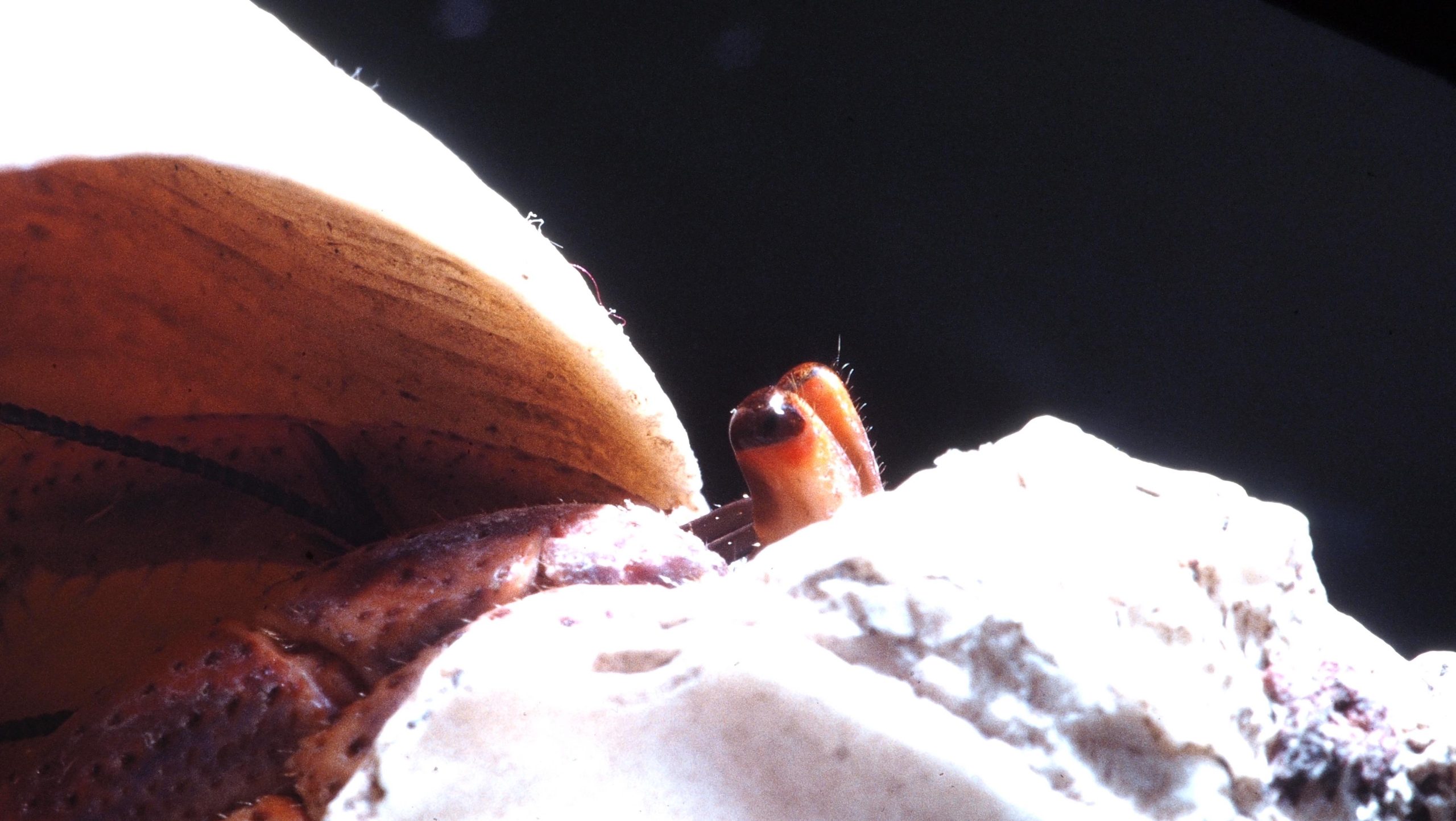
Naturally, you’ll hear someone say to just “bracket your shots.” In today’s economic reality, however, film commands a premium price. Therefore, this common exposure bracketing technique is just too expensive for practical use. Luckily, fearless and flawless film exposures can be guaranteed with results that rival the same verification that digital photographers can achieve through shot review on a camera’s LCD. It’s just a matter of faith (see Figure 2).
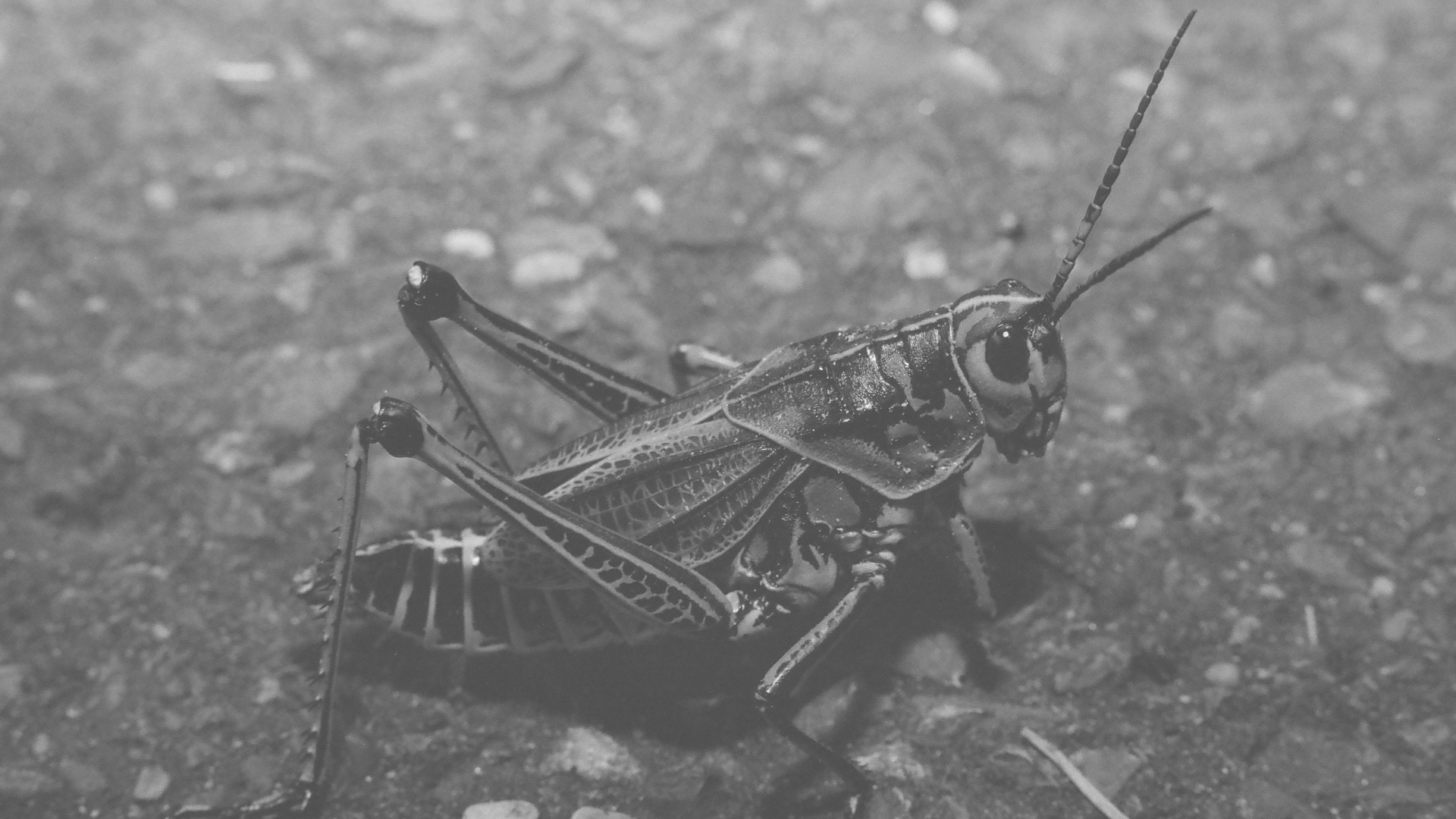
No, you don’t need to seek an audience from the Vatican, rather you just need to religiously practice this simple technique and you’ll soon have faith in flawless film photographs every time you press the shutter release.
[Please note: this technique is best suited for macrophotography (see Figure 3). A set of extension tubes, a bellows, a helicoid focus extender, or a macro lens will be necessary.]

Achieving this divine enlightenment only requires the acquisition of a vintage electronic flash–the venerable Vivitar Automatic Electronic Flash Model 283 Auto Thyristor as shown in Figure 4. Yes, that’s a mouthful, but this flash will help you effortlessly obtain perfect photographs.
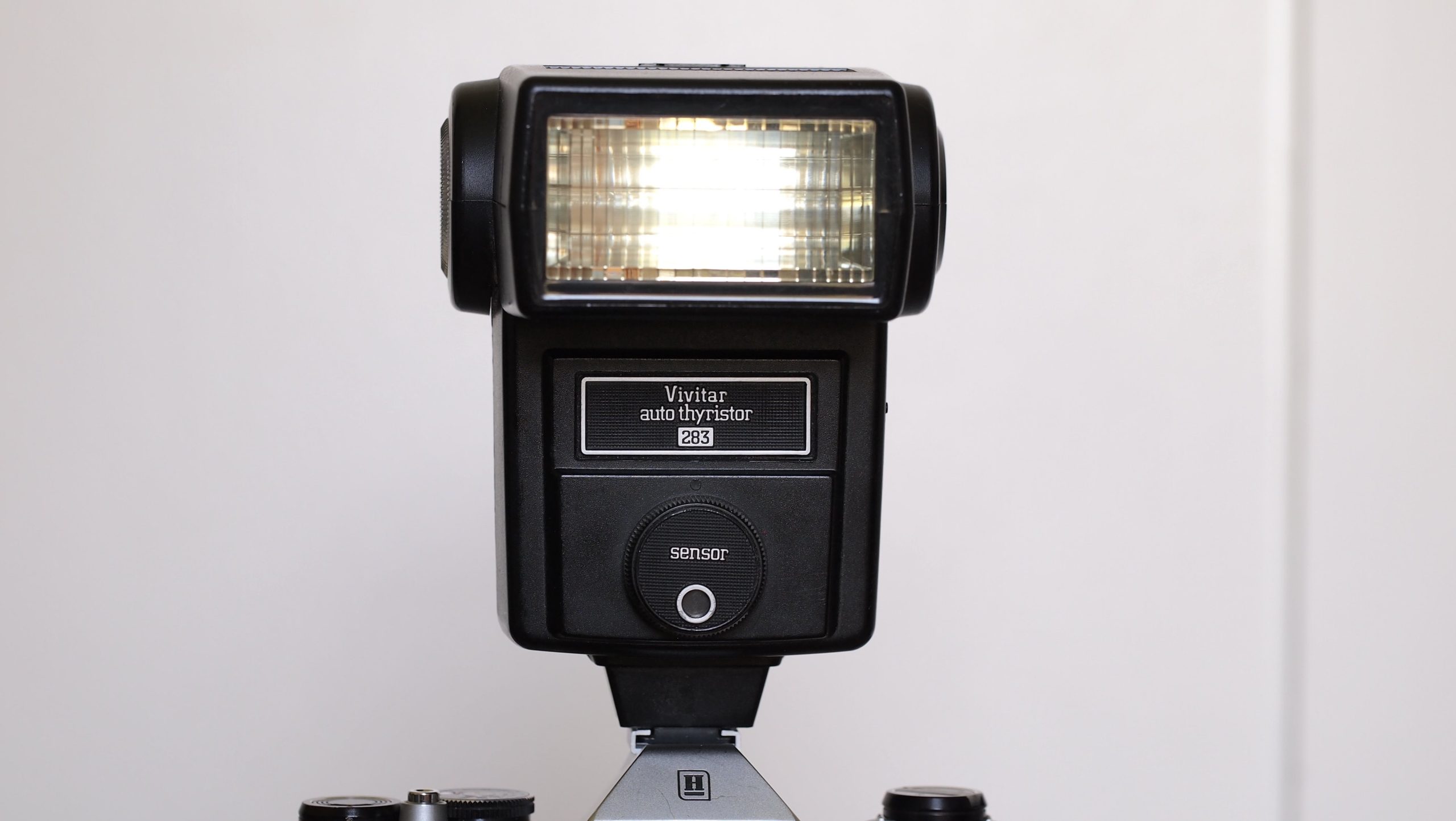
You should have no trouble finding a Vivitar 283 in “excellent” condition for less than $5 on today’s used equipment market. Well, actually, you might not find a solitary flash for this price, rather you’ll have to purchase a bundled lot of multiple flashes for under $40. Typically, these bundles will range between 4 – 10 flashes for a bulk price of $20 – $40. Regardless of the cost, just make sure your Vivitar 283 is in excellent AND working condition.
[Please note: obtaining successful photographs with this technique requires the use of a moderate speed film: ISO 80 – 100. Higher speed films (e.g., ISO 200 – 800) can result in ambient light exposure that could result in blurry subject movement.]
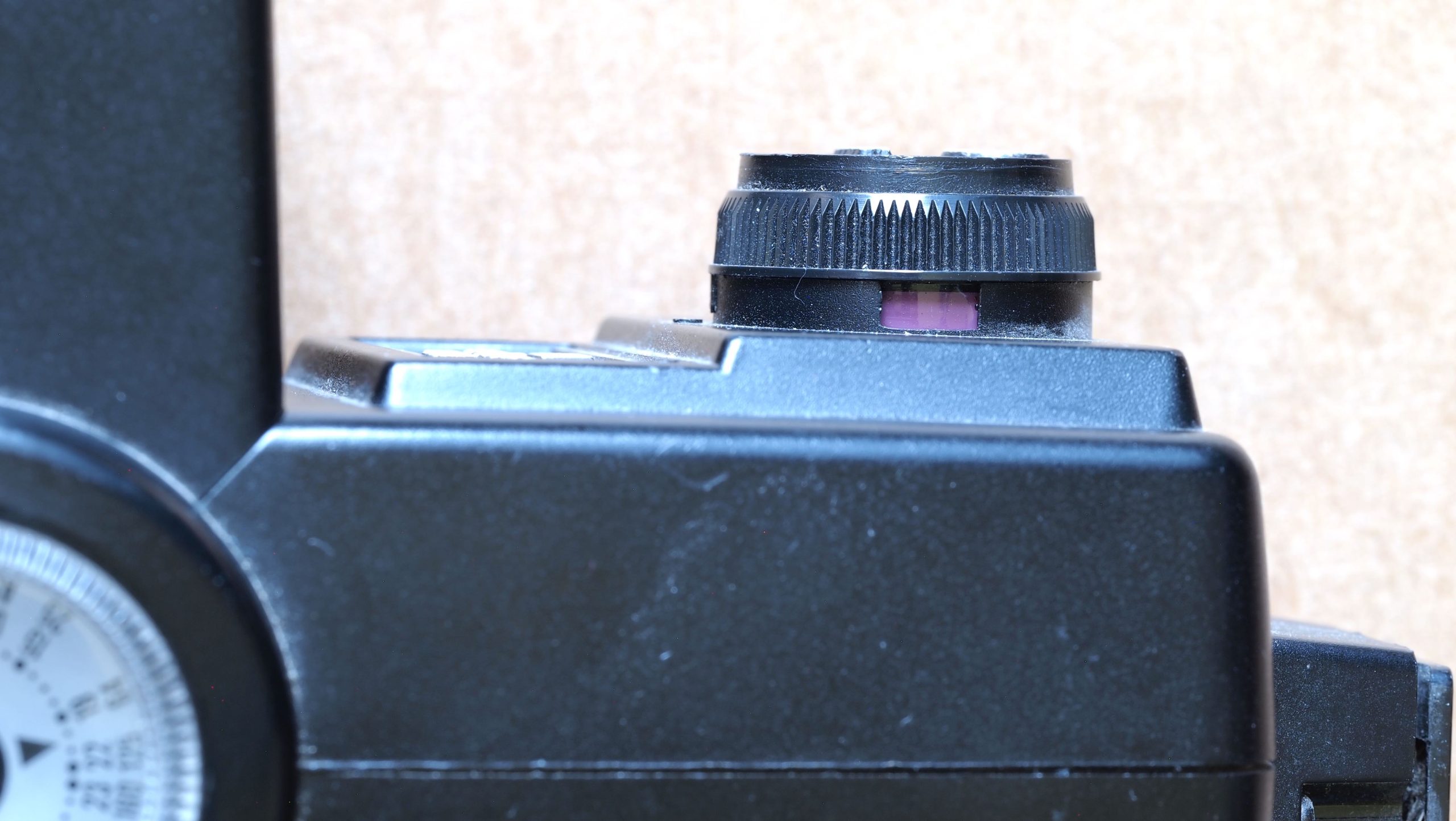
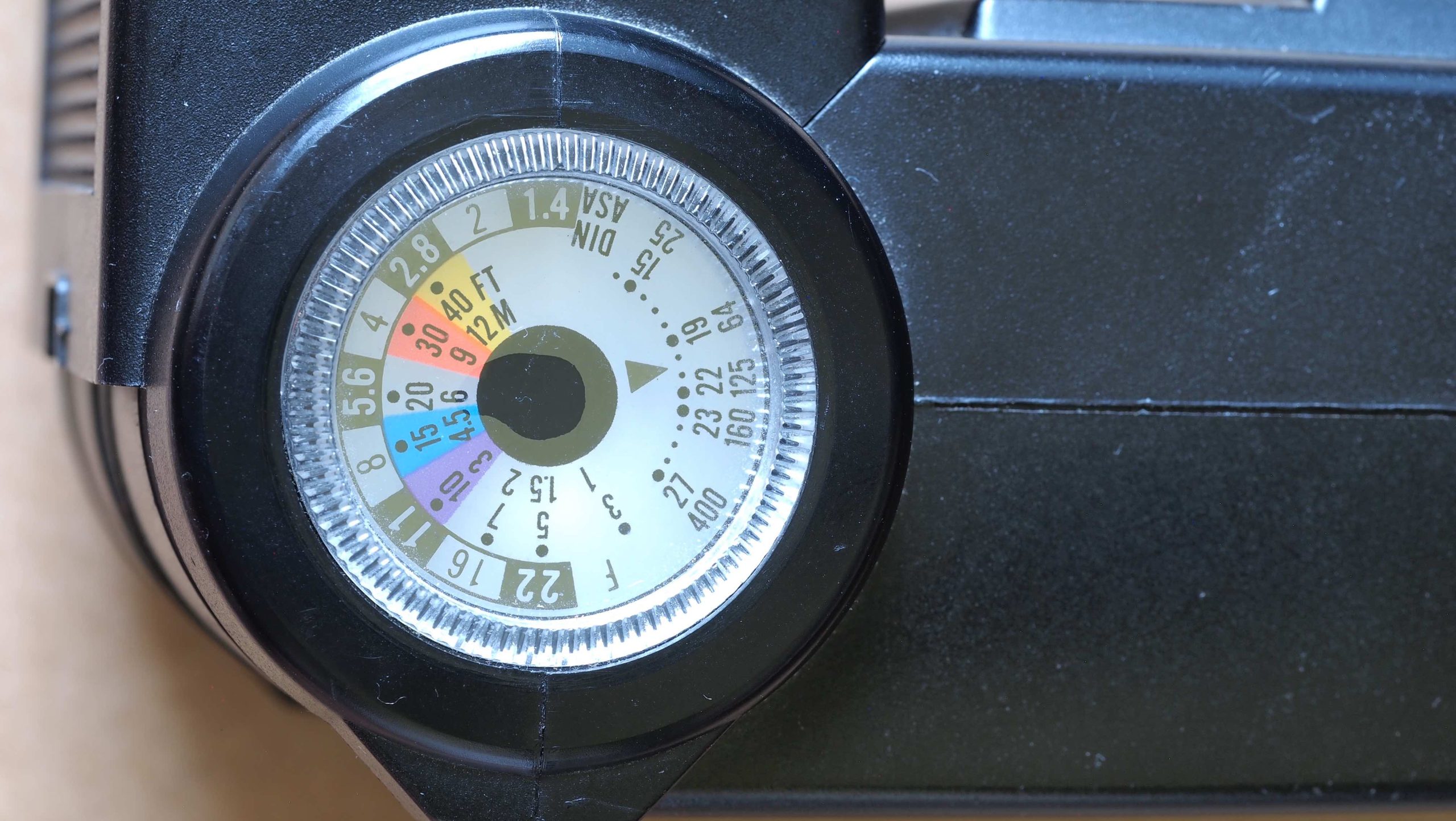
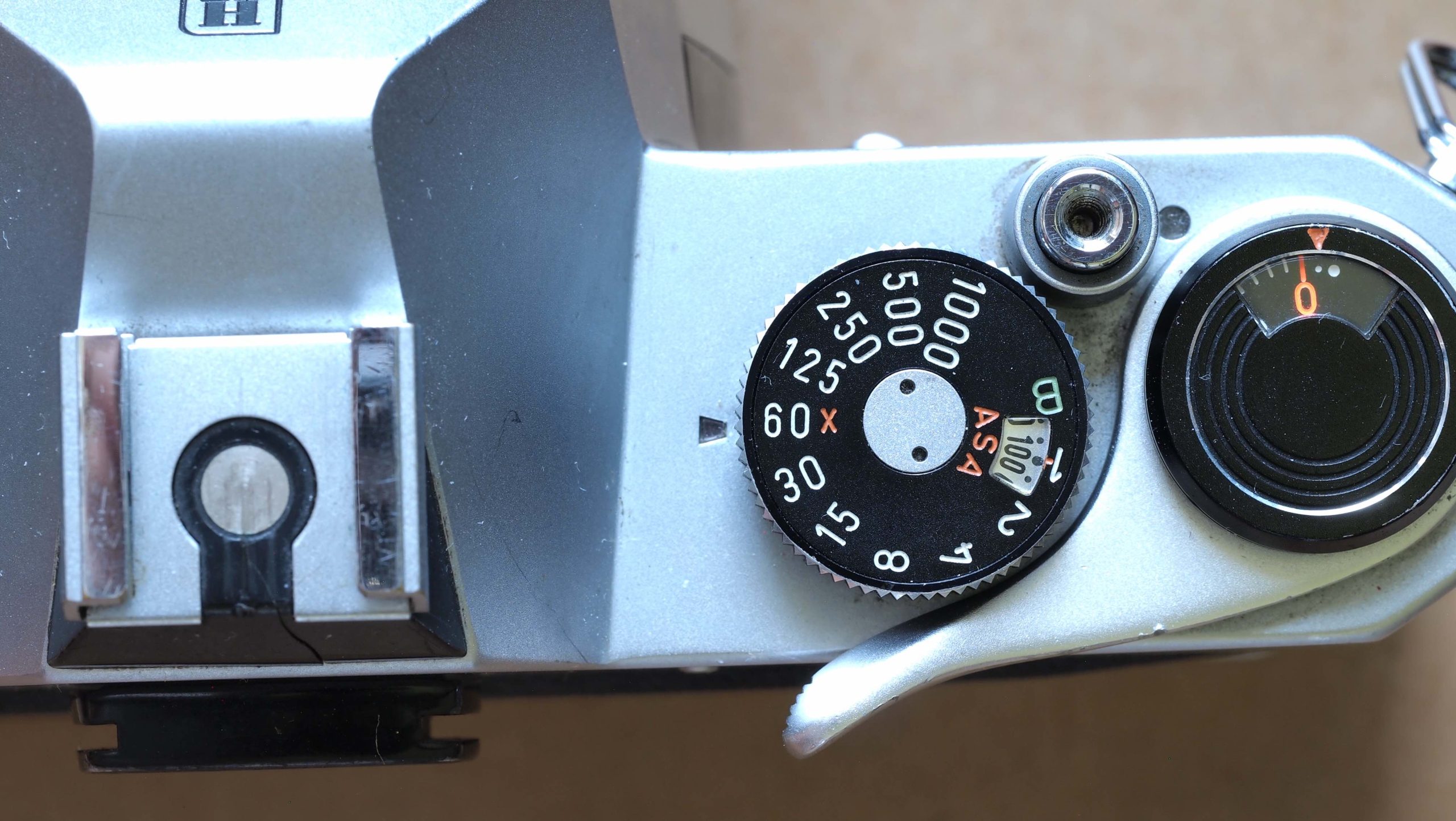
Equipped with a working Vivitar 283, you load a roll of ISO 80 – 100 film in your camera, rotate the flash sensor knob (see Figure 5) to “purple,” spin the exposure calculator dial to match your film speed (see Figure 6), and set your lens aperture to the value opposite the calculator’s purple color wedge (e.g., f/11). Set your film camera shutter to its electronic flash X synchronization speed (e.g., 1/60 or 1/125), as shown in Figure 7. Now attach the flash to your camera’s hot shoe and add an extension tube (e.g., 7 – 14mm) between the lens and camera. Ta-dah; you are ready for flawless fire and forget photography.
What if you can’t find a used Vivitar 283? No problem. Any of today’s inexpensive, budget manual electronic flashes can be adapted to this technique (see Figure 8). Just ensure that your selected flash has a guide number (GN) of 30 – 35 and a user-selectable power output setting.

Selecting the proper power output level can be calculated with this formula:
range x aperture = GN
[Please note: including this formula could have bad repercussions, according to Stephen Hawking, he was told that “…each equation I included in the book would halve the sales.”]
By using the f/11 aperture from the Vivitar 283 use-case scenario, a power output setting of 1/32 with some of these modern manual flashes should work (see Figure 9). But, please experiment to find your perfect fire and forget exposure.

Regardless of using a vintage Vivitar 283 or a modern electronic flash, your approach to “shooting” with this technique is humorously similar to a “big game” hunting safari (see Figure 10). Slowly poke your lens towards your subject, then when you’ve got the ideal composition and a sharp focus, pull the “trigger.”
So, next time you’re sipping your cappuccino at the local cafe and you overhear the “how do you know” topic, just slap a pile of your perfect prints on the table and say, “it’s a matter of faith.”
Enjoy.
See more from DIYPhotography.net on Google
Add DIYPhotography.net as a trusted source. This makes
our stories more likely to appear in your Google Search results.
 Add as a preferred source on Google

David Prochnow
Our resident “how-to” project editor, David Prochnow, lives on the Gulf Coast of the United States in Ocean Springs, Mississippi. He brings his expertise at making our photography projects accessible to everyone, from a lengthy stint acting as the Contributing How-To Editor with Popular Science magazine. While you don’t have to actually build each of his projects, reading about these adventures will contribute to your continued overall appreciation of do-it-yourself photography. A collection of David’s best Popular Science projects can be found in the book, “The Big Book of Hacks,” Edited by Doug Cantor.



Join the Discussion
DIYP Comment Policy
Be nice, be on-topic, no personal information or flames.