




















Canon Goes Seriously Wide with New RF 7–14mm Fisheye and RF 14mm f/1.4 Lenses
Feb 4, 2026
Alex Baker
Alex Baker is a portrait and lifestyle driven photographer based in Valencia, Spain. She works on a range of projects from commercial to fine art and has had work featured in publications such as The Daily Mail, Conde Nast Traveller and El Mundo, and has exhibited work across Europe
Share:
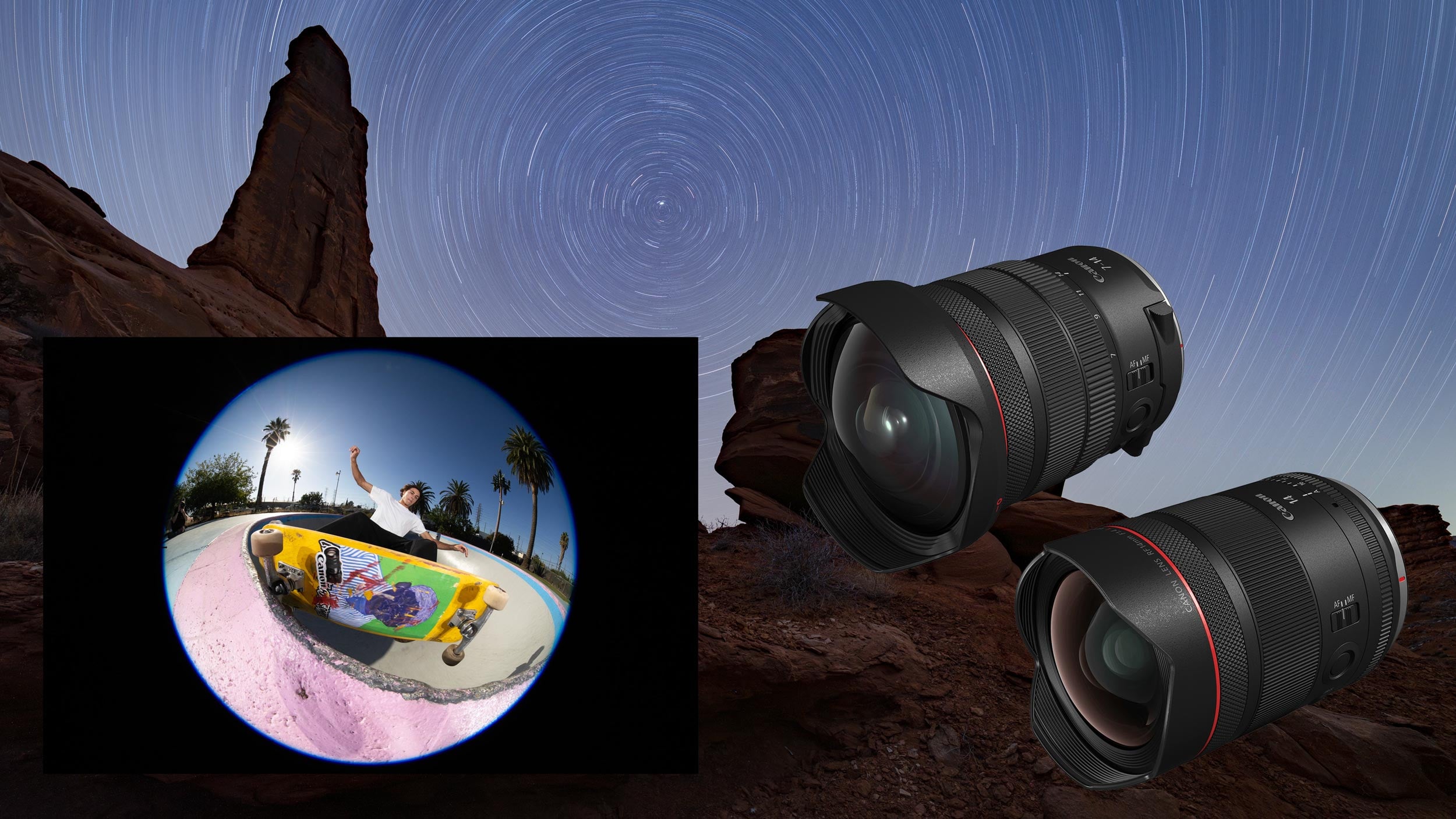
Canon is clearly in a wide-angle mood. Two brand new lenses have been added to its RF offering, doubling down on extreme perspectives and fast glass. The lenses are aimed at photographers and filmmakers who want to see a lot more of the world in a single frame.
The new RF 7–14mm F2.8–3.5 L Fisheye STM and RF 14mm F1.4 L VCM aren’t incremental updates. One is Canon’s widest zoom lens ever, built for distortion-heavy creativity and VR workflows. The other is the brightest ultra-wide prime Canon has produced, aimed squarely at astro, architecture, and hybrid shooters who require low-light capabilities.
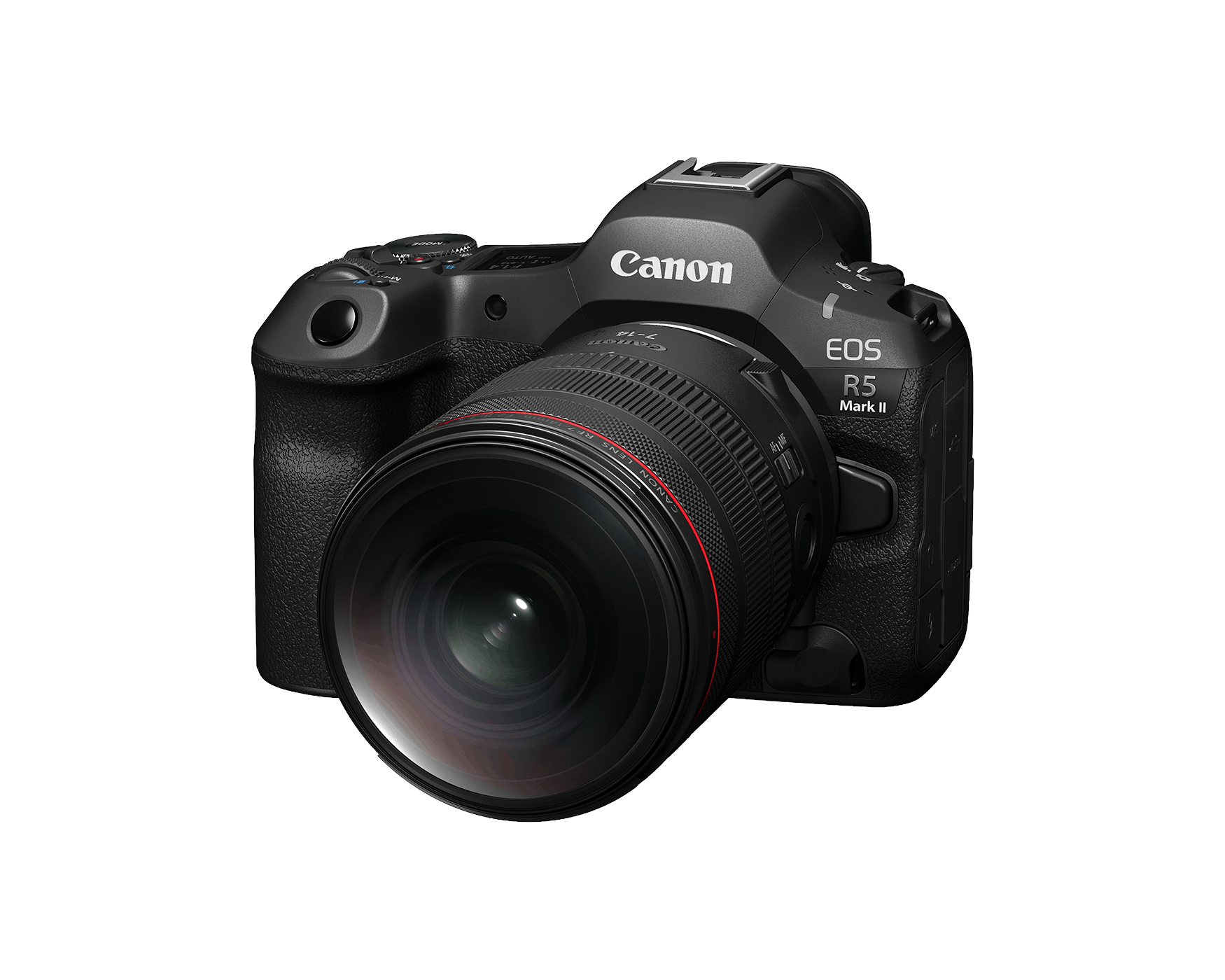
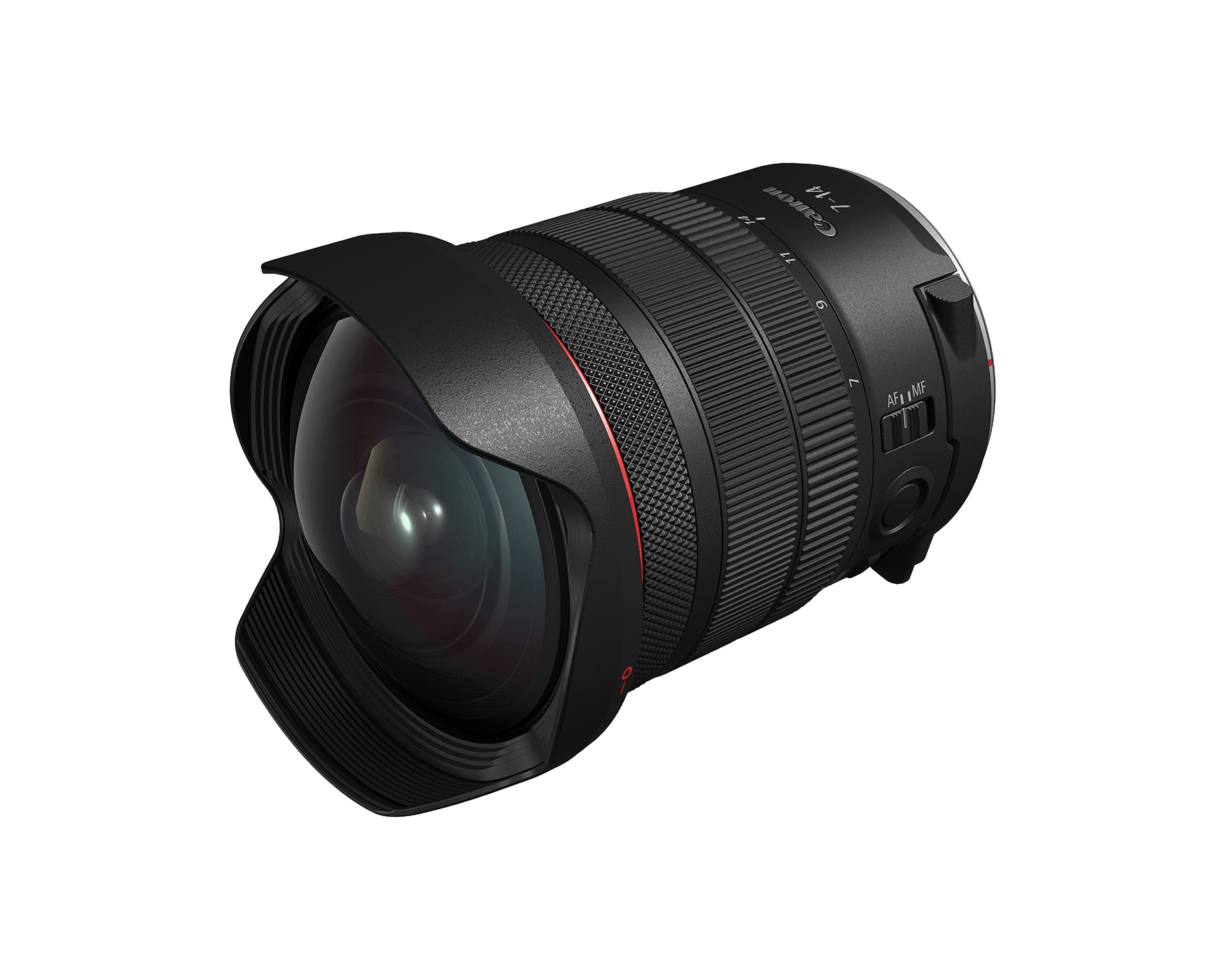
RF 7–14mm F2.8–3.5 L Fisheye STM: Canon’s Widest Zoom Lens Ever
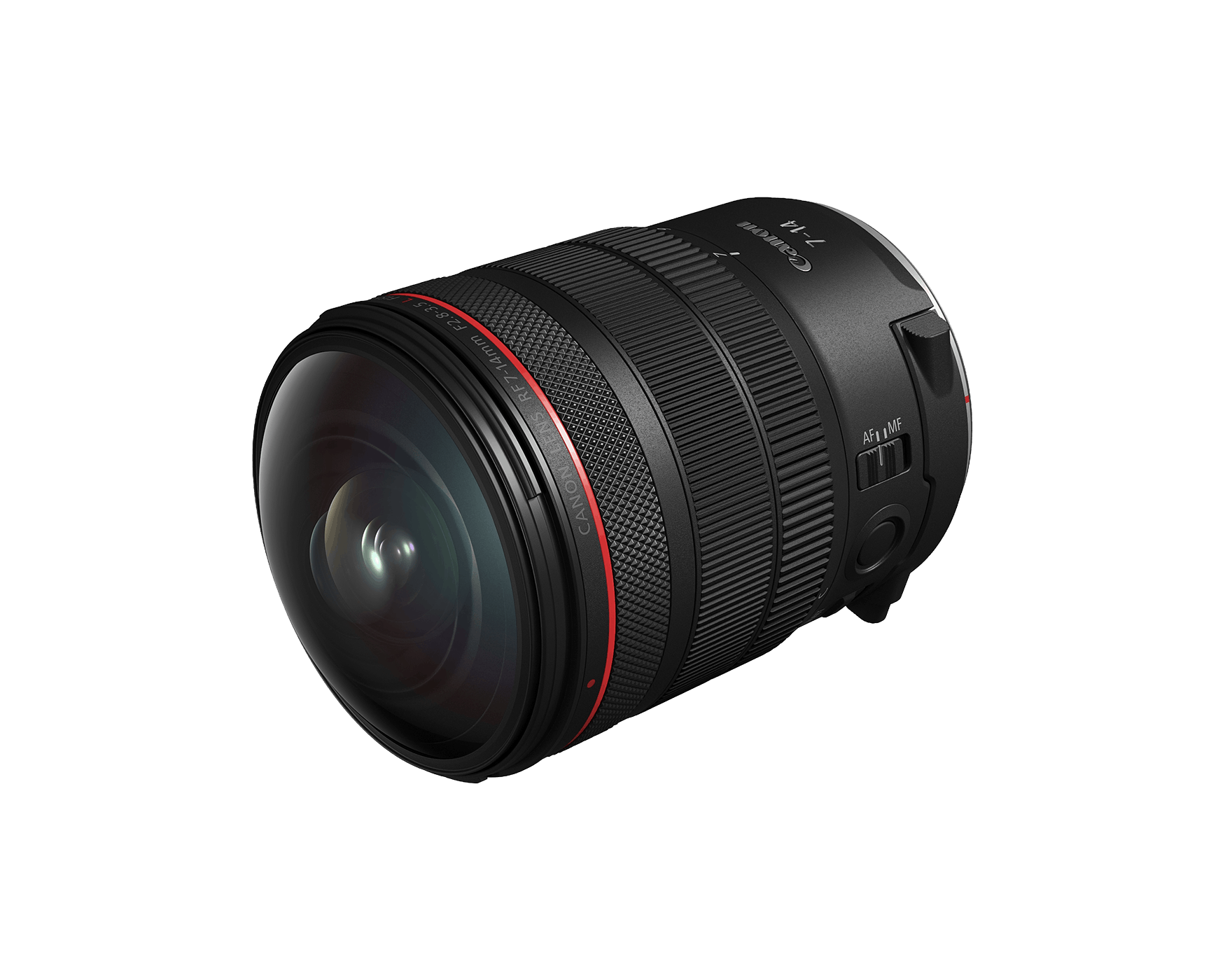
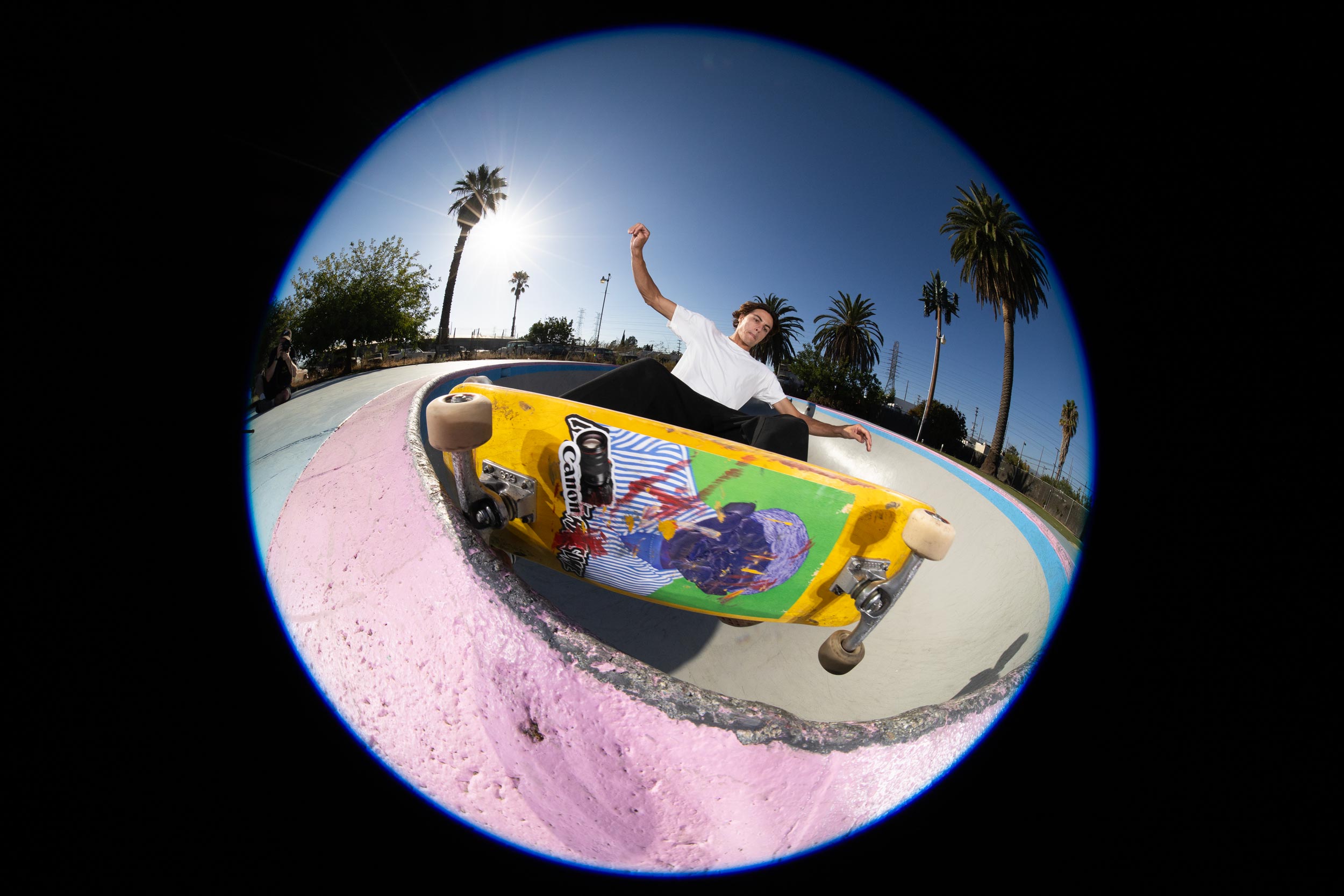
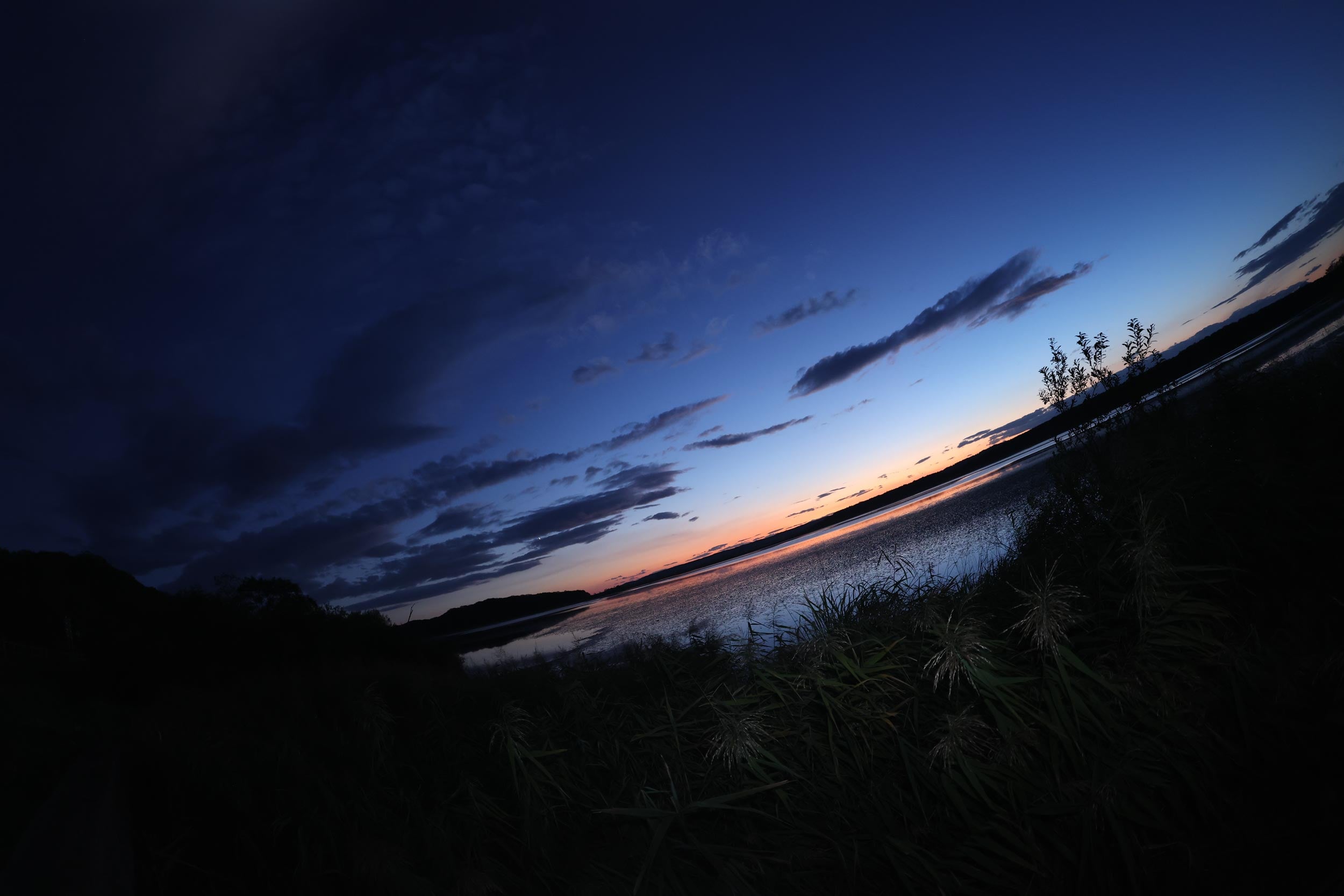
If you ever wondered how far Canon could push fisheye territory, the answer is 190 degrees, Canon’s widest single lens yet. At 7mm, the RF 7–14mm delivers a circular fisheye with a field of view that quite literally sees behind itself. Zoom to 14mm, and it shifts into a 180° diagonal fisheye, giving shooters flexibility without swapping lenses.
This lens builds on the legacy of the beloved EF 8–15mm f/4L Fisheye, but improves on it in several ways: a brighter maximum aperture, native RF performance, and a design that acknowledges modern video and VR workflows.
Why This Fisheye Is More Than a Gimmick
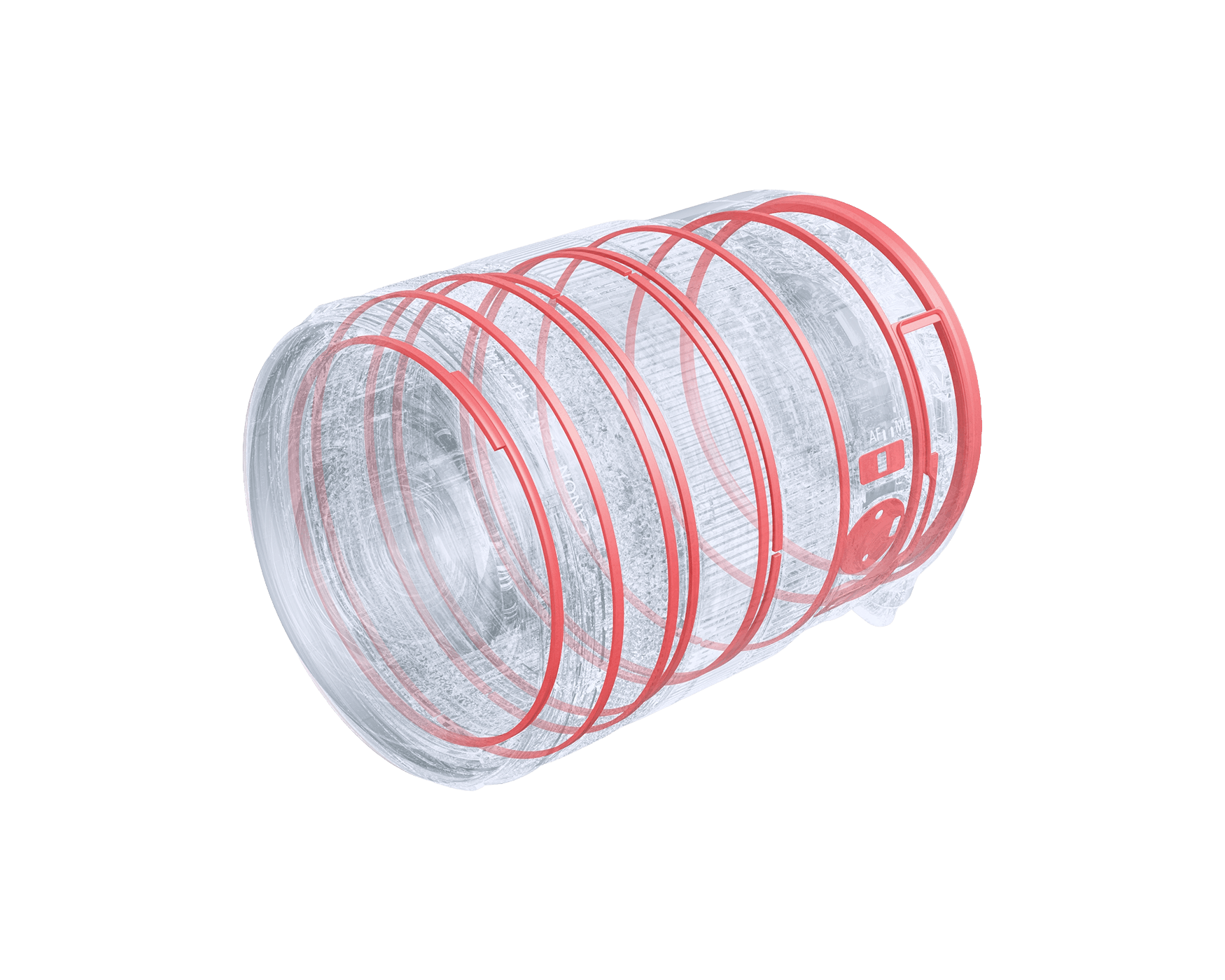
Extreme lenses often get written off as “fun but niche,” yet Canon has clearly designed this one for real-world use. A brighter f/2.8–3.5 aperture improves low-light performance for indoor sports, starscapes, and night video. The STM focus drive keeps focusing smooth and quiet, with minimal focus breathing which is something fisheyes have historically been terrible at. It also has built-in support of Canon EF-to-EOS R mount adapter drop-in filters (Clear, CPL, Variable ND), which is important if you need to use filters with a fisheye lens.
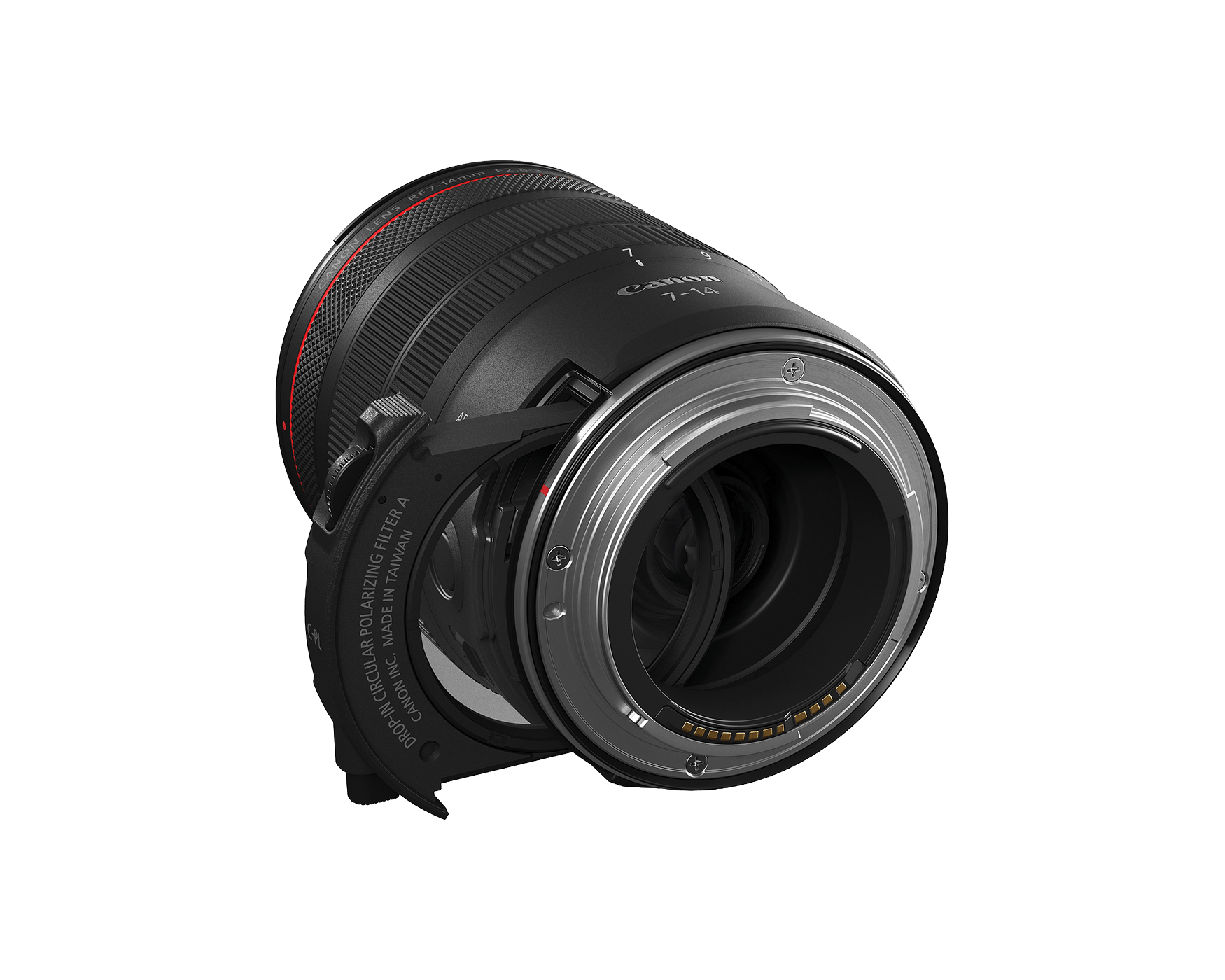
Canon has also embraced immersive media. Footage shot with this lens can be converted using Canon EOS VR Utility, making it a legitimate option for monoscopic VR creators using cameras like the EOS R5, R5C, and R6 Mark II. Now, VR creators won’t have to buy the dual fisheye lens to play in the VR space.
Sample Images
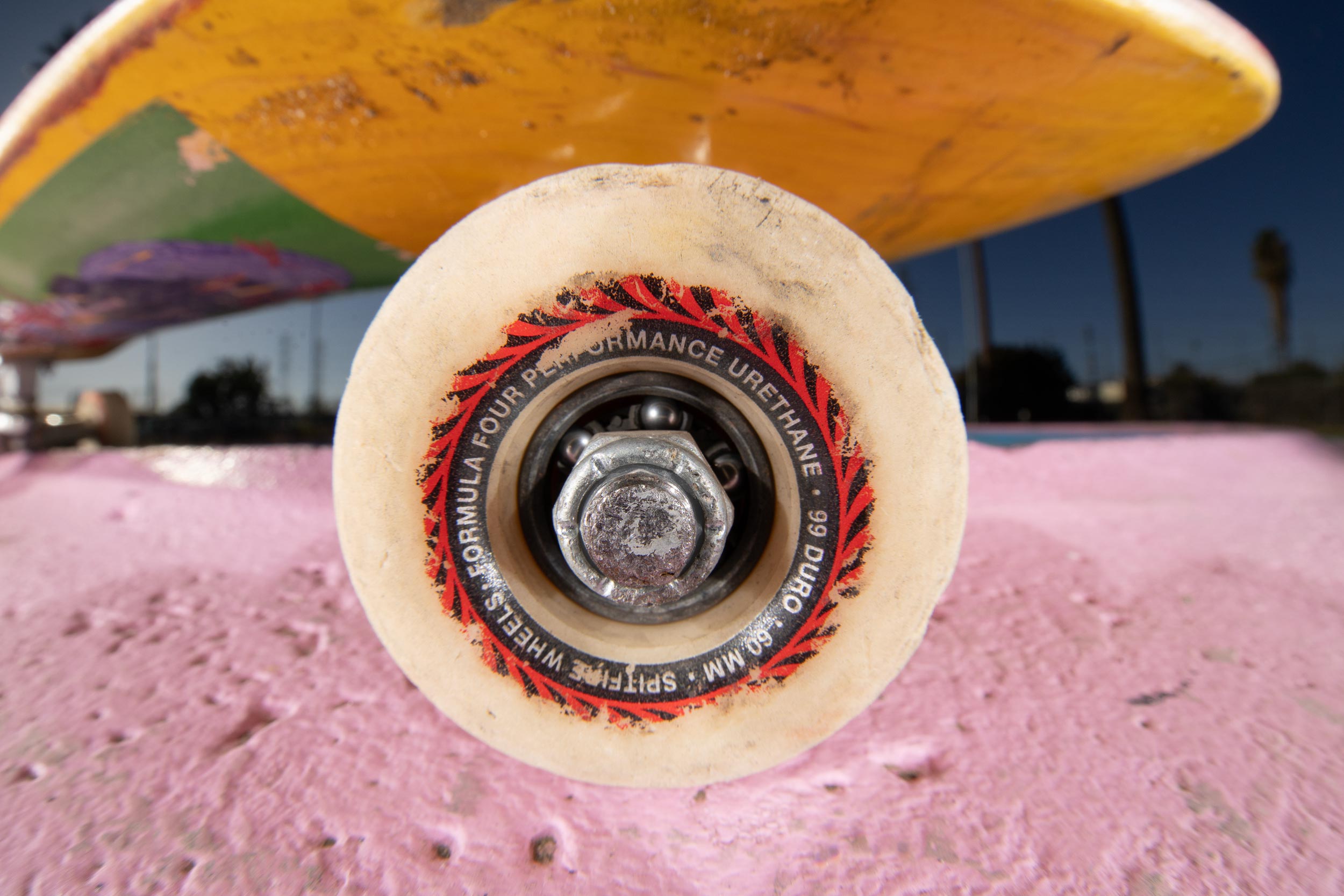
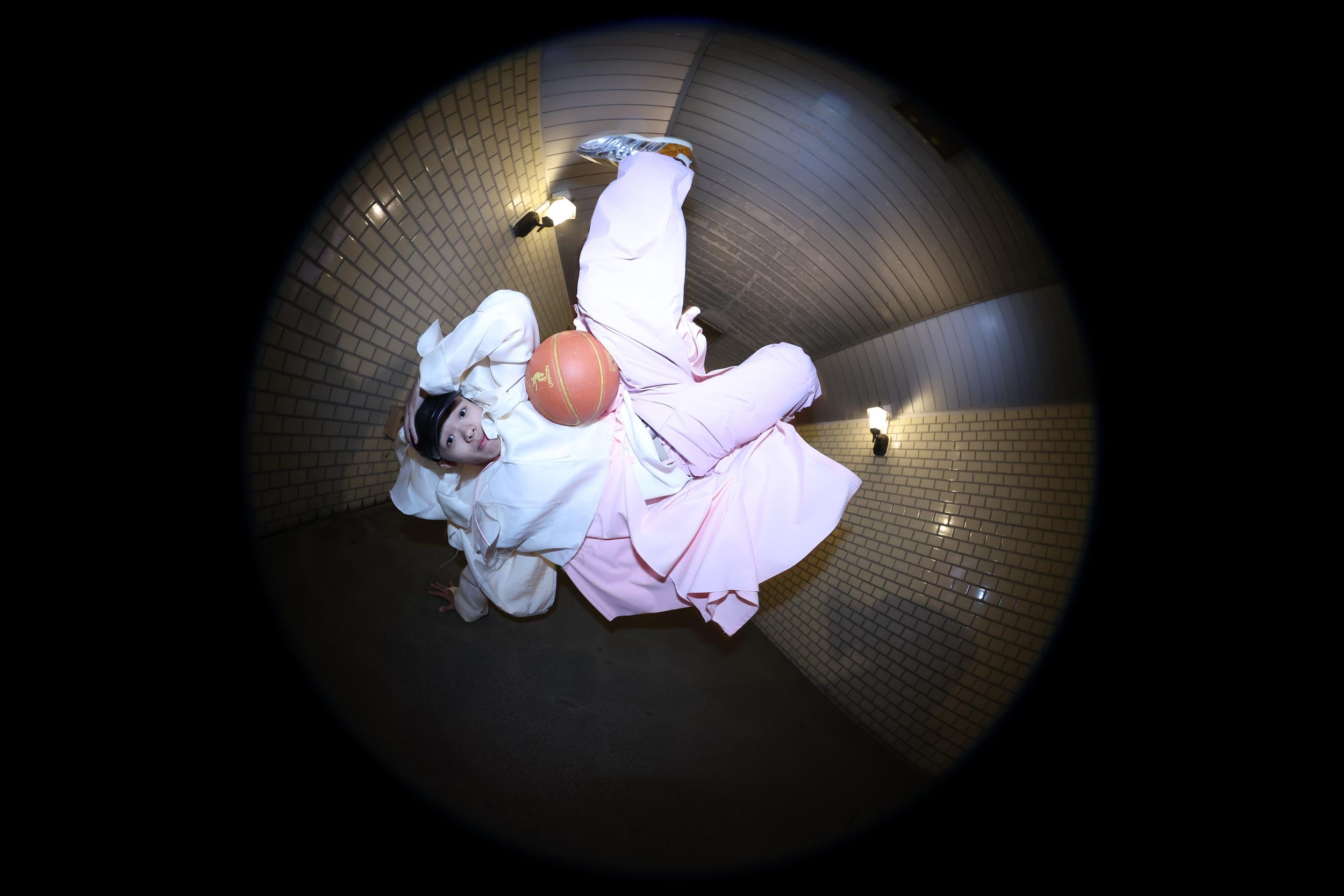
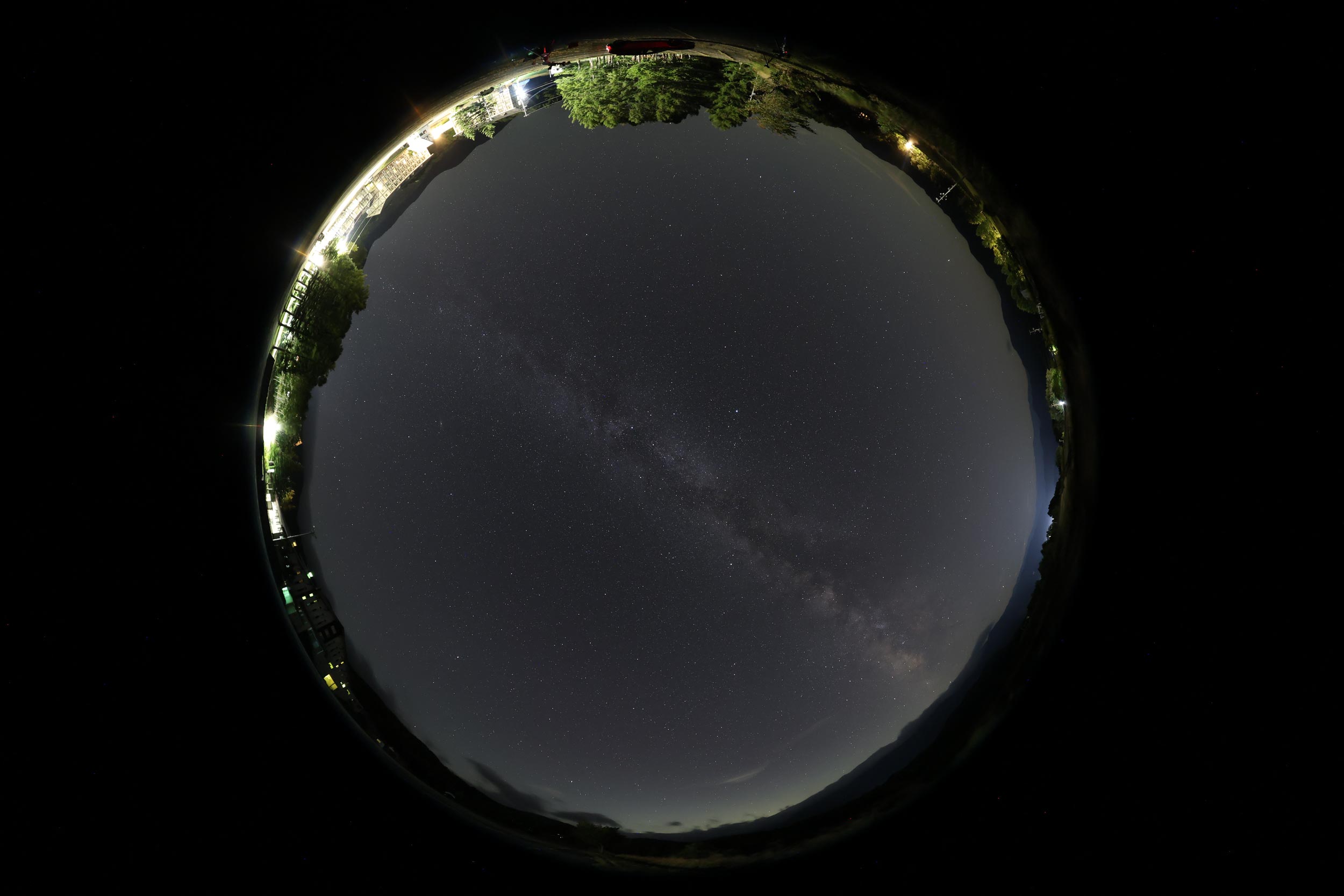
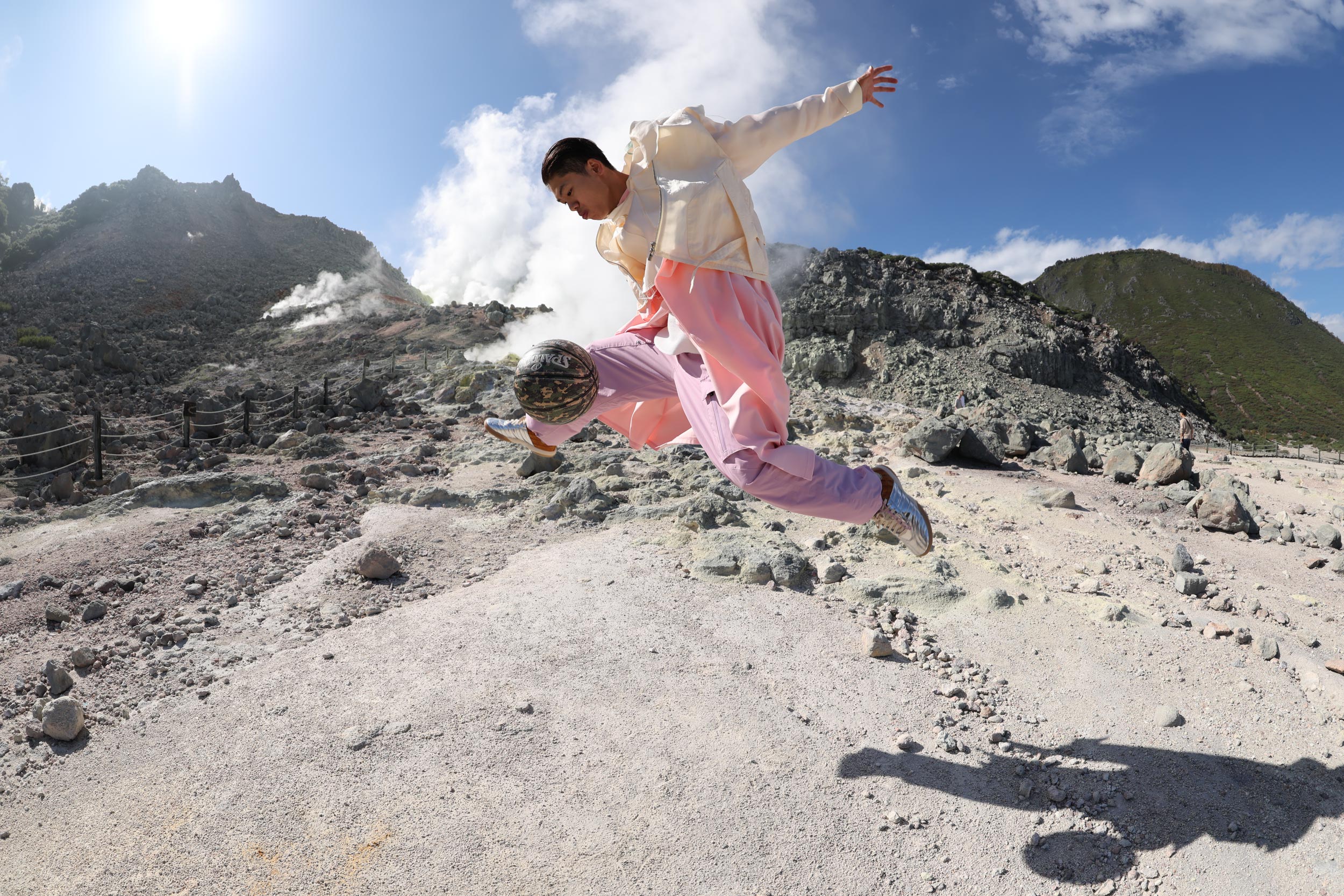
Specs
| Focal Length | 7–14mm |
| Maximum Aperture | f/2.8-f/3.5 |
| Minimum Aperture | f/22-f/29 |
| Lens Mount | Canon RF |
| Format Compatibility | Full-Frame |
| Angle of View | 7mm: 190° 14mm: 180° |
| Maximum Magnification | 0.35x (at 14mm; center of image) |
| Minimum Focus Distance | 5.9 in. / 0.49 ft. / 0.15m |
| Optical Design | 16 elements in 11 groups |
| Diaphragm Blades | 9 |
| Focus Type | Autofocus |
| Image Stabilization | No |
| Filter Size | No front filter – Drop-in slot at rear of lens |
| Dimensions (ø x L) | approx. 3.0 in. Ø x 4.3 in. / 76.5mm Ø x 109.4mm |
| Weight | approx. 16.8 oz. / 1.1 lb. / 476g |
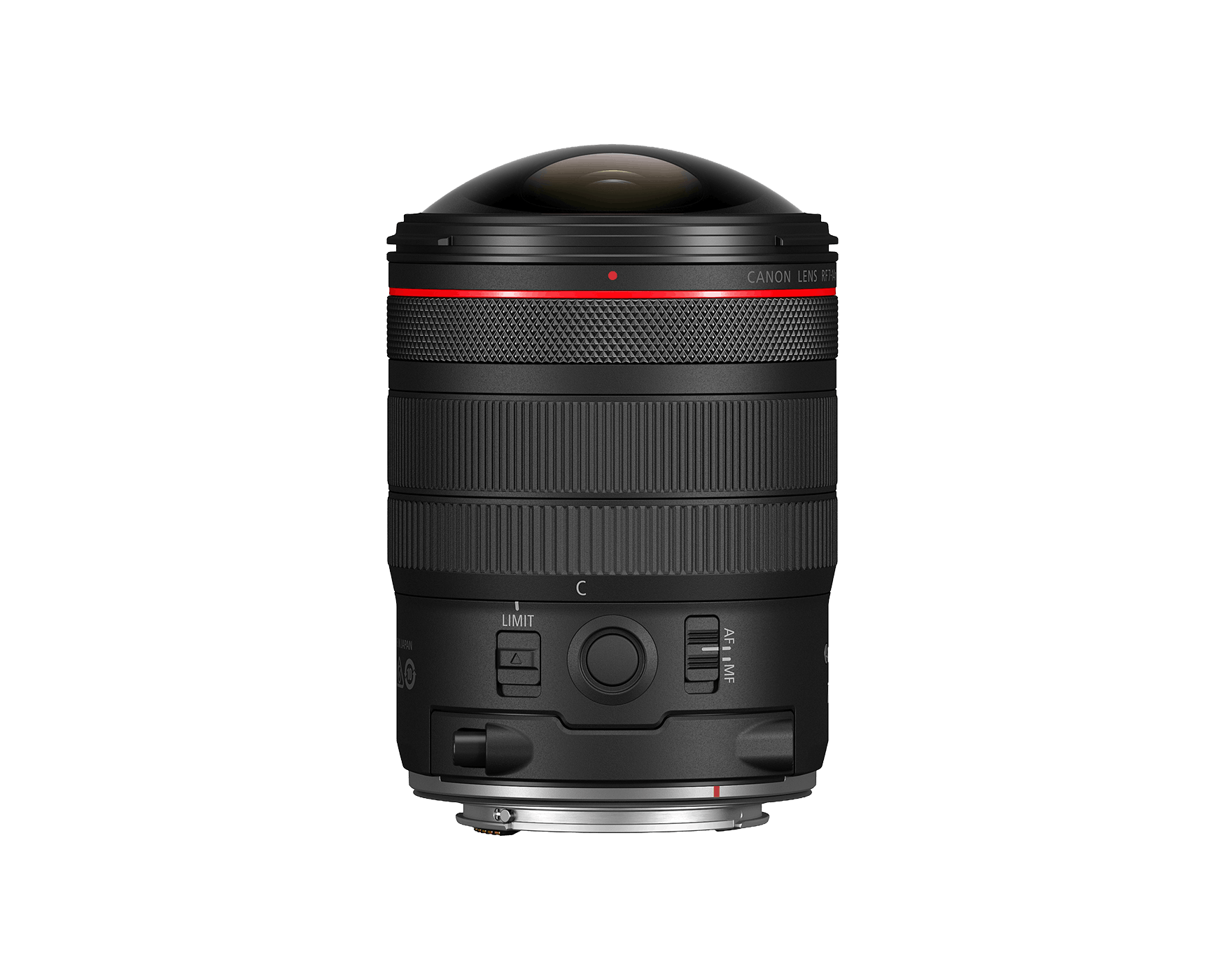
RF 14mm F1.4 L VCM: A Fast Ultra-Wide Built for Hybrid Shooters
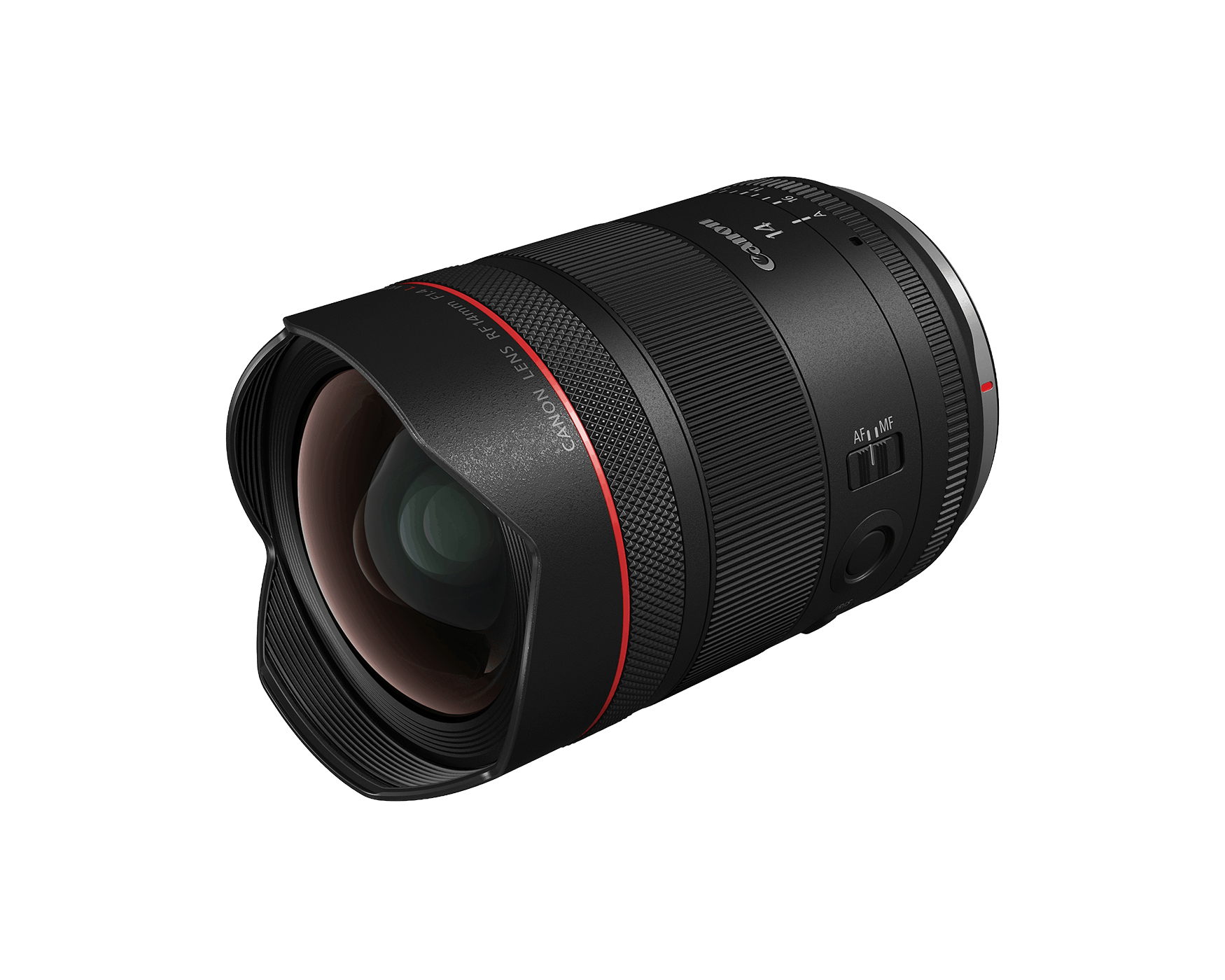
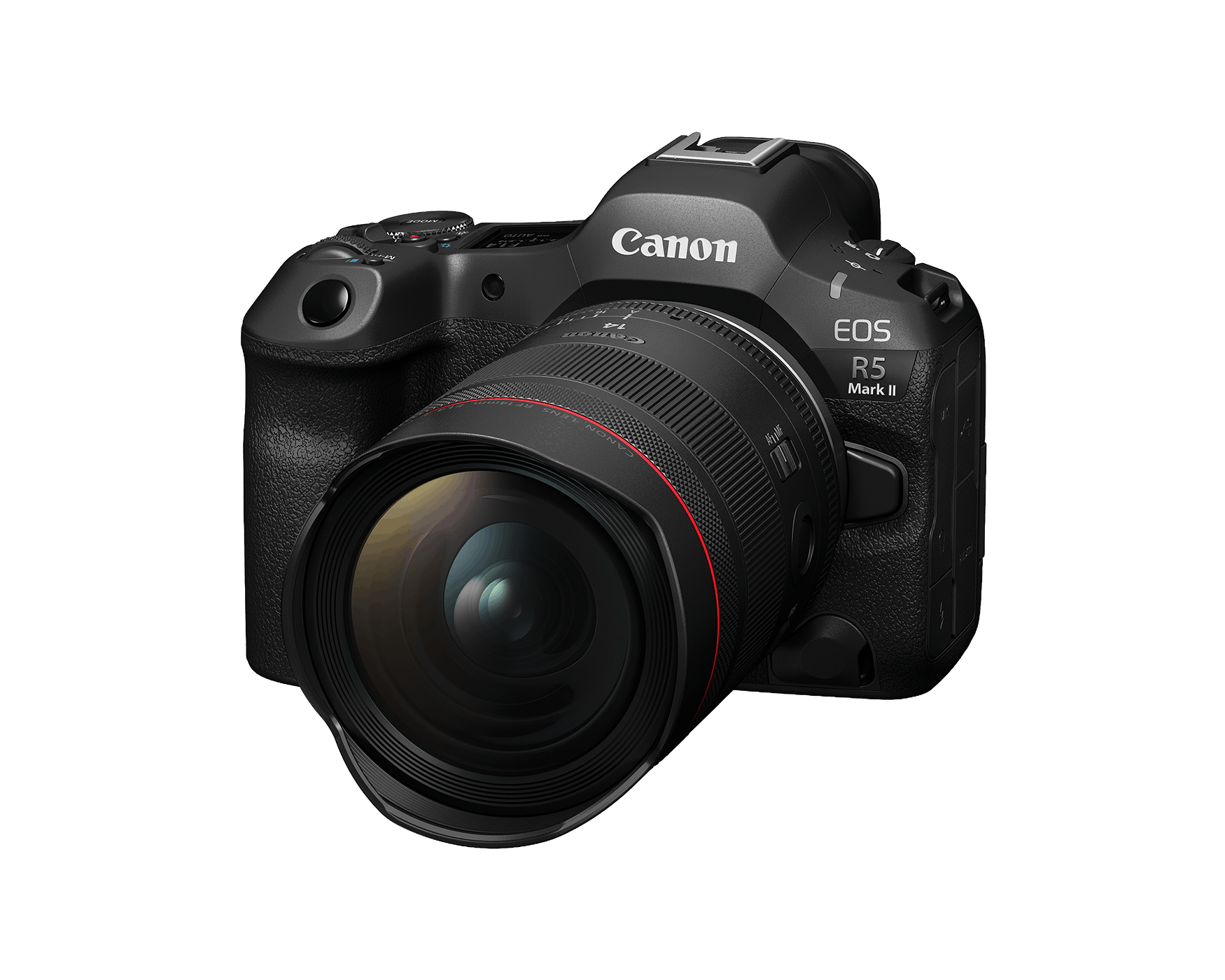
Now onto the other new lens. While the fisheye is all about distortion, the RF 14mm F1.4 L VCM is about control. This lens replaces the EF 14mm f/2.8L II with something faster, sharper, and far more video-friendly.
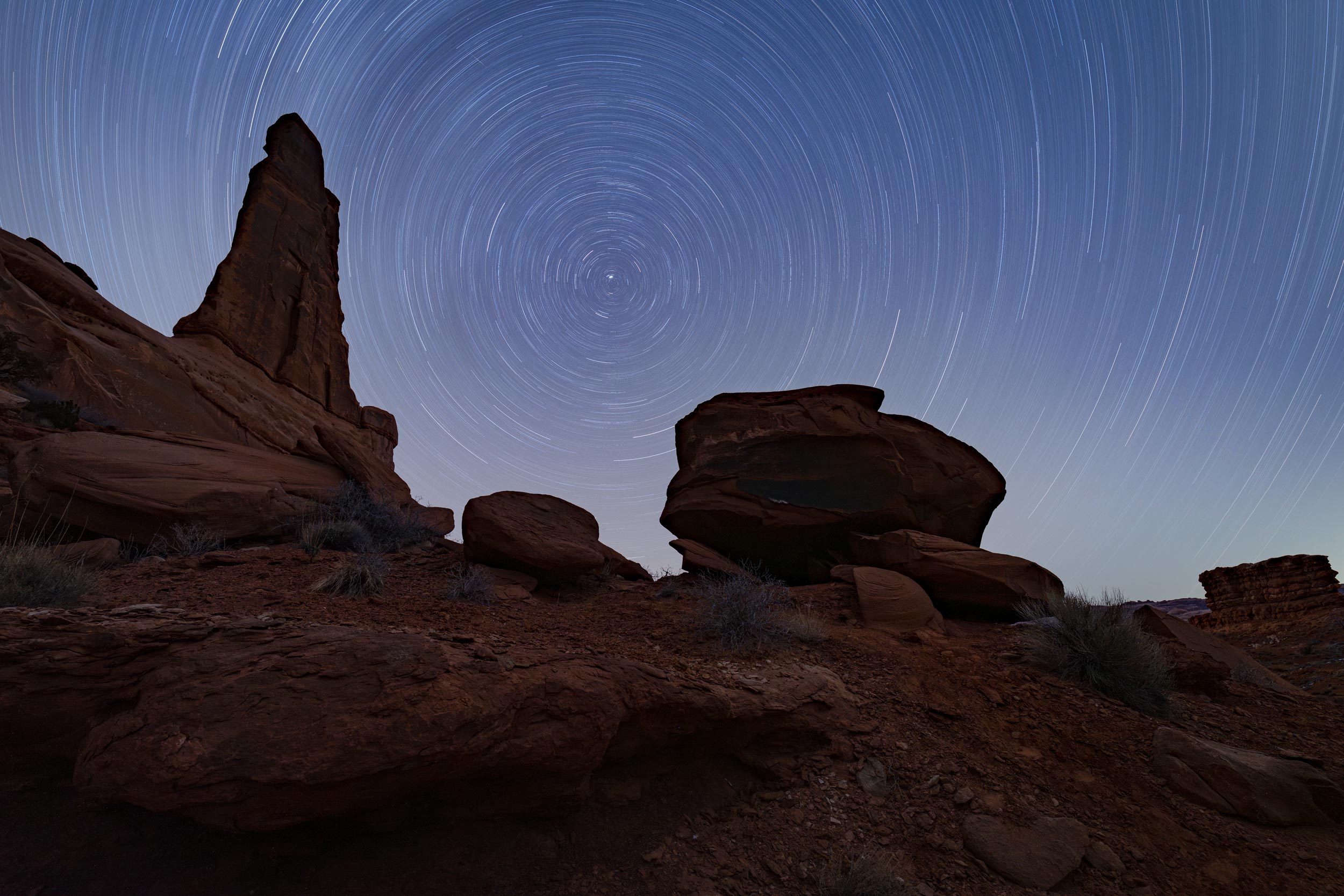
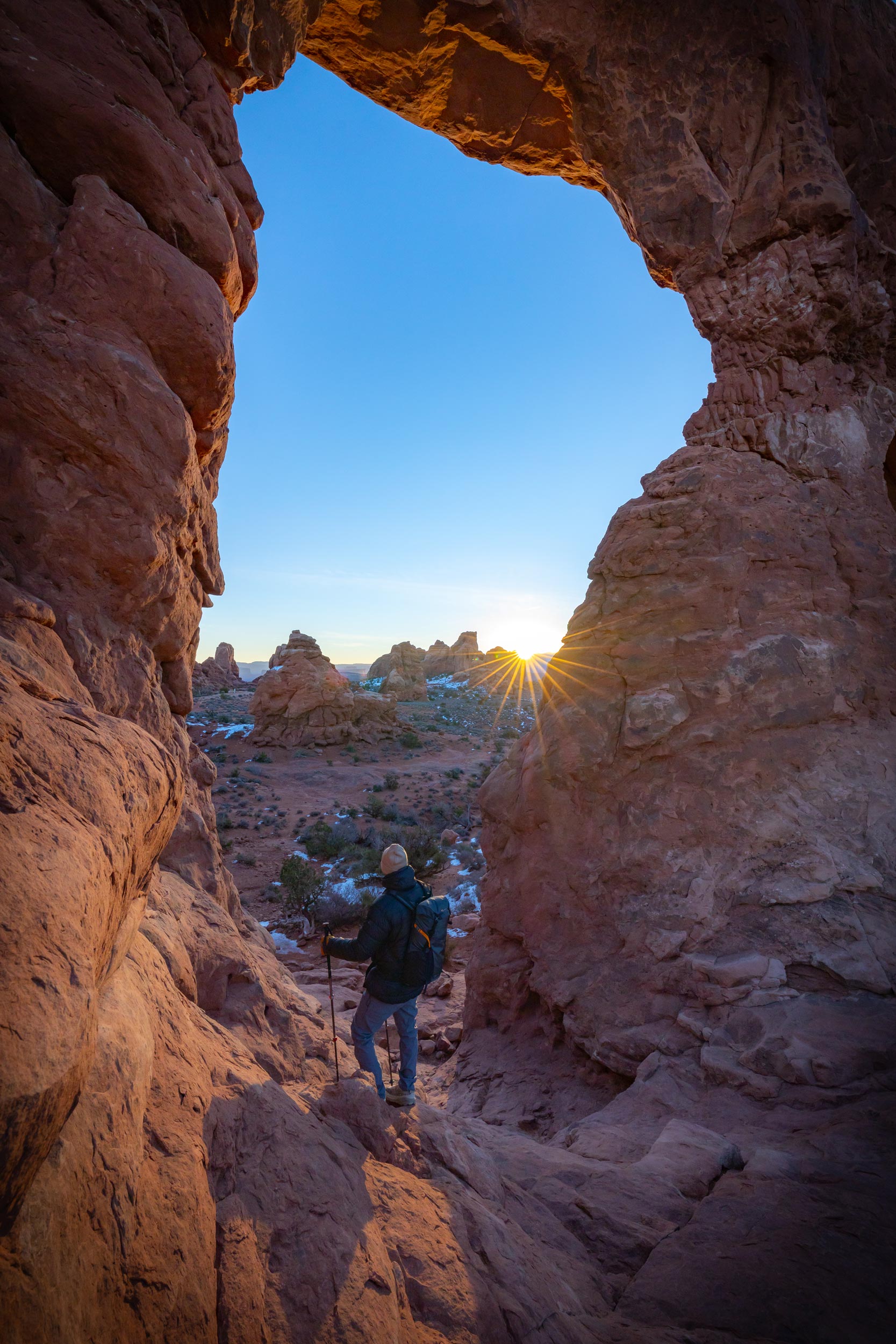
A 14mm f/1.4 aperture is no small feat, especially when paired with rectilinear rendering and controlled distortion. Canon is clearly aiming this lens at landscape and astro photographers who work at night, as well as architectural shooters and filmmakers who need speed without sacrificing geometry.
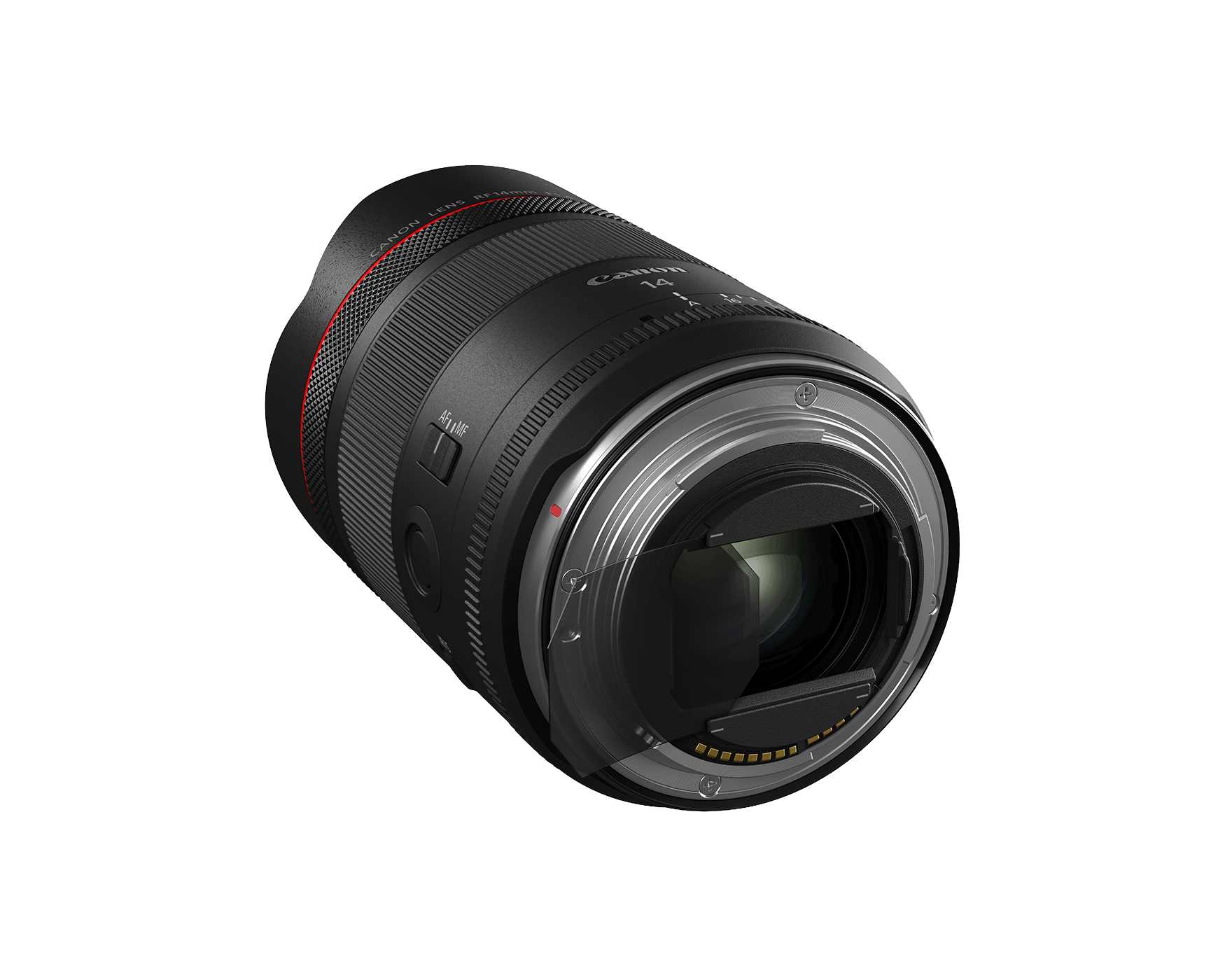
Optics, Autofocus, and Handling
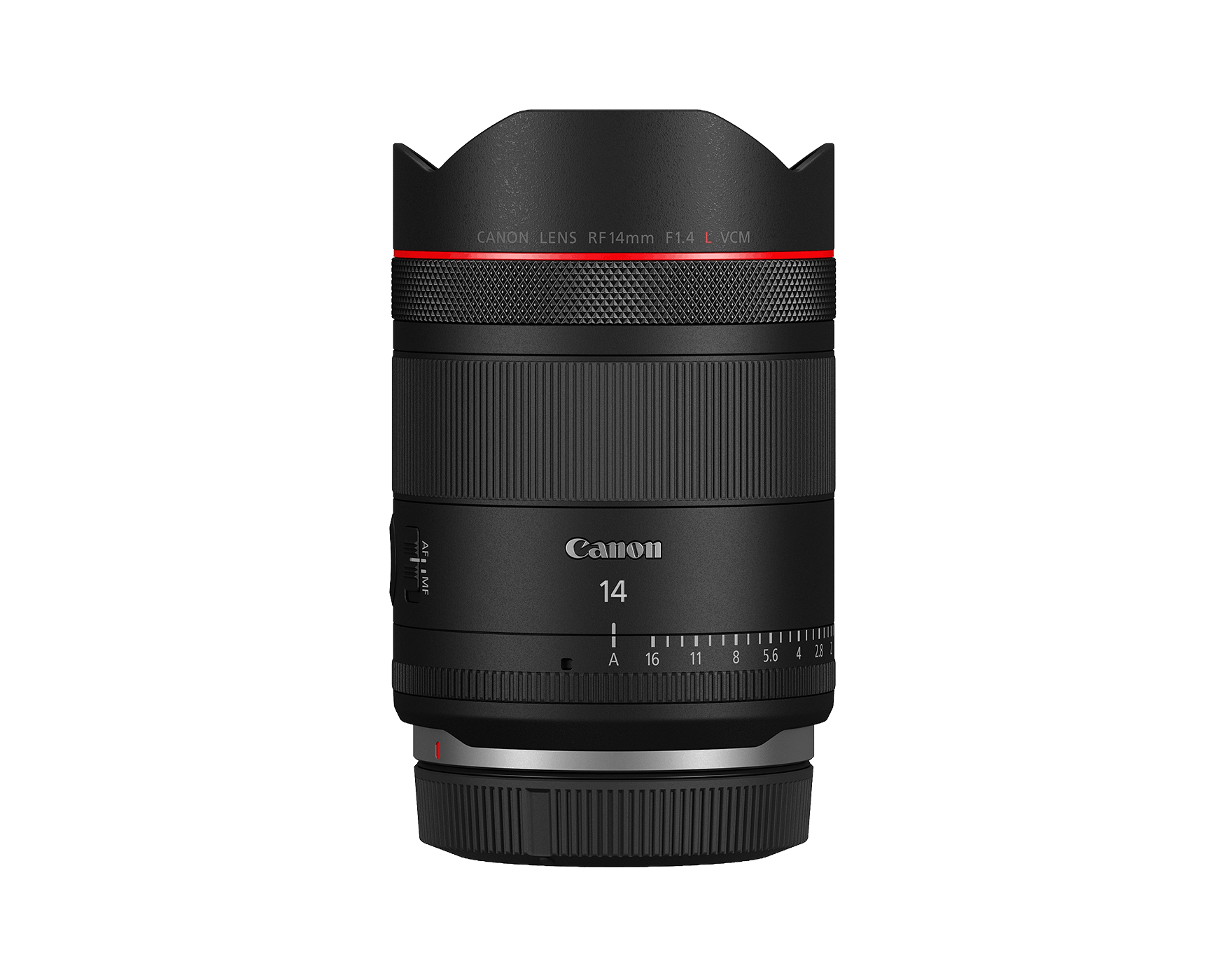
Canon is throwing everything it has at this lens optically, including a fluorite element, BR optics, UD glass, and multiple aspheric elements to keep point light sources sharp, which is critical for astrophotography. The 11-blade aperture helps produce smooth bokeh, even at wide angles.
The dual VCM autofocus system is fast, precise, and designed to minimise focus breathing, making this lens a strong option for video, time-lapse, and hybrid work. Physically, it matches Canon’s growing lineup of RF f/1.4 L primes, making it easy to integrate into existing kits.
Sample Photos


Specs
| Focal Length | 14mm |
| Maximum Aperture | f/1.4 |
| Minimum Aperture | f/16 |
| Lens Mount | Canon RF |
| Format Compatibility | Full-Frame |
| Angle of View | 114° (at infinity) |
| Maximum Magnification | 0.11x |
| Minimum Focus Distance | 9.45 in. / 0.79 ft. / 0.24m |
| Optical Design | 18 elements in 13 groups |
| Diaphragm Blades | 11 |
| Focus Type | Autofocus |
| Image Stabilization | No |
| Filter Size | None (no attachment threads at front of lens) |
| Dimensions (ø x L) | Approx. 3.0 in. Ø x 4.4 in. / 76.5mm Ø x 112mm |
| Weight | Approx. 20.4 oz. / 1.3 lb. / 578g |
Pricing and Availability
Pricing and availability for Canon’s new ultra-wide lenses are as follows: the RF 7–14mm F2.8–3.5 L Fisheye STM is expected to retail for $1,899, and the RF 14mm F1.4 L VCM is expected to retail for $2,599, with both lenses anticipated to be available on 24 February 2026.
See more from DIYPhotography.net on Google
Add DIYPhotography.net as a trusted source. This makes
our stories more likely to appear in your Google Search results.
 Add as a preferred source on Google

Alex Baker
Alex Baker is a portrait and lifestyle driven photographer based in Valencia, Spain. She works on a range of projects from commercial to fine art and has had work featured in publications such as The Daily Mail, Conde Nast Traveller and El Mundo, and has exhibited work across Europe
Related Posts
 How does the Samyang AF 14mm 2.8 stack up against the 3X priced Canon 14mm 2.8 lens
 Wide-angle lenses are not “landscape lenses” – All lenses are landscape lenses
 How to Choose Between Fisheye and Rectilinear Lenses for Wide-Angle Photos
 Convert a RETO Ultra-Wide Camera into an Ultra-Wide-Wide Camera
Join the Discussion
DIYP Comment Policy
Be nice, be on-topic, no personal information or flames.