










“Boudoir Is Not Pornography”: This Photographer is Redefining Empowerment Through His Lens
Oct 24, 2025
Alex Baker
Alex Baker is a portrait and lifestyle driven photographer based in Valencia, Spain. She works on a range of projects from commercial to fine art and has had work featured in publications such as The Daily Mail, Conde Nast Traveller and El Mundo, and has exhibited work across Europe
Share:

Boudoir photography has long existed in a grey area. It’s dismissed by some, often misunderstood, and rarely given the artistic credit it deserves. But for Boston-based photographer Shawn Black, it’s about power, not provocation.
As owner of Couture Black Photography and president of the Association of International Boudoir Photographers (AIBP), Shawn has built a career around helping people see themselves with new eyes. His work blends technical mastery with empathy, redefining boudoir as an act of self-celebration rather than seduction. We sat down with Shawn to talk about the evolving meaning of boudoir, how he builds trust, and why authenticity, not perfection, is at the heart of every portrait he creates.
DIYP: How did you first move into boudoir photography?
Shawn: It started almost by accident. I was shooting weddings full-time, and brides began asking if I did boudoir sessions. At first, I said no because I didn’t know much about it, and frankly, I didn’t understand what made it special. But after turning away a few inquiries, I realised I was missing something.
So, I started researching and learning and eventually joined the Association of International Boudoir Photographers (AIBP) around 2010. Back then, the field was smaller and more centred on the male gaze. Over time, I realised how wrong that was. Once I started photographing women outside the bridal context, such as divorced women, celebrating milestones, or reclaiming their bodies after illness, it clicked.
Hearing their stories, I saw firsthand how our culture, especially in the US, constantly bombards women with messages of shame about their bodies, their age, and their size. It’s a system that decries the female body but then uses sex to sell everything from cars to beer. This dovetailed with my personal life at that time because I had a young daughter and a wife I adored, and the thought of them ever feeling less than beautiful or powerful because of this noise was unacceptable.
So, my entire brand ethos flipped. It became my mission to use my camera not just to create a pretty picture, but to facilitate a healing experience. I want every woman who leaves my studio to see herself, perhaps for the first time in a long time, as the powerful, beautiful person she has always been.
I like to use the penny analogy: when a penny is new, it’s shiny. Over time, it tarnishes, but its value never changes. That’s what I do. I remind people that they’ve always had that same worth. We just help them see it again.
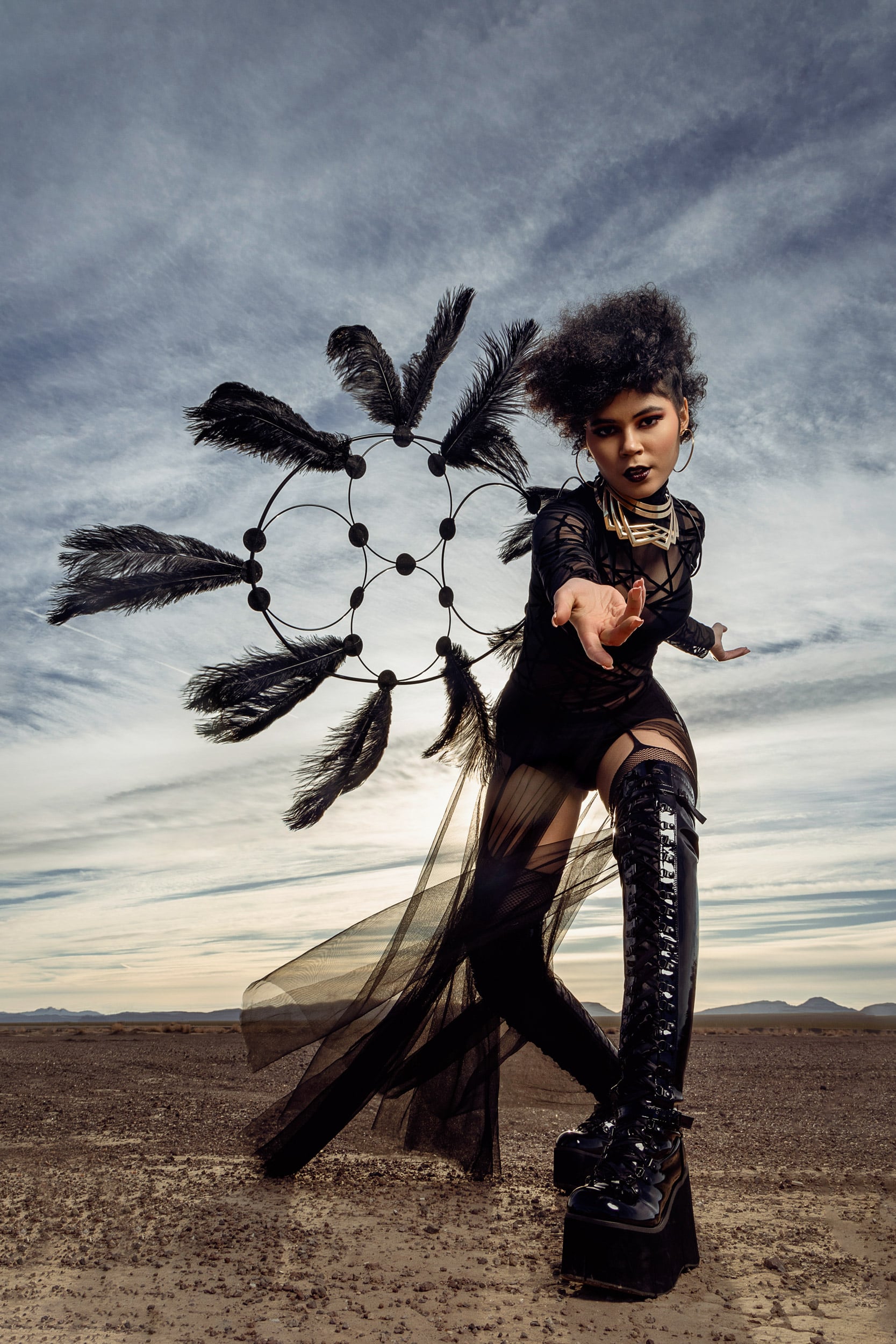
DIYP: You photograph a wide range of clients, is that intentional?
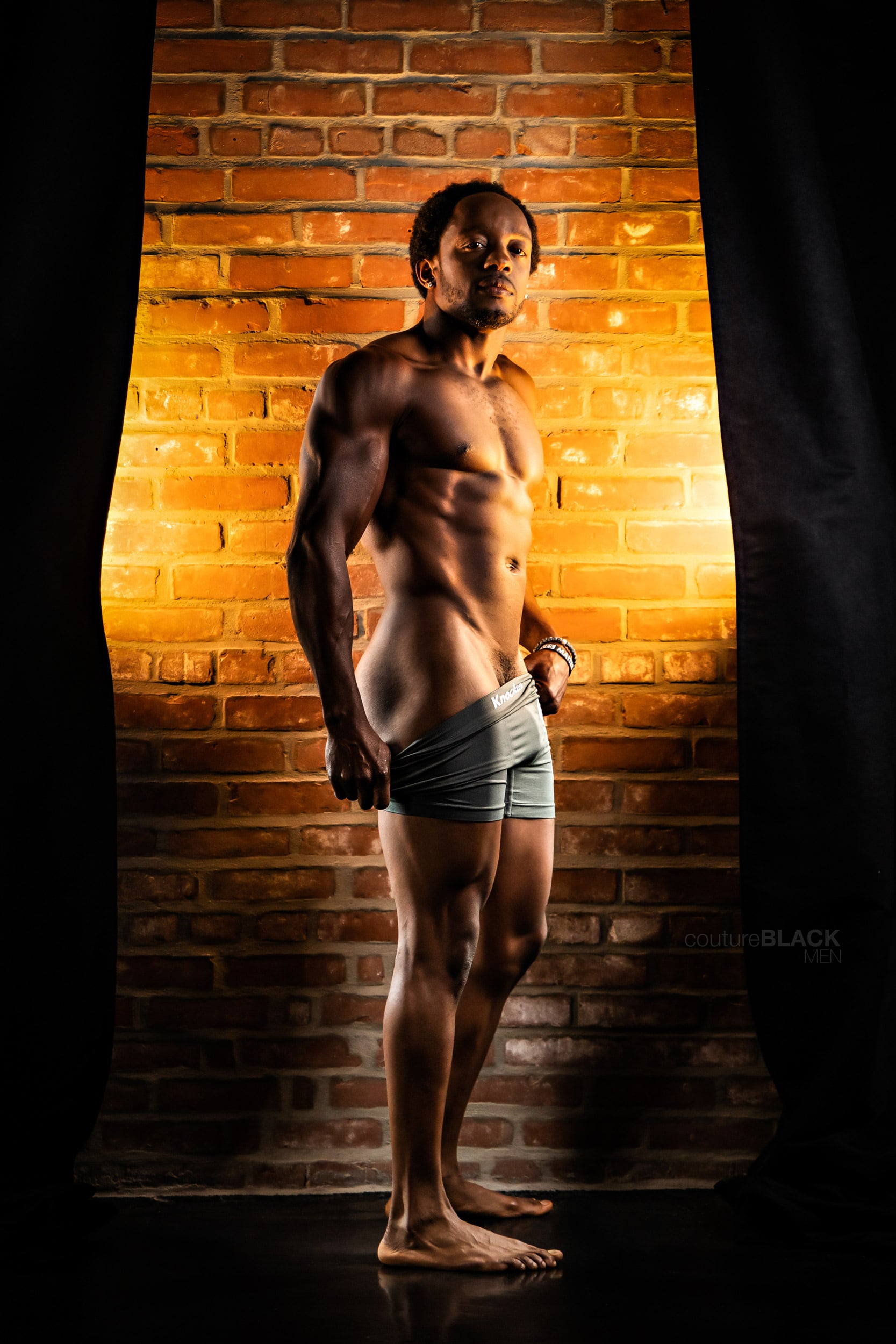
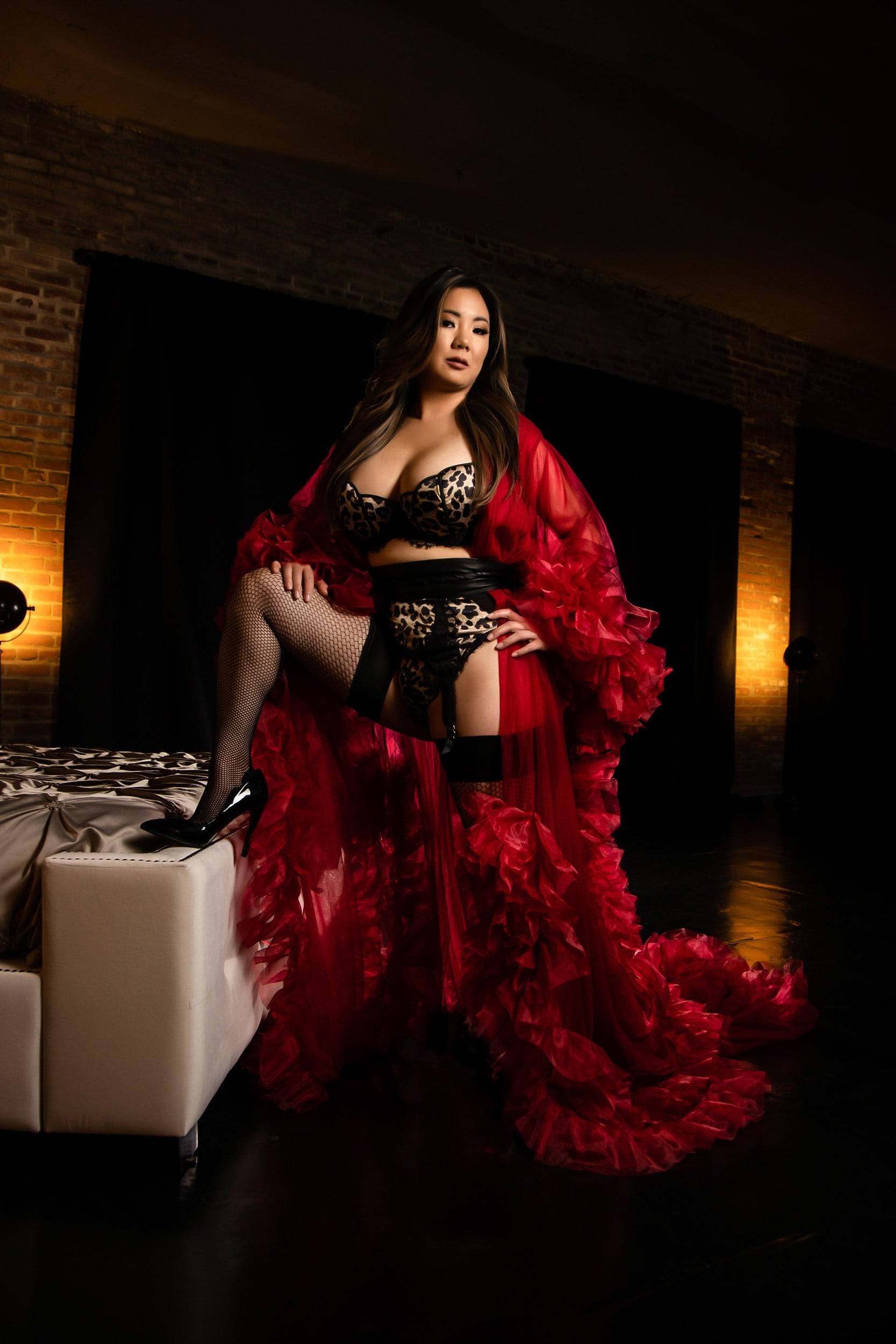
Shawn: Absolutely. I photograph people of all genders, body types, and ages, from twenty-one to seventy-four. The only requirement is that you have a body and a desire to celebrate it. That’s it.
Representation matters. When people scroll through my portfolio, I want them to see themselves, their skin tone, their scars, their curves, their stories. Boudoir isn’t a one-size-fits-all experience. It’s deeply individual. Trust is everything. My job is to create a space where people feel safe enough to be really seen. That’s a sacred kind of trust, and I never take it lightly.
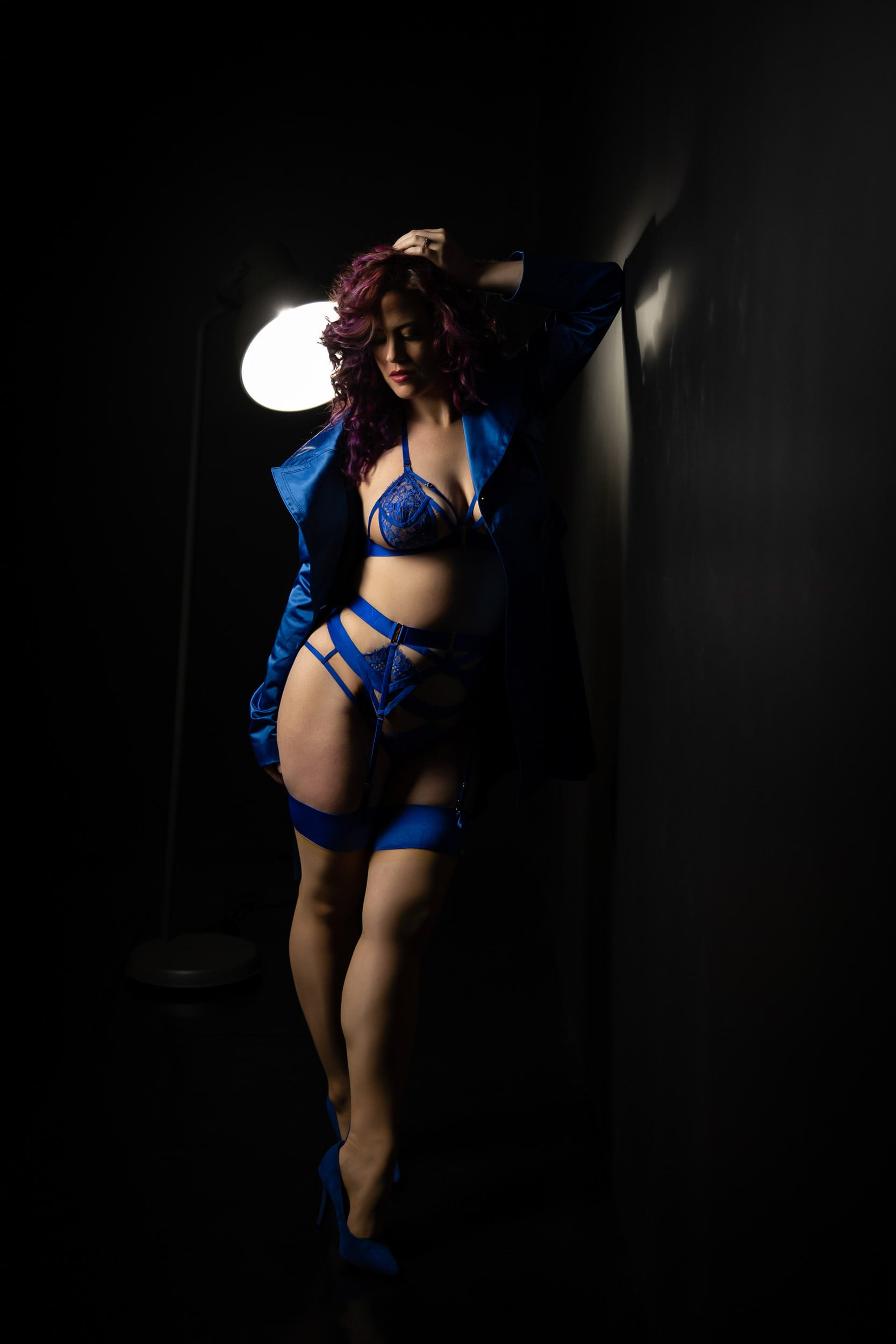
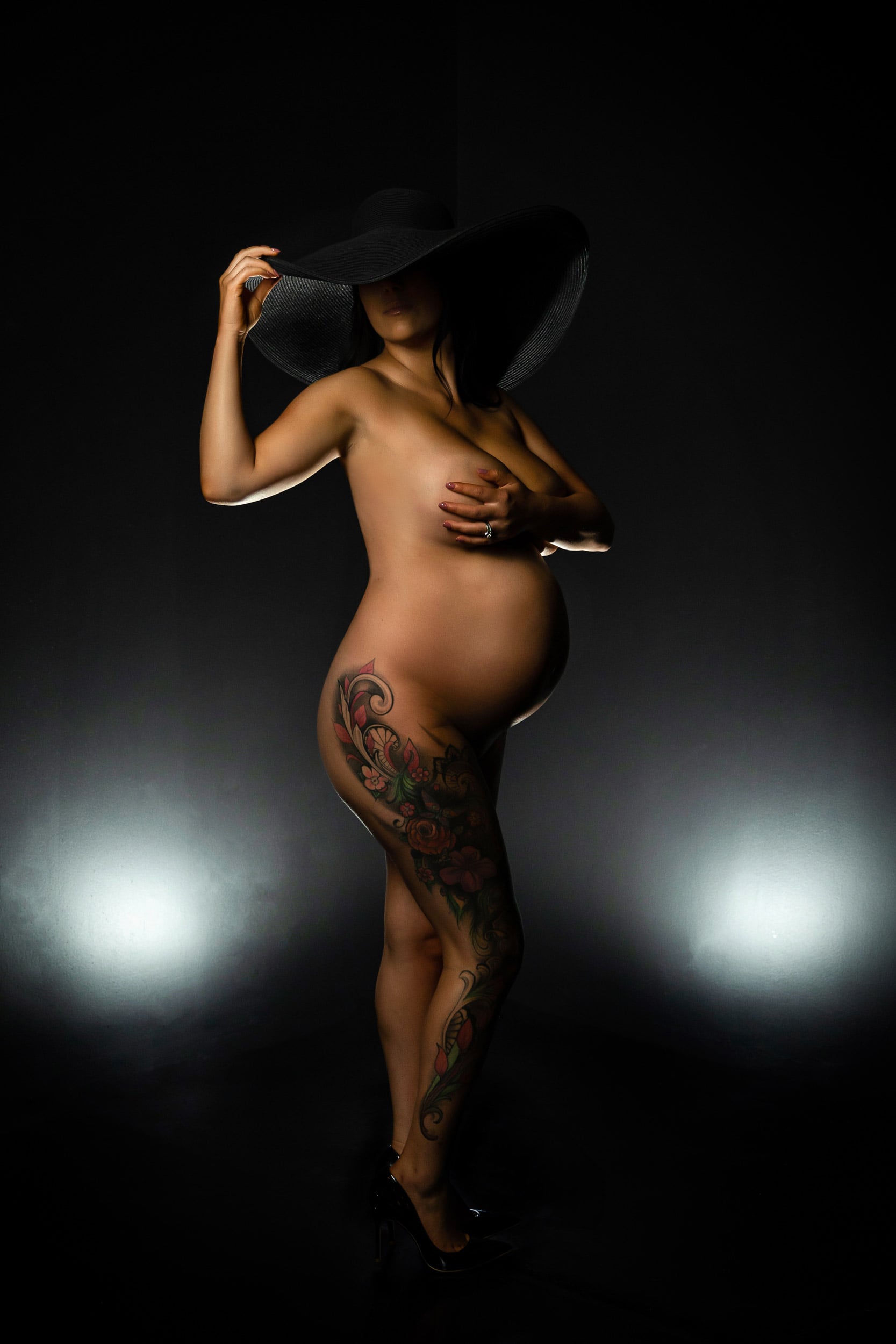
DIYP: You mentioned that building trust is paramount. Beyond your wedding background, how do you actively cultivate a safe and comfortable environment and does being a male boudoir photographer make a difference?
Shawn: It’s embedded in every step. It starts with transparency long before the shoot: the questionnaires and consultations are as much for me to understand them as for them to assess me. I’ve also made it my business to be an expert in things like lingerie, not because it’s a fetish, but because it’s my profession. When a client is nervous and asks about a specific garment, being able to authoritatively explain the difference between a Basque and a Merry Widow and why one will flatter her body type more builds immediate trust and credibility. It shows I’m a professional, not just a guy with a camera.
In the studio, my wife, Michelle, is often there as my studio manager and a second set of eyes, which adds another layer of comfort. Ultimately, it’s about respect, professionalism, and making the client feel like the sole focus of the day.
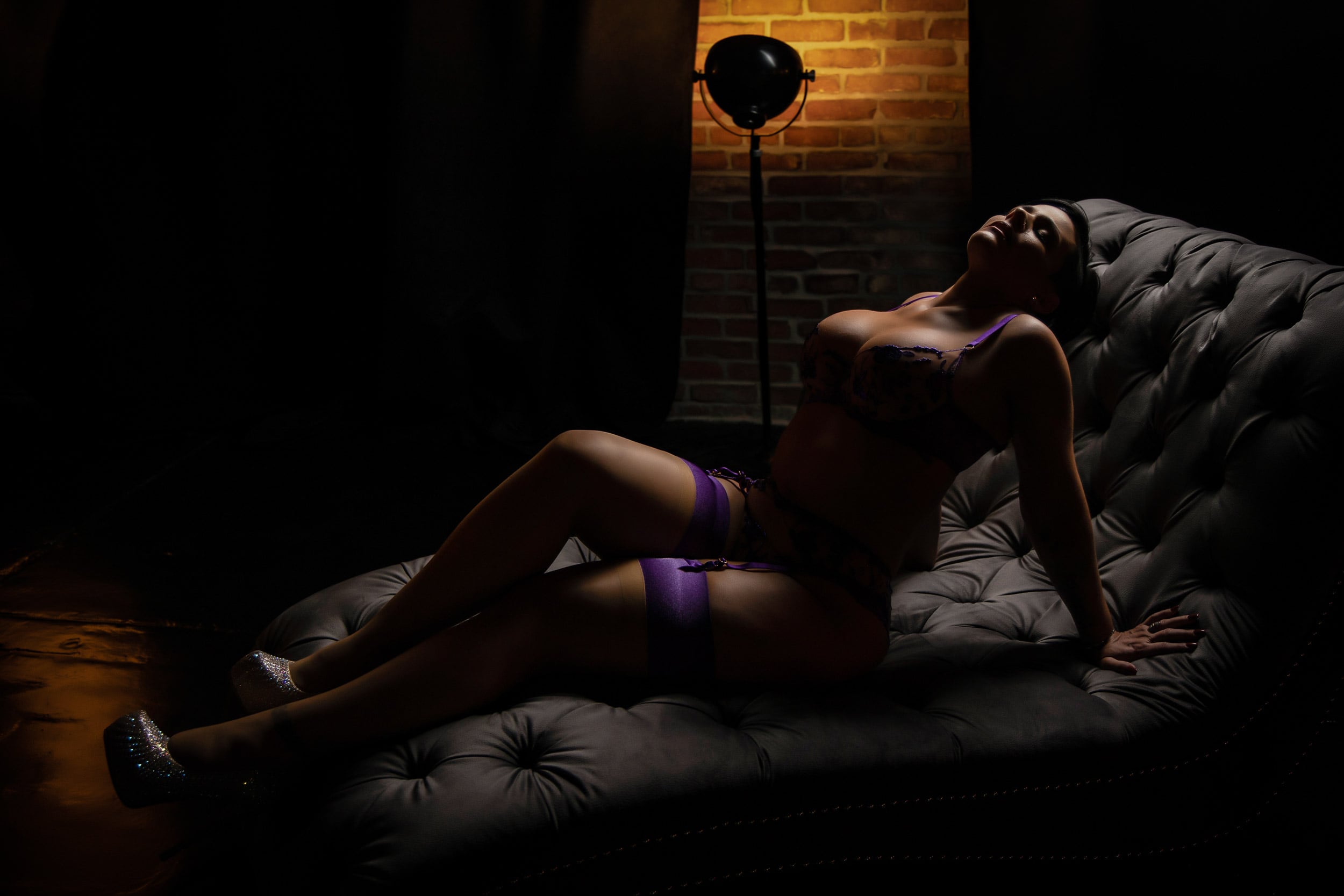
DIYP: You describe your style as a “hybrid gaze” and “dark and moody.” How does this technical approach serve your empowerment goal, especially when conventional wisdom might suggest a softer light for “flattering” shots?
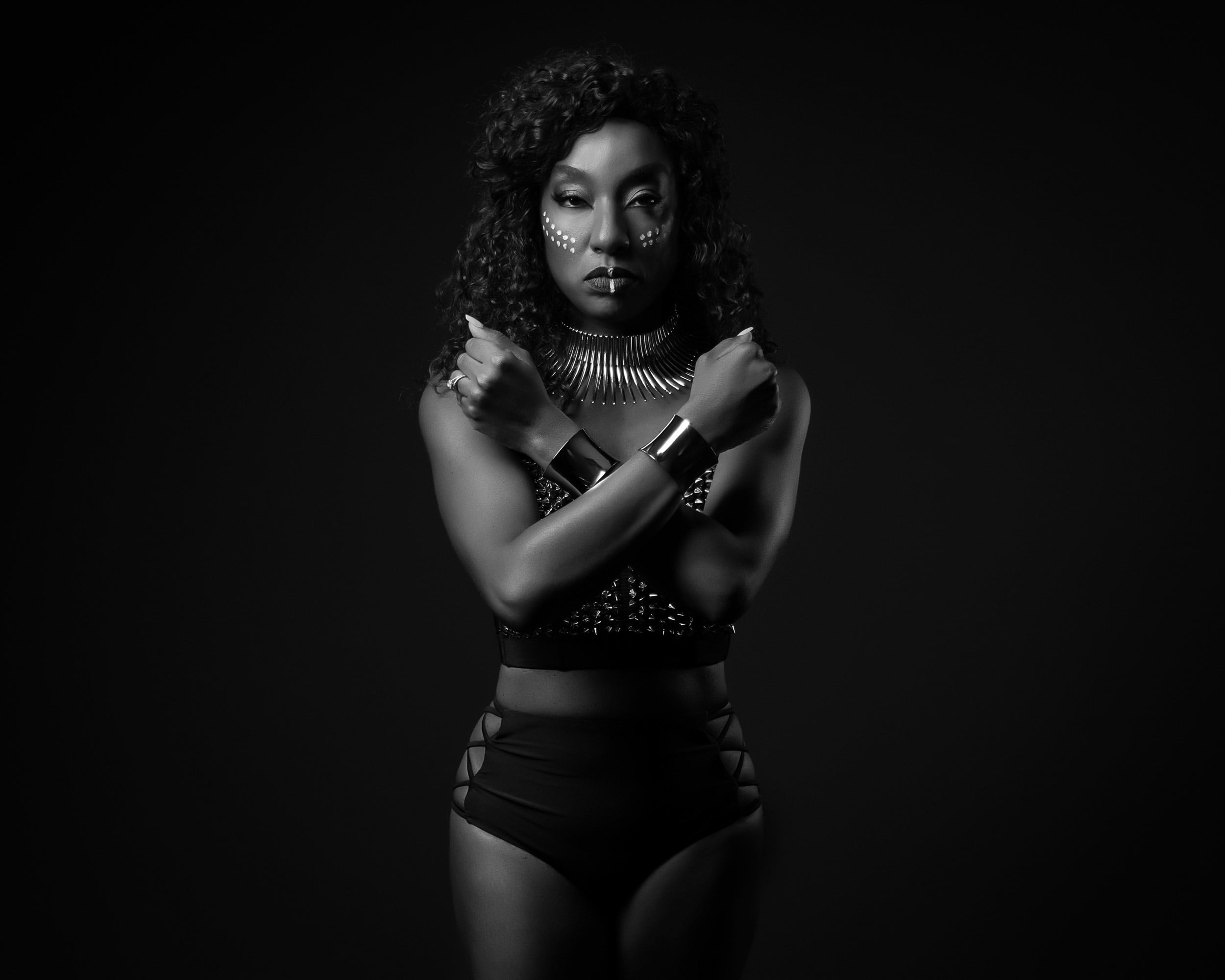
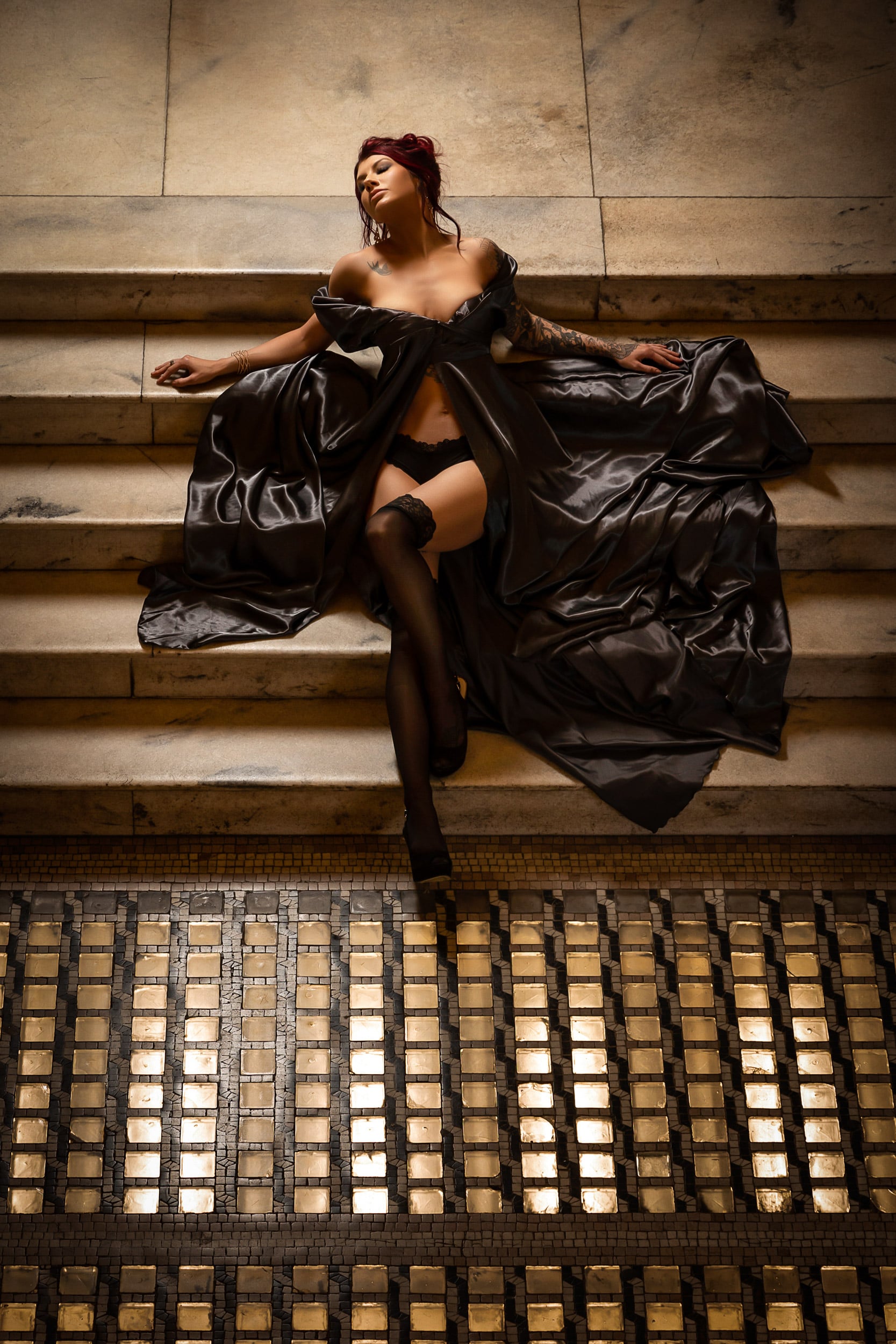
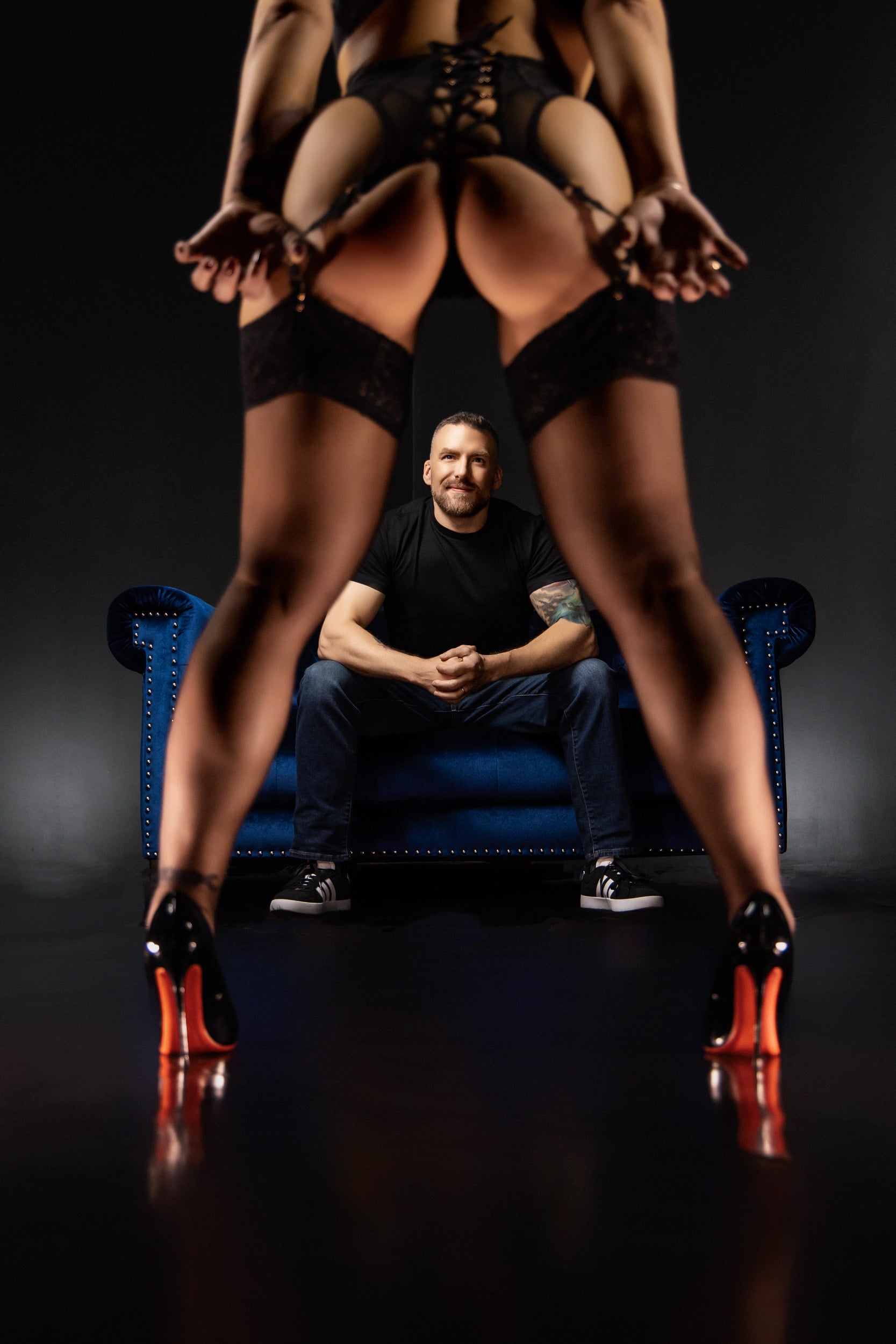
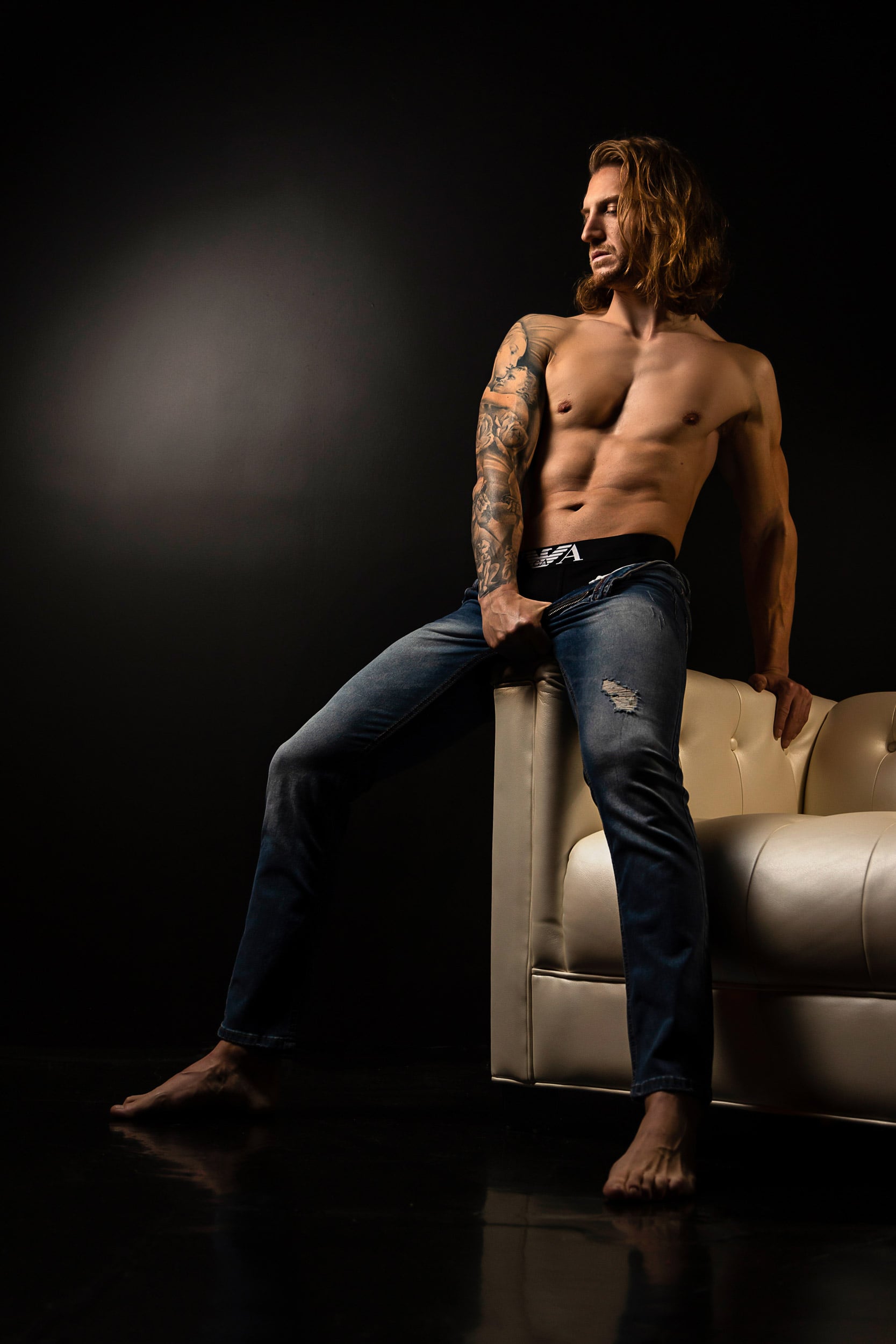
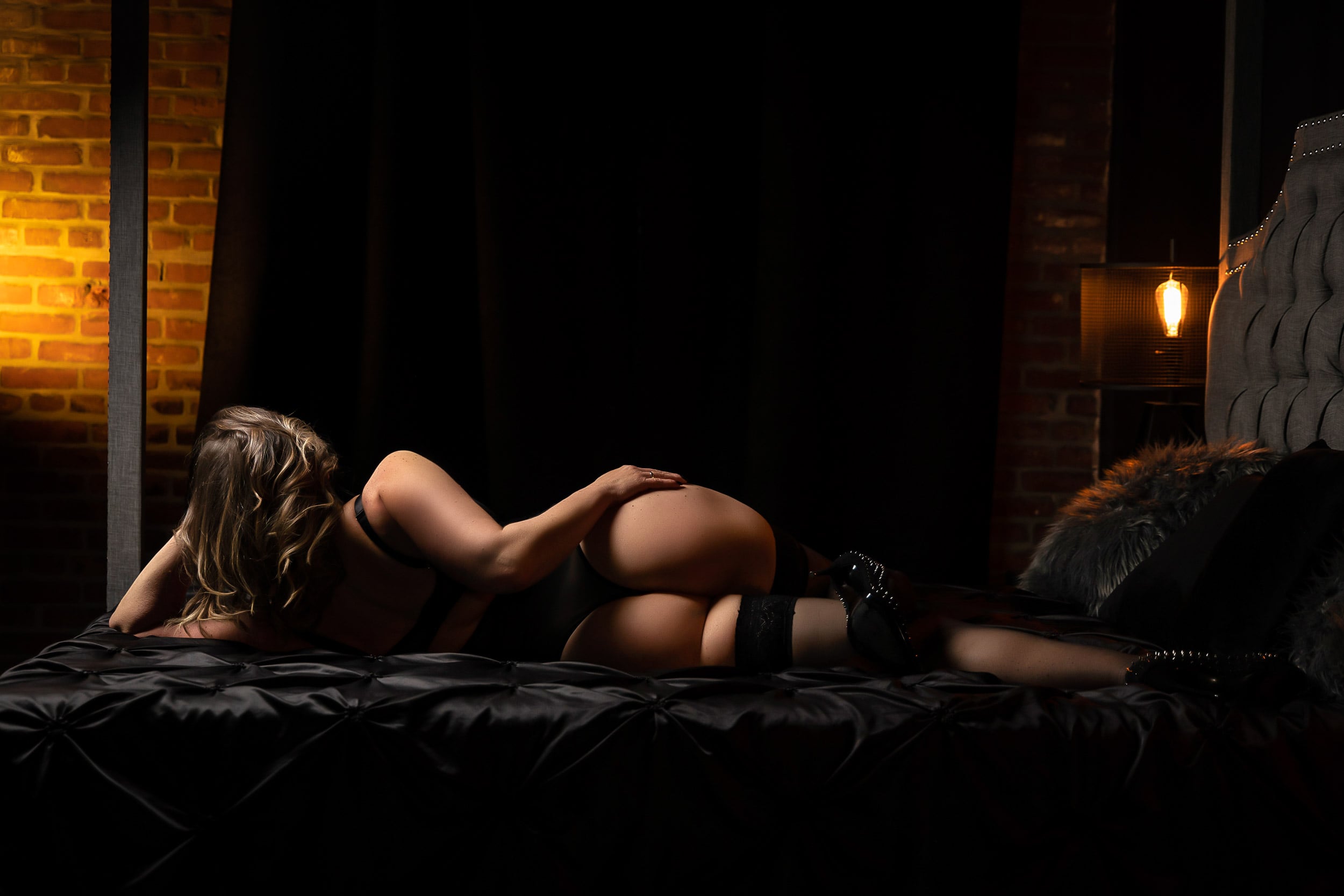
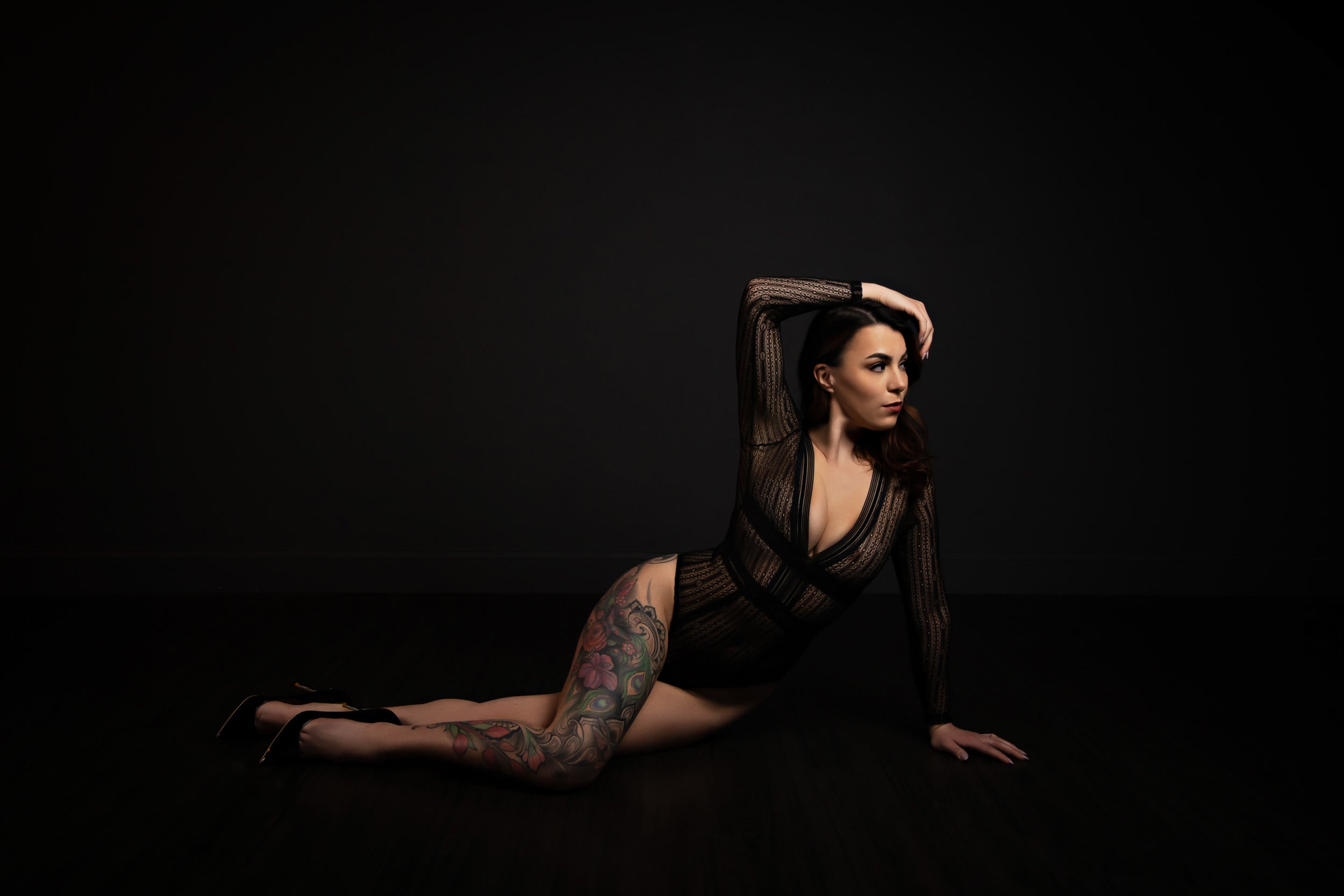
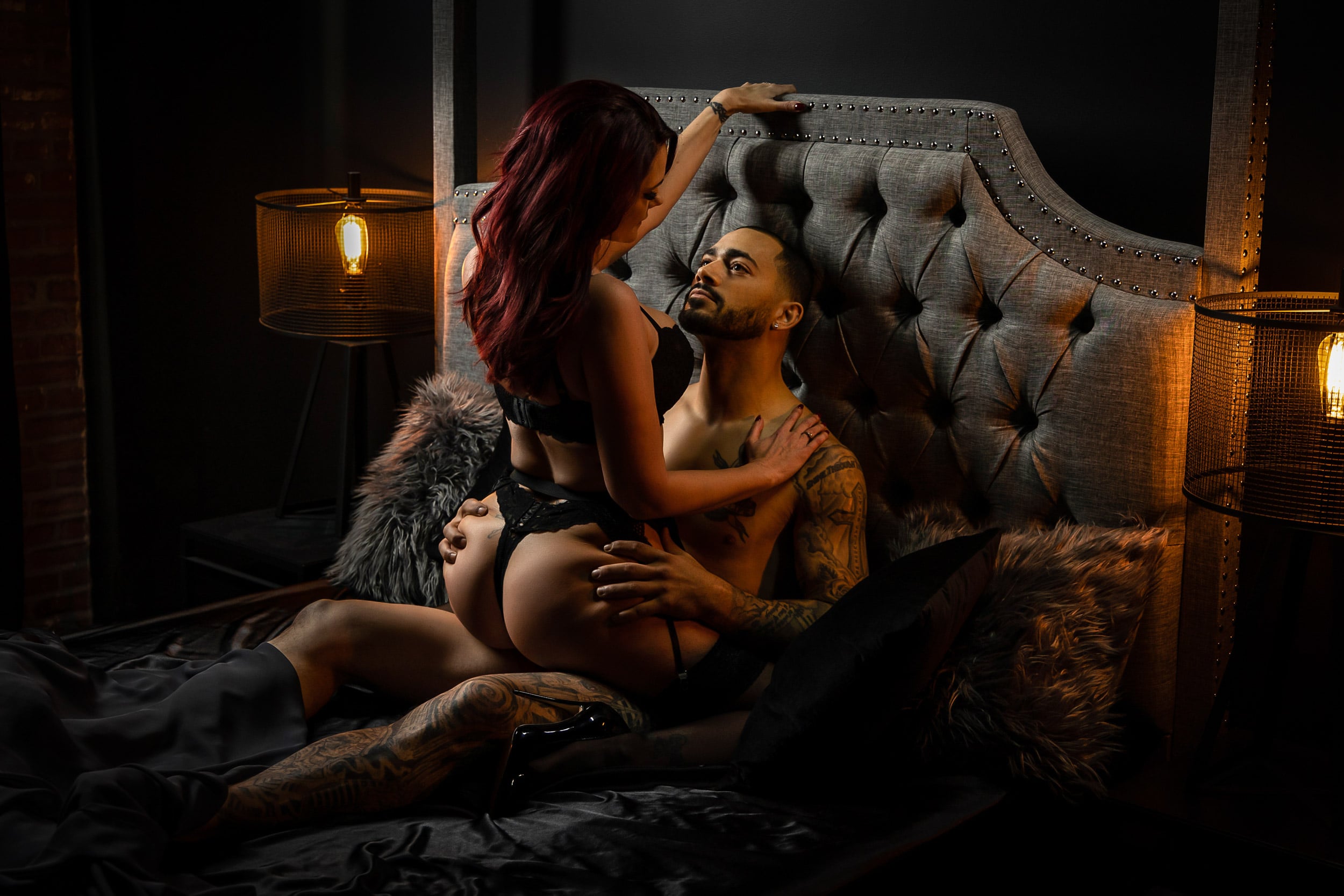
Shawn: This is a core part of my philosophy. The conventional advice for “flattering” light is often flat, soft light that eliminates shadows and texture. But that also eliminates shape, drama, and emotion. My style uses steep, dramatic lighting that absolutely brings out texture and flaws, that’s the point.
I use light and shadow, coupled with very intentional posing, to sculpt the body and create an emotional, powerful image. I’m not hiding their body; I’m celebrating its form. I know that the texture and any skin flaws my lighting reveals, I can polish in retouching. But I never liquify or change the fundamental shape of someone’s body. My retouching is about giving them magazine-quality skin, not a plastic, generic body. The drama in the lighting is what makes them feel powerful and seen in a way that soft, safe light never could.
DIYP: How has boudoir changed since you started?
Shawn: The industry has grown exponentially, but it’s also more complex now. Social media has blurred the lines between boudoir and erotica, which has caused confusion. Boudoir is sensual; erotica is sexual. Both can be art, but they’re not the same thing. Boudoir is not pornography. It’s not about objectifying anyone, it’s about celebrating their humanity. Anyone can take a pretty picture, but making someone feel something is an art.
For me, boudoir is about emotion, not exposure. It’s about showing strength through softness. The irony is that platforms that ban or restrict boudoir content under “adult” guidelines are actually silencing empowerment. It’s frustrating, but it also pushes us to be more creative in how we tell stories visually.
DIYP: What’s your philosophy on editing and retouching?
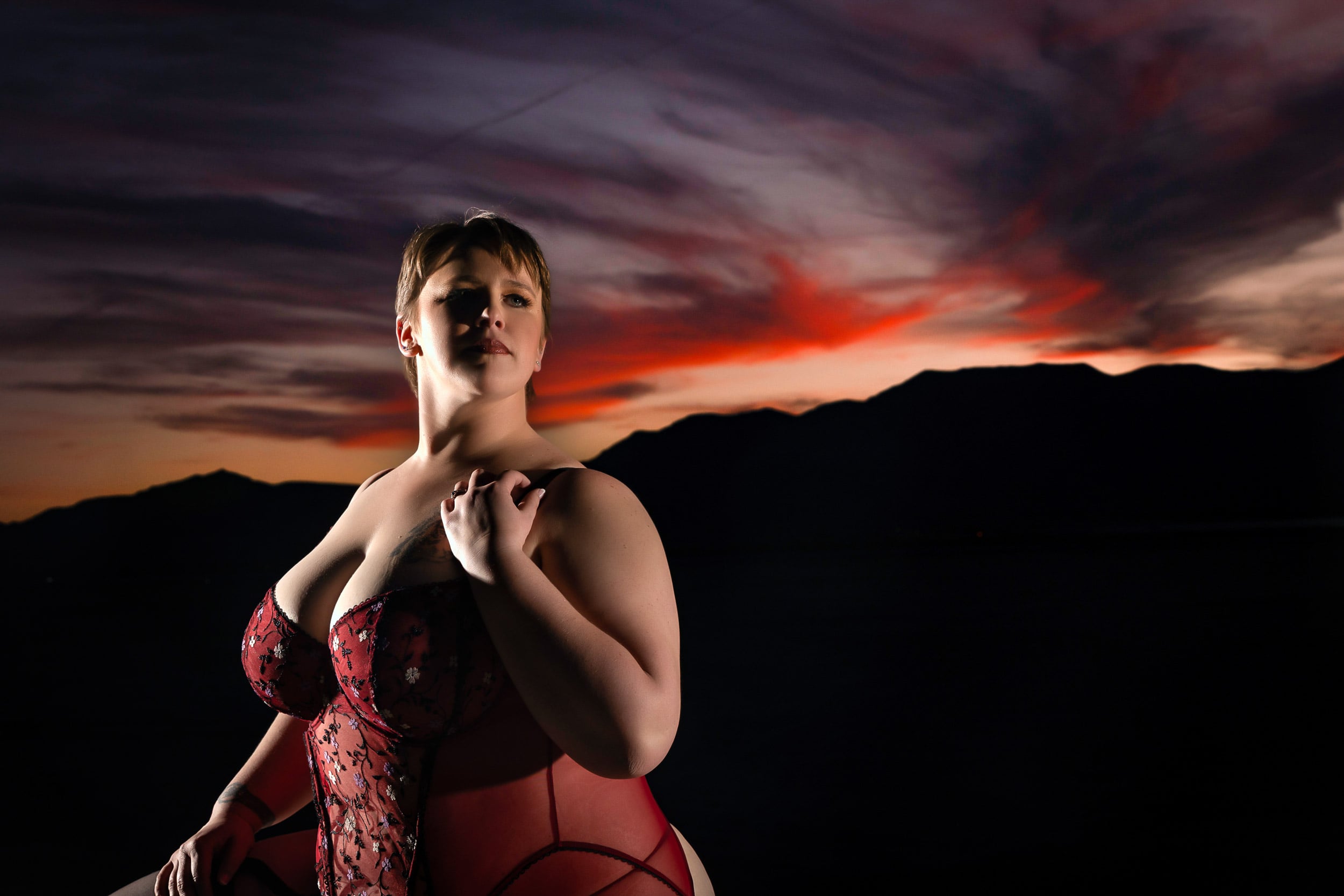
Shawn: I’m a believer in authenticity. I don’t alter body shapes or remove lines that tell someone’s story. I’ll soften skin tones, adjust lighting, or remove a temporary blemish, but I never reshape a body. My rule is: make it look like you on your best day, not someone else entirely.
One client, a breast cancer survivor, specifically asked me to keep her scar visible. She said it reminded her of what she survived. That’s what I mean when I talk about empowerment. Every mark, every line, every scar is a chapter. I want to honour those stories, not erase them.
DIYP: How is AI, specifically retouching AI, impacting your workflow and business model?
Shawn: It’s been revolutionary for my business’s efficiency. I used to outsource retouching, paying four to five dollars per image. When you show a client 60-70 fully retouched images at their reveal, that’s a significant cost. I switched to using Evoto AI, which brought the cost down to pennies per image. I went from spending $300 on retouching a session to about $5. That’s a direct injection into my profit margin without raising my prices.
But beyond cost, it’s about control and speed. The turnaround time is incredible. I can shoot a session and have the images fully retouched and ready for the client reveal much faster. This isn’t about replacing artistry; it’s about automating the tedious parts so I can focus on the creative and client-facing aspects of my business.
DIYP: You’re still producing physical prints, why is that important to you when so much is digital these days?
Shawn: For me, photography was never meant to live on a screen. When I started, we delivered images on CDs or DVDs, then USBs, and now most computers don’t even have a port for those. Technology changes constantly, but a print lasts.
There’s something sacred about holding an image in your hands. It has weight, texture, and permanence. You can pass it down. A print doesn’t get lost in a hard drive crash or a forgotten cloud folder. If you store it properly like away from sunlight and humidity, it’ll outlive all of us.
And there’s an emotional dimension, too. When you hold a photo, you engage more than sight, you feel it. The smell of the paper, the way light plays off the surface and it makes the memory tangible. That’s something a digital file will never replace.
There’s also a sense of ritual to it. When a client flips through their album for the first time, there’s usually silence, and then the tears start. It’s not sadness; it’s recognition. They’re seeing themselves, sometimes for the first time, without the filter of insecurity or comparison.
An album turns the experience into a keepsake. It becomes part of their story, something they can revisit on hard days as a reminder: That’s me. I did that.
DIYP: You now own the Association of International Boudoir Photographers (AIBP). What was the driving force behind acquiring the association, and what is your vision for its future?
Shawn: AIBP was instrumental in my own education and success. It was my tribe. When I saw it was languishing and on the verge of disappearing, especially during the pandemic, I knew I had to step in. I purchased it in 2021 to save it and return it to its roots as a vital resource for photographers.
Our vision is threefold: First, to provide top-tier, relevant education through monthly webinars and our intimate, hands-on retreats. Second, to advocate for the genre. We’ve been working with larger organizations to help them understand that boudoir is art, not pornography, to get our work the respect it deserves. And third, to create community. We’re now pushing for growth in Europe and Latin America, building a truly global community for boudoir artists.
We’re hosting our annual retreat November 7–10 at my studio in Boston. It’s intimate, around 40 attendees, so everyone gets hands-on learning. People shoot, pose, light, and collaborate. Instructors stay the whole weekend, so the conversations and breakthroughs continue even after class.
We’re also launching the next round of the AIBP Visionary Awards, which opens mid-October and runs through November. It’s open to photographers worldwide. It’s not about competition for the sake of trophies — it’s about showcasing empowerment as art.
DIYP: Finally, for anyone considering a boudoir session but feeling hesitant, what is your one piece of advice?
Shawn: My one requirement is simple: Do you have a body? If you have a body, you can do a boudoir session. Your age, your size, your shape: none of that is a barrier. It’s about the experience and seeing yourself through a new, compassionate lens. The only thing you have to lose is the doubt.
When clients walk out of my studio, I don’t want them to feel beautiful for the camera. I want them to feel beautiful for themselves.
To see more of Shawn’s work, visit coutureblack.com or follow him on Instagram. To learn about the Association of International Boudoir Photographers, visit aibpphotog.com.
Watch the entire interview below:
See more from DIYPhotography.net on Google
Add DIYPhotography.net as a trusted source. This makes
our stories more likely to appear in your Google Search results.
 Add as a preferred source on Google
Filed Under:
Tagged With:
Alex Baker
Alex Baker is a portrait and lifestyle driven photographer based in Valencia, Spain. She works on a range of projects from commercial to fine art and has had work featured in publications such as The Daily Mail, Conde Nast Traveller and El Mundo, and has exhibited work across Europe
Related Posts
 Professional boudoir photographer critiques his own terrible noob photos in this hilarious video
 The Blind Photographer uses his camera to overcome the isolation of his condition
 Rapper calls out Coachella for not allowing his own photographer to shoot his performance
 This photographer 3D printed his own “photo sniper” grip for his macro photography setup
Join the Discussion
DIYP Comment Policy
Be nice, be on-topic, no personal information or flames.
6 responses to ““Boudoir Is Not Pornography”: This Photographer is Redefining Empowerment Through His Lens”
Thank you for a fun interview and great article DIYPhotography & Alex Baker!
I think the media should show the 110 Americans killed by guns everyday and make the pictures, Crime scene photos. 110 of them a day, including the 9 children and let’s see if that redefines pornographic and changes minds on gun laws.
In these photos above, I see everything I loathe about AI in photos. They all look the same, with their predominant use of black, lighting, and over-saturation. Also the use of gold/yellow in them which turns part of the photos where it meets the black into the same brown you see in every one of them and online. Sorry, I’m not sure what was meant by no flames , hope this is not that . I just think they look cheap and somewhat gaudy , a bit like all those prints that became so fashionable , and you would see in most working class homes in the 60s.
Ever nice how all this talk about body positivity and acceptance, but never see a guy with a big gut?
Do you like looking at a man with a big gut?
We’re not against dad bods here ;)