






















Best Camera Phone of 2025: Top 10 Picks That Change Mobile Photography
Aug 19, 2025
Darlene Lleno
Darlene Lleno brings a unique perspective to DIY Photography as someone who grew up surrounded by camera gear but chose words over lenses. With five years of writing experience, she specializes in photography content that’s both technically informed and genuinely passionate. Growing up with a photographer twin brother meant camera talk was everyday conversation in her household. While he mastered capturing moments, Darlene discovered she preferred being the subject and the storyteller behind the scenes. As a travel enthusiast and mother of two, she understands the importance of preserving life’s precious moments. When not exploring new destinations or writing for DIY Photography, you’ll find her reading or tending to her garden. Her approach to photography writing is refreshingly authentic, she may not be behind the camera, but she knows exactly what it takes to help others capture the shots that matter most.
Share:

The best camera phone technology has reached incredible heights in 2025. These devices now compete with professional cameras while fitting in your pocket. We’ve tested the latest models to find the 10 best options that deliver stunning photos and videos.
1. Samsung Galaxy S25 Ultra
The Samsung Galaxy S25 Ultra tops our list with its revolutionary quad-camera system powered by Snapdragon 8 Elite. The main 200MP Samsung ISOCELL HP2 sensor (1/1.3″) delivers exceptional detail with f/1.7 aperture and multi-directional PDAF. The variable aperture automatically adjusts from f/1.8 to f/2.4 based on lighting conditions.
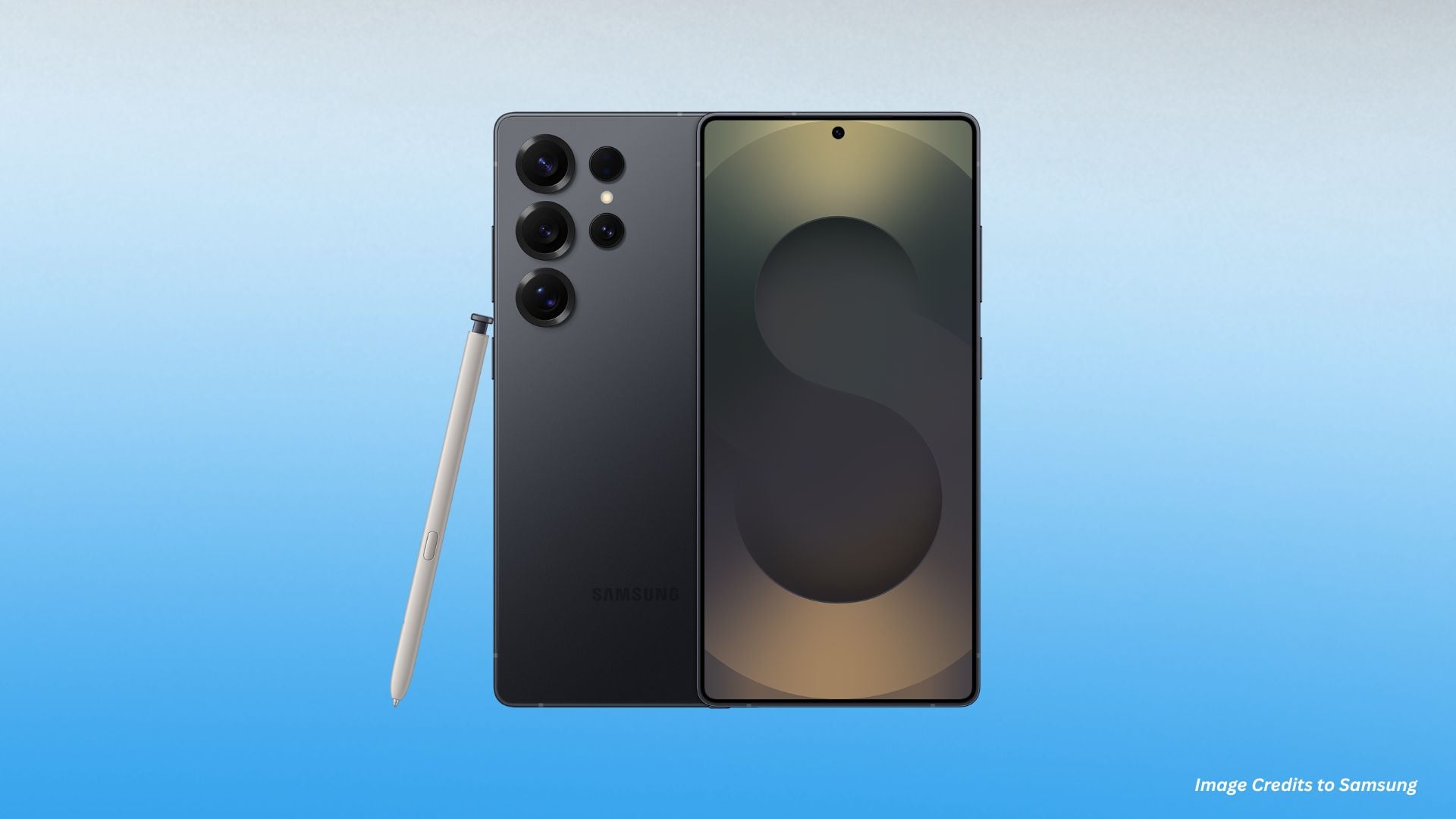
Complete Camera Specifications:
- Main Camera: 200MP Samsung HP2, 1/1.3″ sensor, f/1.7, 24mm, OIS
- Ultra-Wide: 50MP Samsung JN5, f/1.9, 120° field of view, upgraded from 12MP
- Telephoto 1: 10MP Sony IMX754, f/2.4, 3x optical zoom
- Telephoto 2: 50MP Sony IMX854, f/2.6, 5x optical zoom, periscope design
- Front Camera: 12MP, f/2.2, dual pixel PDAF
The portrait photography mode produces professional results with natural bokeh effects. Video recording reaches 8K@30fps with the main camera and 4K@120fps across all lenses. For creative background effects, you can even create your own bokeh using simple DIY techniques. Battery life reaches 7 hours of continuous shooting with the 5000mAh battery.
2. iPhone 16 Pro Max
Apple’s flagship brings “Photonic Engine 2.0” that processes images using AI trained on millions of professional photos. iPhone 16 Pro Max camera phone excels in challenging lighting with improved Night mode capabilities.
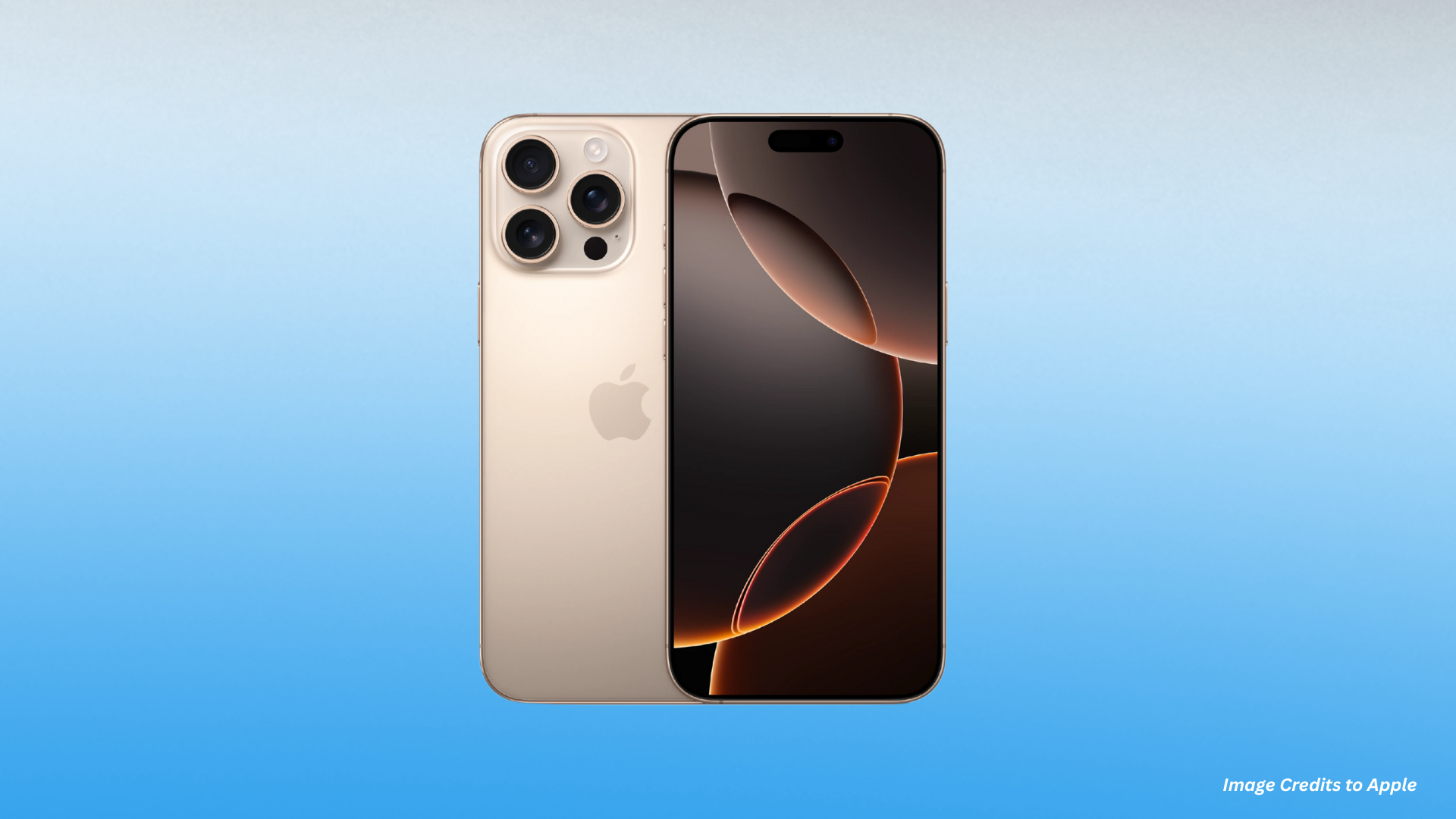
Complete Camera Specifications:
- Main Camera: 48MP, f/1.78, 24mm, sensor-shift OIS, 2nd-gen quad-pixel sensor
- Ultra-Wide: 48MP, f/2.2, 13mm, dual pixel PDAF, macro capability
- Telephoto: 12MP, f/2.8, 120mm, 5x optical zoom, 3D sensor-shift OIS
- Front Camera: 12MP TrueDepth, f/1.9, autofocus
The dedicated Camera Control button provides tactile feedback for precise control. Video recording reaches 4K ProRes and ProRAW capabilities. The exposure settings automatically optimize for each scene while giving manual control when needed.
3. Google Pixel 10 Pro
Google’s computational photography leads the industry with “Magic Eraser Pro” which removes unwanted objects seamlessly. The Pixel 10 Pro features a Tensor G5 processor that delivers 60% faster TPU performance for AI photography features.
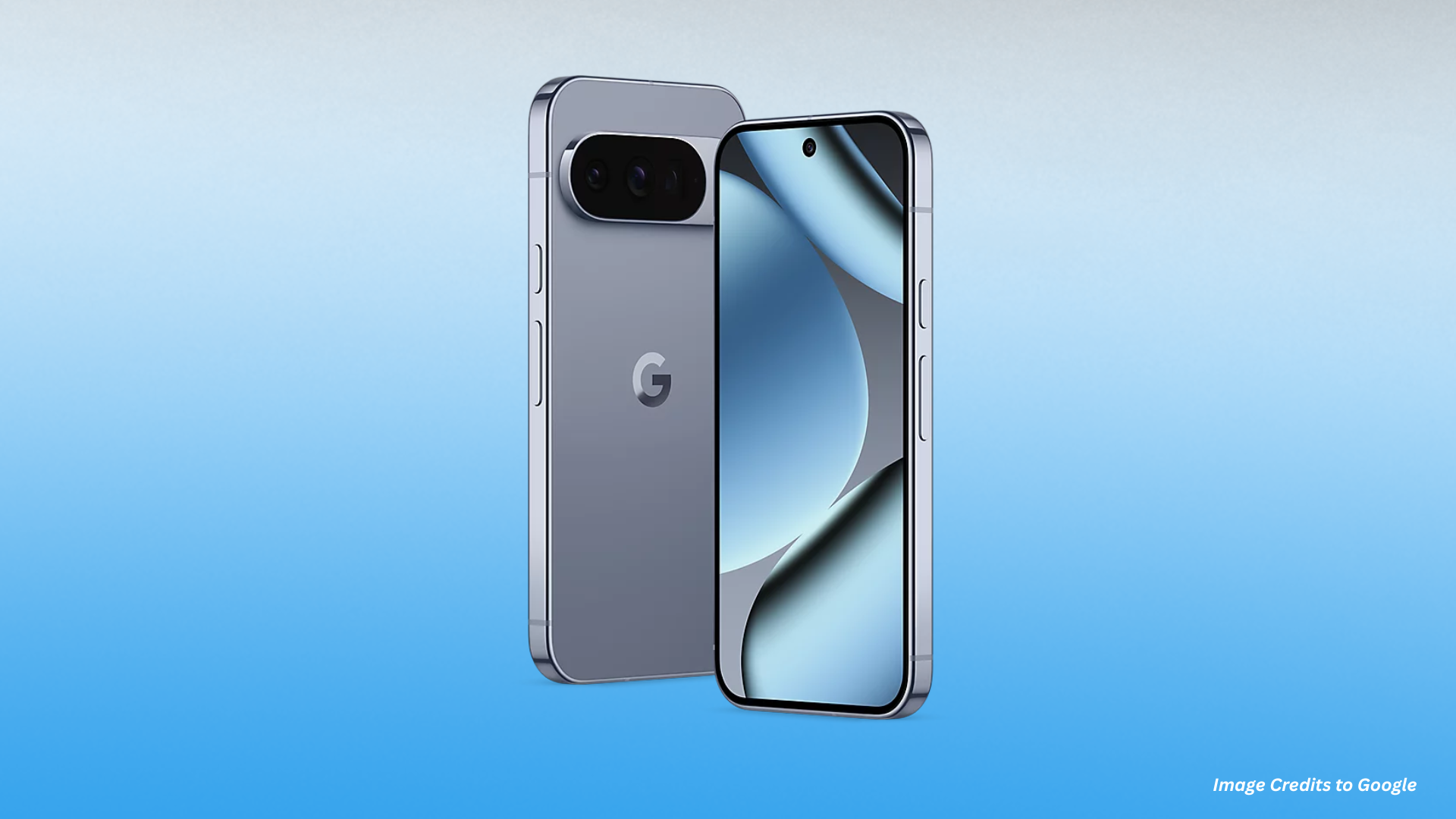
Complete Camera Specifications:
- Main Camera: 50MP Samsung GN2, 1/1.31″ sensor, f/1.7, 25mm, OIS (double range)
- Ultra-Wide: 48MP Sony IMX858, f/1.95, 125.8°, dual pixel PDAF
- Telephoto: 48MP Samsung GM5, f/2.8, 113mm, 5x optical zoom, periscope
- Front Camera: 42MP Samsung GH2, f/2.2, autofocus
Real-time HDR processing balances highlights and shadows perfectly. Pro Res Zoom uses AI to capture amazing detail at up to 100x zoom on Pro models. The Night Sight mode works great at mastering portrait lighting in extremely low light with studio-quality results.
4. OnePlus 13
This camera phone offers exceptional value with 5th-generation Hasselblad color science tuning. The OnePlus 13 features an innovative Triprism telephoto design that reduces module size by 24% while maintaining optical performance.
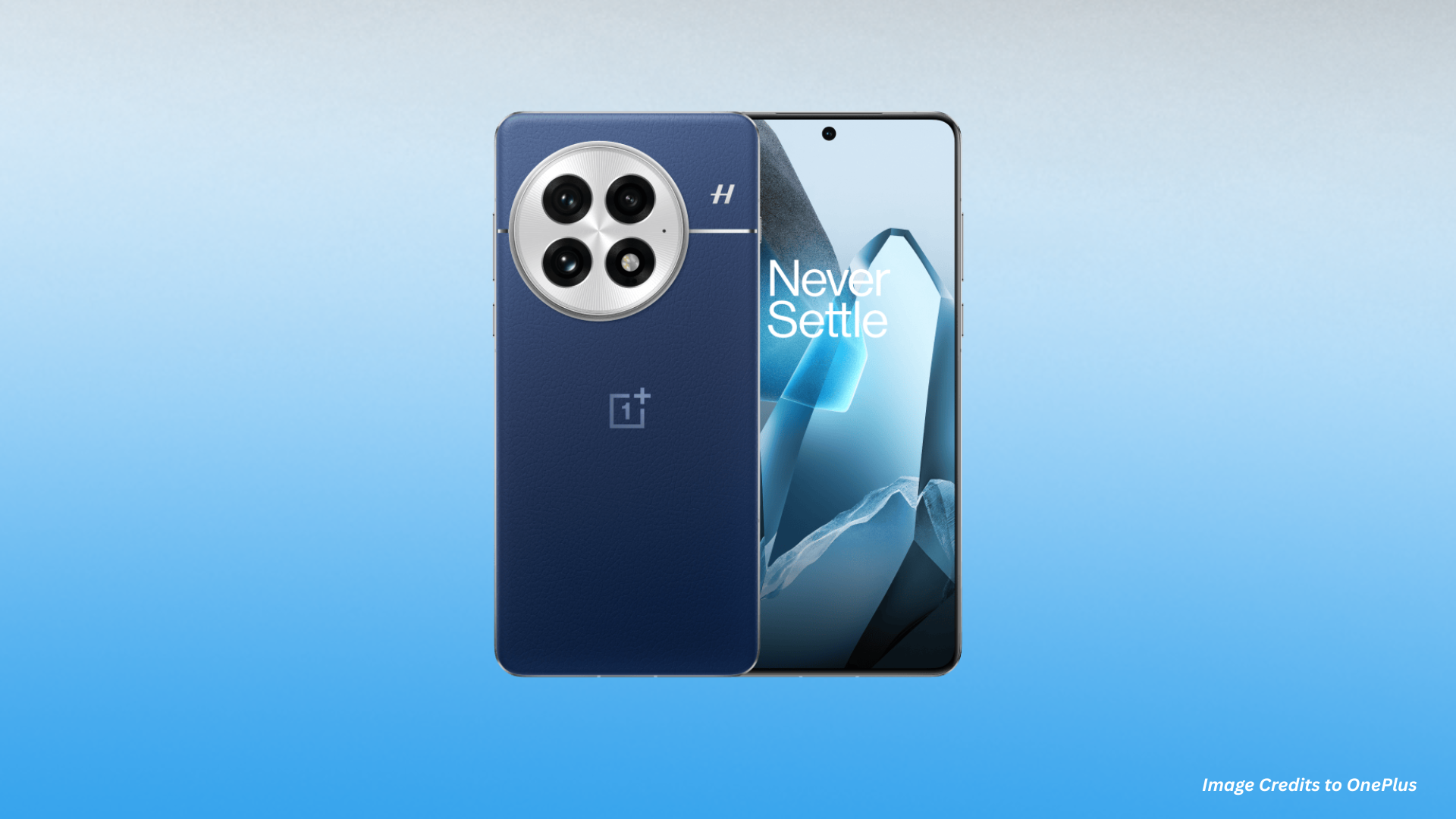
Complete Camera Specifications:
- Main Camera: 50MP Sony LYT-808, 1/1.4″ sensor, f/1.6, 23mm, OIS
- Ultra-Wide: 50MP Samsung JN5, f/2.0, 120°, 1/2.75″ sensor
- Telephoto: 50MP Sony LYT-600, f/2.6, 73mm, 3x optical zoom, Triprism design, OIS
- Front Camera: 32MP Sony IMX615, f/2.45, 1/2.74″ sensor
Fast charging gets you back to shooting quickly during long photo sessions with 100W SuperVOOC. The Clear Burst feature uses the Dual Exposure Algorithm for better action shots at 60fps. The macro capabilities shine with an ultra-wide lens doubling as a macro camera, perfect for trying budget-friendly macro tricks.
5. Xiaomi 15 Ultra
Leica partnership brings professional optics to this camera phone with industry-leading telephoto capabilities. The Xiaomi 15 Ultra flagship features a massive 1″ main sensor with Leica Summilux optics.
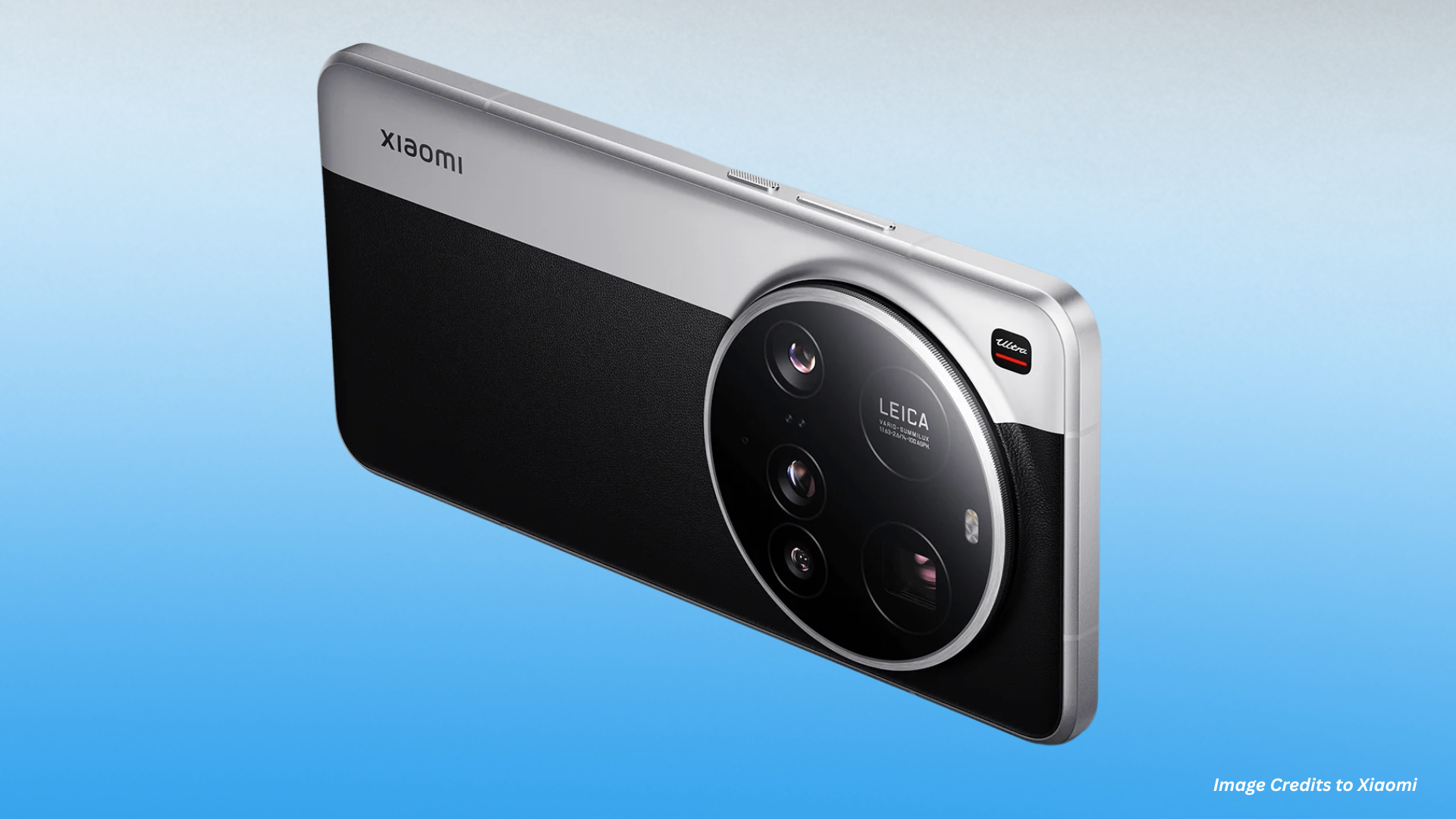
Complete Camera Specifications:
- Main Camera: 50MP Sony LYT-900, 1″ sensor, f/1.63, 23mm, Leica Summilux, OIS
- Ultra-Wide: 50MP, f/2.2, 14mm, 115° field of view
- Telephoto: 50MP, f/1.8, 70mm, floating telephoto, OIS, macro capability
- Periscope: 200MP Samsung HP9, 1/1.4″ sensor, f/2.6, 100mm, OIS
- Front Camera: 32MP, f/2.0
The processing speed impresses, saving files in under 2 seconds with Snapdragon 8 Elite. Advanced metering modes include spot, center-weighted, and matrix options for precise exposure control, similar to using a dedicated light meter. The camera excels at street photography with optimized exposure settings. The 14mm-200mm optical-level zoom range offers unmatched versatility.
6. Sony Xperia 1 VII
Sony Xperia 1 VII camera phone brings Alpha camera technology to mobile photography with three focal lengths: 24mm, 85mm, and 125mm. The Real-time Eye AF works brilliantly for portraits, and you can learn how to get perfect angles for better results.
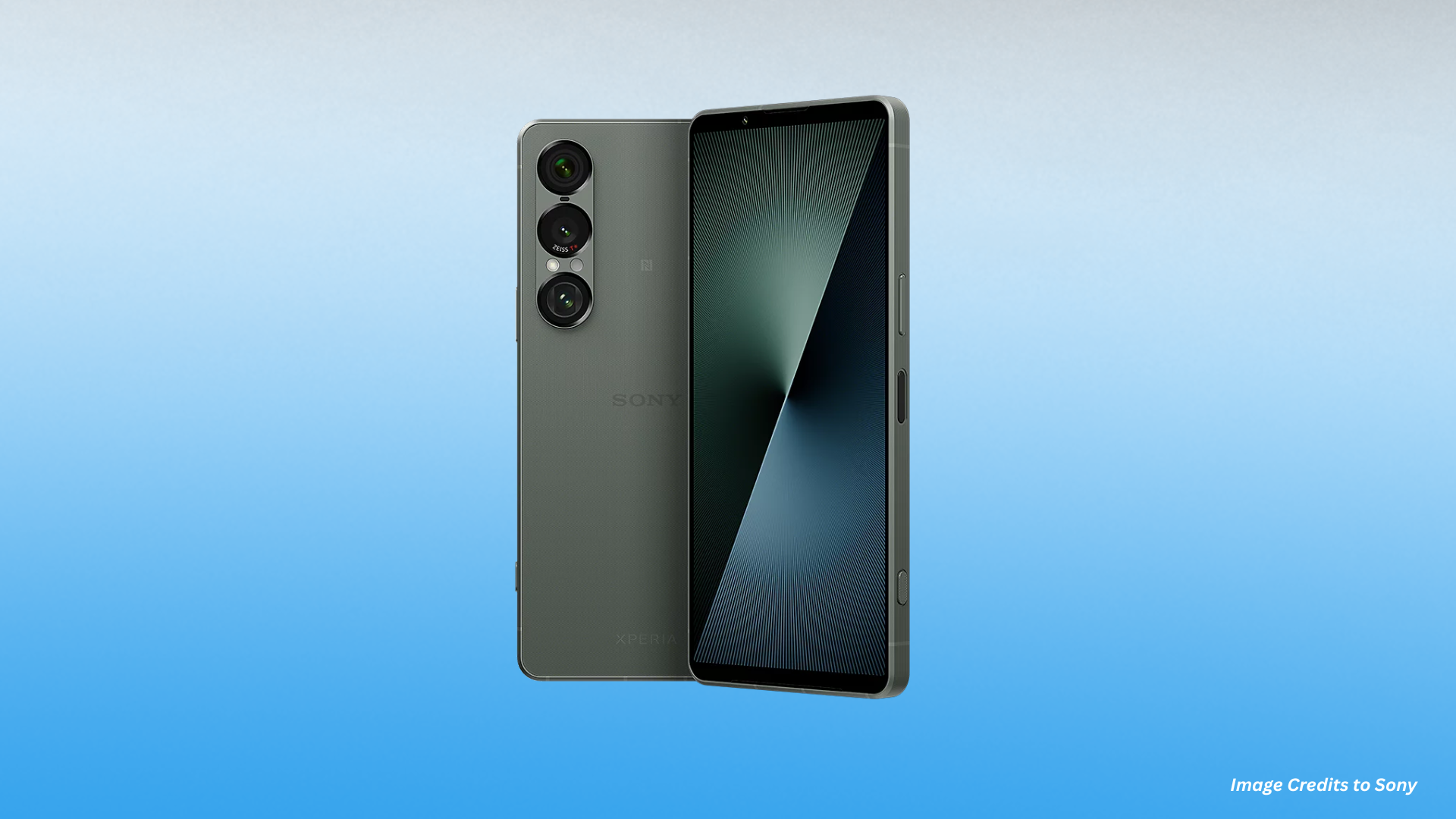
Complete Camera Specifications:
- Main Camera: 48MP Sony Exmor T, 1/1.35″ sensor, f/1.9, 24mm, OIS
- Ultra-Wide: 12MP, f/2.2, 16mm, dual pixel PDAF
- Telephoto: 12MP, f/2.3-f/3.5, 85-125mm, 3.5-5.2x optical zoom, OIS
- Front Camera: 12MP, f/2.0
Cinema Pro app offers professional video recording with manual focus pulling and color grading options that rival dedicated video cameras. The phone supports 4K HDR recording at 120fps with all cameras.
7. Vivo X200 Ultra
Zeiss optics deliver exceptional image quality with natural color reproduction. The Vivo X200 Ultra features a 1-inch main sensor that captures more light than smaller competitors.
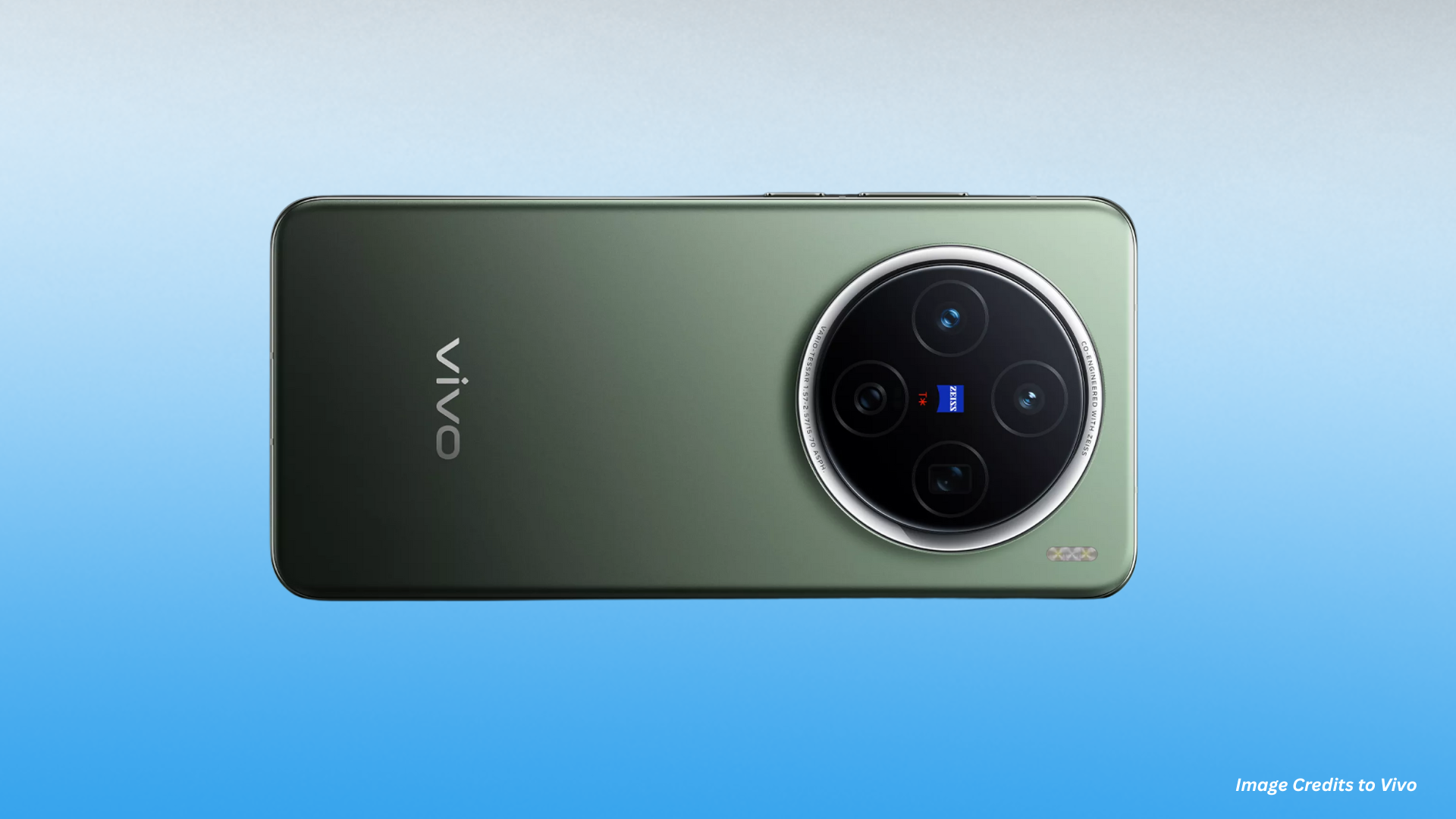
Complete Camera Specifications:
- Main Camera: 50MP Sony LYT-818, 1″ sensor, f/1.57, 23mm, OIS
- Ultra-Wide: 50MP Samsung JN1, f/2.0, 15mm, 119° field of view
- Telephoto: 200MP Samsung HP9, f/2.67, 85mm, 3.7x optical zoom, periscope
- Front Camera: 50MP, f/2.45
The telephoto lens provides exceptional zoom without quality degradation. Portrait mode creates beautiful background blur while maintaining sharp subject focus through advanced depth mapping technology powered by V4 ISP.
8. OPPO Reno 14 Pro
Enhanced camera system handles challenging lighting situations with excellent dynamic range. The OPPO Reno 14 Pro offers flagship features at a competitive price point.
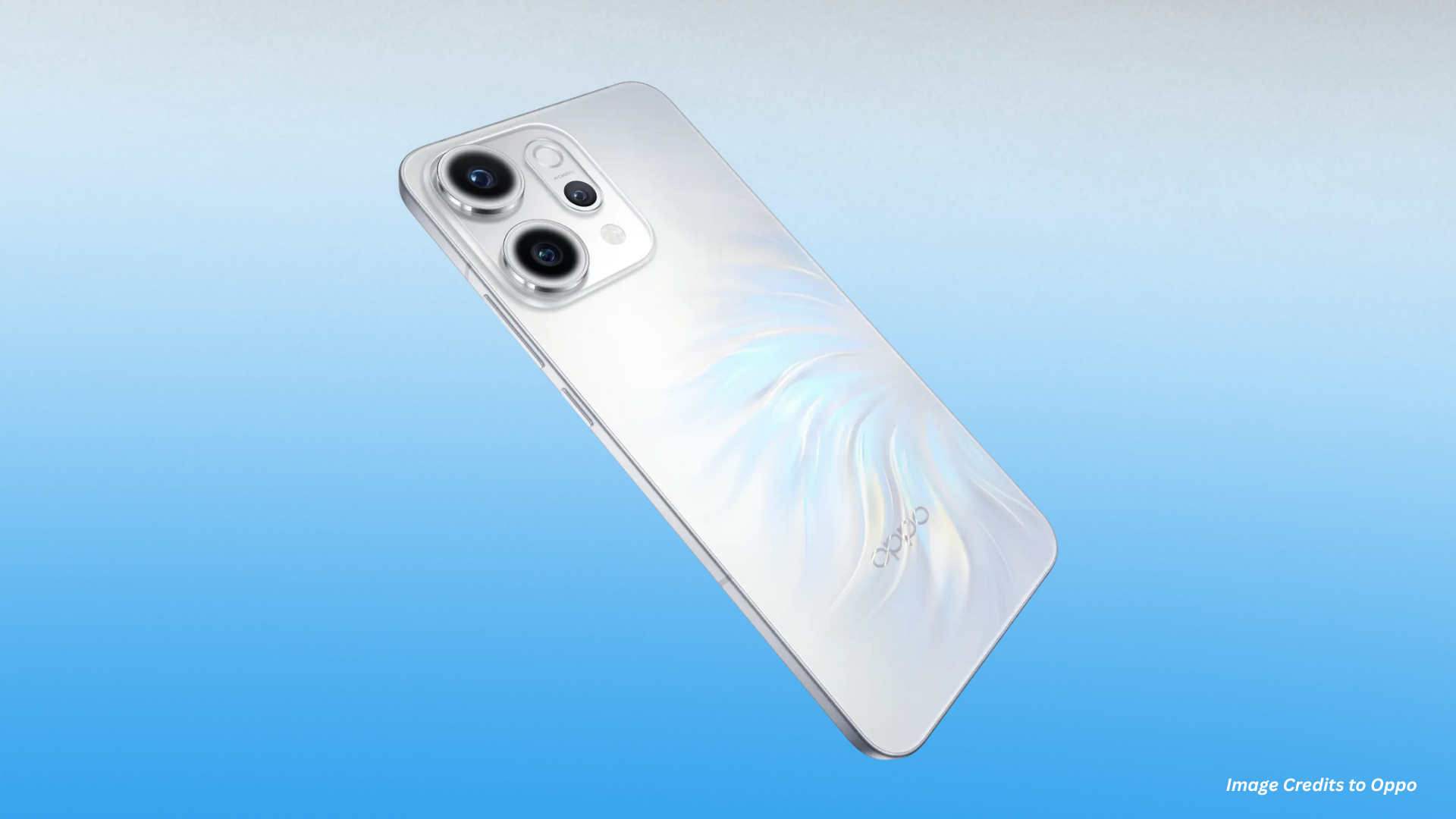
Complete Camera Specifications:
- Main Camera: 50MP Sony LYT-600, 1/1.95″ sensor, f/1.8, 24mm, OIS
- Ultra-Wide: 8MP, f/2.2, 16mm, 112° field of view
- Telephoto: 50MP Samsung JN5, f/2.0, 47mm, 2x optical zoom
- Front Camera: 50MP, f/2.4, autofocus
The ultra-wide lens captures distortion-free landscapes and group photos. Night photography capabilities compete with the best camera phones available, producing clean images with minimal noise using AI Night Portrait mode.
9. Honor Magic 7 Pro
AI photography features automatically optimize camera settings for over 1,000 different scenarios. The Honor Magic 7 Pro recognizes subjects and adjusts exposure settings accordingly.
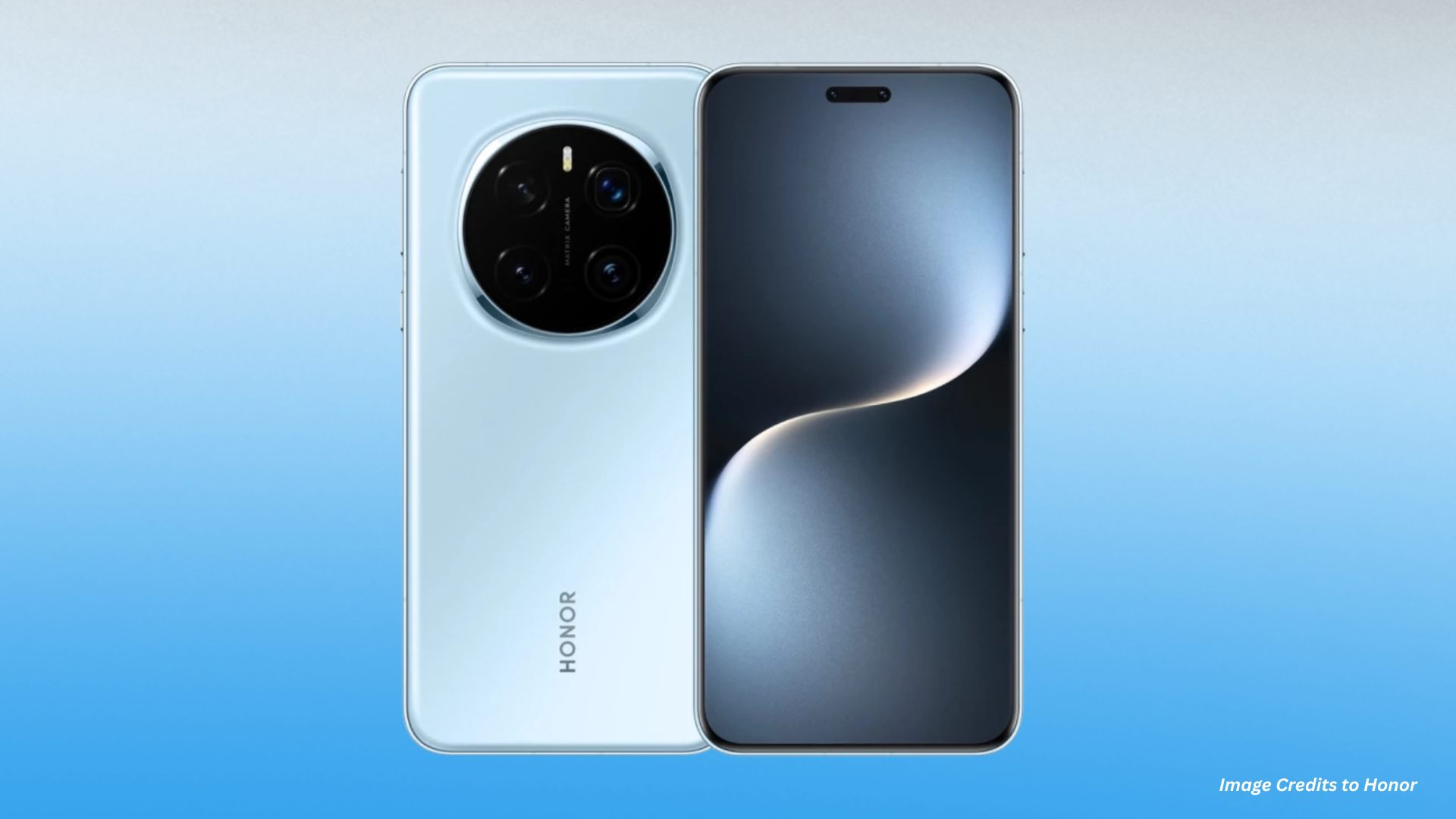
Complete Camera Specifications:
- Main Camera: 50MP Sony IMX906, 1/1.4″ sensor, f/1.4-f/2.0, 23mm, variable aperture, OIS
- Ultra-Wide: 50MP, f/2.0, 12mm, 122° field of view
- Telephoto: 200MP Samsung HP3, f/2.6, 85mm, 3x optical zoom, periscope, OIS
- Front Camera: 50MP, f/2.0, 3D depth sensing
The 200MP periscope telephoto lens captures distant subjects with impressive detail up to 100x digital zoom. Battery optimization ensures consistent performance during extended photography sessions without overheating issues with the 5850mAh battery.
10. Motorola Edge 60 Pro
Pantone color validation ensures accurate color reproduction across all shooting modes. The Motorola Edge 60 Pro offers excellent value with flagship features, including Hello UI based on Android 15.
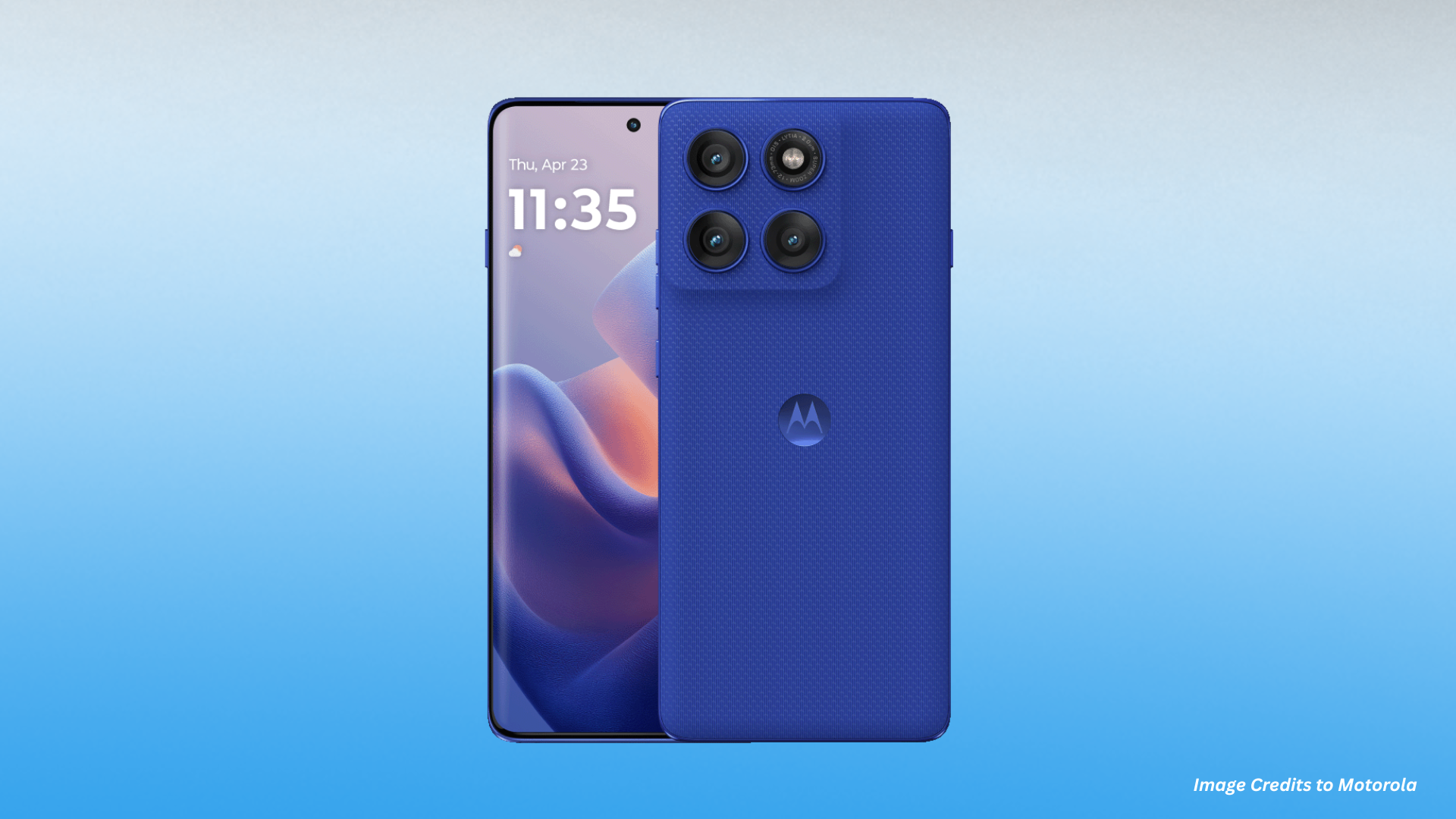
Complete Camera Specifications:
- Main Camera: 50MP Sony LYT-700C, 1/1.55″ sensor, f/1.6, 24mm, OIS
- Ultra-Wide: 50MP Samsung JN1, f/2.0, 13mm, 120° field of view, macro
- Telephoto: 10MP, f/2.0, 85mm, 3x optical zoom
- Front Camera: 50MP, f/1.9, autofocus
The 50MP ultra-wide lens doubles as a macro camera for close-up photography. Portrait lighting effects simulate professional studio setups with adjustable intensity and direction controls powered by Snapdragon 8s Gen 3.
Camera Phone Technology Moving Forward
The best camera phone options prove that mobile photography has reached professional standards. These devices eliminate the need for separate cameras for most users while offering convenience that traditional cameras cannot match.
Camera phones now compete directly with mirrorless cameras in image quality. Statista reports significant growth in smartphone camera usage over traditional cameras.
Whether you prioritize portrait photography, video recording, or general versatility, these camera phones deliver professional results in a pocket-sized package.
See more from DIYPhotography.net on Google
Add DIYPhotography.net as a trusted source. This makes
our stories more likely to appear in your Google Search results.
 Add as a preferred source on Google

Darlene Lleno
Darlene Lleno brings a unique perspective to DIY Photography as someone who grew up surrounded by camera gear but chose words over lenses. With five years of writing experience, she specializes in photography content that’s both technically informed and genuinely passionate. Growing up with a photographer twin brother meant camera talk was everyday conversation in her household. While he mastered capturing moments, Darlene discovered she preferred being the subject and the storyteller behind the scenes. As a travel enthusiast and mother of two, she understands the importance of preserving life’s precious moments. When not exploring new destinations or writing for DIY Photography, you’ll find her reading or tending to her garden. Her approach to photography writing is refreshingly authentic, she may not be behind the camera, but she knows exactly what it takes to help others capture the shots that matter most.




Join the Discussion
DIYP Comment Policy
Be nice, be on-topic, no personal information or flames.
3 responses to “Best Camera Phone of 2025: Top 10 Picks That Change Mobile Photography”
where’s one plus 13 ?
But iPhone 16 pro max camera is terrible at photos even the 14 pro is better than that
I will admit, cell phone cameras have advanced ALOT over the last few years with Hasselblad and Leica stepping into the ring to help enhance these cell phones. But to say that they have reached professional standards? I normally shoot with a Micro 4/3rds and face the backlash of people saying that is not a professional camera (I have to disagree with that) because of the sensor size. I use a OnePlus 9Pro all the time and love the camera on it, but I cant do a studio shoot with it or with my Samsung Galaxy s24 Ultra.