
























DJI and Insta360 Shipped More Cameras Than the Mirrorless Market
Oct 6, 2026
Alysa Gavilan
Alysa Gavilan has spent years exploring photography through photojournalism and street scenes. She enjoys working with both film and mirrorless cameras, and her fascination with the craft has grown over the decades. Inspired by Vivian Maier, she is drawn to capturing everyday moments that often go unnoticed.
Share:
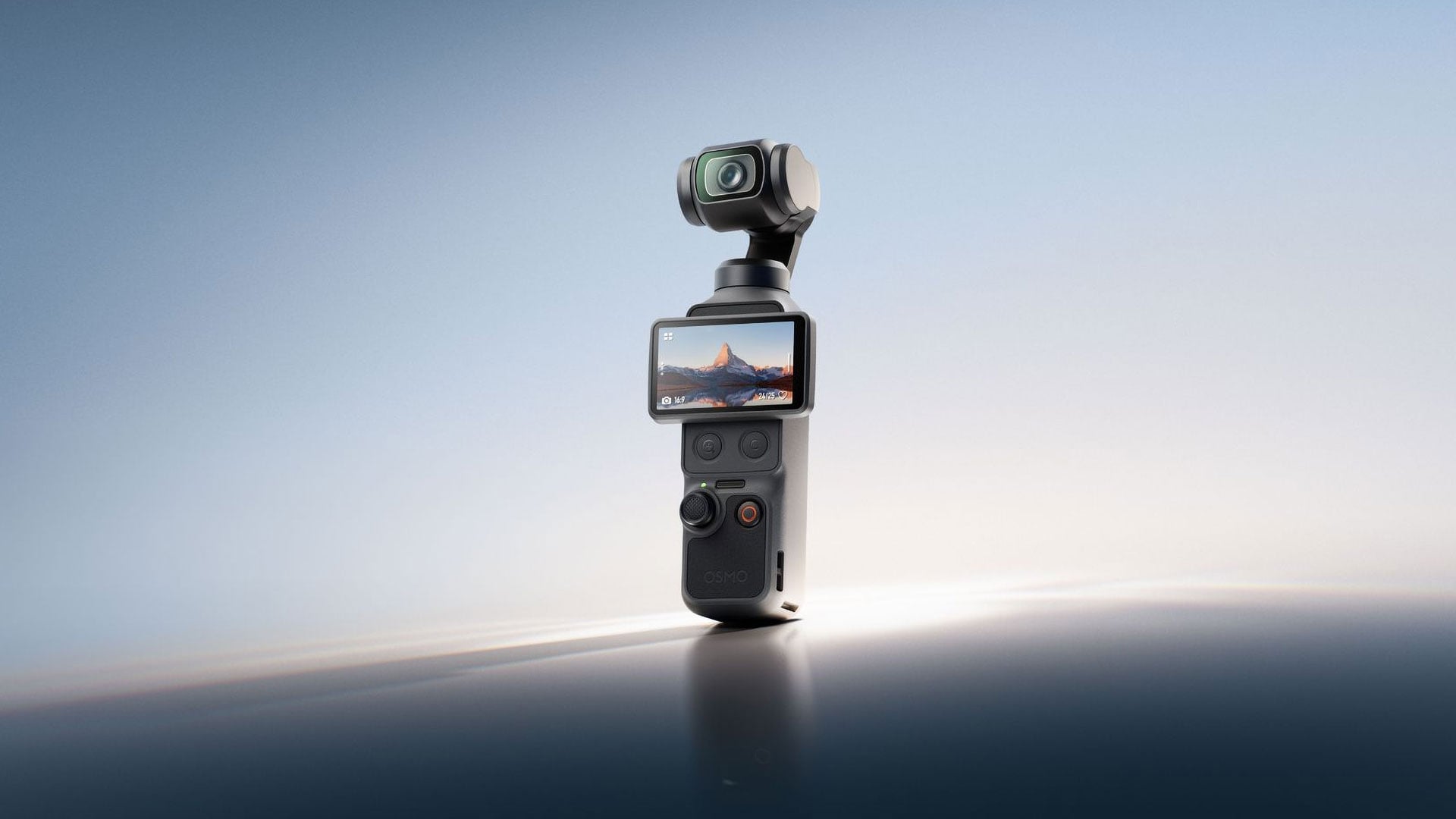
DJI and Insta360 are shipping cameras at a rate that makes the traditional camera business look surprisingly small. Together, the two Chinese companies shipped more than twice as many cameras in 2025 as the entire mirrorless market, according to figures from IDC and CIPA.
But before we declare mirrorless dead, there is a fairly important catch: these numbers are counting very different kinds of cameras.
The comparison was first reported by CineD, which put IDC’s latest figures for handheld smart cameras alongside data from the Japanese camera industry association CIPA. The result shows just how quickly small gimbal, action, and 360 cameras have grown, while also revealing the limits of trying to compare them with interchangeable lens cameras.
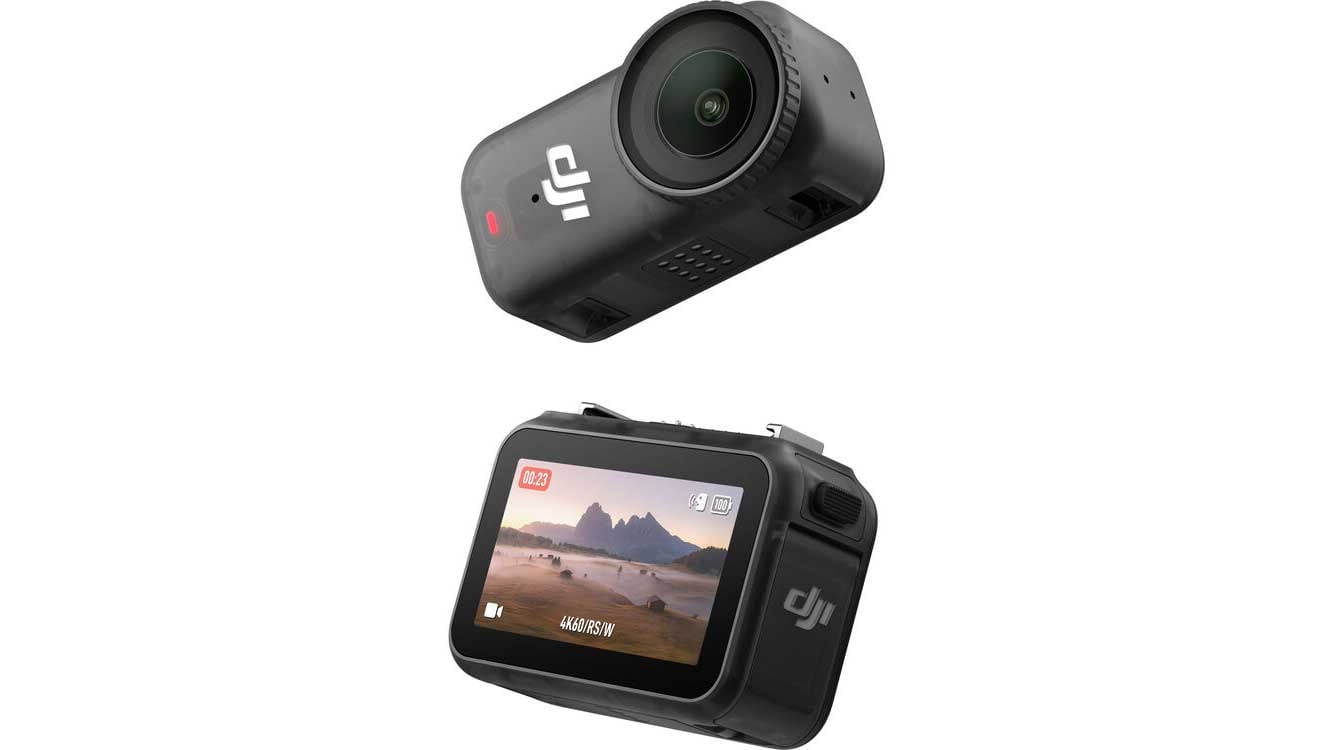
DJI is shipping a staggering number of cameras
IDC’s handheld smart camera category includes action cameras, 360 cameras, and gimbal cameras such as DJI’s Osmo Pocket. It excludes smartphones and cameras with interchangeable lenses.
In the second quarter of 2026, manufacturers shipped almost 5.9 million of these cameras worldwide, up more than 50% from the same period a year earlier. DJI accounted for roughly three quarters of those shipments, while Insta360 took about one fifth.
That leaves less than 10% for everyone else, including GoPro. IDC estimates that GoPro’s action camera shipments roughly halved year over year. GoPro’s own second quarter results point in the same direction, with camera sales down 38% and revenue falling 31%.
Gimbal cameras have also overtaken traditional action cameras as the biggest part of this market, suggesting that the pocket gimbal format is becoming a major consumer camera category.
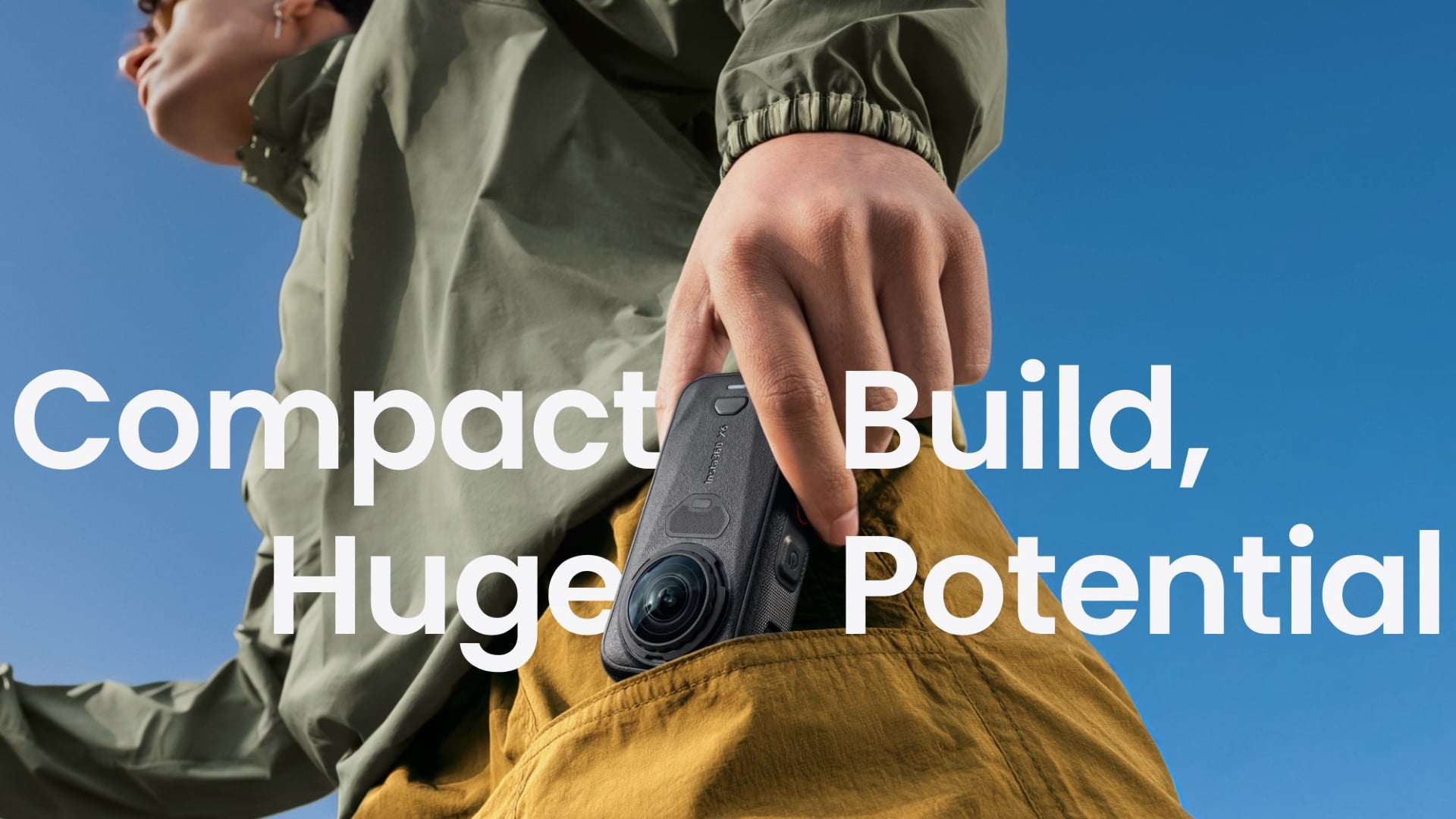
More cameras, but at very different prices
The numbers become even more striking when compared with CIPA’s figures.
IDC estimates DJI shipped more than 10 million handheld cameras in 2025. CIPA recorded about 9.4 million cameras shipped by all of its member companies combined, including mirrorless cameras, DSLRs and compacts.
Mirrorless cameras made up about 6.3 million of that total. That means DJI and Insta360 together shipped more than twice as many cameras as the entire mirrorless market in 2025.
The markets are moving in different directions too. Handheld smart camera shipments rose by close to 50% in the first half of 2026, while CIPA’s interchangeable lens camera shipments fell by about 5%. Mirrorless units were roughly flat, down around 2%.
Yet mirrorless manufacturers are making more money per camera. CIPA’s figures show fewer interchangeable lens bodies being shipped while the total value of those shipments rises.
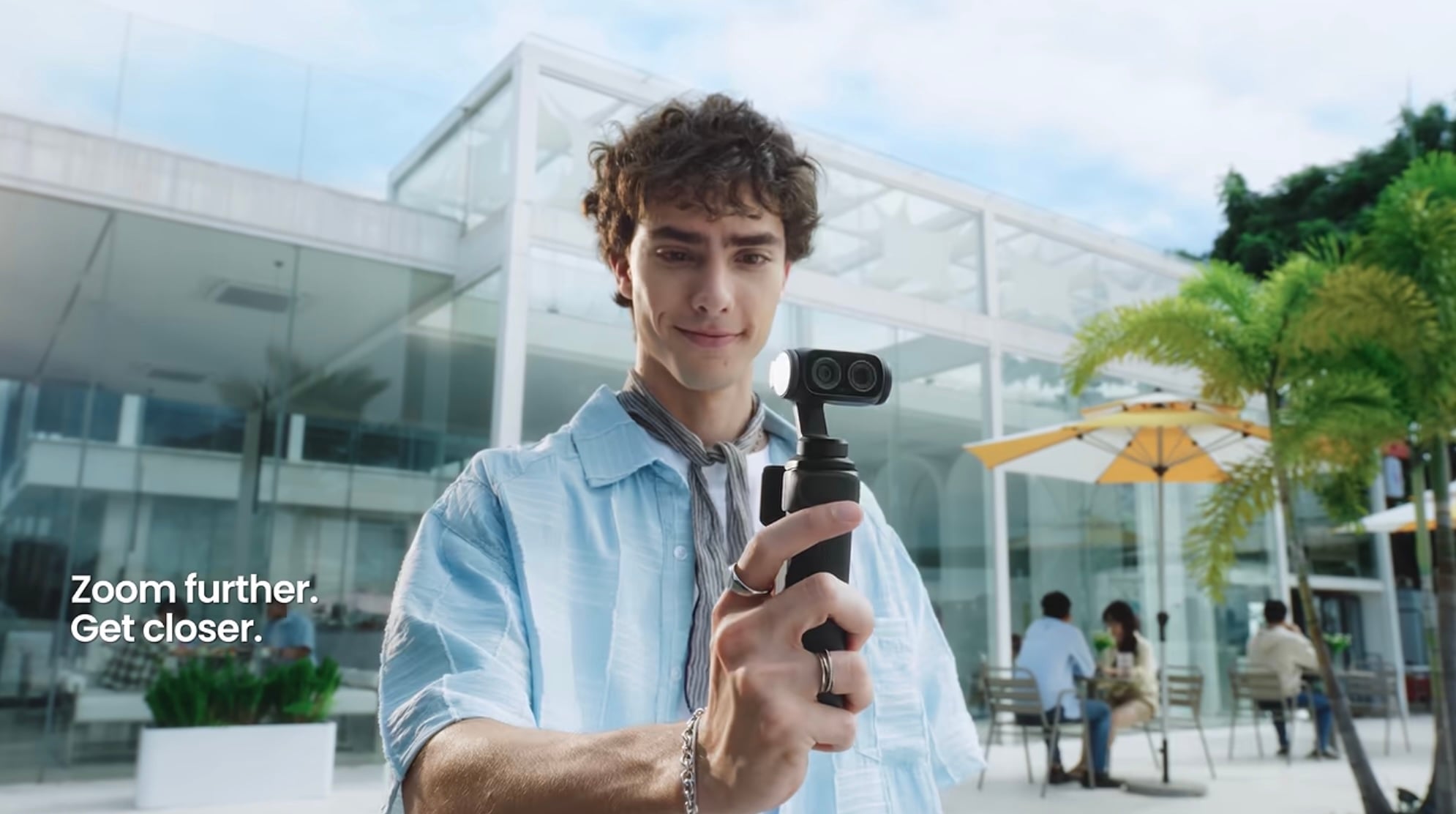
The numbers have a pretty big blind spot
There is an important reason not to treat these figures as a complete picture of the camera industry.
IDC’s category is dominated by relatively inexpensive consumer cameras, while CIPA’s mirrorless figures cover products that can cost thousands of dollars. A $500 gimbal camera and a $3,000 mirrorless body represent very different businesses, even if each counts as one camera in a shipment table.
Professional cinema cameras are also largely missing. Companies such as ARRI and Blackmagic Design do not publish comparable unit figures, while dedicated cinema products from Sony and Canon are not separated in CIPA’s published data.
And then there is the biggest camera market of all: smartphones.
So the data does not show DJI and Insta360 replacing mirrorless cameras. It does show that consumers are buying a huge number of small dedicated cameras, while traditional manufacturers increasingly appear to be focusing on higher value products.
The real competition may be smaller cameras
That shift could become more interesting as these pocket cameras get better. DJI and Insta360 are putting larger sensors, log recording, stabilization and increasingly sophisticated video features into products that can fit into a small bag.
For professional shooters, that does not necessarily make them replacements for a cinema or mirrorless camera. They can, however, make surprisingly capable B cameras, travel cameras or tools for shots that would be awkward with a larger setup.
The question now is not simply how many cameras DJI and Insta360 can sell. It is how much camera they can put into each one before buyers start wondering why they need a bigger camera at all.
See more from DIYPhotography.net on Google
Add DIYPhotography.net as a trusted source. This makes
our stories more likely to appear in your Google Search results.
 Add as a preferred source on Google

Alysa Gavilan
Alysa Gavilan has spent years exploring photography through photojournalism and street scenes. She enjoys working with both film and mirrorless cameras, and her fascination with the craft has grown over the decades. Inspired by Vivian Maier, she is drawn to capturing everyday moments that often go unnoticed.
Related Posts
 Insta360 Is Building Two Mirrorless Cameras, and One Sounds Wild
 The Best Wearable Action Cameras of 2026 Compared: Xtra Atto vs Insta360 GO vs DJI Osmo Nano
 Insta360 drags webcams into the 21st century with the new Insta360 Link
 Review: Insta360 announces its first gimbal – The AI-tracking Insta360 Flow
Join the Discussion
DIYP Comment Policy
Be nice, be on-topic, no personal information or flames.