























What’s the Best Camera for Photography? A Guide to Choosing the Right Camera
Jul 28, 2026
Leonard Skapp

Alex Baker is a portrait and lifestyle driven photographer based in Valencia, Spain. She works on a range of projects from commercial to fine art and has had work featured in publications such as The Daily Mail, Conde Nast Traveller and El Mundo, and has exhibited work across Europe
Share:
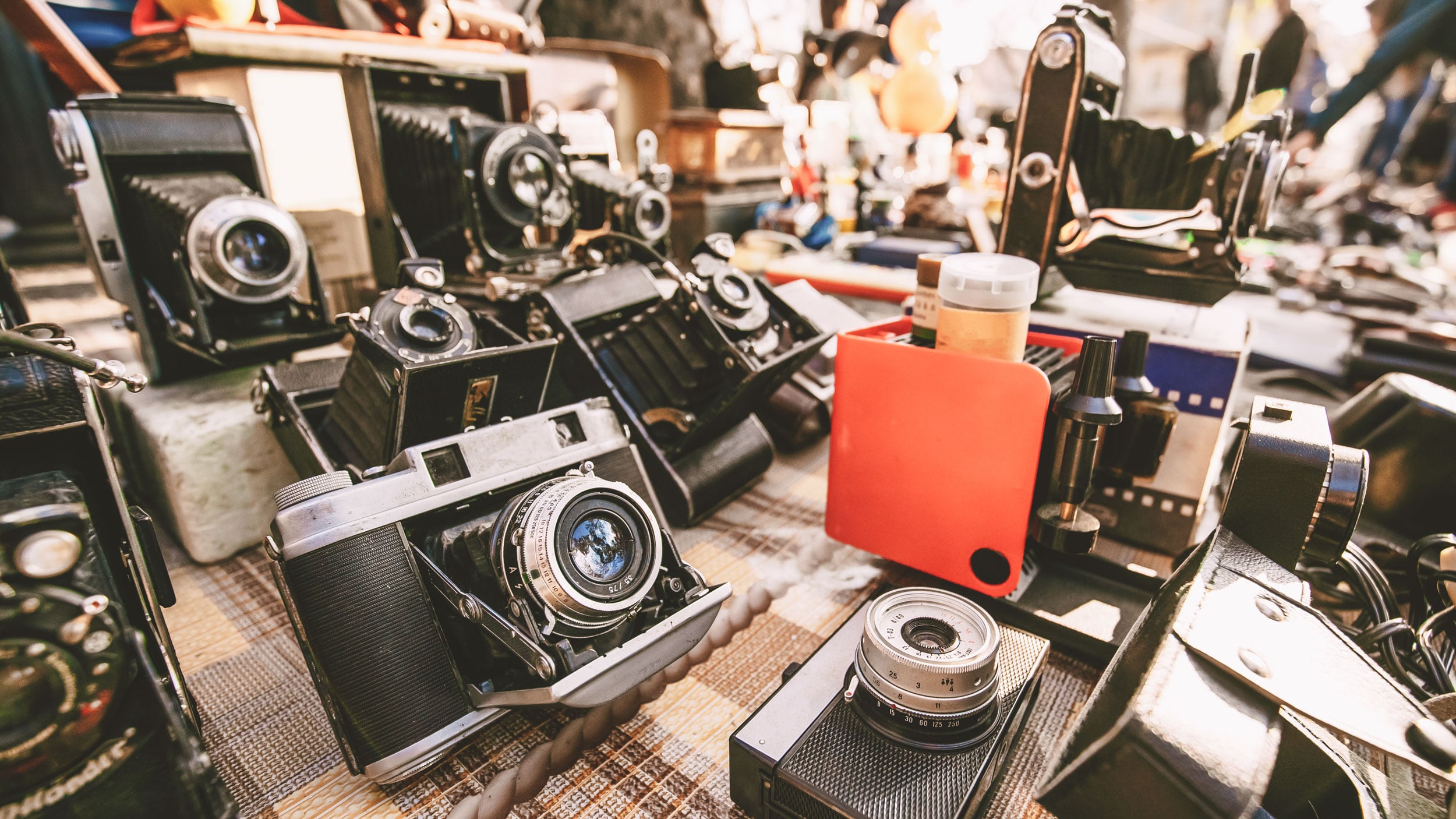
Walk into any camera shop or browse online, and you’ll find hundreds of cameras promising incredible image quality, lightning-fast autofocus, and professional results. It’s easy to assume that buying the most expensive model will instantly make you a better photographer.
In reality, the best camera for photography isn’t necessarily the newest or most expensive one. It’s the one that suits the way you shoot, and, perhaps most importantly, the one you actually have with you when the perfect moment happens.
The best camera is the one you have
Photographers have repeated this saying for years because it’s true. A breathtaking sunset, a child’s first steps, or an incredible wildlife encounter won’t wait while you rush home to collect your camera bag. Sometimes your smartphone is the only camera available, and that’s far better than missing the shot entirely.
Modern smartphones are capable of producing remarkable photographs, especially in good light. While they can’t replace larger cameras in every situation, they’ve made photography more accessible than ever.
Full-frame mirrorless cameras
If you’re looking for the highest image quality and maximum creative control, a full-frame mirrorless camera is hard to beat.
Models such as the Canon EOS R5 Mark II, Sony A1 II, Nikon Z8, Panasonic Lumix S1R II, and Fujifilm GFX100RF (for those who want medium format) offer exceptional image quality, advanced autofocus, and professional-level performance.
These are the cameras you’ll often find in the hands of commercial photographers, wedding photographers, sports photographers, and landscape specialists. They’re built for demanding work and deliver outstanding results, but they also represent a significant investment.
APS-C cameras offer incredible value
Not everyone needs a full-frame camera. APS-C mirrorless cameras are smaller, lighter, and often much more affordable while still producing professional-quality images.
Models like the Canon EOS R7, Sony A6700, Nikon Z50 II, and Fujifilm X-T5 have become favourites among enthusiasts and professionals alike. They’re particularly well-suited to travel, wildlife, street photography, and everyday shooting.
For many photographers, an APS-C camera paired with a good lens is a smarter investment than spending more on a full-frame body.
Don’t overlook compact cameras
Compact cameras may have become less common in the smartphone era, but they still have their place. Premium models such as the Fujifilm X100VI, Ricoh GR IIIx, and Leica Q3 offer image quality that’s difficult for a phone to match while remaining small enough to carry almost everywhere.
Their greatest advantage is convenience. A camera that’s easy to slip into a jacket pocket is far more likely to be used than one left at home because it’s too heavy to carry.
Your smartphone is a camera
The camera in your pocket is probably the one you’ll use the most. Thanks to computational photography, today’s smartphones produce excellent images in many situations. Features such as Night Mode, HDR, portrait effects, and AI-powered image processing help compensate for the smaller sensor.
While a smartphone won’t replace an interchangeable-lens camera for wildlife, sports, or professional work, it’s more than capable of capturing everyday life, travel, family moments, and even impressive landscapes.
Some of the world’s most memorable photographs have been taken simply because someone had a camera in their pocket.
Spend money on lenses, not just cameras
If you’re buying an interchangeable-lens camera, remember that the lens is just as important as the body. Camera technology evolves quickly, and many photographers replace their cameras every few years. A high-quality lens, however, can stay in your kit for a decade or more.
If you’re working within a budget, it’s often wiser to buy a slightly less expensive camera and invest in better lenses. In many situations, you’ll notice a bigger improvement in your photographs.
Skill matters more than equipment
It’s easy to believe that better equipment automatically leads to better photographs. In reality, understanding light, composition, timing, and storytelling will improve your photography far more than buying the latest flagship camera.
Some of history’s greatest photographs were taken with equipment that’s far less capable than even today’s entry-level cameras. What made those images memorable wasn’t the camera, it was the photographer behind it.
Key takeaways
There isn’t a single camera that’s best for everyone. Professional photographers may benefit from a full-frame mirrorless system, while enthusiasts might find that an APS-C camera offers the perfect balance of performance and value. Others will prefer the portability of a premium compact camera, and millions of great photographs are captured every day using smartphones.
The best camera for photography is the one that fits your budget, suits the way you like to shoot, and encourages you to take it everywhere. After all, a camera left on the shelf never takes a great photograph.
See more from DIYPhotography.net on Google
Add DIYPhotography.net as a trusted source. This makes
our stories more likely to appear in your Google Search results.
 Add as a preferred source on Google

About Leonard Skapp
Leonard “Len” Skapp is a photographer with a particular interest in cameras, lenses, accessories, camera bags, lens filters, tripods, camera straps, and, on rare occasions, photography itself. Equal parts reviewer and enthusiast, he enjoys digging into the technical details behind the latest gear and translating them into plain English for fellow photographers. He maintains that every purchase is a carefully considered investment, although his bank account and overflowing camera cupboard continue to dispute this claim.
We love it when our readers get in touch with us to share their stories. This article was contributed to DIYP by a member of our community. If you would like to contribute an article, please contact us here.



Join the Discussion
DIYP Comment Policy
Be nice, be on-topic, no personal information or flames.