





















The Rule of Odds Explained: Why Odd Numbers Improve Composition
Jan 2, 2026
Darlene Lleno
Darlene Lleno brings a unique perspective to DIY Photography as someone who grew up surrounded by camera gear but chose words over lenses. With five years of writing experience, she specializes in photography content that’s both technically informed and genuinely passionate. Growing up with a photographer twin brother meant camera talk was everyday conversation in her household. While he mastered capturing moments, Darlene discovered she preferred being the subject and the storyteller behind the scenes. As a travel enthusiast and mother of two, she understands the importance of preserving life’s precious moments. When not exploring new destinations or writing for DIY Photography, you’ll find her reading or tending to her garden. Her approach to photography writing is refreshingly authentic, she may not be behind the camera, but she knows exactly what it takes to help others capture the shots that matter most.
Share:

The Rule of Odds says photos with odd-numbered subjects look better than even-numbered ones. Three flowers grab attention differently than two or four. Your brain naturally pairs even numbers together. This makes photos feel flat and boring.
Think about it. When you see two objects, your mind instantly groups them as a pair. Four objects become two pairs. The image feels resolved too quickly. Your eye stops moving around the frame.
Odd numbers force your brain to work differently. Three subjects can’t pair up neatly. Five elements create natural tension. Your gaze keeps moving through the photo. This simple shift makes images more engaging.
Professional photographers use this technique everywhere. Portrait work benefits from it. Product shots look better with it. Even landscape photography gets stronger when you apply this rule.
Why the Rule of Odds Actually Works
Your brain seeks patterns constantly. We organize visual information into chunks without thinking about it. Even numbers satisfy that urge too fast. Odd numbers keep the mental process active.
Three subjects naturally form a triangle. Triangles are among the strongest shapes in composition. They provide stability while maintaining visual interest. One element typically sits forward or catches different light. That becomes your focal point naturally.
The other two elements support the main subject. They create context without competing for attention. Your eye flows from the primary subject to the supporting elements and back. This rhythm keeps viewers engaged longer.
Five and seven work well too. They’re just harder to manage in a tight frame. Five gives you flexibility in arrangement. Seven pushes the limit unless you’re shooting wider scenes. Most photographers stick with three for good reason.
How Asymmetry Creates Better Balance
Balance doesn’t require symmetry. The Rule of Odds creates asymmetrical balance that feels organic. Two subjects split attention evenly down the middle. Three subjects let you build hierarchy naturally.
This asymmetry mirrors real life. Nature rarely arranges things in perfect pairs. Three rocks on a beach look natural. Five birds on a wire feel right. Seven flowers in a meadow seem organic.
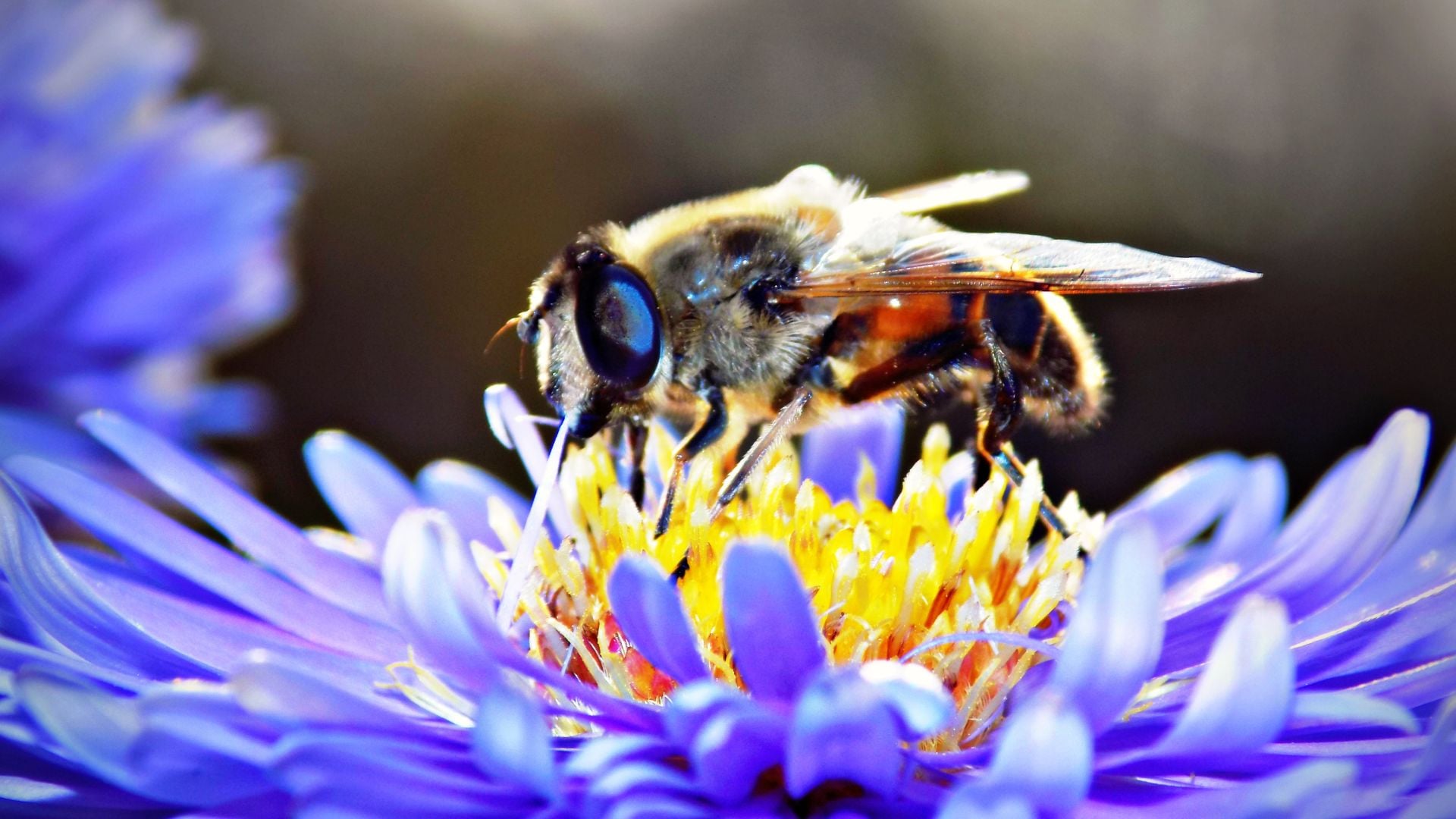
The principle scales across photography styles. Macro shots benefit from odd numbers. So do architectural frames. The scale changes but the visual impact stays consistent.
Using the Rule of Odds in Different Photography Styles
Different genres benefit from this rule in unique ways. Let’s break down how to apply it practically.
Product and Commercial Work
Product photography thrives on threes and fives. Three bottles show your product line without overwhelming viewers. Five items work for larger collections while keeping visual rhythm strong.
Food photography loves odd numbers. Three cookies invite someone to take one. Five strawberries look more abundant than four. The arrangement appears natural rather than staged.
Commercial work uses this constantly. Three versions of a product demonstrate variety. Five color options show range without creating visual clutter.
Street and Candid Photography
Street photography naturally lends itself to odd numbers. Three people create story potential that two can’t match. The interaction feels more complex and realistic.
Watch for groups of three or five subjects. They create triangular relationships in the frame. These arrangements happen spontaneously in public spaces. Your job is recognizing them quickly.
Odd numbers add narrative tension. Who’s the odd person out? What’s the relationship between the three subjects? Viewers ask these questions automatically.

Portrait Applications
Group portraits become more dynamic with odd numbers. Three friends look natural together. Four people often split into pairs unless you fight that tendency. Five subjects give you depth layers to work with.
Single-subject portraits benefit from thinking in odd numbers too. Count all elements in your frame. Your subject plus two environmental details create visual pathways. The odd total keeps eyes moving through the image.
Environmental portraits work particularly well with this approach. Your subject plus two contextual elements tell stronger stories. The odd number creates exploration space while maintaining clear focus.
Technical Setup for the Rule of Odds
Getting this right involves several technical considerations. Here’s what you need to manage.
Depth of Field Decisions:
- Three flowers at different distances need careful focus planning
- Decide which elements must be sharp
- Use aperture to control how much stays in focus
- Consider focus stacking for multiple sharp subjects
Lighting Considerations:
- Light each odd-numbered subject thoughtfully
- The brightest element becomes your natural focal point
- Two supporting elements can be slightly darker
- This creates hierarchy through brightness differences
Spacing and Arrangement:
- Three subjects placed too close merge visually
- Spread them too far and they lose connection
- Find the sweet spot through trial and error
- Your specific scene determines ideal spacing
Focal Length Impact
Your lens choice affects how odd numbers work. Wide angles exaggerate distance between subjects. This can strengthen triangular arrangements. Telephoto compression brings subjects closer together visually.
Standard 50mm lenses render subjects most naturally. This makes composition preview easier. You see relationships between elements more accurately before shooting.
Exposure settings get complex with multiple subjects. Three objects at different distances might need different exposure values. Bracket your shots or use graduated filters wisely.
Common Mistakes to Avoid
Don’t force odd numbers where they don’t belong. Not every scene needs this treatment. Two subjects work perfectly for showing comparison or connection. Four subjects suit situations requiring pairs or process demonstrations.
Another error is thinking you need exactly three, five, or seven. The principle guides you toward asymmetry and interest. Sometimes nine or eleven subjects work better than sticking rigidly to lower numbers.
Photographers overlook implied subjects too often. Three visible flowers plus one partially cropped flower equals four visual elements. Count everything viewers can see. Include partially visible elements that register in the frame.
When Context Matters More Than Numbers
The Rule of Odds guides rather than dictates. Strong composition depends on understanding multiple principles. Sometimes breaking rules creates more impact than following them.
Context matters more than pure counting. Three identical subjects might feel static. Two distinctly different subjects could work better. Subject quality and relationships trump numerical considerations.
Creative work requires knowing rules well enough to break them. Understand why the Rule of Odds works first. Then make informed decisions about application.
Combining With Other Composition Techniques
The Rule of Odds works alongside other compositional guidelines beautifully. Here’s how to layer techniques effectively.
Working With Leading Lines
Leading lines can connect your three or five subjects. The lines create pathways through your frame. Odd-numbered subjects provide destination points. The lines provide the journey between them.
This combination works well in landscape photography. A path leading to three trees creates strong composition. Five rocks connected by shoreline patterns work similarly.

Using Negative Space
Negative space becomes more powerful with odd subjects. Three objects in minimal composition create stronger tension. The asymmetry plays against surrounding simplicity. This combination feels more deliberate and striking.
According to Cambridge in Colour, compositional balance comes from thoughtful element placement. Odd numbers naturally create the visual weight distribution needed for compelling images.
Integration With Rule of Thirds
The Rule of Thirds and Rule of Odds complement each other naturally. Place your primary subject at a thirds intersection. Position your two or four supporting elements to create triangular flow.
Both rules serve the same goal. They create asymmetrical balance that feels natural. The thirds grid divides your frame into unequal sections. Odd numbers fill those sections in visually interesting ways.
These principles become intuitive with practice. You’ll start seeing triangles and odd-numbered arrangements naturally. Technical knowledge transforms into visual instinct over time.
Practical Exercises to Build Skills
Start with simple exercises. Photograph three identical objects first. Try apples, cups, or books. Arrange them different ways and notice spacing changes. Move from tight groupings to spread arrangements.
Progress to five objects with variations. Five flowers where one differs in color teaches hierarchy creation. The standout element becomes your focal point naturally. The others support without competing.
Try seven subjects in landscape scenes. Seven trees, rocks, or fence posts teach you to manage larger groups. You’ll learn when seven becomes too many. Distance and scale help keep composition manageable.
Real-World Practice Ideas
Visit farmers markets and shoot produce displays. Vendors arrange items in odd numbers instinctively. Study their arrangements before photographing them. Notice what works naturally.
Practice product arrangements at home. Set up three candles with different lighting. Arrange five books with varying heights. Try seven small objects in different configurations.
Street shooting provides endless opportunities. Watch for natural groupings of three or five people. The unpredictable nature forces quick recognition. This builds your compositional reflexes.

When Breaking the Rule Makes Sense
Symmetry sometimes serves your purpose better. Two subjects facing each other creates tension through mirroring. Four objects in square patterns demonstrate order and precision.
Pattern photography often needs even numbers. Six windows in a building emphasize rhythm. Eight columns in a row create repetition. Breaking patterns with odd numbers might distract from rhythmic quality.
Documentary work prioritizes authenticity over composition rules. Photograph what’s there naturally. Forcing odd numbers compromises truthfulness in photojournalism.
Alternative Approaches That Work
Single-subject compositions bypass the odd-even question entirely. One powerful element filling the frame needs no numerical support. This works well for minimalist approaches.
Large groups of indistinct elements create texture rather than countable subjects. Flocks of birds read as patterns. Fields of flowers become abstract texture. The Rule of Odds doesn’t apply here.
Sometimes relationships matter more than numbers. Interaction between two people might outweigh any compositional guideline. Captured moments trump compositional perfection in documentary work.
Master the Rule of Odds Through Practice
The Rule of Odds becomes one tool among many as you grow. Strong composition emerges from understanding multiple principles. Study work by photographers you admire carefully.
Notice when they use odd numbers and when they don’t. Understanding why certain choices work teaches more than blind rule-following. Context and intent matter more than rigid principle adherence.
Your personal style will favor certain approaches naturally. Some photographers gravitate toward symmetry and even numbers. Others prefer dynamic asymmetry of odd-numbered subjects. Neither approach is superior.
Practice shifts knowledge from conscious technique to unconscious instinct. After thousands of photographs, you’ll arrange elements in odd numbers automatically. You’ll also naturally choose even numbers when they work better.
Digital Photography School notes that understanding composition fundamentals helps photographers make better instinctive decisions. Regular practice transforms technical knowledge into visual intuition.
Review your work regularly to identify composition patterns. Notice when your strongest images use odd numbers. Identify when they don’t. This self-analysis helps you understand natural tendencies and growth areas.
Photography improves through informed experimentation. Try the Rule of Odds deliberately in different situations. Notice what works and what fails. Build experience teaching you when this principle helps.
Your best photographs come from understanding multiple tools. Know which compositional guideline fits each specific scene. Sometimes that’s the Rule of Odds. Sometimes it’s something else entirely.
The goal isn’t perfect rule application. The goal is creating compelling images that engage viewers. Use odd numbers when they strengthen your composition. Skip them when other approaches work better. That flexibility comes from experience and thoughtful practice.
See more from DIYPhotography.net on Google
Add DIYPhotography.net as a trusted source. This makes
our stories more likely to appear in your Google Search results.
 Add as a preferred source on Google

Darlene Lleno
Darlene Lleno brings a unique perspective to DIY Photography as someone who grew up surrounded by camera gear but chose words over lenses. With five years of writing experience, she specializes in photography content that’s both technically informed and genuinely passionate. Growing up with a photographer twin brother meant camera talk was everyday conversation in her household. While he mastered capturing moments, Darlene discovered she preferred being the subject and the storyteller behind the scenes. As a travel enthusiast and mother of two, she understands the importance of preserving life’s precious moments. When not exploring new destinations or writing for DIY Photography, you’ll find her reading or tending to her garden. Her approach to photography writing is refreshingly authentic, she may not be behind the camera, but she knows exactly what it takes to help others capture the shots that matter most.




Join the Discussion
DIYP Comment Policy
Be nice, be on-topic, no personal information or flames.