

















This Mesmerising Hyperlapse Uses an AI Twist to Show Valencia as You’ve Never Seen it Before
Aug 28, 2025
Alex Baker
Alex Baker is a portrait and lifestyle driven photographer based in Valencia, Spain. She works on a range of projects from commercial to fine art and has had work featured in publications such as The Daily Mail, Conde Nast Traveller and El Mundo, and has exhibited work across Europe
Share:

“One moment, the viewer is soaring over the otherworldly landscape of Santiago Calatrava’s City of Arts and Sciences; the next, they are diving through the ancient, sun-baked streets of the Old Town, sweeping past landmarks like the Torres de Serranos and the Valencia Cathedral,” says filmmaker Kirill Neiezhmakov about his latest stunning hyperlapse video “Valencia Hyperlapse: A Fiery Flight Through Time“.
This really is a brand new take on the city of Valencia, a city I probably know better than any other in the world. And yet this hyperlapse film opened my eyes, and I saw the place I’ve called home for nearly two decades in a whole new light.
Kirill shot the project over three blistering days in June 2024, resulting in an almost visual poem that seamlessly stitches together the ancient heart and futuristic soul of the Spanish coastal city.
Centuries in Seconds
“The core concept was a fiery flight,” Kirill explains. “A high-energy journey that uses morphing transitions to erase the boundaries between eras. One moment you’re soaring over Santiago Calatrava’s City of Arts and Sciences; the next, you’re diving into the sun-baked streets of the Old Town.” His goal was to make centuries feel like seconds, and with a little old-school ingenuity and recent AI technology he succeeded.
Kirill could have chosen to shoot using drones or gimbals (also in Spain drones are a risky prospect). However, he chose to shoot everything by hand, one frame at a time. There’s something to be said for the painstaking, frame-by-frame craft of the manual hyperlapse. It’s a discipline that demands patience, precision, and a serious dose of physical endurance.
Physical movement
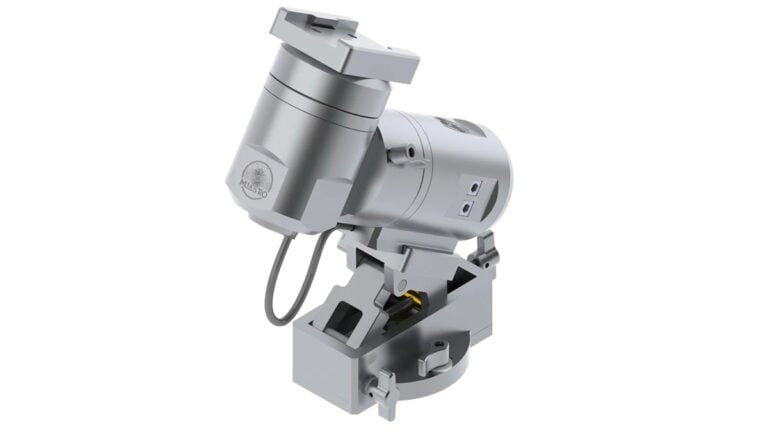
“Every single hyperlapse sequence was made by physically moving my tripods,” he explains. The key to this ultra-smooth motion was his choice of gear: a Vertecfoto GH-V5 geared head. This piece of kit allowed him to make minute, calculated adjustments to the camera’s position and angle between each shot, building up the illusion of seamless motion over hundreds of individually composed frames.
“This painstaking process, while demanding, results in an organic and tangible sense of motion that I believe automated tools cannot fully replicate,” Kirill states. “It’s a testament to the power of patience and traditional craft.”
The Equipment
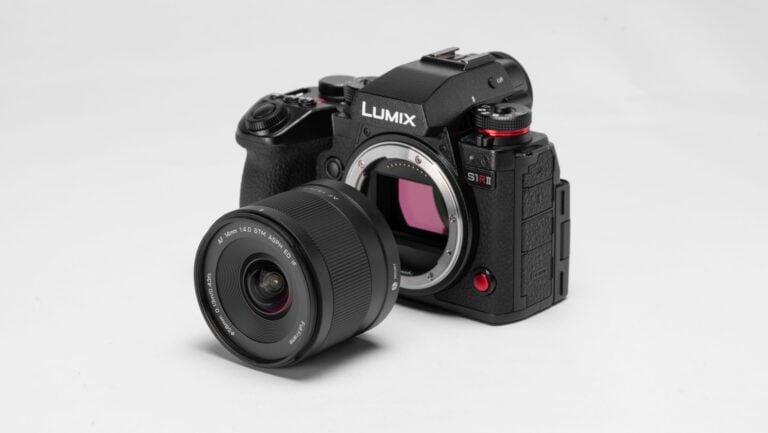
The rest of Kirill’s kit for the project was a mix of modern and classic workhorses: a Canon EOS R and a Canon 5D Mark III, paired with a suite of lenses including a Canon EF 24-70mm f/2.8L II, a Sigma 100–400mm, and the specialized Laowa 15mm and 11mm shift lenses for capturing architecture without distortion. The motion was choreographed using an LRT Pro Timer 3 and painstakingly assembled in post with Adobe After Effects, Lightroom Classic, and LRTimelapse.
The other piece of gear that Kirill couldn’t do without was, surprisingly, his folding bike. “Valencia has an incredible network of bike lanes,” he says. “That allowed me to navigate efficiently, carry all my gear, and chase the perfect light from sunrise to blue hour.” More importantly, it gave him a little respite from the searing heat that Valencia is known for in the summer months.
From the Future to the Past and Back Again
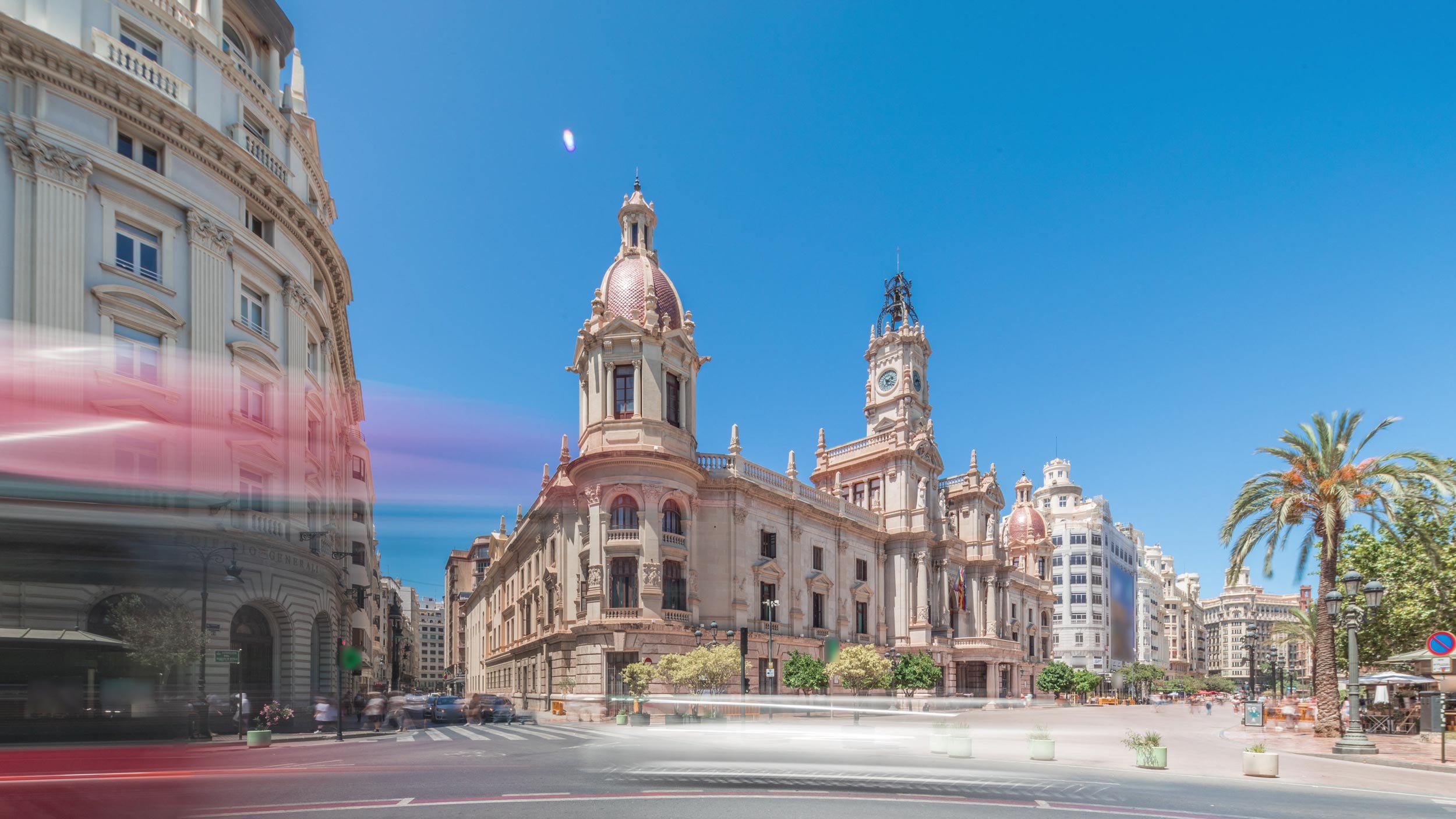
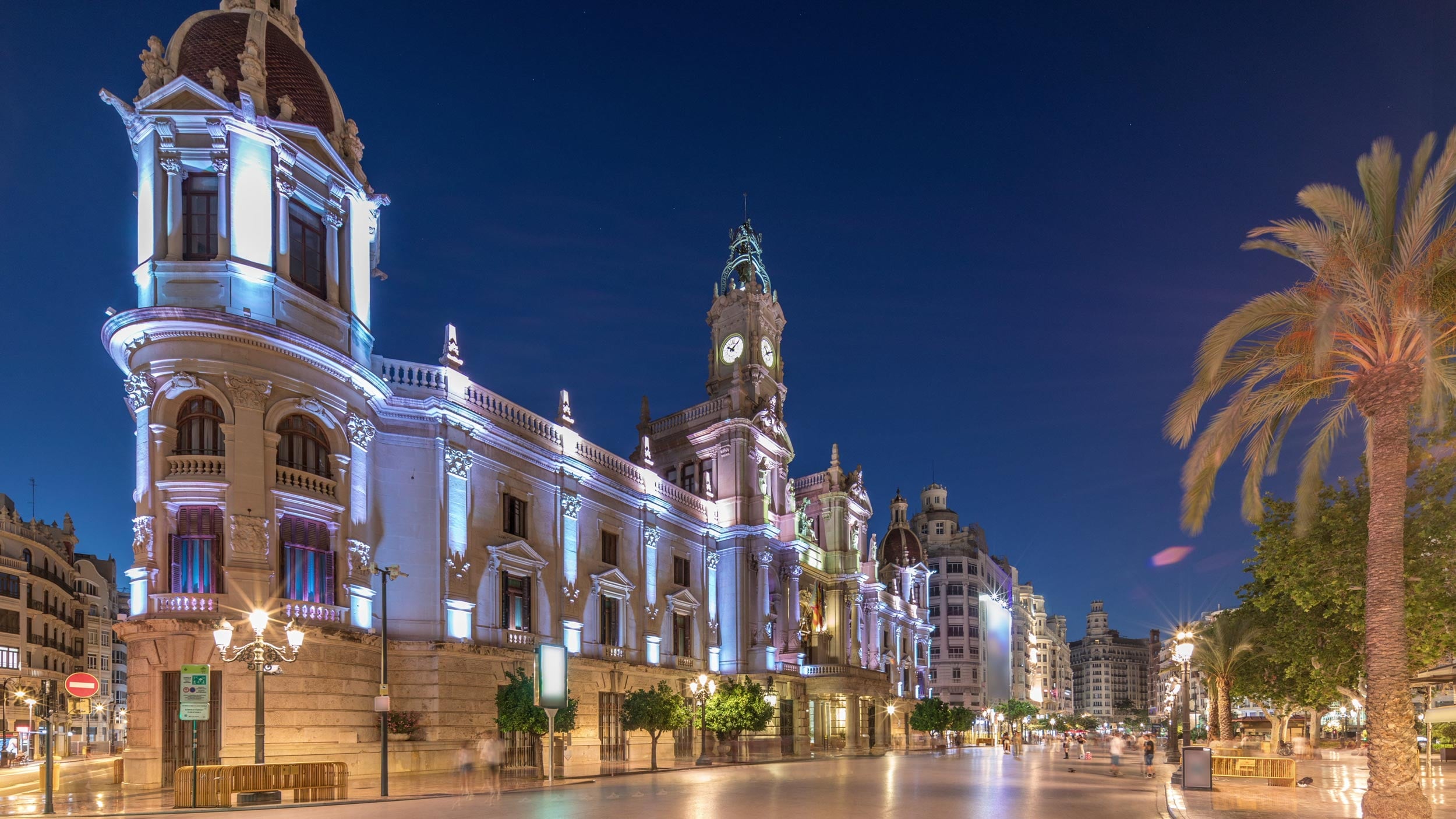
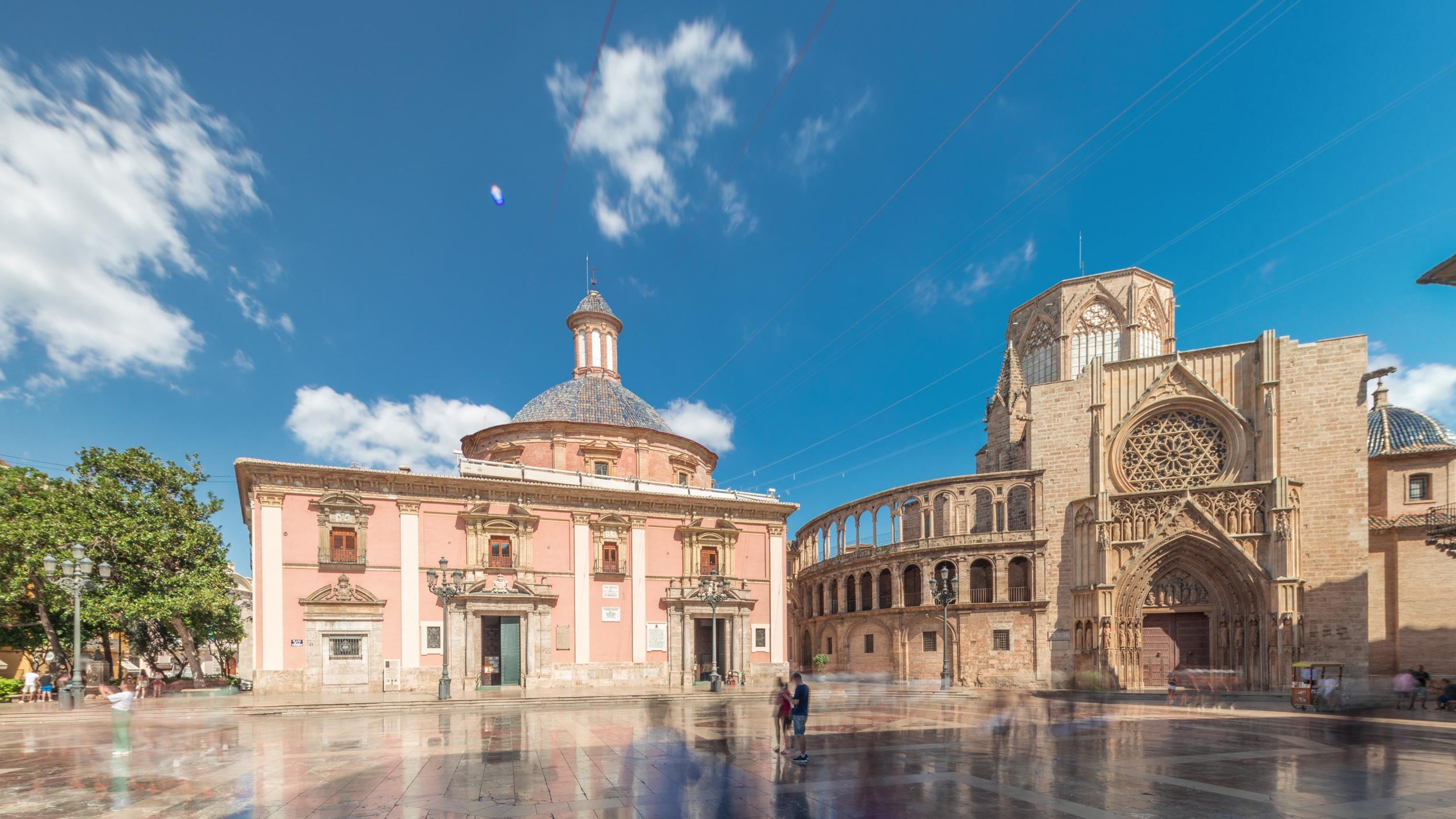
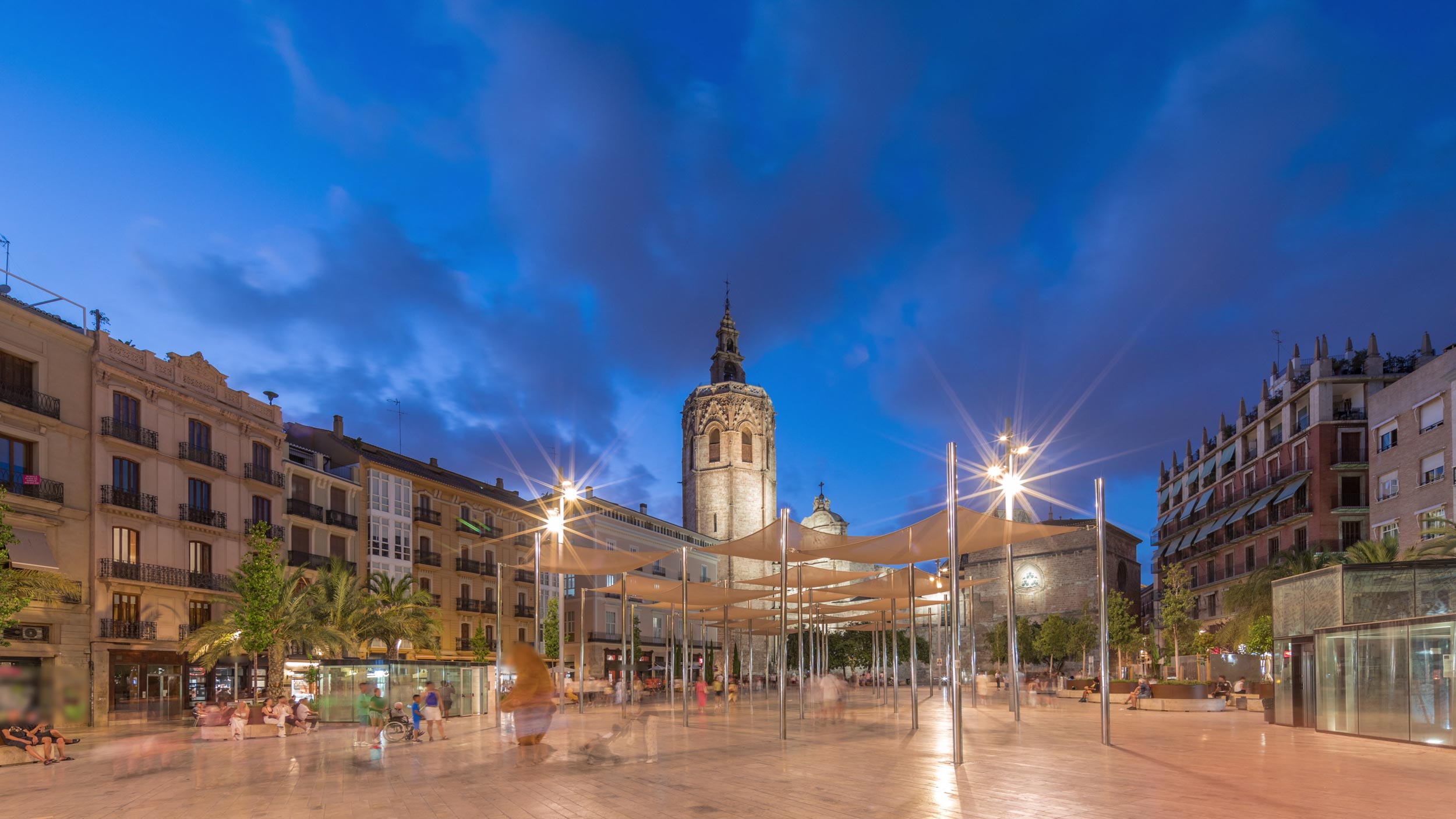
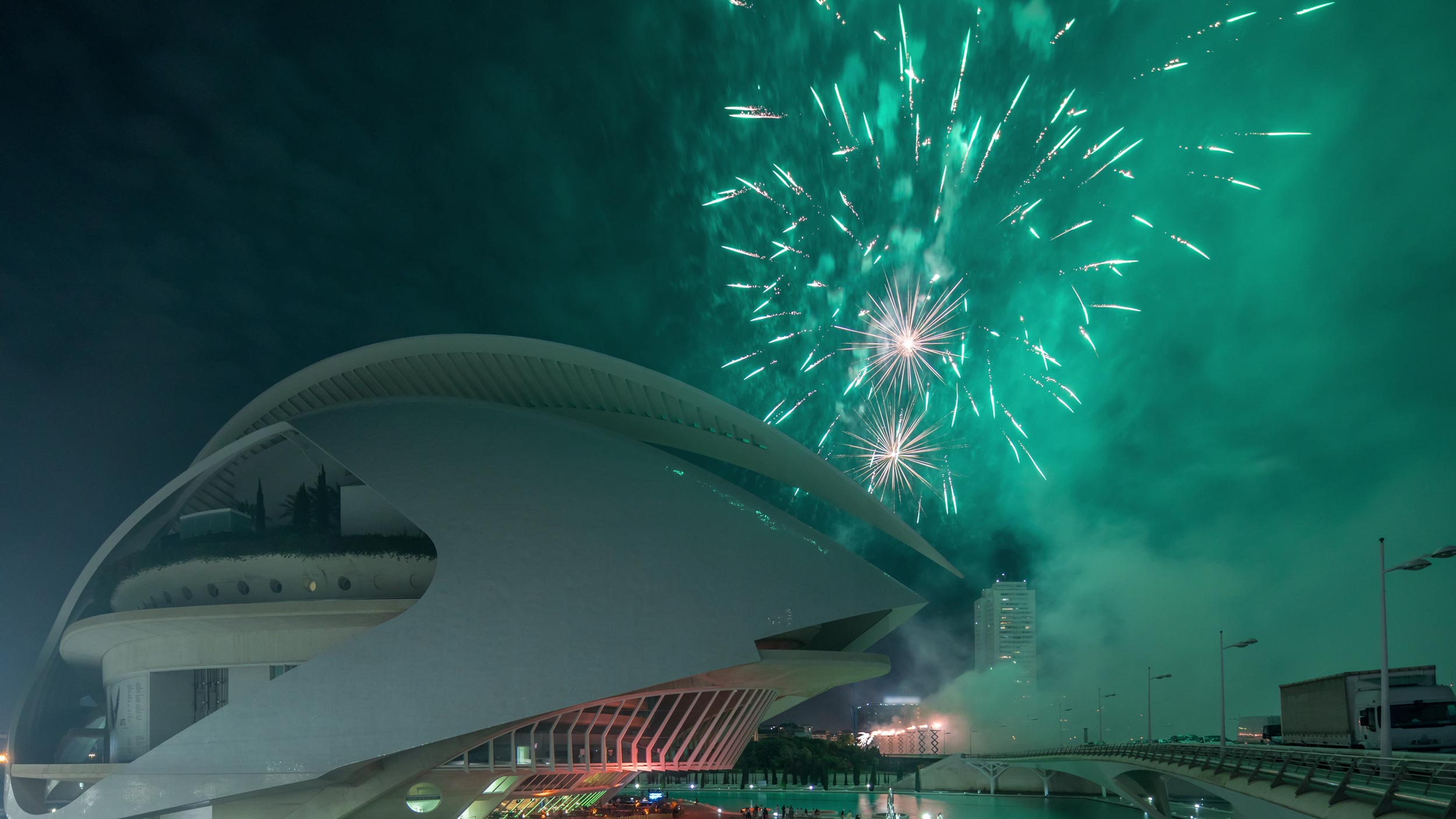
The structure of the hyperlapse mirrors the city itself. It begins in the iconic City of Arts and Sciences, where the futuristic architecture transforms under shifting skies, eventually illuminated by a full moon and punctuated by fireworks. From there, the viewer is drawn into the vibrant plazas of the Old Town: Plaza de la Reina, Plaza del Ayuntamiento, and Plaza de la Virgen, where cathedrals, fountains, and street life come alive.
Those who know Valencia will recognise landmarks like the Serranos Towers, the Torres de Quart, and the Porta de la Mar. The historic buildings are woven into the journey, blending seamlessly with the flow of modern traffic and daily life. The Mercado Central and Mercado de Colón add colour and texture, while the Banco de Valencia headquarters stands as a reminder of the city’s elegance.
AI Transitions
Finally, the loop closes where it began: at Calatrava’s City of Arts and Sciences. But this time, the futuristic forms are bathed in the warm glow of sunset. I particularly enjoyed the sequence where the market morphed into another building, making it both a little surreal and slightly disorienting. Kirill actually used AI to create these unusual transitions, even having the Plaza del Toros dissolve into smoke at one point.
While perhaps there are technically more perfect hyperlapses out there, this one is a masterclass in what’s possible with minimum gear, a little planning, and some physical grit. It proves that sometimes, the most advanced tool a filmmaker has is their own two hands, a sturdy tripod, and the willingness to move it, one step at a time.
“It is the perfect conclusion,” Kirill says, “capturing the very essence of Valencia: a city that wears its rich history with pride while gazing confidently into the future.”
You can watch the film below:
See more from DIYPhotography.net on Google
Add DIYPhotography.net as a trusted source. This makes
our stories more likely to appear in your Google Search results.
 Add as a preferred source on Google
Alex Baker
Alex Baker is a portrait and lifestyle driven photographer based in Valencia, Spain. She works on a range of projects from commercial to fine art and has had work featured in publications such as The Daily Mail, Conde Nast Traveller and El Mundo, and has exhibited work across Europe



Join the Discussion
DIYP Comment Policy
Be nice, be on-topic, no personal information or flames.