






















Reflecting on Some Polarizing Filter Pranks
Jul 15, 2025
David Prochnow
Our resident “how-to” project editor, David Prochnow, lives on the Gulf Coast of the United States in Ocean Springs, Mississippi. He brings his expertise at making our photography projects accessible to everyone, from a lengthy stint acting as the Contributing How-To Editor with Popular Science magazine. While you don’t have to actually build each of his projects, reading about these adventures will contribute to your continued overall appreciation of do-it-yourself photography. A collection of David’s best Popular Science projects can be found in the book, “The Big Book of Hacks,” Edited by Doug Cantor.
Share:

Every photographer knows the benefits of using a screw-in polarizing filter for minimizing glare from water and windows. There are a couple of other lesser known tricks and pranks, however, that you can easily perform with a simple polarizing filter threaded onto the front of your fave camera and lens.
First of all, recognition must be paid to Dr. Edwin Land for discovering and commercializing the polarizing filter. Edwin H. Land, the founding father of Polaroid Corporation, the birthplace of instant photography, made his landmark discovery of developing a synthetic product for polarizing light vibrations in 1928. In 1929, Dr. Land patented his polarizing material.
The basic operation of a polarizer is very simple to explain but proved cantankerous to build. In a simplified description, light vibrates in two planes, vertical and horizontal. You can easily “see” these vibrations as the glare that is reflected off water and glass. Dr. Land was able to coat a synthetic sheet with crystals which dried into a material that was able to tame these vibrations. This was dubbed a light polarizing effect which he could increase as two of these synthetic sheets were rotated into a 90-degree orientation to each other. And that is the “A-Ha” moment, folks. Or, as he titled another one of his patents, in 1933, “Polarizing Refracting Bodies.”
From sunglasses to camera lens filters, Dr. Land’s ‘polarizing refracting bodies’ synthetic sheets became the de facto standard for reducing/eliminating glare. But there’s more to these polarizing sheets than meets the eye. A clever photographer can adapt an ordinary polarizing filter to a number of different subjects with a visually pleasing effect.
A Light Wave Doesn’t Mean Goodbye
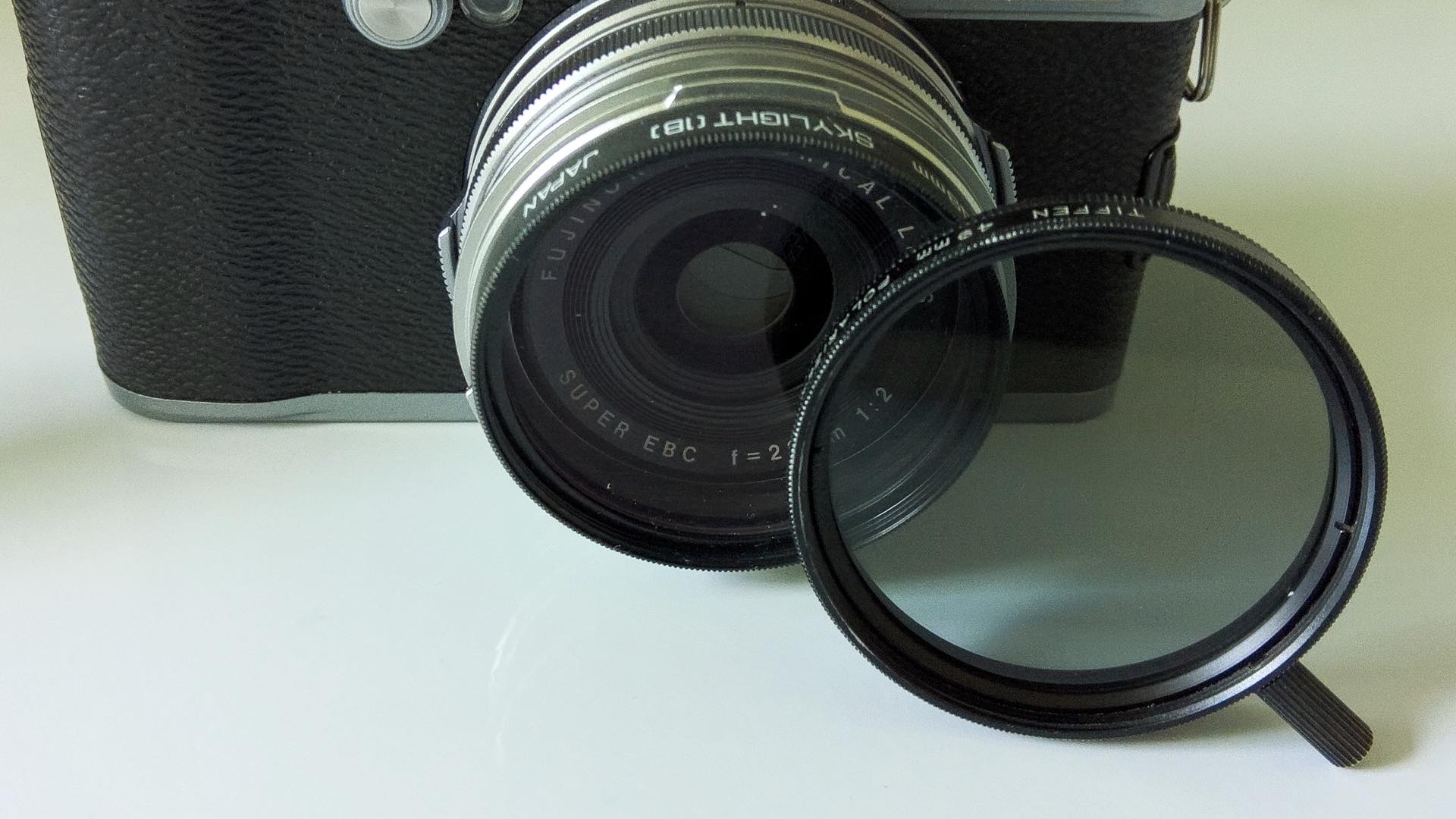
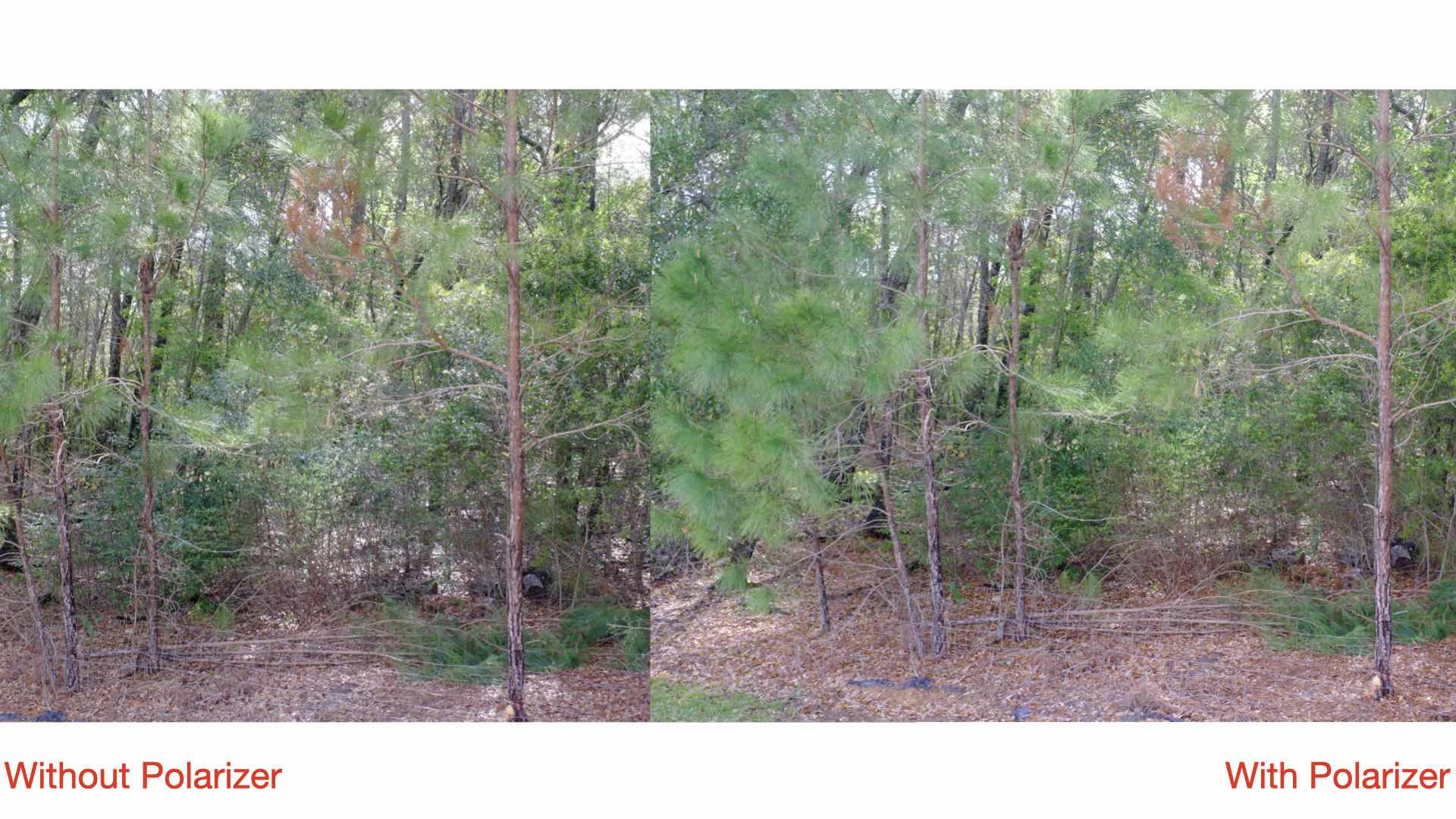
Before you can begin your discovery of polarizing light vibrations, you’ll need to equip your camera lens with a polarizer. A great example filter is the Tiffen Circular Polarizer Screw-In Filter. Simply match the Tiffen filter size with the diameter of your camera lens front filter thread size and you’ll soon be eliminating glare, reducing reflections, and deepening the blue of a cloud-filled sky. Compare these samples and judge for yourself:
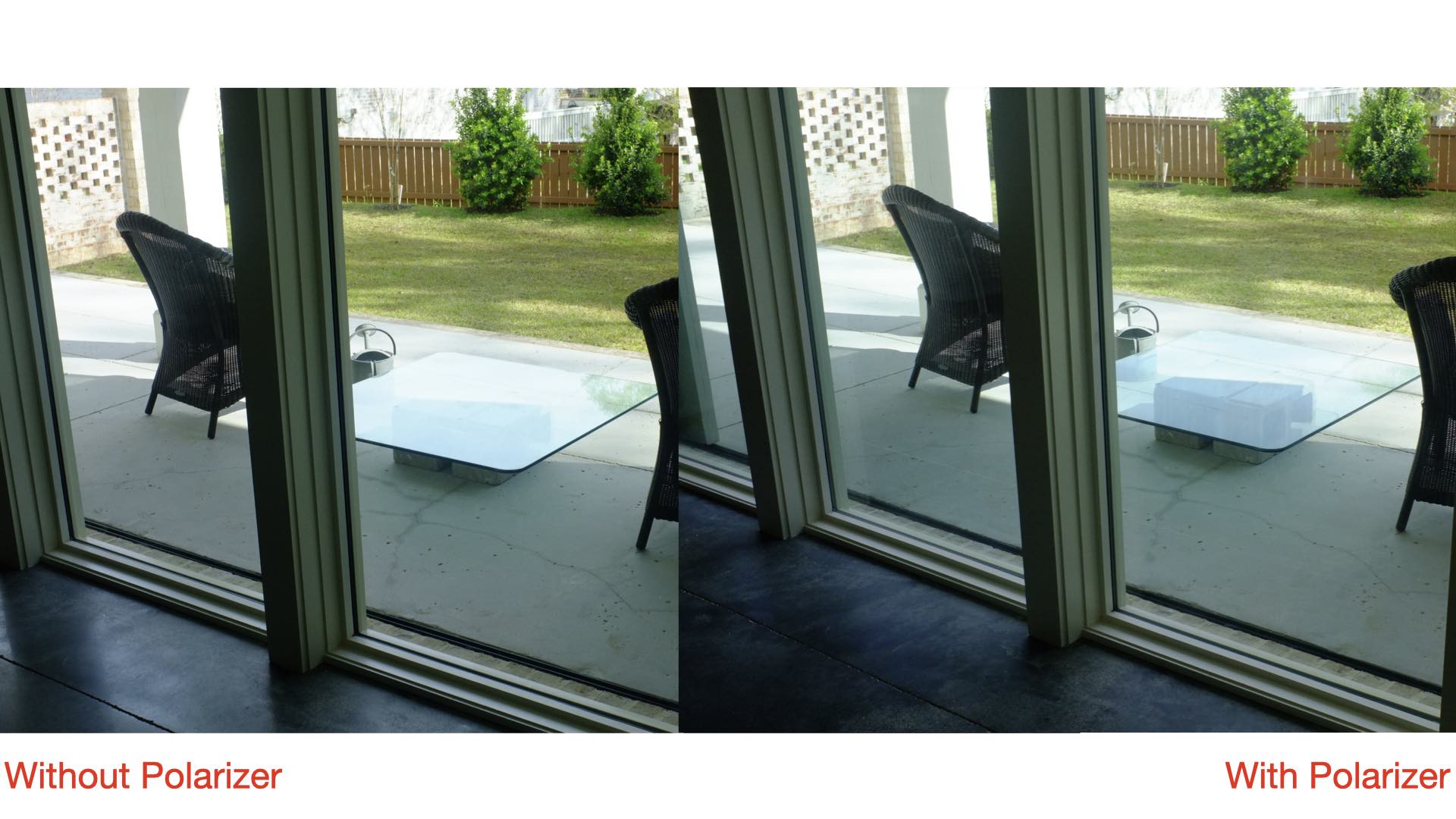
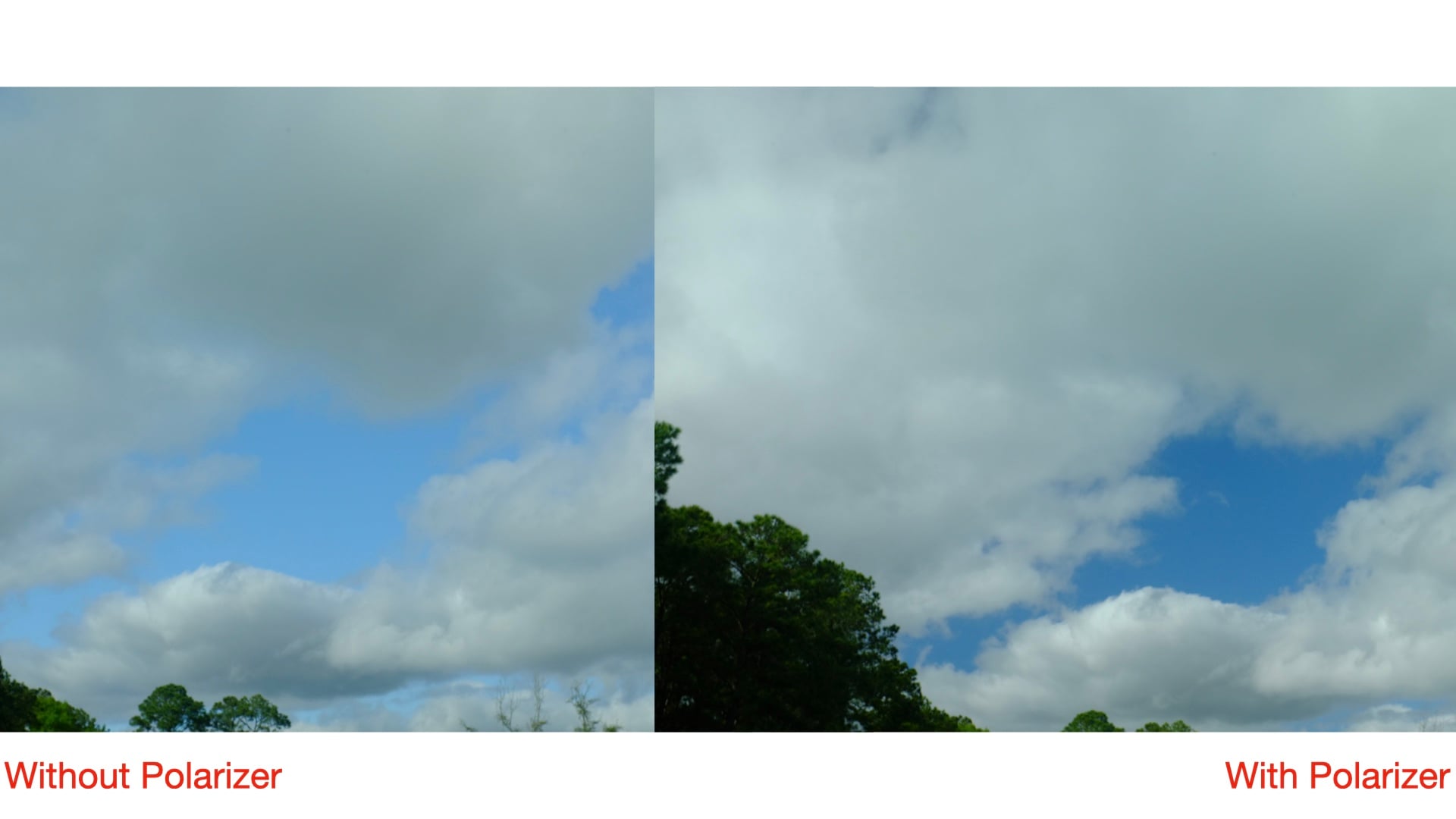
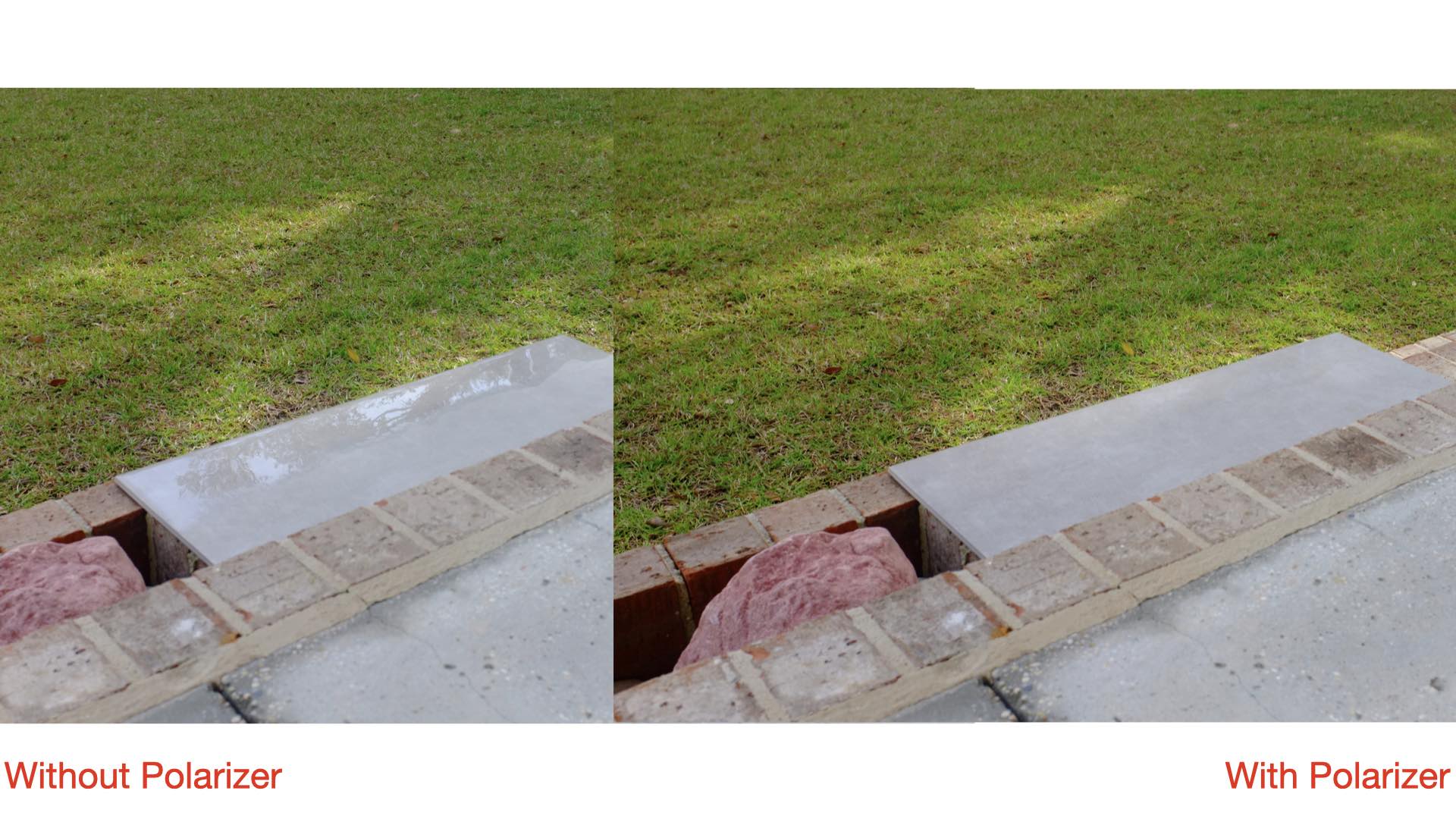
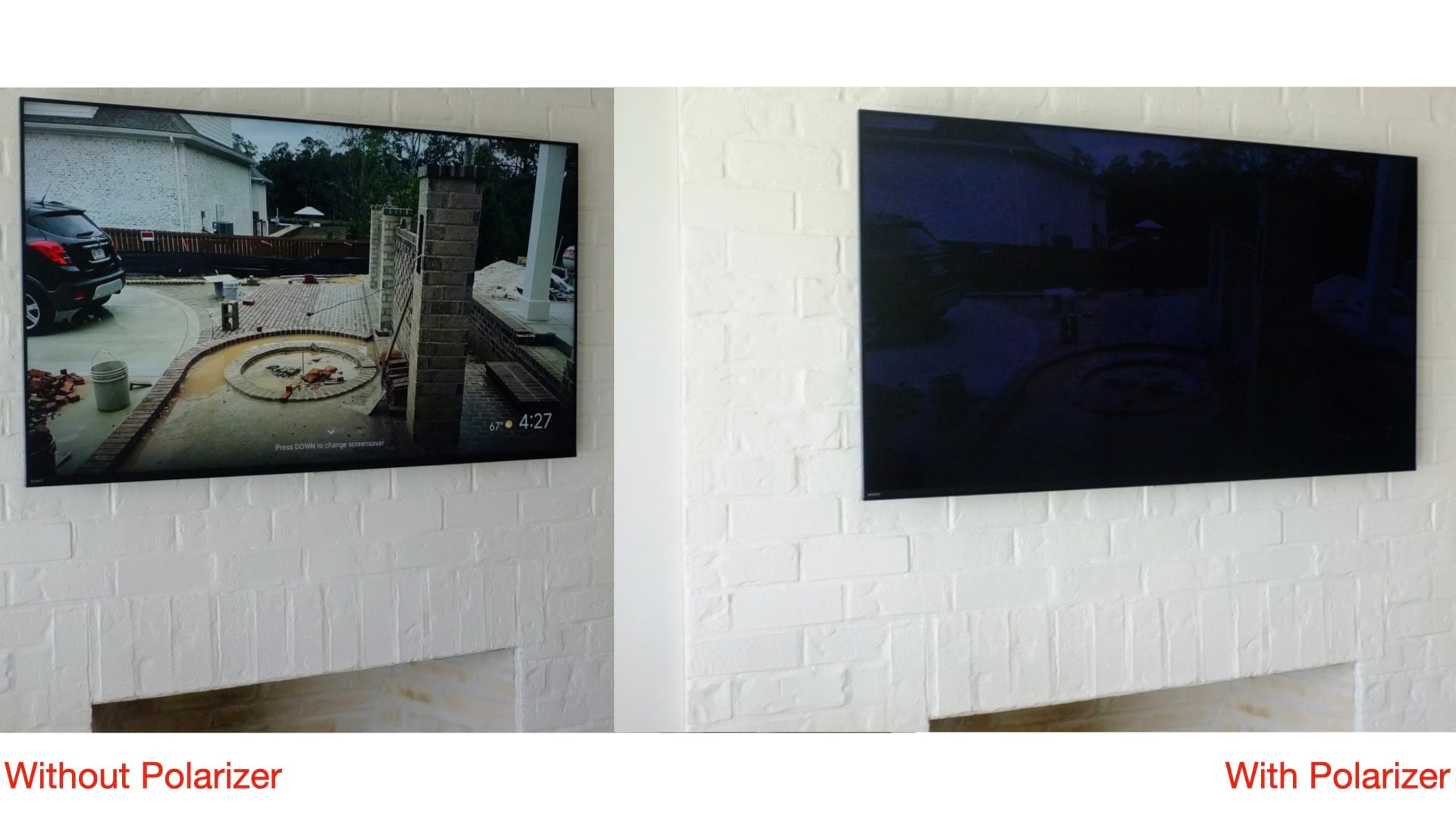
If you’d like to reflect on the creation of the polarizing filter, you can learn more about Dr. Land’s discovery in this article: The Invention of the Polarizer.
Enjoy.
See more from DIYPhotography.net on Google
Add DIYPhotography.net as a trusted source. This makes
our stories more likely to appear in your Google Search results.
 Add as a preferred source on Google

David Prochnow
Our resident “how-to” project editor, David Prochnow, lives on the Gulf Coast of the United States in Ocean Springs, Mississippi. He brings his expertise at making our photography projects accessible to everyone, from a lengthy stint acting as the Contributing How-To Editor with Popular Science magazine. While you don’t have to actually build each of his projects, reading about these adventures will contribute to your continued overall appreciation of do-it-yourself photography. A collection of David’s best Popular Science projects can be found in the book, “The Big Book of Hacks,” Edited by Doug Cantor.




Join the Discussion
DIYP Comment Policy
Be nice, be on-topic, no personal information or flames.
3 responses to “Reflecting on Some Polarizing Filter Pranks”
No mention of cross-polarizers in flash photography to reduce glare? That’s a missed opportunity! Polarizing film is relatively inexpensive—you can simply attach it in front of your flash using Velcro, tape, or a rubber band. Either type of polarizing filter (linear or circular) will work on your lens. To align them correctly, look through the viewfinder into a mirror and rotate the lens filter until the polarizing film in front of the flash turns dark. Magic!
Pranks?
Must be a mis-translation of “tricks”