
























Court Says Companies Can Train AI on Your Copyrighted Photos – With a Catch
Jun 25, 2025
Dunja Đuđić Kalinin
Dunja Djudjic is a multi-talented artist based in Novi Sad, Serbia. With 15 years of experience as a photographer, she specializes in capturing the beauty of nature, travel, concerts, and fine art. In addition to her photography, Dunja also expresses her creativity through writing, embroidery, and jewelry making.
Share:
A federal court has made a big decision that could change how artificial intelligence companies use creative work. In a key ruling on Monday, Judge William Alsup said companies can legally train AI using copyrighted materials – if they obtain them lawfully.
The case was brought by three authors against Anthropic, a major AI company known for its chatbot platform, Claude. The authors claimed Anthropic trained its AI using millions of books without permission. Some books were bought in print and scanned into digital form. Others, the lawsuit said, were pirated from the internet.
Judge Alsup, writing for the U.S. District Court for the Northern District of California, said that changing a book from paper to digital “was not done for purposes trenching upon the copyright owner’s rightful interests.” He ruled that this type of use counts as “transformative,” which is a key part of the fair use defense in copyright law.
Under the Copyright Act of 1976, courts weigh four factors to decide what counts as fair use. These include the purpose of the use, the type of work used, how much of it was used, and whether the use hurts the market for the original. Alsup said AI training met these standards, at least when companies use materials they bought legally.
But there’s another part of this ruling, not so in favor of Anthropic. While the judge ruled in their favor for using books they bought, he said claims about using pirated materials will move forward to trial. That part of the case will decide if Anthropic owes damages.
[Related Reading: AI Photography Explained: Tools, Techniques & Future Trends]
What This Means for Photographers
This ruling matters to more than just authors. As a photographer, you may now have less control over how your work is used in AI systems. If your images are legally bought or licensed, companies could use them to train AI without ever asking you. If you have a rich stock portfolio, you get where this is going.
Still, the judge’s stance against pirated material may offer at least a small sense of protection. Fair use has its limits, and companies can’t train AI on stolen work. Although, I wonder how much damage has already been done.
This is one of the first major court decisions about AI and copyright law. Experts say it sets a powerful precedent for how the courts may decide future cases. It also raises new questions about how to balance constant AI innovation with the creators’ rights.
As these cases continue, photographers, writers, artists, and performers may need to rethink how they protect their work in the age of AI. For now, it seems it won’t be an easy task.
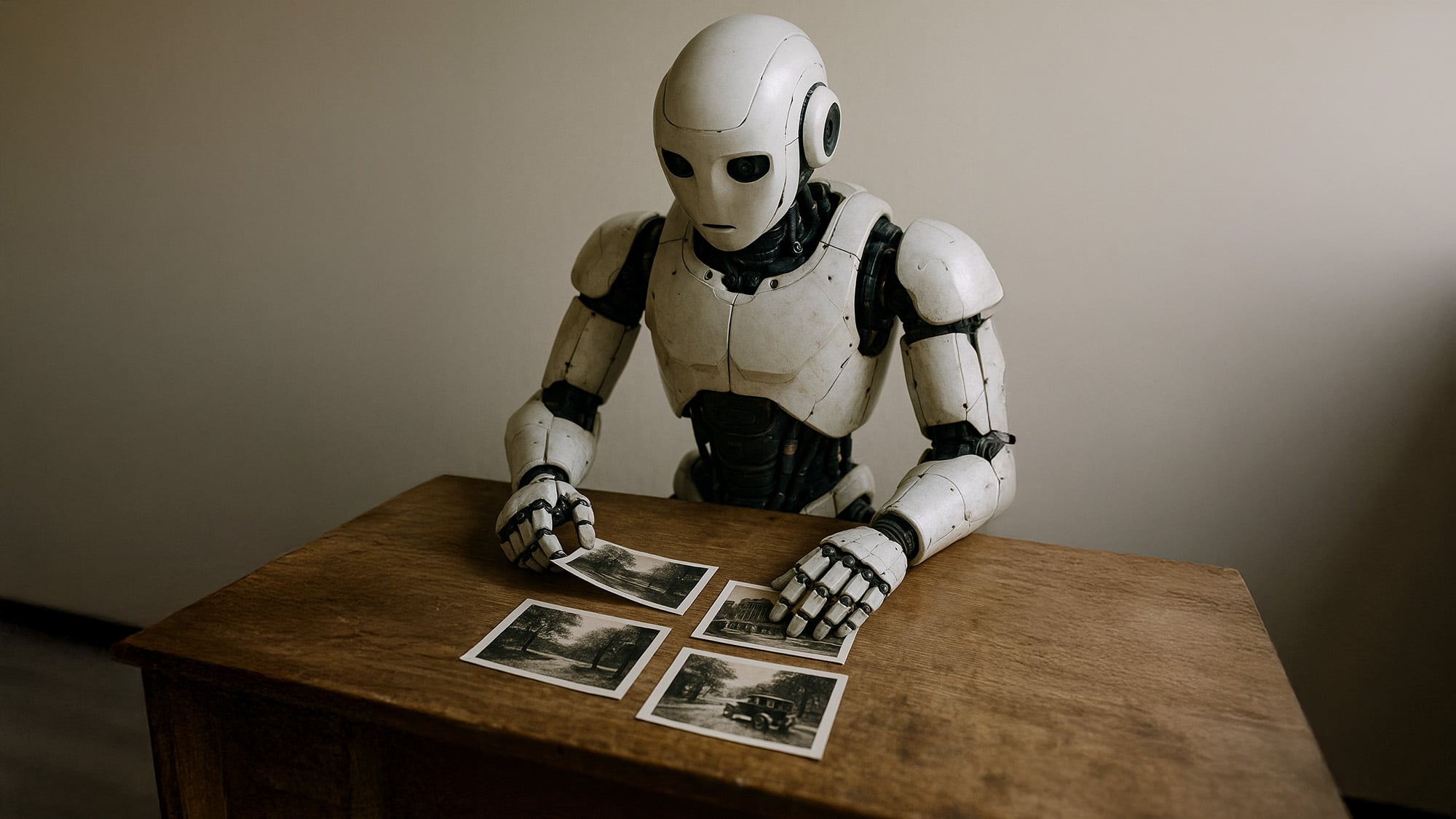
[via Jurist; lead image was AI-generated using DALL-E]
See more from DIYPhotography.net on Google
Add DIYPhotography.net as a trusted source. This makes
our stories more likely to appear in your Google Search results.
 Add as a preferred source on Google

Dunja Đuđić Kalinin
Dunja Djudjic is a multi-talented artist based in Novi Sad, Serbia. With 15 years of experience as a photographer, she specializes in capturing the beauty of nature, travel, concerts, and fine art. In addition to her photography, Dunja also expresses her creativity through writing, embroidery, and jewelry making.



Join the Discussion
DIYP Comment Policy
Be nice, be on-topic, no personal information or flames.
One response to “Court Says Companies Can Train AI on Your Copyrighted Photos – With a Catch”
What does a legally bought image mean? The digital distribution market has moved to image licensing instead, so what one can do with the image depends on what the license they bought allows. I believe AI training aware licensing clauses will catch up to legality here