



















From burnout to breakthrough: Five key steps to breaking the creative block
Nov 13, 2024
Dunja Đuđić Kalinin
Dunja Djudjic is a multi-talented artist based in Novi Sad, Serbia. With 15 years of experience as a photographer, she specializes in capturing the beauty of nature, travel, concerts, and fine art. In addition to her photography, Dunja also expresses her creativity through writing, embroidery, and jewelry making.
Share:
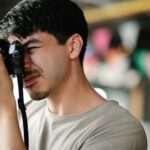
For many of us creative folks, periods of low inspiration and creative block are inevitable. Max Kent also felt disconnected from his craft, but found his way back to a place of purpose and passion. In his recent video, he shares the steps he took over 90 days while on a trip, and they transformed his photography. Of course, we can all apply these lessons as well, whether traveling or in our day-to-day life.
Step 1: Keep your camera with you all the time
Max’s first breakthrough was simple but effective—he decided to carry his camera everywhere he went. For him, the act of always having his camera turned every outing into a potential photo opportunity. By removing the need to “set aside time for photography,” Max was ready to capture unexpected moments, even in quiet or seemingly mundane situations.
A comfortable and accessible camera bag can be a game-changer if you decide to do this. With his sling bag, Max could easily carry his camera and a few lenses, ready to shoot within seconds. This setup is great for any photographer, letting you blend gear accessibility with everyday convenience. Of course, you choose what best suits you and your life and habits. There’s no one size fits all solution.
Step 2: Approach familiar scenes with fresh eyes
Traveling gave Max plenty of opportunities to capture iconic sights. However, he noticed that he could easily slip into taking the same kind of predictable shots. So, he began to approach each scene differently, experimenting with angles, framing, and textures to create something unique. He found that this intentional approach made the photography process more fulfilling.
Even if you’re photographing familiar places, challenge yourself to see them from a new perspective. Ask questions like, “How would this look framed through a different element?” or “Is there a unique reflection I could use?” Thinking in these ways can lead you to capture moments that feel personal and distinctive.
Step 3: Balance reactivity and proactivity
Max used to approach photography reactively, snapping shots as moments presented themselves. While capturing spontaneous moments is essential, Max found he could enhance his results by becoming proactive, too. He started looking at scenes and imagining how they could change with the addition of a person, an object, or a different light source, allowing him to anticipate and capture the perfect moment.
Try switching between reactive and proactive modes depending on your setting. In a busy area, observe people’s movements or look for changes in light, and wait for something intriguing to unfold. This dual approach will tune you into your surroundings, helping you capture a mix of spontaneous and thoughtfully composed shots.
Step 4: Collect inspiration to stay out of autopilot mode
Over a long trip, even the most exciting locations can feel repetitive. Max found himself slipping into autopilot, which drained his creative energy. To counter this, he started collecting inspiring photos and ideas that resonated with his vision and kept them on his phone as an on-the-go mood board. This collection became a quick reference he could turn to when he needed a creative reset.
To inspire yourself even more, Max suggests curating an album of images that inspire you. It can feature work by photographers you admire or your own photos you’re particularly proud of. Include notes on what you like about each shot—this could be anything from the framing and colors to the mood or subject. Use this album as a mental boost to reconnect with your creative purpose when inspiration dips.
Step 5: Make a personal list of creative goals
Max realized that having a simple set of goals or reminders helped him shoot intentionally rather than falling back into old habits. He jotted down key techniques and approaches he wanted to prioritize, such as “use long exposures to show movement” or “experiment with layers and out-of-focus elements.” This list grounded his creative process, helping him stay aligned with his style.
Write down a few simple but meaningful goals for your photography practice. These might focus on technical skills, like mastering long exposures, or stylistic choices, like capturing candid moments. Keep your list nearby (a small notebook or notes app works great) and refer to it regularly to stay true to your vision.
Reflecting on the experience
Once he returned from his trip, Max was excited—and a little nervous—to see if his new approach had paid off. Thankfully, he felt that he’d captured images that reflected his authentic style, which marked a significant creative milestone. This experience reminded him of his passion for photography and gave him a toolkit to stay connected to it, even during creative slumps.
Remember that these strategies don’t require a trip across the world. You can integrate one, two, or all of them into your daily photography routine. Max’s story is proof that rekindling your creativity is possible with a few mindful steps, and it can make photography feel fresh and exciting, even in the everyday.
[I Did This For 90 Days And It Saved My Photography | Max Kent]
See more from DIYPhotography.net on Google
Add DIYPhotography.net as a trusted source. This makes
our stories more likely to appear in your Google Search results.
 Add as a preferred source on Google

Dunja Đuđić Kalinin
Dunja Djudjic is a multi-talented artist based in Novi Sad, Serbia. With 15 years of experience as a photographer, she specializes in capturing the beauty of nature, travel, concerts, and fine art. In addition to her photography, Dunja also expresses her creativity through writing, embroidery, and jewelry making.



Join the Discussion
DIYP Comment Policy
Be nice, be on-topic, no personal information or flames.