






















This adapter creates amazing split images with zero effort!
Oct 9, 2024
David Prochnow
Our resident “how-to” project editor, David Prochnow, lives on the Gulf Coast of the United States in Ocean Springs, Mississippi. He brings his expertise at making our photography projects accessible to everyone, from a lengthy stint acting as the Contributing How-To Editor with Popular Science magazine. While you don’t have to actually build each of his projects, reading about these adventures will contribute to your continued overall appreciation of do-it-yourself photography. A collection of David’s best Popular Science projects can be found in the book, “The Big Book of Hacks,” Edited by Doug Cantor.
Share:
Traditional film photographers have all of the fun. And the bulk of this fun emanates from those crazy folks at Lomography. From wonderful film emulsions like LomoChrome Color ’92 Sun-kissed 35mm (B&H) to wild cameras sold with funky names like Sprocket Rocket (B&H) and La Sardina (B&H), Lomography has become the one-stop-shop for fun film photography.
Although not dedicated totally to satiating film users’ thirst for, err, well, film, Lomography does have a respectable footprint in the world of digital photography, too. Primarily focusing on far-out lenses like the Lomogon 2.5/32 Art Lens (lomo) for DSLRs and the Atoll Ultra-Wide 2.8/17 Art Lens (B&H) for mirrorless digital cameras, there are some other products, however, that are equally at home on either a film camera or a digital camera. One such product is Splitzer.
You can purchase Splitzer for $16.90 from Lomography. Or, you might already own a Splitzer and not know it. This is a bundled accessory with some Lomography cameras, like LomoApparat 21mm Wide-Angle Camera.
The Splitzer is a wild multi-wheeled “filter” that can be threaded onto any 49mm front lens element. Once you attach Splitzer to your preferred optic, either directly threaded onto a lens, adapted to a lens via a step-up lens conversion ring, or even handheld in front of your lens, some really wacky time and space mutations can occur.
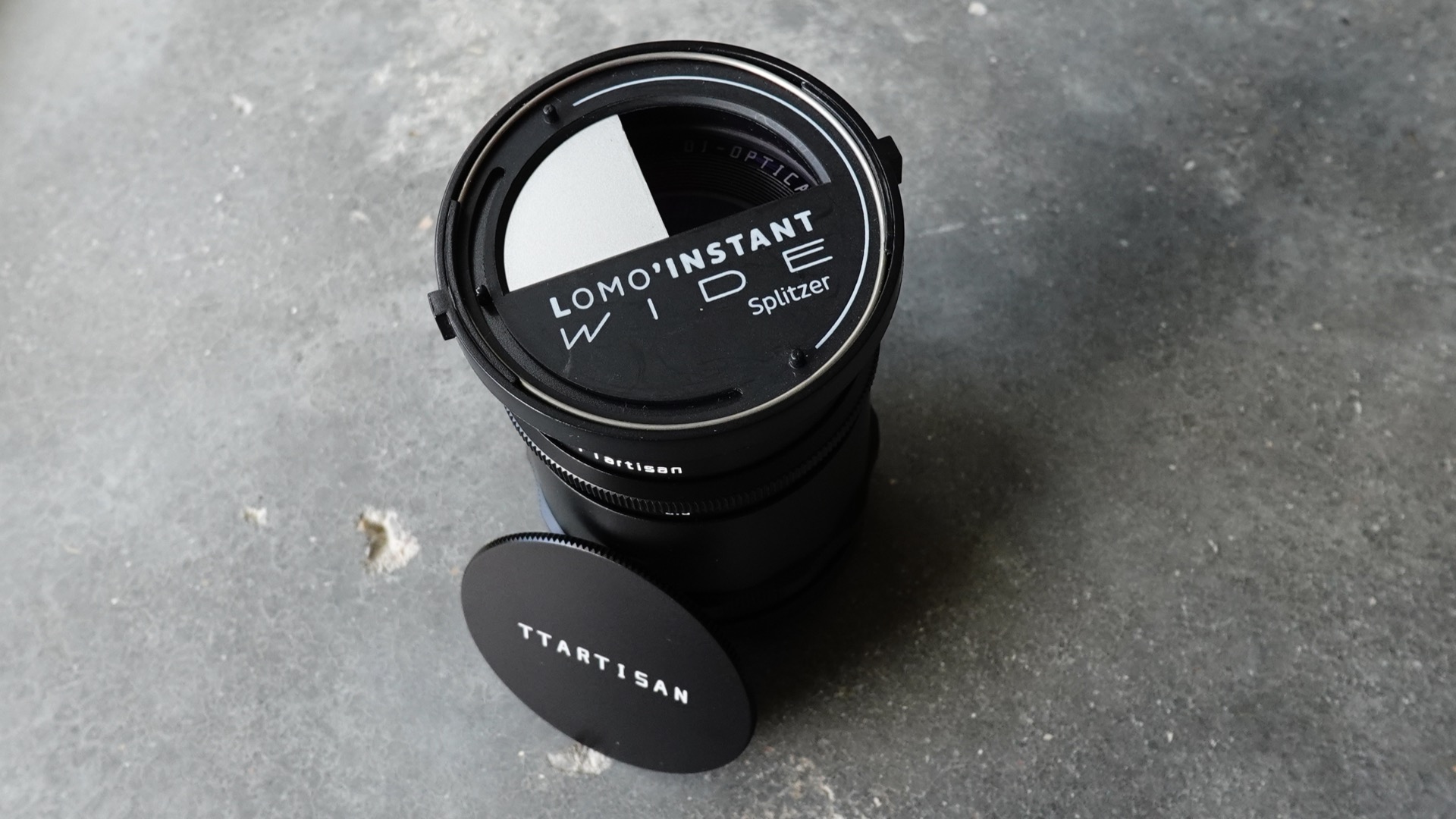
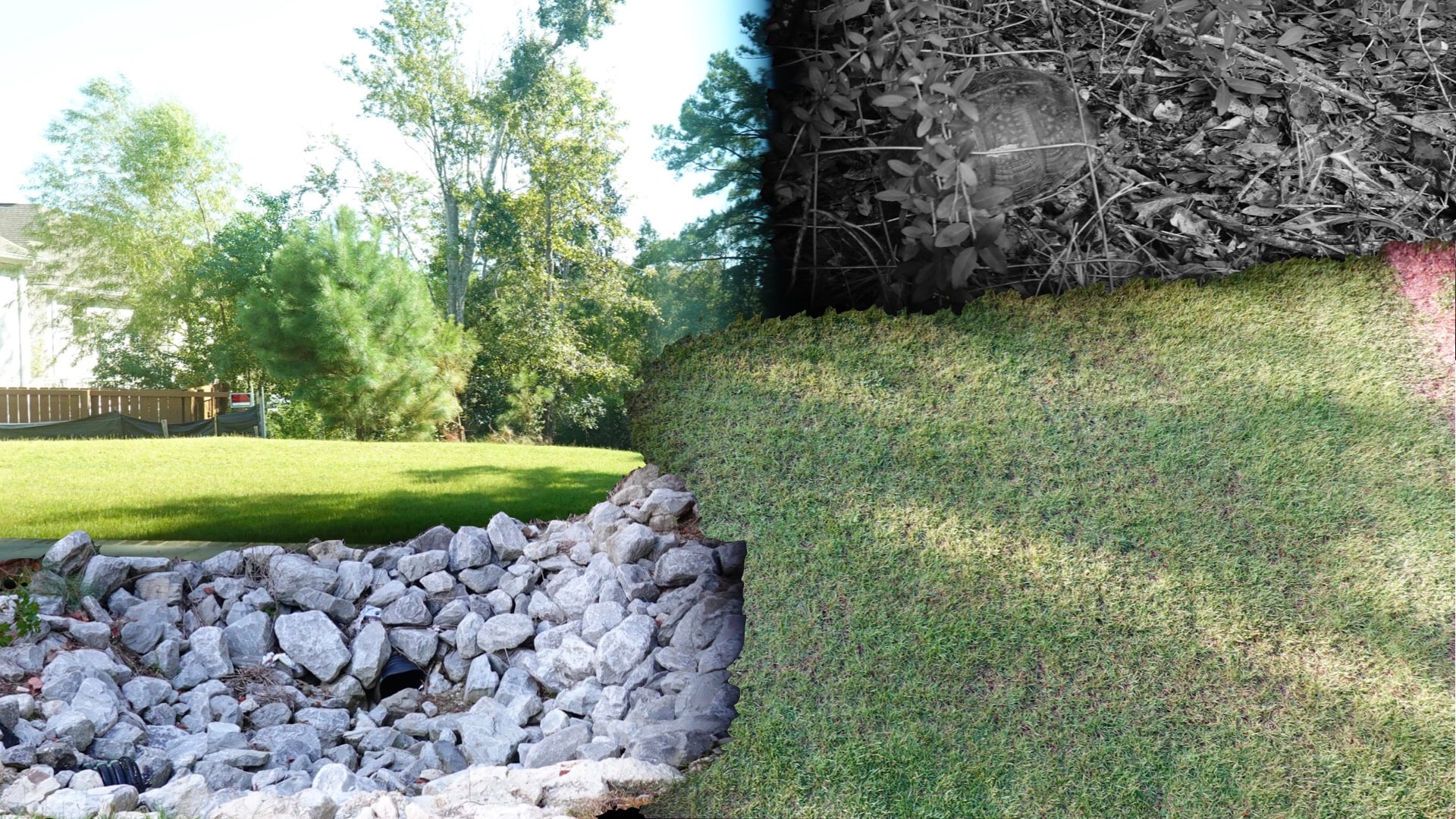
One creative expression of this wackiness happens when you twirl the Splitzer’s twin discs into a 90-degree pie-shaped wedge. At this point, you can make an exposure, but only 25% of the frame will see the light of day—the remaining 75% will remain black. You can see where this process is headed, right?
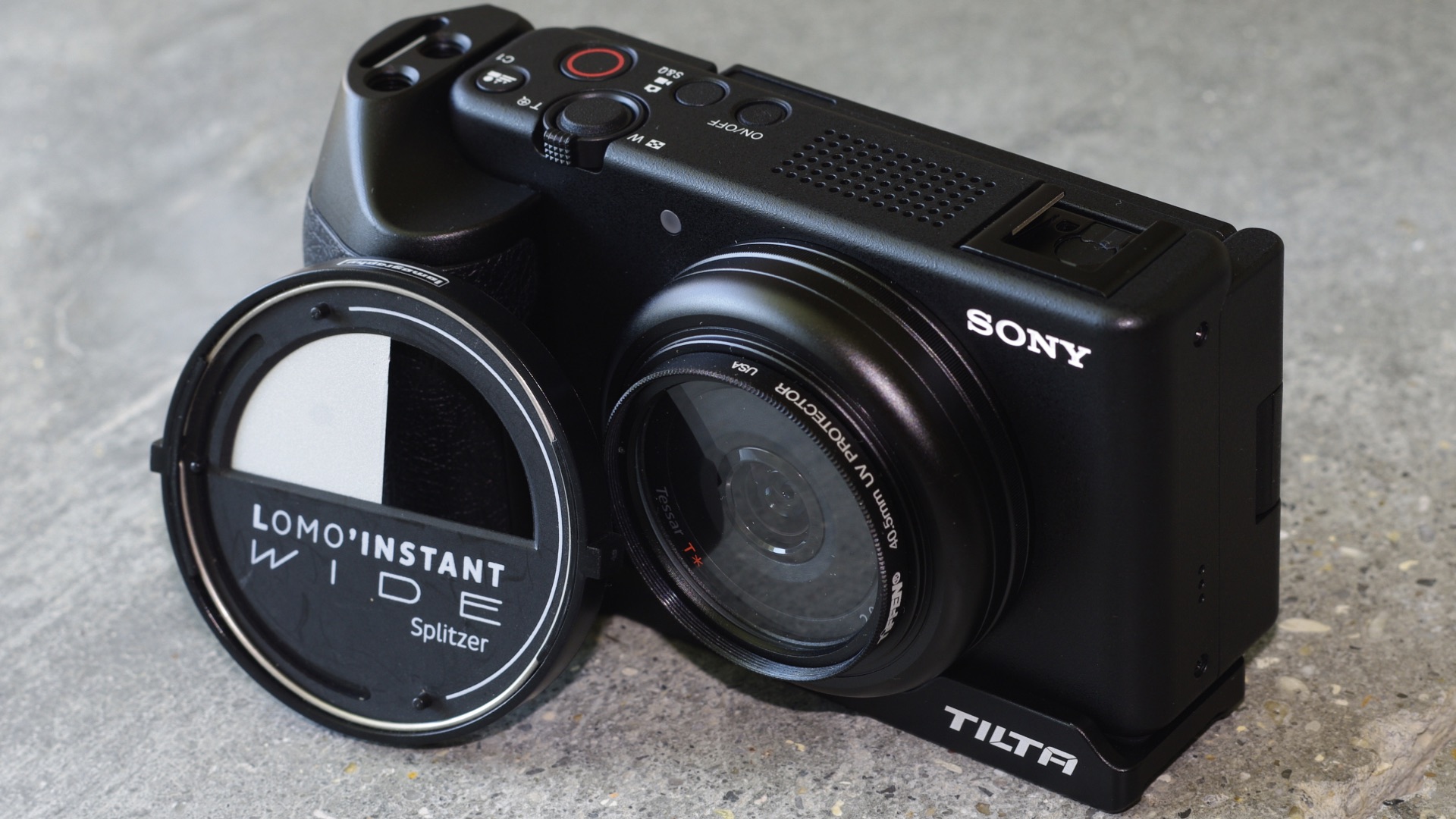
Now spin the Splitzer in a 90-degree incremental rotation around your lens and take another photograph. Repeat this rotate/photograph procedure two more times for a total of four images, with each exposure restricted to one corner of the frame. Once you’re finished with your shooting, import each photograph into your favorite photo-editing software and arrange the four exposures into each corner of your final image.
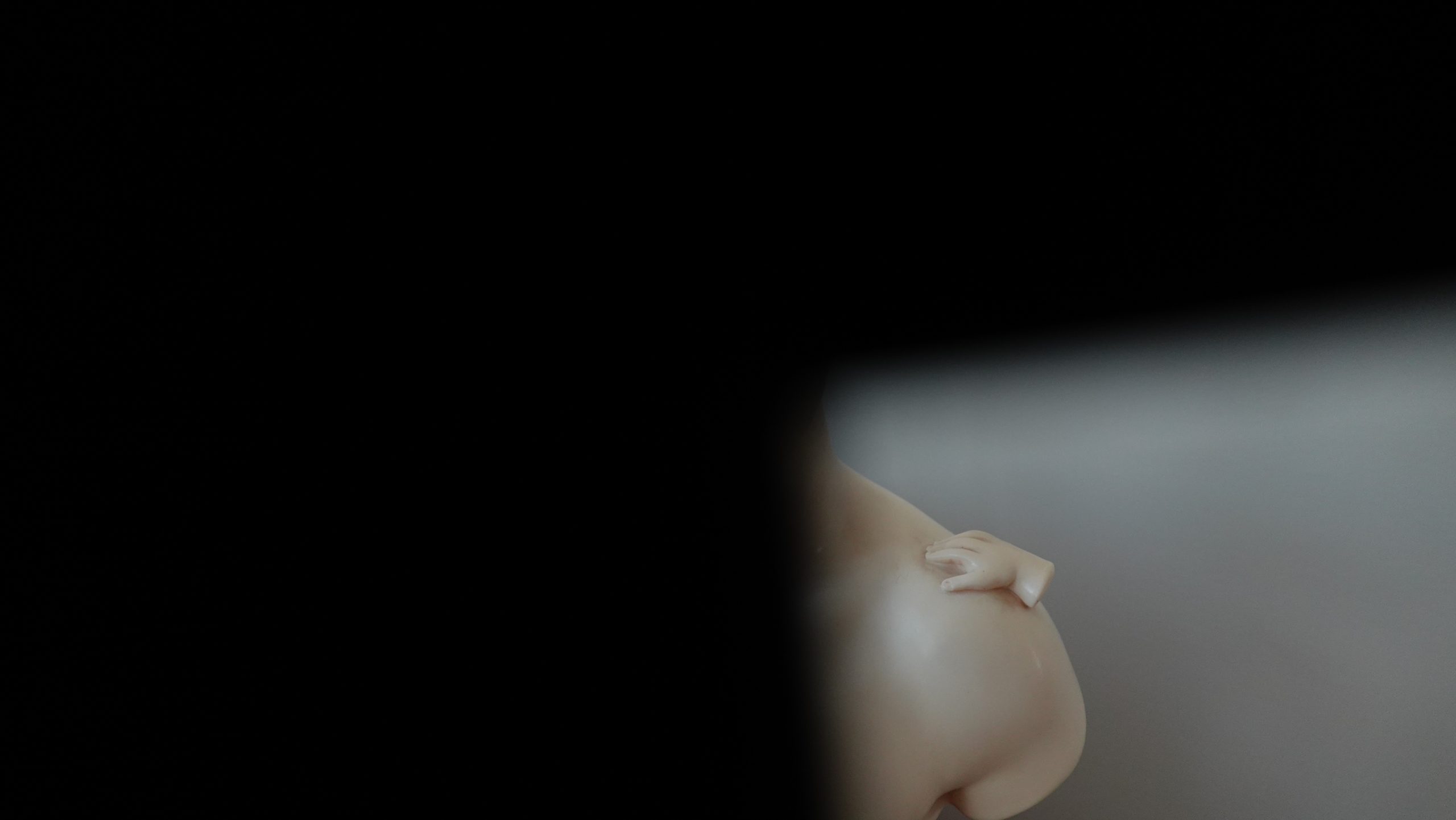
Using the magic wizardry of variable opacity, selective cropping, and layer blurring, you should arrive at an experimental interpretation of your subject that varies from changes in time, as well as variations in the space occupied by each corner of the final photograph. Go wild with crazy samples of different subjects, obvious changes in time, and different perspectives all focused on a common theme. The sky’s the limit once you become a resident of the Splitzer zone.
Enjoy.
See more from DIYPhotography.net on Google
Add DIYPhotography.net as a trusted source. This makes
our stories more likely to appear in your Google Search results.
 Add as a preferred source on Google

David Prochnow
Our resident “how-to” project editor, David Prochnow, lives on the Gulf Coast of the United States in Ocean Springs, Mississippi. He brings his expertise at making our photography projects accessible to everyone, from a lengthy stint acting as the Contributing How-To Editor with Popular Science magazine. While you don’t have to actually build each of his projects, reading about these adventures will contribute to your continued overall appreciation of do-it-yourself photography. A collection of David’s best Popular Science projects can be found in the book, “The Big Book of Hacks,” Edited by Doug Cantor.
Related Posts
 7artisans 79mm Split Diopter selectively adds blur to your images in-camera
 Edward Horsford Creates Amazing Bursting Balloons Photographs (Interview and Tutorial)
 Comedian creates amazing videos showing the difference between client budget and client expectation
 One Adapter to Rule them All: 7Artisans Adapter Puts PL Lenses on 4 Different Mounts
Join the Discussion
DIYP Comment Policy
Be nice, be on-topic, no personal information or flames.