


















art

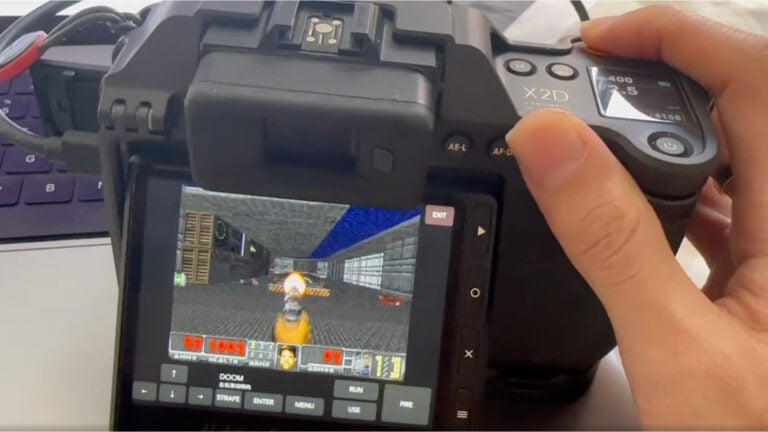
Kodak PIXPRO C1: the Artist’s Camera
Jul 1, 2026
David Prochnow
Are you an artist? Perhaps an artist with a camera or, maybe, even a photography artist? Then you’re all too familiar with the dearth of…
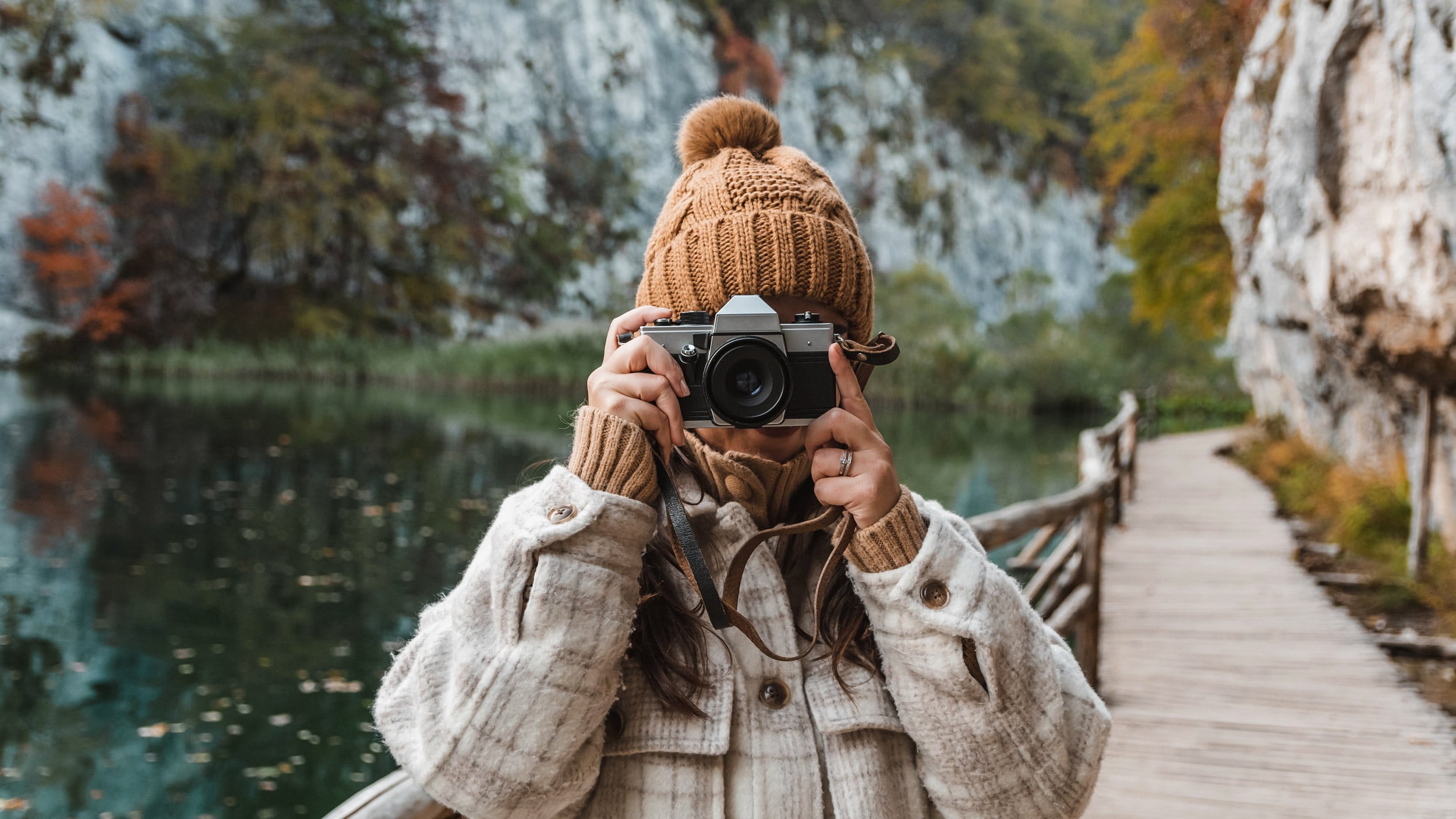
Photograph vs Picture: What’s the Difference, and Does It Matter?
Jun 8, 2026
Alex Baker
If you’ve spent any amount of time around photographers, you’ve probably heard someone insist that they don’t “take pictures” they “make photographs.” To anyone outside…
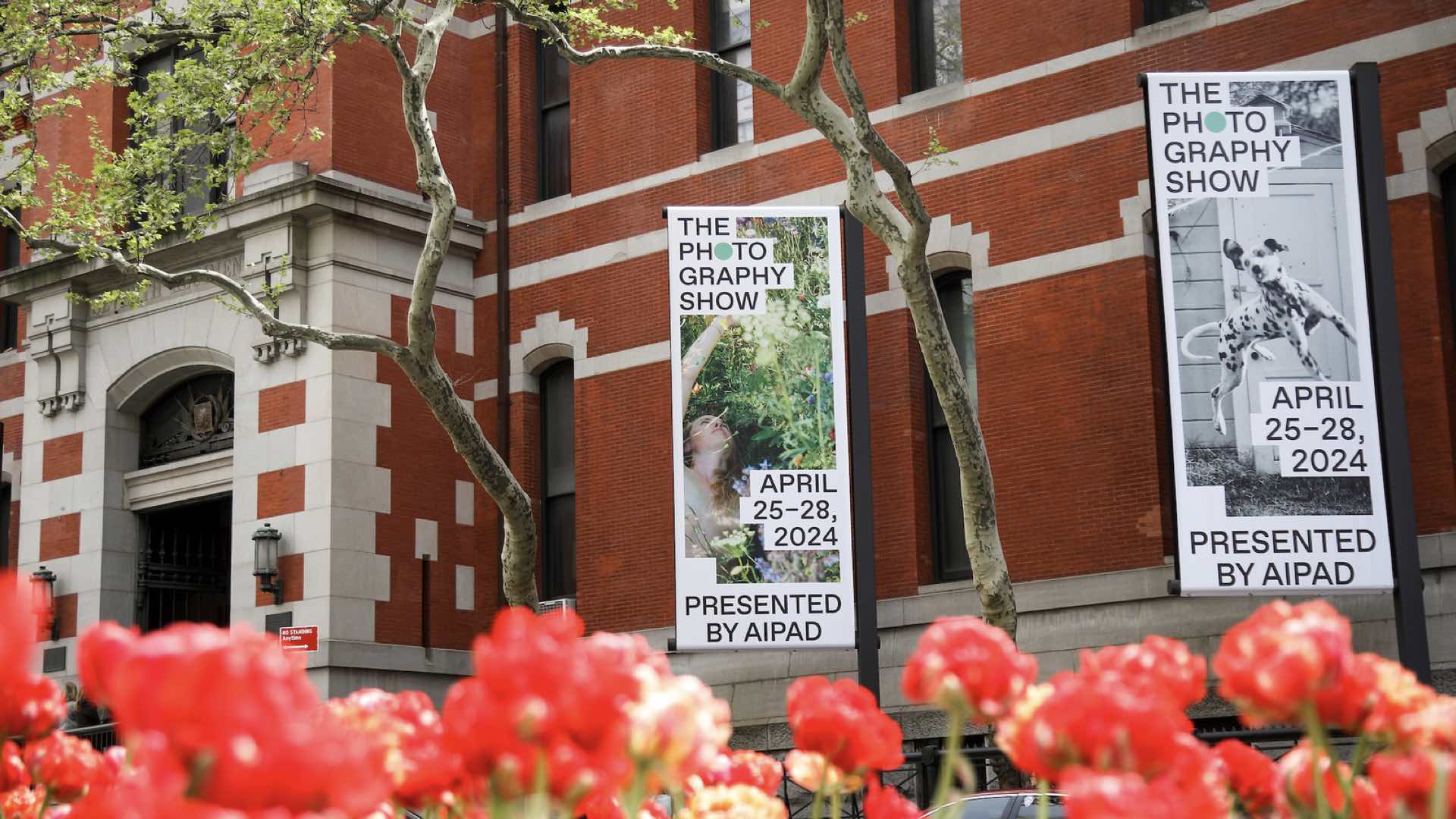
Leica Gallery, New York Participates in AIPAD 2026 – The Photography Show
Apr 23, 2026
David Prochnow
The 2026 edition of The Photography Show presented by AIPAD marks a significant milestone for Leica Gallery New York, as it makes its debut at…
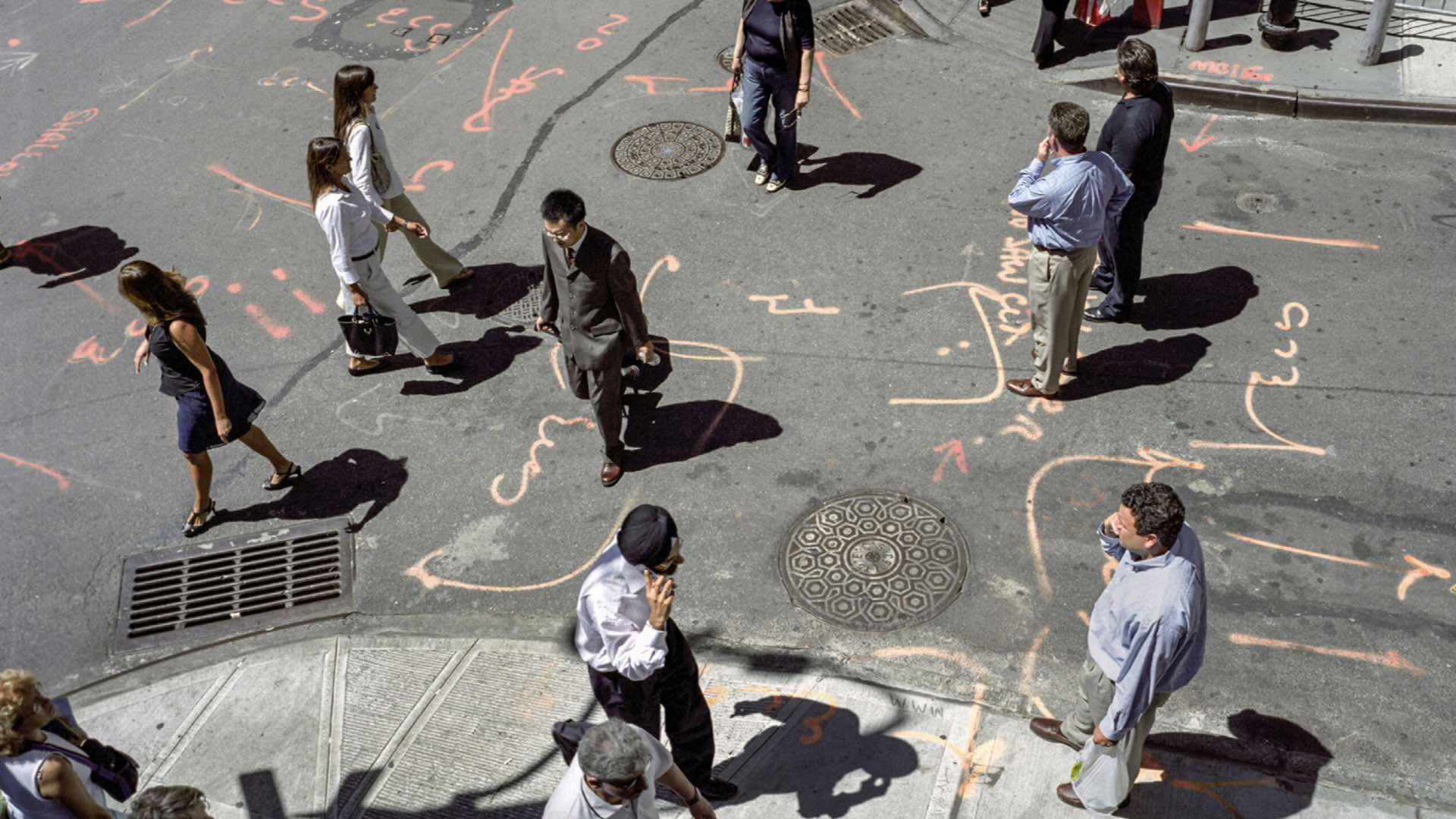
Healing Through Photography: Fotophase Expands the Field of Neuroarts
Apr 7, 2026
David Prochnow
Fotophase is a newly launched nonprofit organization working at the intersection of photography, neuroscience, and the emerging field of neuroarts. Announced in April 2026, this…
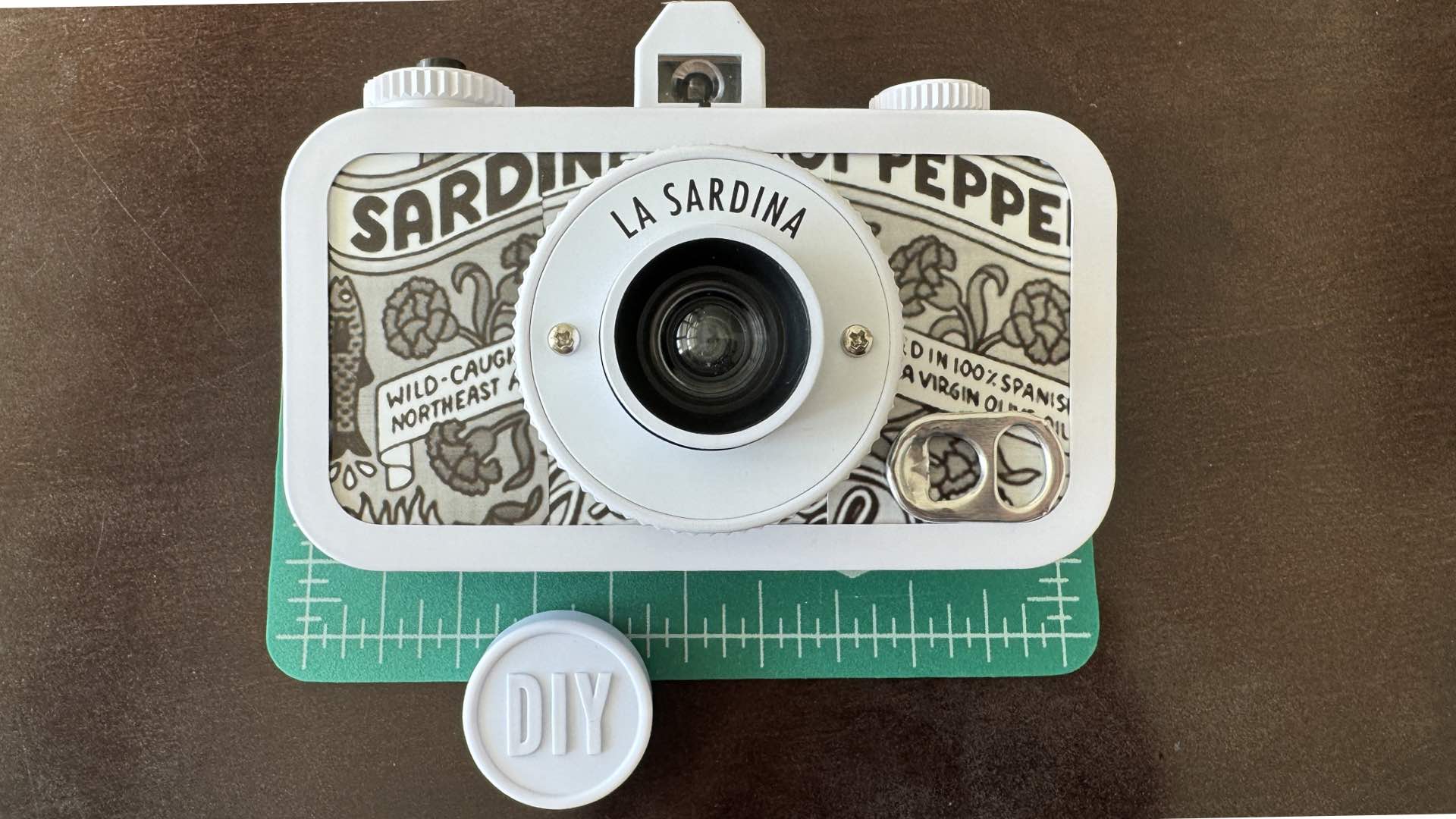
Something’s Fishy About this Lomography La Sardina DIY Camera Build
Mar 31, 2026
David Prochnow
Love ’em or loathe ’em, either way, Lomography knows how to treat the customer right. Whether it’s the LomoKino or the LomoMod No.1, Lomography always…
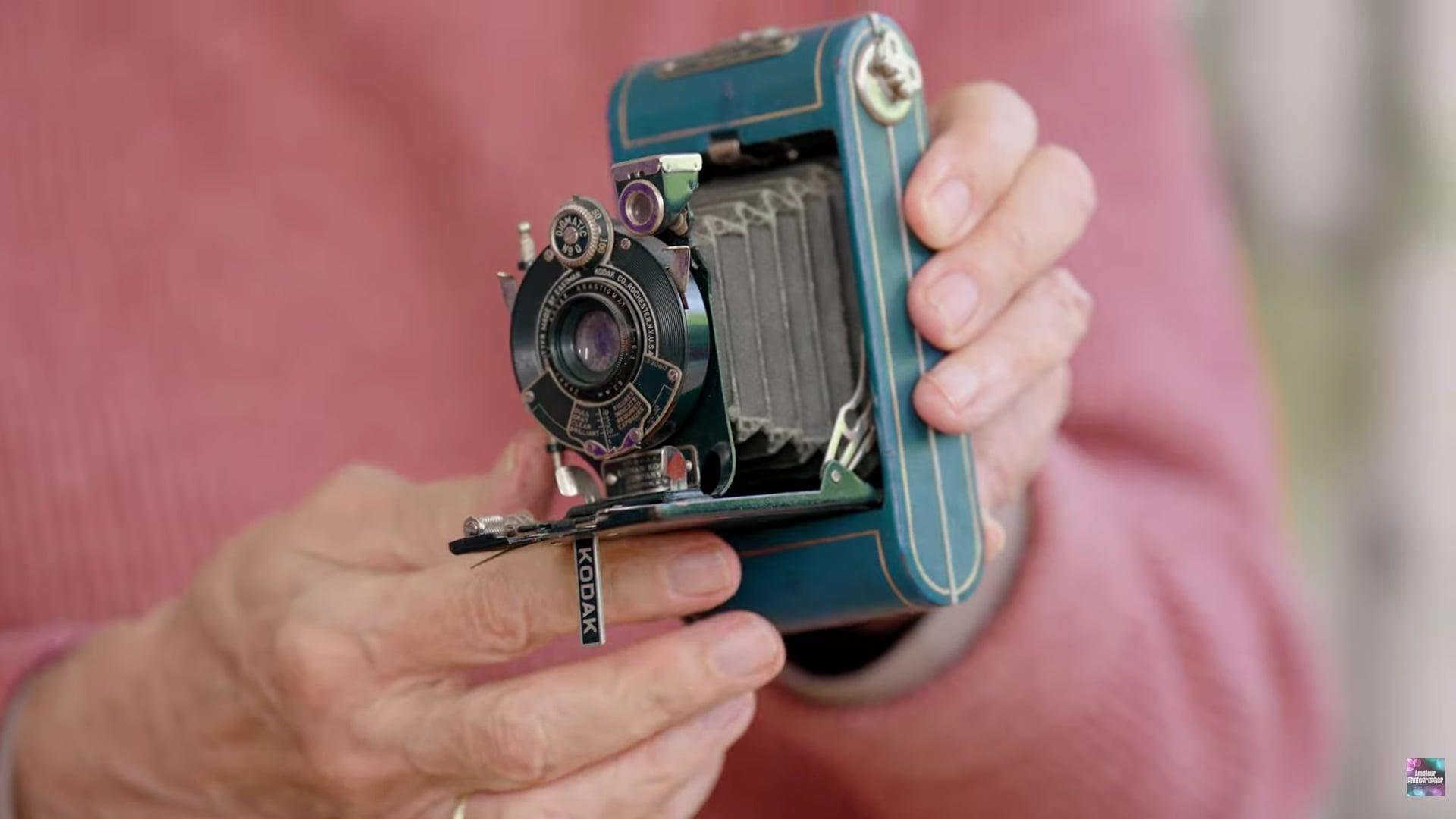
Art Deco Cameras: How 1920s and 1930s Design Turned Cameras Into Style Icons
Feb 1, 2026
Dunja Đuđić Kalinin
Most modern cameras today all feel pretty similar. Black boxes, subtle curves, minimal decoration, and a strong focus on function over form. They’re undoubtedly incredibly…

You Won’t Believe What this Picture Frame does: It Actually LISTENS!
Jan 12, 2026
David Prochnow
Imagine if your wall art suddenly developed ears, that’s Fraimic’s Smart Canvas in a nutshell. This gizmo is not your standard static painting; it’s a…

A+ or F in 3rd Grade Art Class? This Print Technique will Put You at the Head of the Class
Oct 21, 2025
David Prochnow
Every 3rd grader will tell you that the best material for making an art project is construction paper. It can be shaped, colored, and glued…

Why Use a Slanted Camera Angle? The History and Use of the Dutch Angle
Mar 30, 2025
Dunja Đuđić Kalinin
For most photographers and filmmakers, making sure that the horizon is level is of vital importance… Well, usually. This is mainly because any deviation from the norm looks like an accident; like we don’t know what we’re doing. However, it is possible to tilt the camera angle intentionally with both photography and filmmaking. This adds emphasis or effect depending on the shot you’re after. We call this a Dutch Angle. But what is it? Why do people use it? How and why did it start? And most importantly, how can we implement this tilted camera angle effectively in our work? This fascinating video from the folks at Vox looks at the history of the Dutch Angle and how we can use it in our work. And it probably appears in a lot more movies than you realize.

Learn the Color of Color: Mastering the Art of Color Photography
Mar 16, 2025
David Prochnow
Very few photographers have a true appreciation for the value of color photography as a valid artistic expression of reality. Certainly one of the pioneering…