























Are your RED Komodo REDVOLT BP or other batteries not charging? Here’s how to fix it
Nov 7, 2022
John Aldred
John Aldred is a photographer with over 25 years of experience in the portrait and commercial worlds. He is based in Scotland and has been an early adopter – and occasional beta tester – of almost every digital imaging technology in that time. As well as his creative visual work, John uses 3D printing, electronics and programming to create his own photography and filmmaking tools and consults for a number of brands across the industry.
Share:
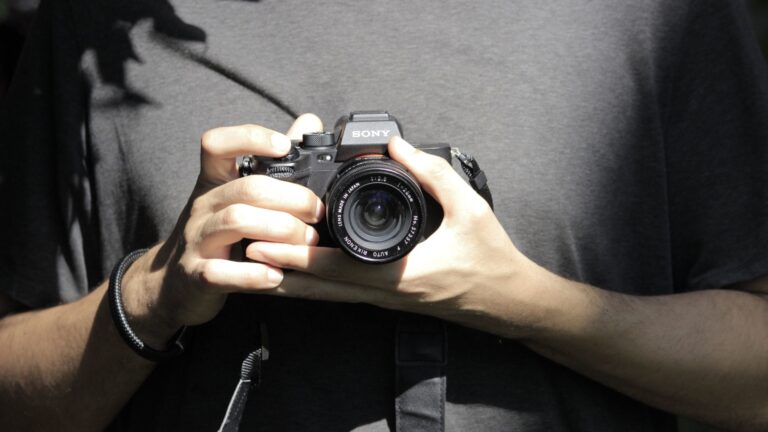
With everything becoming battery-powered these days and as many of them being produced as they are now, it’s inevitable that some will show up dead on arrival. It’s something Tyler Edwards has experienced with his REDVOLT BP batteries for his RED Komodo camera. You put them onto the camera, plug it in to charge and nothing. But Tyler believes he’s found a solution to fix his DOA batteries.
In this video, he walks us through his process, which basically involves disconnecting and reconnecting the batteries from the power source about 20-30 times until it just suddenly springs back into life and starts charging normally. It seems like a bit of a strange solution, but it appears to work. I think I have an idea why.
DOA batteries are something I’ve seen a few times over the last few years with products I’ve received myself. And it’s also a problem I’ve experienced with products that have built-in non-replaceable batteries – I’m looking at you, gimbal manufacturers!
Lithium-ion cells, which are what reside inside most batteries and devices today, have a “safe” range of voltages. While they’re typically rated for a nominal 3.7v, they generally offer 4.2v when fully charged. As they’re used, their voltage drops down. Usually, you don’t want them to drop below about 3.2v. At this voltage, around 95% of the battery’s capacity is used. Some cells can handle lower voltages, but 3.2v is a good rule of thumb.
The problem is, when such batteries and devices aren’t used, they just naturally discharge. This can take several weeks or months, but it will happen eventually. How many times have you charged up a battery for something, not needed it for a few weeks and then come to find that it’s dead when you actually need to use it? It’s a problem many flash users have experienced over the pandemic as they’ve not been using their gear and batteries have been sitting on the shelf unused (and not getting regularly maintained and charged) for a year or two.
Most batteries and devices contain charging circuitry to prevent batteries from going over their maximum 4.2v voltage but many will also not charge a battery if its voltage falls below what it deems to be its “safe” range. It’s the same circuitry that lights up the little LEDs to tell you how much charge is left in the battery – based on the voltage of the cells. I think what’s happening with the batteries in Tyler’s video (and probably all of the other DOA batteries and devices) is that they’ve been sitting around on a warehouse shelf so long waiting to be used since they were manufactured that the voltage has just dropped so low that the circuit refuses to charge them.
My guess is that the short little burst when he initially plugs the power in is getting through to the battery very briefly before the undervoltage protection kicks in and stops the charge. After doing this the 20-30 times he mentions, enough of a charge has been put into the battery during these little bursts to bring it up to the minimum required voltage by the battery protection circuitry and then it allows it to charge.
I hadn’t considered that many short bursts might be enough to bring it up to a high enough voltage for the regular charging procedure to take effect. Usually, I dismantle them and just hook the cells directly to my RC Lipo charger, but I do have a couple of devices here I haven’t dismantled yet. Will have to see if this process works with them!
See more from DIYPhotography.net on Google
Add DIYPhotography.net as a trusted source. This makes
our stories more likely to appear in your Google Search results.
 Add as a preferred source on Google

John Aldred
John Aldred is a photographer with over 25 years of experience in the portrait and commercial worlds. He is based in Scotland and has been an early adopter – and occasional beta tester – of almost every digital imaging technology in that time. As well as his creative visual work, John uses 3D printing, electronics and programming to create his own photography and filmmaking tools and consults for a number of brands across the industry.


Join the Discussion
DIYP Comment Policy
Be nice, be on-topic, no personal information or flames.