
















How Photography Shapes Memory, Culture, and Public Understanding Today
Jun 22, 2026
Alysa Gavilan
Alysa Gavilan has spent years exploring photography through photojournalism and street scenes. She enjoys working with both film and mirrorless cameras, and her fascination with the craft has grown over the decades. Inspired by Vivian Maier, she is drawn to capturing everyday moments that often go unnoticed.
Share:
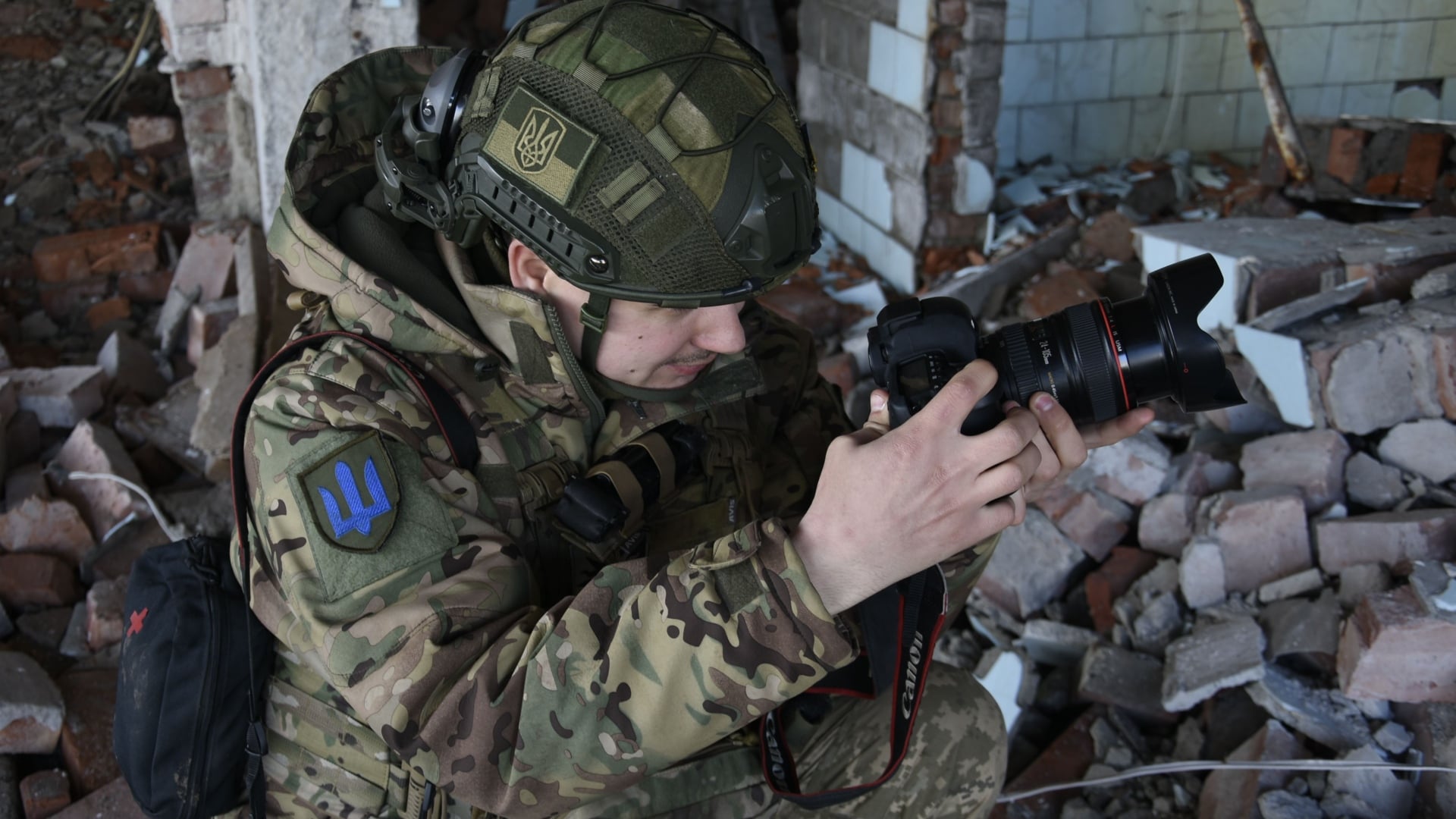
Photography has become one of the most persistent ways people record life, from major historical events to everyday moments that would otherwise disappear without a trace.
It sits quietly in the background of modern society, yet shapes how people understand memory, truth, culture, and identity.
A single image can carry information faster than paragraphs of text, but its influence goes beyond speed or convenience. It also affects how communities are seen and how stories are preserved across time.

Documentation And Historical Record
One of the most established roles of photography is documentation.
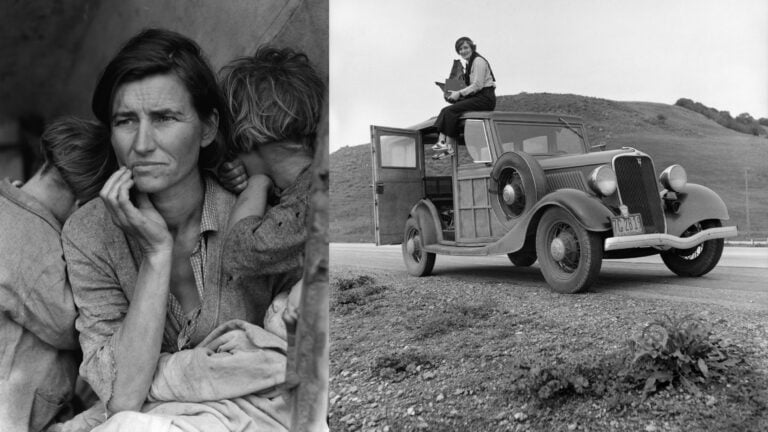
Since the 19th century, photographs have been used to record wars, social conditions, scientific discoveries, and political change. Institutions like the Library of Congress and the National Archives preserve large photographic collections because images provide visual evidence of how events unfolded and how people lived in different periods.
Unlike written accounts, photographs capture specific visual details that are difficult to reconstruct later. Clothing, environments, facial expressions, and physical spaces become part of a historical record that can be studied long after the moment has passed.
This is why photojournalism remains a key part of news reporting in many countries.
Communication And Public Understanding
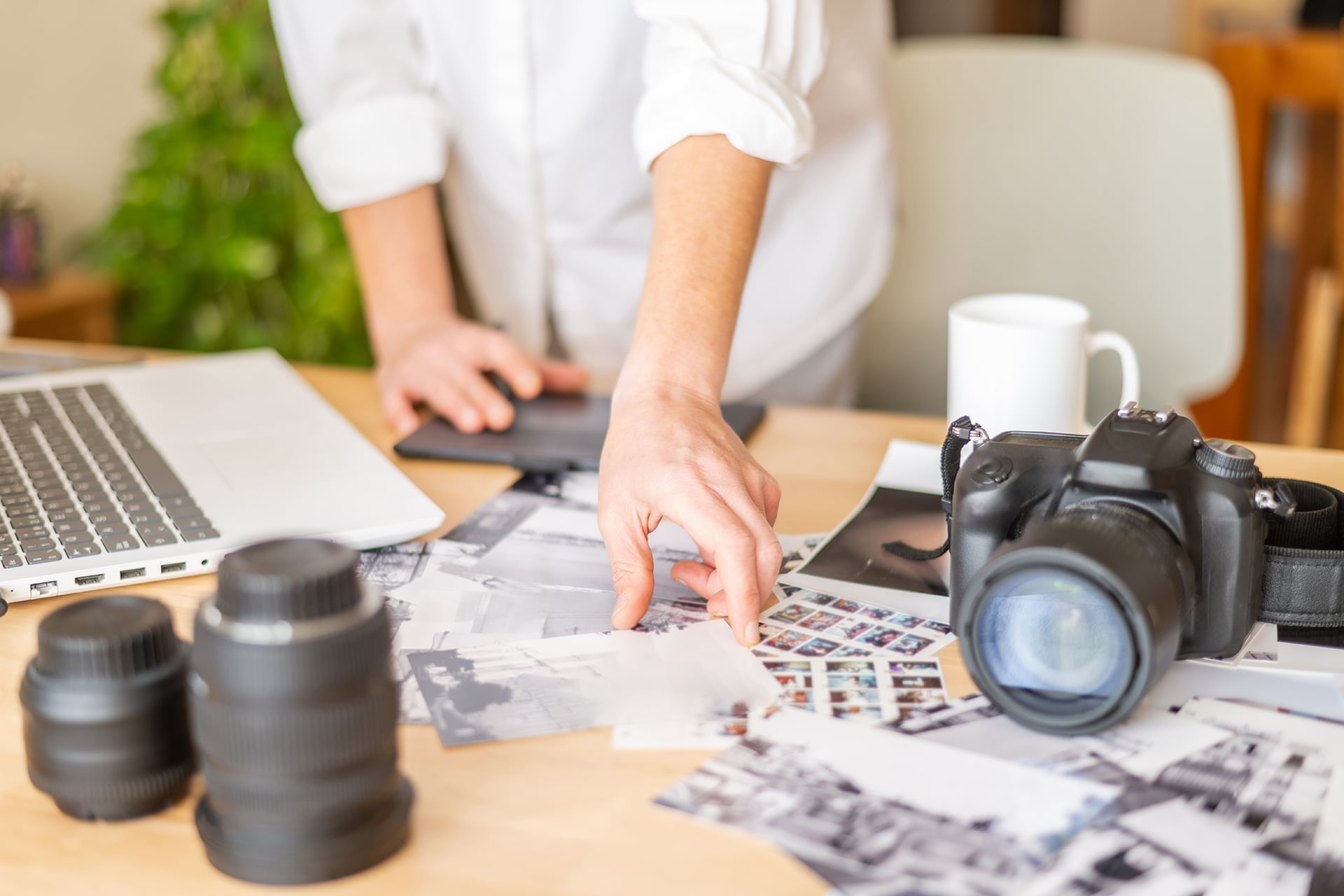
Photography plays a major role in communication, especially in an era where visual content dominates digital platforms.
Research in visual communication shows that images can increase comprehension and recall compared to text alone, particularly when explaining complex topics or events.
In journalism, photography helps translate abstract or distant issues into something more immediate. Environmental reporting, humanitarian crises, and political events often rely on images to help audiences understand scale and impact.
However, organizations such as the International Committee of the Red Cross and Reuters emphasize the importance of ethical standards, since images can also be misused or taken out of context.

Identity, Memory, And Personal Life
On a personal level, photography is closely tied to memory and identity.
Family albums, digital photo libraries, and social media archives all contribute to how individuals remember their own lives. Psychologists who study autobiographical memory note that visual cues can strengthen recall and help people organize personal history over time.
Photography also influences how people present themselves publicly. Social platforms have made image sharing a daily habit for many, shaping how identity is constructed and perceived. This has created new cultural norms around self-representation, where images often carry as much weight as written expression.
Cultural Preservation And Representation
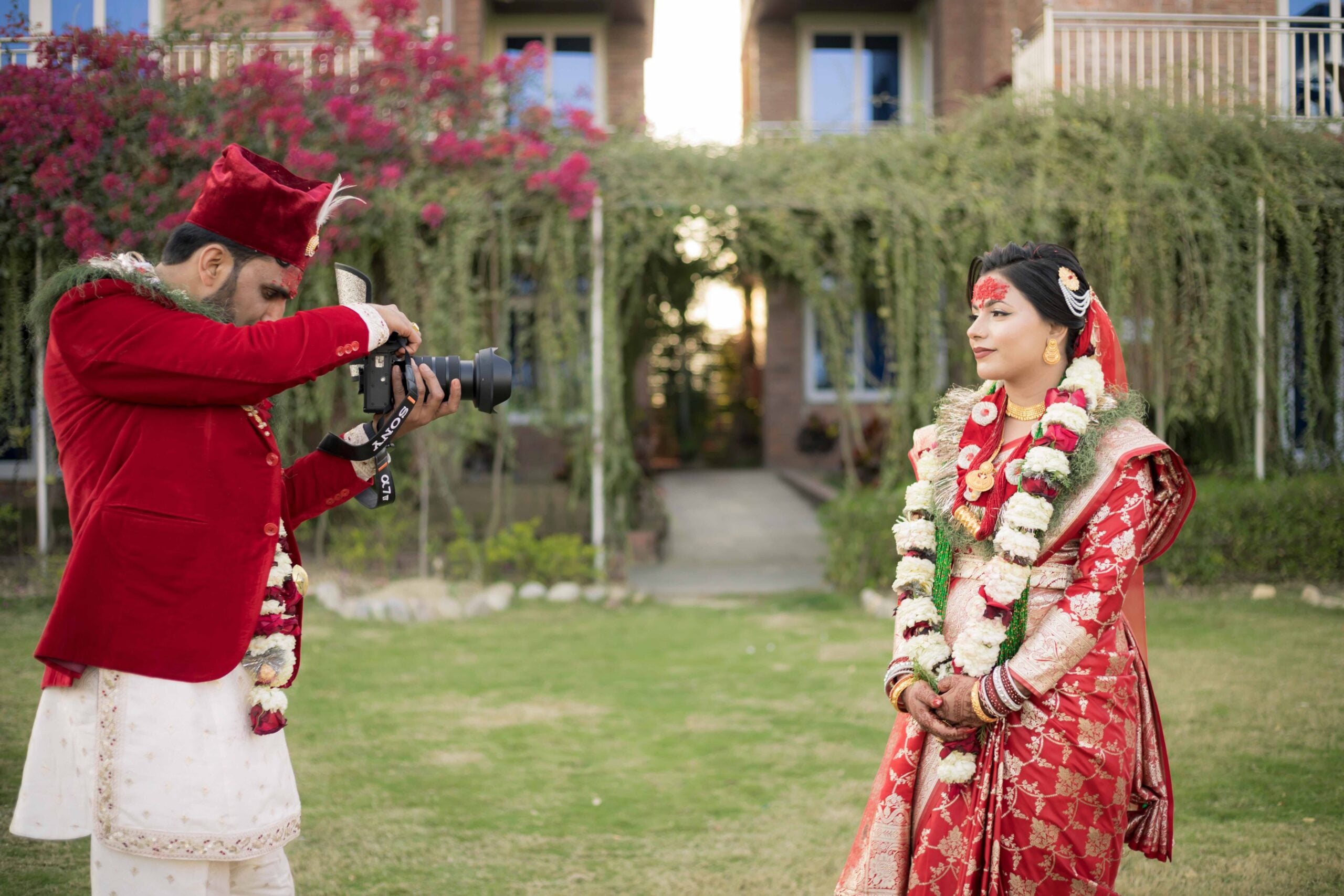
Photography contributes to cultural preservation by documenting traditions, rituals, and everyday life across different communities. Museums and cultural institutions often rely on photographic archives to maintain records of practices that may change or disappear over time.
At the same time, representation remains a critical issue. Scholars in visual anthropology and media studies have long discussed how photography can either challenge stereotypes or reinforce them depending on who is behind the camera and how images are framed.
This makes authorship and context important when interpreting photographic work.
Science, Education, And Research
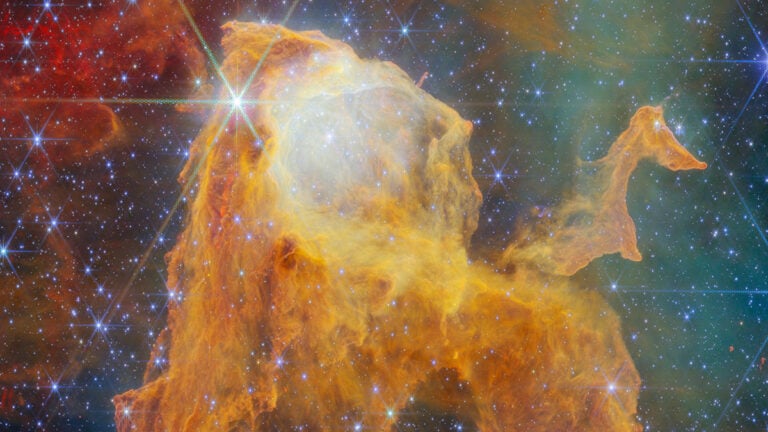
Photography is widely used in scientific fields, from astronomy to medicine. NASA uses imaging systems to study distant planets and cosmic phenomena, while medical imaging techniques rely on photographic principles to diagnose and treat disease.
In education, photographs help simplify complex concepts. Diagrams, field images, and visual references are commonly used in classrooms because they support different learning styles and improve engagement.
Why It Still Matters Today
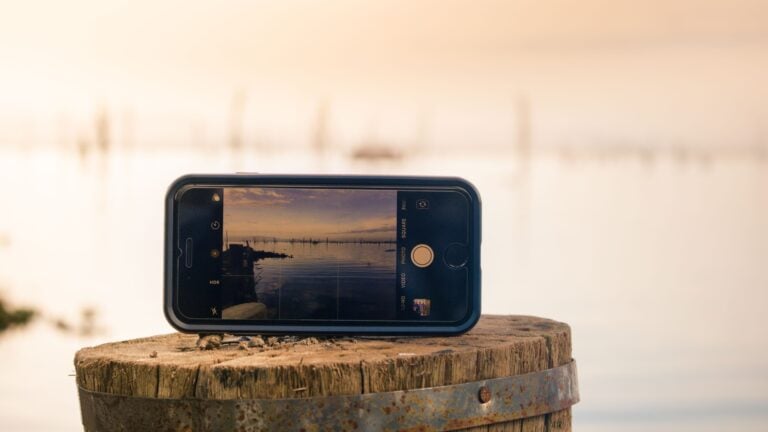
Despite rapid changes in technology, photography remains central to how society communicates and remembers. The rise of smartphones and AI tools has increased both access and complexity, raising new questions about authenticity, authorship, and trust.
Organizations such as World Press Photo continue to highlight the importance of ethical image-making in a time when visual content can be easily manipulated.
Photography continues to function as both evidence and expression, balancing factual documentation with creative interpretation. It shapes how people see the world and how they understand their place in it.
As image-making tools become more advanced and widespread, the role of photography in society is likely to evolve further, but its core function remains tied to how humans observe, remember, and share experience. How that role will shift in the next decade is still unfolding.
See more from DIYPhotography.net on Google
Add DIYPhotography.net as a trusted source. This makes
our stories more likely to appear in your Google Search results.
 Add as a preferred source on Google

Alysa Gavilan
Alysa Gavilan has spent years exploring photography through photojournalism and street scenes. She enjoys working with both film and mirrorless cameras, and her fascination with the craft has grown over the decades. Inspired by Vivian Maier, she is drawn to capturing everyday moments that often go unnoticed.




Join the Discussion
DIYP Comment Policy
Be nice, be on-topic, no personal information or flames.