




















This 17-Year-Old Built Camera Traps to Photograph and Protect Sweden’s Wild Mammals
Jul 22, 2025
Dunja Đuđić Kalinin
Dunja Djudjic is a multi-talented artist based in Novi Sad, Serbia. With 15 years of experience as a photographer, she specializes in capturing the beauty of nature, travel, concerts, and fine art. In addition to her photography, Dunja also expresses her creativity through writing, embroidery, and jewelry making.
Share:
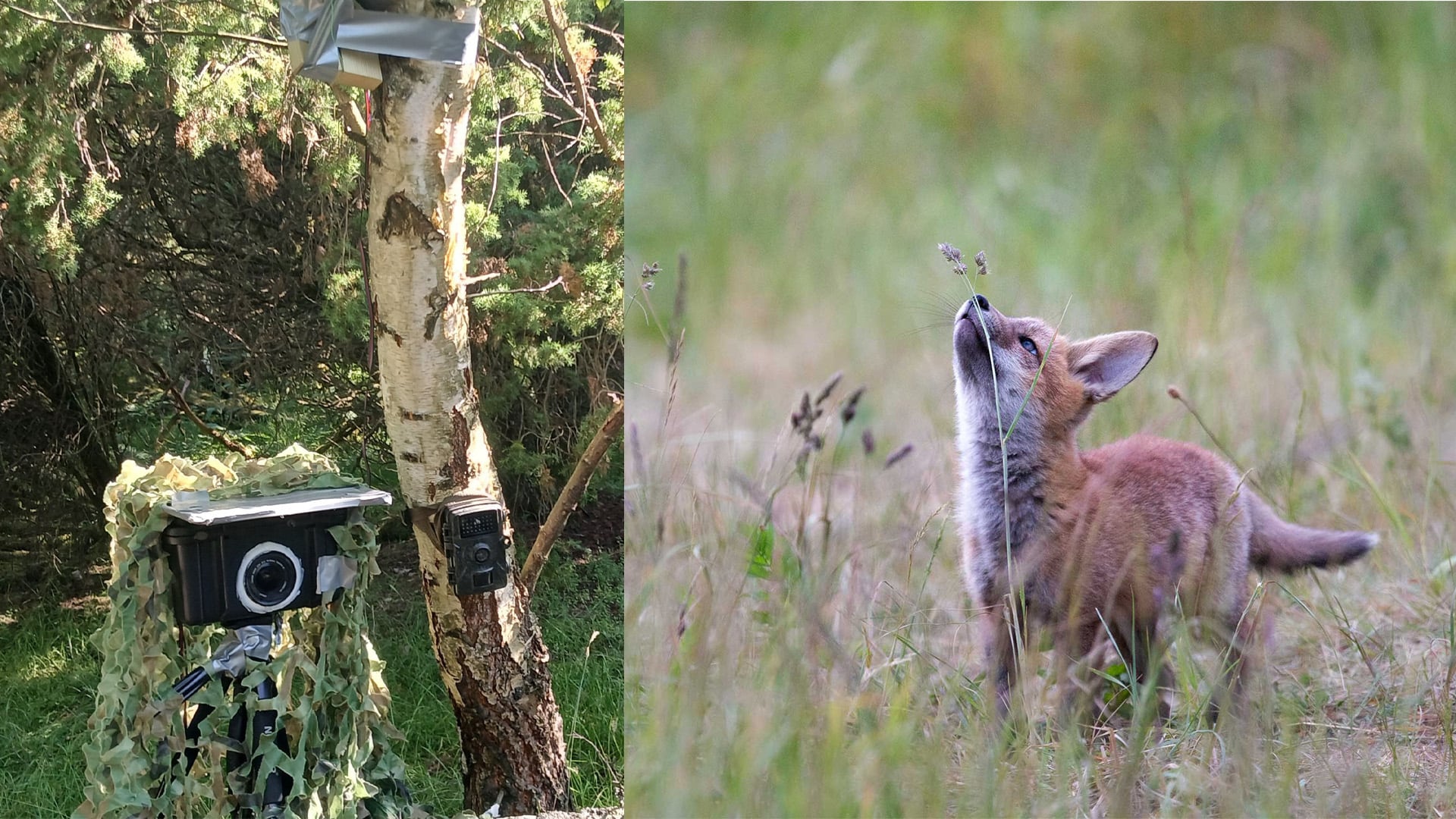
It’s not every day you come across a great wildlife photographer who’s still in high school, let alone one building his own motion-triggered camera traps from scratch. But 17-year-old Denat Lahi isn’t your typical teenager.
Over the past two years, Denat’s been quietly capturing some of the most intimate portraits of mammals in his region of Lund, Sweden. He focuses on animals most people rarely photograph, and even rarely see. And he’s doing it all with gear he built at home, fueled by curiosity, conservation, and a little help from his engineer dad.
“For me, wildlife photography is more than just capturing images of animals,” Denat says. “It’s about showing their behaviors and emotions in a way that feels immersive.”
The Heart Behind the Photos
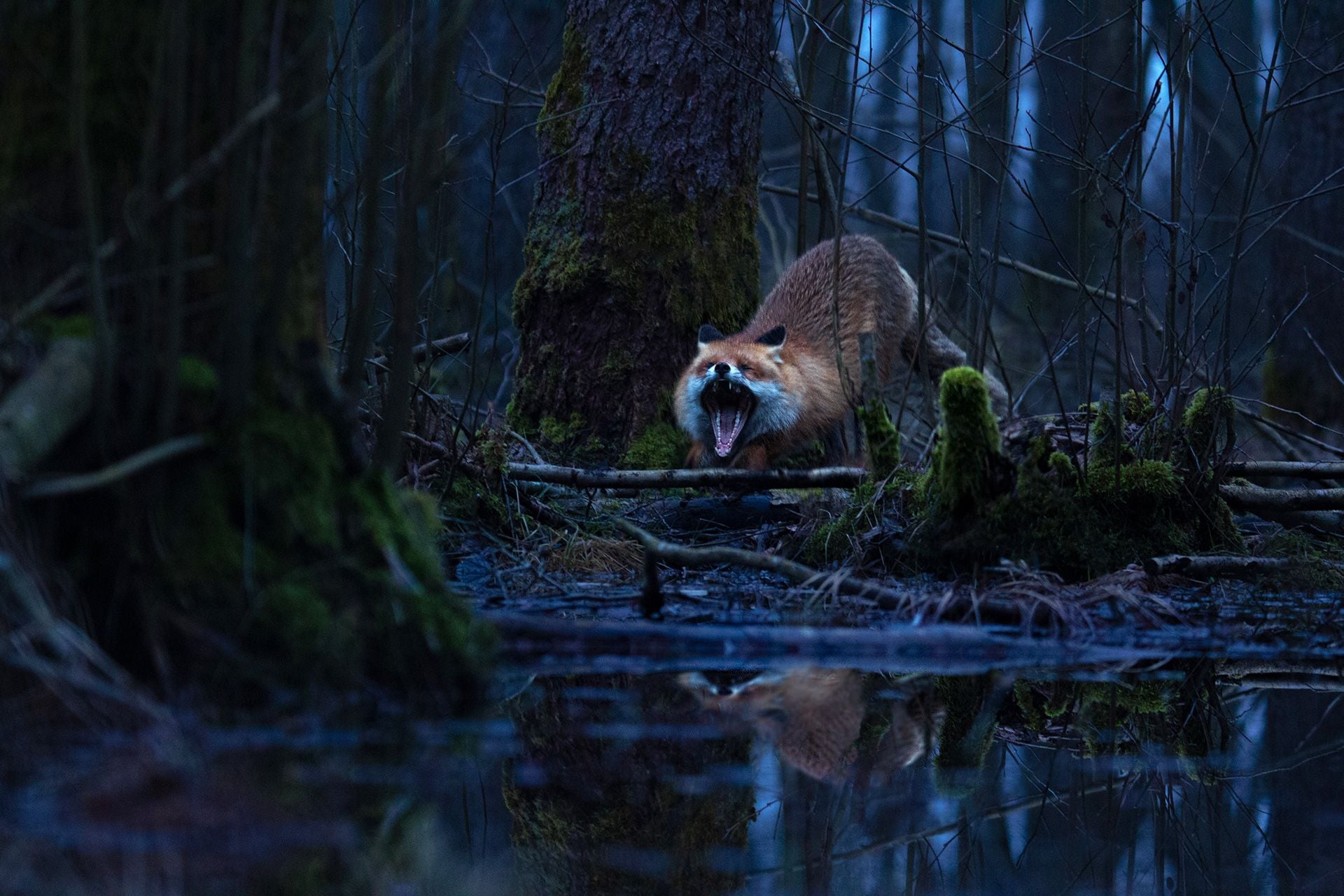
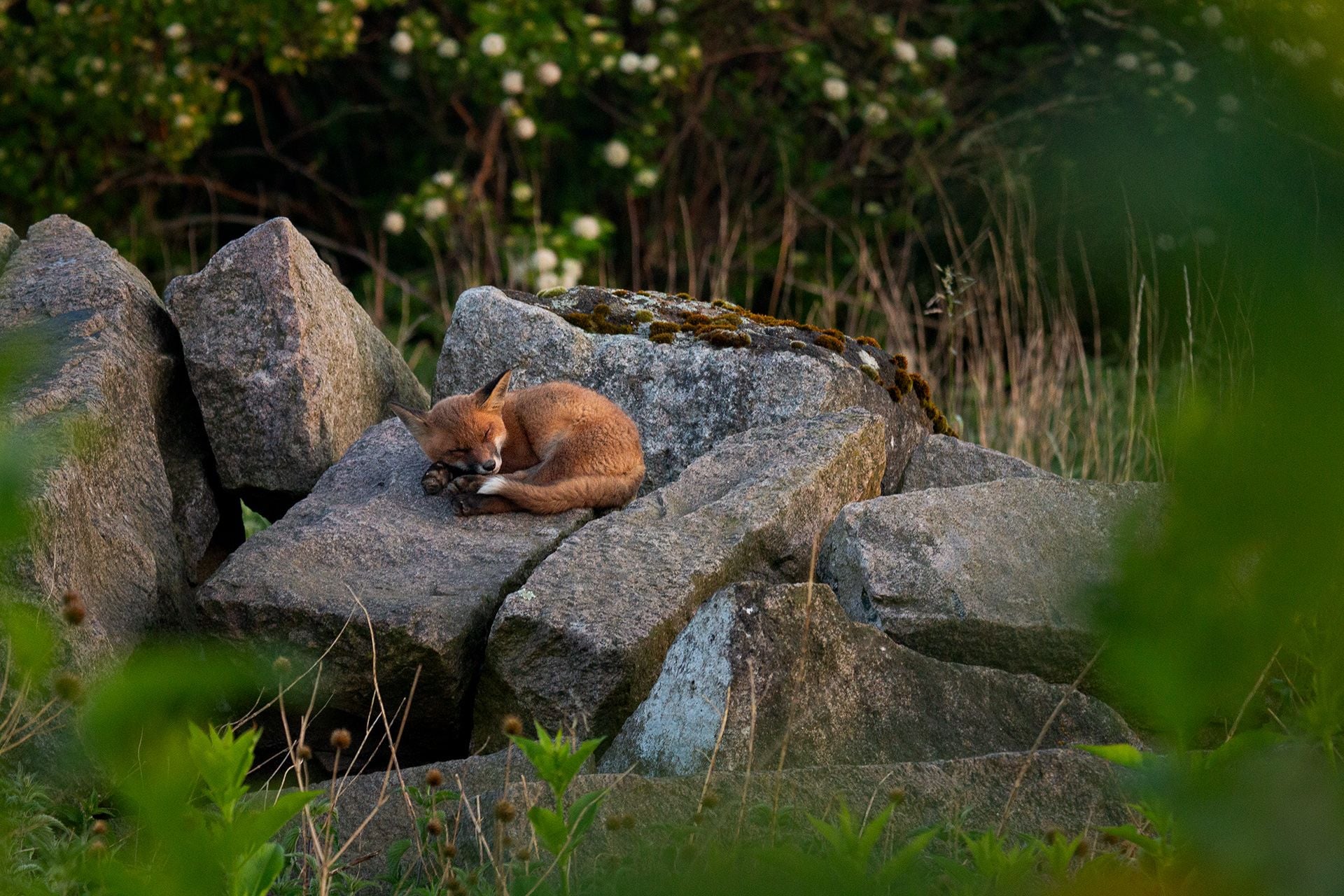
Denat’s love for mammals – particularly foxes – goes deeper than aesthetics. While many photographers focus on birds or landscapes, he’s drawn to the emotional resonance of mammals.
“Mammals are capable of expressing much more emotion than birds or landscapes,” he explains. “That emotional depth creates a stronger connection in the image.”
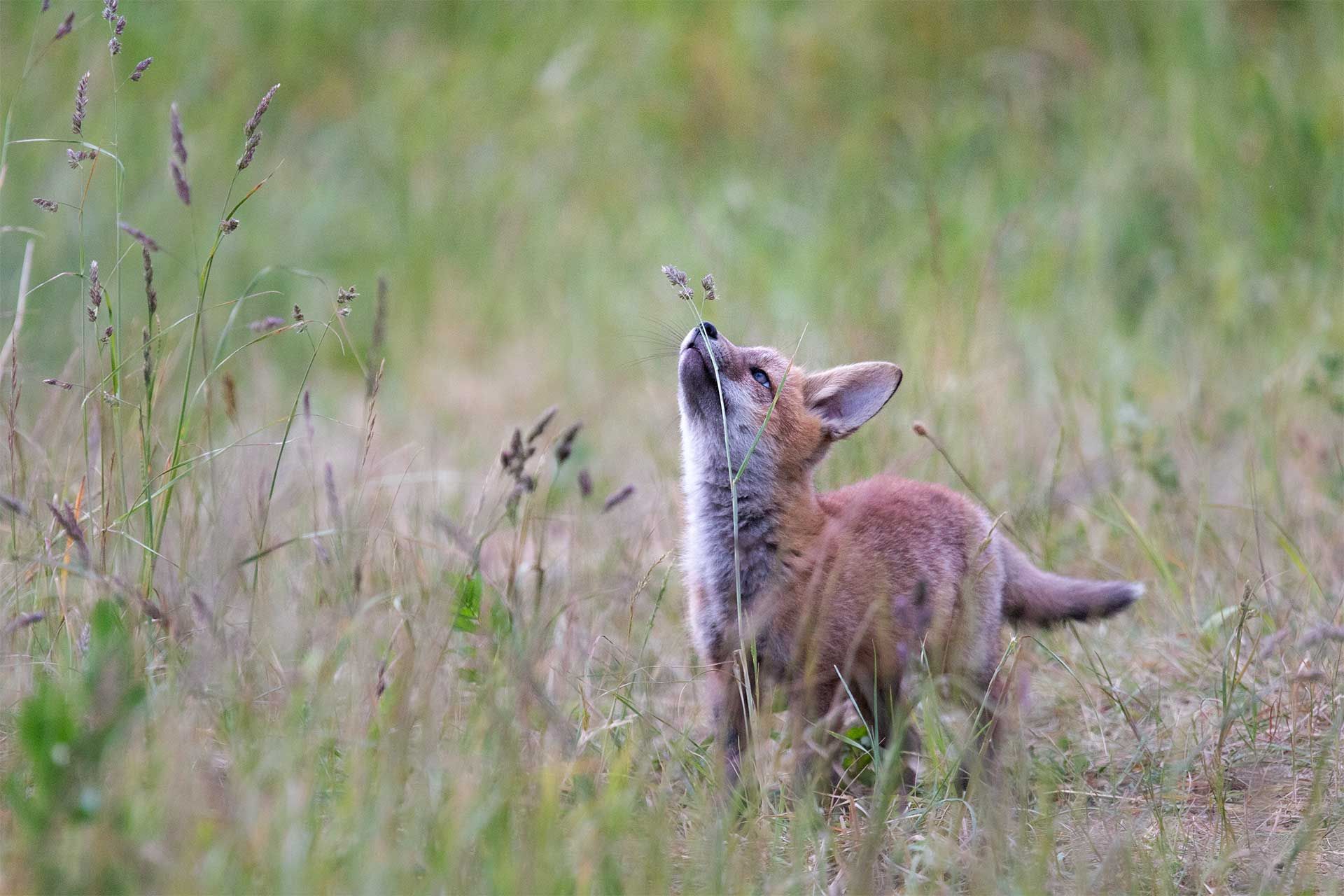
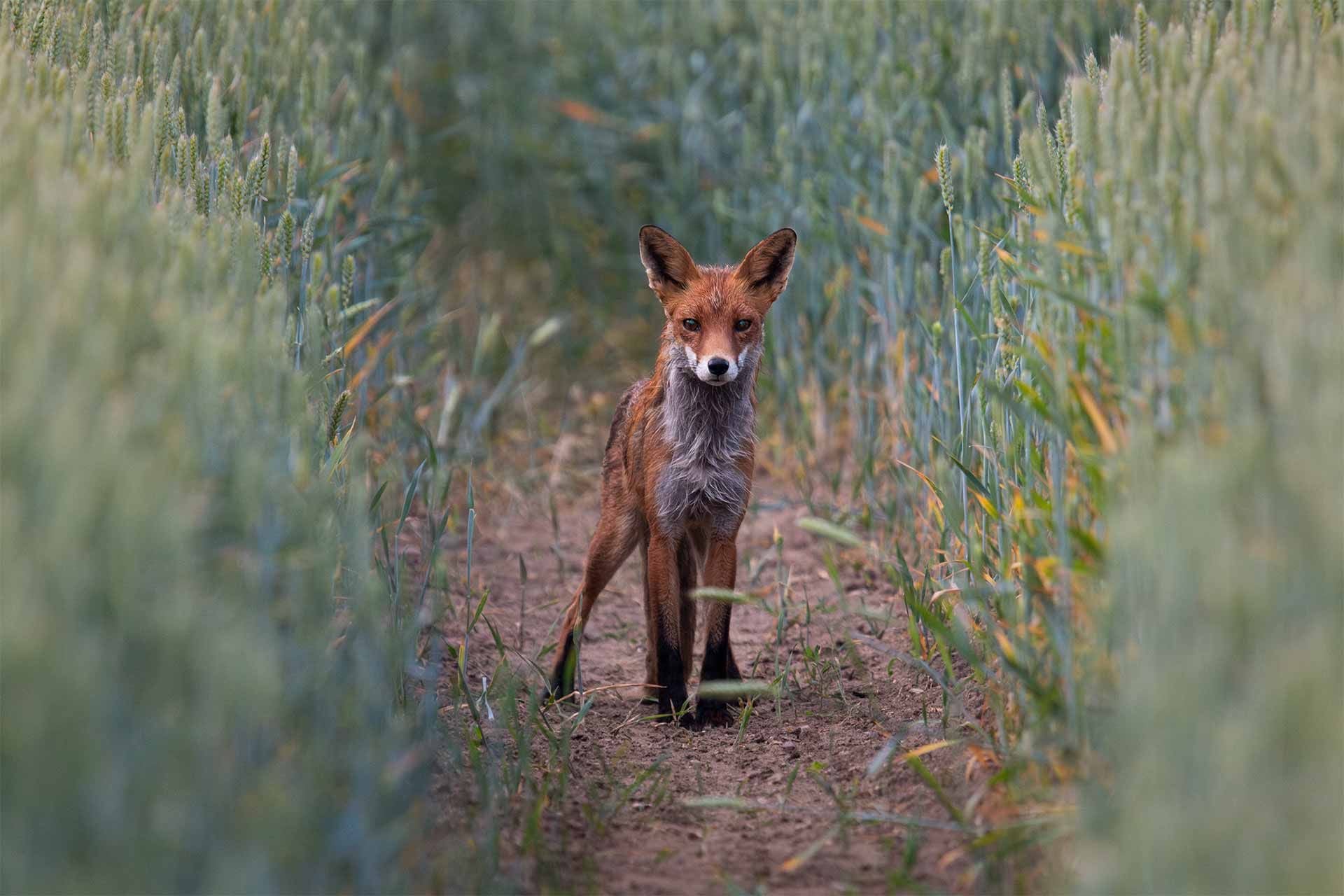
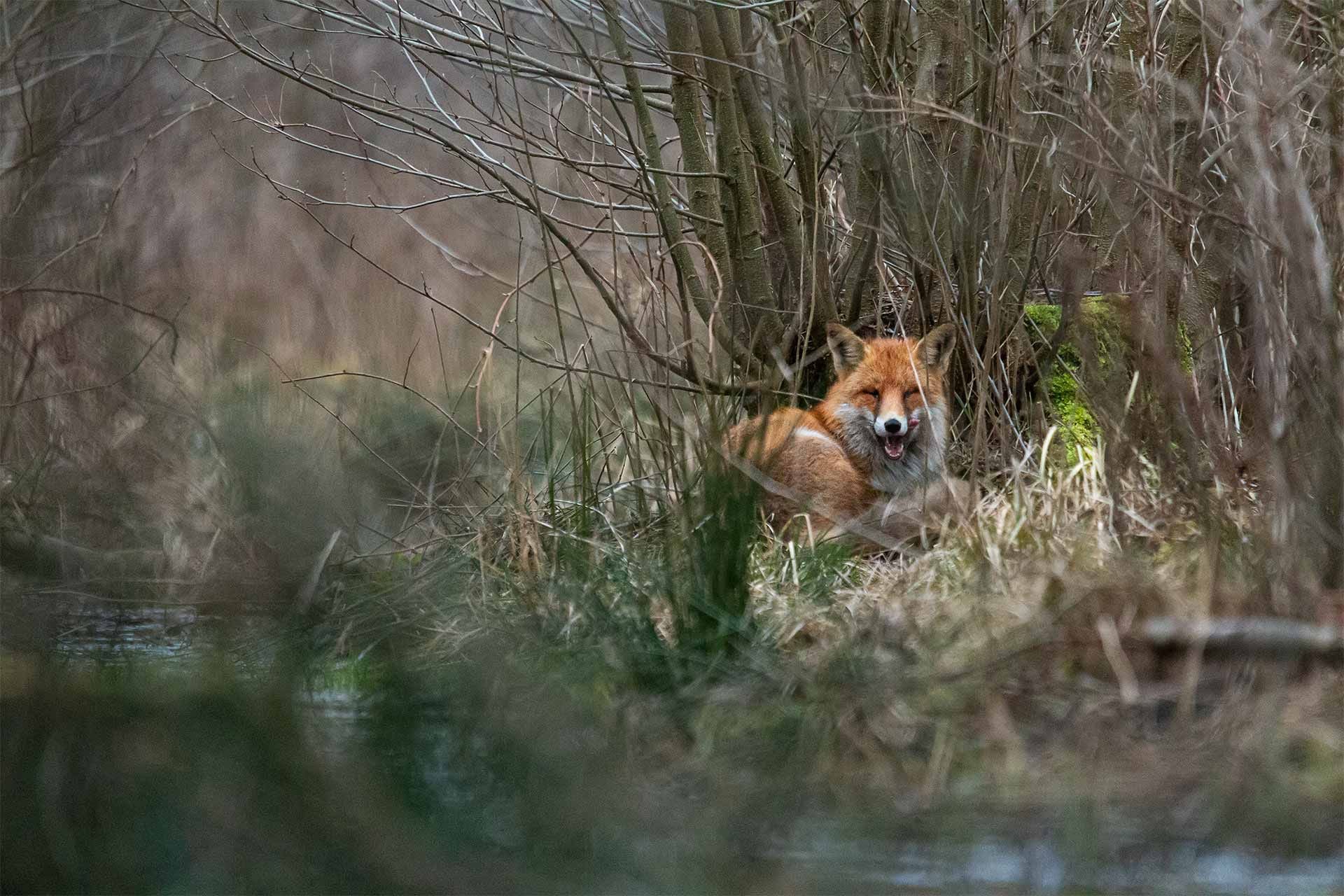
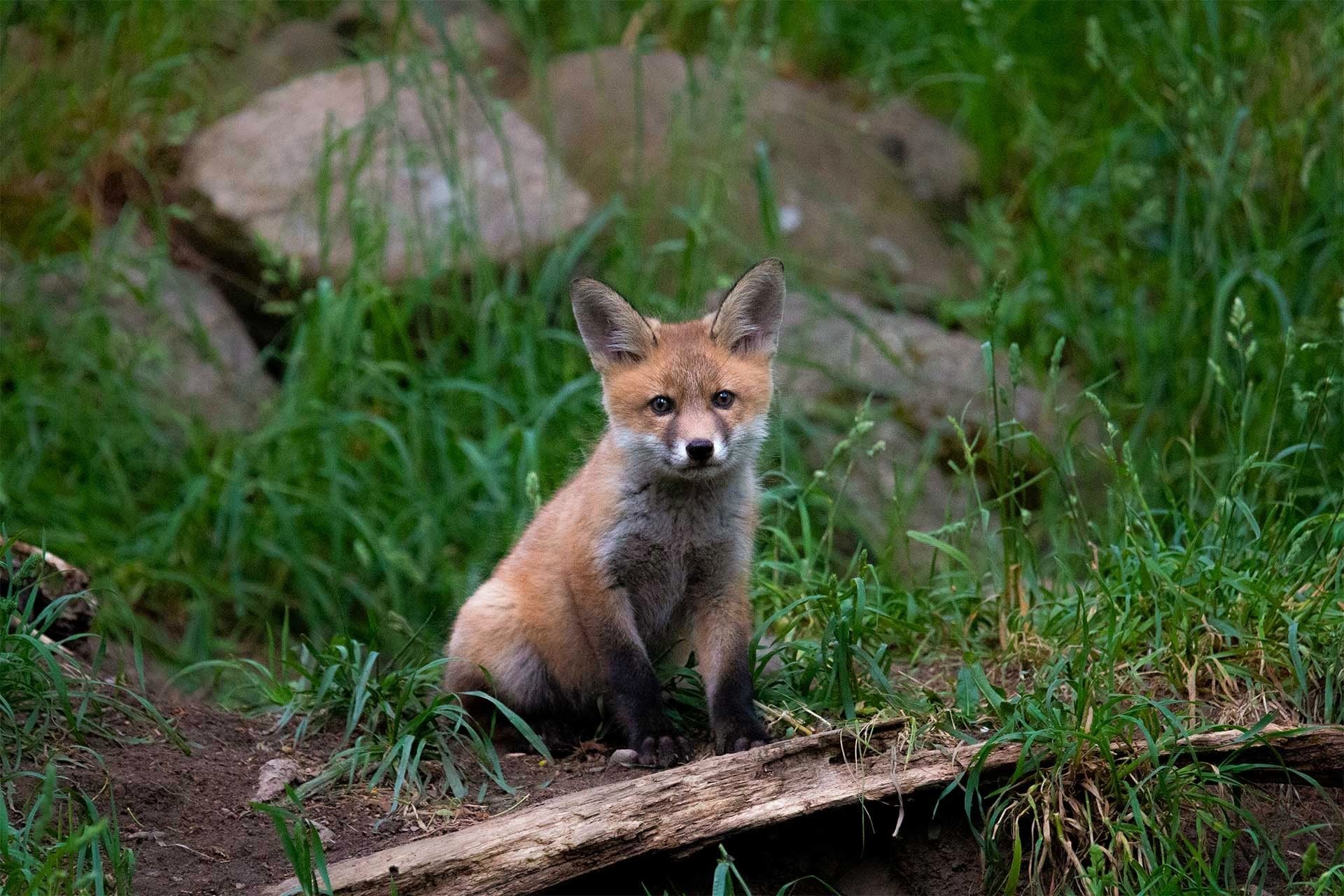
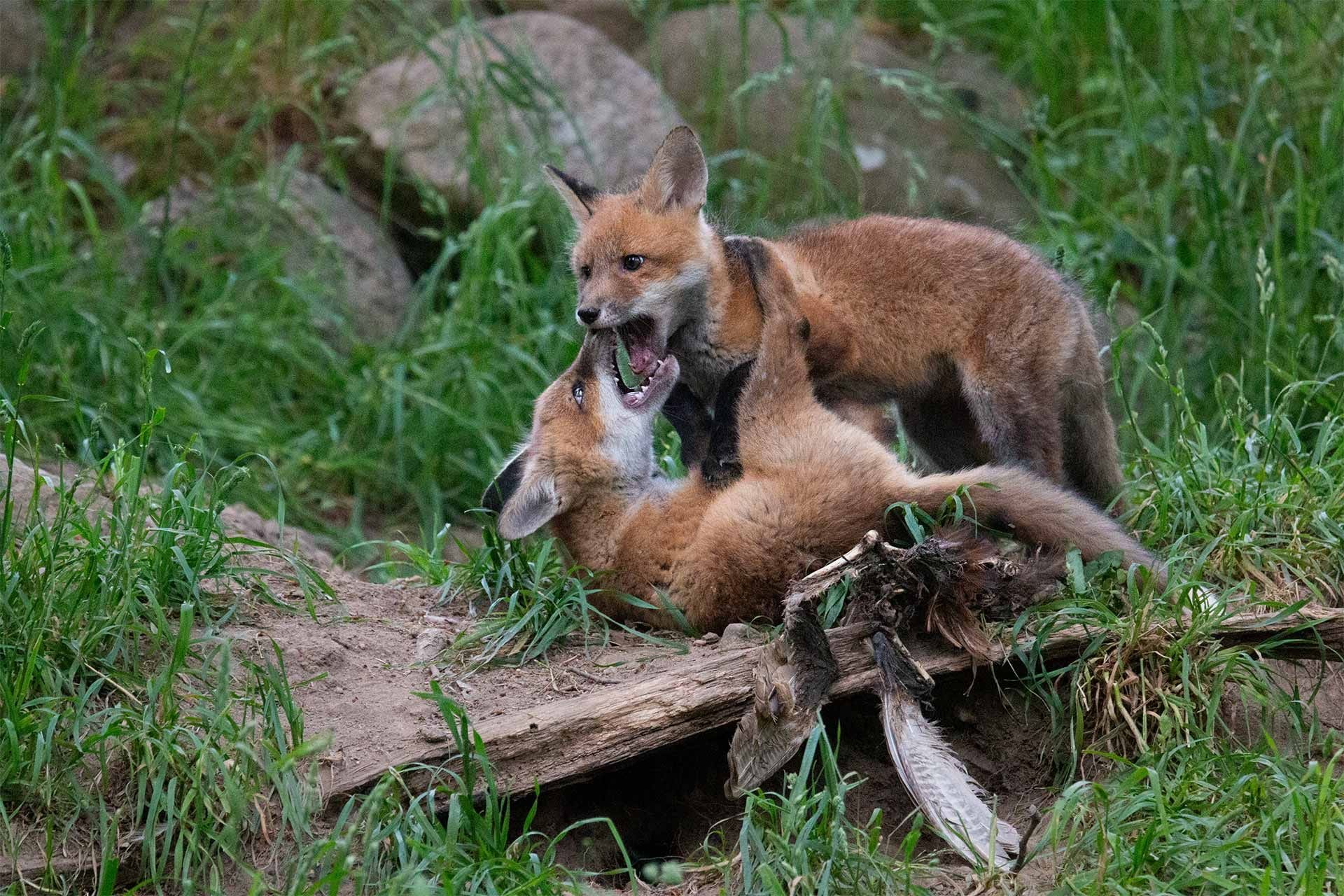
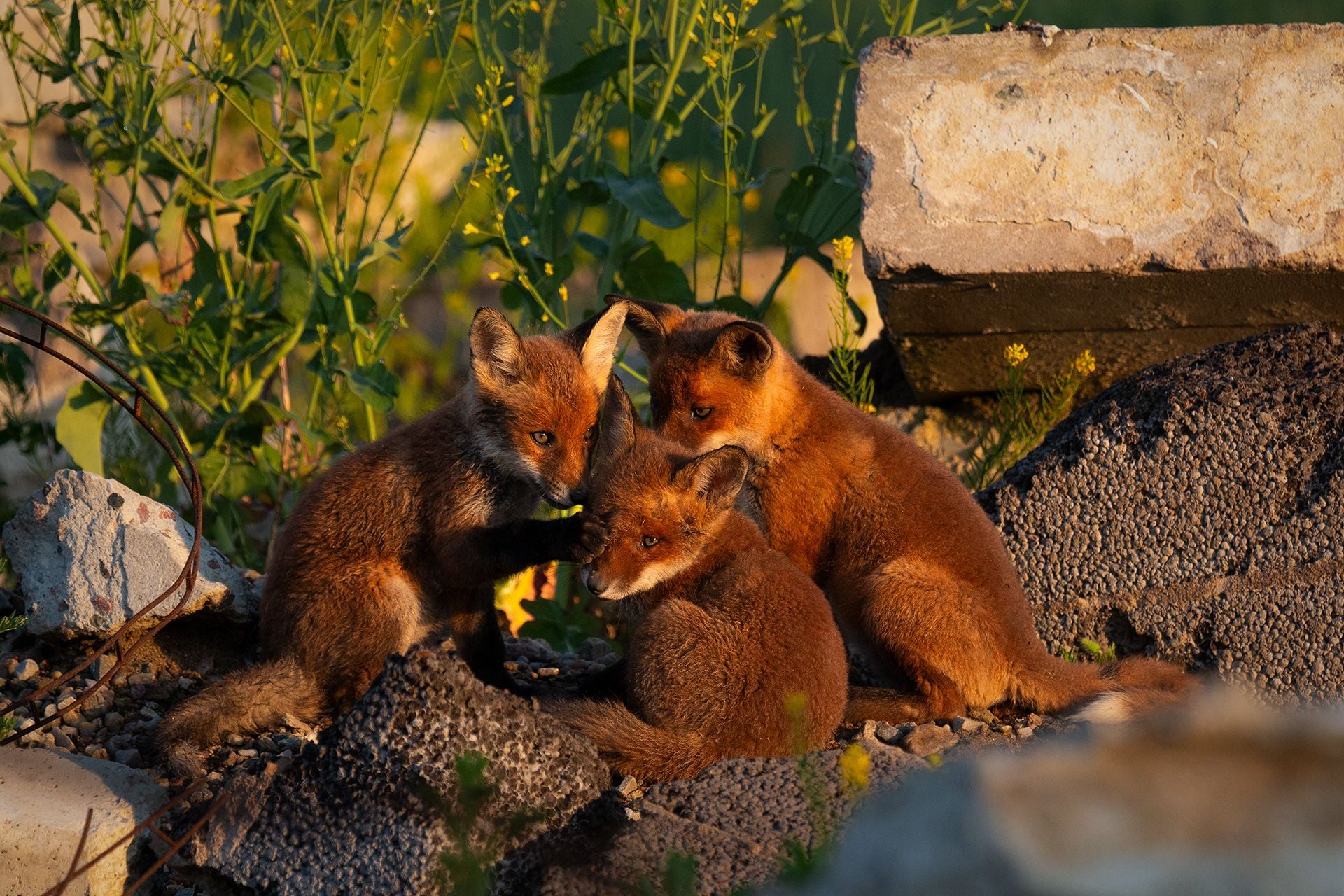
He’s spent months documenting foxes in and around Lund, even in urban settings. His persistence has paid off in quiet, powerful images: a mother grooming her cubs, a fox pausing in golden hour light, wild creatures caught in truly wild moments.
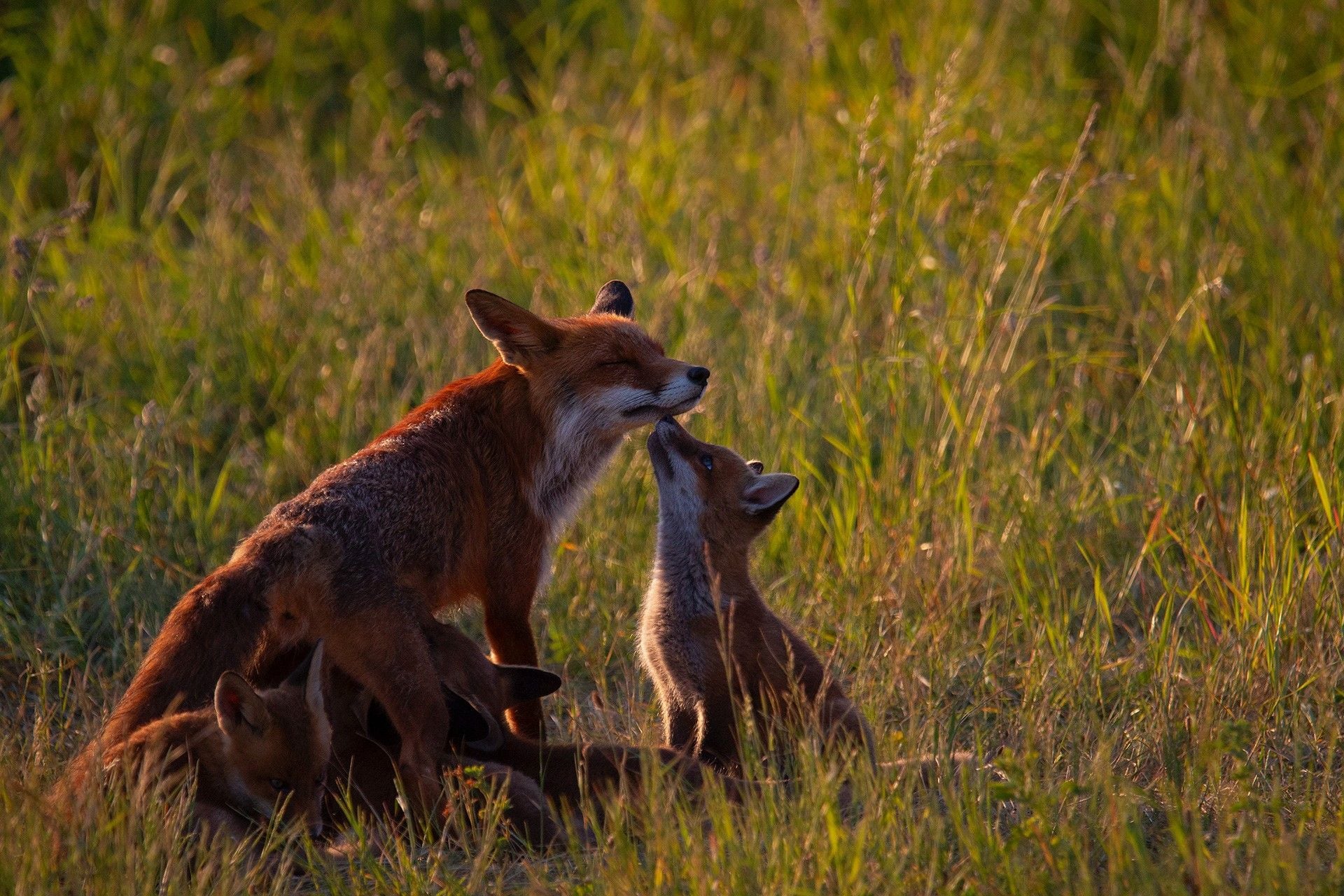
“Through my work, I hope to convey a deeper understanding of the animals I photograph, such as showing how a family of foxes shares the same love for each other that human families do. I want my viewers to feel that these animals have emotions and, albeit rare, still live around us, and we must protect them before they disappear entirely. My goal is for my images to speak for themselves, without the need for elaborate explanations and instead allowing the animals’ expressions and interactions to tell their own story.”
[Related Reading: The Ultimate Guide to Wildlife Photography: Gear, Tips & Ethics]
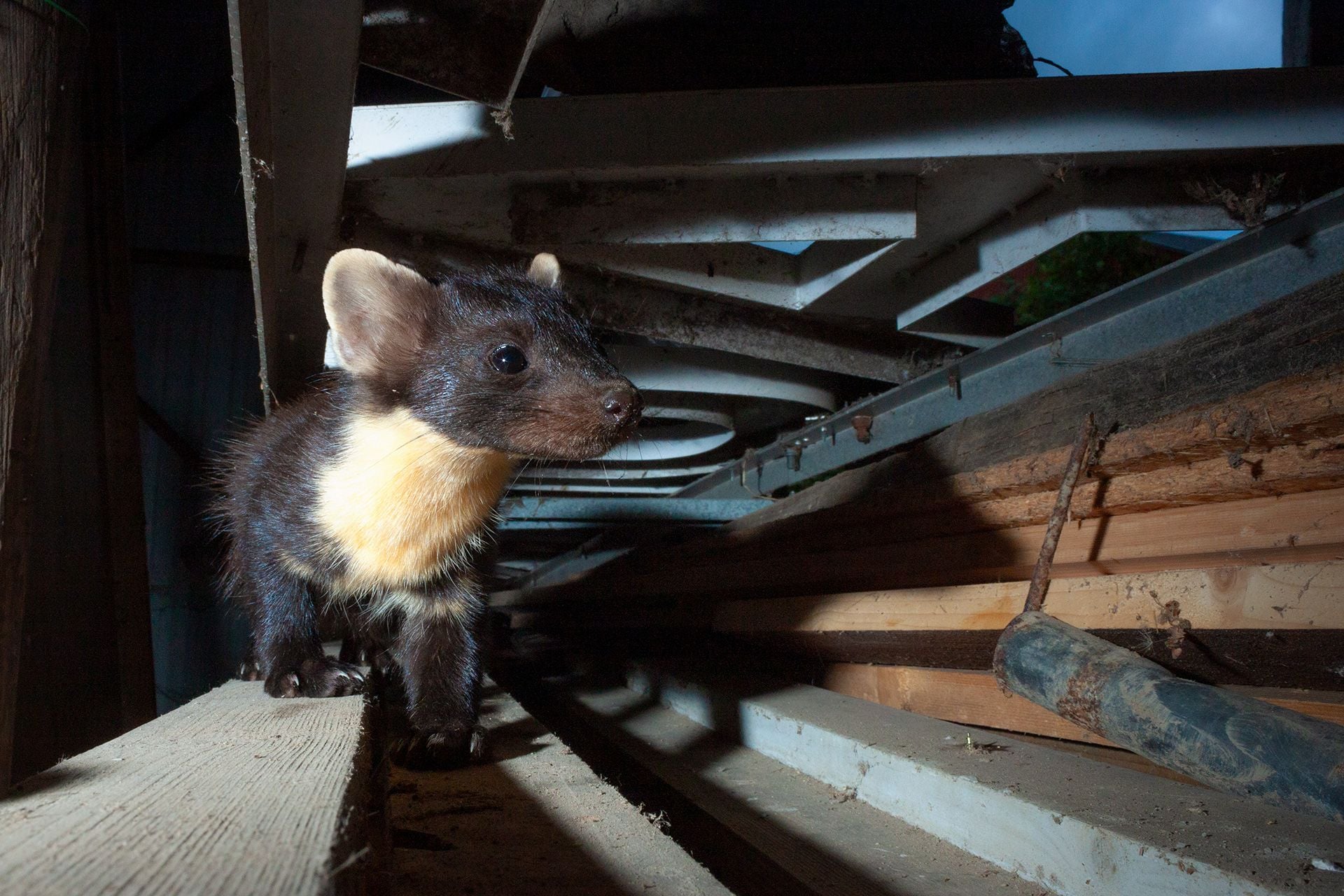
Denat’s DIY Camera Trap
As if it wasn’t enough that Denat’s photos are gorgeous, I was blown away to learn that he builds the gear himself. With his dad’s help, he designed a fully functional DIY camera trap system using a Raspberry Pi Pico, motion sensors, and some clever coding. What’s even more impressive is that he had no previous experience in electronics or programming.
“The freedom to code exactly what the camera should do when motion is detected is amazing,” he says. “You can make it do anything.”
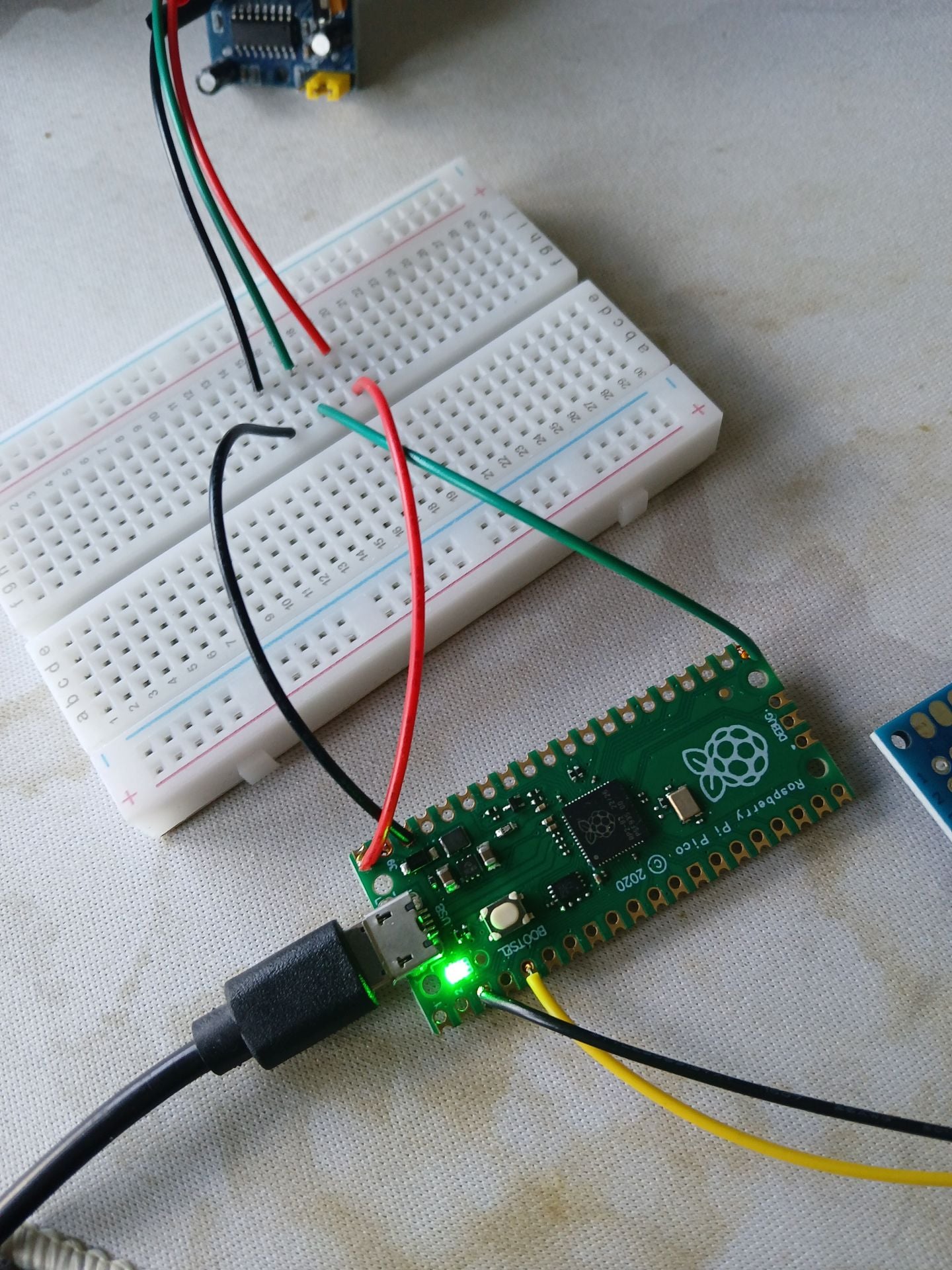
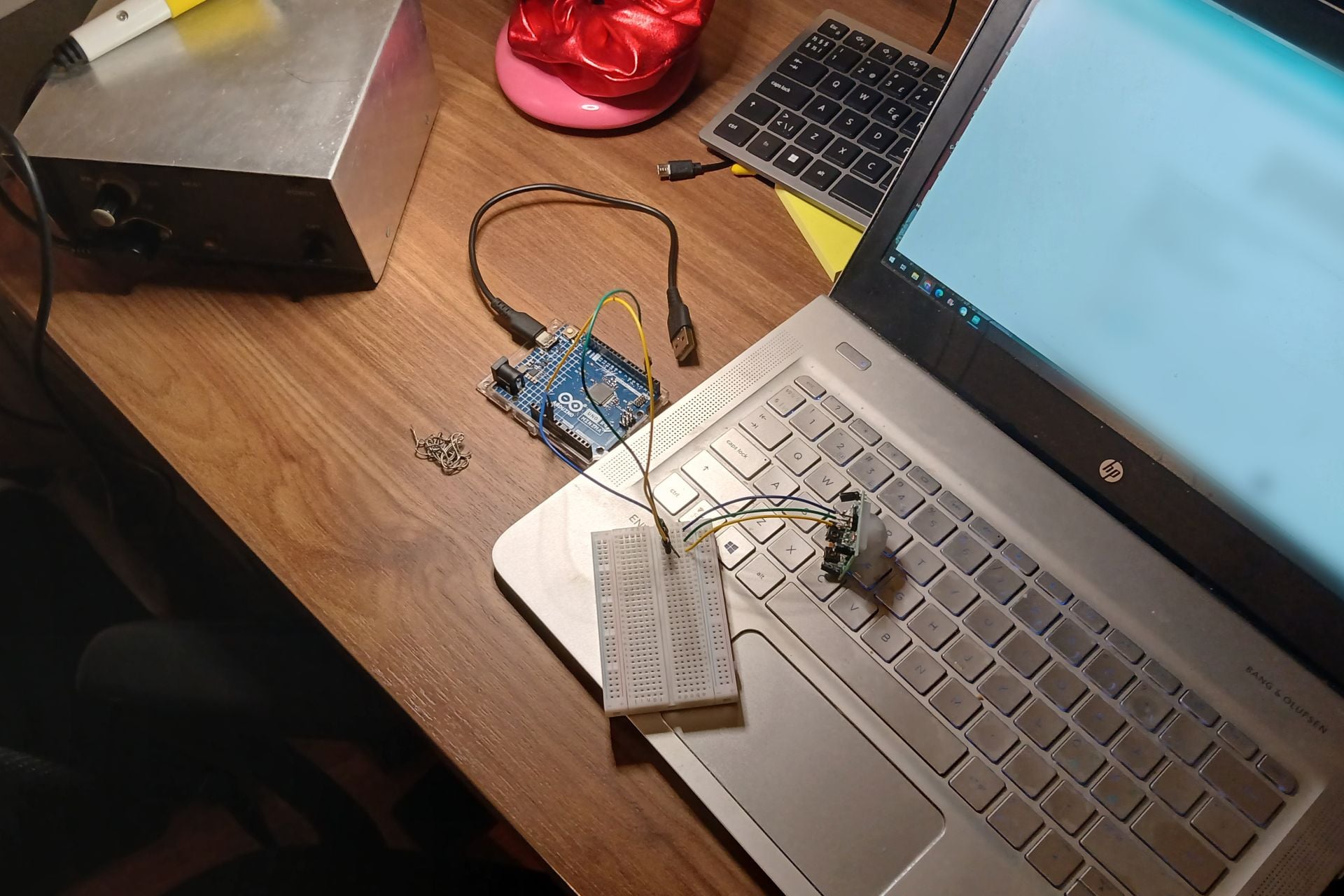
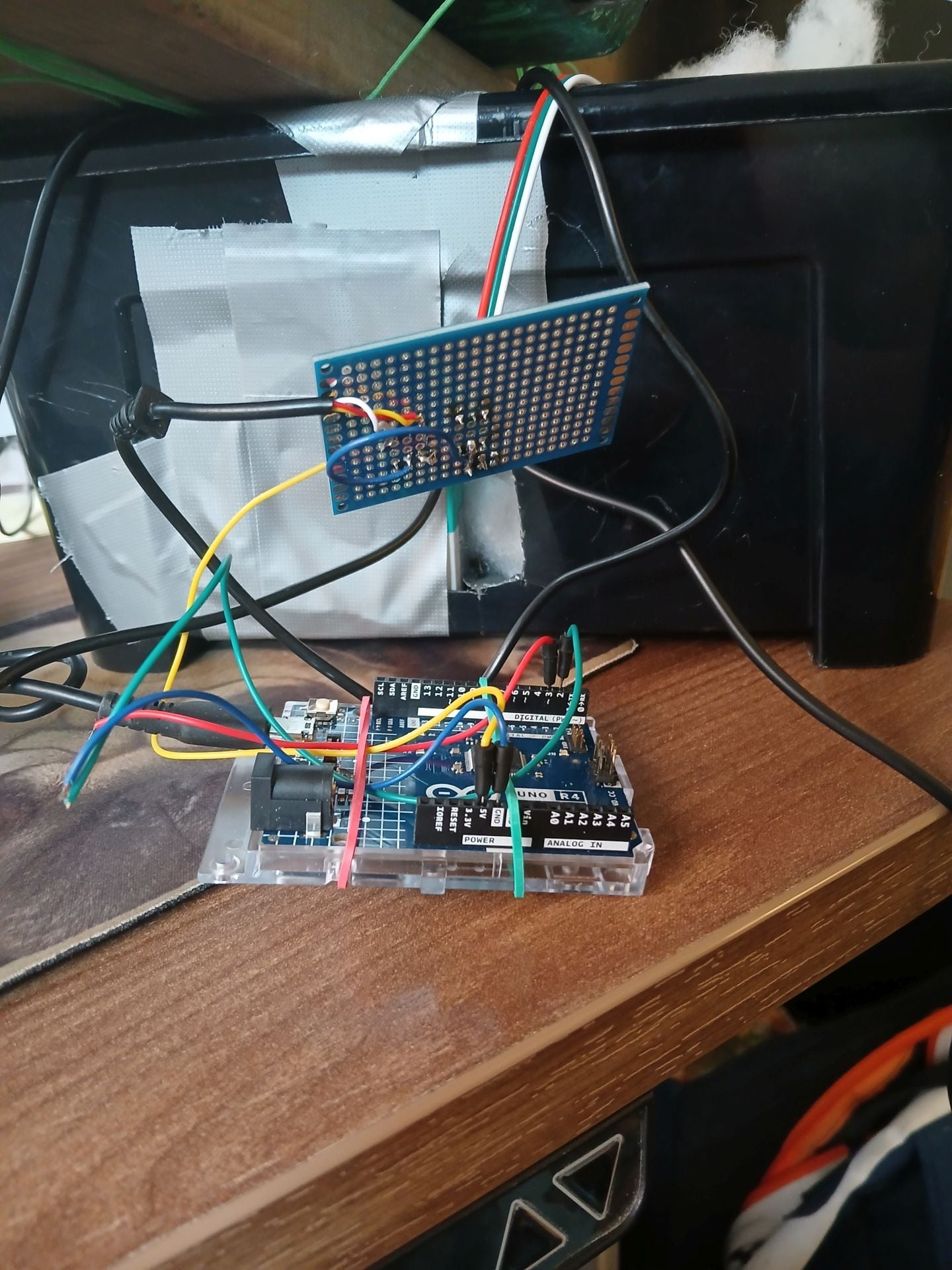
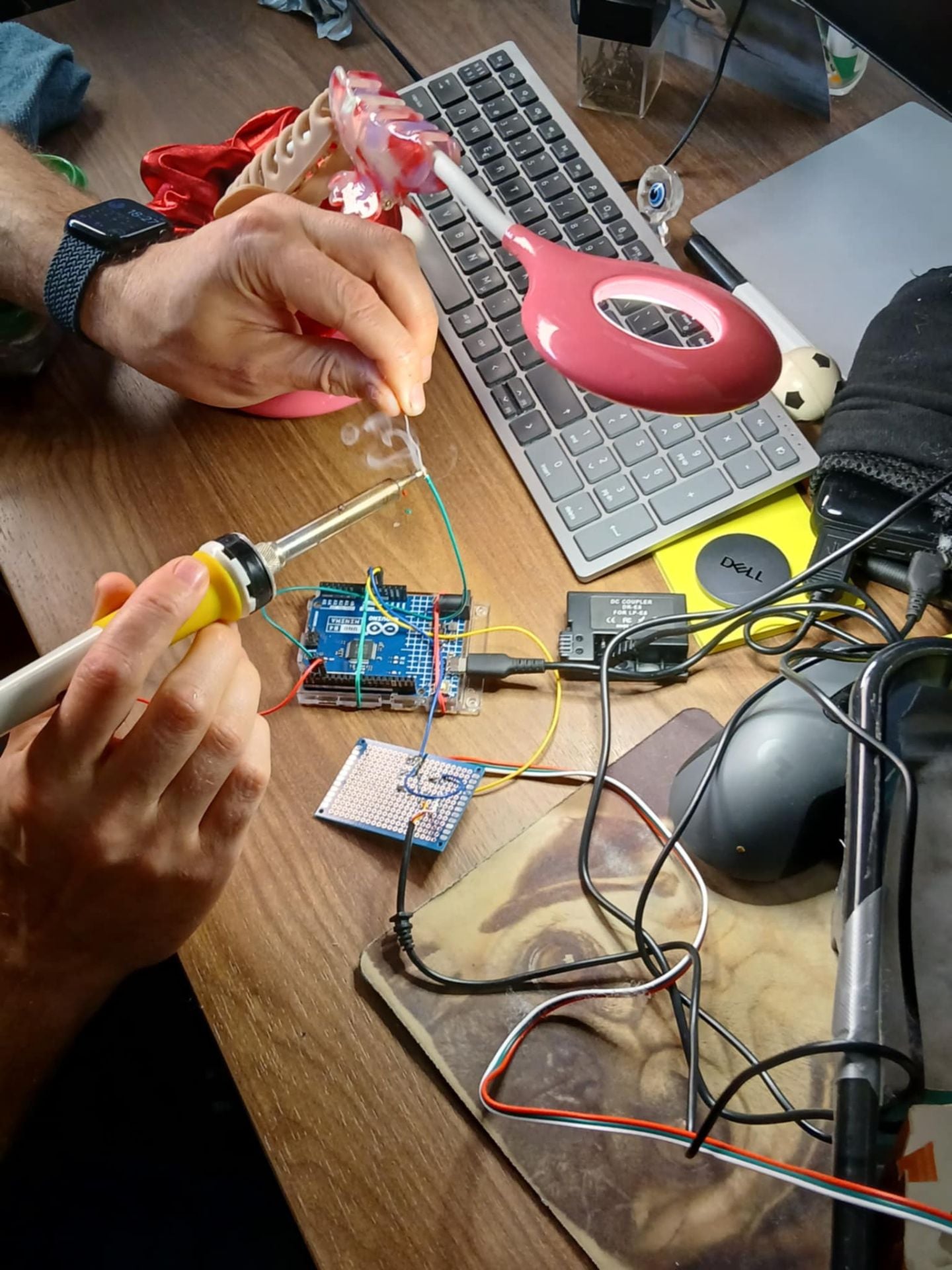
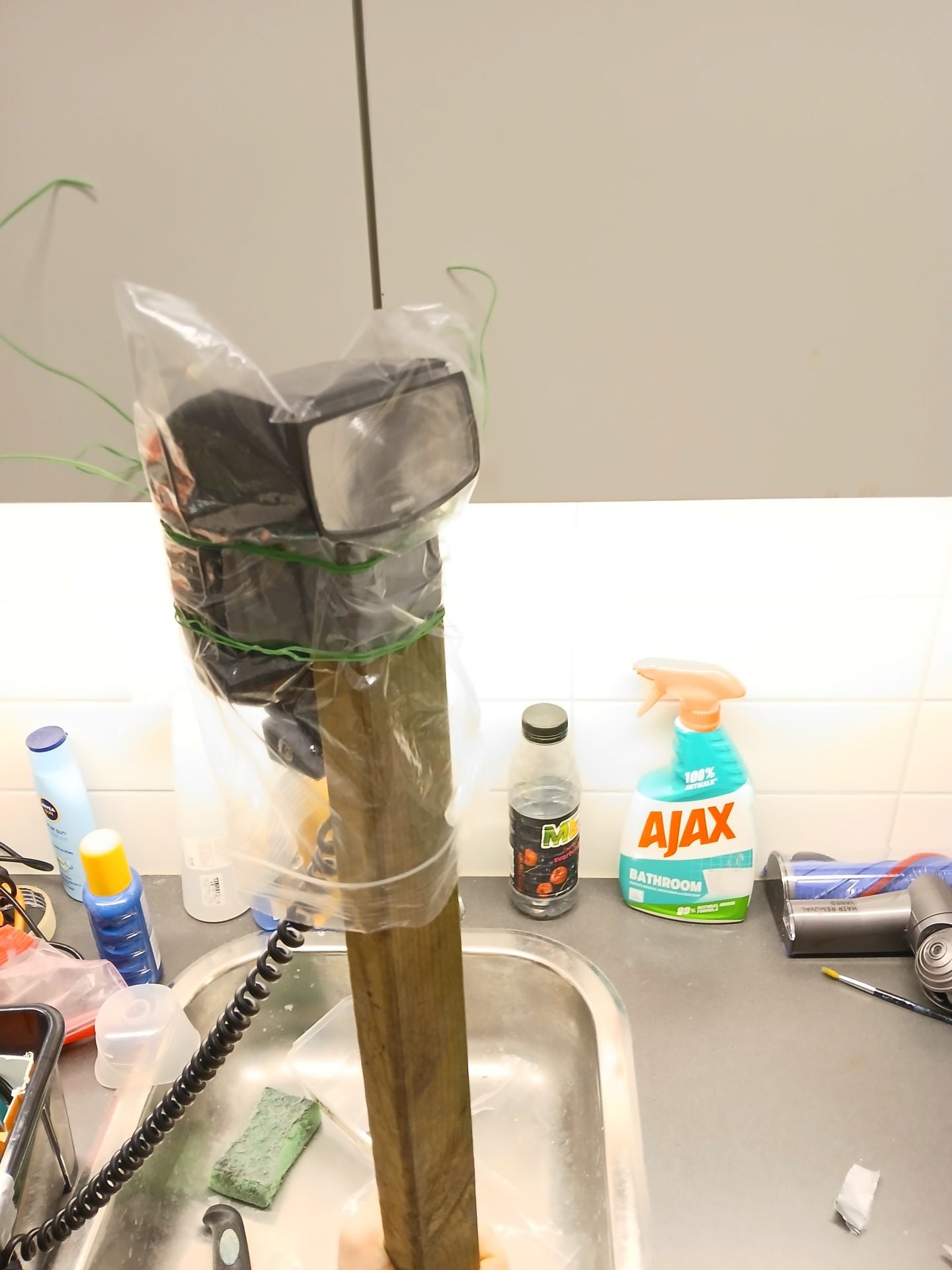
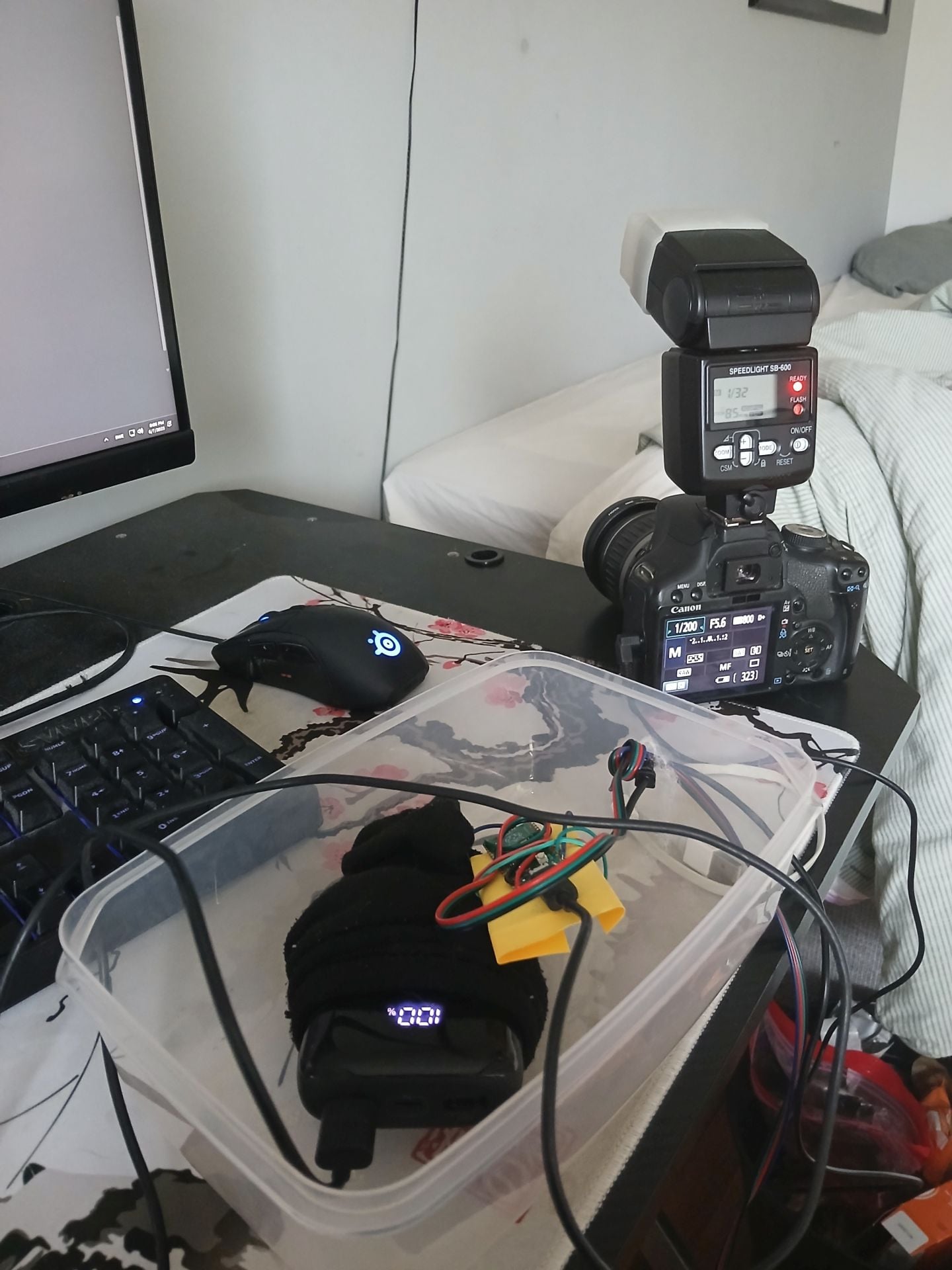
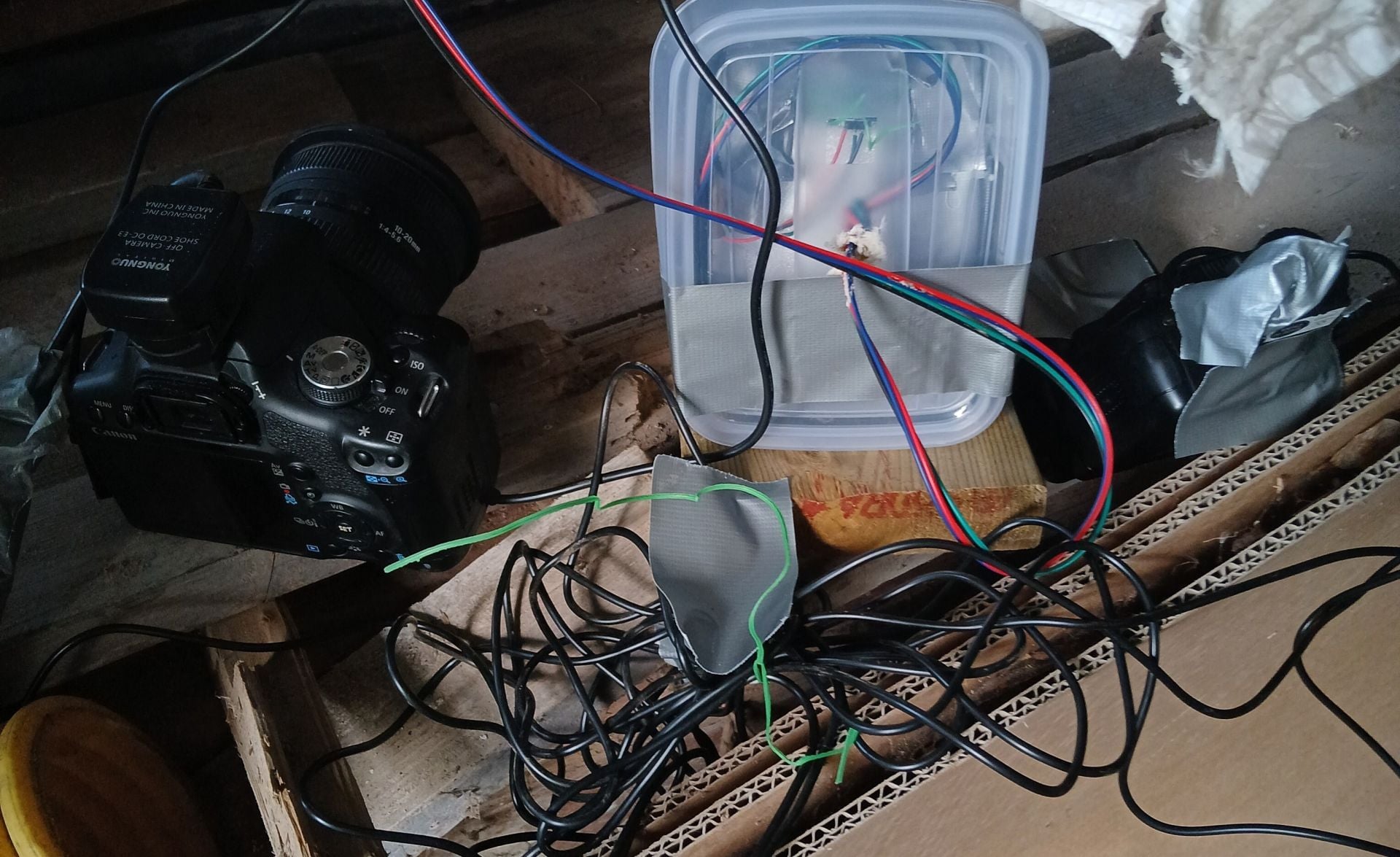
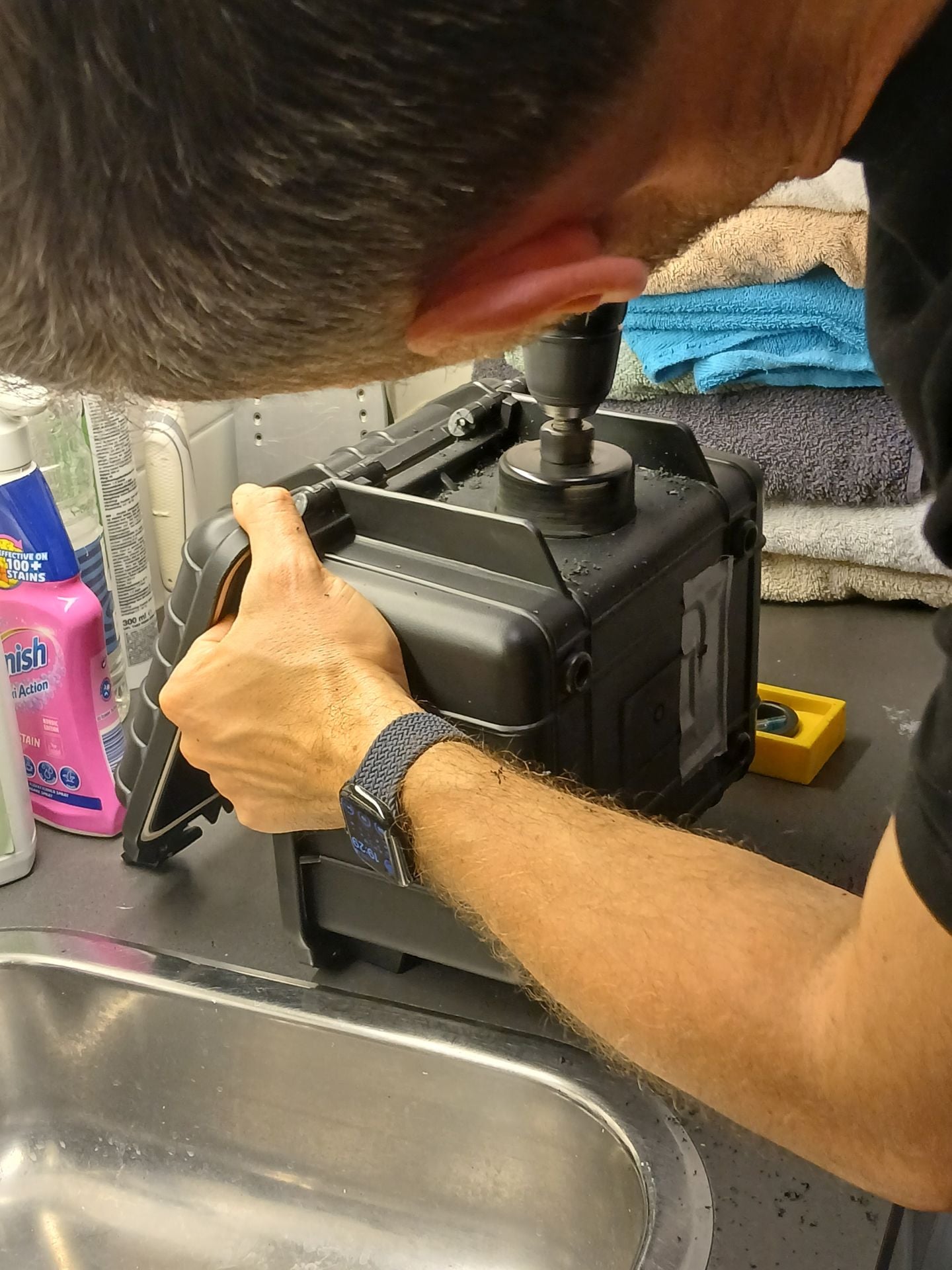
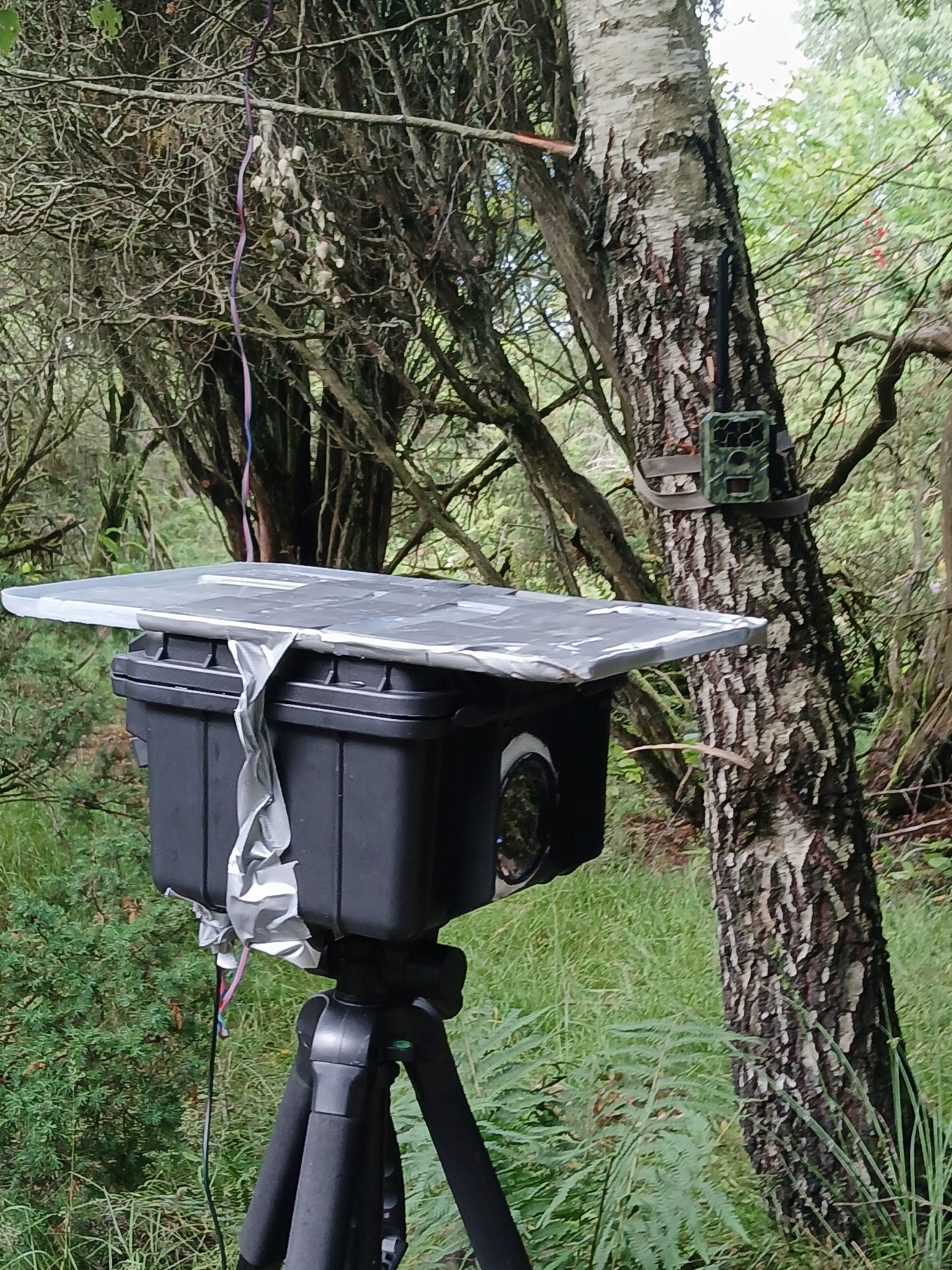
Denat has shared his process with DIYP in impressive detail. His setup starts with a used Canon 550D ($80), paired with a kit lens and an SD card. Nikon SB-series flashes (like the SB-28, SB-26, and SB-24) provide low-power, standby-ready lighting. For long-term durability, Denat either wraps the gear in plastic bags or houses it in a $25 hard case with a waterproofed UV lens filter superglued over a drilled 77mm hole.
The real challenge? Triggering the camera. Denat uses an HC-SR501 PIR motion sensor connected to a Raspberry Pi Pico, all soldered with heat-shrink-isolated wires. The Pi is custom-coded in Python (which he taught himself using ChatGPT) to control how and when the camera fires. By the way, that’s one of the great uses of AI, not creating dangerous deepfakes. With his DIY trigger, Denat can adjust shutter speed, trigger timeframes, or add delays.
A 6-pin optocoupler acts as a safe relay, isolating the Pi from the DSLR’s electronics. A dummy battery connects a 20,000mAh power bank, keeping the system powered for up to three months. He insulates it with thick socks and cotton to protect against temperature drops. To save power, the PIR sensor sleeps for 150ms between checks.
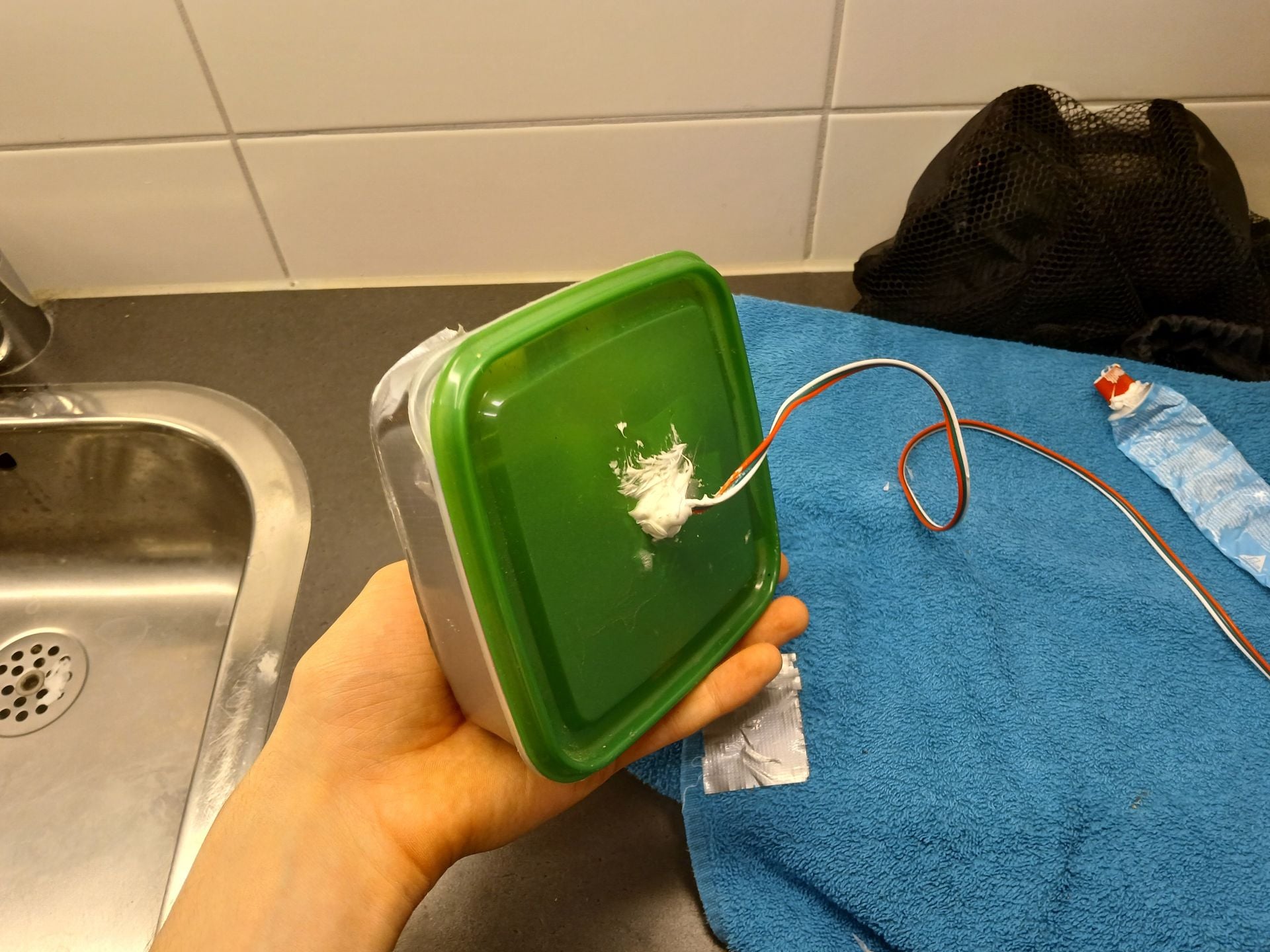
The entire setup is waterproofed using silicone paste and repurposed plastic containers. Once the camera is triggered, the flashes fire via simple wired PC sync cables. “Wireless flash systems are a hassle,” Denat adds. He keeps flash power between 1/8 and 1/64, often adding diffusers.
None of this came from a manual. “Figuring all this out would’ve been impossible without my amazing dad, who’s an engineer,” he says. Most parts came from Aliexpress, and the whole system cost less than a single commercial PIR trigger.
“Just a single PIR sensor with shipping duties from Camtraptions costs as much as my entire DIY setup,” he says. “That sentence is completely insane to me.”
Why DIY Camera Trap? It’s Not Just About Money
Chatting with Denat, I was curious to know – why making a DIY camera trap? Talking with this intelligent, eloquent young man made me feel like it was about more than just saving some cash. And sure, while saving money was a factor, Denat’s choice to build camera traps himself also came from a love of learning.
“It was never just about saving money; it was about learning how to do something complex and fun,” he says. “Doing it with my dad was extra nice.”
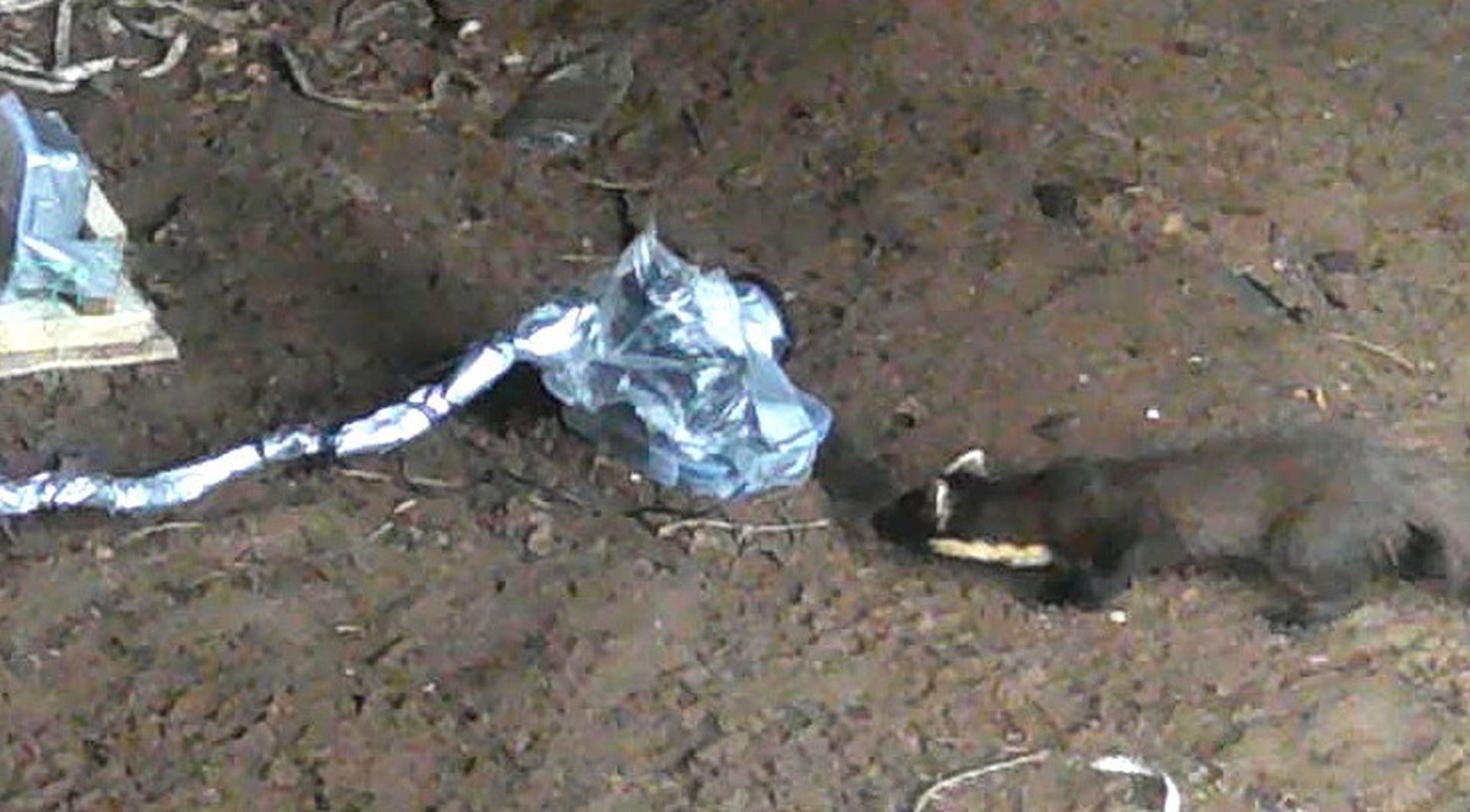
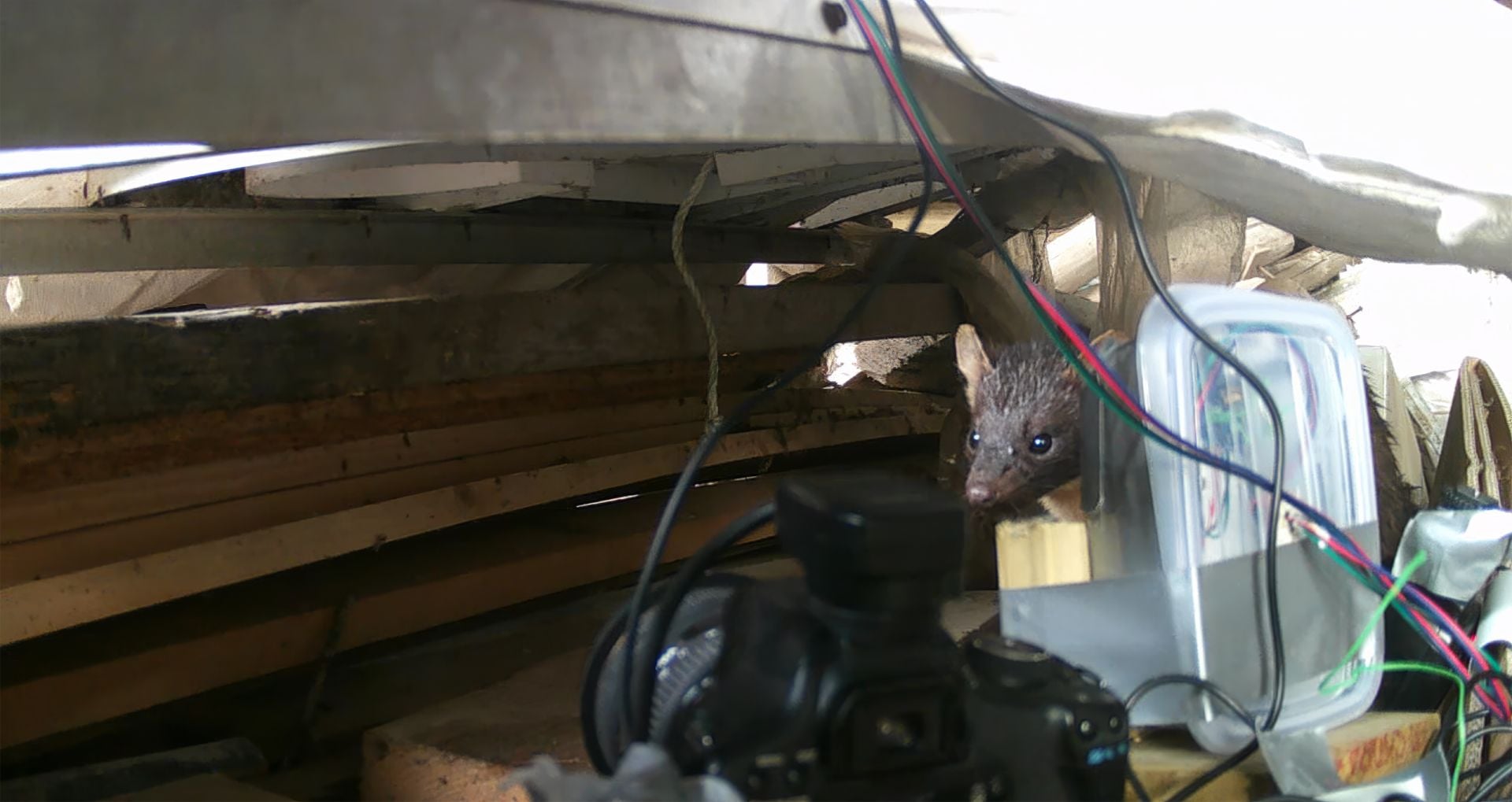
That sense of ownership and understanding means Denat can troubleshoot issues on the fly. He knows every cable, every line of code. He can modify the system the way he wants. And if he likes, he can build new systems in a matter of hours. There are many perks of building your own DIY gear, and Denat seems to truly understand it.
Denat’s Advice for Young Photographers
Denat isn’t shy about the challenges of wildlife photography. He urges other young shooters to push beyond the basics and focus on storytelling.
“My first advice to young wildlife photographers is not to settle for mediocre results. Perhaps that sounds odd, but what I mean is to not just take a photo and call it done; always ask yourself how you could make it better next time. Different light, better framing, lower angle, there’s always room to improve. Taking time to try and improve proves that you have the dedication and interest. It’s also easy to get blind to your own work, so ask others for honest feedback, and I mean really honest. Don’t just fish for praise, it won’t lead anywhere. When you get advice that kinda hurts, that’s how you know you’re on the right path. Next time someone just tells you that your image is great, ask them: ‘Thanks, how do you think I could have improved it even more tho’?”
Another advice is that gear doesn’t make you a good photographer (and I wholeheartedly agree):
“You’ve probably heard this a million times, but it’s true: expensive gear won’t make you a better photographer. What actually matters is knowing animal behavior and learning to use light and composition. Spend time without your camera. Watch how animals move, when they’re active, and how they react to you. That knowledge will get you better shots than any new lens ever will. All of my fox images were taken with an old Canon 70D and a Tamron 150-600mm G1—slow, heavy, and noisy, but it worked because I understood and respected the subjects.”
Denat also suggests that you invest some money and time into creating and updating a personal website. “It’s very important as a young photographer if you wish to come off as a professional and serious.”
Last, but definitely not the least, Denat urges you to “protect the places and animals you photograph.”
“Never reveal to anybody where your images are taken, even if it’s tempting. Not even my parents or siblings know where I photograph my wildlife, and not because I don’t trust them, but because it’s very easy for that sensitive information to slip out of them to the wrong person by accident.”
What’s Next for Denat?
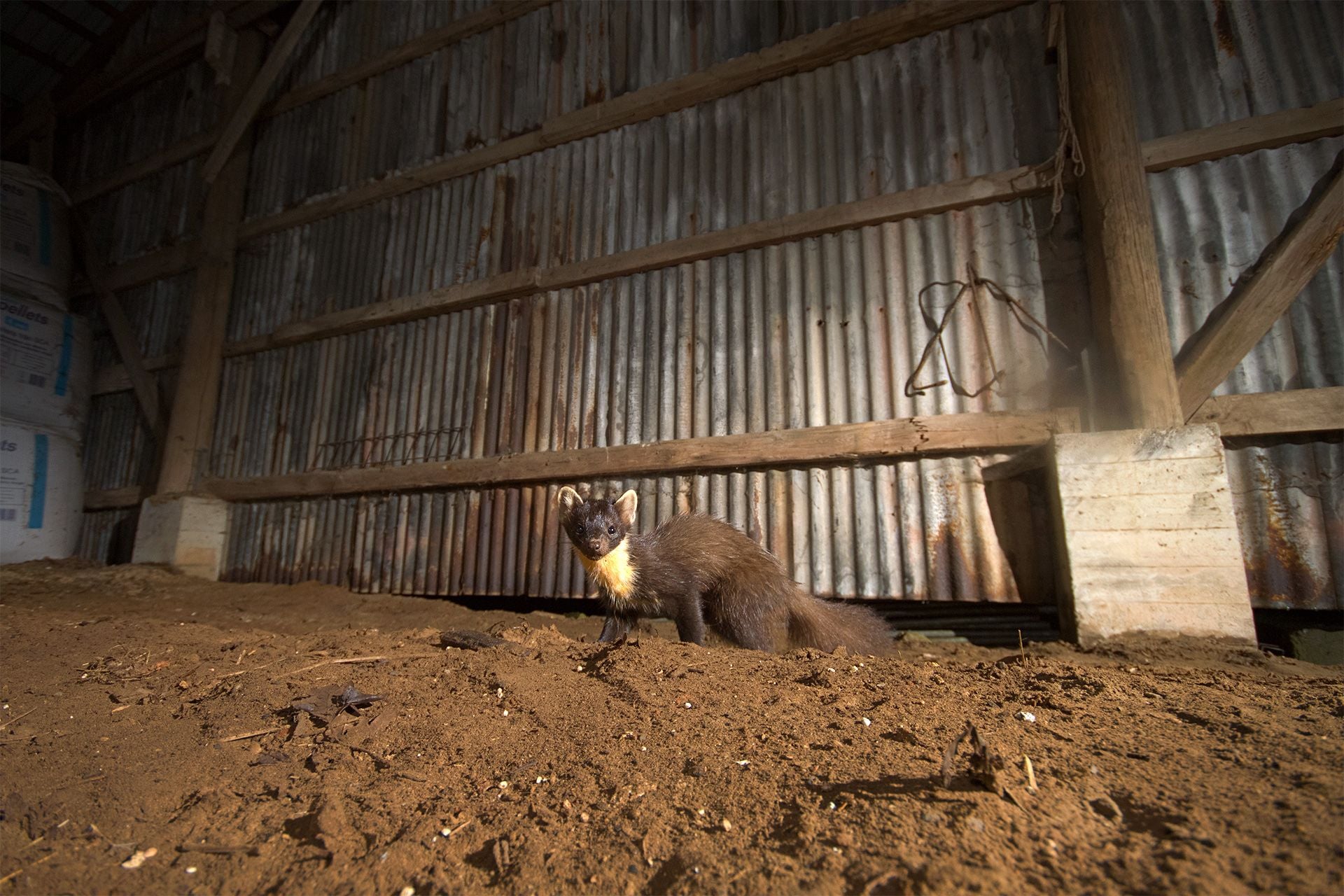
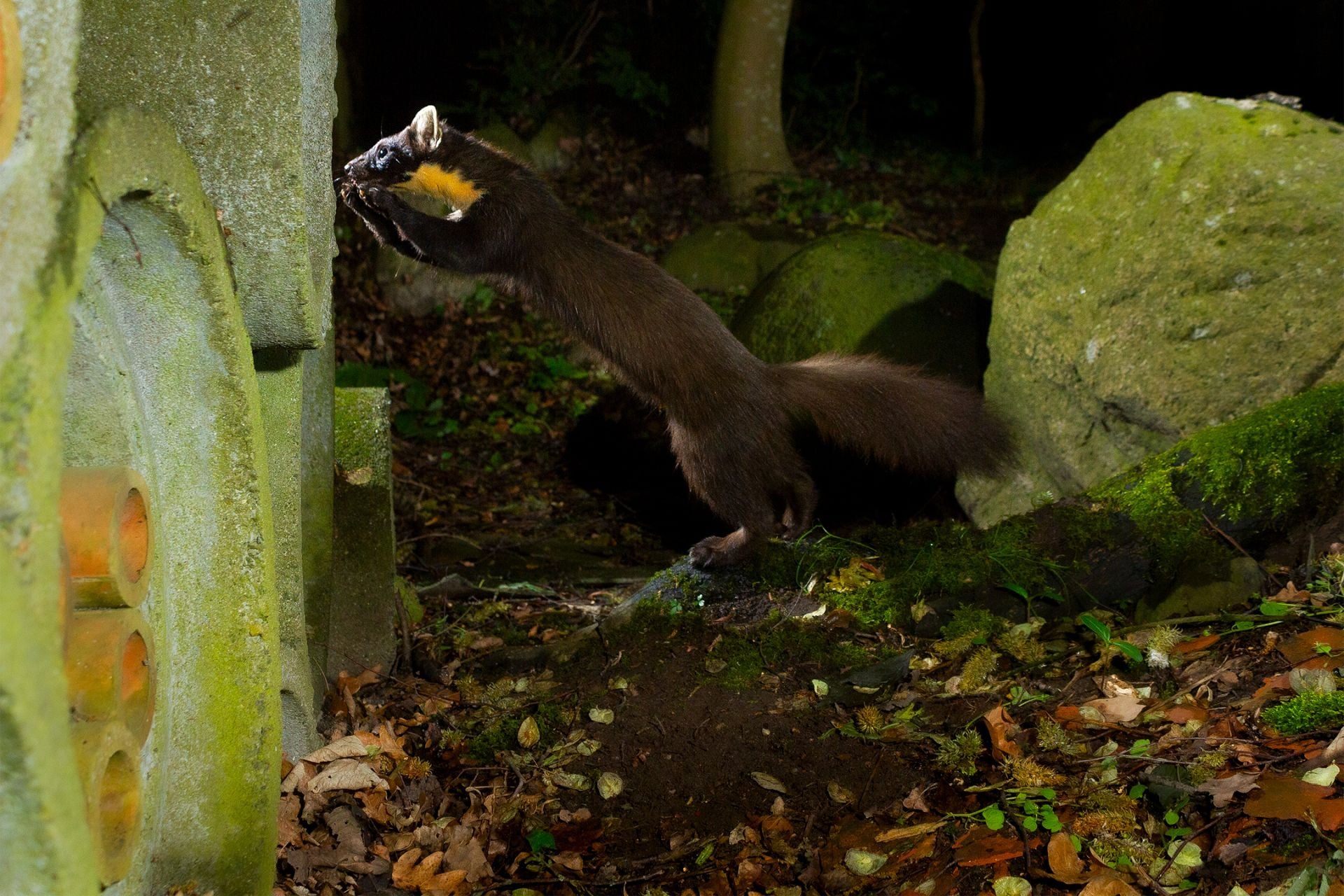
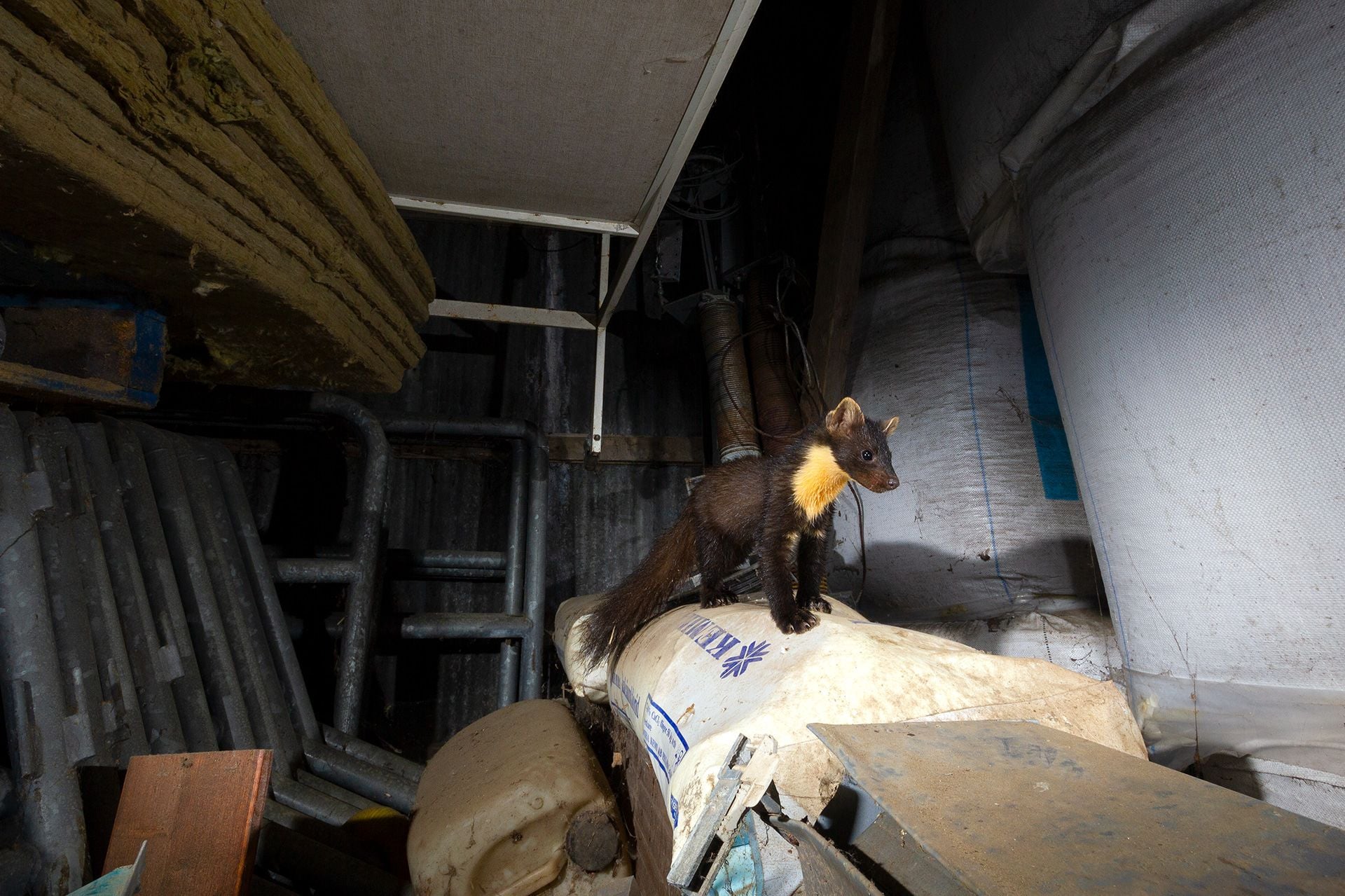
I asked Denat what his plans are for the future. “Right now, I want to keep photographing pine marten and other mammals such as badgers,” he tells me. This is his plan with the camera traps, as these animals aren’t as easy to spot and photograph. His end goal is hopefully writing a book about local mammals in his Lund municipality in Sweden. He also hopes to inspire more people to begin their journey as wildlife photographers in his area by showing them what you can achieve even with limited funds.
“Working as a wildlife photographer or wildlife filmmaker in the future would be amazing. Academically, I’m not studying photography or art to avoid burnout. I’m also interested in becoming a wildlife biologist or wildlife management specialist because that kind of job fits well with my passion for nature and conservation.”
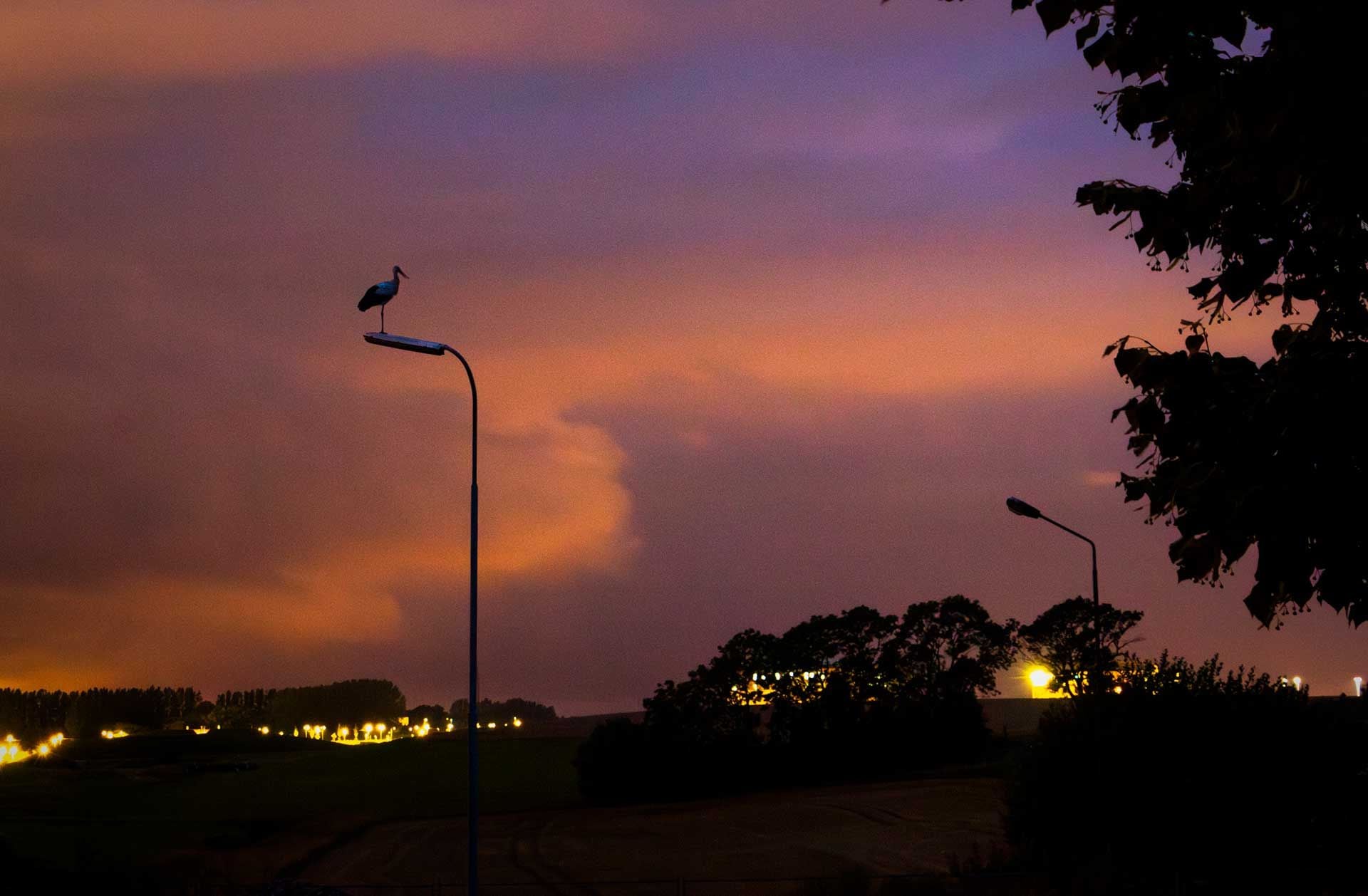
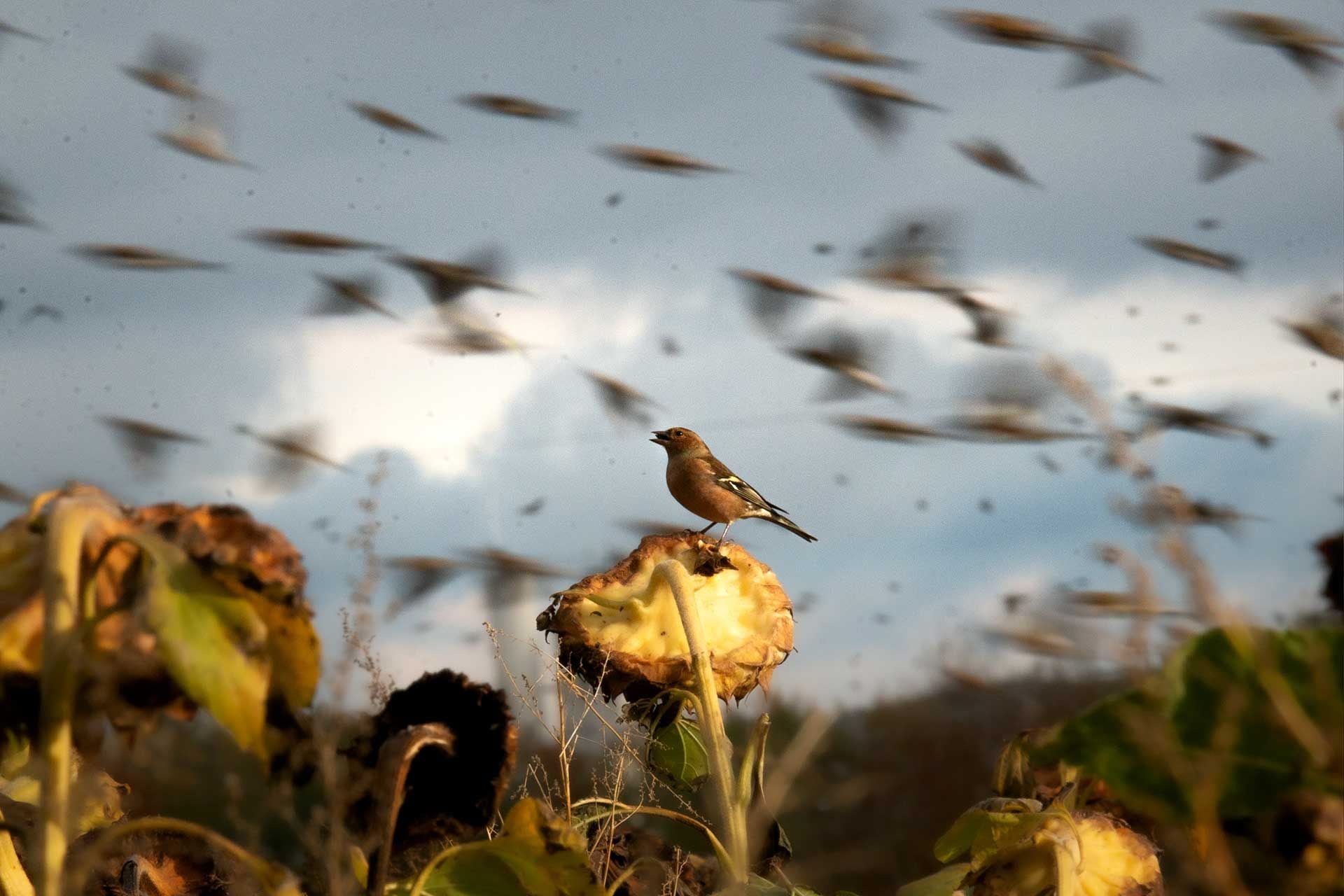
Take a look at more of Denat’s images below, and make sure to follow this talented young man’s work on his website and Instagram.
See more from DIYPhotography.net on Google
Add DIYPhotography.net as a trusted source. This makes
our stories more likely to appear in your Google Search results.
 Add as a preferred source on Google

Dunja Đuđić Kalinin
Dunja Djudjic is a multi-talented artist based in Novi Sad, Serbia. With 15 years of experience as a photographer, she specializes in capturing the beauty of nature, travel, concerts, and fine art. In addition to her photography, Dunja also expresses her creativity through writing, embroidery, and jewelry making.


Join the Discussion
DIYP Comment Policy
Be nice, be on-topic, no personal information or flames.