
















Boundless positive feedback will not make you a better photographer
May 21, 2024
Simon King

Dunja Djudjic is a multi-talented artist based in Novi Sad, Serbia. With 15 years of experience as a photographer, she specializes in capturing the beauty of nature, travel, concerts, and fine art. In addition to her photography, Dunja also expresses her creativity through writing, embroidery, and jewelry making.
Share:

It’s nice to hear nice things from others after you’ve put a lot of work into something. It’s nice to hear nice things when you’ve tried something for the first time. When you publish, or show someone something you care about, having the response be anything other than disinterest or indifference, let alone positive affirmation, is nice.
When you “release” a photograph by sharing/publishing it you pass the point at which the input or role of photographer has much influence. It is now the critical response of viewers that determine the lifetime of that photograph, not how good it is, or what the histogram looks like, purely what people think about it.
How many front page photographs had their day in the spotlight and have never been seen again, aside from maybe in the portfolio of the photographer who made it? Photographs can come and go leaving little to no impact, or they can stay in public consciousness for a long time, shape discourse, and frame entire topics.
The photographic process that results in the creation of an image is a tiny fraction of the life that image may go on to have. A split-second snapshot could have no prep-time and live on in a history book for many generations, or a photographer could put months, even years into producing an image only for it to become irrelevant the moment they hold a print of it in their hand for the first time.
Once a photograph is released via publication it will be public opinion that decides whether that image is shared and re-shared, embedded in articles, license purchased for editorial. The photographer themself has little to no control over whether their photograph will remain relevant in culture, whether it will become a meme, or placed on a curated collection. The photograph itself is what will be judged, based on its merits and qualities. These will broadly be aesthetic (which is contained within the image itself, the composition, tones, and technical execution) and contextual (not necessarily contained in the image, but relating to it, and how it fits into a wider narrative – what the image actually means).
Some of the most famous photographs of all time are aesthetically lacking (ie they are not “good” photographs by artistic standards), but maintain their place in history books and in galleries because of their contextual power. Some have no cultural relevancy outside of the story/notoriety of the photographer who made them. Some photographs are deeply touching and beautiful, but the photographer is unknown entirely.
Critique occurs consciously and unconsciously through whatever perspective the image is being examined with, whether that’s an informed, uninformed, or mal/misinformed one. Whether you know the history of the photographer, details about the gear, the cultural context, or nothing at all about an image will all contribute to your understanding of and feelings towards an image.
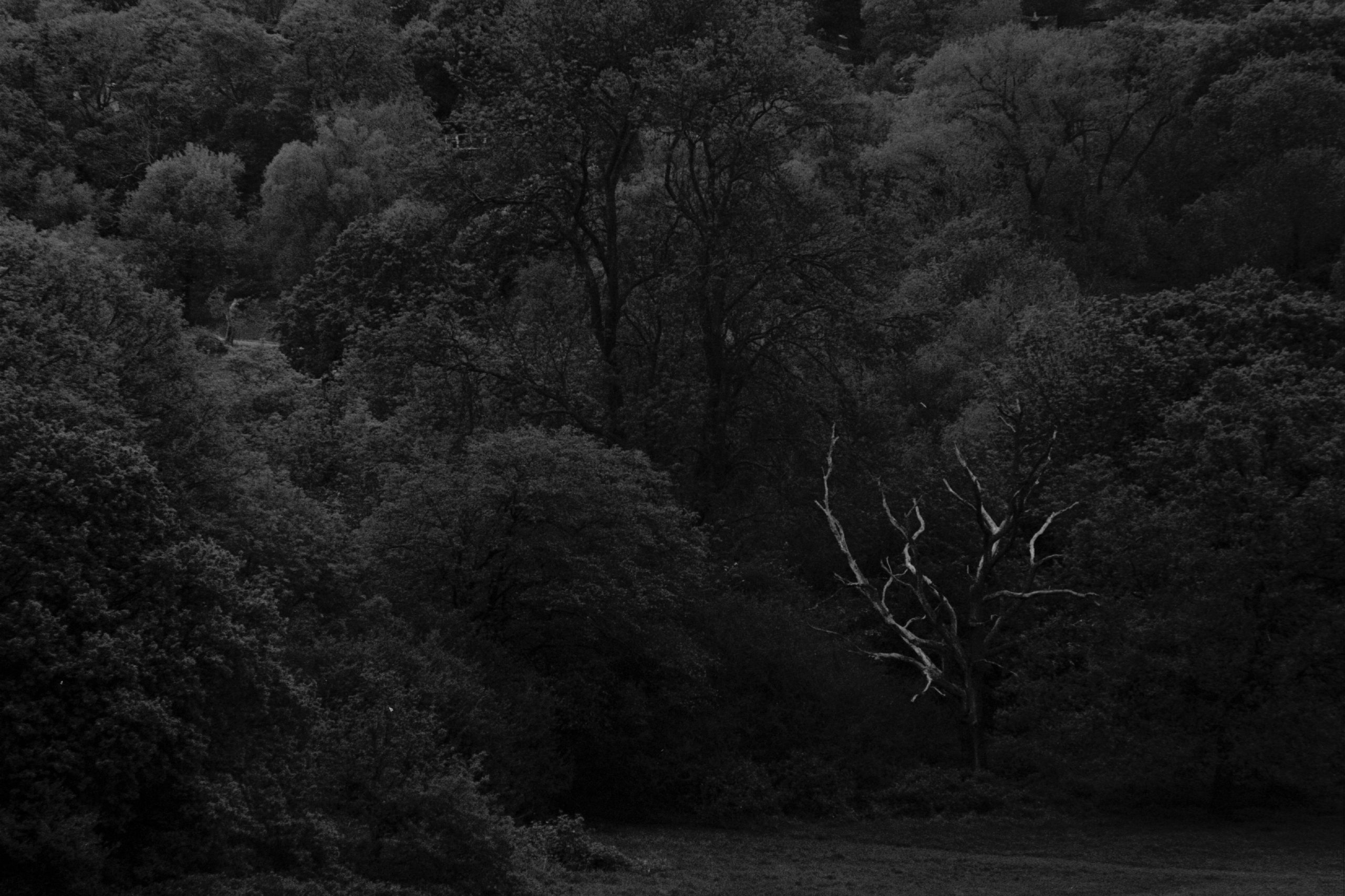
As the photographer there is only so much of this process you can control. Mainly your personal story/journey, the story you decide to tell in your images, and the parameters of the aesthetic you decide to construct those images within. In other words you choose your path, which is something someone may be interested in, you choose what you want to say in your work, which is something someone may be interested in, and you choose the creative execution and implementation, which is something someone may be interested in.
Even if you carefully craft your way through all of these possible expressions you can never be certain that someone will understand that context. From their point of view what they are looking at is the finished product, not the process. The photograph is the end result, and is what people “expect” to see. The photograph will most likely be judged by what it contains, on the aesthetic and semiotic merit, by most people. If you show a classic black and white documentary style photo-essay to someone who likes urbex, “hypebeast” imagery they just may not be the audience for it as much as someone who prefers the style of Life Magazine.
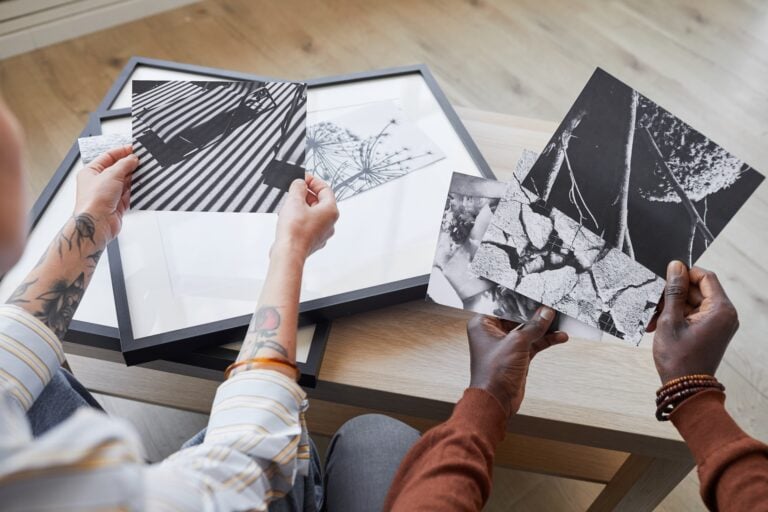
The role of feedback is entirely down to which aspects of the above you care most about. Show a family friend your holiday album in a friendly setting, and the point is to share that experience, to use the photographs to share your story, special moments, and memories. The goal of sharing those holiday images with the relative is straightforward: share the story; use the photographs to illustrate the story.
If you are looking for critical discussion and feedback on the aesthetic and tone of your holiday album then this setting would not really be the right format, nor the average family friend be the target audience to offer it. They will probably say “that’s nice, good job” which isn’t really feedback, just a platitude.
Photographers who share their work without discretion or direction or understanding who they are showing it to are setting themselves up for disingenuous interactions. When you share work online, do you really know what your goal is specifically?
Are you trying to increase your “brand awareness”? To sell something specific? For feedback? Or are you posting because it’s what everyone else is doing? If you are posting aimlessly, or have a badly defined goal, then the response to your work will never be what you want to hear, because you don’t know what you want to hear in the first place!
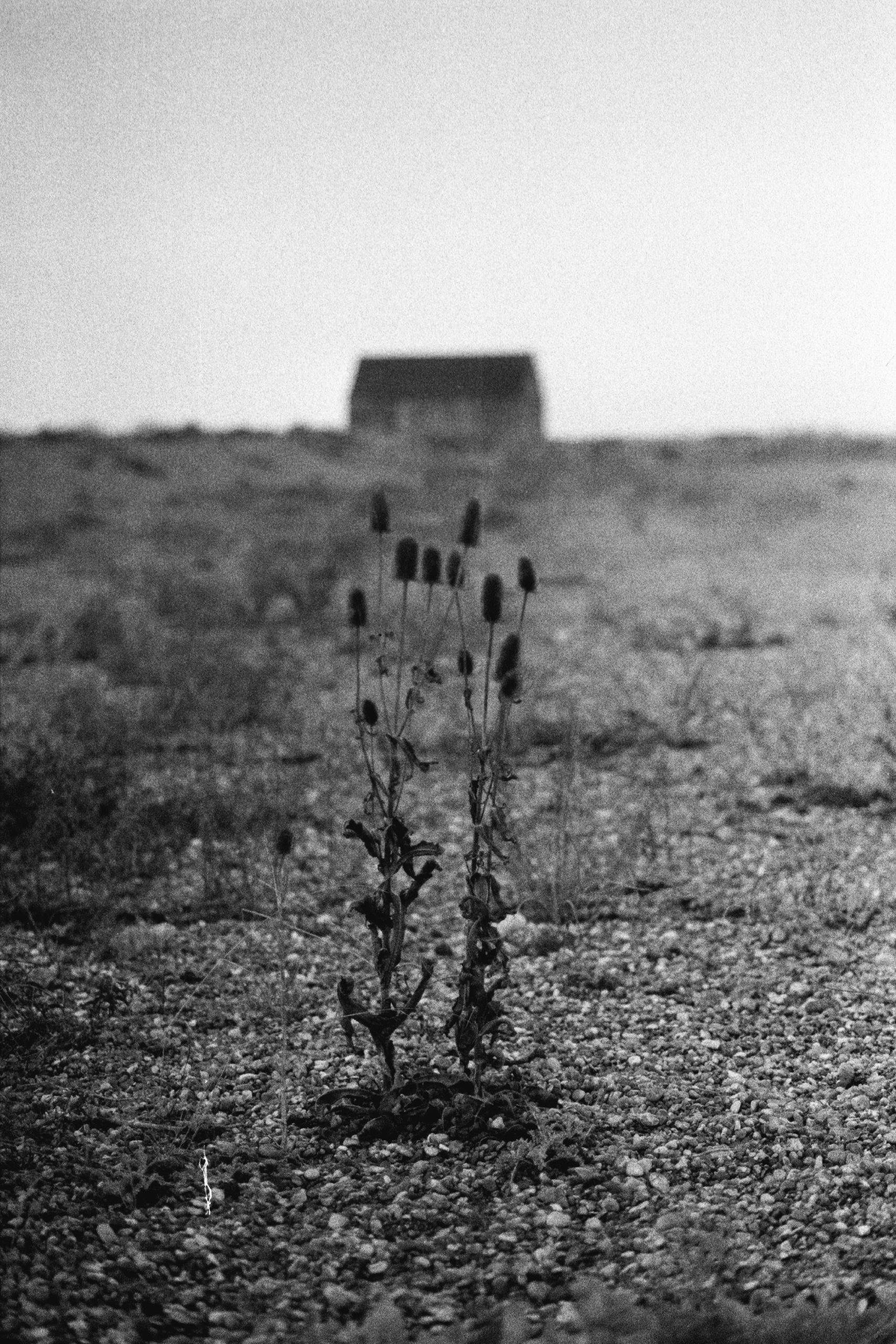
If as a photographer you want to make and share art then there are many criteria it may be judged by when an audience sees it. If you’ve made something personal then accept that someone else may have a different interpretation of your lived experience. Even though you are showing them through your eyes they will bring and attach different meaning. If you’ve made something experimental then accept that someone else may have an expectation to see something familiar, and that showing them something new does not mean their expectation went away.
Sometimes feedback and criticism isn’t what you want to hear. Sometimes you hear “I don’t like it” and sometimes you hear “this is bad”. Neither of these are insults, but it’s very easy to take personally, especially when you’ve made this part of yourself visible and vulnerable.
“I don’t like it” is fairly useless as feedback and not something I allow my students to say when doing critical assessment of work – instead I push towards language like “this works because…” or “this does not work because…”.
Whether or not someone subjectively likes something is entirely down to personal taste, and not something the photographer can or really should be influencing. Choosing to make things lots of people like may please the crowd, but it isn’t a particularly fulfilling way to be creative.
“This is bad” is actually great feedback by comparison because it implies a few things – that the critic has recognized the work, and potentially identified something the work has tried to do, and that it has failed to do that. “This is bad” can often be expanded and elaborated on in a way that “I don’t like it” can’t.
This is bad because you missed focus. This is bad because she seems sad. This is bad because I don’t understand it. This is bad because it’s too on the nose. This is bad because it makes me feel bad.
This is all closer to actual feedback, which a photographer can work with to refine their vision, or offer a better explanation, or improve their technical skill. It’s grounded in the work, and how that work either landed or failed to.
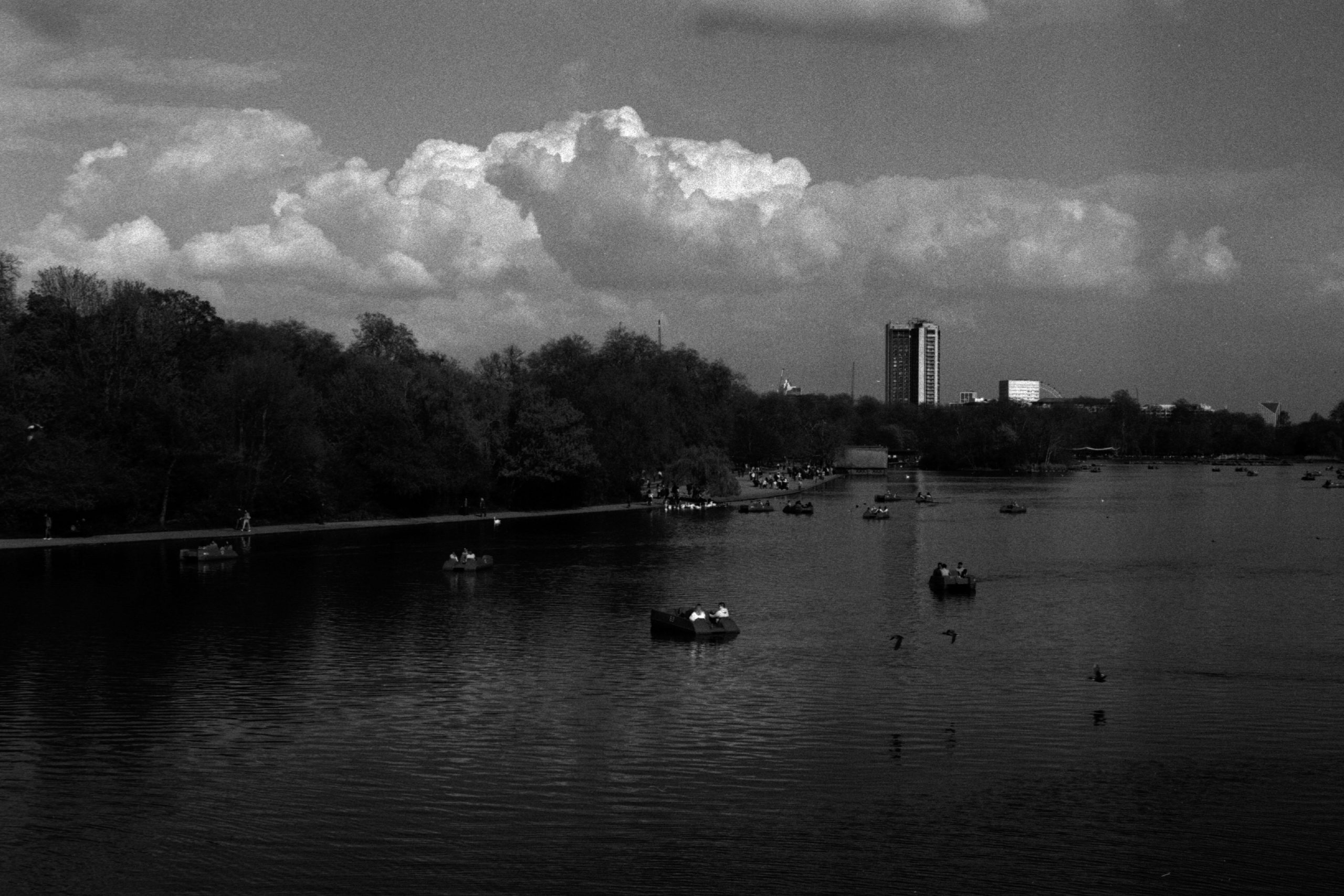
Critique without understanding the purpose might result from the artist not explaining or contextualizing effectively. Work may have been made with a strong agenda but can just look like a plain image, which means it will be judged on its photographic merit, not the philosophy behind it.
If the point of the work is just to look nice and pretty as decoration, and some people don’t like it, or don’t think it looks nice, then that’s not meaningful feedback, because what people think looks nice is subjective.
If the point is more intentional, to carry a message, or convey a meaning or feeling, or to tell a story – to relay information of some kind – then it can accomplish that, or fail to accomplish that. This is where feedback matters. This works in combination, a great storytelling image may be technically terrible and aesthetically ugly, but still serves the purpose it needs to. An image can be beautiful, a masterpiece, but not do its intended job.
With this in mind, what is the real value of boundless positive feedback? Complimenting work, or sharing your response to a work with the creator is wonderful, but I think that’s different from the kind of performative interactions on social media, which in my experience outweighs “real” compliments.
On social media it can feel like its own form of thinly veiled content, a way to position a hyperlink under someone else’s work. Industrialized communities based around the attention economy, trying to funnel eyes towards yourself, to encourage others to interact with you the way you have with them. I don’t think it’s sincere, I think its marketing disguised as enthusiasm, which makes seeking legitimacy and sincerity quite difficult.
The online space is built on constant energy, keeping people hyped up and excited so they stay engaged for as long as possible. This doesn’t leave a lot of room for real criticism, because negativity is not an effective way to keep that constant energy moving. Real progress and improvement does not come from hearing only good things, and if I hear only good things about a work of mine I view it as a bit of a problem.
An aspect of attempting to succeed is tricking yourself into believing that you can really make an impact, make a difference, spread a message, maybe even change the world. Realistically (and statistically) that is simply not going to happen. While photography is one of the most powerful tools for communication we have access to, with a role in shaping recent history and affecting many lives, most of us will not contribute much in that regard, even across a lifetime of dedicated practice.
Boundless positivity feeds into and reinforces this delusion. No one wants to kill the party, seem like they are not part of the community, and real feedback might risk this. Actual critique may cut through rather than contribute to the façade, and there may be consequences for that, whether that means being seen as a “hater” or being less welcome in those positive feedback loop spaces. When I want to improve in an area of my work I try and go about that process of improvement as sincerely as possible. When I have something to say it’s the message that will be important, not necessarily peoples opinions of that message. I don’t find that boundless positivity has a place in this approach.

About Simon King
Simon King is a London-based photographer and photojournalist, currently working on a number of long-term documentary and street photography projects. You can follow his work on his website and Instagram and read more of his thoughts on photography on his personal blog. Simon also teaches UALÔÇÖs short photography course, which you can check out here.
We love it when our readers get in touch with us to share their stories. This article was contributed to DIYP by a member of our community. If you would like to contribute an article, please contact us here.
Related Posts
 This photographer received a 30-page feedback from his client
 Wedding photographer with asthma gets COVID-19 after groom hides he was positive
 How to ask for photography feedback: A beginner’s guide to seeking self-improvement
 Perfect Imperfections: Embracing And Empowering Positive Body Image [NSFW]
Join the Discussion
DIYP Comment Policy
Be nice, be on-topic, no personal information or flames.
One response to “Boundless positive feedback will not make you a better photographer”
Should be read by all of those who think that winning the instagram game legitimizes their work. Great insight here, thx.