







More Than Documenting: Five Major Roles of Photography in Times of Global Turmoil
Feb 21, 2026
Dunja Đuđić
Dunja Djudjic is a multi-talented artist based in Novi Sad, Serbia. With 15 years of experience as a photographer, she specializes in capturing the beauty of nature, travel, concerts, and fine art. In addition to her photography, Dunja also expresses her creativity through writing, embroidery, and jewelry making.
Share:
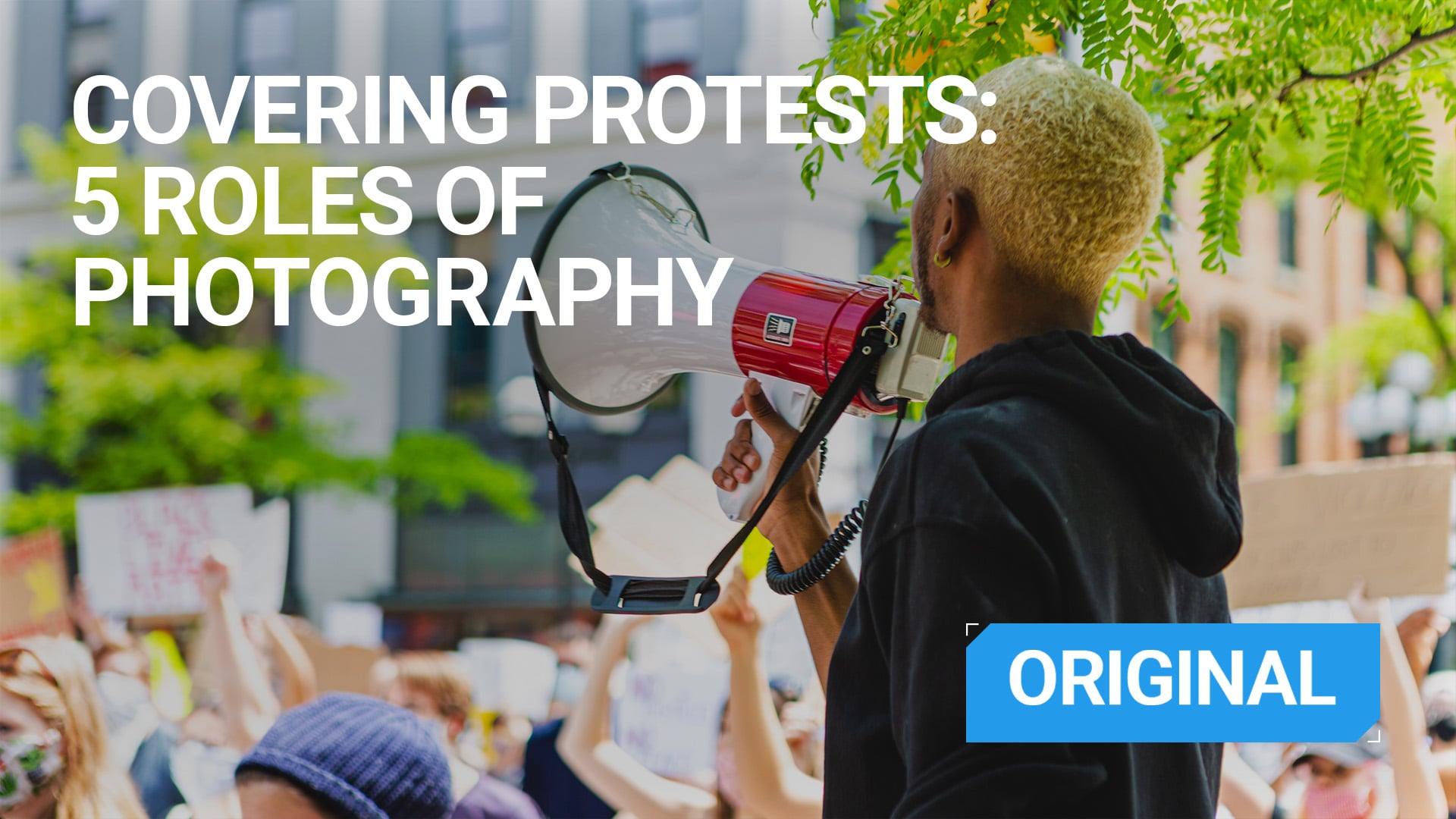
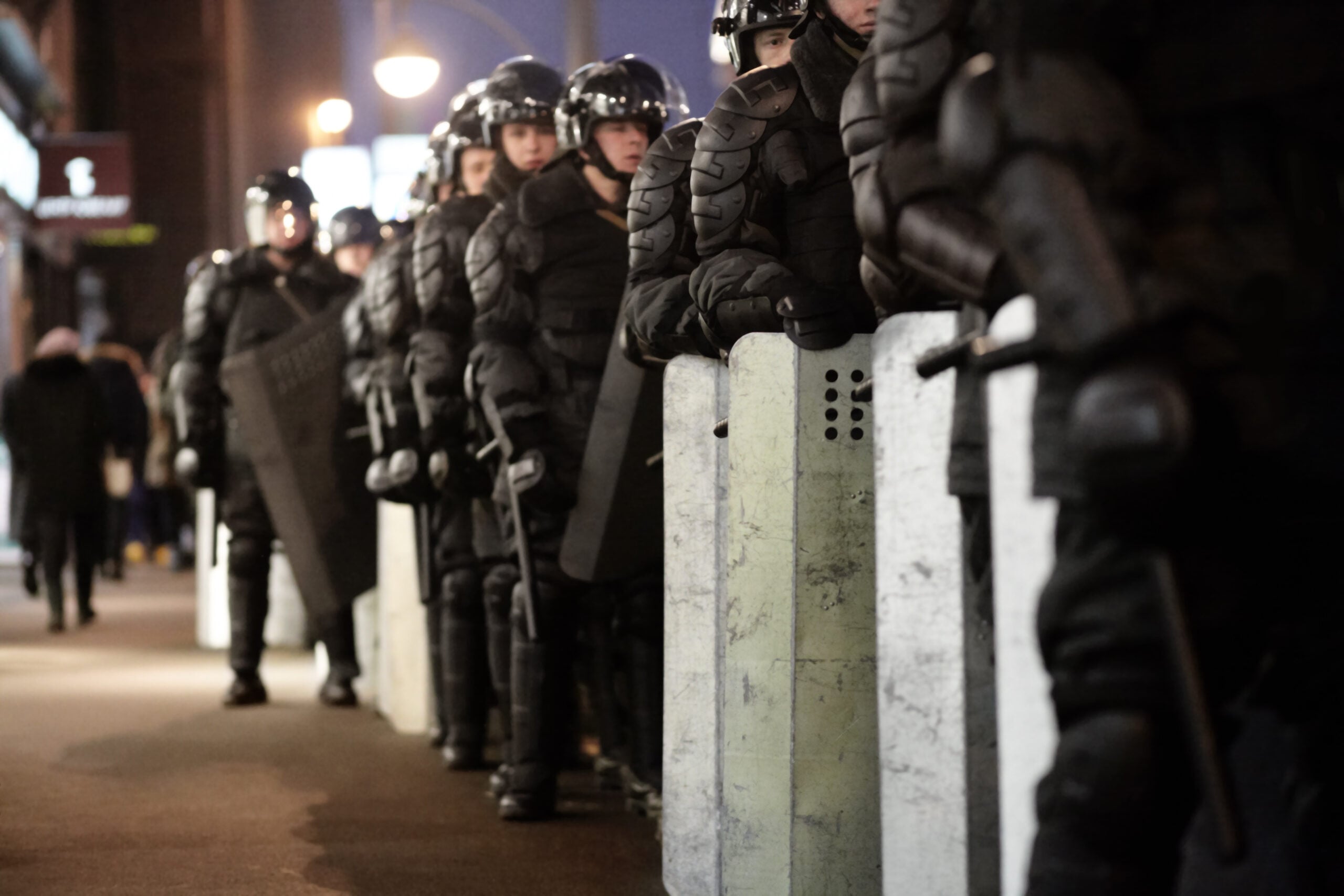
I feel like saying “the world has gone to hell” is an understatement at the moment. As I’m writing this, the people in my hometown are in the streets again. The police beat up high school and college students in the streets and protect the criminals in the government. And that’s just events in one small, insignificant country in the Balkans.
The entire world is burning, and we’re witnessing it. What’s more, we’re documenting it, keeping a record of the major changes we’re going through. As a photographer living through yet another year of absolute global and local hell, I started thinking about photographing protests and the roles of photography in the context of all this.
I rarely shoot violent riots as they unfold; I’ve only covered peaceful protests and gatherings. And I often feel guilt gnawing at me for not being on the very front lines, not documenting every clash and every moment of brutality. But I, like many other photographers, do use photography in several other ways. Today, I want to talk about the different roles photography can have in times of turmoil and insecurity: how it shapes us, helps us, and gets us through everything that’s happening around us.
[Related Reading: Feeling drained? Here’s how to recharge after photographing disasters and riots]
Photographing Protests to Document History
This is probably the most obvious role of photography in times like these. When you go to protests and rallies with your camera, you’re documenting history as it unfolds before your eyes. As for the ongoing protests in Serbia, I think some photos have already become iconic, even before all of this is over. Not only have they gone viral, but they have also become symbols of unity, fight, and resistance nationwide.
Photographers go to great lengths not only to capture, but also to save their photos. Just remember John Abernathy, who threw his expensive Leica to save the shots he’d taken as agents tackled him. Photos you take at rallies speak thousands of words, and so do the actions you take to save them. Needless to say, I admire every photographer who goes straight into the hornet’s nest to document events, whether for work, a portfolio, or future generations.
Gathering Evidence
This may not be on your mind as you take shots under pressure and a massive rush of adrenaline, but it’s a big one. As you take photos at protests, especially when things heat up, your images might serve as evidence. I like to believe that anyone who’s beating up innocent people in peaceful protests will end up in court. Well, at least some of them will, for now. And when that happens, your photos and videos may serve as evidence to get them convicted.
Contributing
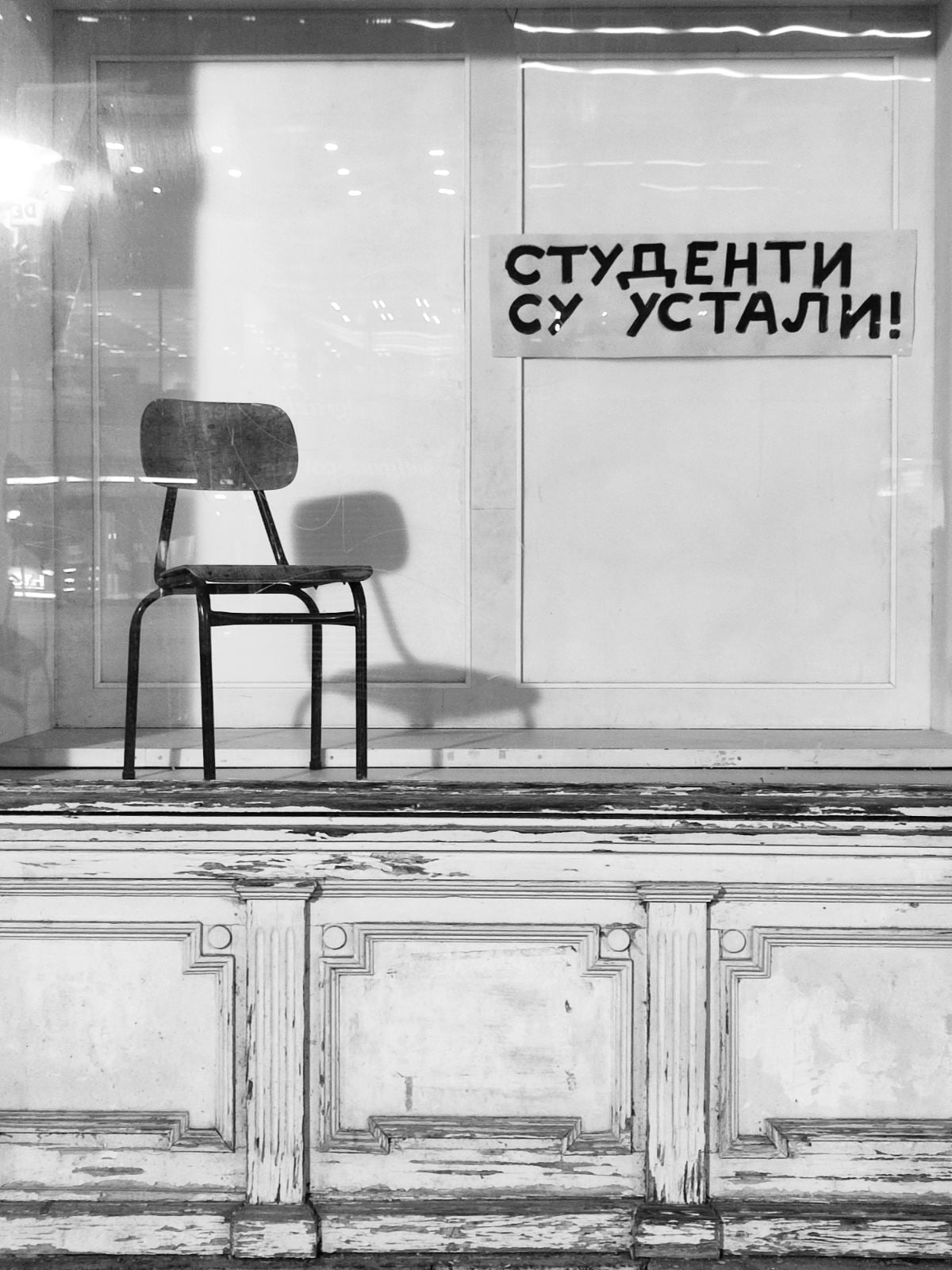
You can contribute to a cause with your photography in different ways. I’ll give you an example. When students in Serbia blocked colleges, a group of people gathered to cook for them and bring them everything they needed to stay as long as necessary. Of course, they needed funds for the food. I participated by selling handmade badges and crochet items, and donated the money for the cause. You could do the same with your photos, for any cause close to your heart.
For example, you can sell prints and donate the money. You can organize an exhibition or a workshop to collect money for the cause. You can license your photos, and the money you earn can go to the cause as well. The possibilities are many. If you feel the need to financially contribute to the cause, you can do so through your photography or other artwork.
© Dunja Đuđić
Participating and Feeling Less Lonely
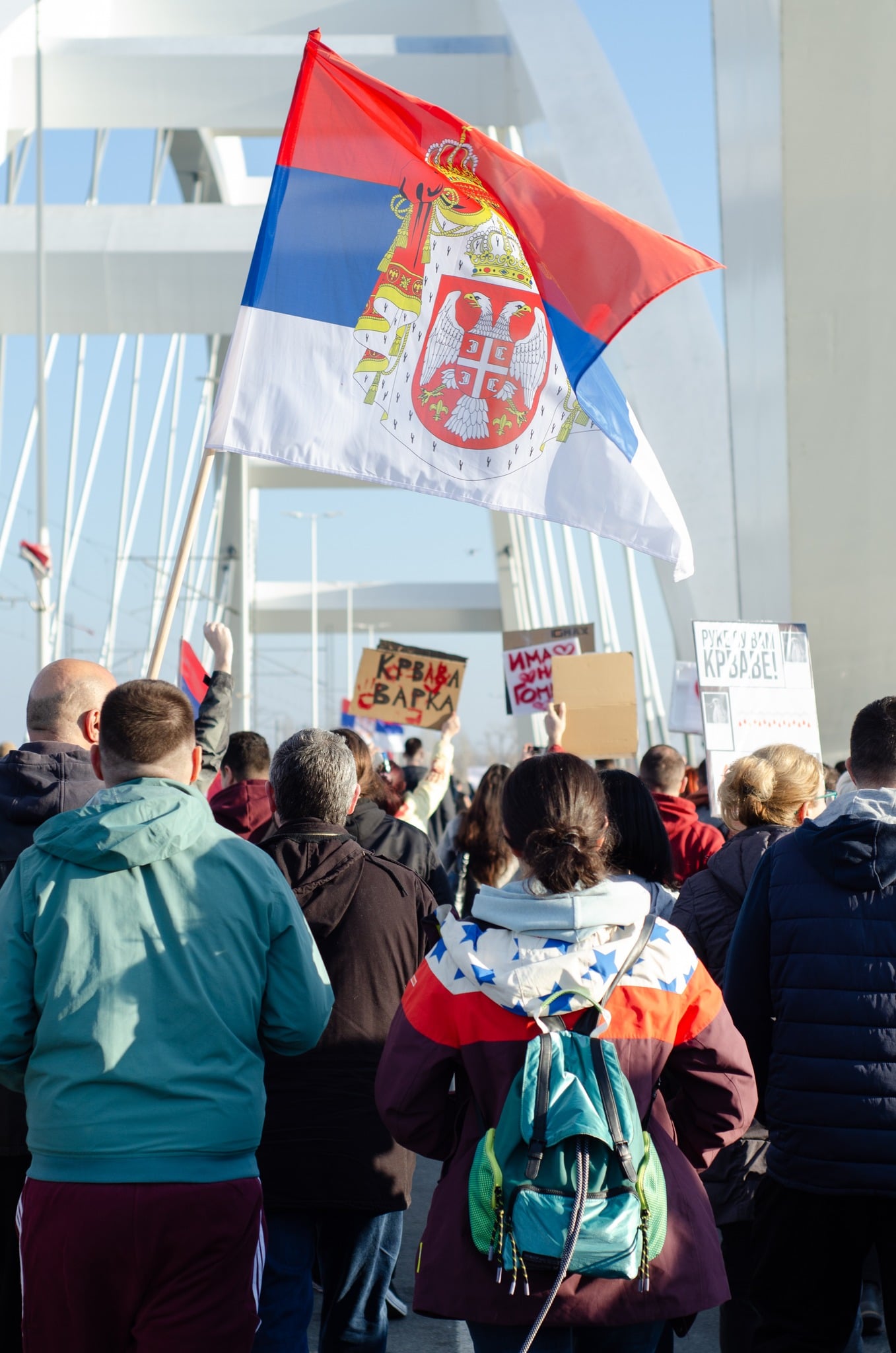
This is one of the things that drives me most: simply participating. Documenting protests, peaceful or not, makes you feel like you’re a part of something bigger. I personally avoid bringing my camera when I think the protests will turn violent. The simple reason is that I can’t afford a new one if something happens. I can’t just toss my old Nikon and get a new one if it breaks or a “brave” policeman throws it on the ground while beating me up.
Still, I take some photos with my phone. I enjoy being a part of something bigger than me and keeping the “proof” just for myself. I often get overwhelmed by everything going on in Serbia and the world, and these photos serve as a reminder that there are many people on the right side of history and that I’m not alone.
Connecting
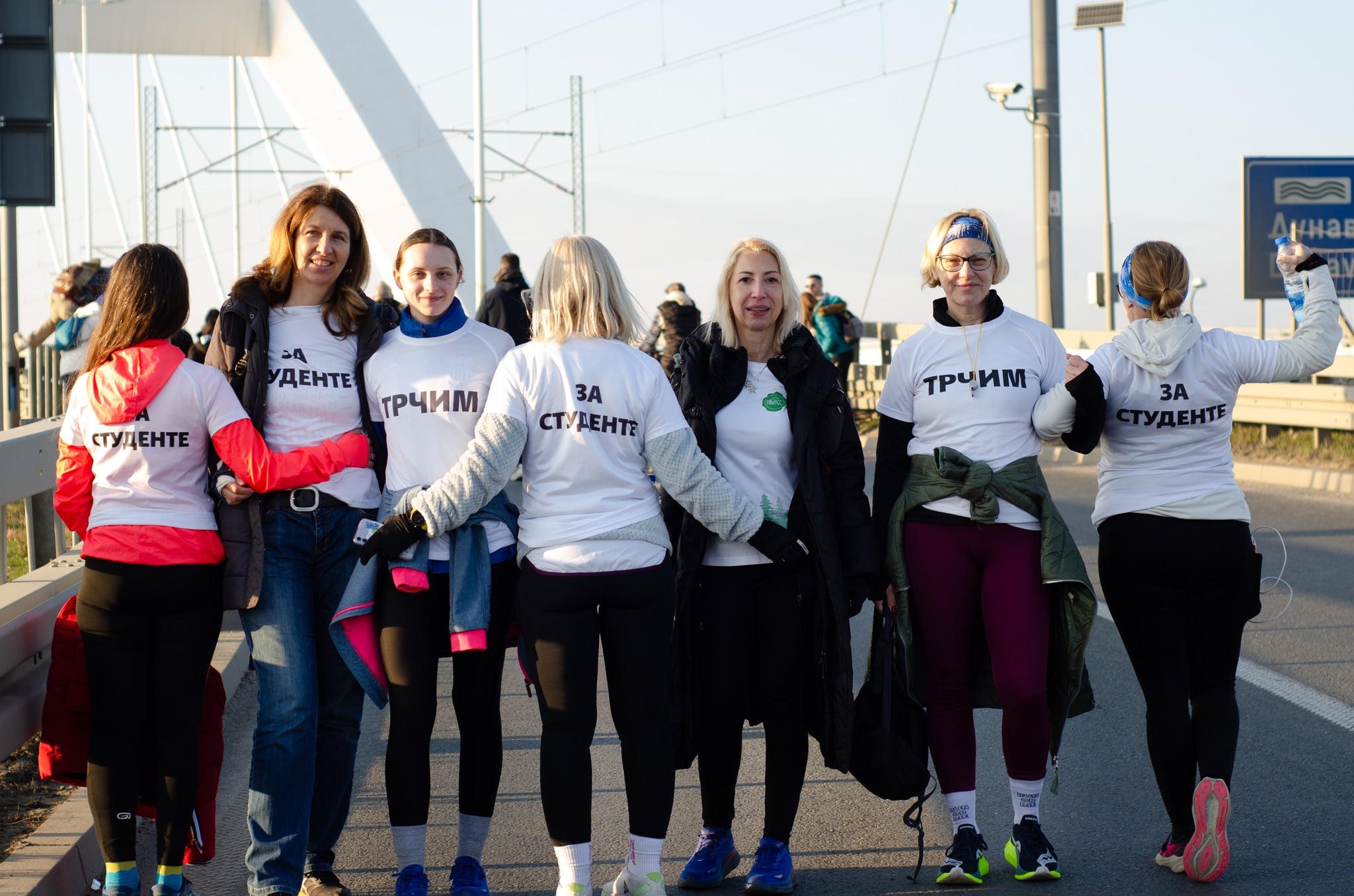
Related to the previous, photographing protests is also a way to connect and get to know like-minded people. I’ve met several photojournalists since all of this began, as we’ve marched side by side. I’ve learned a lot from them in terms of safety and workflow. Not to mention that they’re also great people you can talk to about just anything.
I’ve also interacted with plenty of fantastic people fighting for the same cause, photographing them and their super-creative banners. I photographed fellow runners who ran from Belgrade to Novi Sad to attend a protest this time last year (that’s 80 km/50 miles, folks). You don’t necessarily need the camera to interact and connect. But sometimes, it opens the doors to deeper interaction and to exchanging stories.
© Dunja Đuđić
Emotional Regulation
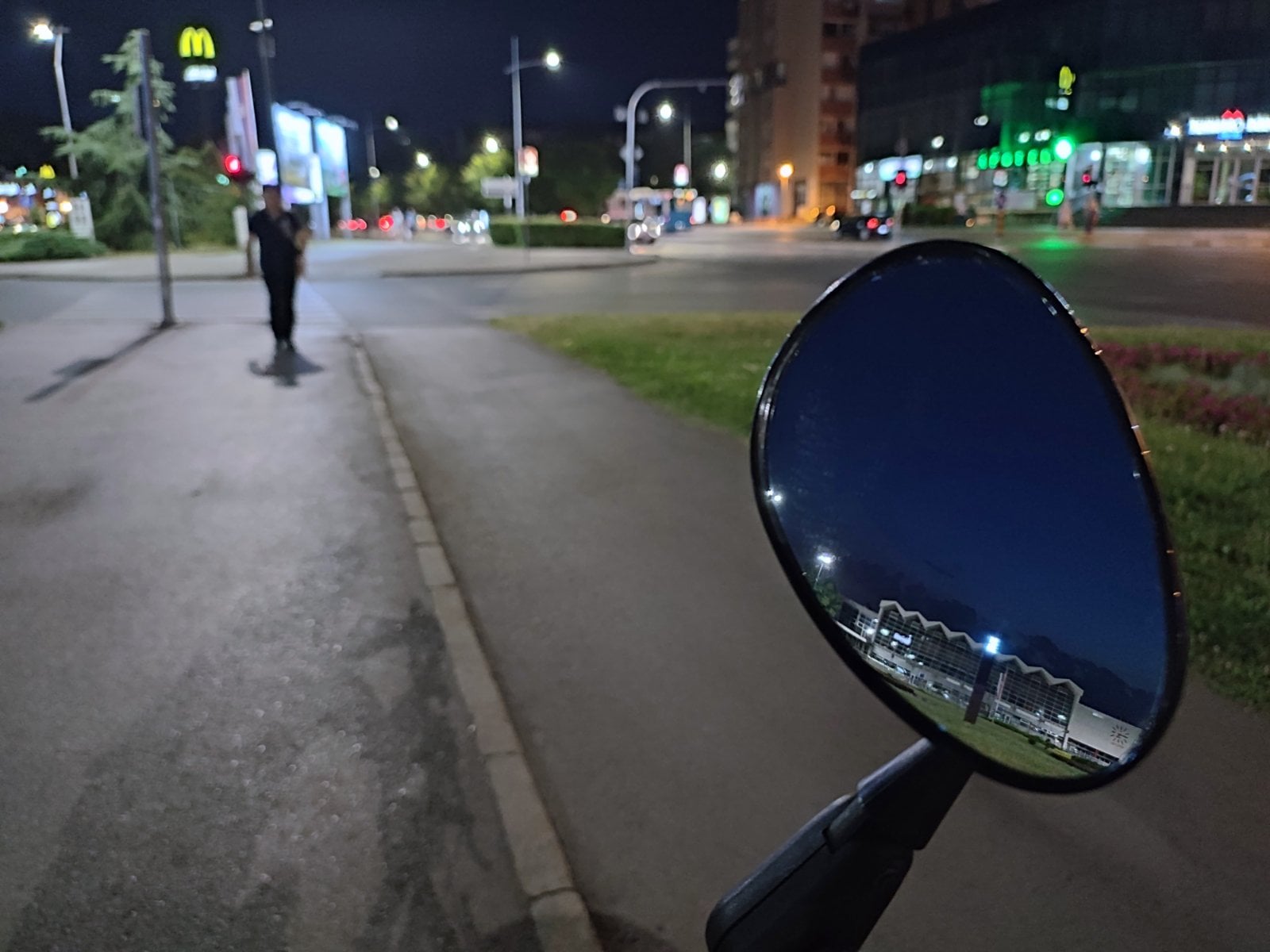
This is a big one for me. I’ve already written about using photography as a tool to cope with your emotions and tough times. But as protests unfold, I use photography a bit differently – not as long-term projects with elaborate setups and edits, but as a form of on-the-spot emotional regulation.
As I said, I often get overwhelmed by everything that’s going on. I mean, it’s not that difficult given the amount of sh*t happening daily. And when I’m protesting, the intensity of the situation sends my anxiety through the roof. In moments like this, photography serves simply as a grounding technique. I just take my phone and look for anything I could snap. When I was with the bicycle protest crew in my hometown, I’d look for reflections and shadows whenever we were taking a break. That is, when I wasn’t on high alert, expecting some pro-Vučić freak to hit us with a car. When I’m on foot, I look for details like I normally would, taking snaps along the way.
© Dunja Đuđić
Photography is a powerful tool for placing you in the “here-and-now,” and I recommend it wholeheartedly. However, I must stress this – when you’re in potentially violent and dangerous situations like this, don’t get completely immersed in taking photos. It’s important to stay alert and aware of the surroundings at all times. I suggest taking photos when you’re sure it’s peaceful and safe, to ground yourself and regulate the accumulated stress of attending or photographing a protest. But while things are heating up, be mindful of what’s going on around you and keep yourself safe.
More Than Just Documenting
In times of turmoil, photography becomes a means of preserving history. But photographing protests can have way more layers than that. Photography becomes a connection, a contribution, and sometimes even a means of regulation and survival. It allows us to bear witness when words fail, to support causes when we feel powerless, and to ground ourselves when everything feels like it’s spinning out of control.
Not everyone has to stand on the front lines with a camera pressed to their eye. But in one way or another, we are all witnessing this moment. And through photography, we claim our place in history. We remember that we were there, we saw what was happening, and it mattered to us. We can all contribute to the right cause in some way. And photography alone has more than just one role and can go far beyond the front lines.
If you have photographed protests and rallies, feel free to share your tips, tricks, and thoughts in the comments. Would you agree that photography has multiple roles, or is it just the front-line shots that count? I’d love to hear your thoughts, even if we disagree.

Dunja Đuđić
Dunja Djudjic is a multi-talented artist based in Novi Sad, Serbia. With 15 years of experience as a photographer, she specializes in capturing the beauty of nature, travel, concerts, and fine art. In addition to her photography, Dunja also expresses her creativity through writing, embroidery, and jewelry making.


Join the Discussion
DIYP Comment Policy
Be nice, be on-topic, no personal information or flames.