

























Nikon Loses Chinese Lens Mount Patent After Viltrox Challenge
Jul 29, 2026
Alysa Gavilan
Alysa Gavilan has spent years exploring photography through photojournalism and street scenes. She enjoys working with both film and mirrorless cameras, and her fascination with the craft has grown over the decades. Inspired by Vivian Maier, she is drawn to capturing everyday moments that often go unnoticed.
Share:

A patent dispute over Nikon’s lens mount design has reached a significant milestone in China.
First reported by Nikon Rumors, which obtained the full 25 page decision, the China National Intellectual Property Administration (CNIPA) has invalidated Nikon’s Chinese invention patent covering key aspects of its camera accessory mounting system. The decision offers a detailed explanation of why the patent was struck down.
The decision concerns Nikon patent 202010127062.4, titled Accessories, which covers the mechanical interface between a camera body and an accessory such as an interchangeable lens. Shenzhen Jueying Technology Co., Ltd., better known as Viltrox, filed the invalidation request in December 2025.
What the patent covered
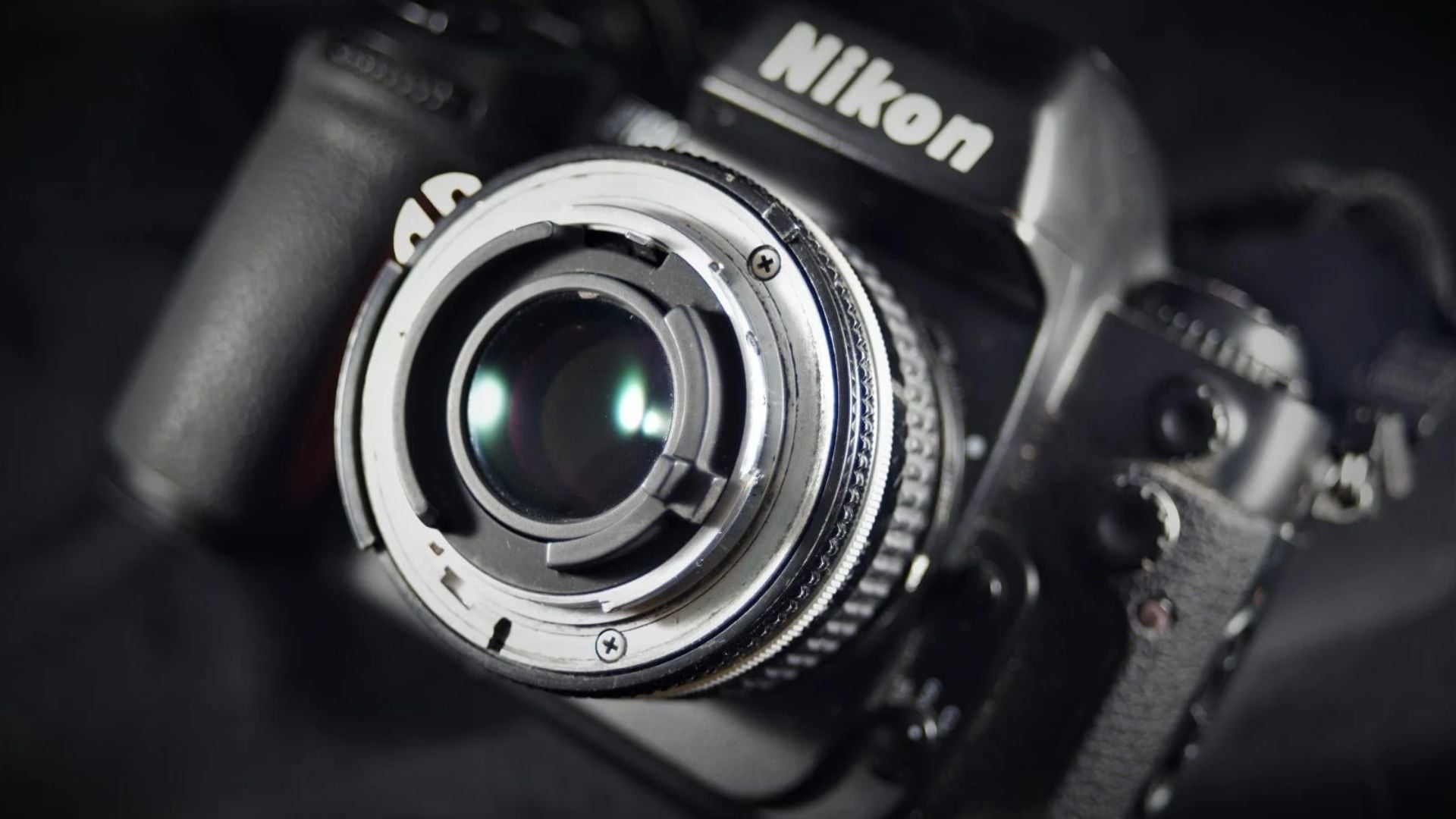
The patent focused on the physical design of a camera accessory mount rather than the optical design of a lens.
According to the decision, Nikon claimed a specific arrangement of four protruding locking lugs on the accessory side that engage with matching recesses on the camera body. It also covered the angular relationship between those lugs and the placement of the electrical contact group within a limited section of the mount.
Nikon argued that the design offered several practical advantages. These included preventing incorrect lens installation, protecting the electrical contacts during mounting, improving resistance to impact, and ensuring the accessory locked securely after rotating into position.
The patent originated from a Japanese priority application filed in October 2017 before being submitted in China on October 25, 2018. CNIPA granted the patent on March 9, 2021.
Why Viltrox challenged the patent
Viltrox sought to invalidate all of the patent’s claims in December 2025, arguing primarily that the invention lacked an inventive step under Article 22(3) of China’s Patent Law.
The company also raised concerns involving claim clarity, amendments, and priority. However, the examination ultimately centered on the question of inventiveness.
To support its case, Viltrox cited three earlier patents that it argued already disclosed the key concepts behind Nikon’s design. One describes a low profile lens mount system, another covering a camera body and interchangeable lens with bayonet mount features, electrical terminals, and anti misinsertion mechanisms. The third one relates to a camera accessory mounting detection device.
During the proceedings, Nikon amended its patent claims in February 2026, reducing them from 11 claims to 10 by incorporating additional features into the main independent claim.

Why CNIPA ruled against Nikon
After reviewing the amended claims, CNIPA’s examination panel concluded that the invention still failed to demonstrate an inventive step.
According to the decision, the differences between Nikon’s patent and the closest prior art were either already disclosed in the earlier patents, suggested by combining those references, or represented common technical knowledge within the field of camera lens mount design.
The panel specifically found that design choices such as using four locking lugs instead of three, adjusting their relative sizes and angular positions, and locating one lug outside the electrical contact area would have been obvious to someone skilled in the field.
It also concluded that the advantages claimed by Nikon, including improved protection against incorrect installation, better shielding of electrical contacts, stronger impact resistance, and more balanced force distribution, were predictable engineering results rather than evidence of a patentable invention.
In other words, the panel viewed the claimed improvements as routine optimizations of existing lens mount technology instead of a new technical breakthrough.
Patent declared entirely invalid
Based on those findings, CNIPA declared all claims of patent 202010127062.4 invalid under Article 22(3) of the Chinese Patent Law for lacking an inventive step.
The decision was issued on July 17, 2026, following an examination process that began after Viltrox filed its invalidation request in late 2025.
Although the ruling invalidates the patent in China, it may not be the final chapter in the dispute. Under Chinese law, Nikon or another interested party has the right to file an administrative lawsuit with the Beijing Intellectual Property Court within three months of receiving the decision.

What it means for photographers
The ruling focuses on patent law rather than camera performance, so photographers should not expect any immediate changes to Nikon cameras or lenses already on the market.
Instead, the decision highlights how difficult it can be to secure exclusive rights over mechanical designs that build upon well established engineering concepts. Lens mounts may look simple from the outside, but even small details involving locking tabs, contact placement, and alignment mechanisms can become the subject of years of legal scrutiny.
Now that the complete decision is public, it also provides a rare look into how Chinese patent authorities evaluate inventiveness in camera technology. For manufacturers developing third party lenses and accessories, the outcome could become an important reference in future patent disputes. It will also be interesting to see whether Nikon decides to challenge the ruling before the Beijing Intellectual Property Court.
See more from DIYPhotography.net on Google
Add DIYPhotography.net as a trusted source. This makes
our stories more likely to appear in your Google Search results.
 Add as a preferred source on Google

Alysa Gavilan
Alysa Gavilan has spent years exploring photography through photojournalism and street scenes. She enjoys working with both film and mirrorless cameras, and her fascination with the craft has grown over the decades. Inspired by Vivian Maier, she is drawn to capturing everyday moments that often go unnoticed.




Join the Discussion
DIYP Comment Policy
Be nice, be on-topic, no personal information or flames.