












Tutorials

Here’s how you can edit Blackmagic RAW footage in Adobe Premiere Pro CC
Jul 5, 2019
John Aldred
When the news that Blackmagic were replacing CinemaDNG with their own Blackmagic RAW format, there was a mixed reaction. It’s Blackmagic’s own format, offering a…

How to balance your strobes with ambient light on location
Jul 2, 2019
John Aldred
Many users of flash feel quite comfortable with it in the studio. The studio makes things fairly straightforward. You expose to eliminate all the ambient…

Why shutter angle is way better than shutter speed when shooting video
Jun 28, 2019
John Aldred
Although “shutter angle” is mostly a digital concept these days rather than a physical thing, it’s the term that determines how the camera calculates your…

5 easy shot transitions you can make using a gimbal
Jun 27, 2019
John Aldred
Gimbals are fantastic tools for filmmakers. Personally, I’m quite partial to Zhiyun, having a Smooth C, Crane 2 and Crane 3 LAB at my disposal….

Five simple tricks to turn harsh sunlight into a nice, flattering light
Jun 27, 2019
Dunja Đuđić Kalinin
Shooting in direct sunlight is something most photographers and filmmakers avoid. The light is harsh and not very flattering, but sometimes you’ll be forced to…
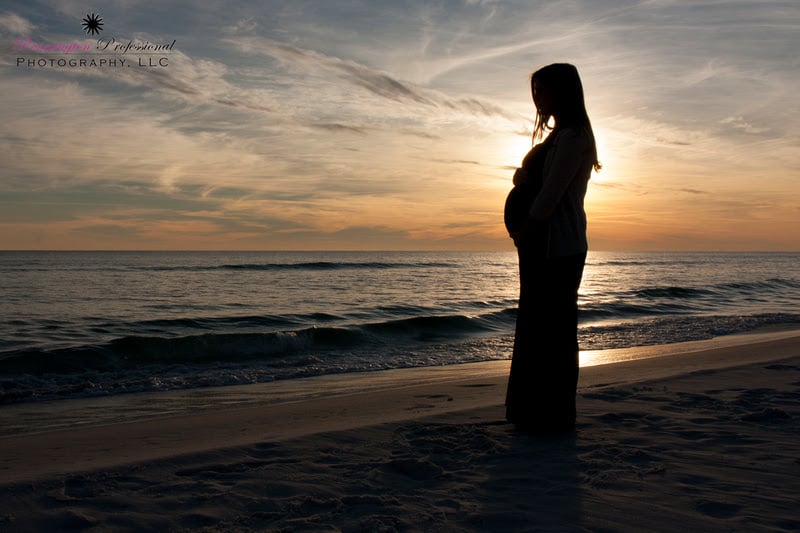
A complete guide to sunset beach silhouette photography
Jun 26, 2019
Christi Pennington
Mysterious. Curious. Magical. These are some of the ways to describe a silhouette. Silhouettes are different from other forms of photography in that they give…

How to get clean and simple background when photographing birds
Jun 24, 2019
Dunja Đuđić Kalinin
When you photograph birds, their beauty really gets in focus against a clean and simple background. But when you’re out there with your camera, it…

How to create a perfect (fake) burger for a photo shoot
Jun 24, 2019
Dunja Đuđić Kalinin
You probably already know why burgers look delicious in ads, yet they usually look pretty sad when you unwrap them. It’s because food photographers often…

Depth of Field: the ultimate beginner’s guide to controlling depth of field using lens aperture in nature photography
Jun 20, 2019
Shreyas S. Yadav
If you are just starting out with photography, you’re learning about plenty of new concepts. Depth of field is one of them. Although it’s one…

How many photos should you stack when shooting the night sky?
Jun 11, 2019
Dunja Đuđić Kalinin
Star stacking is a commonly used technique among astrophotographers. It helps you to reduce noise and end up with better images of the night sky….