














First Look: The Sigma FP2
Oct 23, 2026

Share:

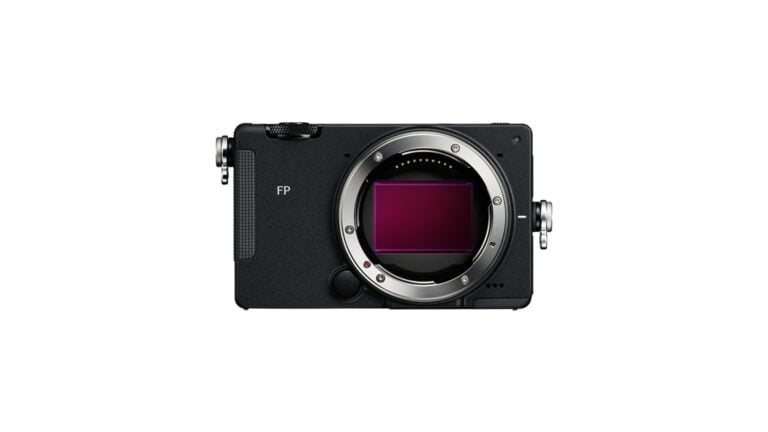
Earlier today, Sigma announced the launch of the all new FP2, a hybrid cinema/stills camera that boast not just a full-frame 24-megapixel sensor, but also the title of world’s smallest interchangeable lens camera. Sigma has called this their retro-modern camera that’s small in footprint but purpose-built for the biggest filmmaking jobs, I happily accepted their challenge on one of their biggest claims: The FP2 should be a consideration for photographers as well. This is will not be a full review, but more of the first impressions with the FP2.
The Sigma FP2 Key Features

The following list of features was taken from the B&H Photo Video product page for the camera:
- 24MP Partially-Stacked Full-Frame Sensor
- Ultra-Compact & Modular Design
- 6K Open Gate Raw Video Recording
- 3.15″ Tilting LCD Screen
- 20 fps Continuous; ISO 6-102400
- Fast, Improved AF Performance
- Selectable Color Modes
- 2 x USB-C Ports; Full-Size HDMI Output
- 70GB Internal Memory
How’s it Going so Far
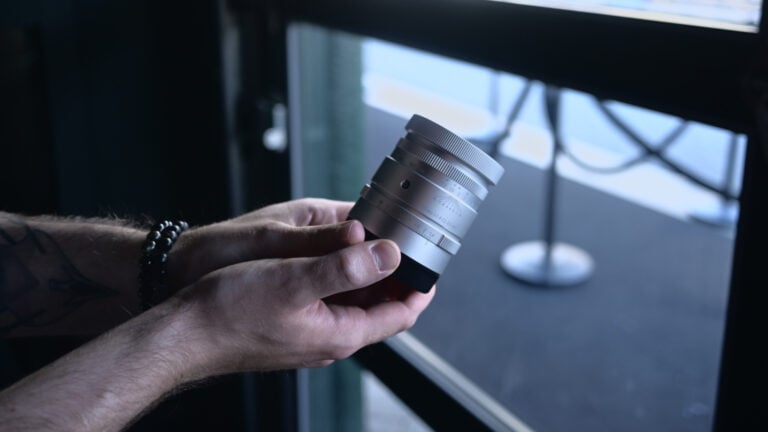
It’s been just shy of 24 hours since I first picked up the Sigma FP2 at its New York launch and I’m beginning to understand what and who this camera is really great at. There are a few things that need to be repeated (and will most likely be repeated throughout this article) is that this camera feels impossibly small. I say this having used the LUMIX S9 which is a camera body that more people might be familiar with. As someone who’s often wished they could have a camera that was full-frame and ACTUALLY fit in their pocket, the Sigma FP2 immediately feels like a godsend. At only 4.4-inches x 2.8-inches x1.6-inches, it feels like a large pager with a lens attachment than it does a traditional camera. This is the first time I confidently was able to put a camera with a 50mm F2 lens into my jacket pocket – it slides in and I could zip up the pocket without ripping fabric or owing Sigma money for a damaged loaner.
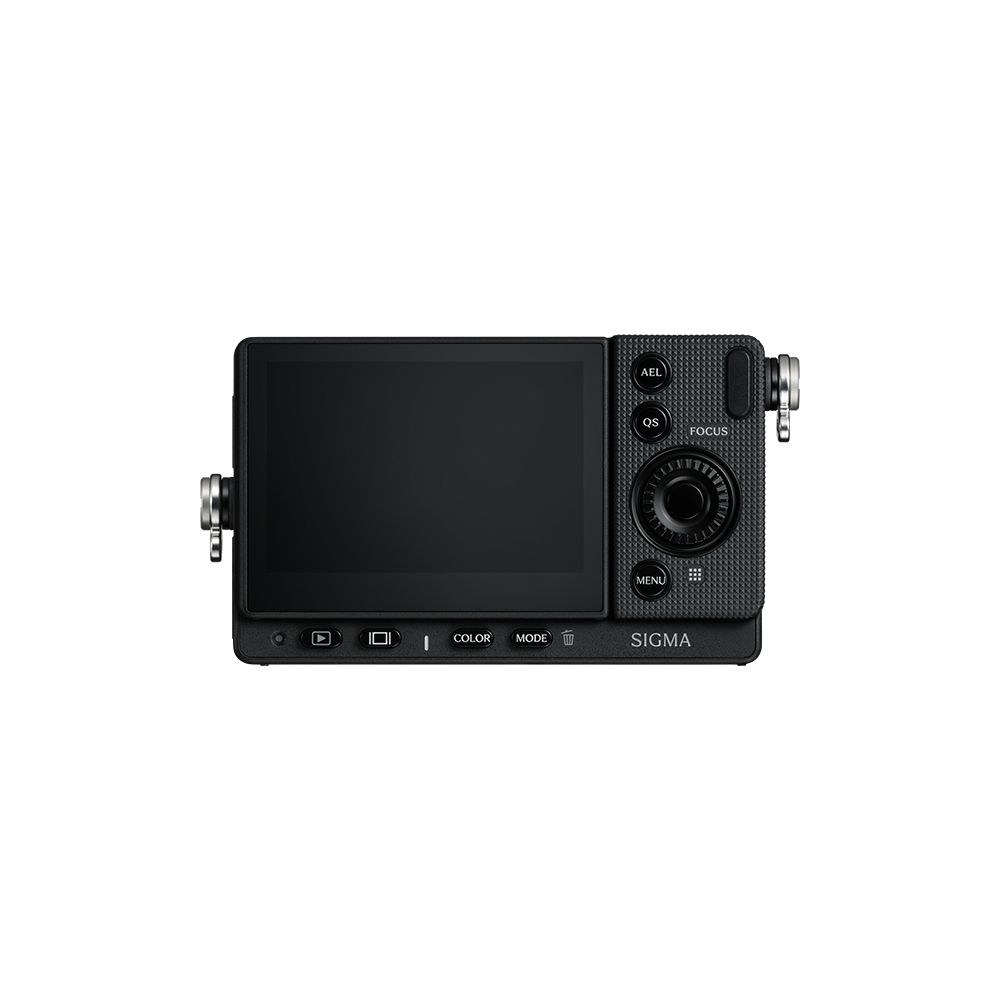
The size of the camera a whole – body and attached lens – helps this camera disappear into the photographer’s hands for sure, but another feature that allowed me to go into full stealth mode was the tilting rear screen. This is immediately a big upgrade from the original FP which had a fixed rear monitor. The new tilting LCD can tilt upwards a full 90-degrees and downwards for 45, each allowing you to easily shoot angles that are not at eye level. On the street, this allowed me to walk around shooting mostly unnoticed. Not that that’s the only way to make photographs on the street, but it is especially helpful if you’re not comfortable having direct interactions with people or prefer a more passive approach to street photography.
Initial Image Impressions
I’m genuinely on the fence about how I feel about these images. I’ve yet to work with any of the DNG files and are sharing a handful of snaps taken around the Jacob Javitts Center and Financial District. The camera comes preloaded with 13 color profiles for your JPEG images, but so far I found myself gravitating to the camera’s Monochrome and Foveon Classic Yellow profiles. I expect this to change as I spend more time with the camera.
Below are a series of unedited JPEG images taken with the Sigma FP2:


First Impressions
It’s important to note that I’m currently testing the Sigma FP2 without any of the available accessories for the camera – including and importantly, without the EVF or handgrip. Without these attached, the camera is incredibly lightweight and even pocketable. Adding these to the body will undoubtedly impact just how small the camera actually ends up being in practice as well as how much battery life you can get out of the FP2. I’m glad to see the Sigma has opted for a bigger batter in the FP2 than its predecessor, but I wonder/worry just how well it’ll handle the added “stress” of the EVF attachment. Still, for what it’s worth, I was able to use the Sigma FP2 on a single charge for about six hours and returned home with 20 percent still left in the tank.
So far, it’s been a solid start with the FP2 as a photography camera, but the experience does feel more attune to the needs of videographers and filmmakers. There’s plenty more to test, so be sure to check back soon.
See more from DIYPhotography.net on Google
Add DIYPhotography.net as a trusted source. This makes
our stories more likely to appear in your Google Search results.
 Add as a preferred source on Google
Related Posts
 Sigma is developing small L Mount lenses to go with the Sigma fp
 Sigma to announce new 28-70mm f/2.8 FE lens and Sigma fp L camera this month
 First photo leaks of Sigma’s 50mm f/1.4 DG DN Art lens ahead of next week’s Sigma Stage announcements
 Sigma’s new 100-400mm f/5-6.3 DG HSM OS Contemporary lens is small, fast, strong and very sharp
Join the Discussion
DIYP Comment Policy
Be nice, be on-topic, no personal information or flames.