


















Celestial “Shark” wins ZWO Astronomy Photographer of the Year 18
Sep 17, 2026
Dunja Đuđić Kalinin
Dunja Djudjic is a multi-talented artist based in Novi Sad, Serbia. With 15 years of experience as a photographer, she specializes in capturing the beauty of nature, travel, concerts, and fine art. In addition to her photography, Dunja also expresses her creativity through writing, embroidery, and jewelry making.
Share:
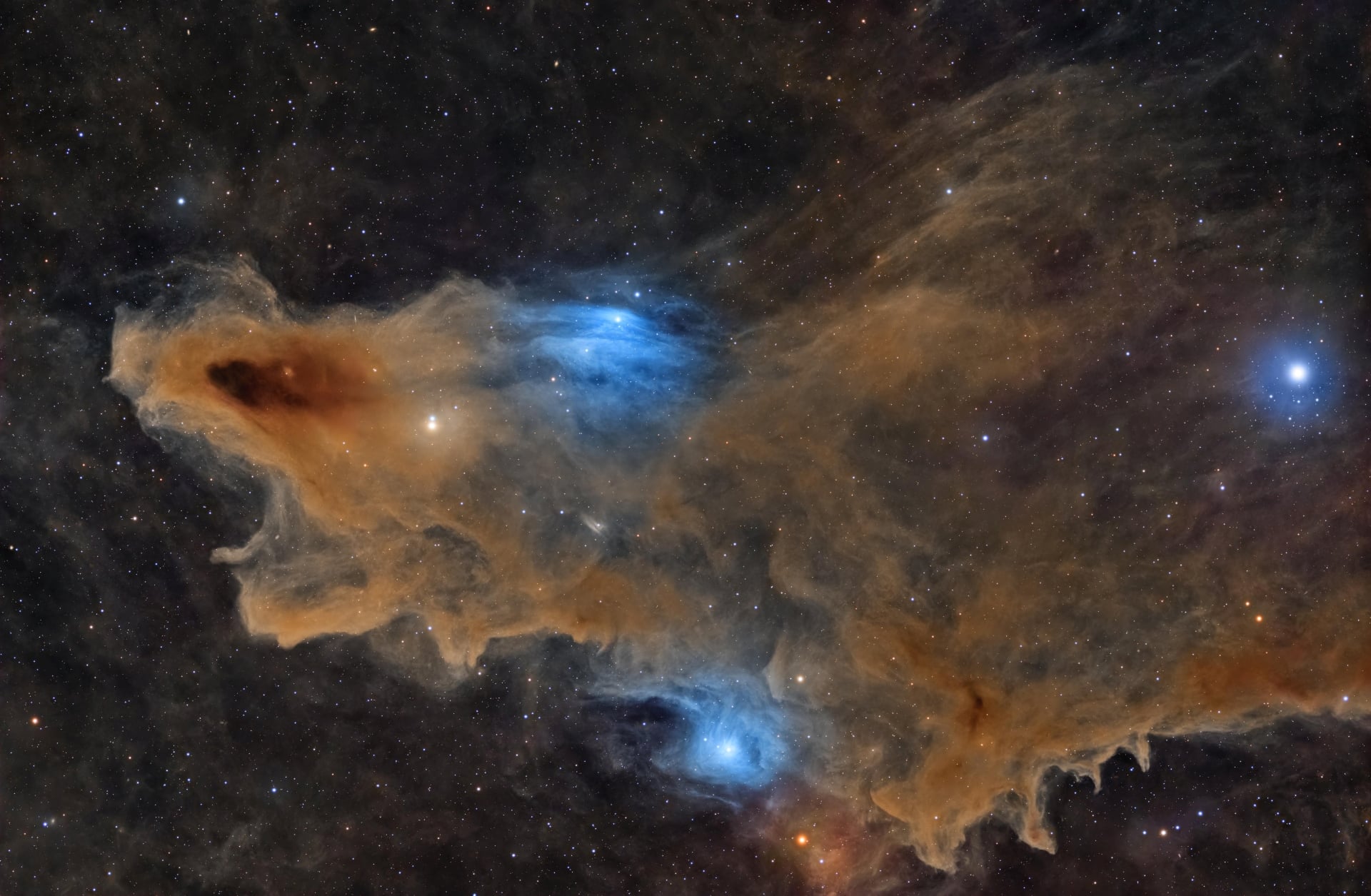
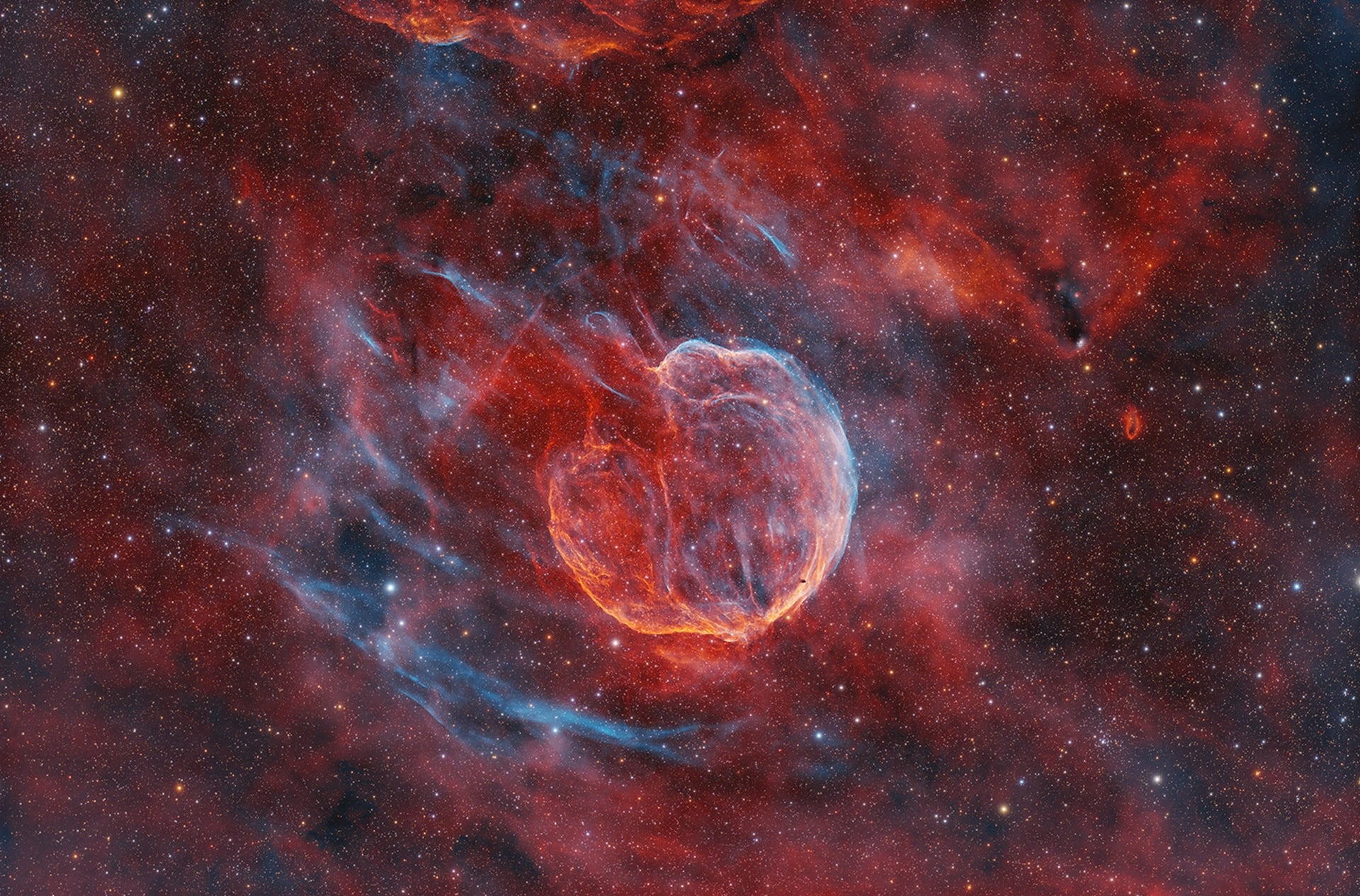
The Royal Observatory Greenwich has announced the winners of the ZWO Astronomy Photographer of the Year 18, and the 2026 overall winner is a dark nebula that looks like something lurking in deep ocean water – a shark. Interestingly enough, the winner, Ali Alobaidly from Kuwait, captured it from the desert, pretty far from any ocean.
[Related Reading: ZWO Astronomy Photographer of the Year 18 Shortlists: 4,000 Entries, Zero Bad Images]
Overall Winner
Titled The Quiet Predator, Ali’s image of the Shark Nebula (LDN 1235) shows the dark nebula in the constellation Cepheus. The nebula is made of interstellar dust dense enough to block the starlight behind it, hence the categorization into dark nebulas. Its resemblance to a shark cutting through water is immediately apparent.
What makes the image technically extraordinary is that even the distant galaxies visible through the nebula are resolved with clarity. Ali is the first Kuwaiti photographer to take the overall prize in the competition’s 18-year history. What’s more, this shot also took the first place in Stars & Nebulae category.
Judge Steve Marsh, Art Editor at BBC Sky at Night Magazine, described what set the image apart:
“Sometimes a photograph comes alive through its flawless presentation, pin-sharp details and dynamic contrast of light and dark. This is such an image. The Shark Nebula is already a striking object, but when it is resolved to the point where even detail-rich distant galaxies can be seen through it, you know you’re looking at something very special.”
Ali himself spoke to the personal meaning behind the shot.
“The juxtaposition of an oceanic predator prowling the skies above the Kuwaiti desert is something I find deeply poetic, and it is what first drew me to this remarkable region of the sky. To me, it represents perfectly my love for both the Universe and the deserts of my ancestors.”
For the overall win, Ali takes home £10,000.
Category Winners
The category winners are spread across the globe this year, which shows just how wide the astrophotography community has grown.
In Stars & Nebulae, Ali’s overall-winning image claimed the category too, with Kfir Simon from Israel taking runner-up for Beyond the Wormhole and Cédric Humbert from France earning a Highly Commended for Abell 85.
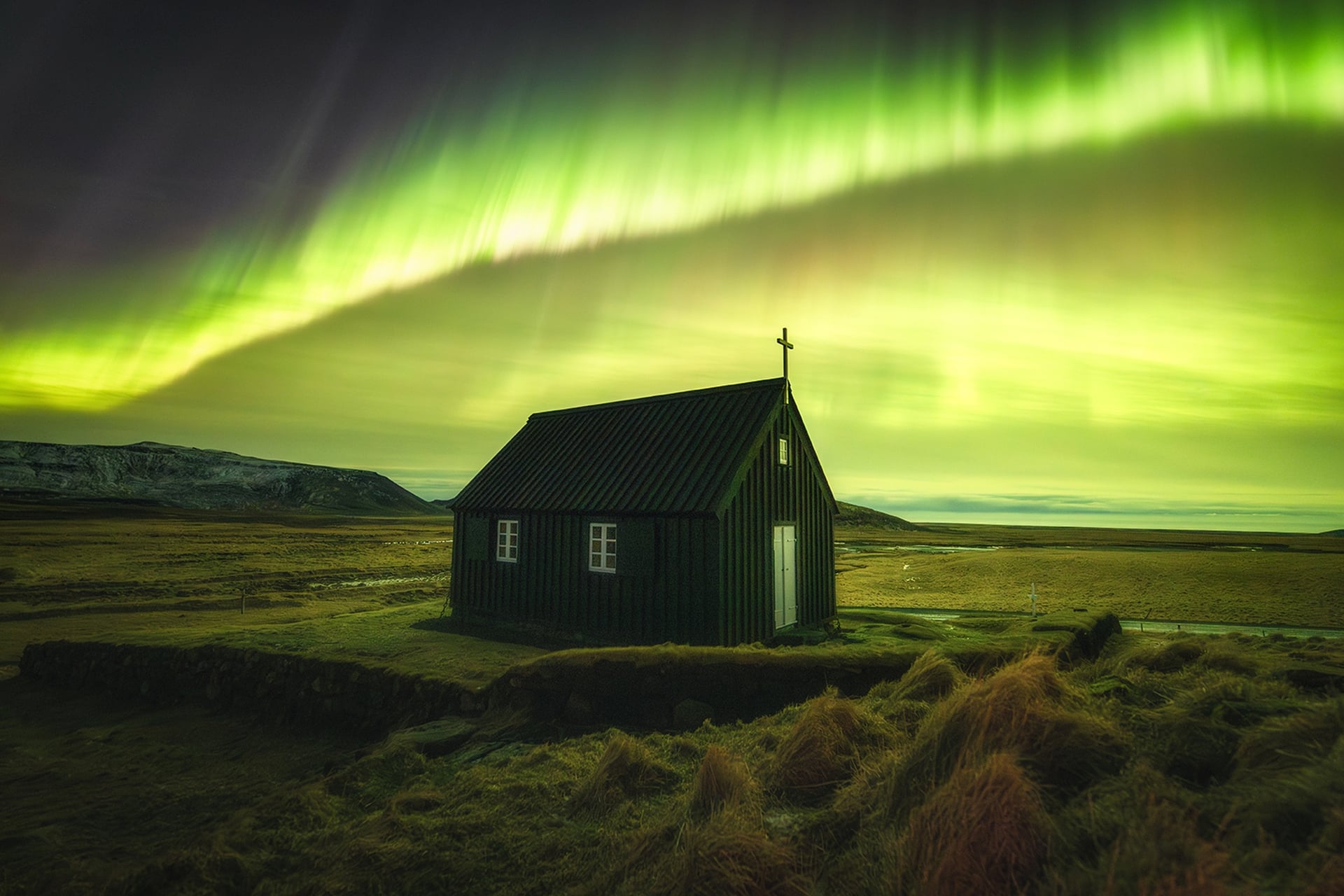
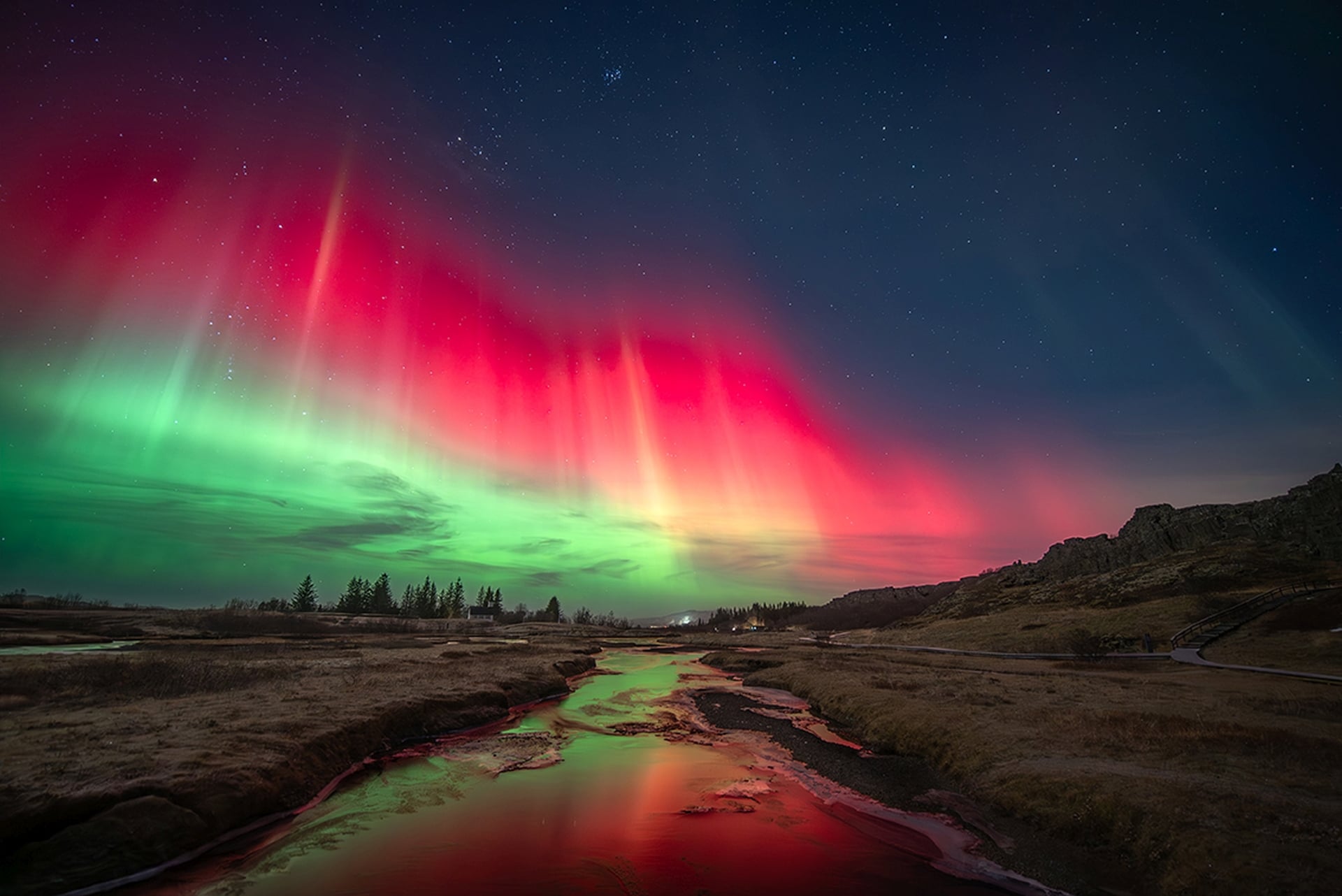
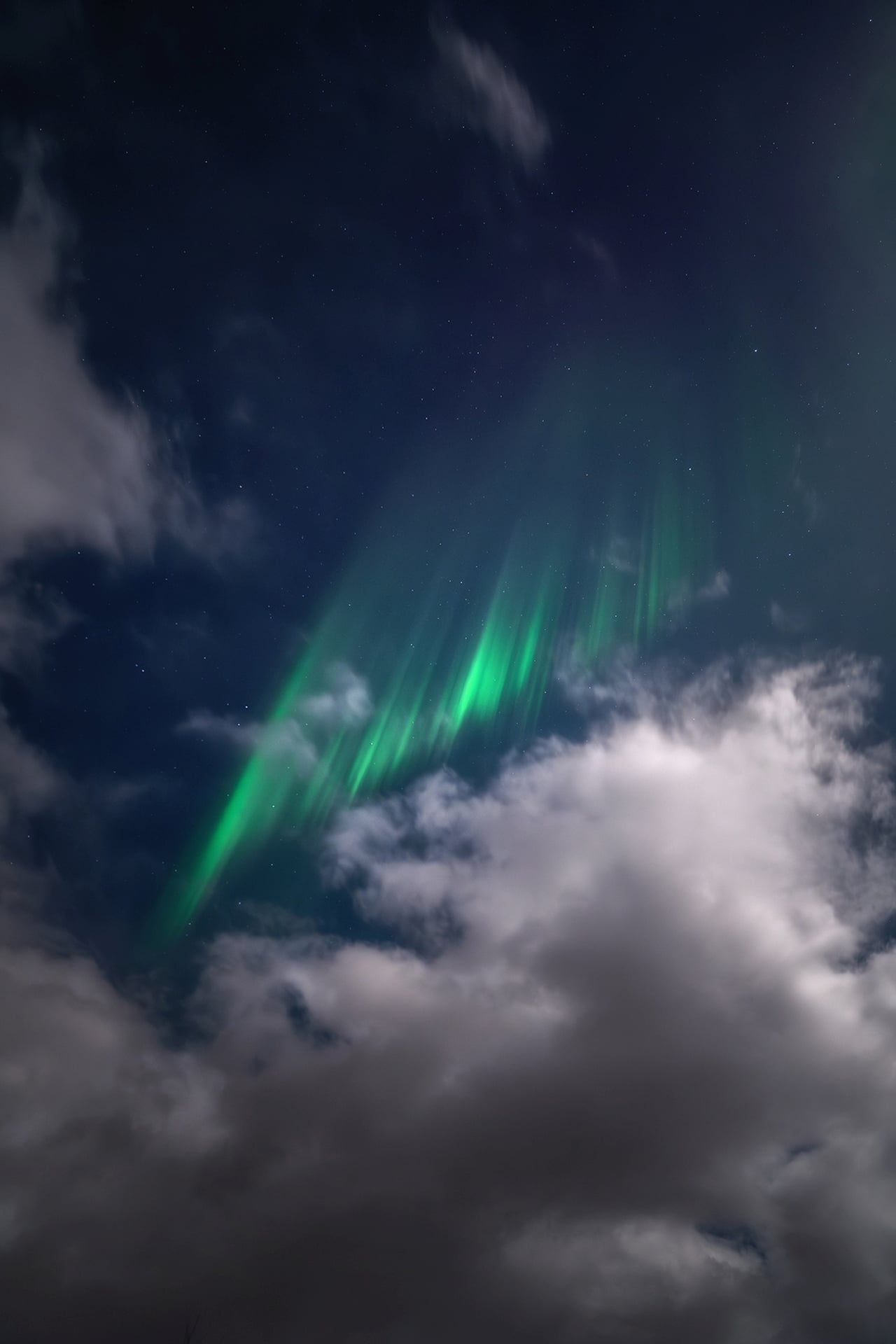
The Aurorae category went to Radoslav Sviretsov from Bulgaria with The Crown, a spectacular aurora image that lives up to its name. Phil Halper from the UK was runner-up with Aurora Between Two Continents, and MaryBeth Kiczenski from the USA earned a Highly Commended for On the Edge of Glory.
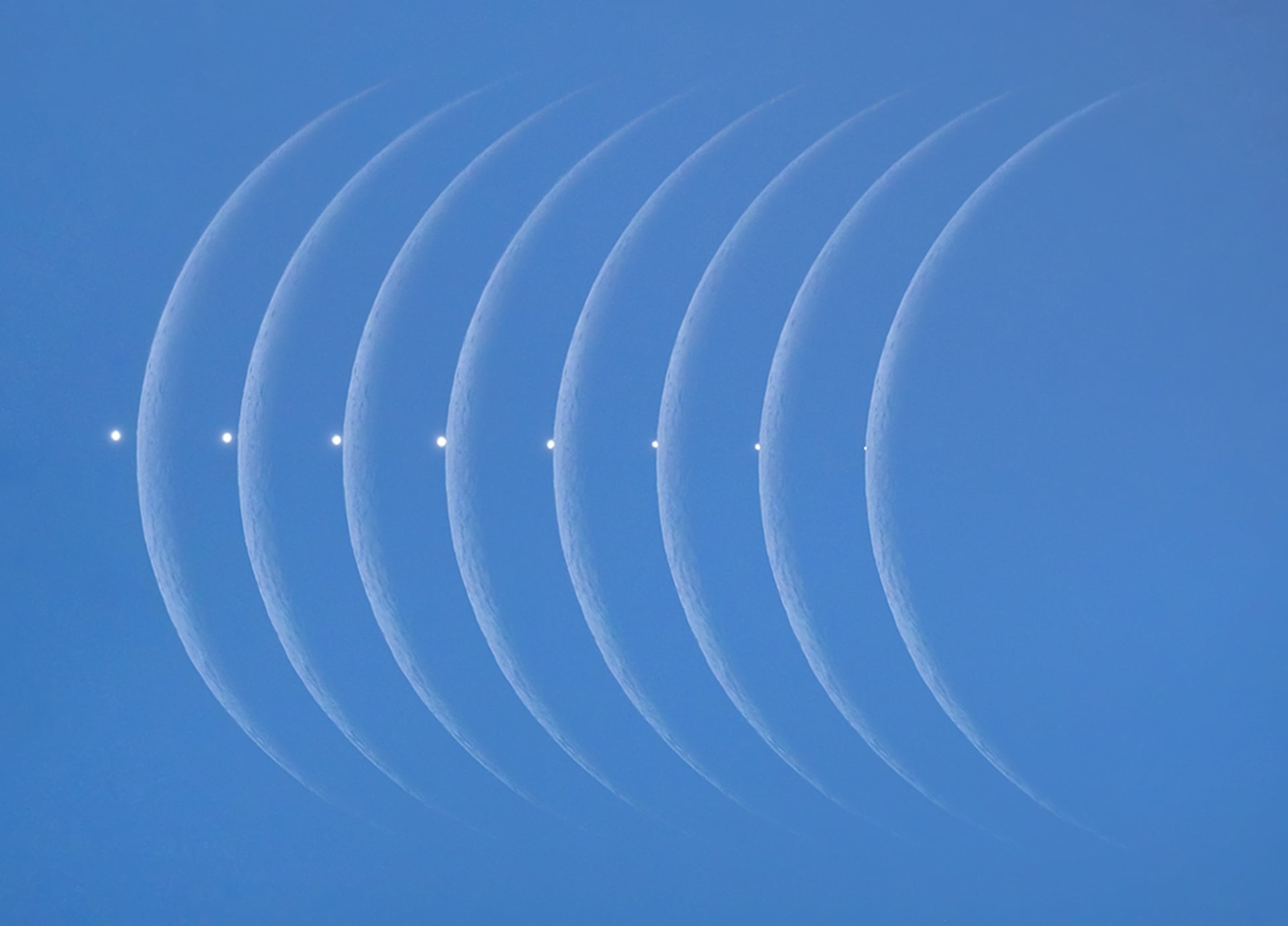
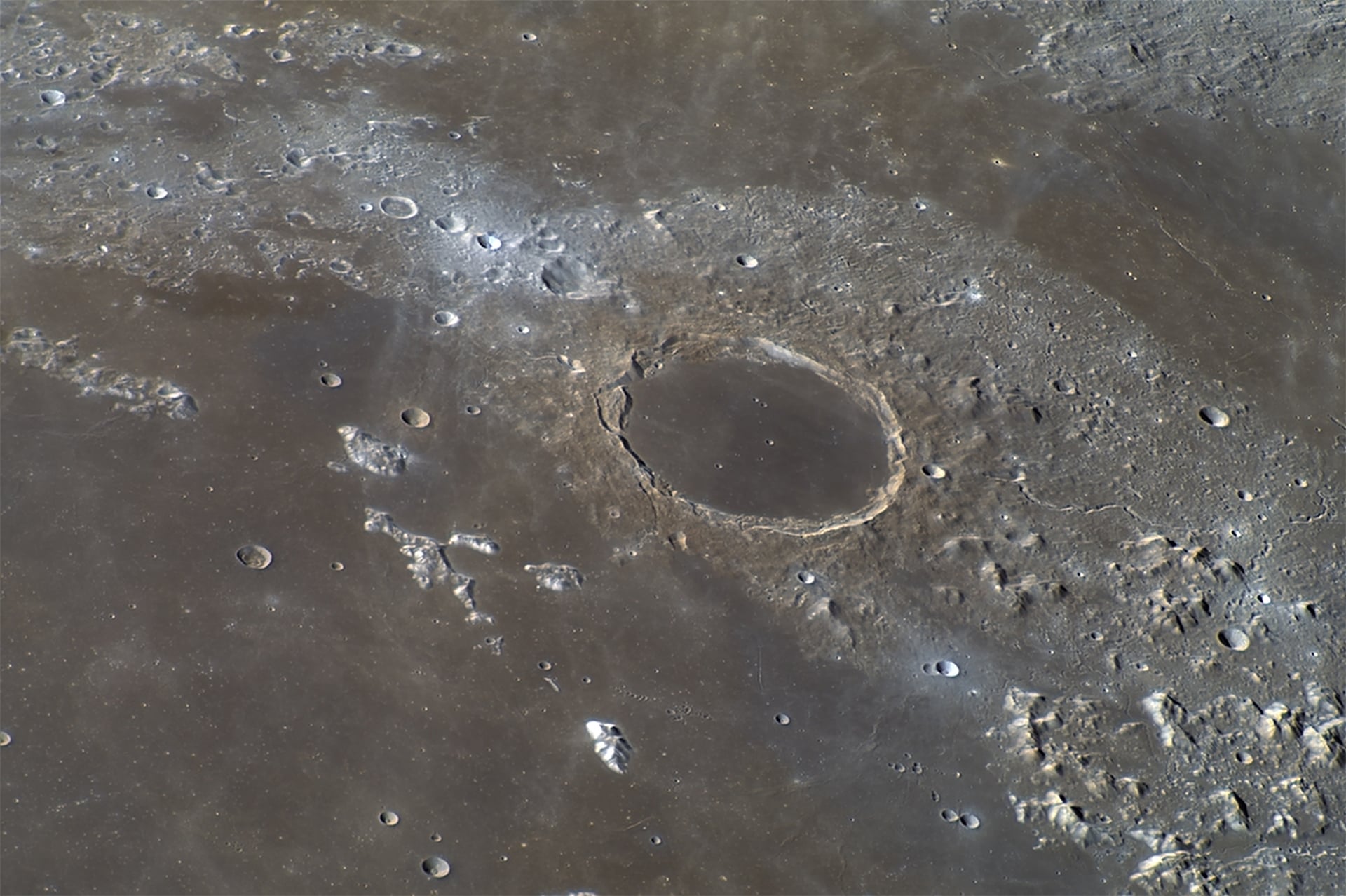
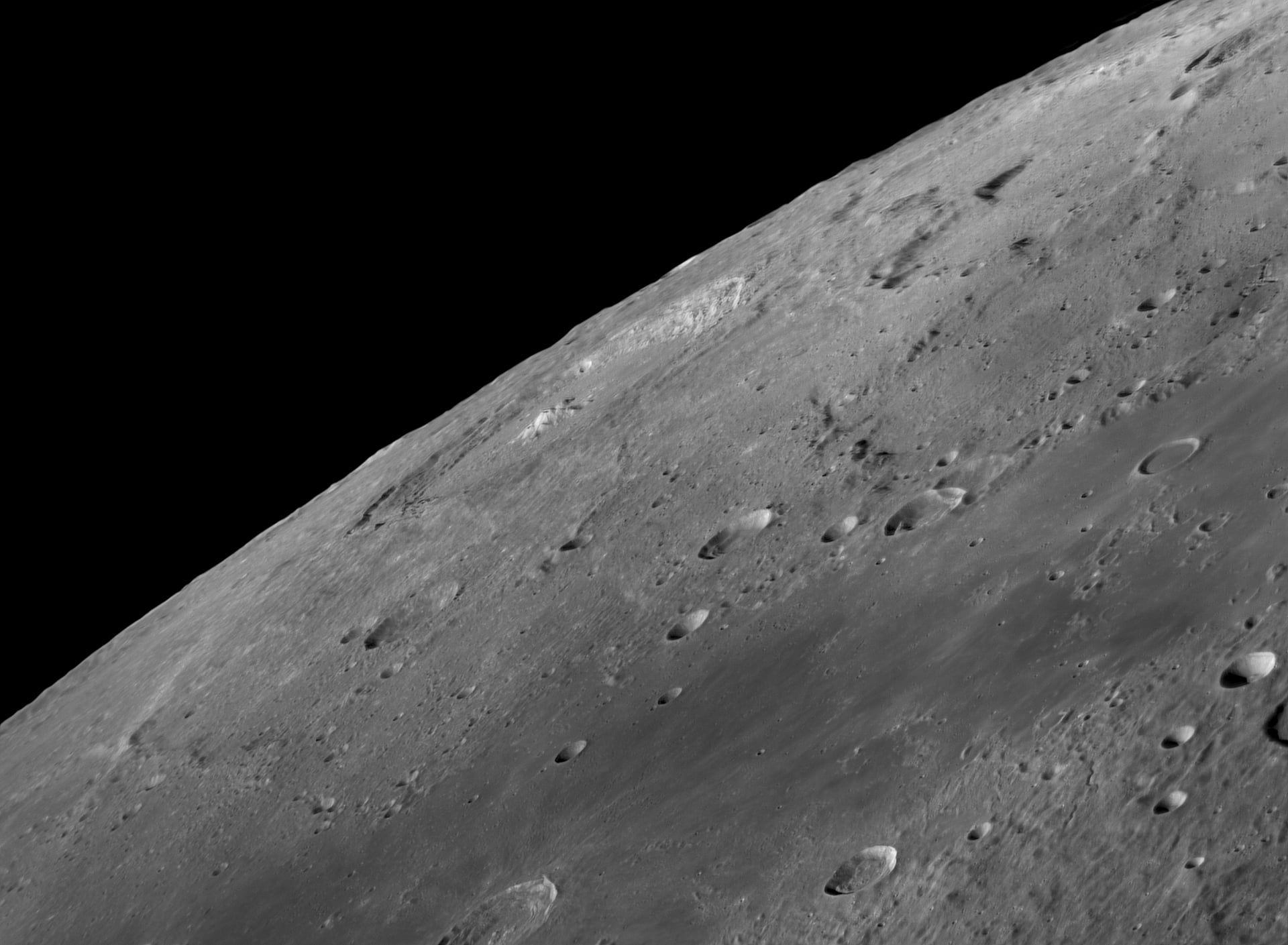
Our Moon saw Petr Horalek from Czechia take the win with Venusian Pearl on the Moon, with Raul Cantemir from Germany as runner-up for Plato and Vallis Alpes, and Tom Williams from the UK highly commended for Pythagoras Crater.
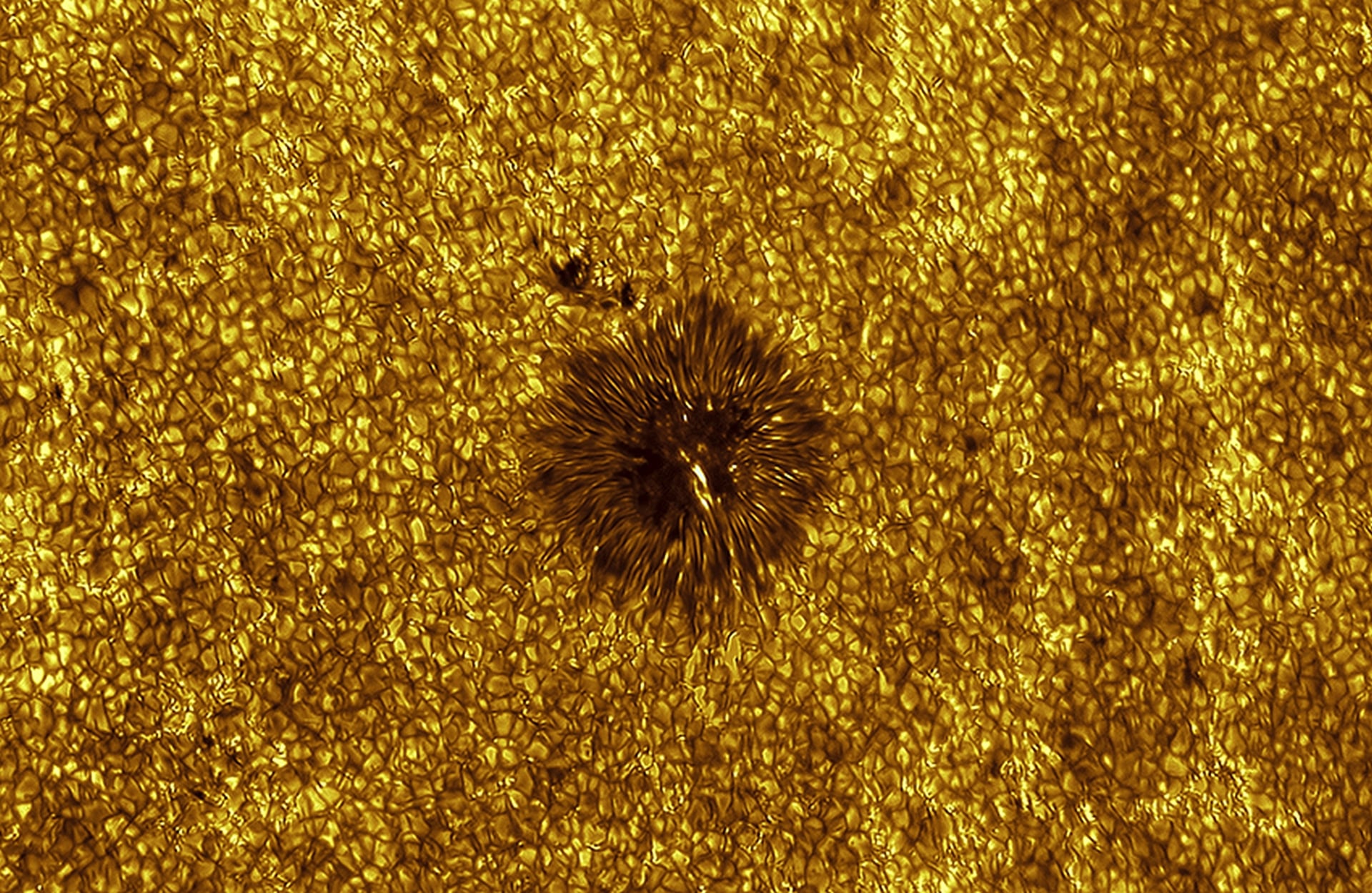
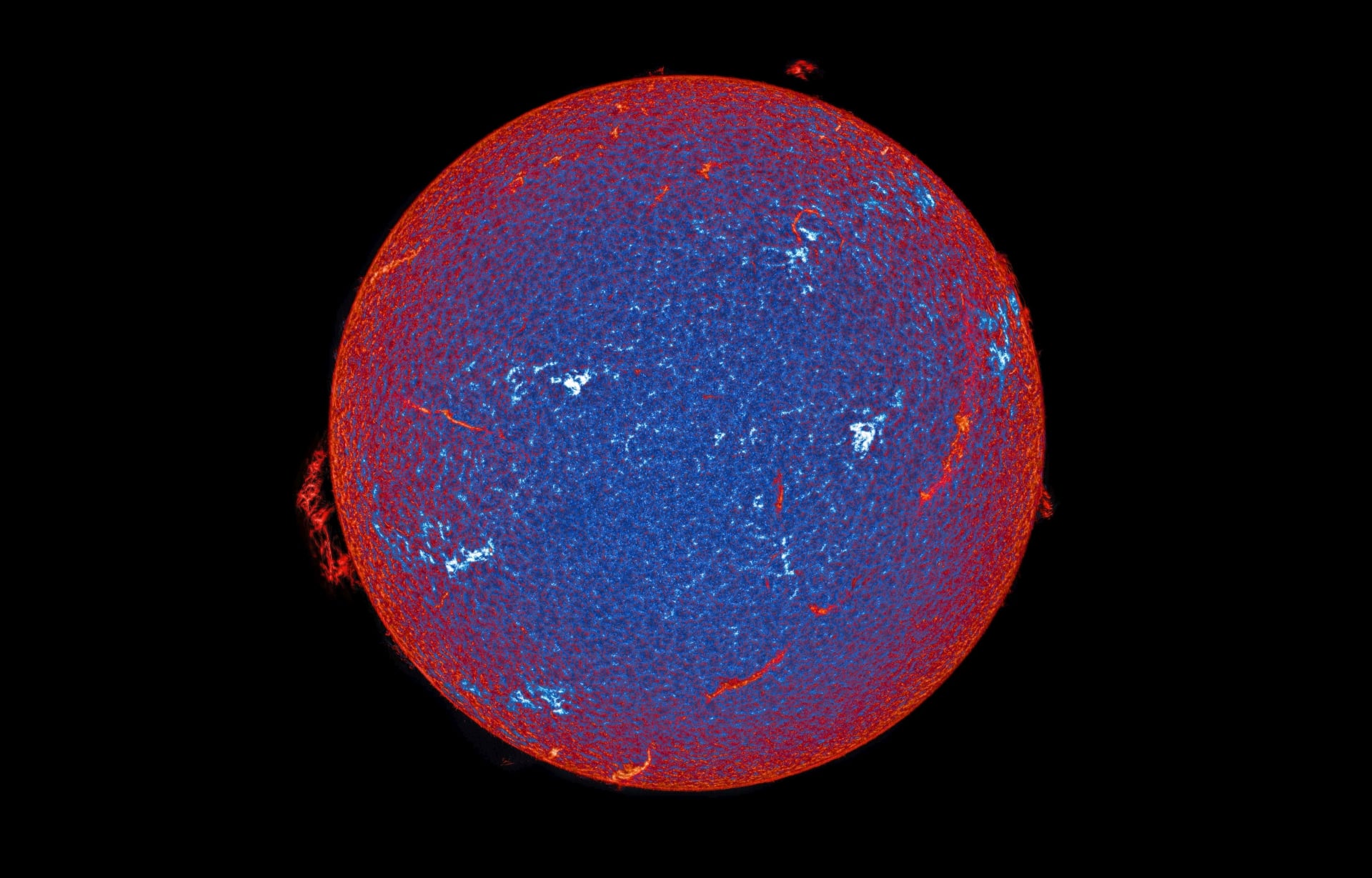
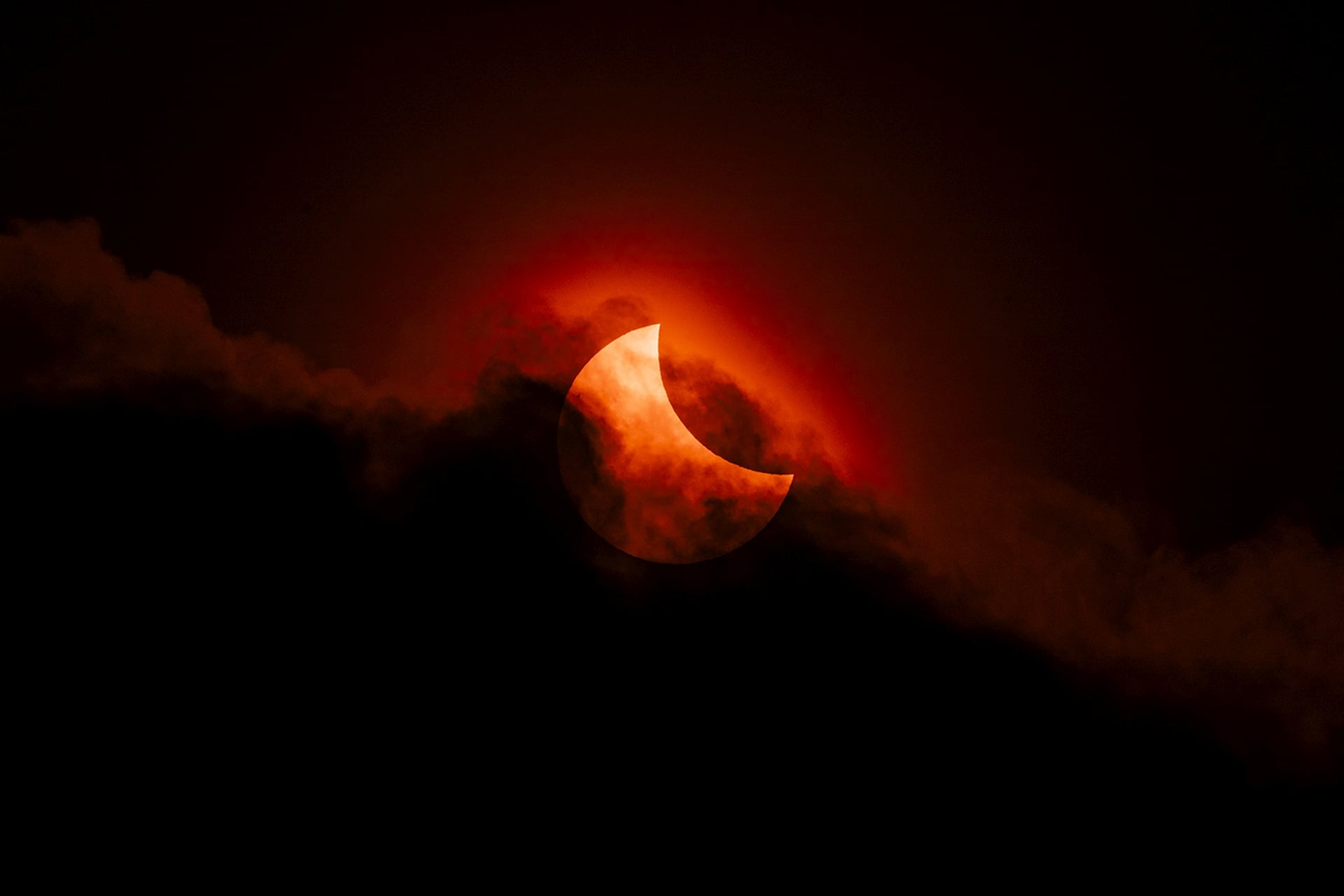
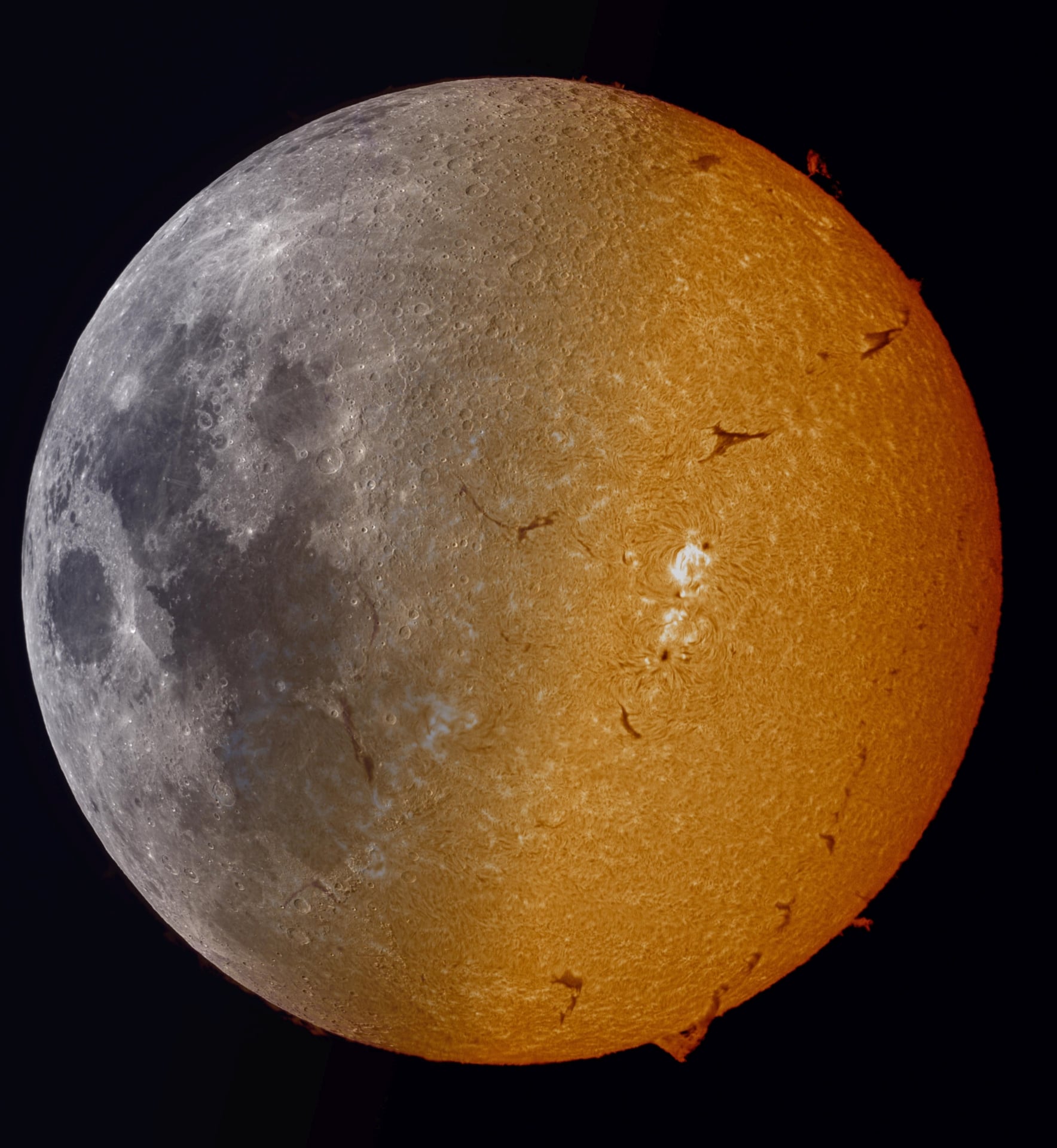
Our Sun went to Miguel Claro from Portugal with Active Region 4122. Peter Ward from Australia was runner-up with Anatomy of the Chromosphere, and James McBeath from the UK earned a Highly Commended for Moody Partial Solar Eclipse.
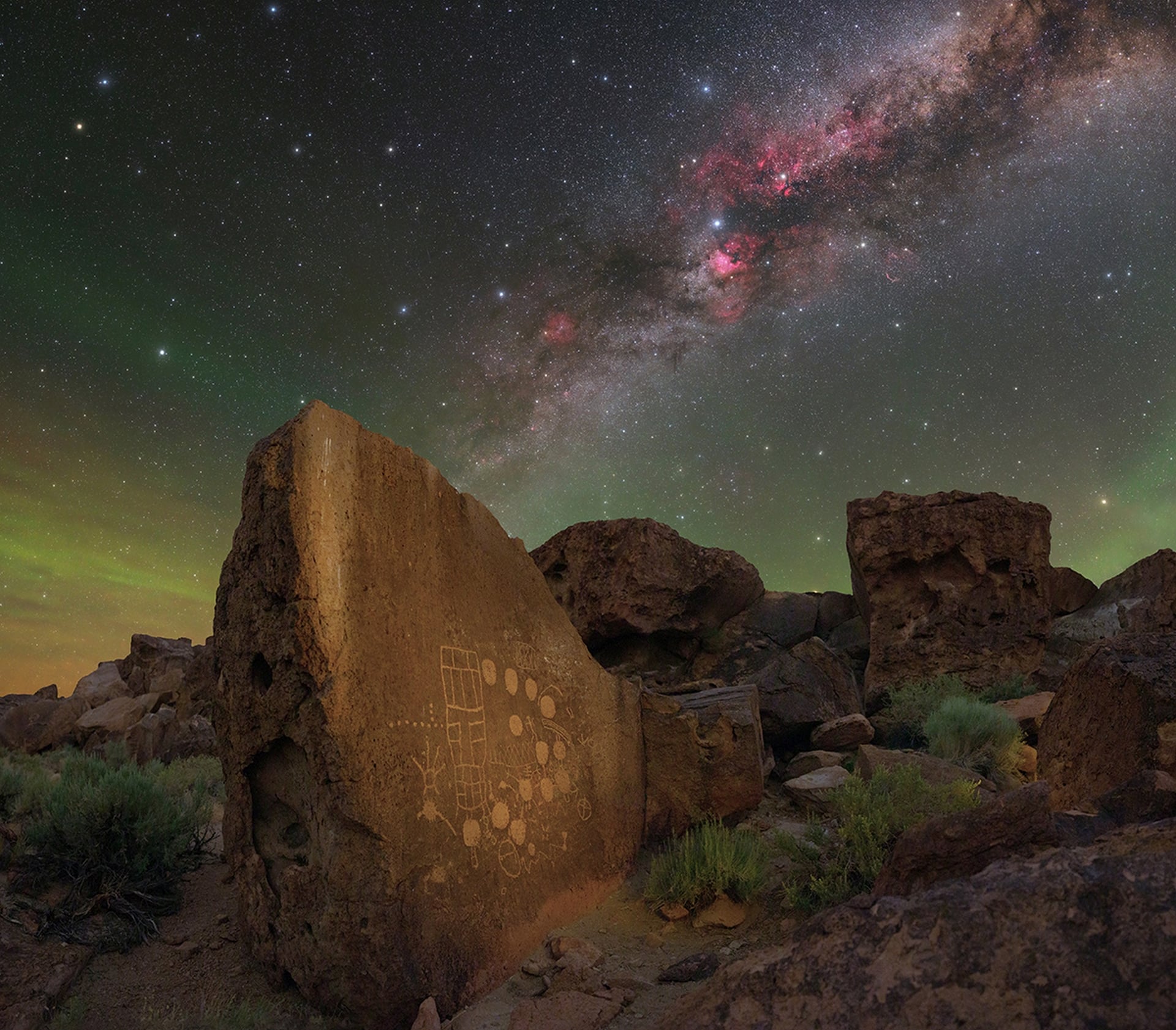
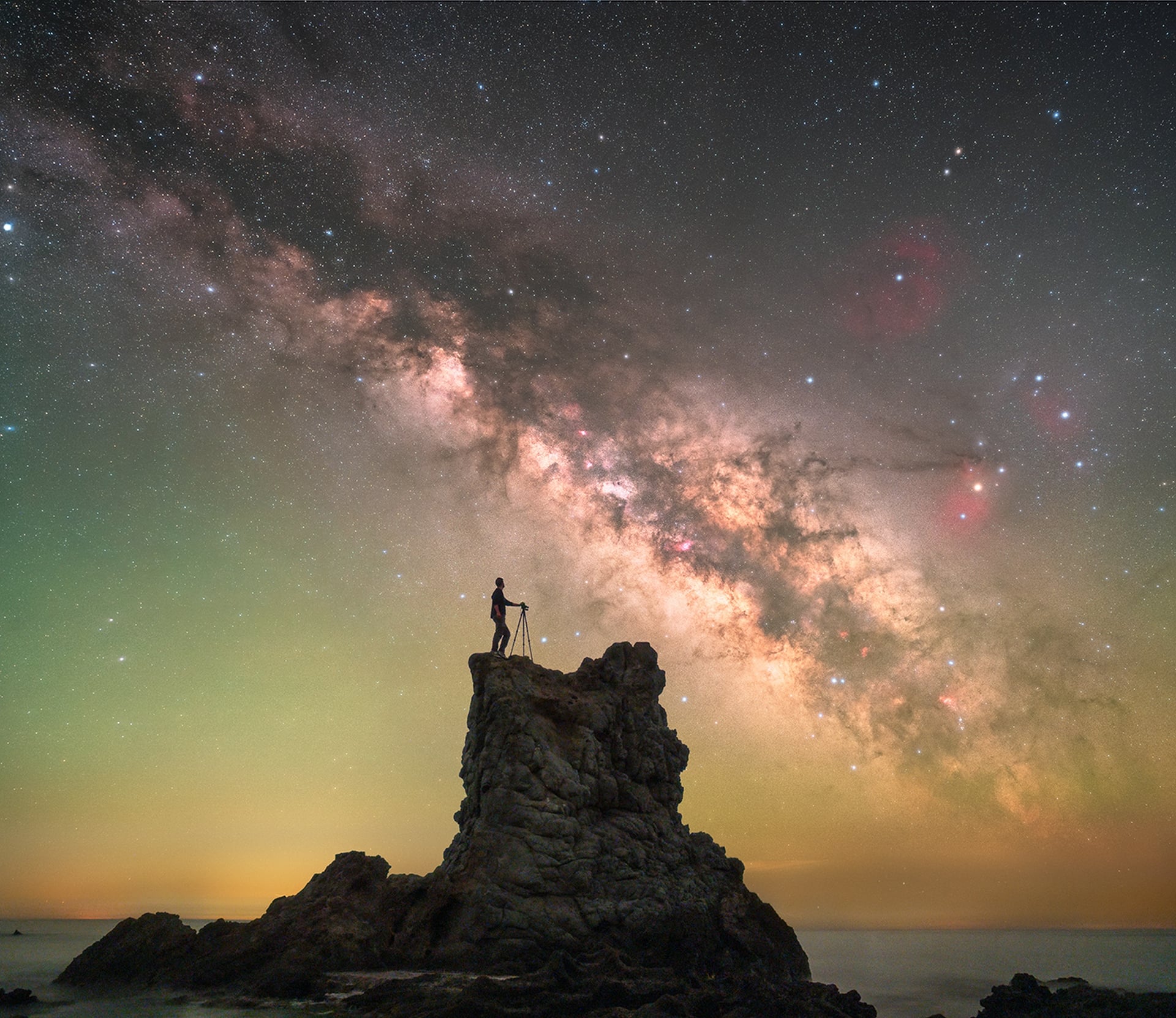
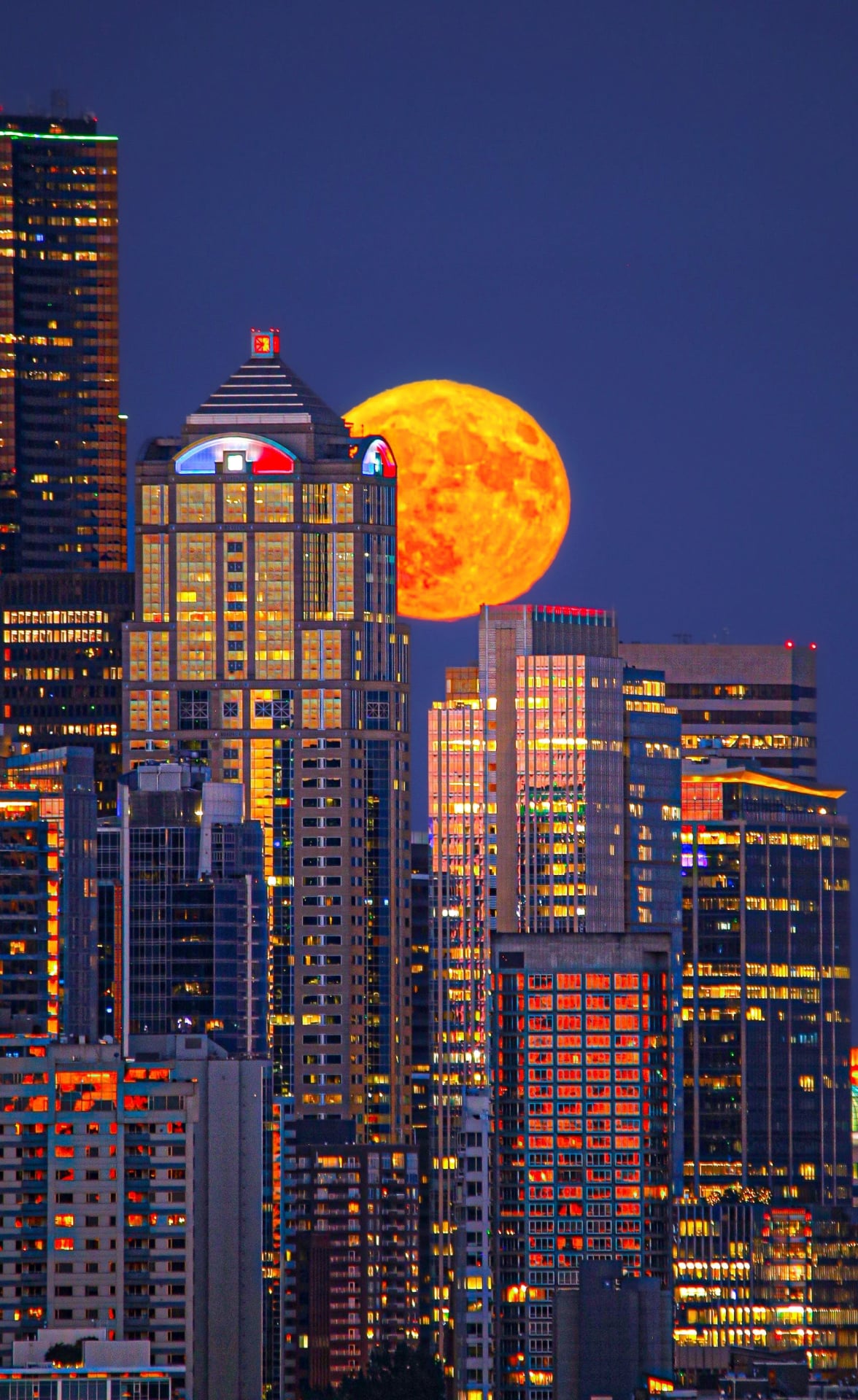
People and Space was won by Max Inwood from Aotearoa/New Zealand with A Message from the Ancients, with Dan Zafra from Spain as runner-up for Capture the Night and AJ Smadi from the USA highly commended for Golden Moonrise Over Seattle.
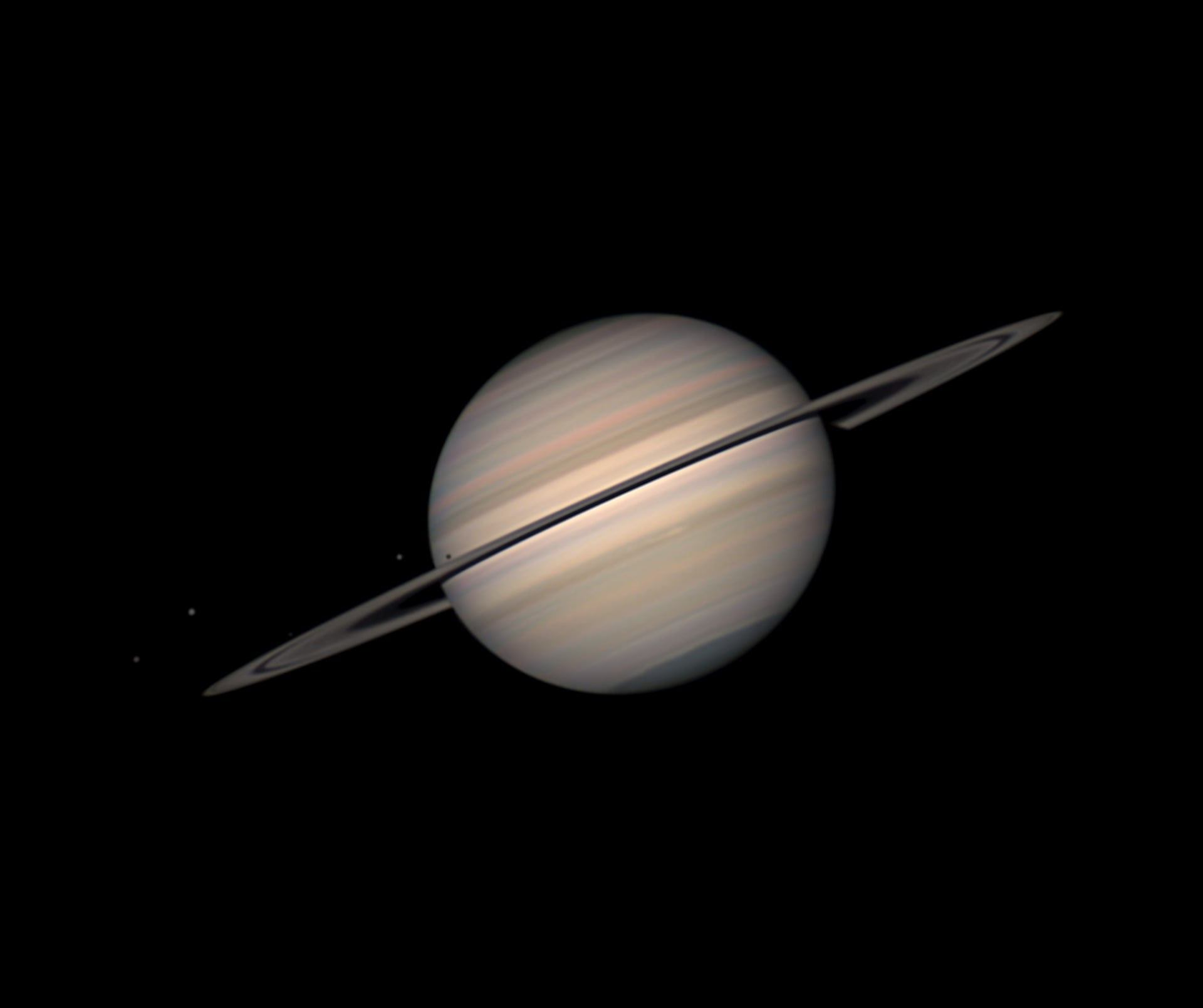
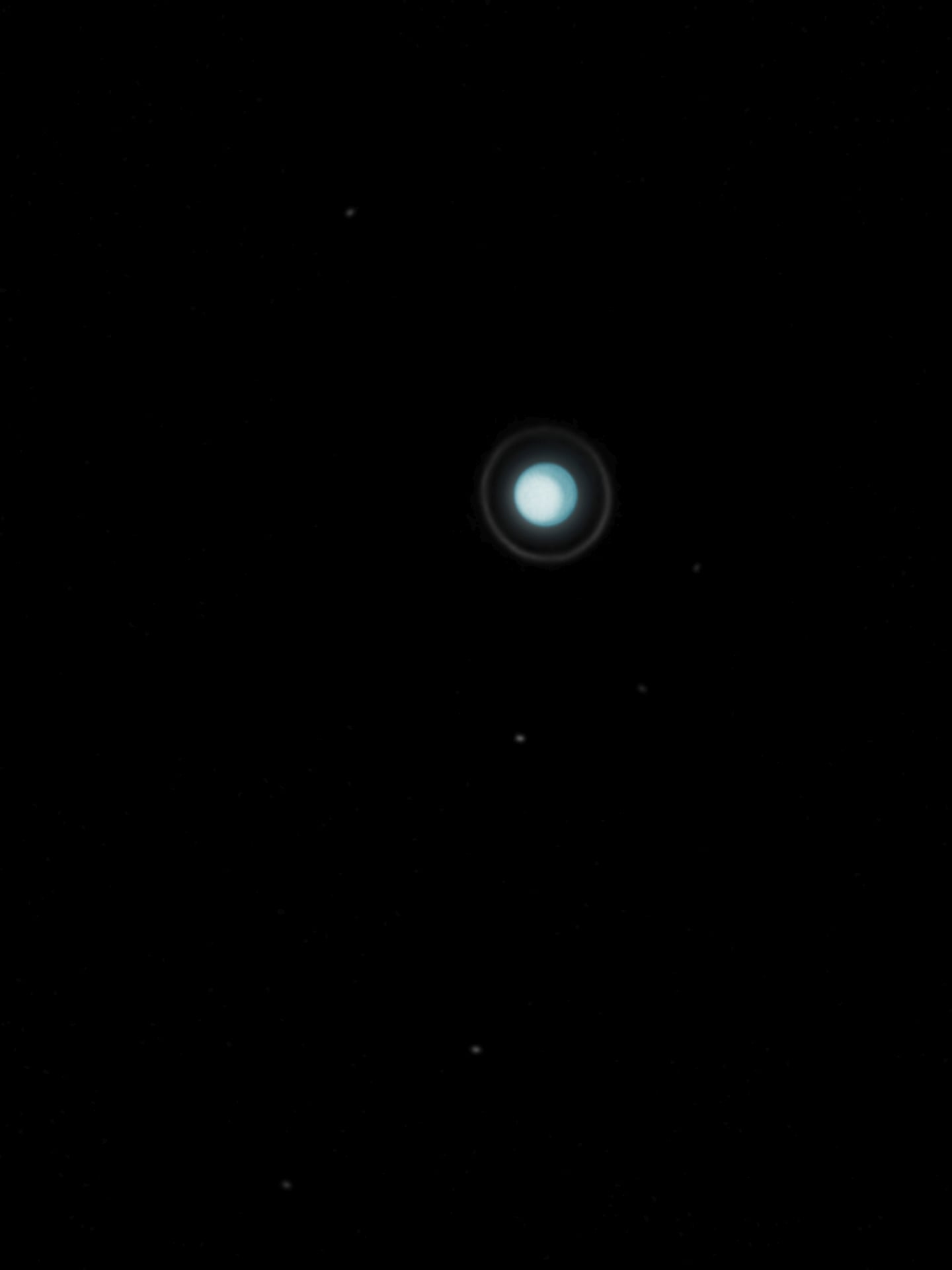
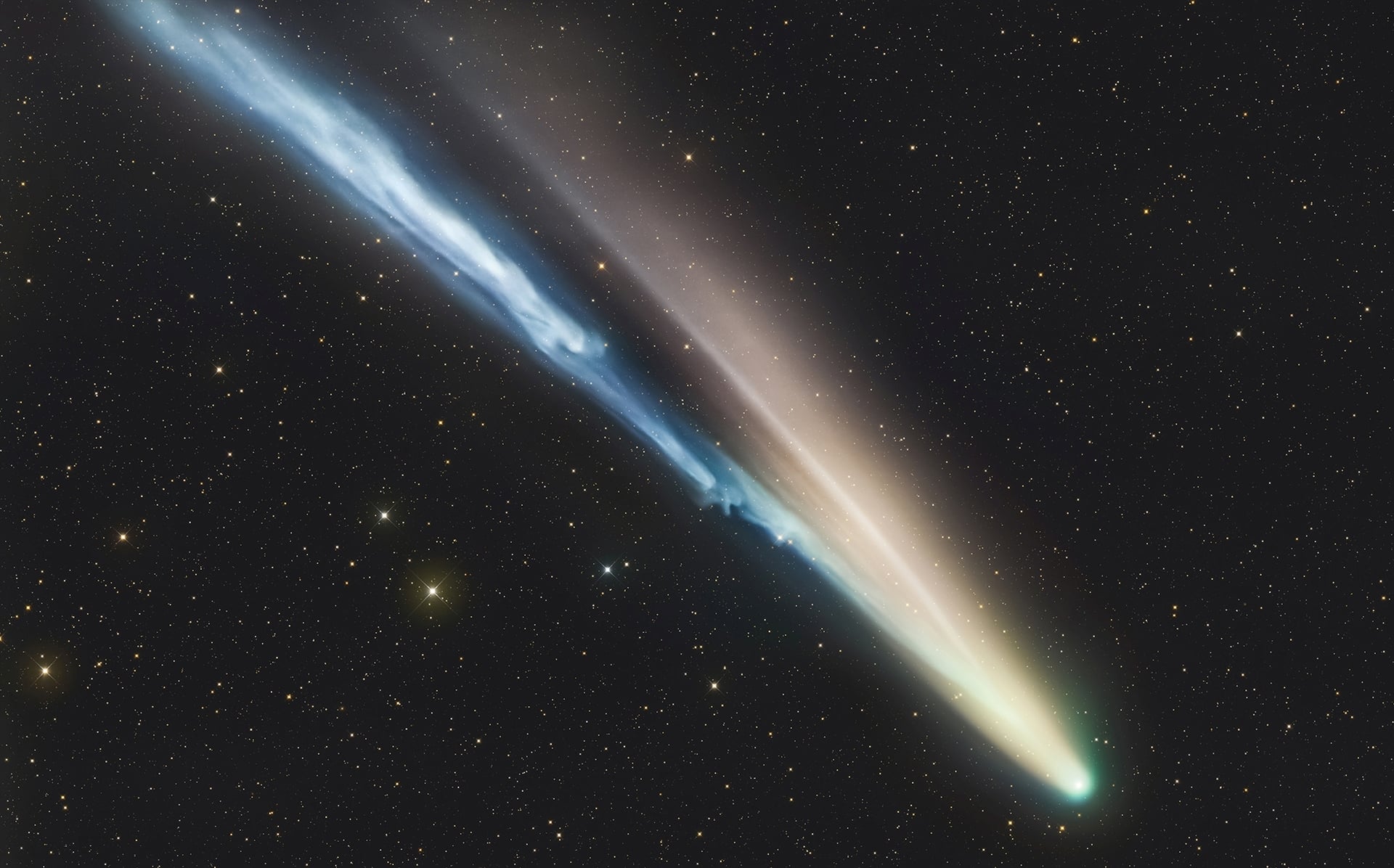
Tom Williams from the UK had an exceptional competition in Planets, Comets and Asteroids. He took both the winner and runner-up spots, with Saturnian Equinox (a rare ring-plane crossing of Saturn captured in 2025) and The Uranian System. Julien De Winter from Belgium and Landon Boehm from the USA were highly commended for Comet C/2025 A6 (Lemmon), 28 October.
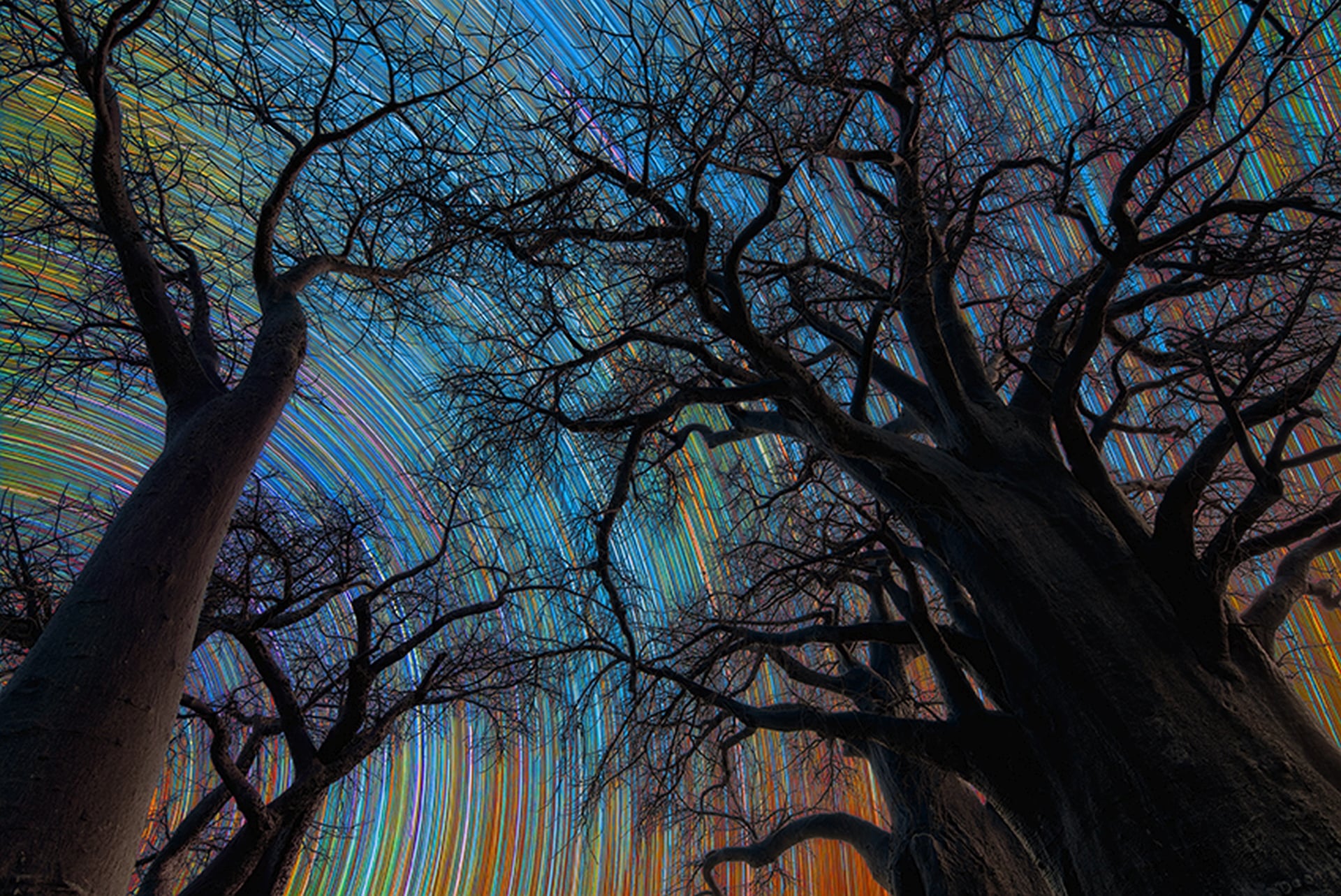
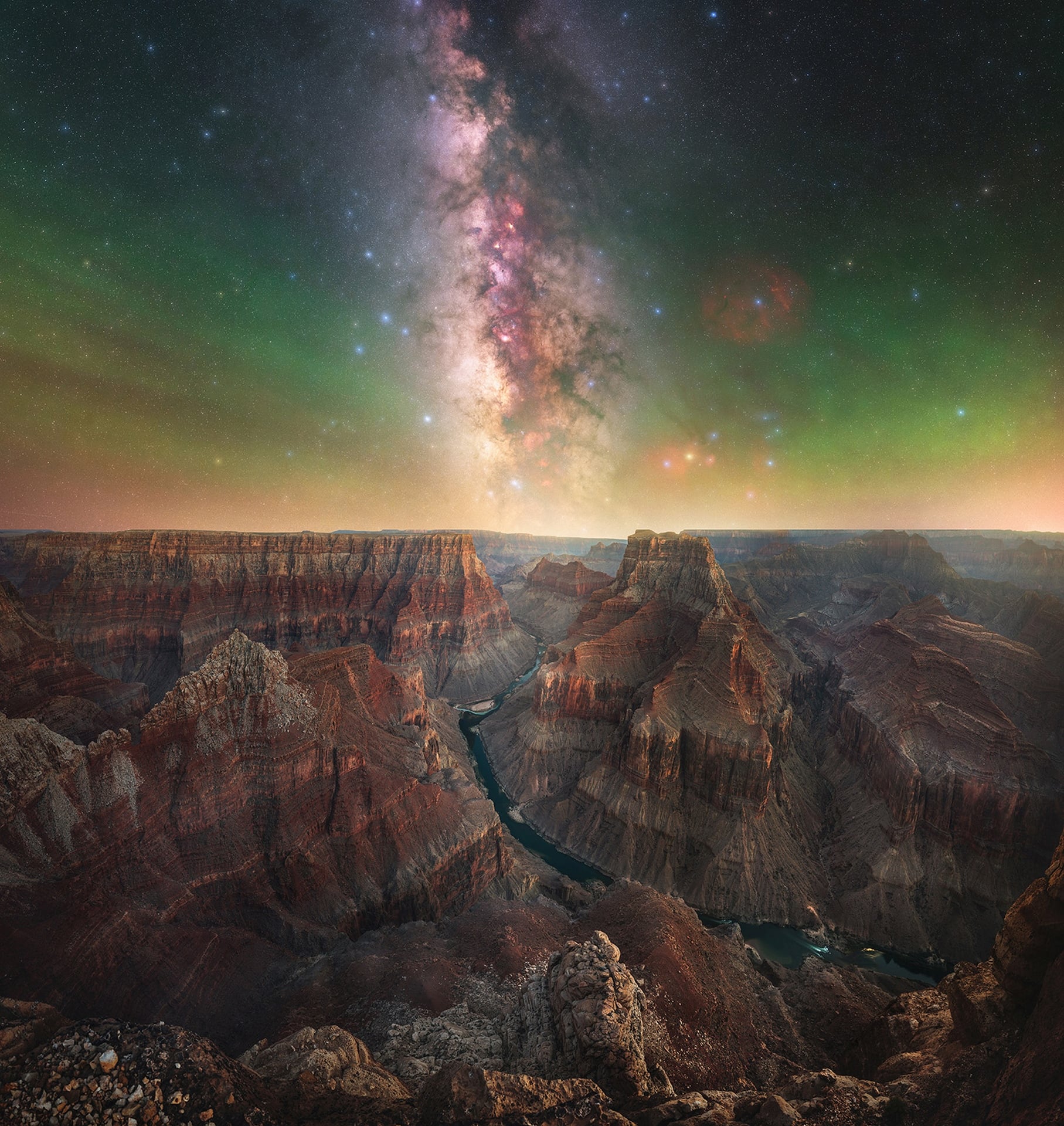
Skyscapes went to Stefano Pellegrini from Italy with Botswana Star Trail, with Tom Rae from New Zealand as runner-up for Cosmic Canyon and João Yordanov Serralheiro from Portugal highly commended for I Hear the Stars.

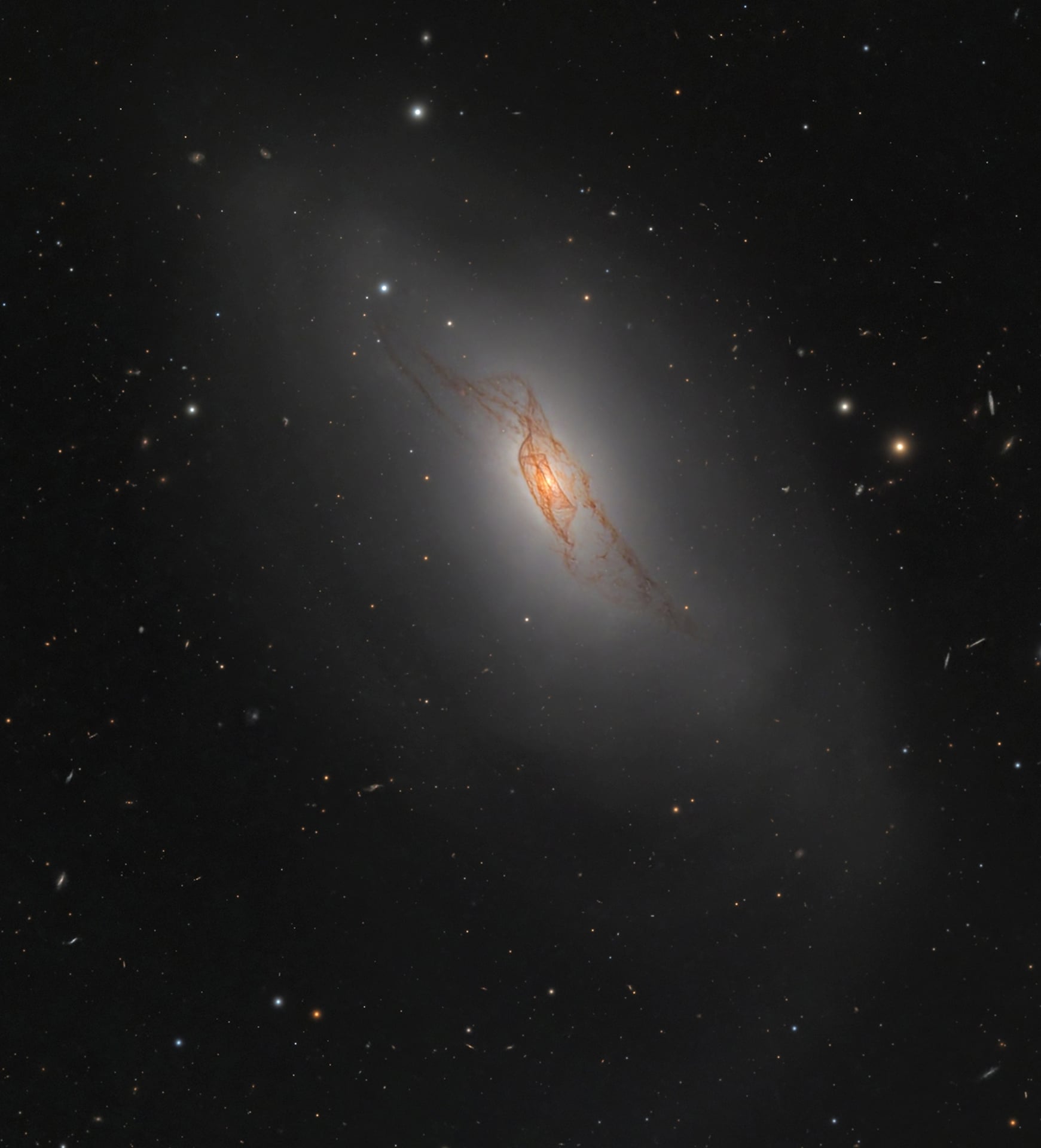
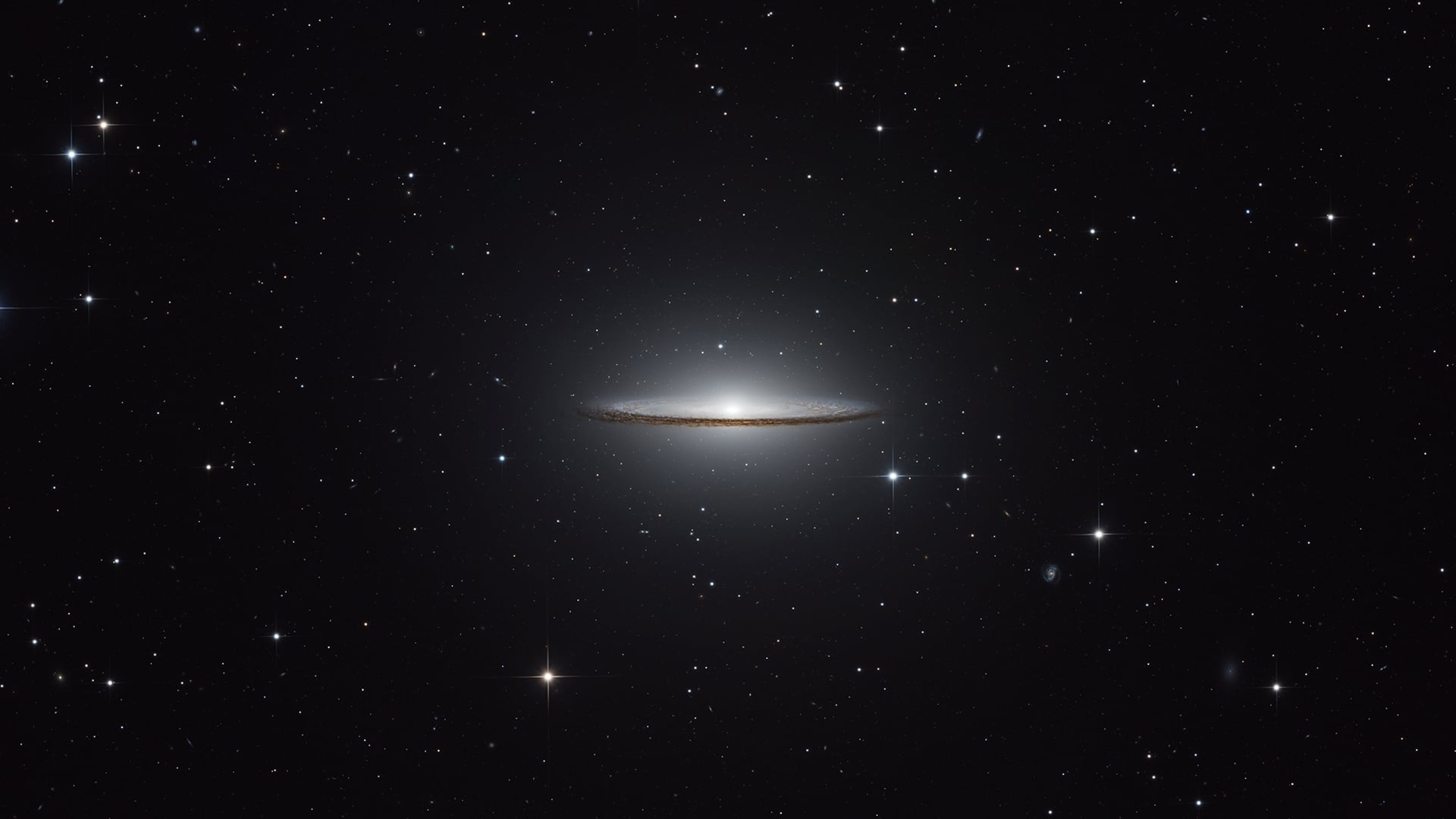
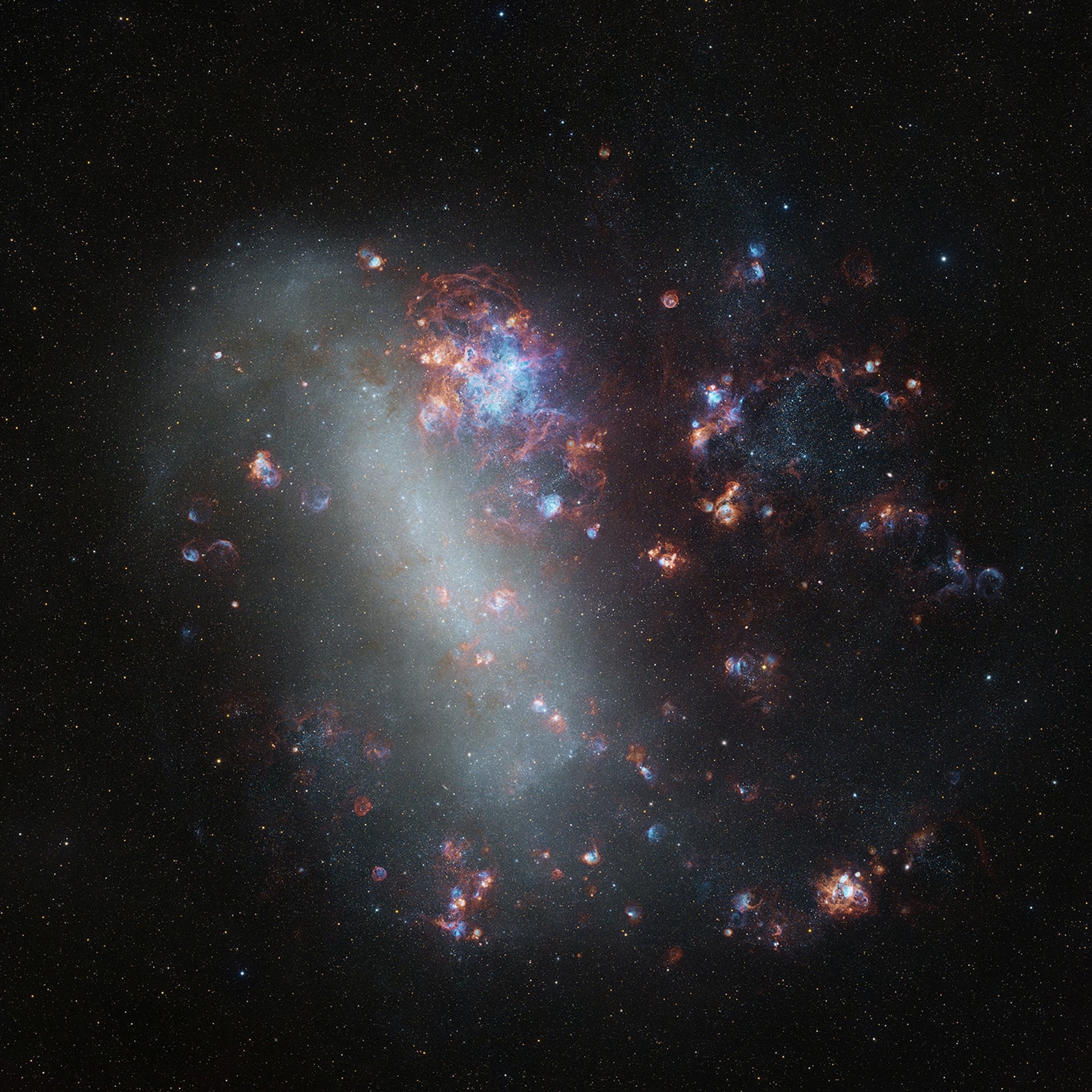
The first place in the Galaxies category belongs to 智鹏 严 and Xinran Li from China with NGC 4753: A Symphony of Dust Lanes in Virgo. Patrick Winkler from Austria is runner-up for M104: Pure Elegance and Shaoyu Zhang from China highly commended for Wildflowers Across a Neighbouring Galaxy: The Large Magellanic Cloud.
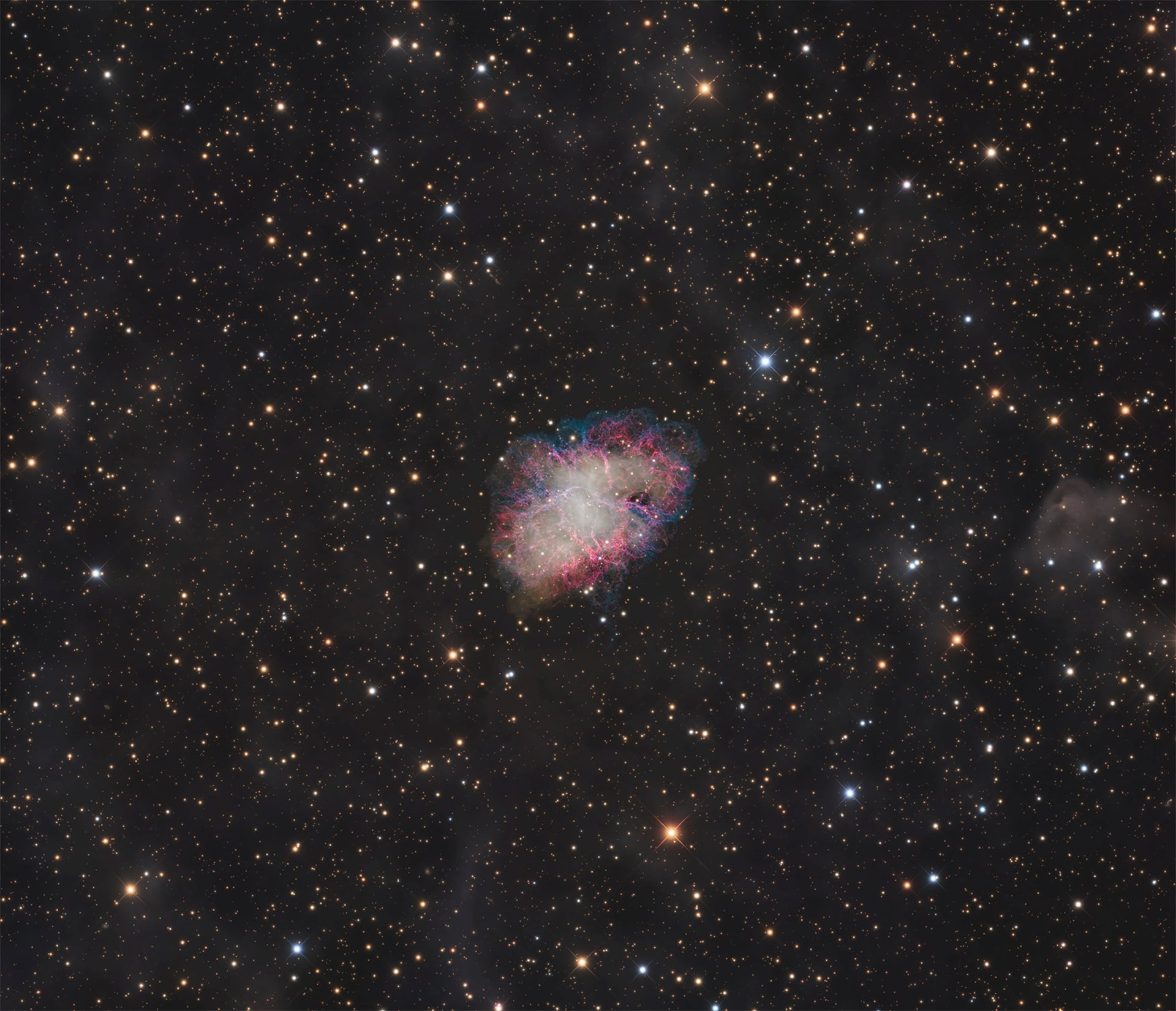
The Sir Patrick Moore Prize for Best Newcomer went to Haocheng Zhu from China for M1: Echoes of an Ancient Explosion.
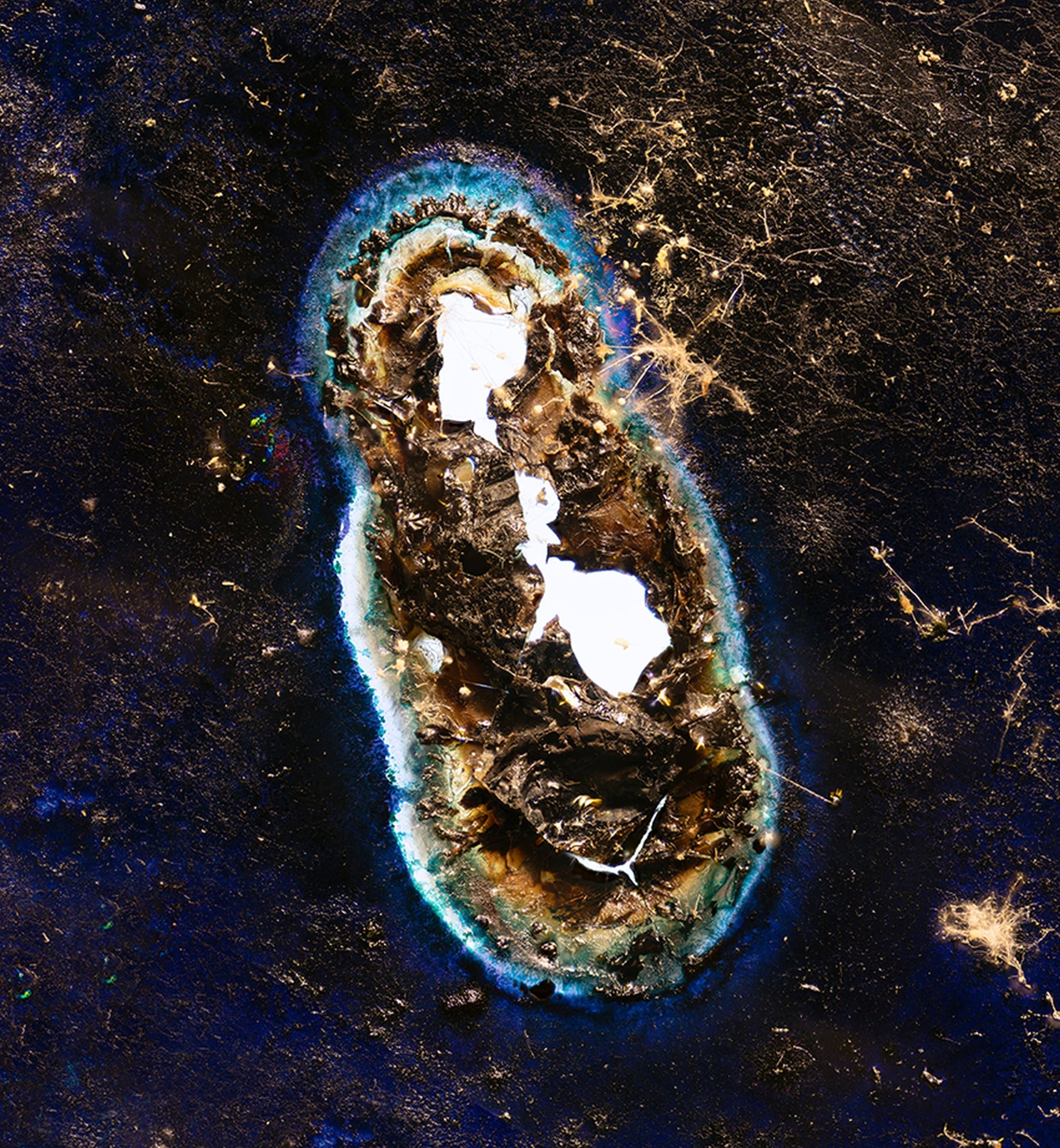
The Annie Maunder Open Category invites more experimental or conceptual approaches to astronomy photography. The victory went to Paweł Paweł from Poland with Reverse Astronomy: Mother.
Young Astronomy Photographer of the Year 2026
The ZWO Young Astronomy Photographer of the Year title went to Nikolaos Strimpoulis from Greece for Mineral Moon. It’s a close-up of the lunar surface that uses color processing to bring out the mineral deposits across it, creating a glorious effect in photos. It’s the kind of image that makes you look at the Moon differently, which is no small achievement for a subject that’s been photographed more times than almost anything else in the sky.
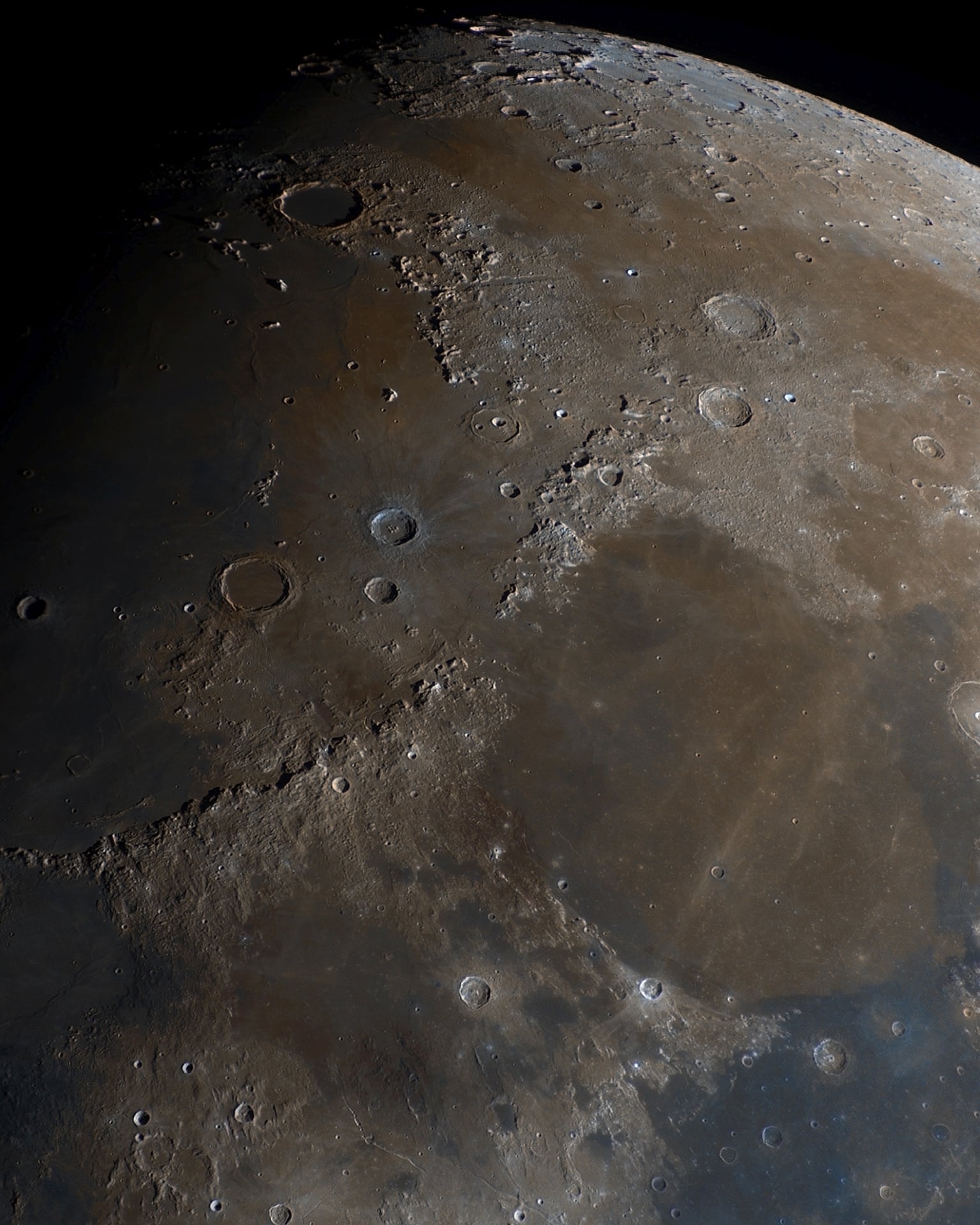
On Nikolaos’s win, judge Steve Marsh said:
“Many of us start our astrophotography journey with the Moon – some of us stay there forever! But often we don’t delve deep into the subtle colours of its mineral deposits until much later. This amazing young astrophotographer has achieved perfectly developed colouring in this photograph.”
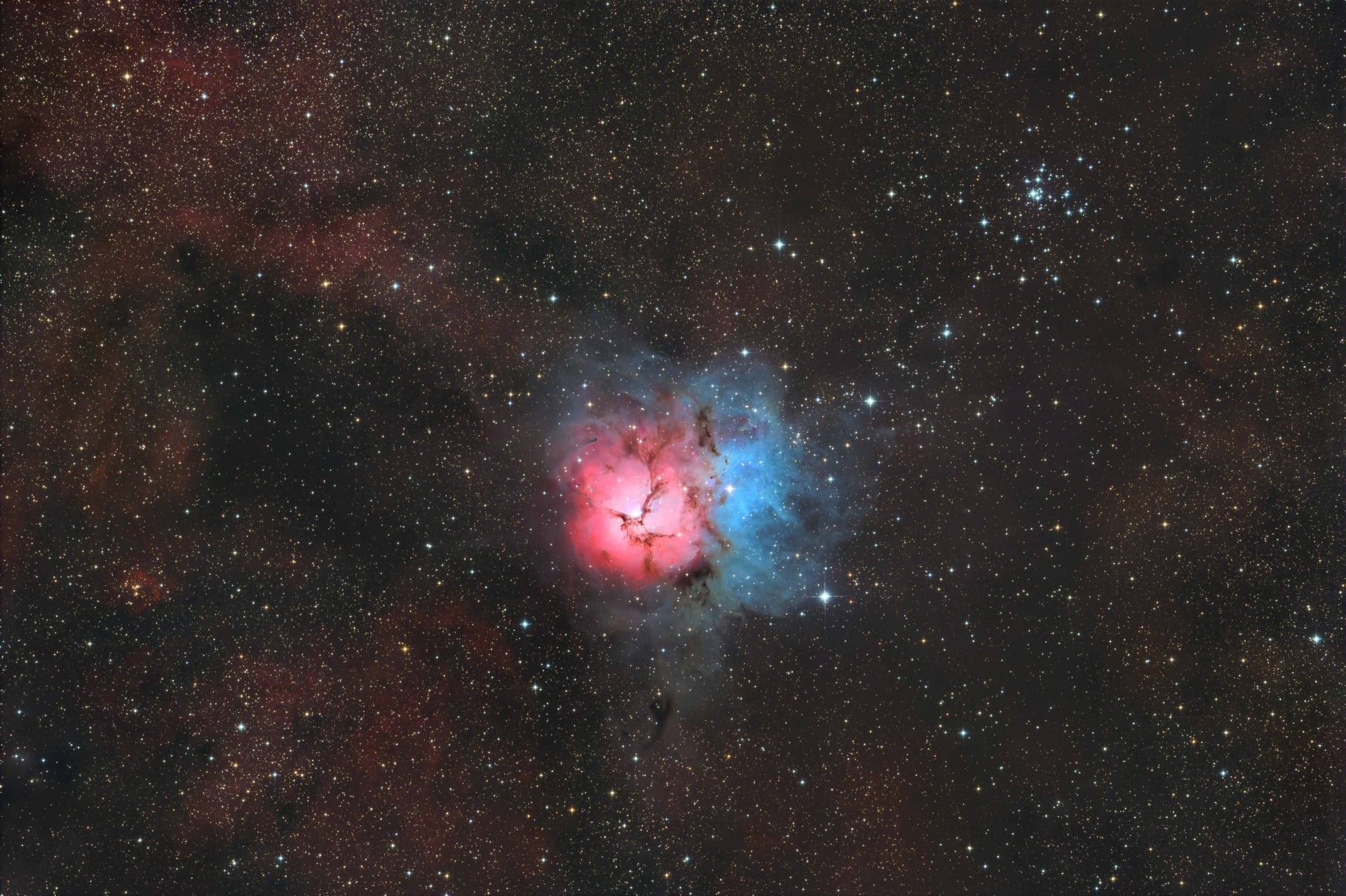
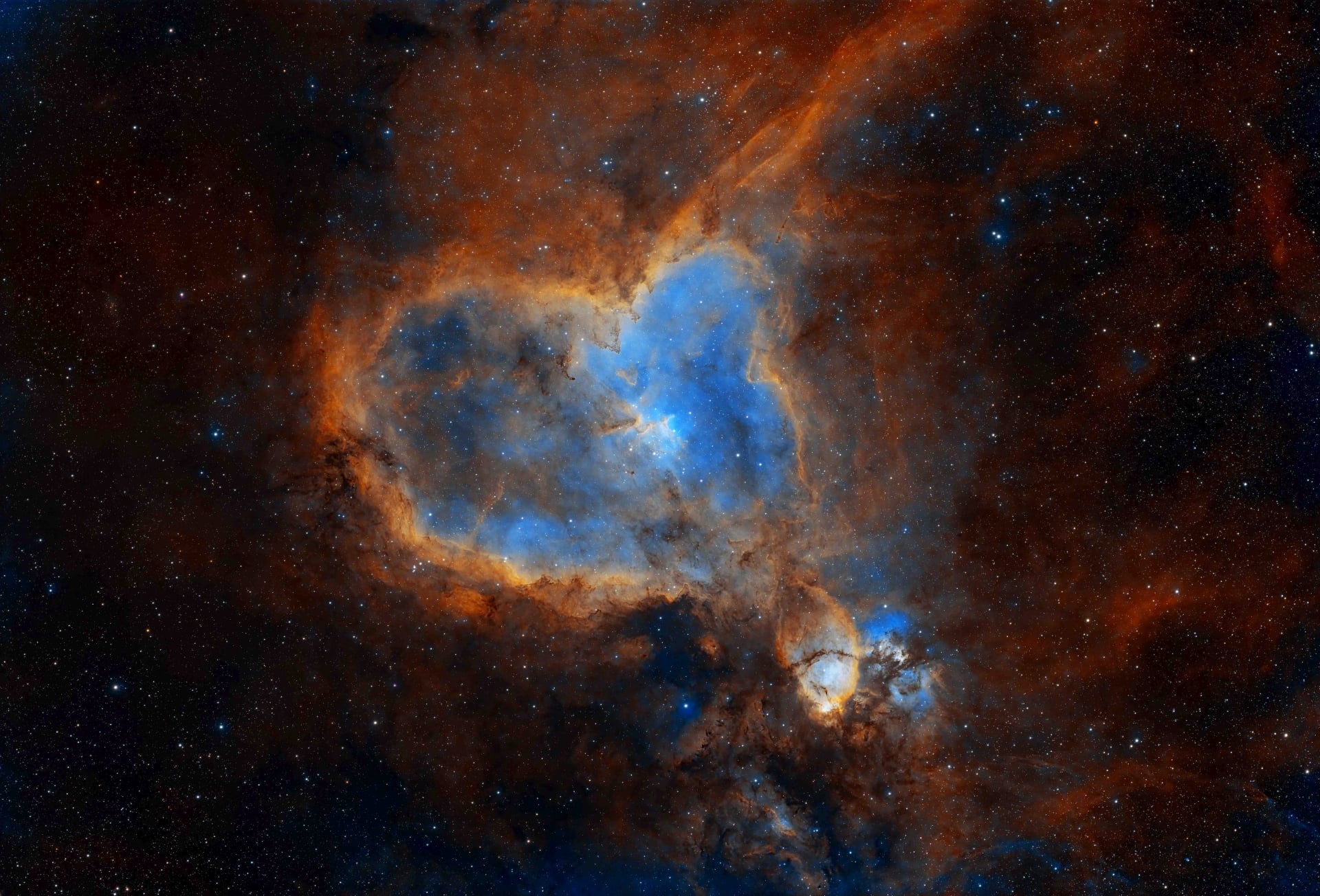
Kaiyan Ma from China was runner-up with M20: The Trifid Nebula, and three young photographers earned Highly Commended: 与晨 林 from China with Celestial Enchantress, Shamiqh Gajdhar from India with A Sphere of Opposites, and Benjamin and Joshua Lawler from the UK with The Heart Nebula.

Category winners take home £1,500, runners-up receive £500, and highly commended entries earn £250. Special prize winners receive £750. All winning entrants also receive a one-year subscription to BBC Sky at Night Magazine.
The winning images go on display at the National Maritime Museum in London, with the exhibition opening on 18 September 2026. The full shortlist is available on the contest website. And if you want to lose yourself in a gorgeous set of astro photos, this is probably the best exhibition you can attend.
See more from DIYPhotography.net on Google
Add DIYPhotography.net as a trusted source. This makes
our stories more likely to appear in your Google Search results.
 Add as a preferred source on Google

Dunja Đuđić Kalinin
Dunja Djudjic is a multi-talented artist based in Novi Sad, Serbia. With 15 years of experience as a photographer, she specializes in capturing the beauty of nature, travel, concerts, and fine art. In addition to her photography, Dunja also expresses her creativity through writing, embroidery, and jewelry making.
Related Posts
 Extraordinary photo of Andromeda Galaxy wins Astronomy Photographer of the Year 2020
 A photo of annular solar eclipse in Tibet wins 2021 Astronomy Photographer of the Year
 ZWO Astronomy Photographer of the Year 18 Shortlists: 4,000 Entries, Zero Bad Images
 Rare photo of Comet Leonard’s disconnected gas tail wins 2022 Astronomy Photographer of the Year
Join the Discussion
DIYP Comment Policy
Be nice, be on-topic, no personal information or flames.