
















Here’s How to Save Humpback Whales With Your Photos
Jul 20, 2026
Dunja Đuđić Kalinin
Dunja Djudjic is a multi-talented artist based in Novi Sad, Serbia. With 15 years of experience as a photographer, she specializes in capturing the beauty of nature, travel, concerts, and fine art. In addition to her photography, Dunja also expresses her creativity through writing, embroidery, and jewelry making.
Share:
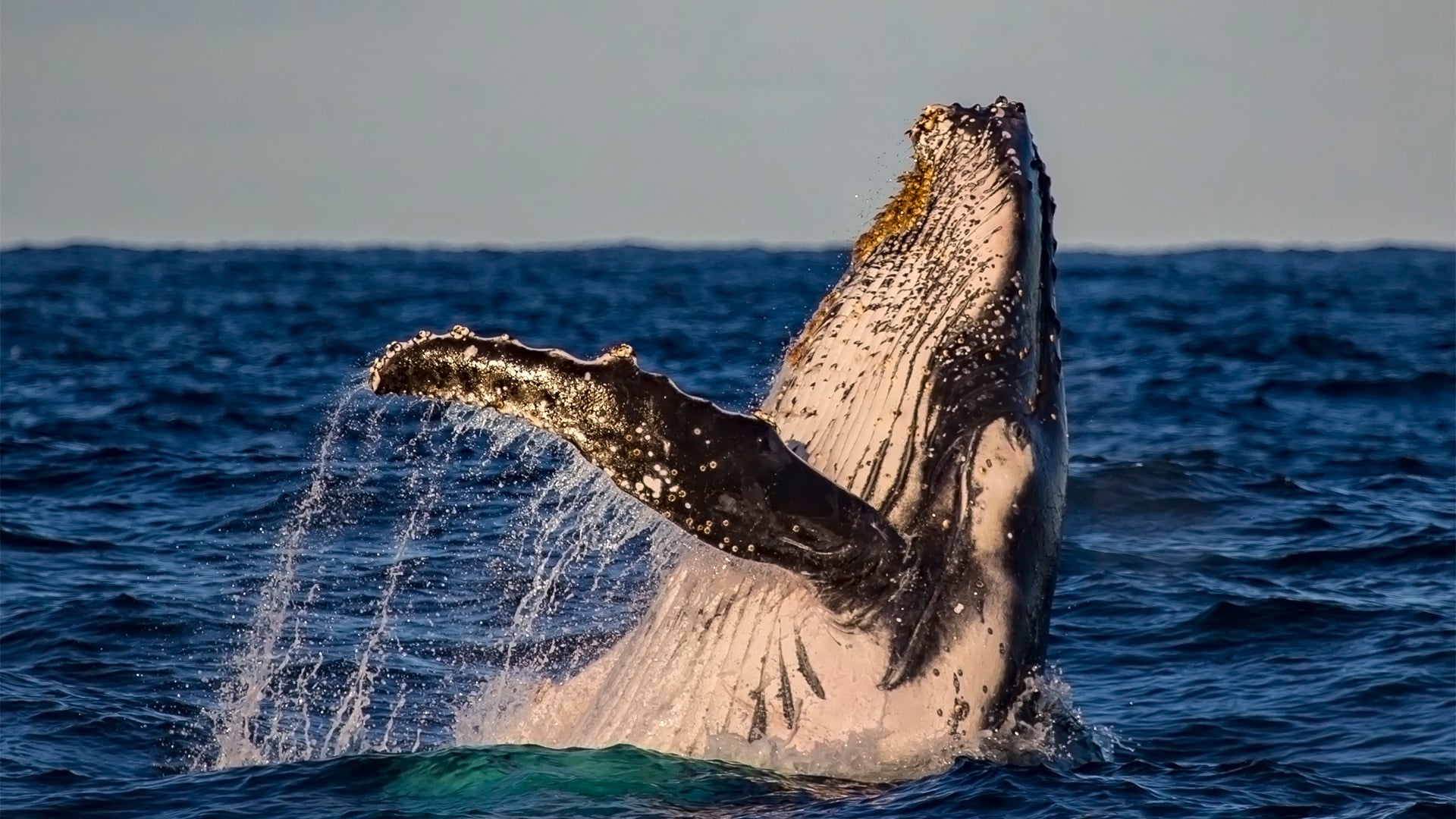
In the first two weeks of July, humpback whales turned up trailing fishing line on both sides of the Pacific, and rescue teams scrambled to reach them. They freed some, but others vanished before responders could find them again. And sadly, at least one died.
While this doesn’t sound so much as news for a photography blog, it actually can be. And you know why? Because you, with your photos, can help save the whales.
A Rough Two Weeks for Humpbacks
The worst cluster hit Ningaloo Marine Park in Western Australia, a spot divers usually associate with whale sharks, not whale rescues. Divernet reports that WA’s Department of Biodiversity, Conservation and Attractions logged up to five entangled-whale reports off the Ningaloo coast between July 5 and July 10. One whale was freed and three couldn’t be relocated despite extensive searches. A nine-meter humpback found near Osprey Bay on July 8 was badly emaciated and embedded in line. This poor thing died overnight after rescuers managed to remove only part of the gear. Its carcass washed onto Ningaloo Reef, drawing sharks and closing two snorkeling sites.
The timing is brutal: up to 40,000 humpbacks pass Ningaloo each winter on their Antarctic-to-Kimberley migration. The Balu Blue Foundation, which runs a local rescue hotline, says the rope matches commercial crab and cray-pot gear. However, it’s unclear why there’s so much of it this year. An entangled whale can cover tens of kilometers a day, so a sighting can go cold by morning.
To make things worse, the same two weeks saw a four-hour net rescue off the Gold Coast, more entangled humpbacks reported in New South Wales, a week-long rescue of a whale nicknamed Pop Tart near the Canada-U.S. border, and two more humpbacks freed by NOAA and partners in Hawaii. The International Whaling Commission estimates over 300,000 whales and dolphins die from bycatch and entanglement every year. Unfortunately, it can happen to the same whale twice. For example, one Salish Sea humpback, Starry Knight, was freed in July only to be found re-entangled weeks later in almost the same spot.
[Related Reading: Rare Humpback Whale Birth Filmed by Scientists Shows New Life in Hawaiian Waters]
Where Photographers Come In
Here’s the part that matters for you: rescuers are consistent on this point. The most useful thing a bystander can do is document and report, not attempt a rescue. As Divernet explains, in Western Australia, only trained, authorized responders are permitted to disentangle a whale. What’s more, even a well-meaning cut can be dangerous and can delay the real rescue. NOAA gives the same guidance in U.S. waters, adding that you should provide a photo or video from a safe, legal distance: more than 100 yards for humpbacks.
The Balu Blue Foundation asks that, if you spot a whale trailing line, floats, or buoys, or just behaving strangely, get it on camera, log a GPS position, note which direction it’s traveling, and report it immediately.
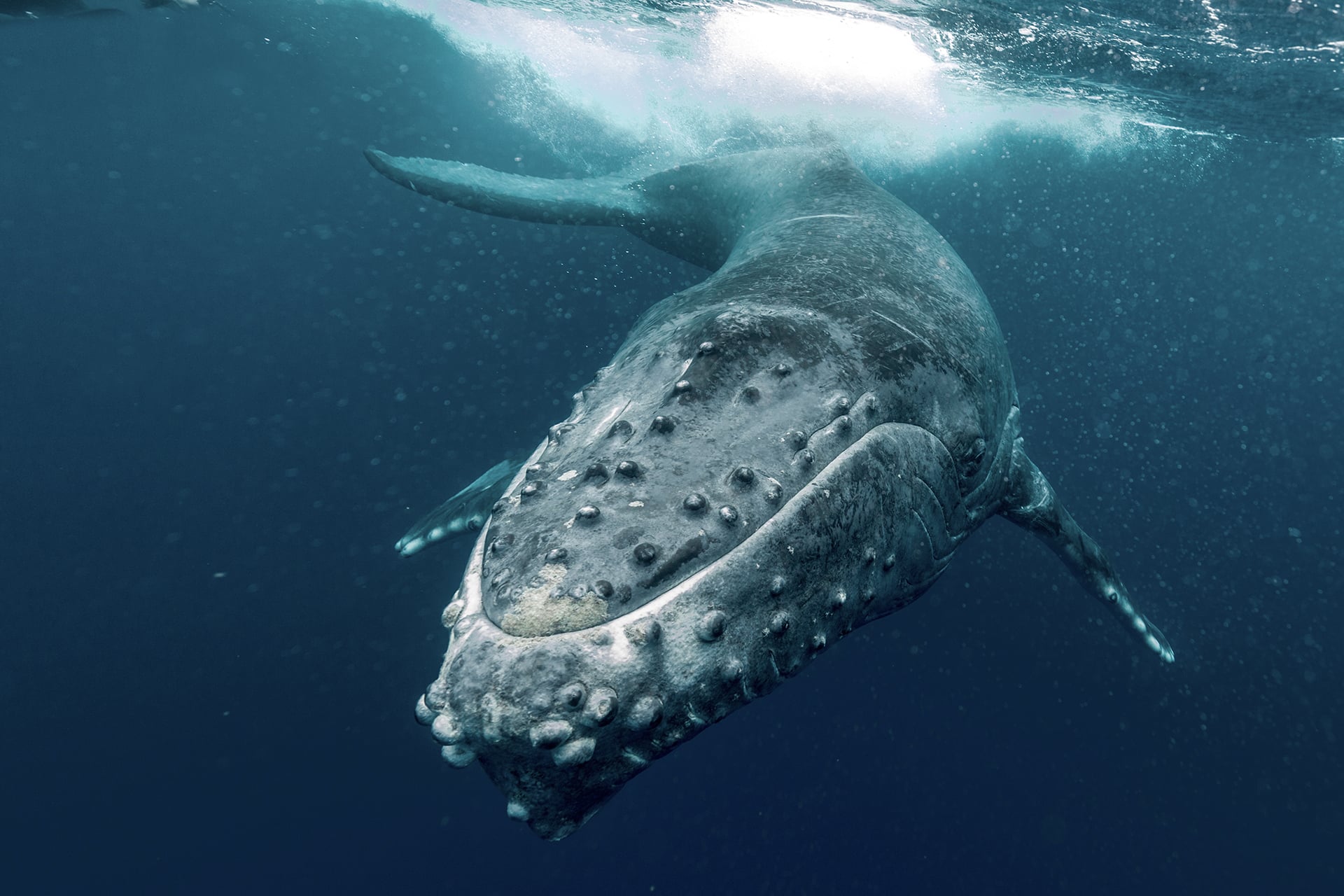
Photos and video show exactly how the gear wraps the animal, which is crucial information. The disentanglement teams use it to plan their approach before they’re anywhere near the whale. They also help identify the individual. It’s useful both for tracking a whale that might otherwise disappear offshore, and for the citizen-science photo-ID catalogs that researchers already use to follow individual whales across years and migrations.
What You Can Do with Your Whale Shots
Let’s summarize how you can help.
- If you see an entangled or distressed whale, report it immediately. Don’t spend time filming for the perfect shot first, and never attempt to cut the animal free yourself.
- Shoot from a legal distance. As mentioned, 100+ yards for humpbacks in U.S. waters is the safe distance. And for other places, make sure to check the local rules.
- Get the wraps, the floats, and the direction of travel. That’s the information a rescue team actually uses to plan.
- Log a GPS position and the time. A location pin turns a photo into usable data – the difference between a whale that gets found again and one that doesn’t.
- Upload clean fluke and fin shots to Happywhale or Flukebook even outside an emergency. Every match updates a whale’s known migration history and can flag old entanglement scarring researchers are tracking.
Maybe you were already taking photos for yourself. Turns out the same shot that gets you a great frame can also be the reason a rescue team finds the whale at all and helps it stay safe, healthy, and above all – alive.
[via FStoppers]
See more from DIYPhotography.net on Google
Add DIYPhotography.net as a trusted source. This makes
our stories more likely to appear in your Google Search results.
 Add as a preferred source on Google

Dunja Đuđić Kalinin
Dunja Djudjic is a multi-talented artist based in Novi Sad, Serbia. With 15 years of experience as a photographer, she specializes in capturing the beauty of nature, travel, concerts, and fine art. In addition to her photography, Dunja also expresses her creativity through writing, embroidery, and jewelry making.
Related Posts
 Photographer captures two humpback whales creating a perfect Fibonacci spiral
 Whales’ unique “bubble-net feeding” wins 2024 Australian Geographic Nature Photographer of the Year
 Rare Humpback Whale Birth Filmed by Scientists Shows New Life in Hawaiian Waters
 PSA: Amazon Photos auto-save might not be auto-saving all of your raw files
Join the Discussion
DIYP Comment Policy
Be nice, be on-topic, no personal information or flames.