





















What Is Composition in Photography? A Complete Guide
Jul 4, 2026
Lydia Marlowe

Dunja Djudjic is a multi-talented artist based in Novi Sad, Serbia. With 15 years of experience as a photographer, she specializes in capturing the beauty of nature, travel, concerts, and fine art. In addition to her photography, Dunja also expresses her creativity through writing, embroidery, and jewelry making.
Share:

Composition in photography is the way you arrange the elements within your frame: where you place your subject, how you use lines and shapes, what you include and leave out. Along with light and exposure, it’s one of the three pillars of a good photograph. Strong composition is what draws a viewer’s eye into an image, guides them through it, and holds their attention, turning a snapshot into a photograph worth looking at.
The good news is that composition isn’t a mysterious talent some people are born with. It’s a set of learnable tools and guidelines, and this guide walks through the most important ones, with links to deeper tutorials on each.
What Does Composition Mean in Photography?
At its simplest, composition is the arrangement of everything inside your frame. When you decide where to stand, what to point the camera at, what to include at the edges, and where to put your subject, you’re composing. You’re making deliberate choices about how the visual elements relate to one another.
Every photo has a composition, whether you thought about it or not. The difference between a strong image and a weak one is usually that the strong one was composed with intention. The photographer decided what the picture was about and arranged the frame to serve that, rather than just pointing and hoping.
Why Is Composition Important?
Composition is what makes an image work. A technically perfect photo (sharp focus, ideal exposure) can still be boring if the elements are scattered or the subject is lost in clutter. Composition gives a photo two things that keep people looking:
Balance. A well-composed frame feels stable and harmonious, with visual weight distributed in a way that’s pleasing rather than lopsided or accidental.
Flow. Good composition guides the viewer’s eye through the image on a deliberate journey, leading it to the subject and around the frame rather than letting it wander off the edge.
Humans are drawn to order, patterns, and balance, and composition is how you build those into a photograph. It’s the difference between a viewer glancing past your image and stopping to take it in.
The Key Composition Techniques
There’s no single “correct” way to compose a photo. Instead, photographers have a toolbox of techniques, each suited to different scenes and stories. Here are the essentials, with links to the full guide on each.
The Rule of Thirds
The best-known compositional rule, and usually the first one beginners learn. You divide your frame into a three-by-three grid, then position key elements along the grid lines or on the four points where they intersect, known as the “points of interest.” Placing a subject off-center this way tends to feel more balanced and dynamic than dropping it dead in the middle. It’s simple, effective, and the natural starting point. See our full guide to the rule of thirds.

Leading Lines
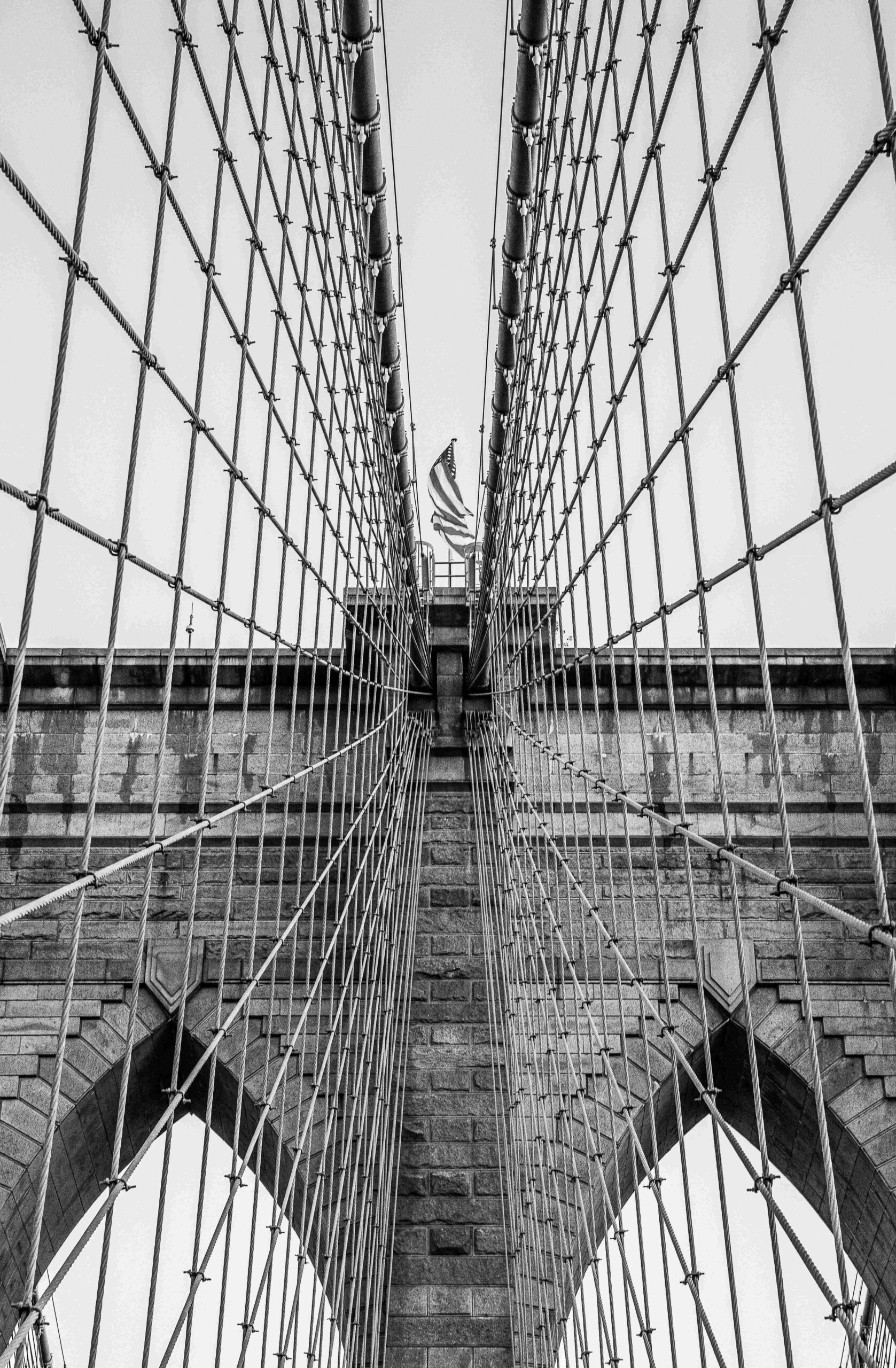
Leading lines are lines within a scene (roads, rivers, fences, shorelines, even someone’s line of sight) that guide the viewer’s eye through the frame and toward your subject. They can be horizontal, vertical, diagonal, converging, curved, or implied, and they work in any genre, not just landscapes. They add depth, direction, and a sense of journey to an image. Learn the types and how to use them in our guide to leading lines.

Symmetry
Symmetry is when elements mirror each other across an axis, and humans find it deeply satisfying to look at. It can be vertical, horizontal (including reflections in water), or radial. Symmetry creates a powerful sense of balance and harmony, though it’s worth using sparingly so it stays striking. Sometimes breaking it deliberately, with one element interrupting an otherwise symmetrical scene, is even more powerful. Explore it fully in our guide to symmetry in photography.
Triangles
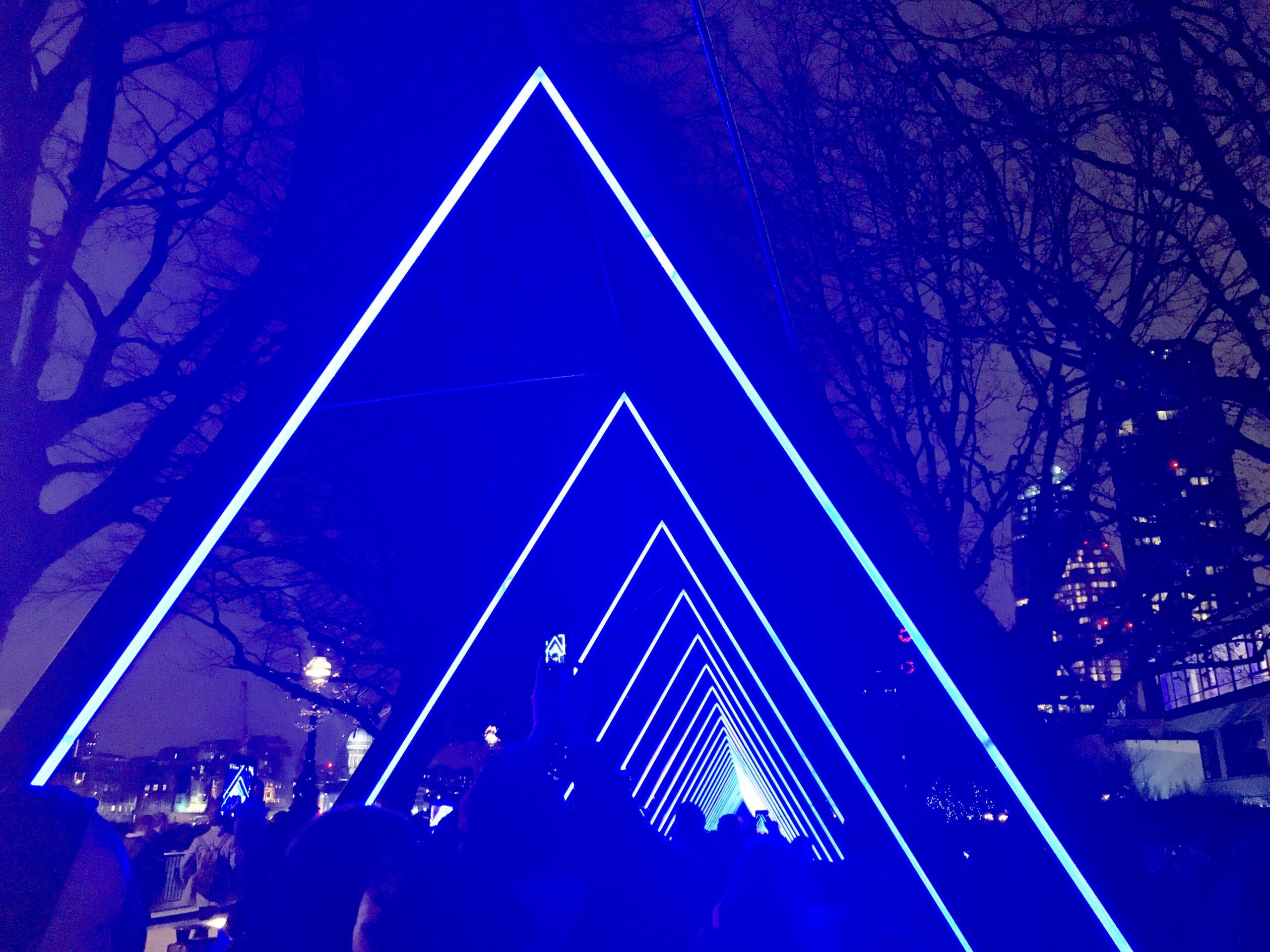
Triangles are a bedrock of composition, used by painters and photographers alike. They can be literal shapes in the scene, implied groupings of three elements, or the “golden triangle,” a way of dividing the frame with diagonals. Upward triangles feel stable and calming, while inverted ones introduce tension and unease. They’re a great way to bring both balance and dynamism to a frame. See how in our guide to triangles in composition.
The Golden Ratio
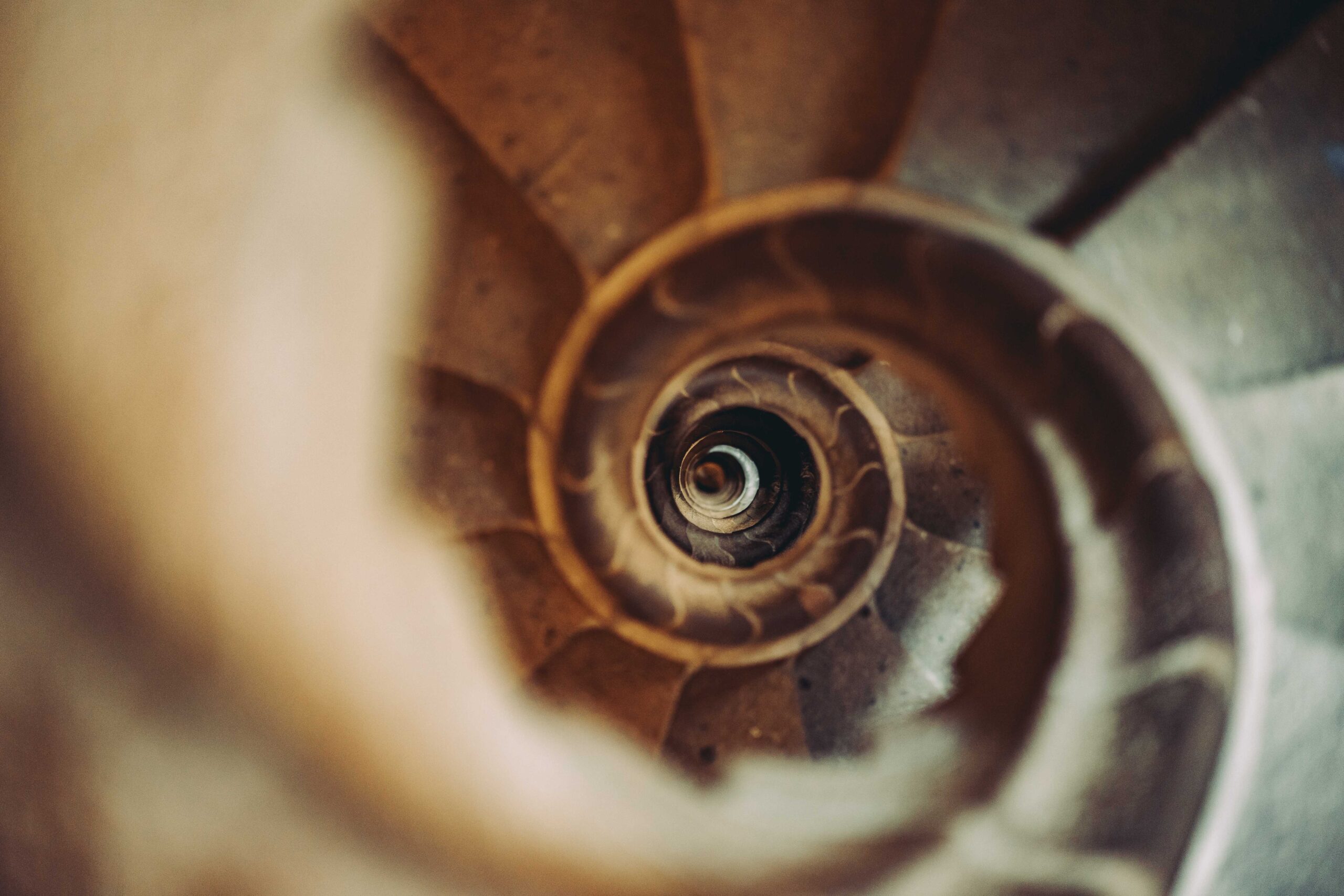
A close relative of the rule of thirds, the golden ratio is based on a mathematical proportion (roughly 1.618) that’s long been considered pleasing to the eye. In practice, you use it either as a “Phi grid,” similar to the thirds grid but with the lines pulled slightly closer to the center, or as the Fibonacci spiral, positioning your subject where the spiral tightens. It takes more practice to “see” than the rule of thirds, but it’s a powerful tool. Dive into it in our guide to the golden ratio.
How to Choose the Right Composition
With all these tools available, the natural question is which to use and when. The honest answer: it depends on the scene and the story you’re telling. The rules exist to help you make better photos, not to be crammed in for their own sake.
Before you shoot, think about what your image is actually about and what you want the viewer to feel. A serene landscape might suit symmetry or a horizon placed on a rule-of-thirds line. A scene with a strong road or river is begging for leading lines. A group portrait often works arranged into a triangle. A subject with natural curves might suit the golden spiral. Consider the genre, the mood, and the subject, then reach for the tool that serves them.
And don’t feel you have to apply any of them precisely. These are guidelines, not laws. Your horizon doesn’t have to sit exactly on the gridline, and your subject doesn’t have to land perfectly on a point of interest. They’re aids to help you see.
Learn the Rules, Then Break Them
The most important thing to understand about composition is that every one of these rules can be broken to great effect, but you need to know them first. Breaking a rule with intention is powerful. Ignoring it out of ignorance usually just produces a weaker photo.
Once these techniques become second nature, you’ll find yourself composing automatically, and you’ll develop an instinct for when to follow a guideline and when to throw it out. That instinct, built on knowing the rules cold, is what separates a developing photographer from a confident one.
Wrapping Up
Composition is simply the art of arranging your frame with purpose. Learn the core tools (rule of thirds, leading lines, symmetry, triangles, and the golden ratio), practise spotting them in the world, and apply whichever fits the story you’re telling. None of it requires expensive gear or natural-born talent, just attention and intention. Master composition and it will do more for your photography than any lens you could buy.
Which composition technique do you reach for most? Do you have a go-to rule, or you rather break all of them? Let us know in the comments.
See more from DIYPhotography.net on Google
Add DIYPhotography.net as a trusted source. This makes
our stories more likely to appear in your Google Search results.
 Add as a preferred source on Google

About Lydia Marlowe
Lydia Marlowe is an architect and a hobbyist photographer who has never quite managed to keep the two apart. She travels at every excuse, usually returning with more photos of buildings and details than of the people she went with. She pays more attention to light and structure than to gear, and she firmly believes the best camera is the one you didn’t leave at home.
We love it when our readers get in touch with us to share their stories. This article was contributed to DIYP by a member of our community. If you would like to contribute an article, please contact us here.




Join the Discussion
DIYP Comment Policy
Be nice, be on-topic, no personal information or flames.