






















Keychain “Kameras:” A Back-to-School Backpack Charm or Curse?
Aug 21, 2025
David Prochnow
Our resident “how-to” project editor, David Prochnow, lives on the Gulf Coast of the United States in Ocean Springs, Mississippi. He brings his expertise at making our photography projects accessible to everyone, from a lengthy stint acting as the Contributing How-To Editor with Popular Science magazine. While you don’t have to actually build each of his projects, reading about these adventures will contribute to your continued overall appreciation of do-it-yourself photography. A collection of David’s best Popular Science projects can be found in the book, “The Big Book of Hacks,” Edited by Doug Cantor.
Share:
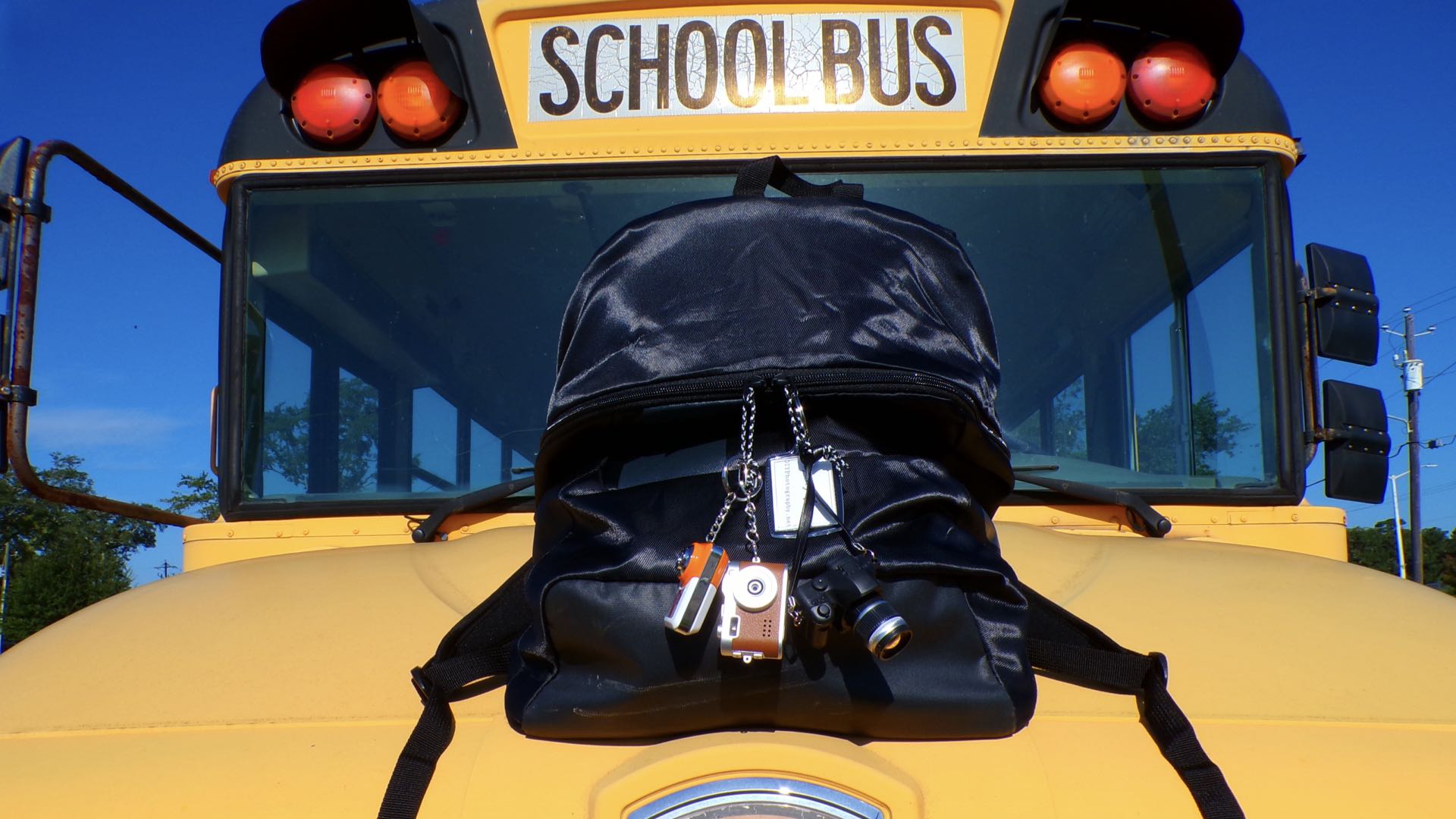
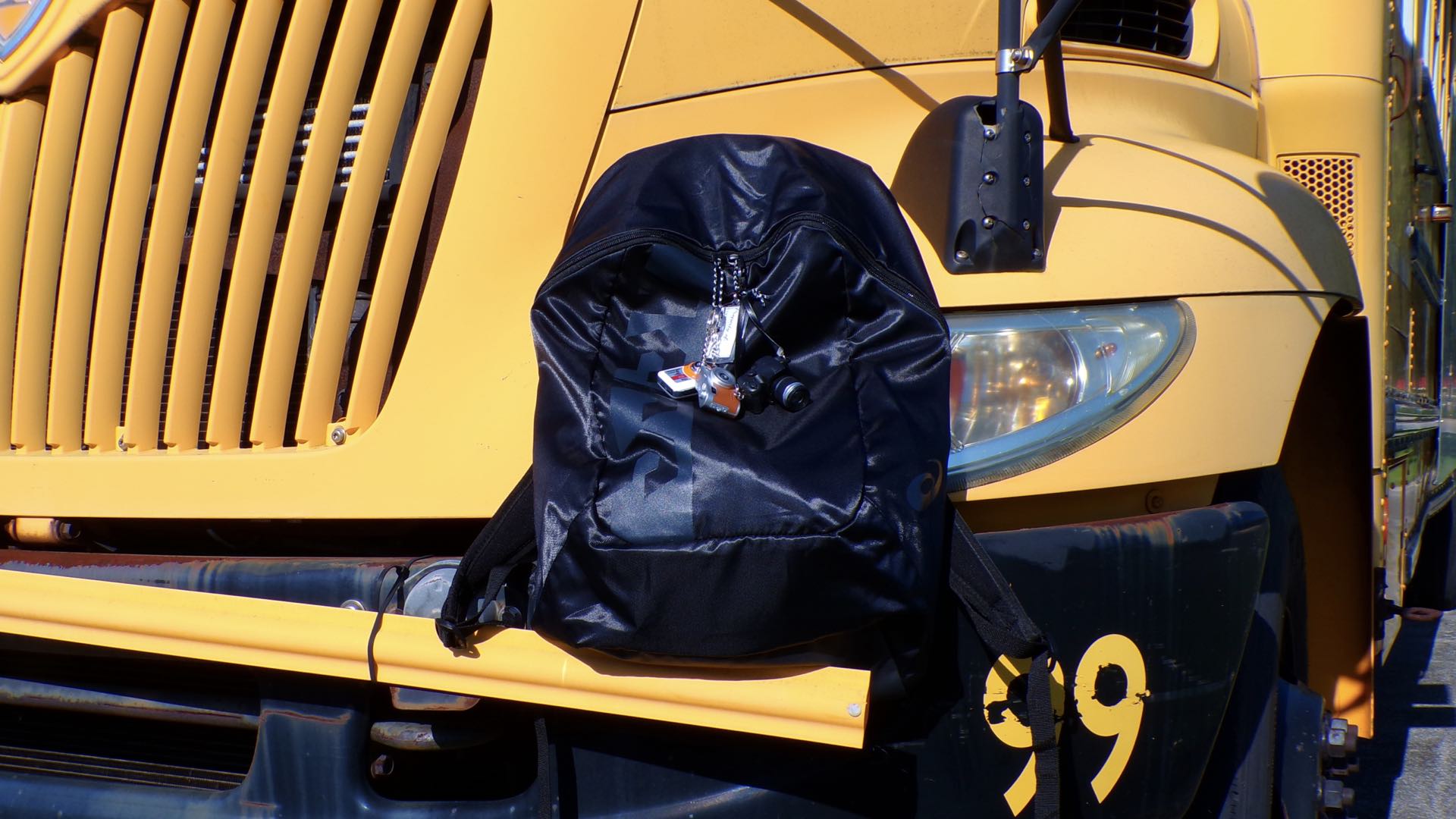
Late summer signals the arrival of an event that is dreaded by students, while it is cheered by parents. It’s the first day of school! YAY! BOO! Accompanying all of these budding scholars back to school will be a standard fixture in academia–the backpack. Heralding an expression of both identification and individuality are the numerous keychains, ID tags, and baubles festooning each student’s backbreaking piece of approved school luggage.
If you’re looking for adding that personal touch to your own backpack (or, the backpack of a school-age relative) that echos your interest in photography, then look no further than the keychain camera.
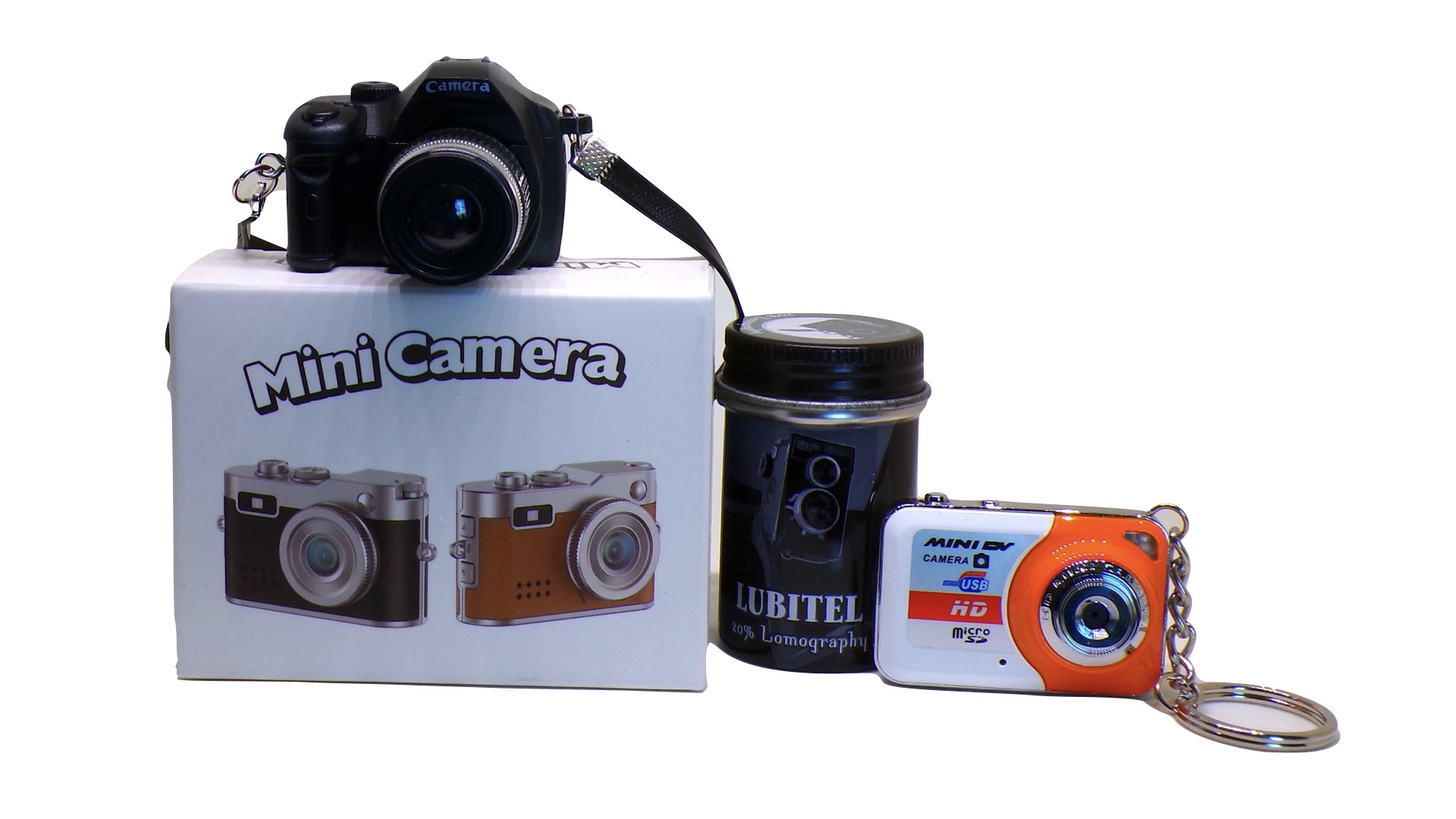
These ridiculously small, thumb-sized cameras come in two flavors: active photo takers and static camera fakers. While there are a large number of keychain cameras on today’s market, here are three of the best candidates for turning any backpack into a mobile photographic studio:
First, and foremost, this is one of the best “fake” keychain cameras. This model has shutter sound effects and an attention-getting flash that’s embedded inside the clear front lens element. Press the shutter release and you’ll hear a 3 frames-per-second “click-motor drive” along with a synchronized LED flash burst. Priced at $6.99, you’ll be an instant paparazzi junior with this charm dangling from your backpack.
If you’re striving for a keychain bauble that can take “real” photographs, then the Mini DV Camera might fit the ticket. Dubbed the “world’s smallest camcorder,” the Mini DV Camera comes with a mini-USB charging cord, a microSD card carrier, a confusing user manual, and a pre-installed 32GB microSD card. Oh, and that attached keychain ring could break a fingernail or two during the installation on your backpack. The Mini DV Camera costs $19.99 with an occasional 50% discount coupon that can be applied to your purchase.
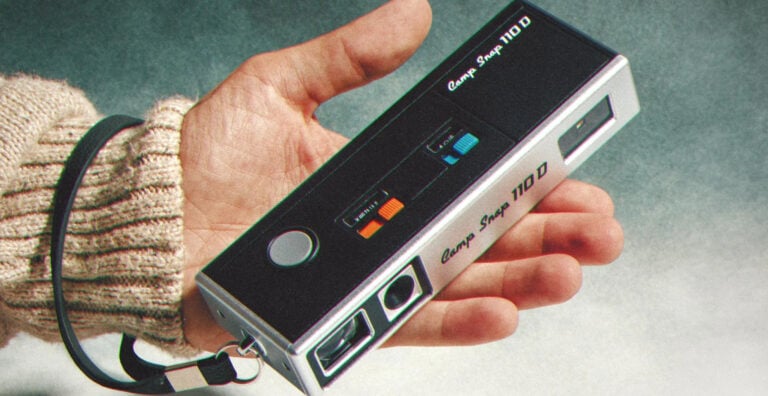
Saving the best keychain camera for last, the Mini Camera with its strong physical retro resemblance to a rangefinder camera is destined to win the heart of every photographer. Equipped with the USB-C charging cord, both a lanyard and a neck strap which supplement a keychain, a microSD card carrier with both USB-C and micro-USB adapters, a user manual, and a pre-installed 16GB microSD card, the Mini Camera delivers more than just good looks. It’s the only keychain camera with a functioning 1-inch LCD on the backplate directly below a fake viewfinder. While it won’t replace your Fujifilm X100VI, the cute Mini Camera costs $28.99.
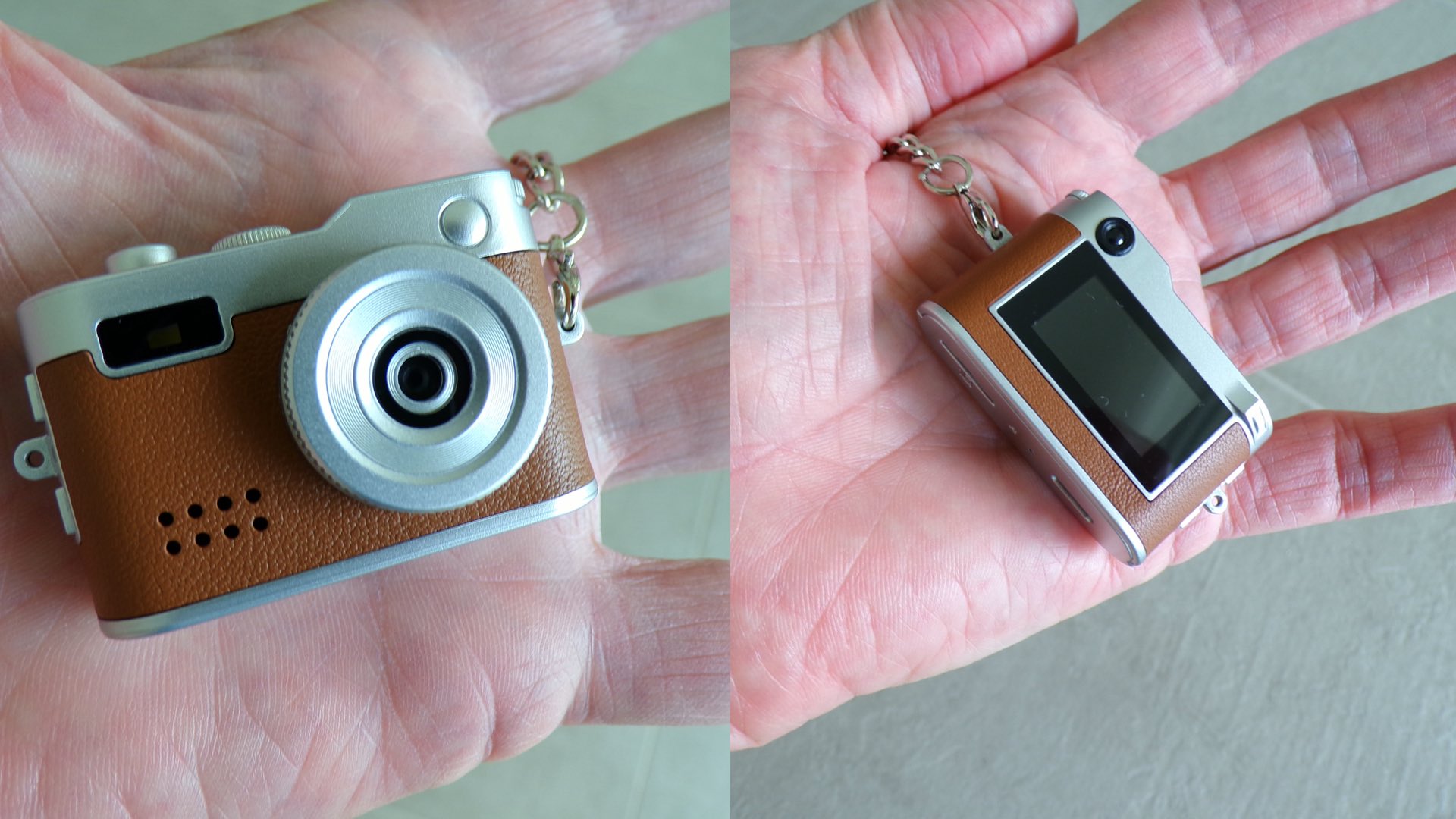
[Please note: Both the Mini DV Camera and the Mini Camera share a similar innovative technique for setting the Date/Time. There is a plain text file (i.e., time.txt) in the root directory of the pre-installed microSD card that is used for setting the current date and time via a 14-digit numeric string.]
An Accursed Charm or a Charming Curse?
While the fake keychain camera’s merits can be easily judged by whether or not you want to look and sound like a pint-sized paparazzi, the other two “real” camera trinkets are best evaluated by the photographs that each one is able to record. Here’s a sample comparison, so that you can see for yourself:

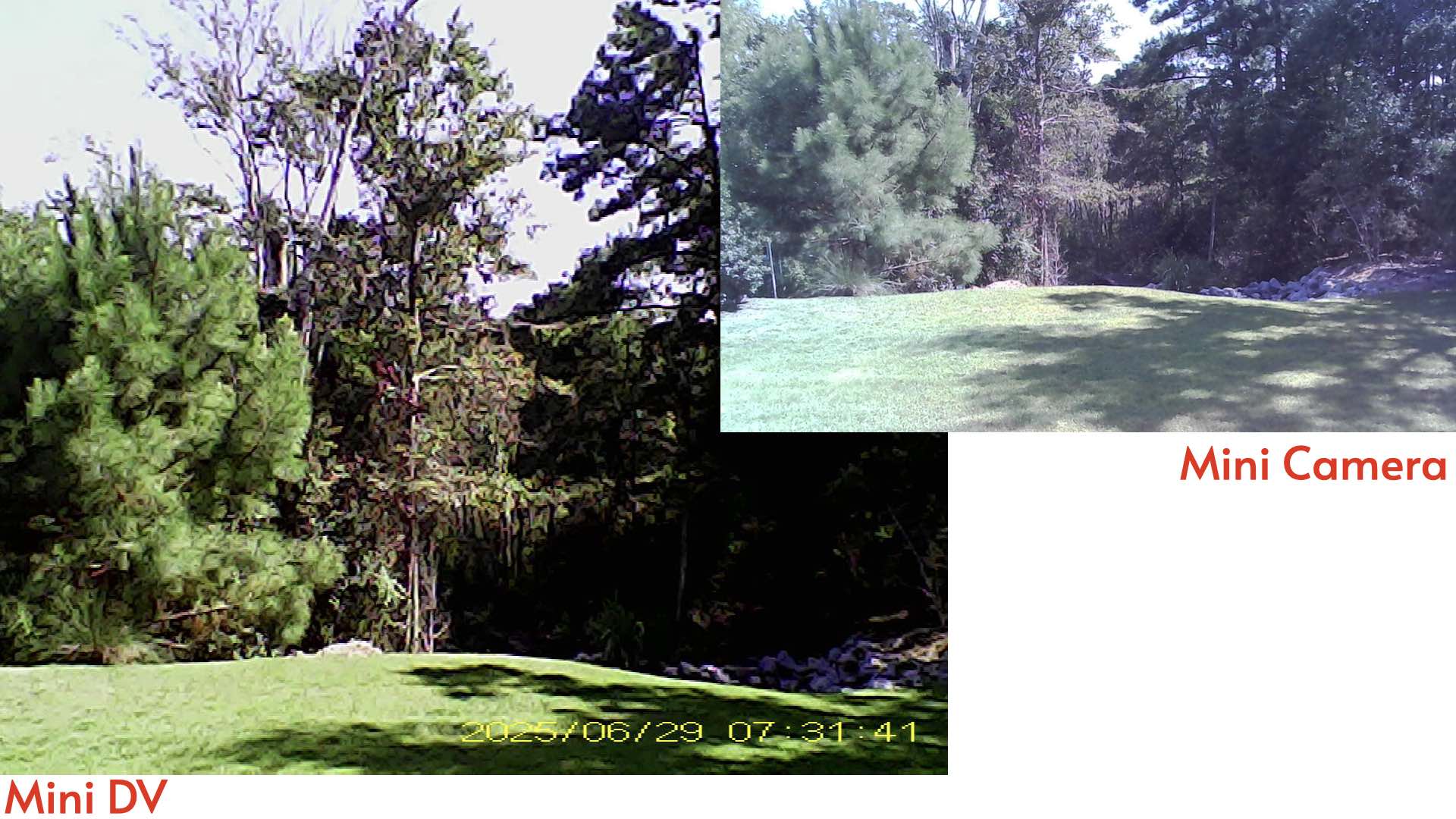
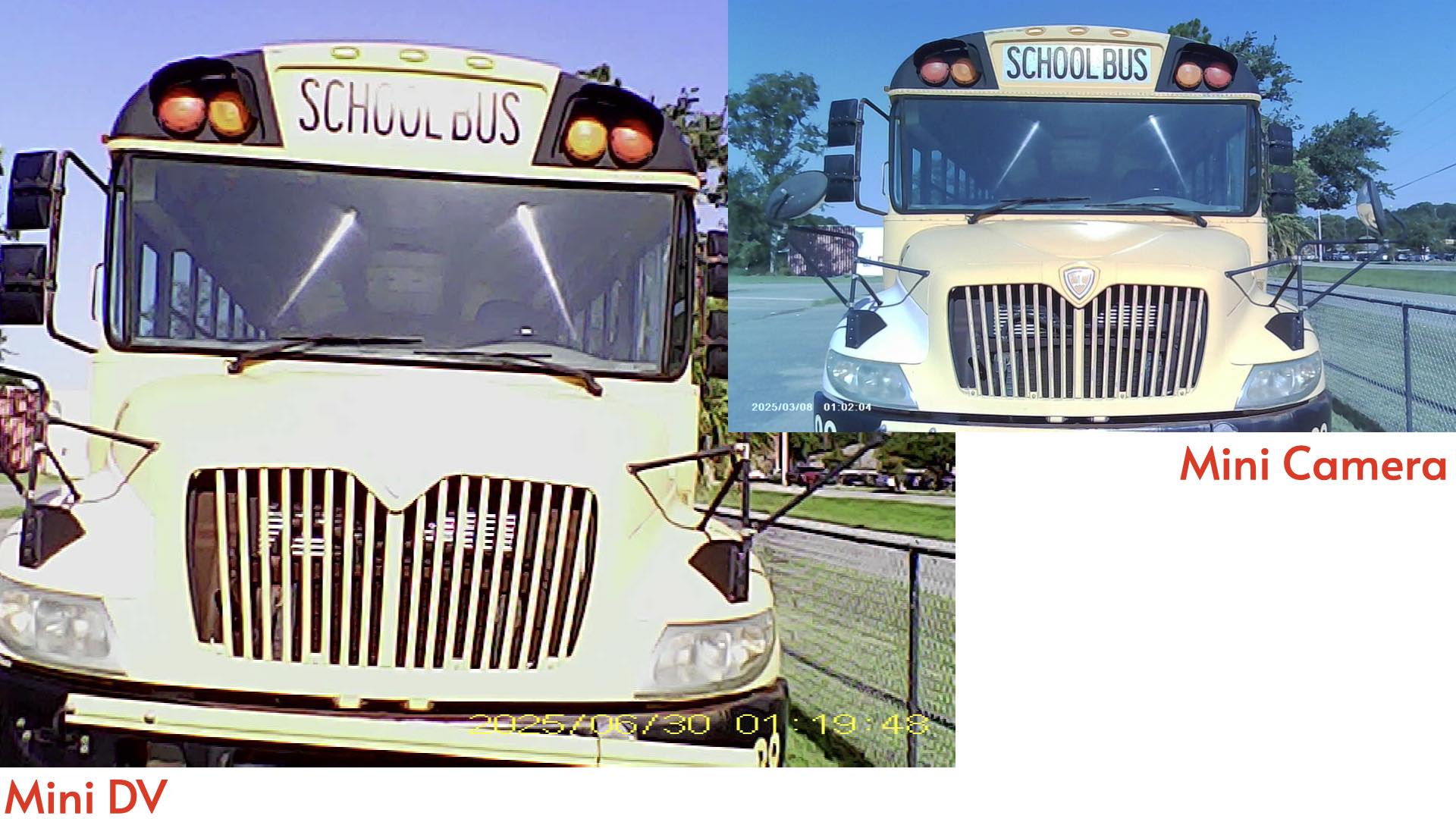
After studying the above comparison photographs you should be able to determine which camera goes to the head of the class and which camera flunks out of school.
Enjoy.
See more from DIYPhotography.net on Google
Add DIYPhotography.net as a trusted source. This makes
our stories more likely to appear in your Google Search results.
 Add as a preferred source on Google
Filed Under:
Tagged With:

David Prochnow
Our resident “how-to” project editor, David Prochnow, lives on the Gulf Coast of the United States in Ocean Springs, Mississippi. He brings his expertise at making our photography projects accessible to everyone, from a lengthy stint acting as the Contributing How-To Editor with Popular Science magazine. While you don’t have to actually build each of his projects, reading about these adventures will contribute to your continued overall appreciation of do-it-yourself photography. A collection of David’s best Popular Science projects can be found in the book, “The Big Book of Hacks,” Edited by Doug Cantor.
Related Posts
 The curse of “Comparisonitis” – 7 tips to make you less miserable
 Moment Strohl Mountain Light 45L Backpack: a camera backpack for serious wilderness photographers
 ‘Size Matters’: Two photographers try to charm a woman — with photo gear
 Fujifilm’s New X-E5 Delivers X100VI Charm with More Creative Freedom
Join the Discussion
DIYP Comment Policy
Be nice, be on-topic, no personal information or flames.
One response to “Keychain “Kameras:” A Back-to-School Backpack Charm or Curse?”
How can it be a fair comparison if you are showing only one at full size and shrinking the other? Dave Knopp has better stuff about the minicamera.
And please explain what part of this is “do-it-yourself?”