






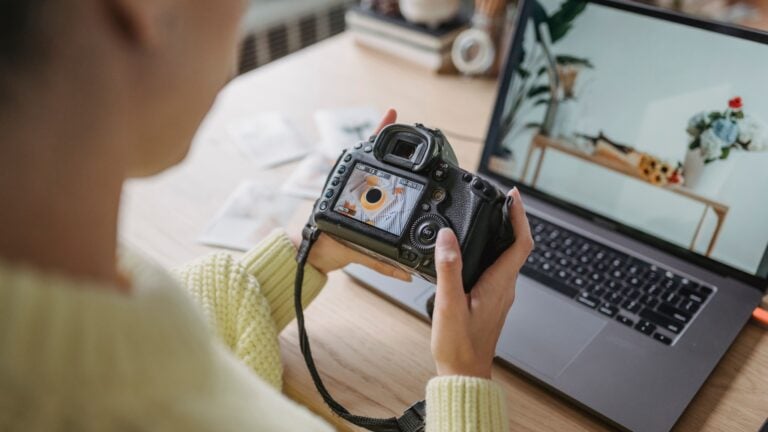













Mastering live music photography: Insights from a concert photographer
Jun 6, 2024
Scott Diussa

Dunja Djudjic is a multi-talented artist based in Novi Sad, Serbia. With 15 years of experience as a photographer, she specializes in capturing the beauty of nature, travel, concerts, and fine art. In addition to her photography, Dunja also expresses her creativity through writing, embroidery, and jewelry making.
Share:

Live music photography is a blend of artistry, technical skill, and passion. With more than 30 years of experience capturing live music, I’d like to distill some of the best lessons I’ve learned in this discipline. After all, photographers only have a certain amount of time to get their shots, whether based on the length of a set or the time frame a venue allows.
So, let’s talk about live music photography and the things you need to consider when shooting that will translate to great images when it’s all said and done. In this article, we’ll discuss the importance of the gear you use, the camera settings that help make your shots, and how to best prepare for the shoot.
The Importance of Knowing Your Gear
When it comes to gear, I emphasize the importance of knowing your equipment’s limitations and capabilities. This rule applies to all levels of experience, even beginners starting out in small venues like local bars. Top-of-the-line equipment isn’t always an option for those with starter budgets, but making the most of your equipment is understanding its strengths and weaknesses to capture optimal performance.
While smaller venues may require practical gear, such as compact camera bodies and lenses, larger concerts may warrant higher-end equipment to capture the energy and atmosphere of the performance. Lenses play a more significant role than camera bodies in live music photography. With advancements in camera technology, many modern camera bodies offer excellent high ISO capabilities with minimal noise. This means photographers can achieve impressive results without necessarily investing in top-of-the-line camera bodies. Instead, I recommend acquiring high-quality lenses that allow versatility and flexibility in various shooting conditions.
Cameras these days have such good high ISO capabilities with very low noise that you don’t have to buy the really expensive 2.8 fast lenses. But there’s one lens that I’ve been shooting with recently, the Canon 24 to 240 RF lens, that makes going to a show with one camera very realistic.
Other lenses on my favorites list are Canon’s F4 series lenses:
- 14-35mm
- 24-105mm
- 70-200mm

Which Camera Setting Is Best to Shoot In?
In addition to equipment, I must stress the importance of mastering manual mode for concert photography. Everything in concert photography is shot 100% manually. You have to control how the picture looks, so you need to set your shutter speed and aperture, and then set your ISO and just ride.
Although I don’t recommend automated settings for live music photography, I understand how helpful a feature like autofocus can be for newcomers. However, it is important to remember that autofocus can catch things like microphone stands instead of a performer’s face or capture out-of-focus eyes, so features like tracking or eye detection autofocus are a must in this case.
By manually adjusting settings such as shutter speed, aperture, and ISO, you can tailor your shots to suit the unique characteristics and atmosphere of each performance.

How To Prep for Live Shows
While preparation for each show varies, I typically focus on understanding the venue layout and anticipating lighting conditions. Whether you’re shooting in a small, intimate bar or an arena, familiarizing yourself with the venue’s layout can help you anticipate potential challenges and opportunities for capturing unique angles and perspectives.
Anticipating lighting conditions is another essential aspect of preparing for a live show photography shoot. Lighting can vary significantly depending on the venue and the preferences of the lighting director. By researching past performances or speaking with venue staff, you can gain valuable insight into the typical lighting setup and make informed decisions about your camera settings and equipment choices.
Often, the easiest way to anticipate challenges ahead of a performance is to attend a rehearsal, but that’s a luxury only a few have. Establishing rapport with the band and gaining their trust can open doors to exclusive opportunities to capture behind-the-scenes moments or soundcheck rehearsals.
Whether or not you are fortunate enough to have free rein at a gig, the key is to take control of your camera and experiment. Embrace manual mode, take control of your camera settings, and bring your creative vision to the stage.

See more from DIYPhotography.net on Google
Add DIYPhotography.net as a trusted source. This makes
our stories more likely to appear in your Google Search results.
 Add as a preferred source on Google

About Scott Diussa
Scott Diussa is a KEH Partner and Canon Account Manager. He is also a guitarist, teacher, and music lover and has been a concert photographer for over 25 years. He has photographed bands all over the country and also has taught concert photography for many years at conferences such as Photoshop World. Scott is a contributor to the online music publication, All Music Magazine, where he not only photographs shows but also writes reviews.
We love it when our readers get in touch with us to share their stories. This article was contributed to DIYP by a member of our community. If you would like to contribute an article, please contact us here.
Related Posts
 Low-Light Concert Photography: How to Use Speedlights when Shooting Live Music
 How to Get a Concert Photo Pass: Breaking Into Live Music Photography
 The Future of Live Production: Insights from Blackmagic Design’s Post-NAB Vision
 Concert Photographer: Where Did Your Integrity Go? (Or How Concert Photographers Handle Contracts In Norway)
Join the Discussion
DIYP Comment Policy
Be nice, be on-topic, no personal information or flames.
One response to “Mastering live music photography: Insights from a concert photographer”
Love this insight in someone else endeavors when it comes to concert photography. I’m a hobby photographer that shoots mostly metal concerts in small venues. The light is always horrible and always coming from behind the band. No matter if I use a canon EF 50mm 1.4, There is sometimes almost not enough light. But my Canon EOS R is more capable of handling noise. So I have more space to breath. But still, stage photography can be a big challenge.