






















Rode’s new Wireless GO (Gen 3) is basically a Wireless Pro without timecode
Dec 10, 2024
John Aldred
John Aldred is a photographer with over 25 years of experience in the portrait and commercial worlds. He is based in Scotland and has been an early adopter – and occasional beta tester – of almost every digital imaging technology in that time. As well as his creative visual work, John uses 3D printing, electronics and programming to create his own photography and filmmaking tools and consults for a number of brands across the industry.
Share:

When the Rode Wireless Pro ($362) launched last year, adding 32-bit float recording and timecode to Rode’s then flagship Wireless GO II ($239.99) system, it was an instant hit. The Wireless GO II has continued to sell alongside the Wireless Pro ever since.
Now, though, Rode has launched its successor, the Rode Wireless GO (Gen 3) ($). This includes the 32-bit float and other features of the Wireless Pro. It seems to essentially be identical to the Wireless Pro, except without timecode support.
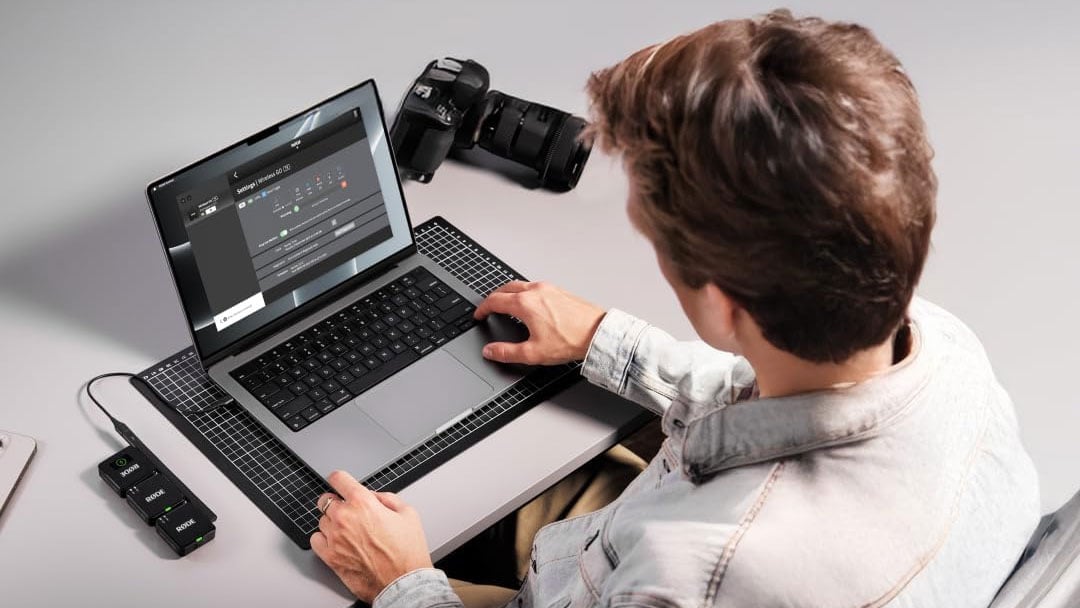
Rode Wireless GO (Gen 3) – Not quite Wireless Pro, but close
Interestingly, Rode’s dropped the numbering from the new device name, simply going back to the Rode Wireless GO and adding the generation number in brackets. This is likely to get confusing in the used market at some point, but what’s in a name?
Well, in this name, there’s basically everything that’s in the Rode Wireless Pro except for timecode. It’s compatible with Rode’s Series IV 2.4GHz wireless system. So, you can use it with Wireless GO II, Wireless Pro and Wireless ME ($193 for 2xTx) equipment, as well as devices like the Rodecaster Pro II.

The Wireless GO (Gen 3) features 32-bit float recording. While it’s nice to see this feature come to the GO series, it’s kind of expected at this point. 32-bit float recording has just become standard in most decent wireless microphones (that record) and field recorders today.
It also inherits the Wireless Pro’s intelligent GainAssist technology. This helps to keep the subject’s voice at a consistent level throughout the recording. Of course, you also get the option of recording a safety channel, but as with other 2-mic systems like this, both mics are mixed to both channels.
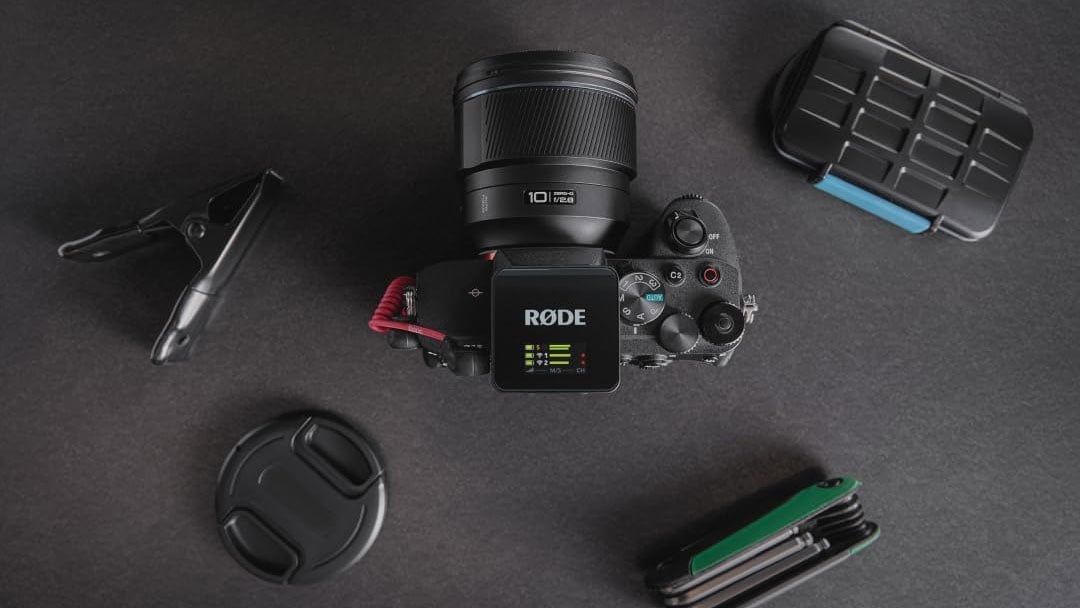
One very welcome feature that was lacking from the Wireless GO II is locking microphone connector sockets. These are invaluable when you’ve got active subjects and one of the big reasons many people went for the Wireless Pro over the Wireless GO II.
Does the price make sense?
The new Rode Wireless GO (Gen 3) is priced at $299. With the range of microphones on the market today, that’s a significant price. Of course, only a few companies can command such a price for a microphone like this. The Rode Wireless GO (Gen 3) offers very similar features and performance to the DJI Mic 2 ($349) for less.
But is it really enough when the Rode Wireless Pro costs only an extra $63? Remember, with the Rode Wireless Pro, you wouldn’t just be paying the extra for the ability to use timecode. It also has the benefit of coming with a bunch of pre-loaded accessories.
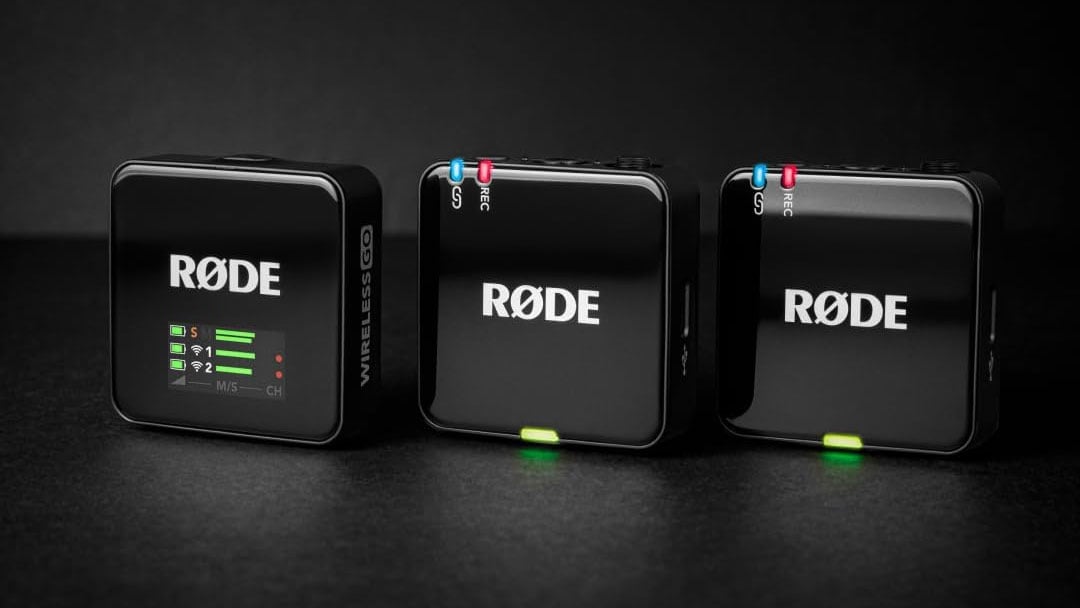
You get a pair of Lavalier II microphones ($89.78 each), along with a pair of Rode Magnet Clips ($19 each) and a two cases (one being a charging case) to keep everything in. No case comes with the Rode Wireless GO (Gen 3), although a new Rode Charge Case+ is available as a separate purchase.
This means you’re going to be spending at least $200 on top of the cost of the Rode Wireless GO (Gen 3) in order to bring it up to the level of the Rode Wireless Pro. And you still won’t have timecode. If you don’t need the extra accessories, the Wireless GO (Gen 3) looks great value, but if you need even a single lav mic, it’s cheaper to get the Wireless Pro.
It’ll be interesting to see how the popularity of the two systems compare in the coming months.
Price and Availability
The Rode Wireless GO (Gen 3) is available to pre-order now for $299. The Rode Charge Case+ is also available to pre-order now for $.
See more from DIYPhotography.net on Google
Add DIYPhotography.net as a trusted source. This makes
our stories more likely to appear in your Google Search results.
 Add as a preferred source on Google

John Aldred
John Aldred is a photographer with over 25 years of experience in the portrait and commercial worlds. He is based in Scotland and has been an early adopter – and occasional beta tester – of almost every digital imaging technology in that time. As well as his creative visual work, John uses 3D printing, electronics and programming to create his own photography and filmmaking tools and consults for a number of brands across the industry.
Related Posts
 Rode Wireless Pro brings 32-Bit recording and Timecode to tiny mics
 Blackmagic quietly releases the Pocket Cinema Camera 6K G2 and it’s basically a 6K Pro without built-in ND
 The Sony A7cr is basically a tiny A7R V (but without 8K)
 Review: Insta360 Ace Pro 2 adds second AI chip, timecode, 8K30 and 4K60 HDR
Join the Discussion
DIYP Comment Policy
Be nice, be on-topic, no personal information or flames.